Breaking the Sovereign Debt Doom Loop: Reprofiling with rate cuts can unlock USD $454 billion until 2031 says new report
1 July 2025, Sevilla, Spain – A debt review just released by a bloc of 74 finance ministers revealed climate vulnerable countries are spending four
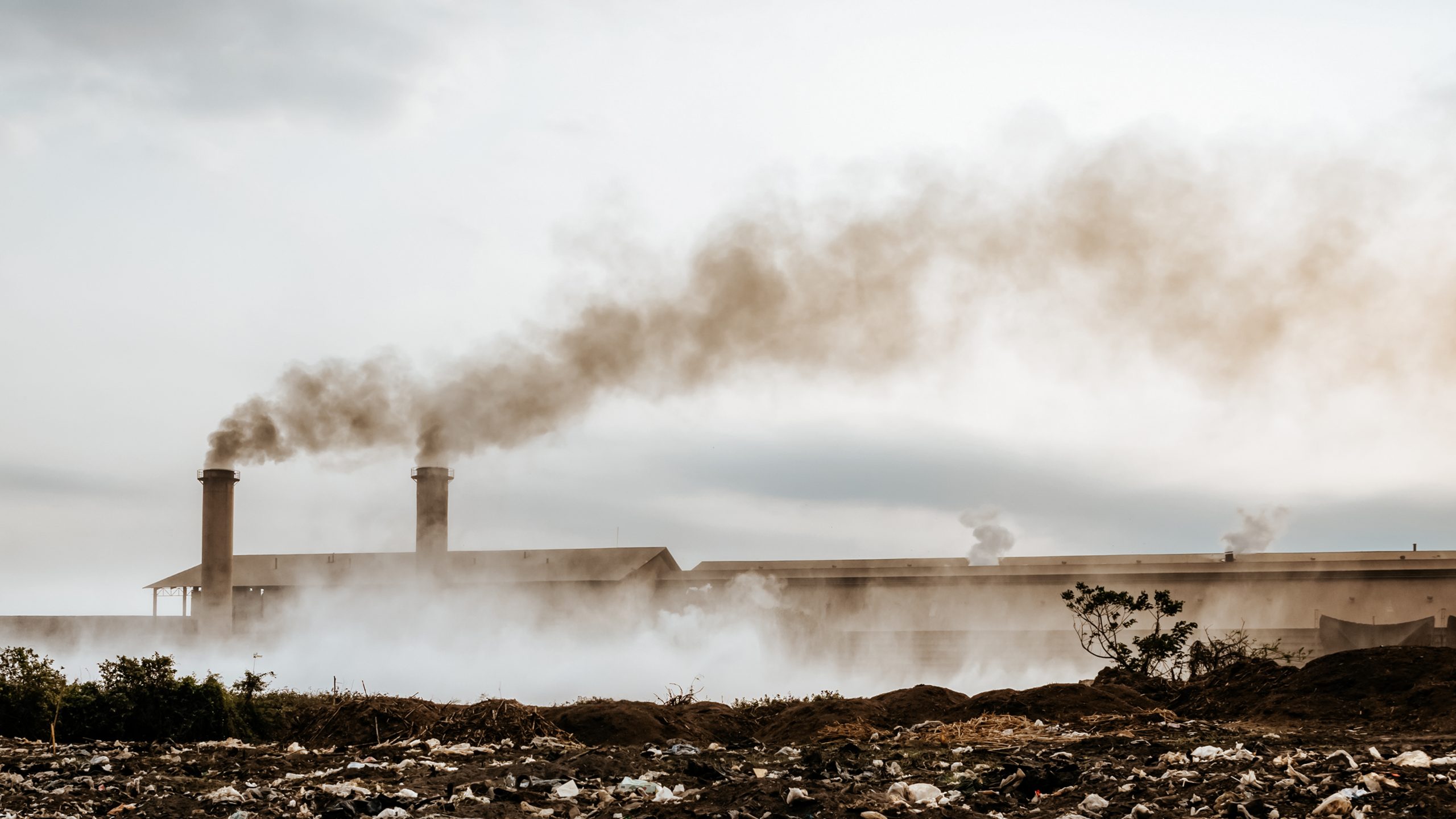
Nepal reaffirms commitment to clean air
June 30, 2025—The recently published World Bank report, “Towards Clean Air in Nepal,” identifies air pollution as Nepal’s leading health risk, responsible for around 26,000
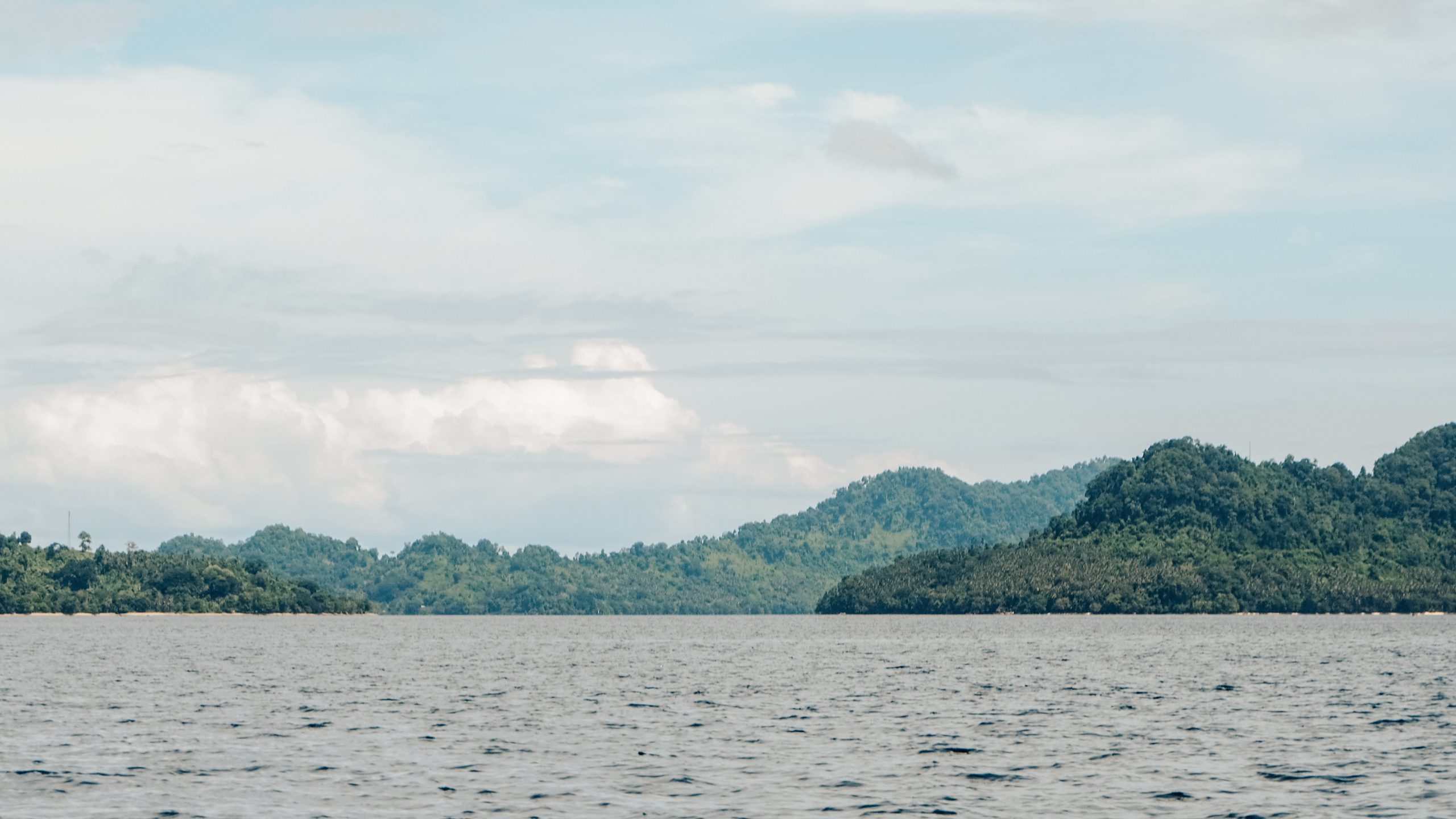
Solomon Islands and Vanuatu chart vast indigenous-led Ocean Reserve in Pacific
June 30, 2025—The Solomon Islands and Vanuatu are stepping forward to create the Melanesian Ocean Reserve, a groundbreaking initiative to protect the waters of the
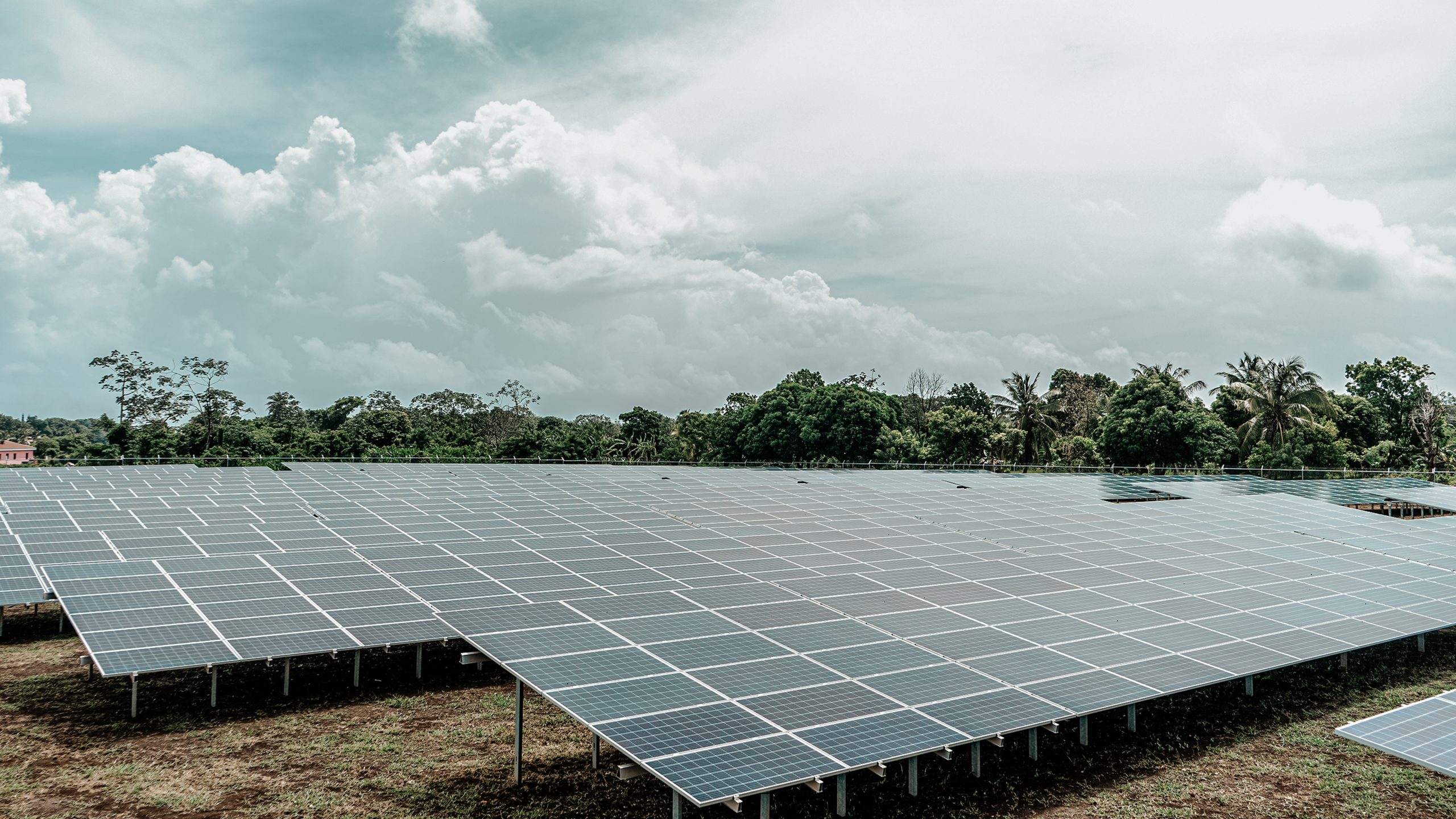
Nicaragua taps 70 MW solar project to boost water access
June 30, 2025—Work has begun on Nicaragua’s largest solar energy project, the 70 MW Enesolar-3 plant in Nindirí, with an $83 million investment support from
Major Reforms to IMF, Global Tax Rules Needed to Bridge Climate Investment Gap
June 30, 2025—A new policy brief authored by Daniel Titelman, Marilou Uy, and Amar Bhattacharya from the Task Force on Climate, Development, and the International
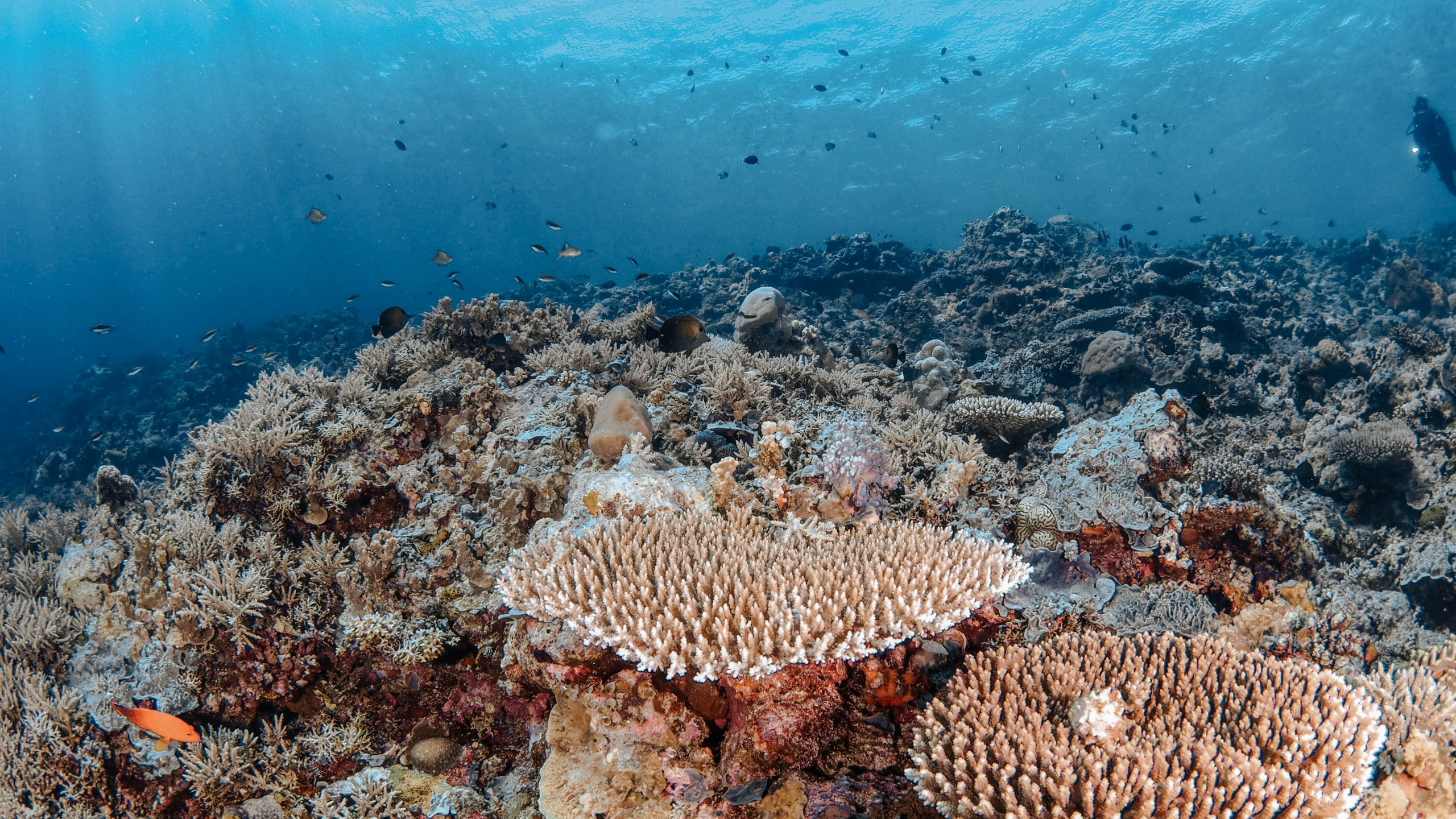
Why We Should Protect High Seas From All Extraction, Forever
June 30, 2025—As the UN Oceans Conference opened in Nice, France, in early June, a landmark paper published in the prestigious journal Nature, led by

From Policy to Practice: Institutionalizing Climate Resilience in Pakistan’s Fiscal Framework
In the corridors of the Ministry of Finance, the conversation around fiscal policy has shifted dramatically. A few years ago, “climate resilience” was often treated as an environmental concern, relegated to line ministries. Today, having managed the USD 1.4 billion Resilience and Sustainability Facility (RSF) over the last two years, I see it differently: climate risk is a macroeconomic risk, and our fiscal sustainability is intrinsically linked to how well we prepare for the climate reality.

Costa Rica’s “Más Mujer, Más Natura”
Costa Rica’s Más Mujer, Más Natura (More Women, More Nature) program is rewriting the script for rural empowerment. Launched in 2020 as a collaborative effort between the Ministry of Environment and Energy (MINAE), the United Nations Development Programme (UNDP), and the Office of the First Vice President, the program addresses a long-standing paradox: while women are often the primary stewards of local biodiversity, they frequently lack the land titles and capital to access traditional conservation incentives.
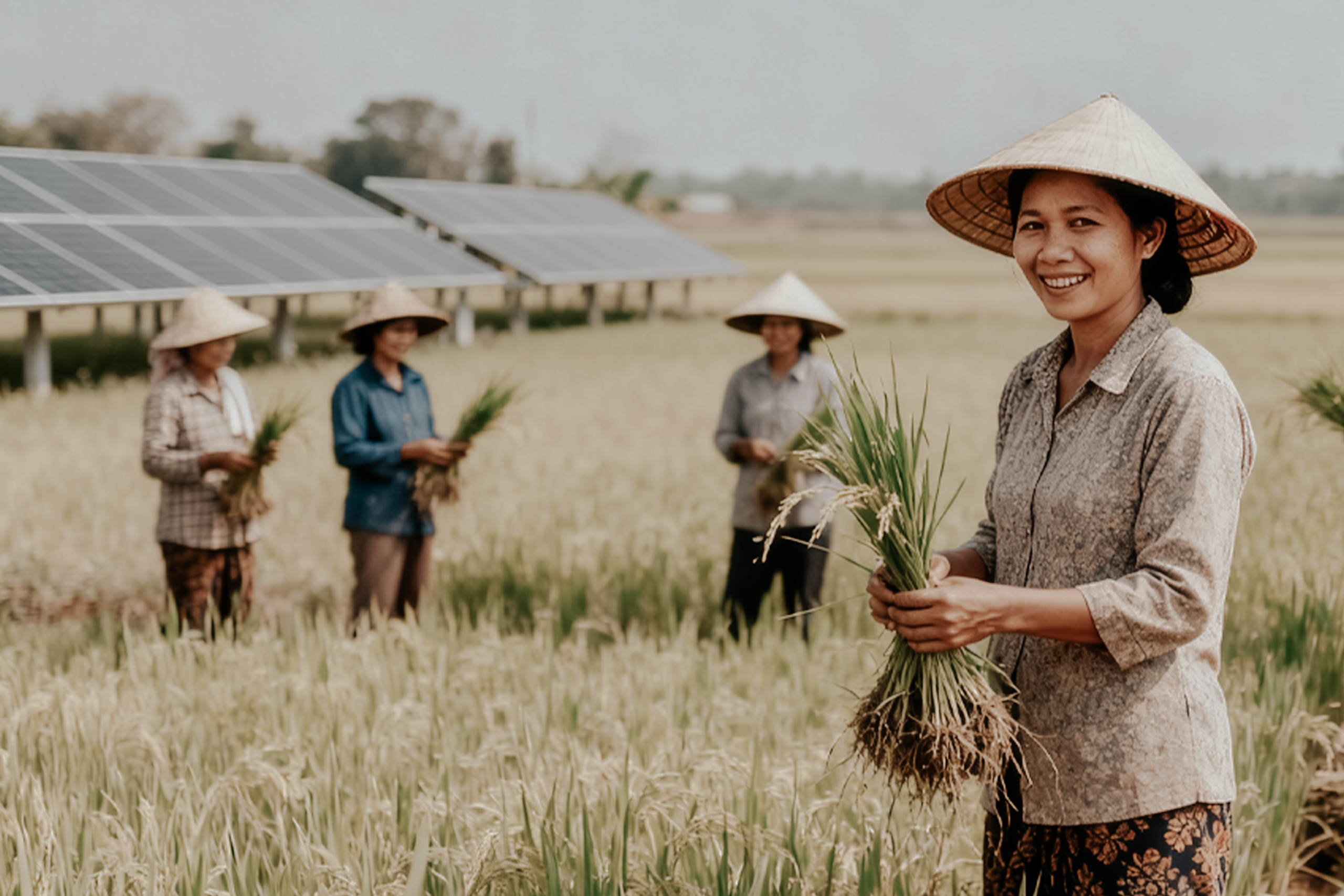
Women at the Core of Cambodia’s Green Economy Revolution
Cambodia recognizes women’s leadership as a robust accelerator of green economic development as the country approaches graduation from Least Developed Country status in 2029, seeking higher productivity, diversified growth, and greater uptake of green digitalization. Women are rising beyond perceptions of vulnerability, positioning themselves as champions of climate prosperity and sustainable development.
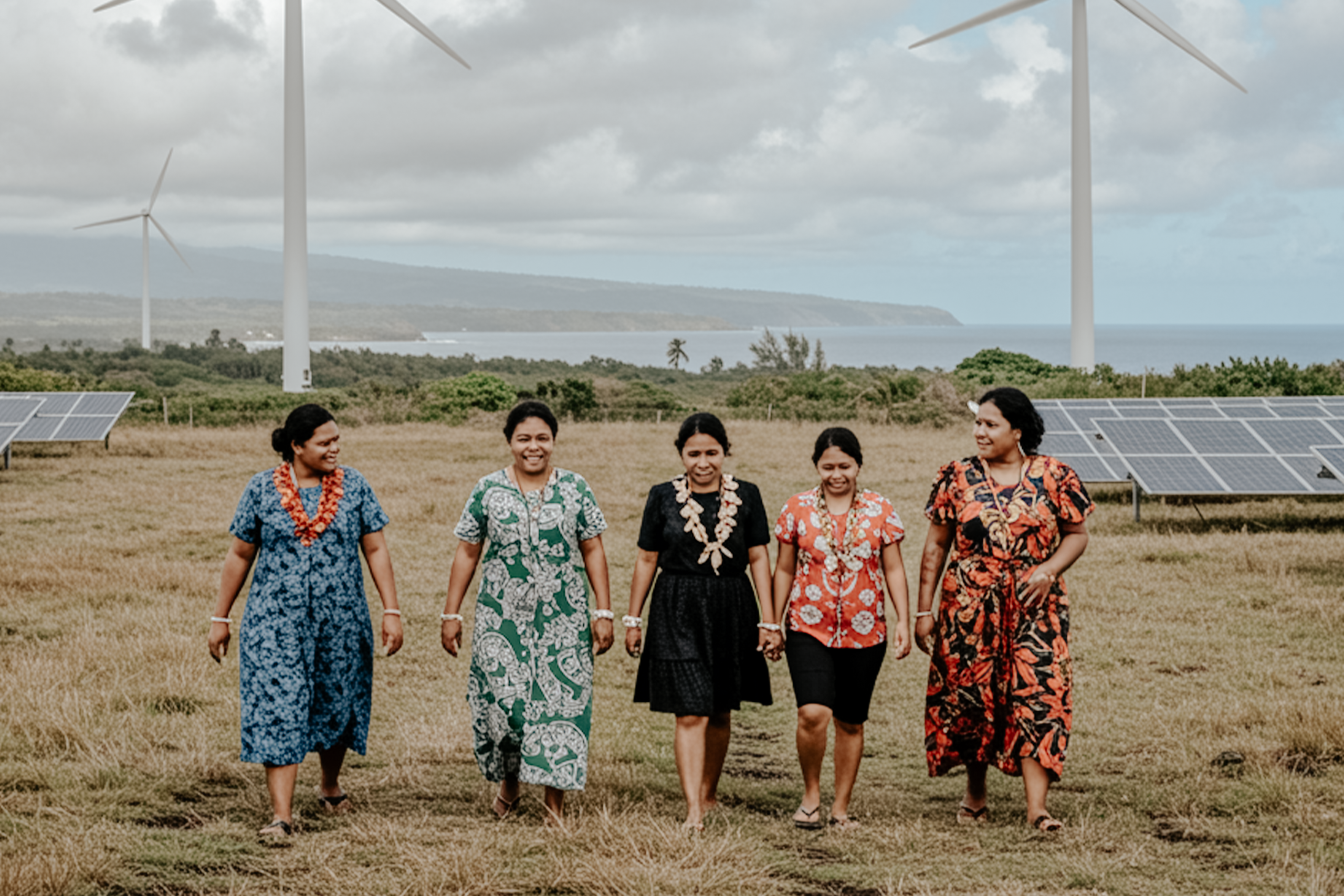
Pacific Women and the Call for Climate Justice
When island nations and regional allies presented their case before the International Court of Justice, women leaders, lawyers, and youth advocates were instrumental in building arguments that led to a landmark 2025 Advisory Opinion affirming states’ obligations to protect the climate and human rights.
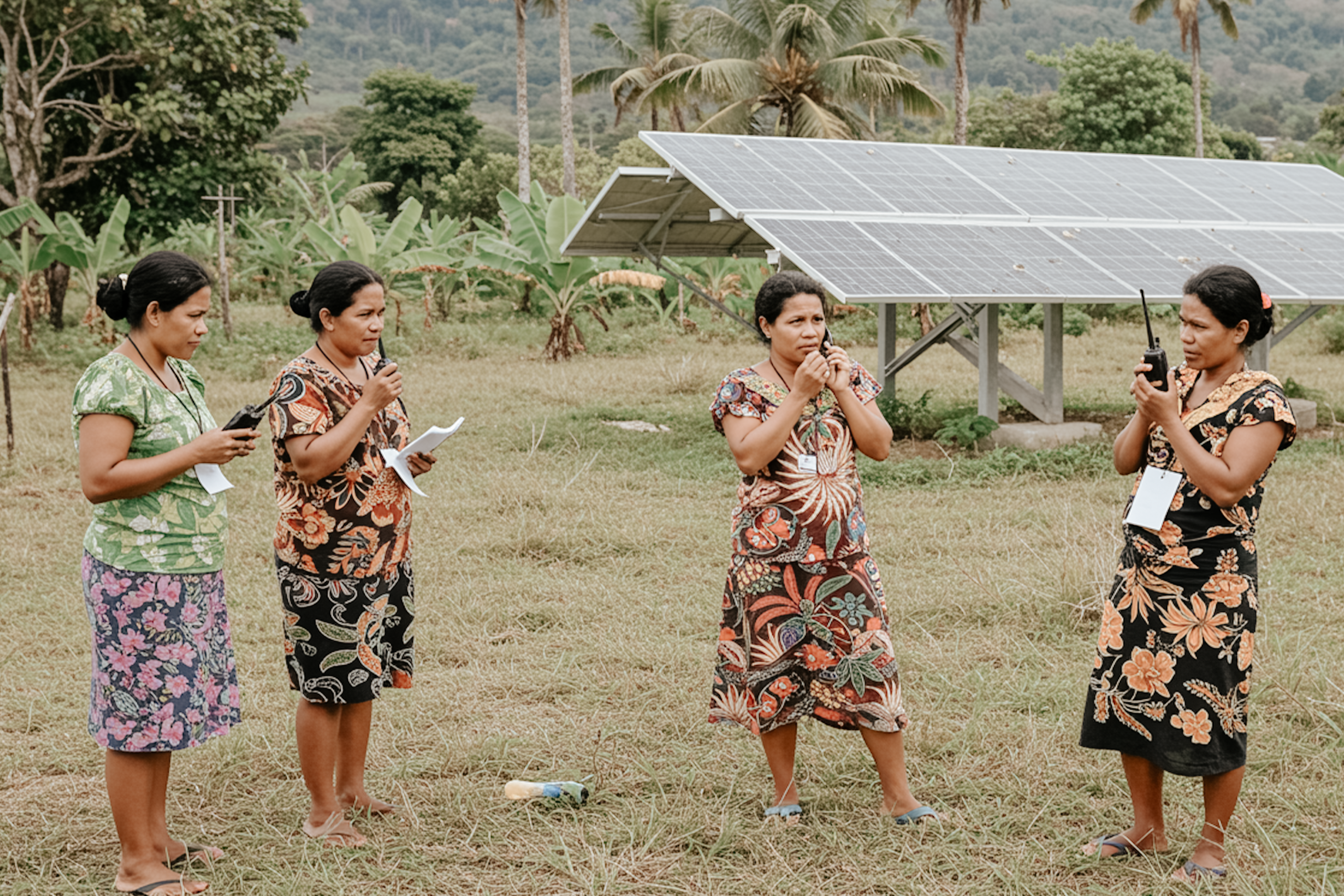
Ni-Vanuatu Women Lead Disaster Response and Climate Action
Vanuatu is among the nations most vulnerable to the climate crisis. These environmental shifts often worsen existing socioeconomic gaps, disproportionately pushing women toward poverty and marginalization. Despite these challenges, Ni-Vanuatu women have emerged as resilient leaders, transforming how their communities prepare for and recover from disasters.
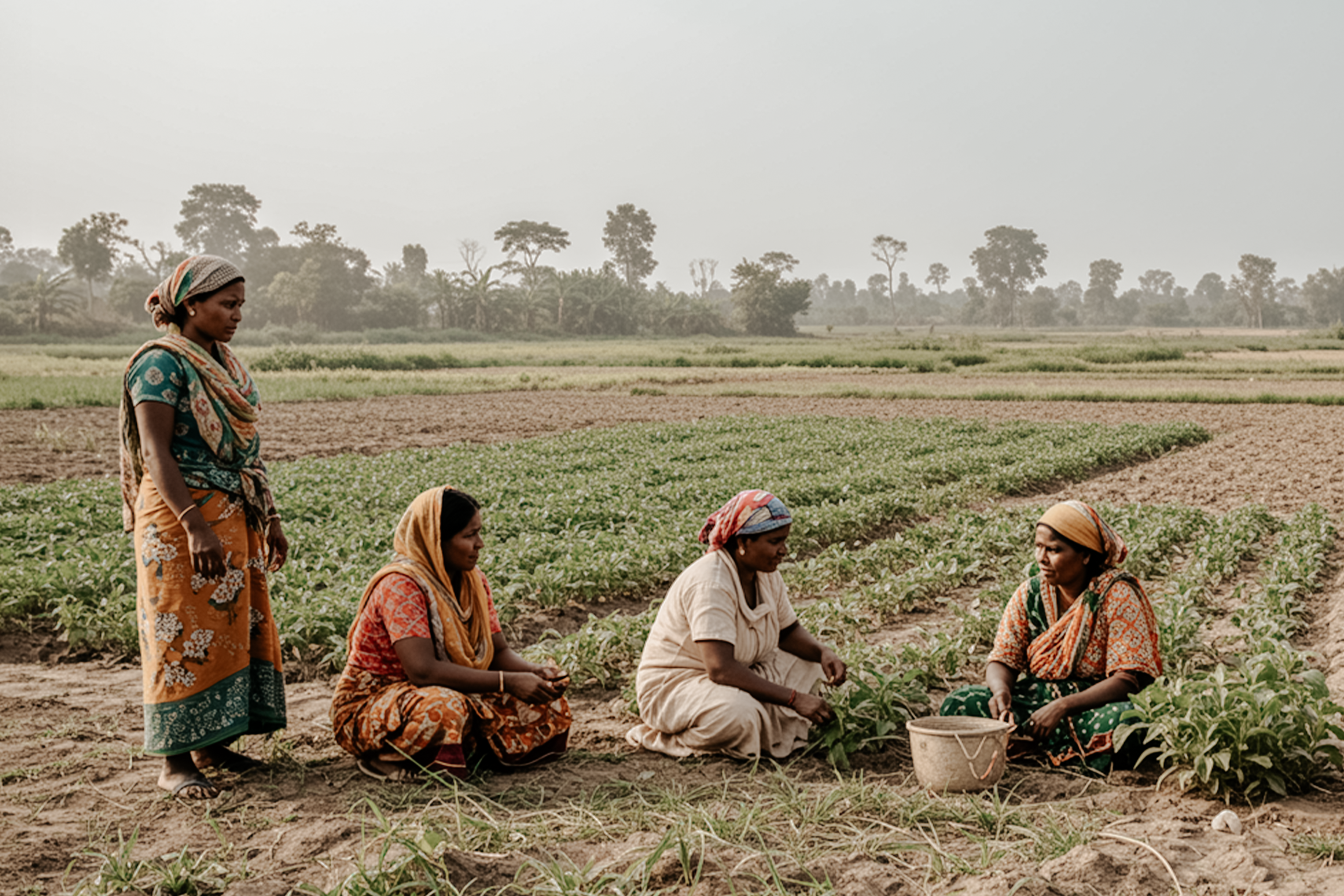
Gender-Responsive Climate Action in Bangladesh and Kenya
The worsening impacts of climate change are exposing gaps in financial and social systems while reshaping societies, with women often on the frontlines—managing households, securing resources, and caring for families under growing stress. The crisis exacerbates existing gender inequalities, yet women’s voices are largely missing from the policies meant to protect them. Without a gender-focused approach, millions of women and girls risk being pushed into extreme poverty, amplifying social and economic disparities worldwide.