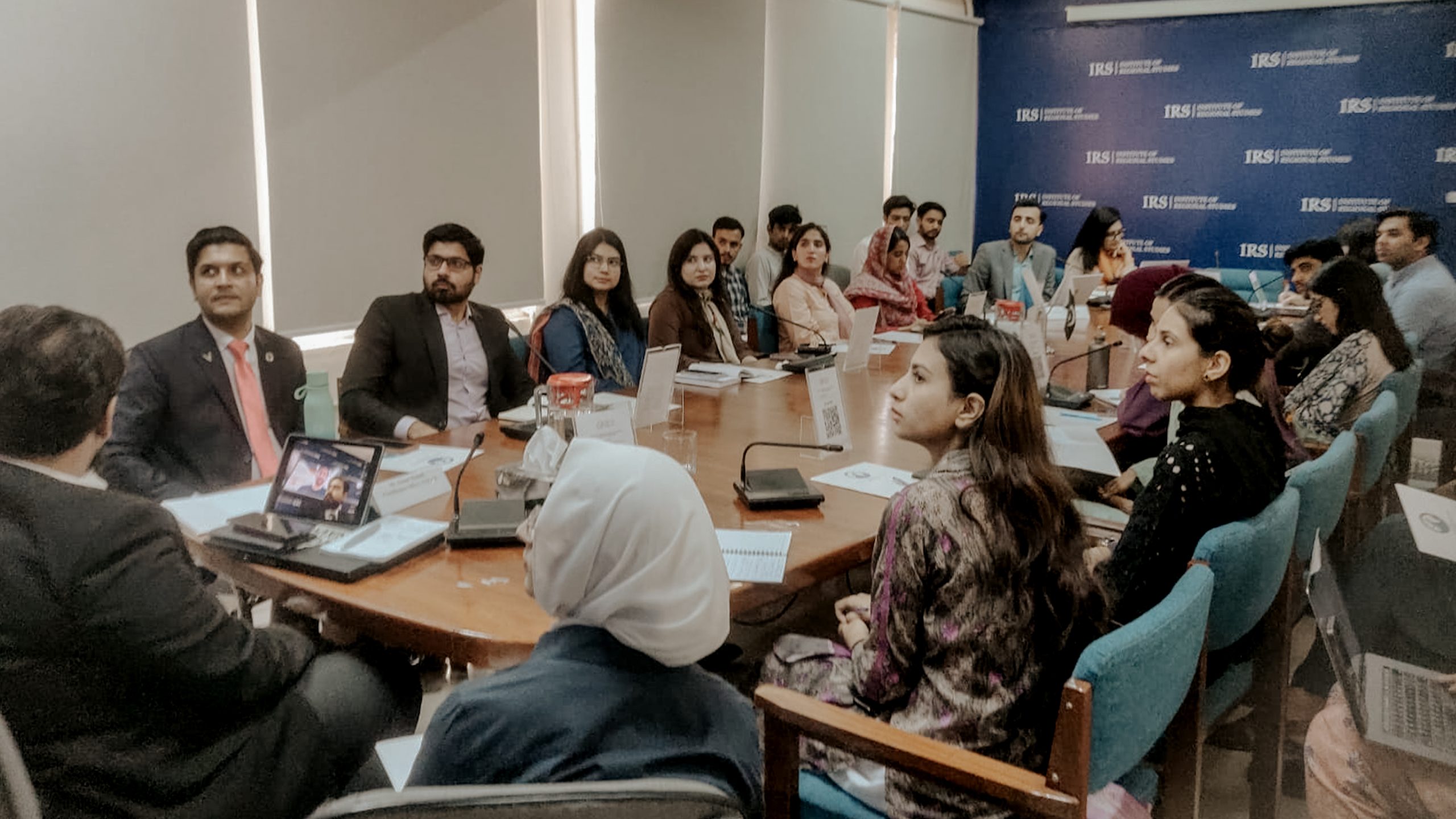
Youth Climate Leadership in Action: Building Pakistan’s Voice for COP30
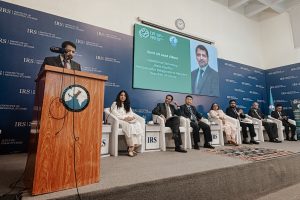
The CVF-V20 Secretariat convened a Youth Roundtable on Climate Non-Negotiables in Islamabad, Pakistan, on September 17, bringing together youth leaders, climate advocates, and representatives from the Ministry of Climate Change and Environmental Coordination, academia, and civil society. The dialogue, organized in collaboration with the Institute of Regional Studies (IRS), served as a national platform for youth to reflect on Pakistan’s recent climate catastrophes and define priorities for the upcoming COP-30 in Belém, Brazil.
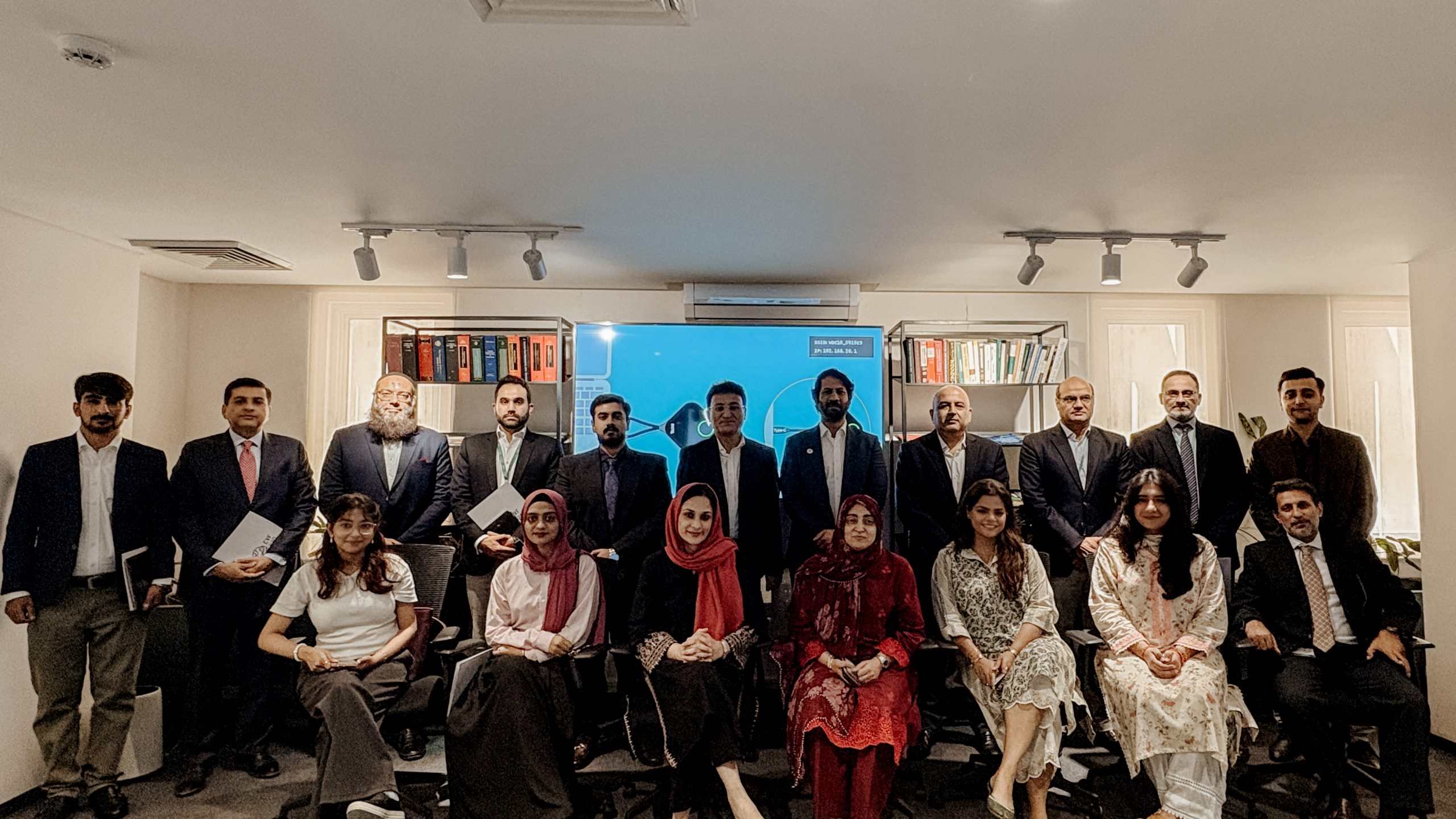
Sindh Consultations Engage Private Sector and Financial Institutions for Climate Prosperity
As part of the ongoing in-country consultations for the Pakistan Climate Prosperity Plan (CPP), the CVF-V20 visited the city of Karachi in Sindh on September 3 to 4 to engage with the province’s public–private ecosystem on climate investment and innovation.
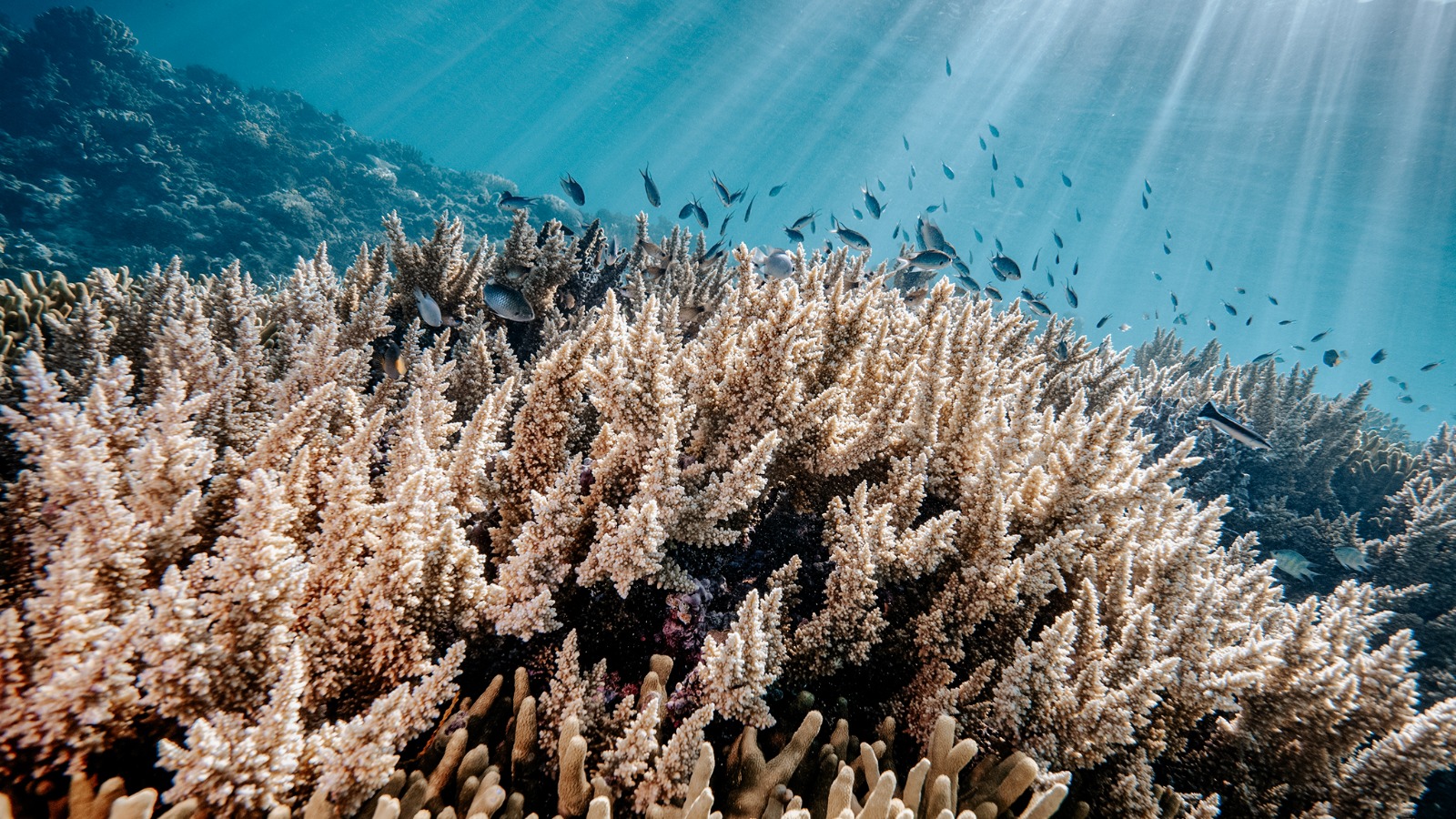
Ancient Corals Confirm: Maldives Sea Level Rise Began Decades Earlier
A significant study recently published in the journal Nature Communications has provided a critical, long-term history of sea-level change, directly impacting the climate outlook for the low-lying Maldives and Lakshadweep archipelagos.
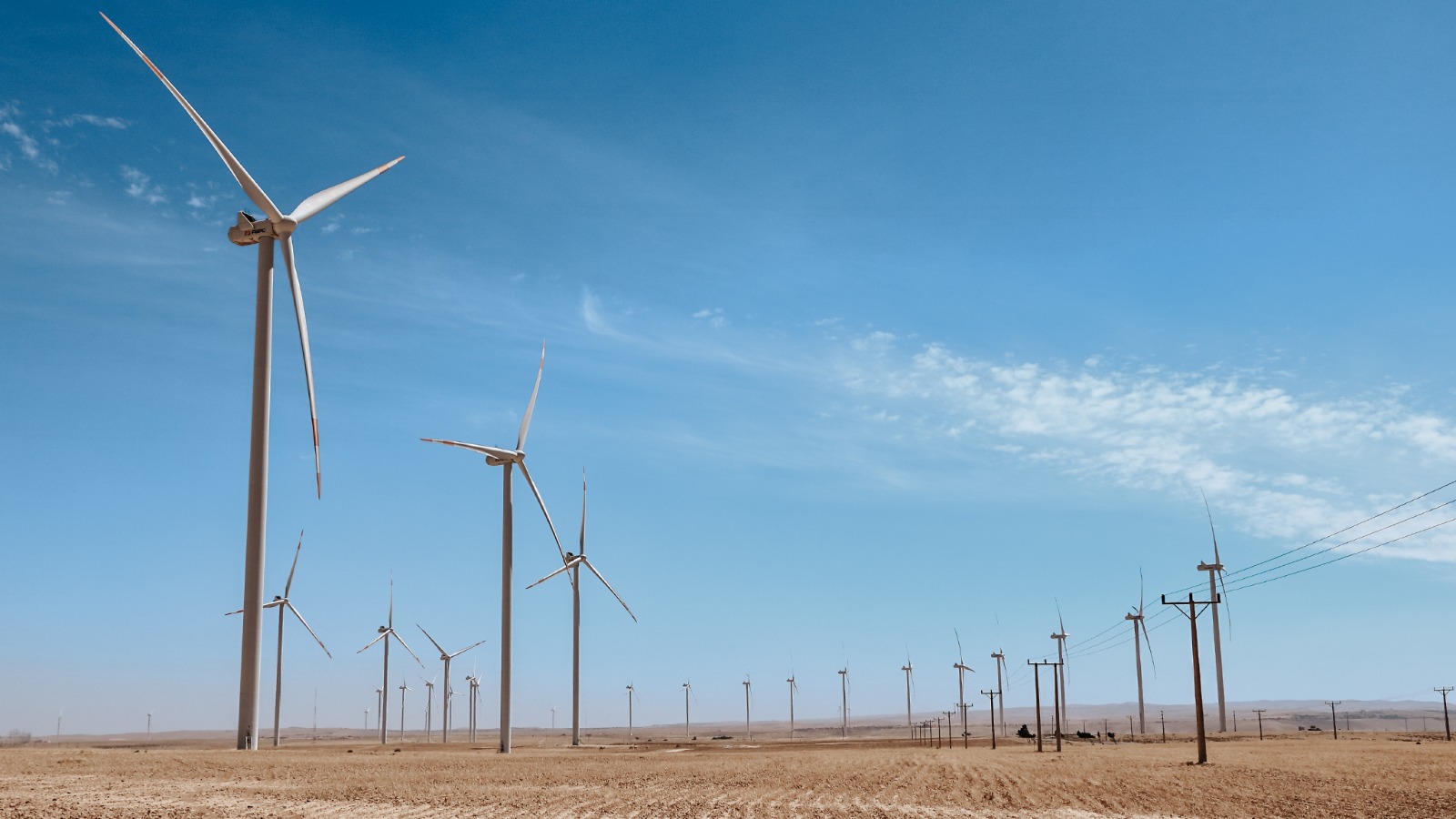
Jordan Unveils Long-Term Climate-Resilient National Health Roadmap
The Hashemite Kingdom of Jordan launched its ten-year National Climate Change Health Adaptation Strategy and Action Plan (HNAP), joining the roster of first countries to climate-proof its health systems. The comprehensive roadmap, spanning from 2024 to 2034, outlines Jordan’s strategic response to climate-related health risks across seven priority areas—airborne and respiratory diseases, water- and food-borne illnesses, vector-borne diseases, nutrition, heatwaves, occupational health, and mental health.
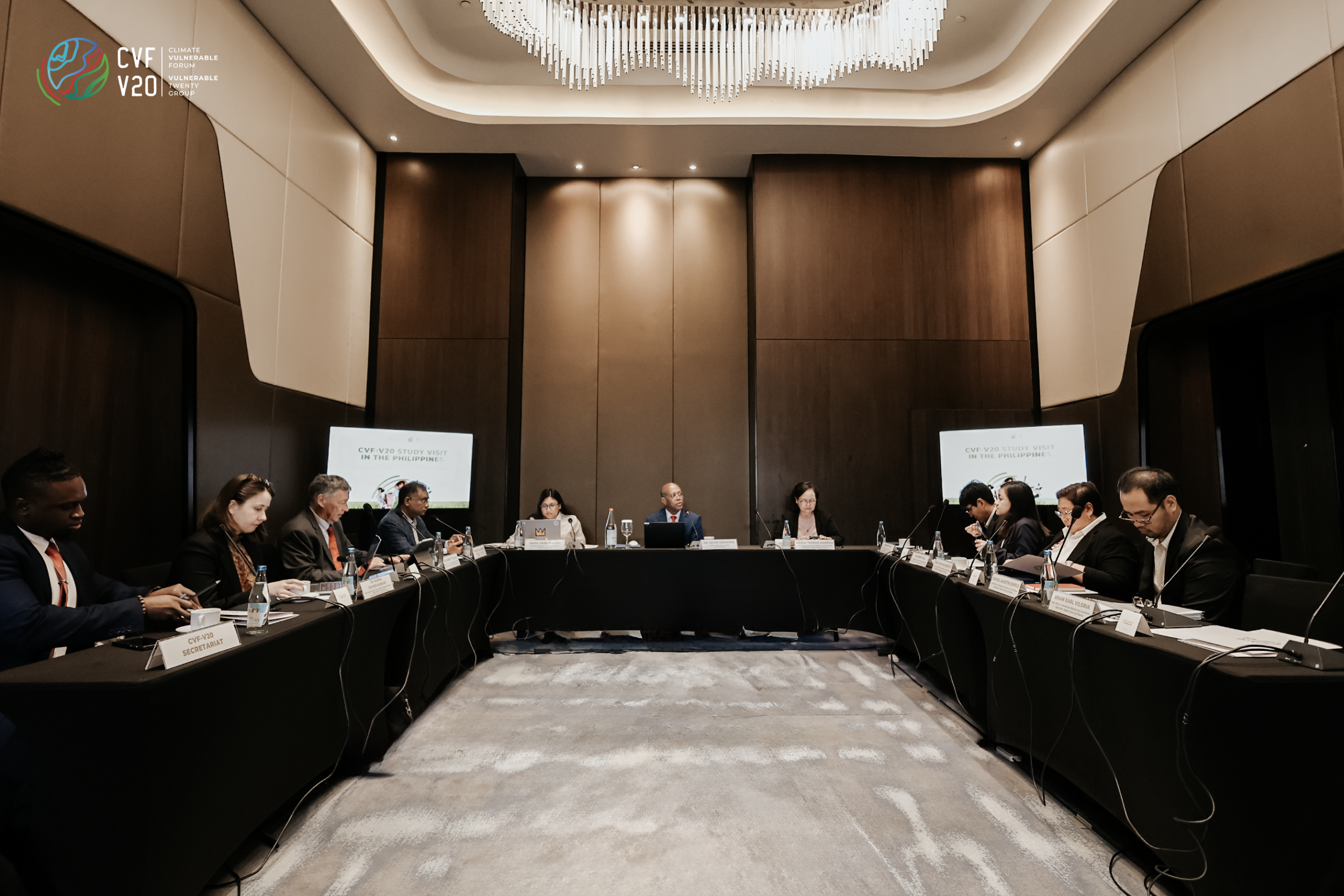
V20 Central Bank Governors Working Group Organizes a Technical Committee on Climate Shocks and Balance of Payments
The Study Visit in Manila on August 26 bore much fruit as members of the V20 Central Bank Governors Working Group agreed to create a Technical Committee on Climate Shocks and Balance of Payments. The Study Visit aimed to strengthen technical collaboration and innovation among CVF-V20 central banks, focused on integrating climate risks into macroeconomic analysis and modeling tools in support of climate prosperity.
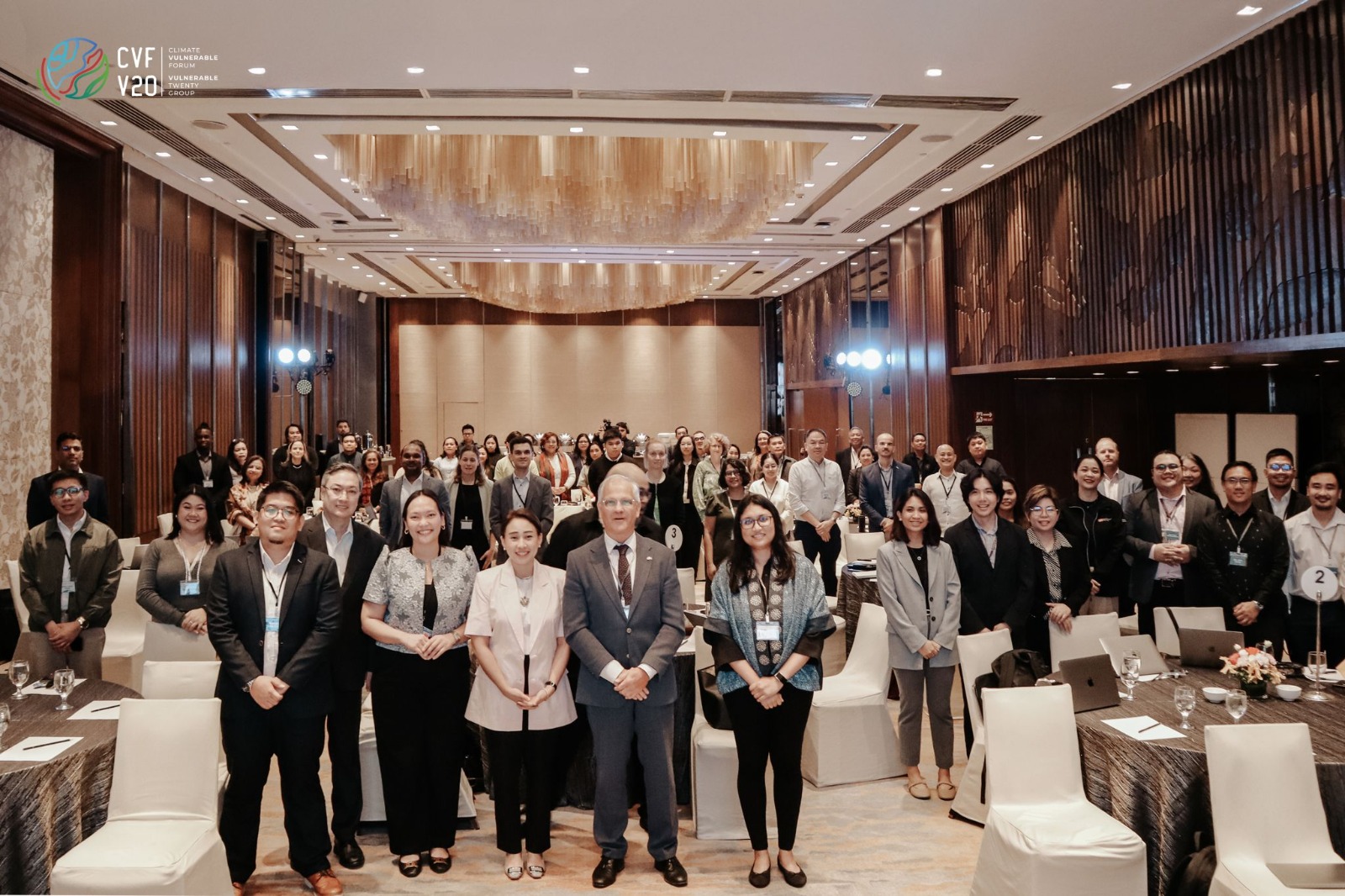
PH Completes In-Country Consultation and Stocktake in the Global Shield Implementation
The Republic of the Philippines continues to make strides as a country pathfinder under the G77-V20 Global Shield against Climate Risks initiative after completing the in-country process and stocktake, led by the Climate Finance Policy Group of the Department of Finance (DOF) and the Institute for Climate and Sustainable Cities (ICSC). Progress is underway for the gap analysis, bringing the country closer to developing its request for Climate and Disaster Risk Finance and Insurance (CDRFI) support.
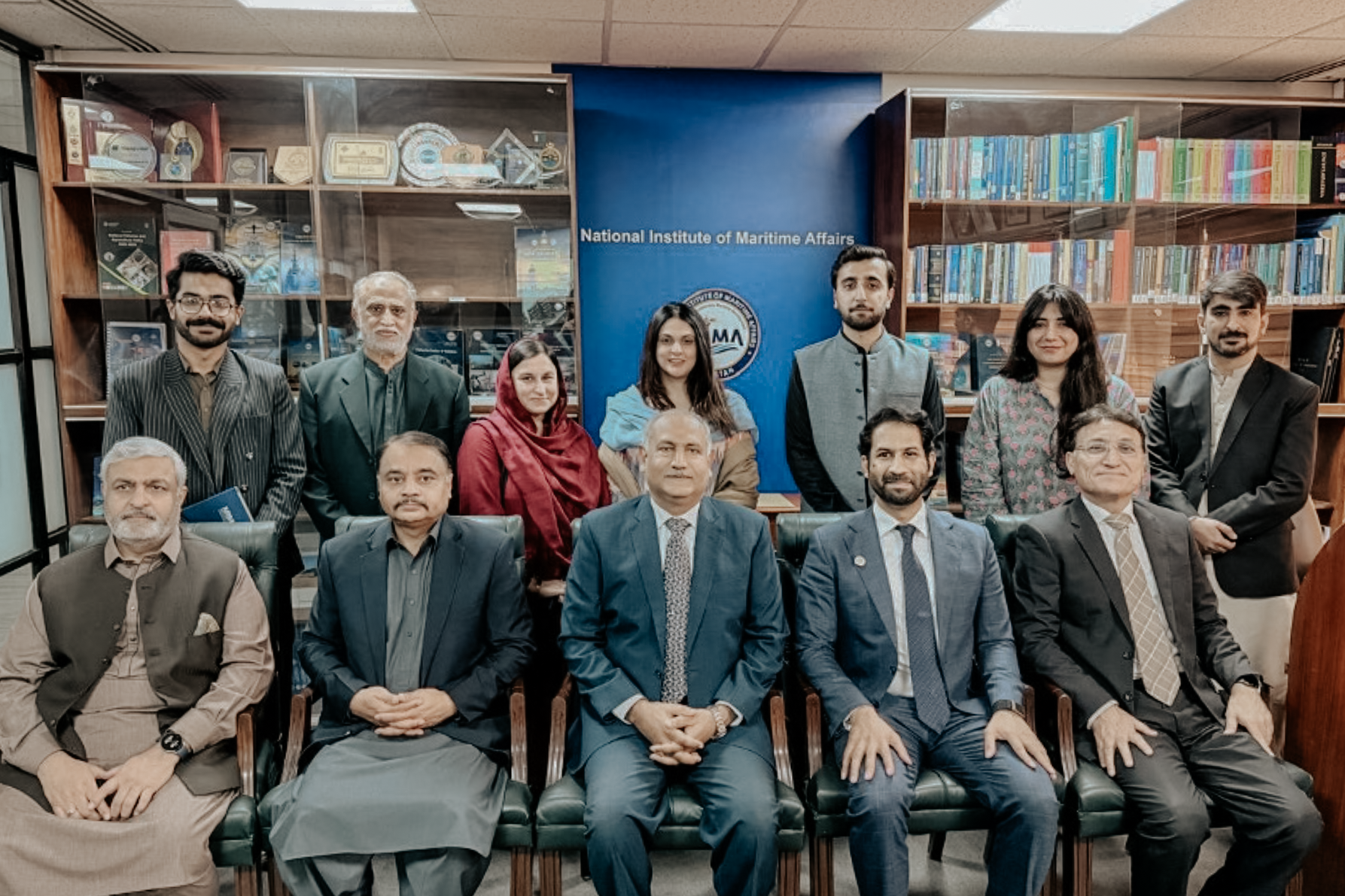
Advancing Climate Investment Pathways in Pakistan
In February, a series of engagements with key institutions across Pakistan explored ways to strengthen the investment pipeline under the country’s Climate Prosperity Plan (CPP). The CVF-V20 South Asia team met with a range of stakeholders to discuss how sector reforms, research initiatives, and large-scale programs can be translated into bankable projects that attract international investment across infrastructure, renewable energy, agriculture, and the blue economy.
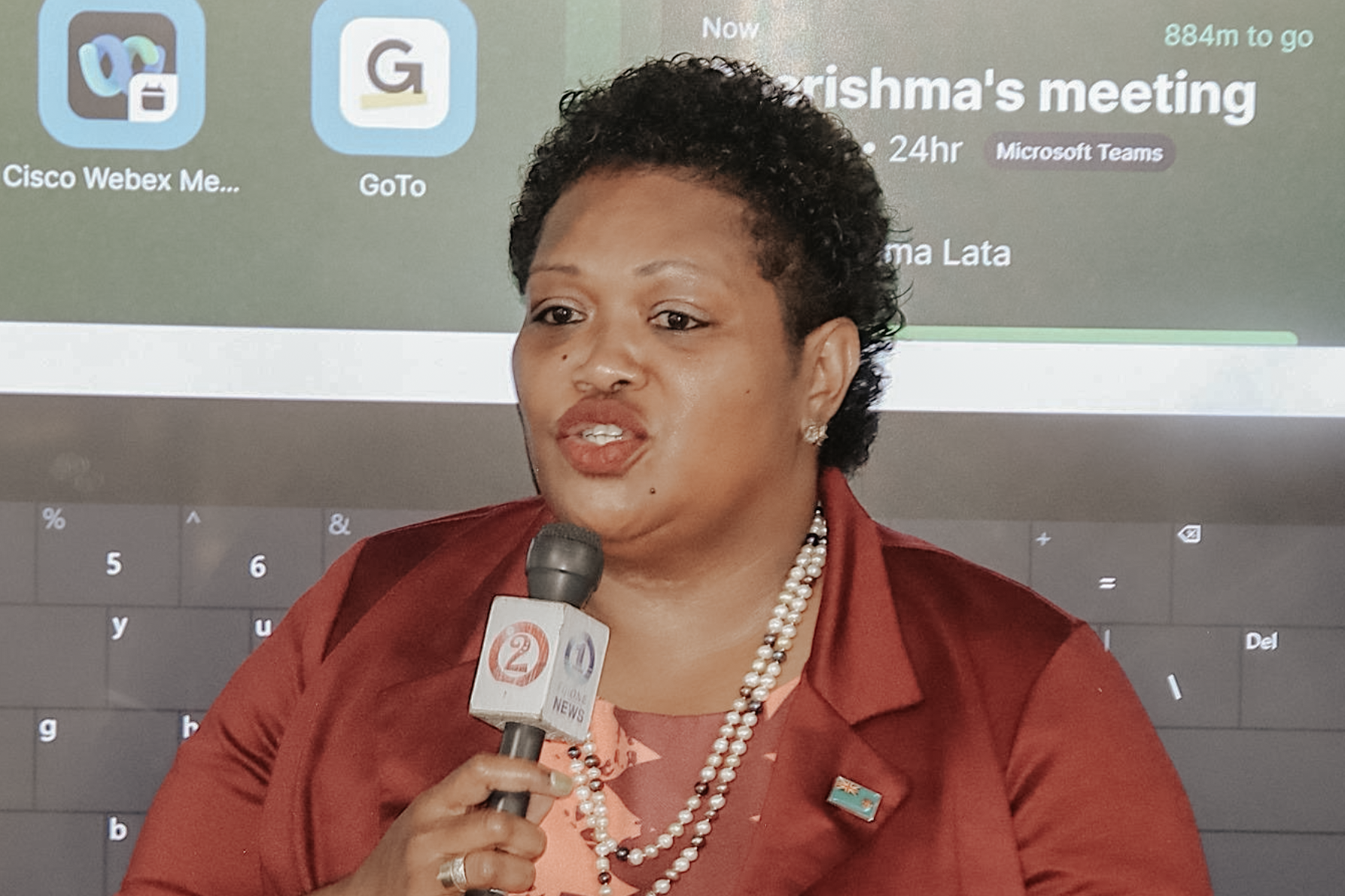
Fiji Strengthens Ocean Governance with 30×30 Targets
Fiji is taking its ocean governance to new heights with a revitalized commitment to protect 30% of its water by 2030. At the heart of this conservation initiative lies a rigorous, evidence-based, data-driven discussion among experts and government officials. With the Ministry of Fisheries at the forefront of this movement, Fiji is ensuring that its country-wide efforts align with the global 30×30 Initiative and international obligations under the Western and Central Pacific Fisheries Commission.
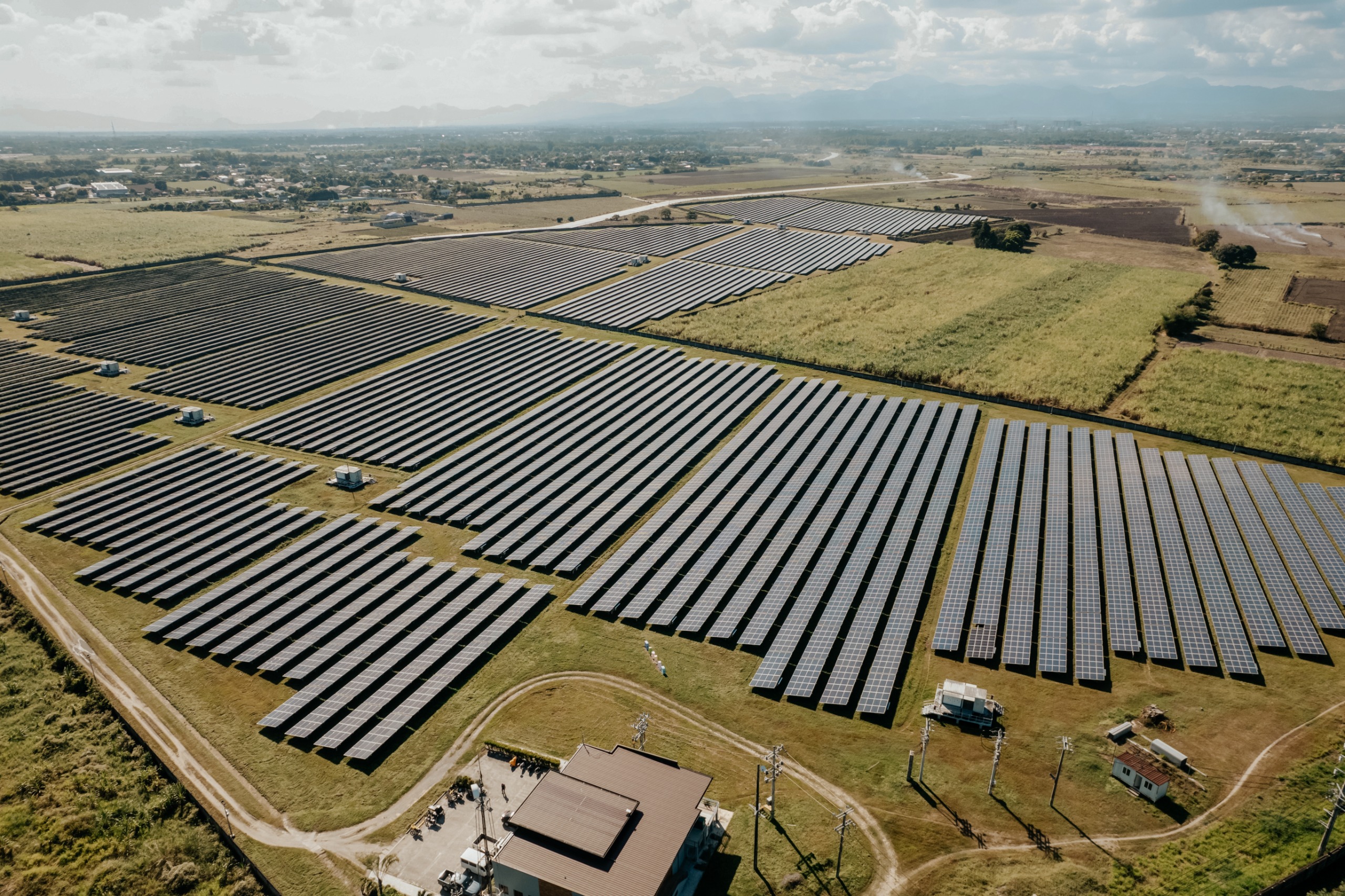
Empowering Communities: Accelerating Local Renewable Energy Transition in the Philippines
Subnational governance and local community participation emerges vital in realizing the ambitious renewable energy targets of the Philippines—achieving a 35% renewable energy share in the power generation mix by 2030, 50% by 2040, and more than 50% by 2050.
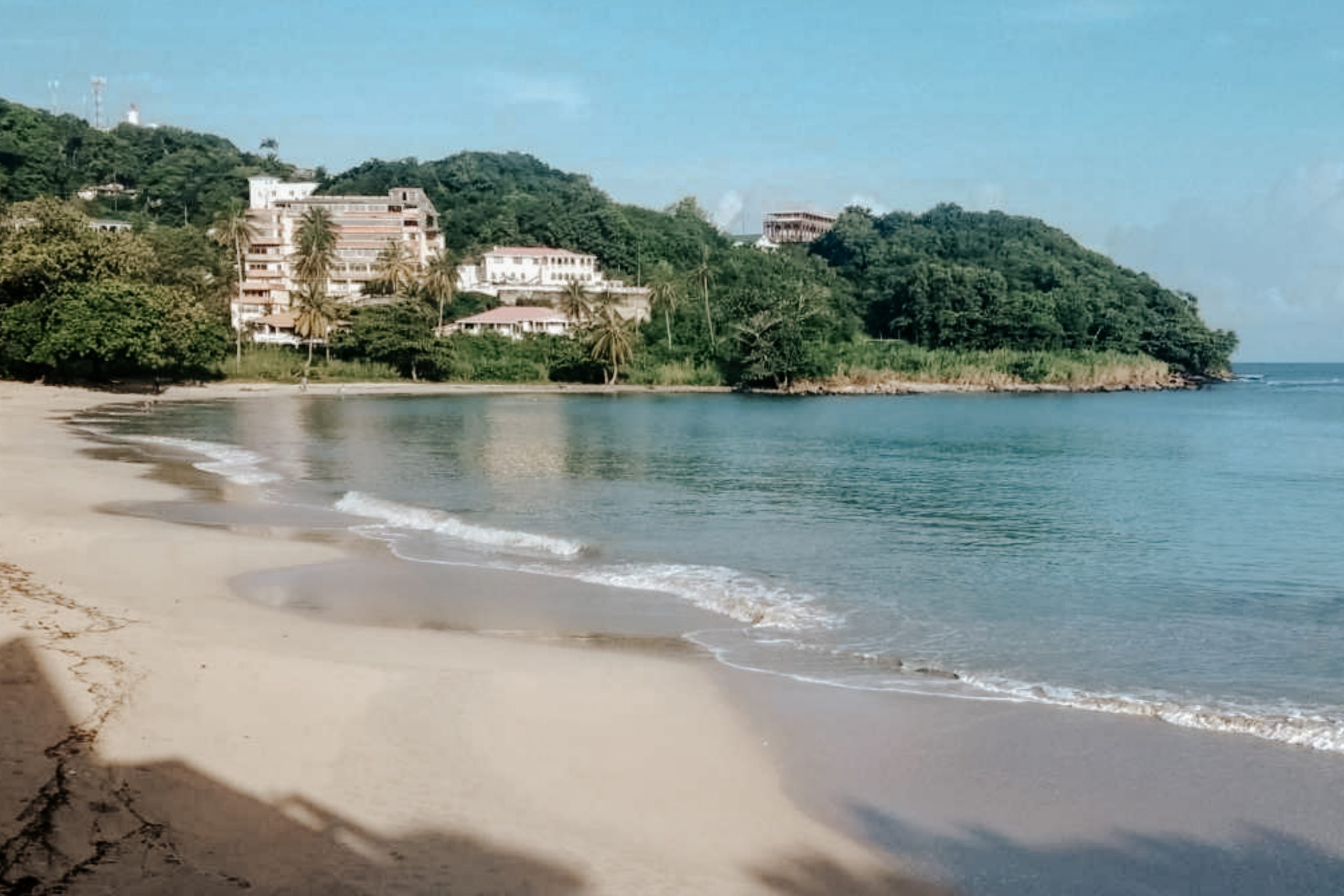
Care for the Blue Economy: Saint Lucia Charts a Sustainable Course
Saint Lucia is championing sustainable ocean governance with comprehensive blue economy strategies designed to strengthen economic resilience and foster inclusive growth.
The Coastal and Marine Spatial Plan, developed under the Caribbean Regional Oceanscape Project, provides a roadmap for the sustainable and equitable use of the coastal and marine spaces, protection of coastal and marine ecosystems, and management of land-water interactions.
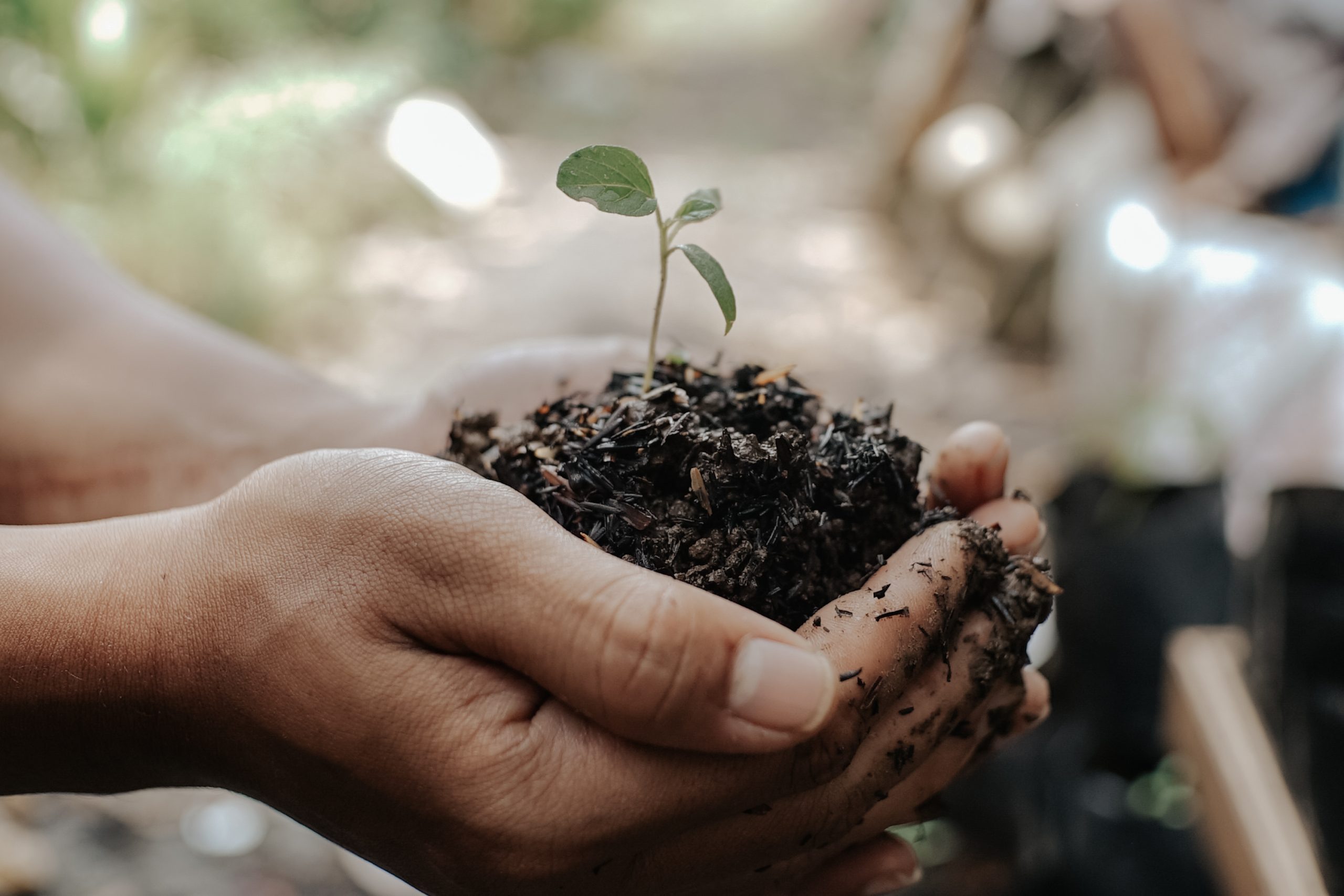
The Right Union: Gabon Proves Conservation and Economic Growth Can Coexist
The Gabonese Republic has been classified as a high-forest low-deforestation country, with a recorded deforestatizgreon rate of just 0.6%. This remarkable outcome highlights the impact of forward-looking national policies and ambitious government commitments amid mounting threats of forest degradation across Africa.
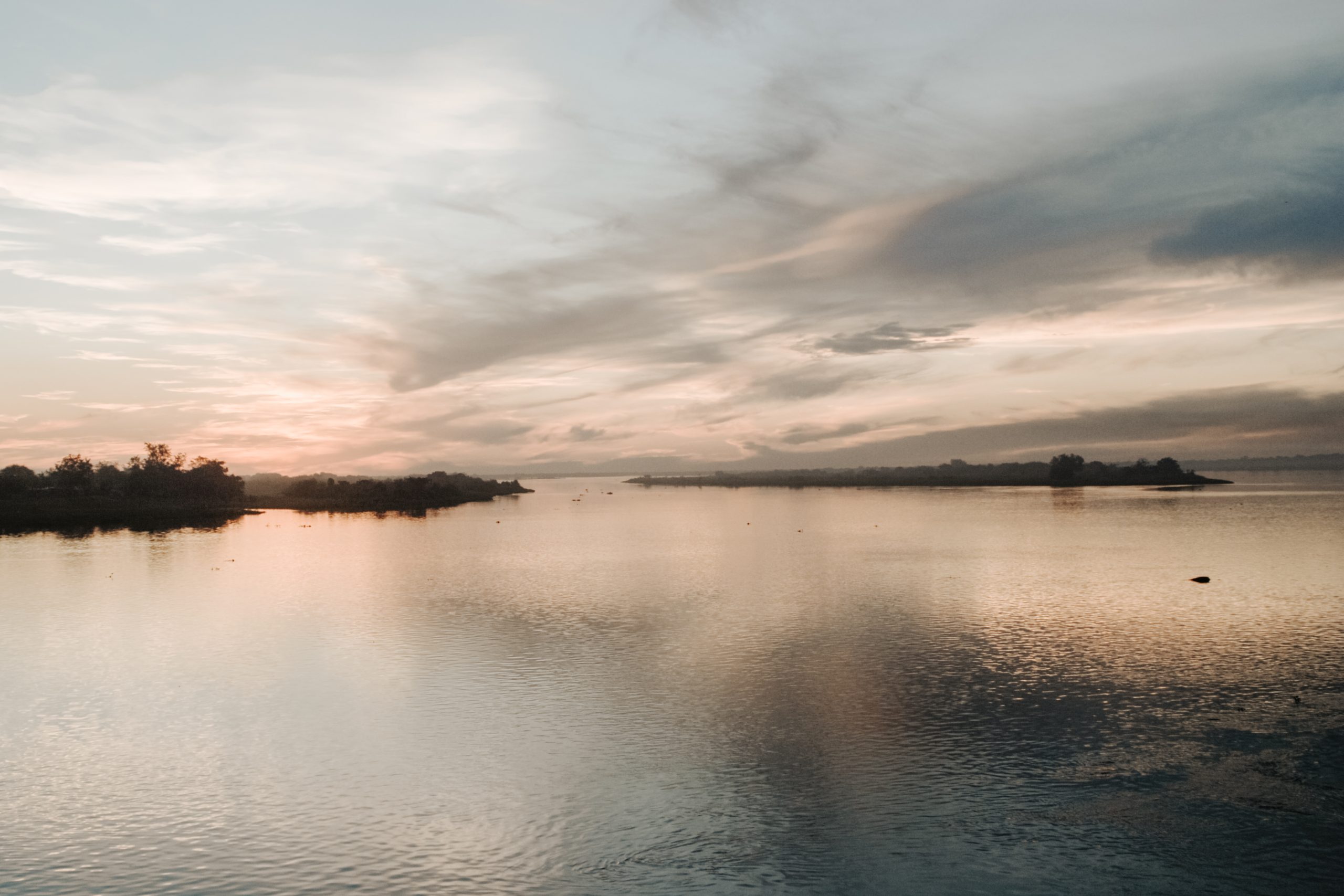
Market Romance: Paraguay’s Carbon Credit Innovation and Climate Investments
With strong legislative enforcement of the Carbon Credit Law, the Republic of Paraguay is advancing environmental protection and conservation in the Chaco region, supporting projects that safeguard ecosystems while attracting over USD 10 million in responsible investment. At the same time, the country is expanding certification processes across more than 400,000 hectares, strengthening long-term stewardship of forests, biodiversity, and natural carbon sinks.