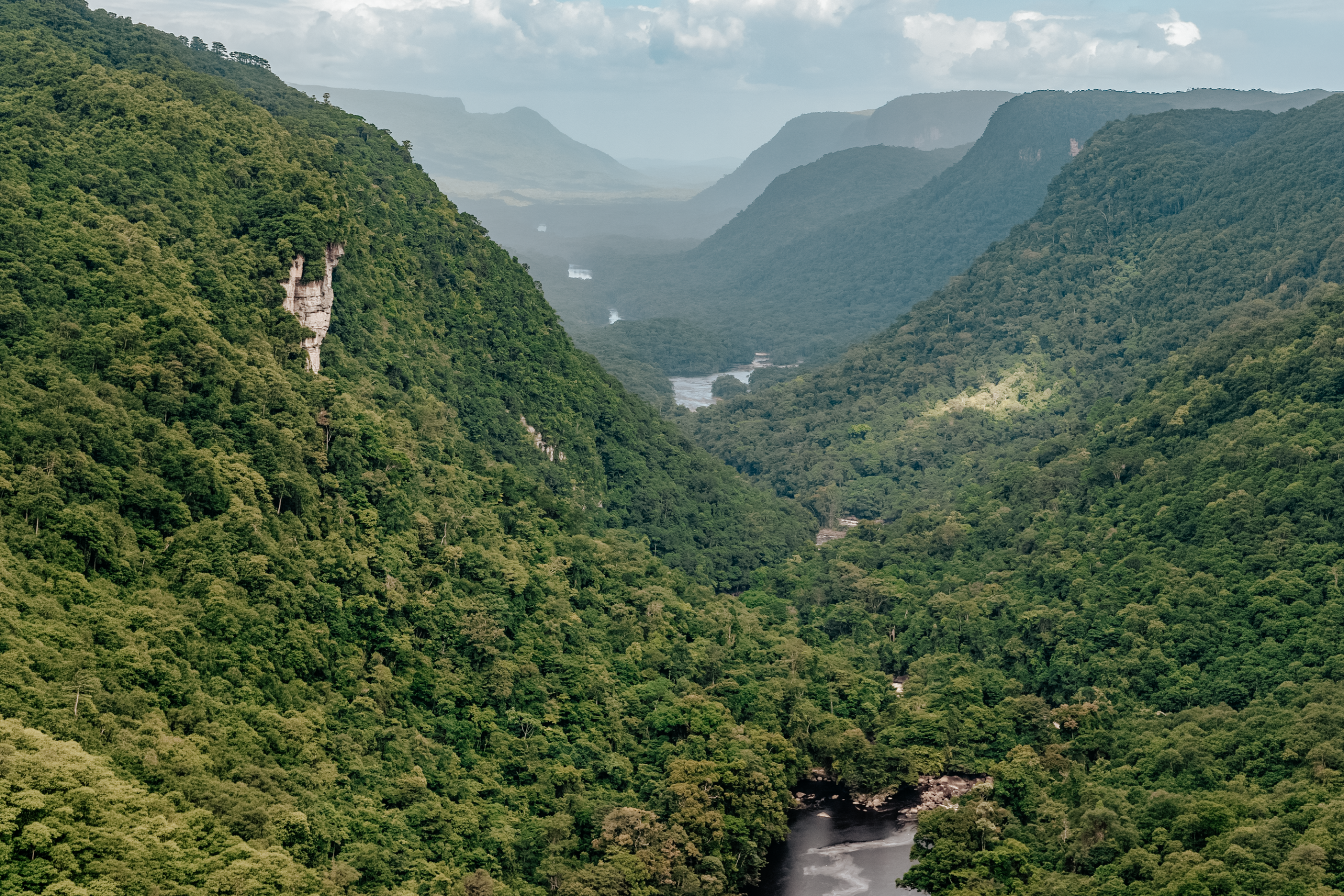
Guyana’s Forests Drive A New Era of Low-Carbon Development
On the northern coast of South America, along the borders of the Atlantic Ocean, Guyana is pursuing a development model that few countries have attempted: generating economic growth while preserving one of the world’s most intact tropical forests.

The Caribbean’s Push to Link Climate and Health
Over the years, the conversation on planetary instability has expanded in ways few could have anticipated. What began as a scientific concern focused on environmental damage has grown into a defining global conversation that reaches almost every part of humanity. In the Caribbean, that expansion is acutely felt. Climate change is no longer discussed solely as an environmental issue; it is increasingly recognized as a public health crisis. Empirical studies have demonstrated that countries in the region are highly susceptible to drought hazards and significantly affected by extreme heat.
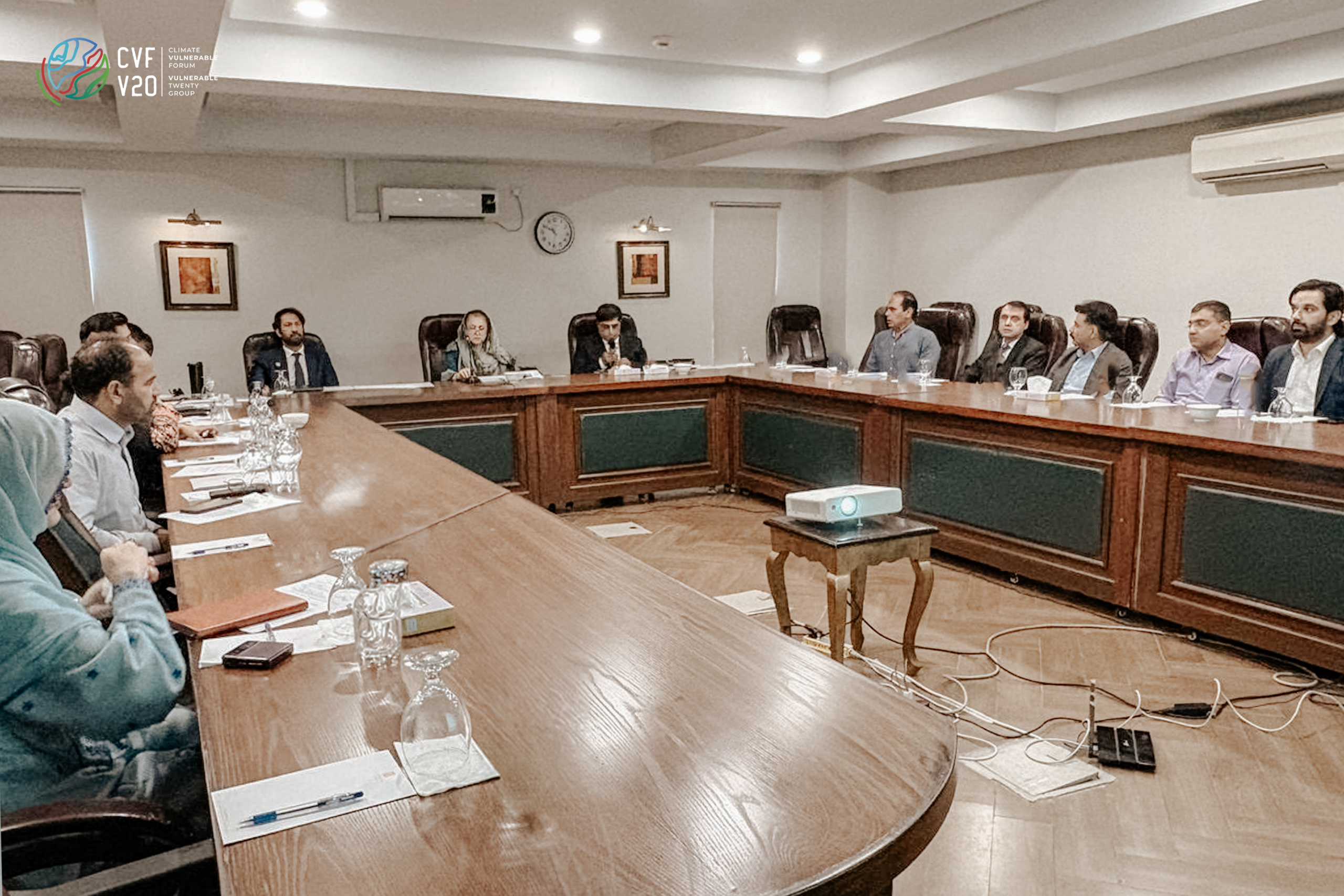
Pakistan Climate Prosperity Plan Gains Federal and Provincial Backing as Primary Delivery Vehicle for NDC 3.0
Pakistan’s Ministry of Climate Change & Environmental Coordination (MoCC&EC) convened federal and provincial governments on 14 May 2026 to align the country behind a single delivery agenda, positioning the country’s Climate Prosperity Plan (CPP) as the vehicle for turning its climate commitments into investable projects and bankable financing partnerships.
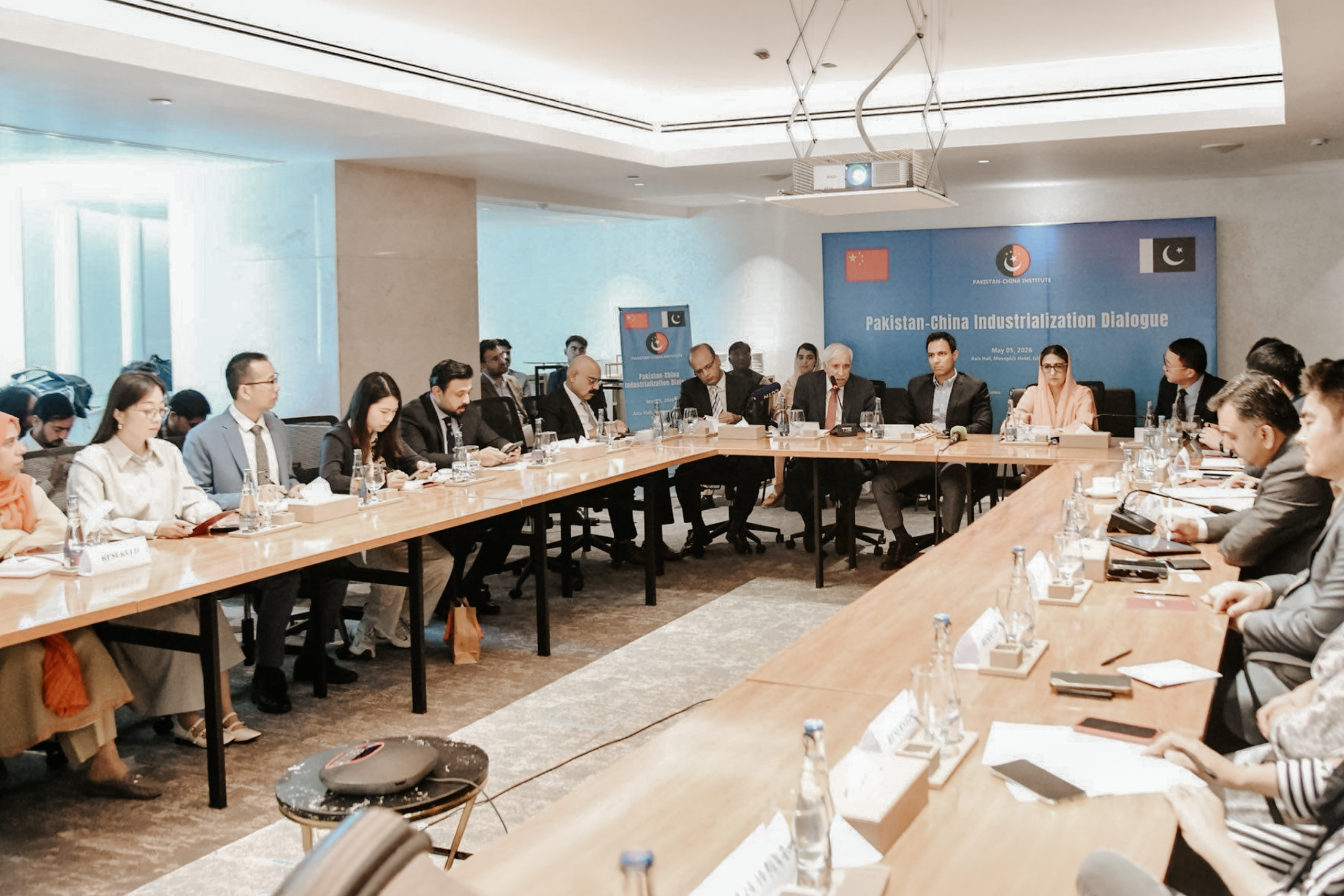
CVF-V20 Makes the Case for Green Industrialization at Pakistan-China Dialogue
The CVF-V20 participated in the Pakistan-China Industrialization Dialogue, hosted by the Pakistan-China Institute on 5 May 2026, bringing the perspective of climate-vulnerable economies into discussions on industrial transformation, strategic finance, and resilient development. The dialogue brought together policymakers, business leaders, Chinese and Pakistani enterprises, financial institutions, and experts to explore how Pakistan-China cooperation can move from connectivity toward joint production, technology transfer, export competitiveness, and climate-smart industrialization.
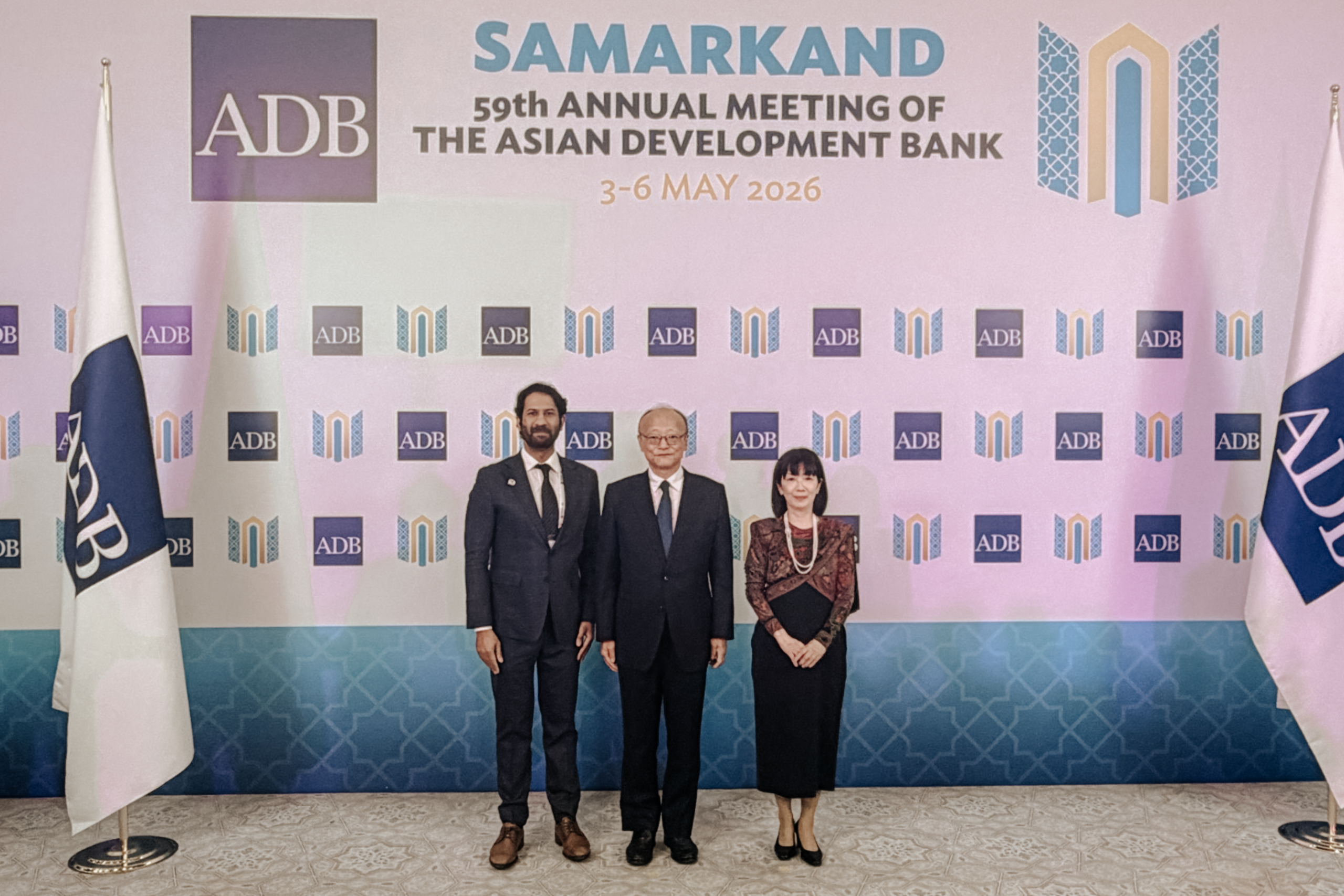
CVF-V20 Advances Climate Prosperity Partnerships at ADB Annual Meeting in Samarkand
The CVF-V20 Secretariat participated in the 59th Asian Development Bank Annual Meeting, held in Samarkand, Uzbekistan, from May 3 to 6, under the theme “Crossroads of Progress: Advancing the Region’s Connected Future.” The delegation represented the interests of climate-vulnerable economies in discussions on regional development, climate finance, and multilateral cooperation.
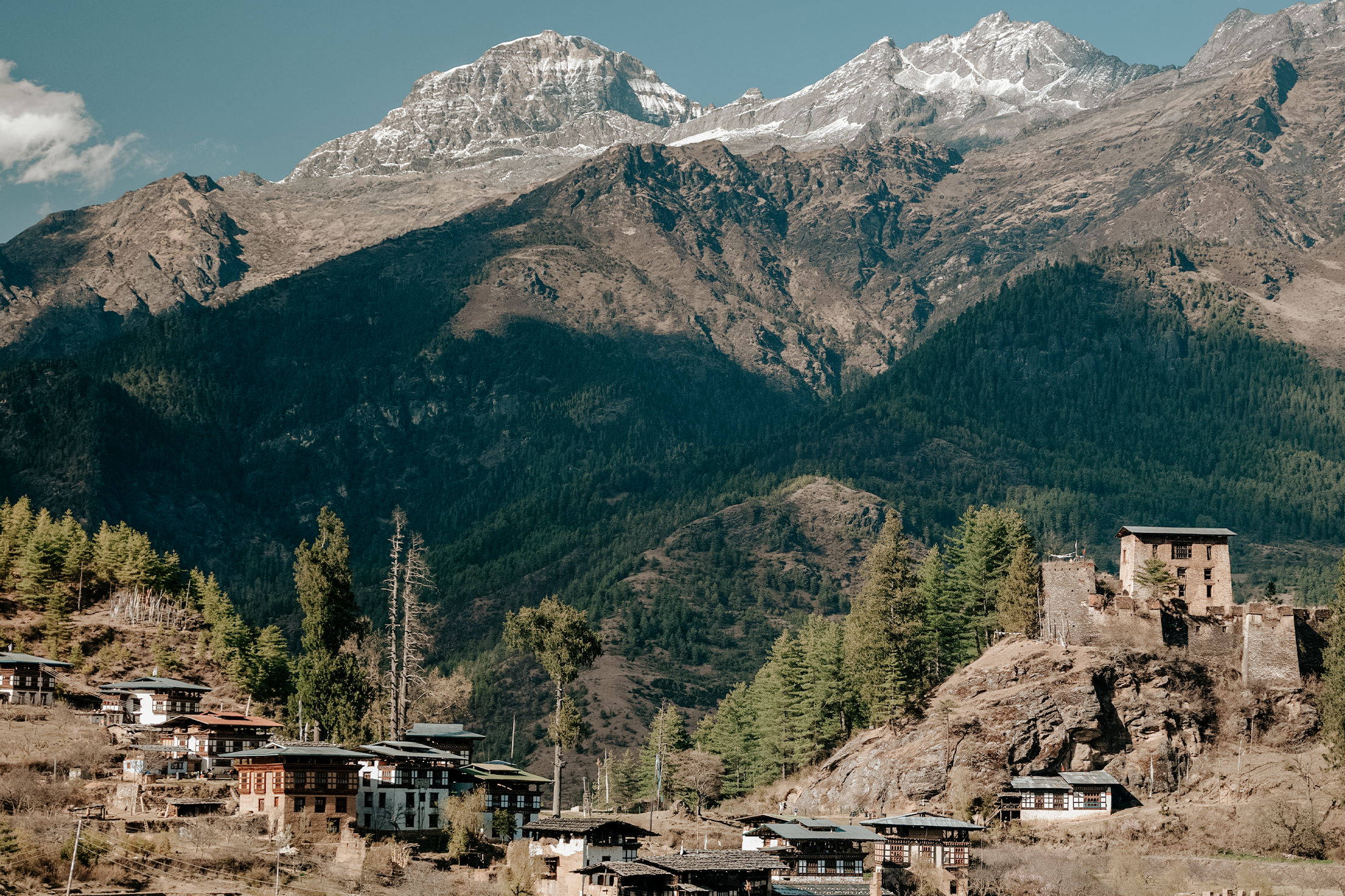
Bhutan’s Journey Toward Prosperity
From my perspective, working in climate finance, the Bhutan Resource Mobilization Plan (BRMP) is not simply about mobilizing more resources; it is about mobilizing the right kind of resources. Bhutan’s comparative advantage lies in its hydropower potential, vast forest cover, and strong environmental stewardship under the philosophy of Gross National Happiness. The plan strategically leverages these assets through energy exports, carbon market participation, and emerging instruments such as green bonds and a national climate fund to generate predictable and sustainable revenue streams.
Prioritization and tracking of actions for the most vulnerable
UN Women, March 2014. “Bangladesh – Rohingya women in refugee camps share stories of loss and hopes of recovery” A UNDP publication identified different
Deadline for Global Action
Can countries deliver on their climate change pledges? The historic Paris Agreement on Climate Change, which was agreed by all the countries that were part