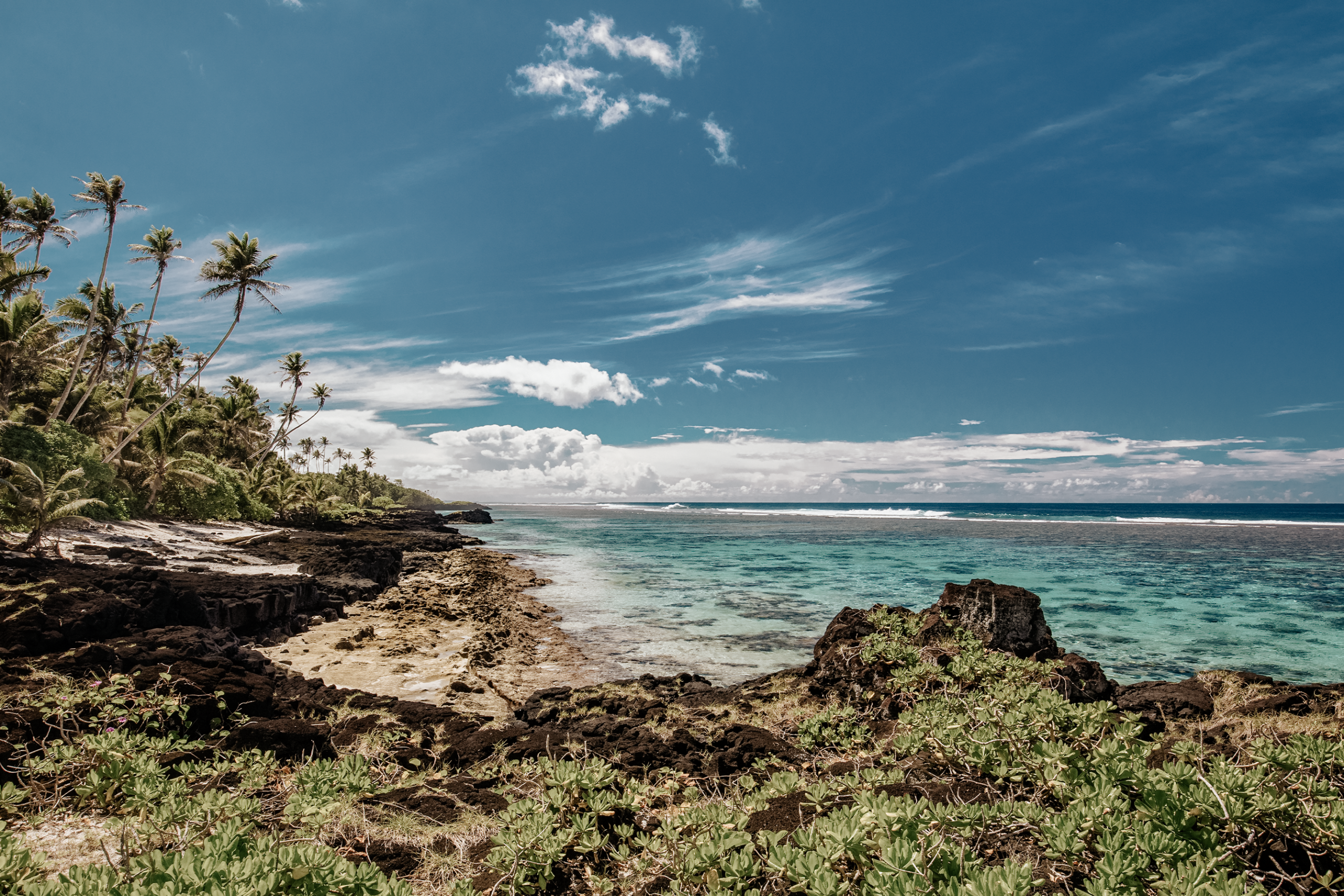
Samoa Shows Leadership in Early Warning System and Disaster Risk Management
Early warning and early action are among Samoa’s national strategic priorities, embedding multi-hazard early warning systems and disaster risk financing frameworks into the country’s governance landscape.

Malawi’s NDC Implementation: Lessons From the Past and Youth Priorities for NDC 3.0
Malawi, like many climate-vulnerable nations, has taken steady strides toward implementing its Nationally Determined Contribution (NDC) under the Paris Agreement. It has reaffirmed its commitment to reducing emissions, enhancing adaptation, and building climate resilience through its First Biennial Transparency Report (BTR1) and National Communication submitted to the United Nations Framework Convention on Climate Change (UNFCCC). Despite the commitment, there are efficient gains to be made in its next round of NDC 3.0, as revealed by the NDC 2.0 stocktake.

Khyber Pakhtunkhwa Charts Path for Climate-Linked Investments
As part of the ongoing in-country consultations for the Pakistan Climate Prosperity Plan (CPP), the CVF-V20 delegation held a high-level roundtable with the Planning and Development Department (P&DD) of the Province of Khyber Pakhtunkhwa (KP) on October 9 in Peshawar. The session brought together key provincial departments, including forestry, environment, wildlife, transport, energy, and infrastructure, to align KP’s climate priorities with the CPP framework and explore financing pathways for sustainable development.
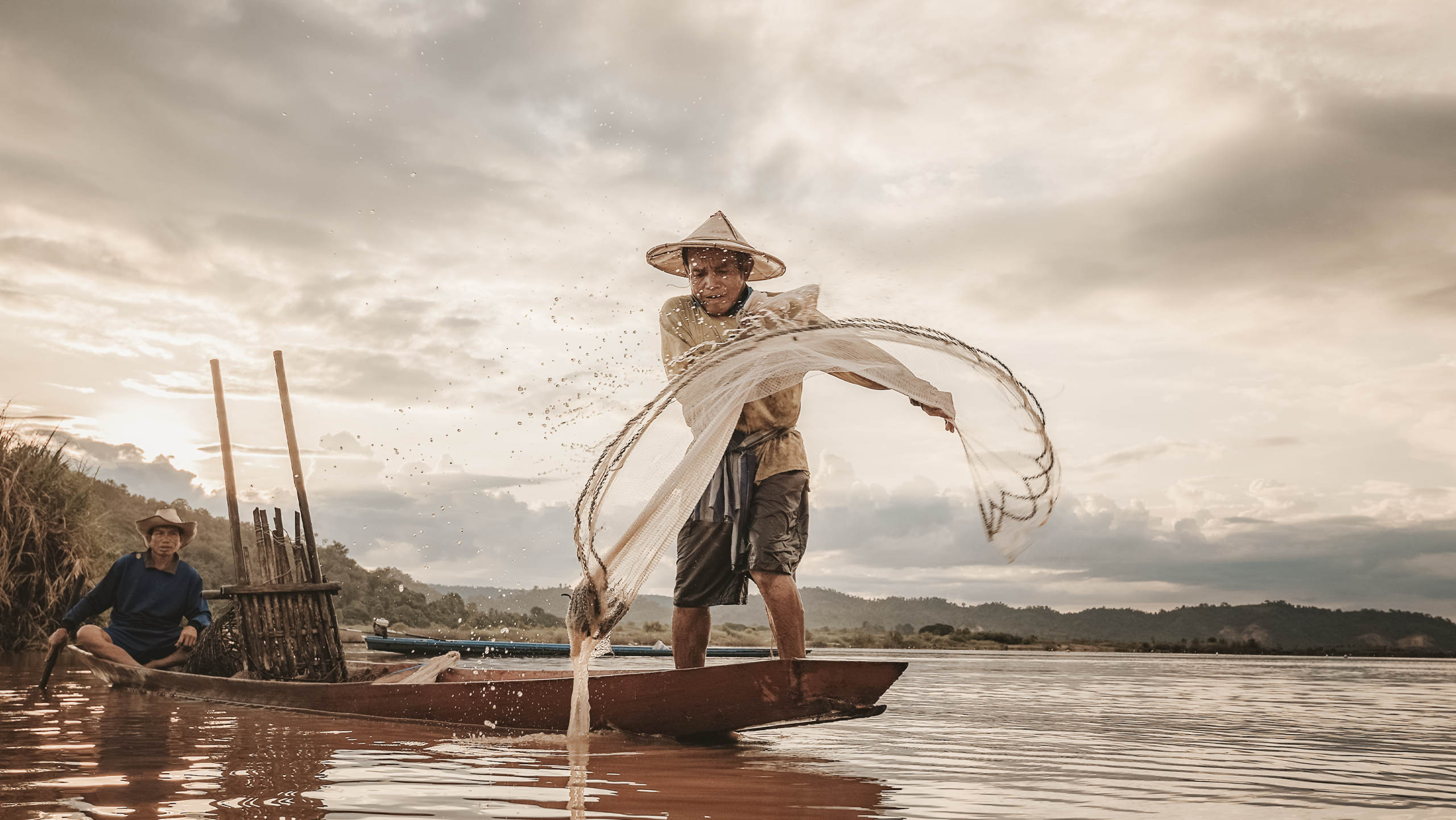
Bringing Climate Adaptation Finance Closer to Filipino Communities
The Philippines’ Department of Finance (DOF) is leading the charge to enhance local government access to the People’s Survival Fund (PSF), the country’s flagship climate adaptation financing mechanism.

Kyrgyz Leads Global Efforts in Mountain Ecosystem Conservation
At UNGA 80, The Kyrgyz Republic’s President, H.E. Sadyr Japarov, issued a powerful call to the international community: to support and endorse the Declaration of COP-29 on Climate, Mountains, and Glaciers as a decisive step in mobilizing ambitious initiatives to protect the mountain ecosystems across the globe.
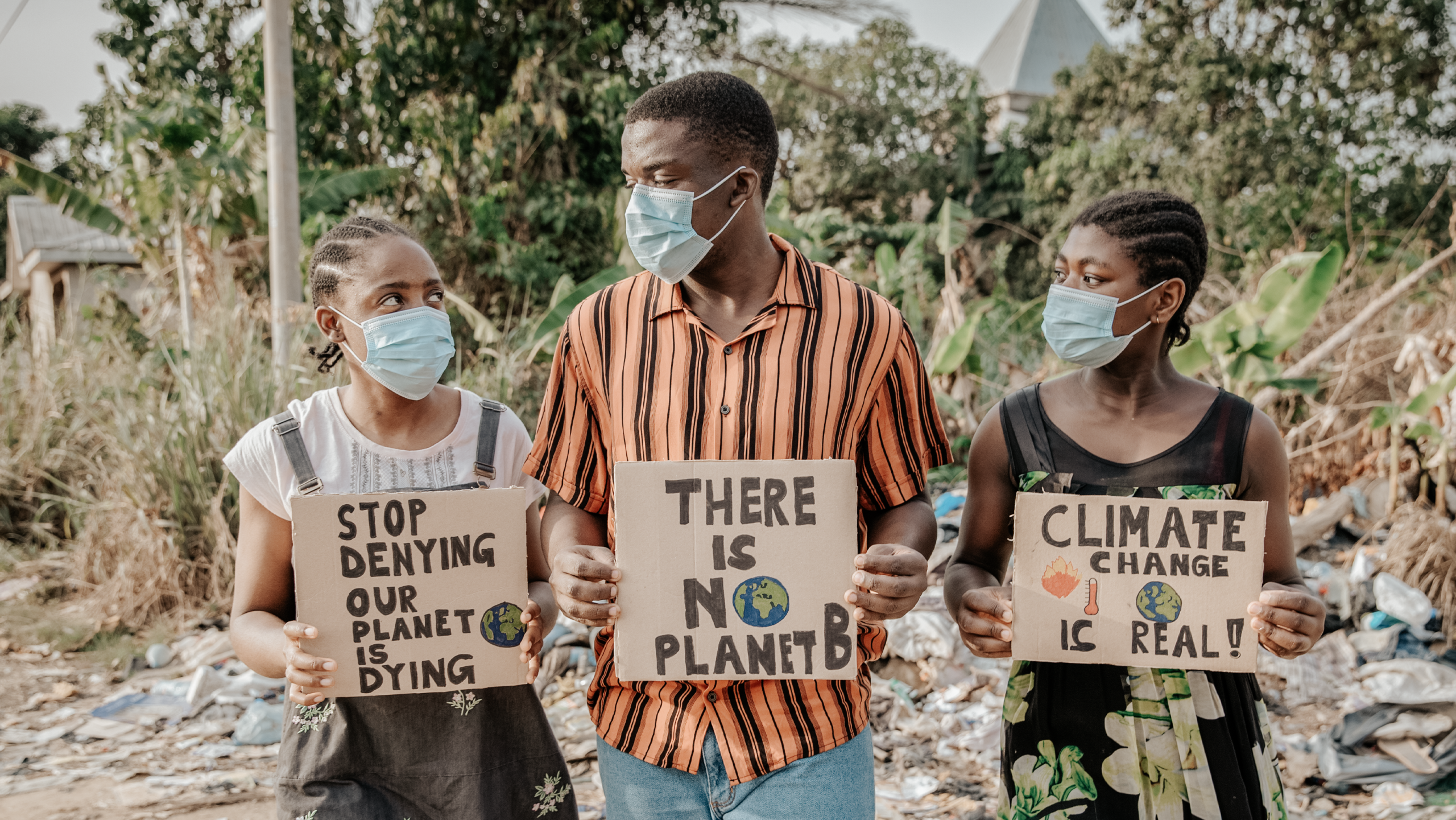
Africa’s Youth Don’t Need a Seat at the Table; They’re Building a New One
Africa’s youth don’t need saving. They need space, trust, and investment that matches their pace. They’re already powering homes, restoring forests, building apps, and running circular businesses that keep waste out of the environment. Every solar panel, reforested hill, and electric motor is a quiet rejection of the idea that Africa must wait to be helped.
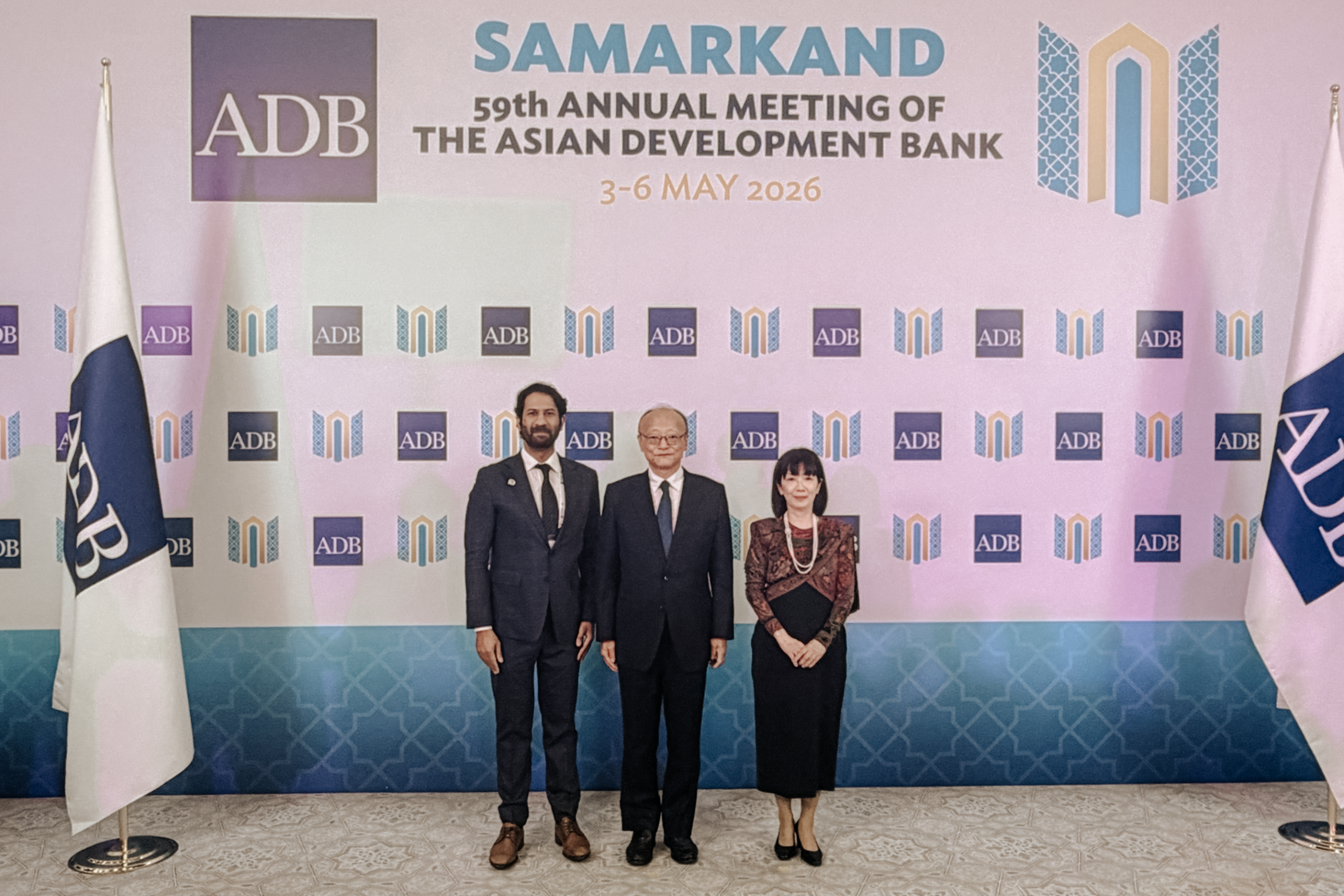
CVF-V20 Advances Climate Prosperity Partnerships at ADB Annual Meeting in Samarkand
The CVF-V20 Secretariat participated in the 59th Asian Development Bank Annual Meeting, held in Samarkand, Uzbekistan, from May 3 to 6, under the theme “Crossroads of Progress: Advancing the Region’s Connected Future.” The delegation represented the interests of climate-vulnerable economies in discussions on regional development, climate finance, and multilateral cooperation.
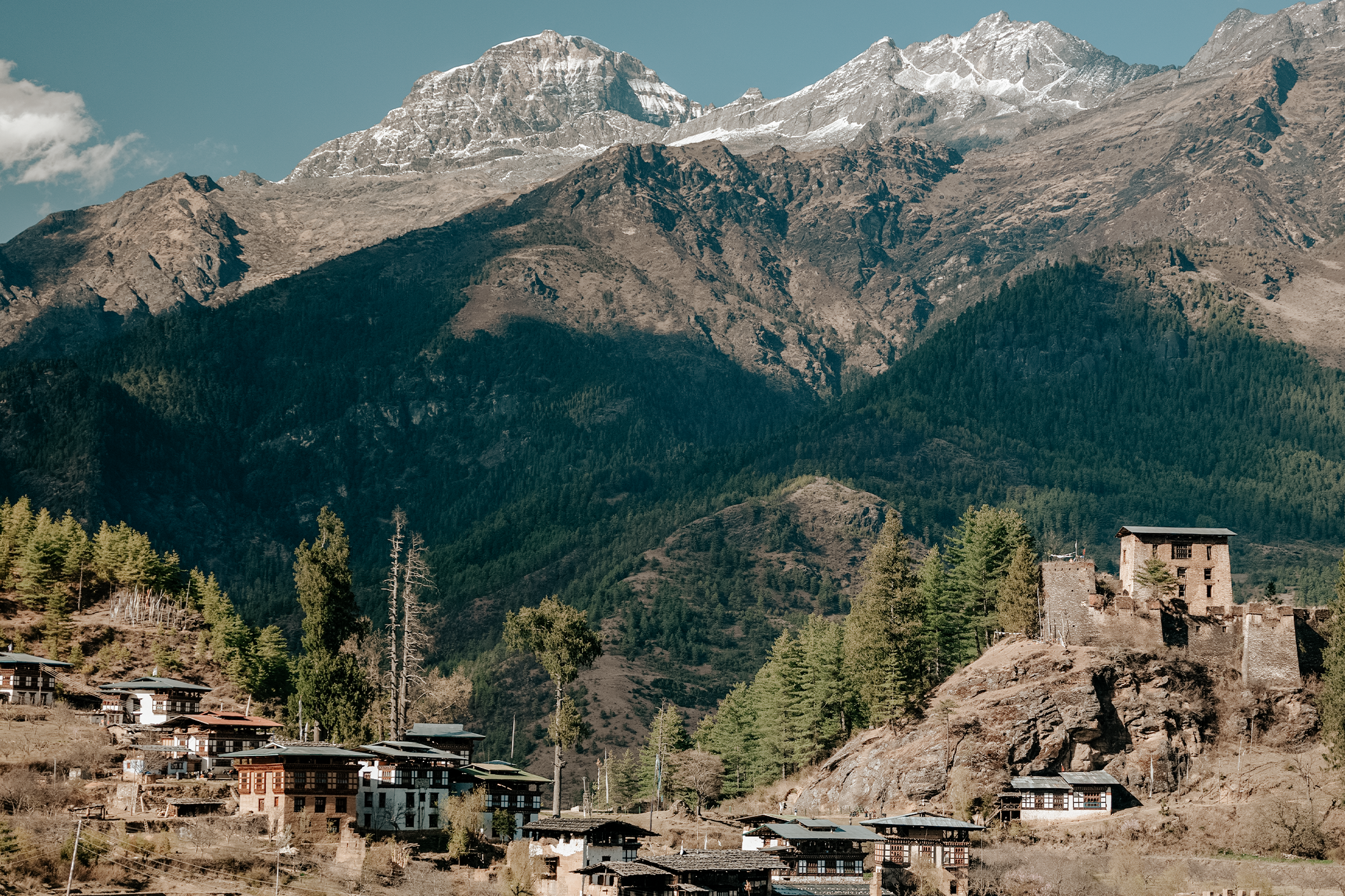
Bhutan’s Journey Toward Prosperity
From my perspective, working in climate finance, the Bhutan Resource Mobilization Plan (BRMP) is not simply about mobilizing more resources; it is about mobilizing the right kind of resources. Bhutan’s comparative advantage lies in its hydropower potential, vast forest cover, and strong environmental stewardship under the philosophy of Gross National Happiness. The plan strategically leverages these assets through energy exports, carbon market participation, and emerging instruments such as green bonds and a national climate fund to generate predictable and sustainable revenue streams.

Ghana Scales Carbon Market Leadership to Drive Development
Ghana has established a National Carbon Registry to collect, verify, and track emissions data and carbon market transactions. It has also created a Carbon Market Office to provide administrative and technical support for the implementation of both the international carbon market and non-market approaches.

Pacific Nations Embrace Regenerative Farming as Climate Threats Mount
Samoa, Tonga, and Vanuatu have secured a five-year climate adaptation project worth US$43.7 million through the Green Climate Fund (GCF), a critical step toward transforming how Pacific communities grow food in the face of accelerating climate change. The funding will drive large-scale investments across agricultural production systems, unlocking new pathways to long-term food security, improved nutrition, and expanded livelihoods across the three nations.
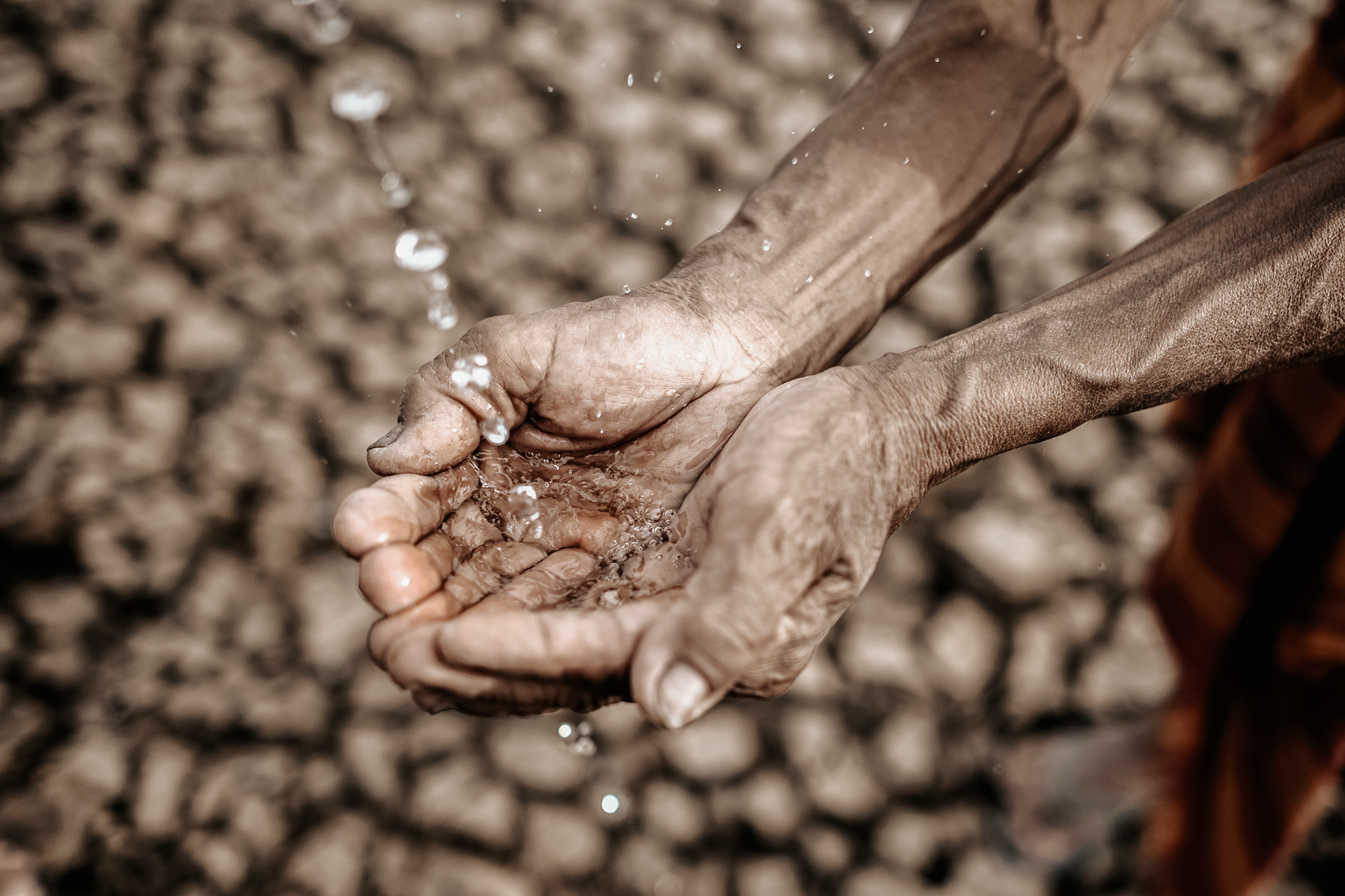
Africa’s Great Vision: Water for All
Africa takes on a greater mission to advance water security and community resiliency through the Africa Water Vision 2063 and Policy, under the leadership of the African Union Commission and the African Ministers’ Council on Water. This blueprint values water as a strategic asset in pursuing continental security and advancing economic power.

From Policy to Practice: Institutionalizing Climate Resilience in Pakistan’s Fiscal Framework
In the corridors of the Ministry of Finance, the conversation around fiscal policy has shifted dramatically. A few years ago, “climate resilience” was often treated as an environmental concern, relegated to line ministries. Today, having managed the USD 1.4 billion Resilience and Sustainability Facility (RSF) over the last two years, I see it differently: climate risk is a macroeconomic risk, and our fiscal sustainability is intrinsically linked to how well we prepare for the climate reality.