
From Policy to Practice: Institutionalizing Climate Resilience in Pakistan’s Fiscal Framework
In the corridors of the Ministry of Finance, the conversation around fiscal policy has shifted dramatically. A few years ago, “climate resilience” was often treated as an environmental concern, relegated to line ministries. Today, having managed the USD 1.4 billion Resilience and Sustainability Facility (RSF) over the last two years, I see it differently: climate risk is a macroeconomic risk, and our fiscal sustainability is intrinsically linked to how well we prepare for the climate reality.

Costa Rica’s “Más Mujer, Más Natura”
Costa Rica’s Más Mujer, Más Natura (More Women, More Nature) program is rewriting the script for rural empowerment. Launched in 2020 as a collaborative effort between the Ministry of Environment and Energy (MINAE), the United Nations Development Programme (UNDP), and the Office of the First Vice President, the program addresses a long-standing paradox: while women are often the primary stewards of local biodiversity, they frequently lack the land titles and capital to access traditional conservation incentives.
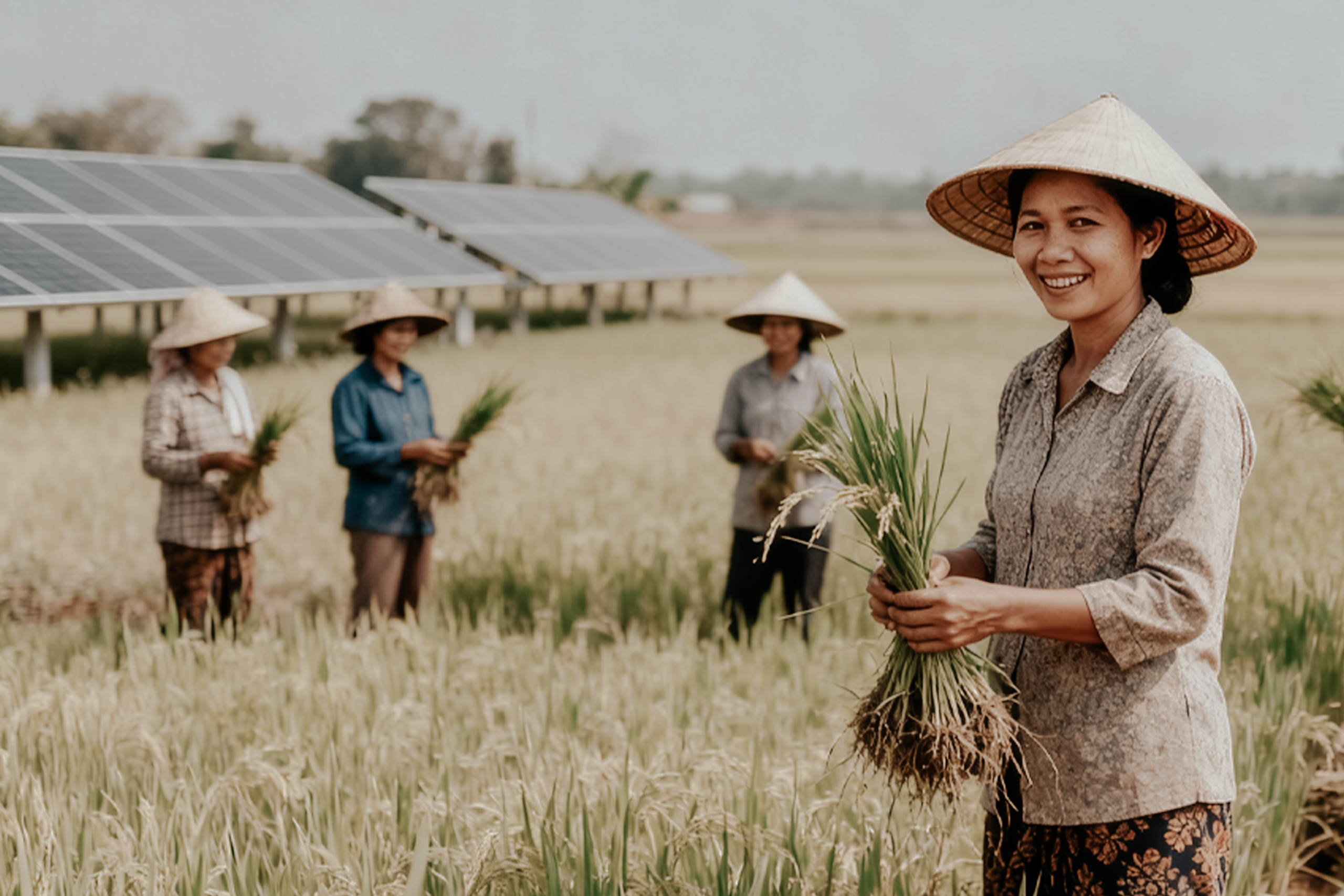
Women at the Core of Cambodia’s Green Economy Revolution
Cambodia recognizes women’s leadership as a robust accelerator of green economic development as the country approaches graduation from Least Developed Country status in 2029, seeking higher productivity, diversified growth, and greater uptake of green digitalization. Women are rising beyond perceptions of vulnerability, positioning themselves as champions of climate prosperity and sustainable development.
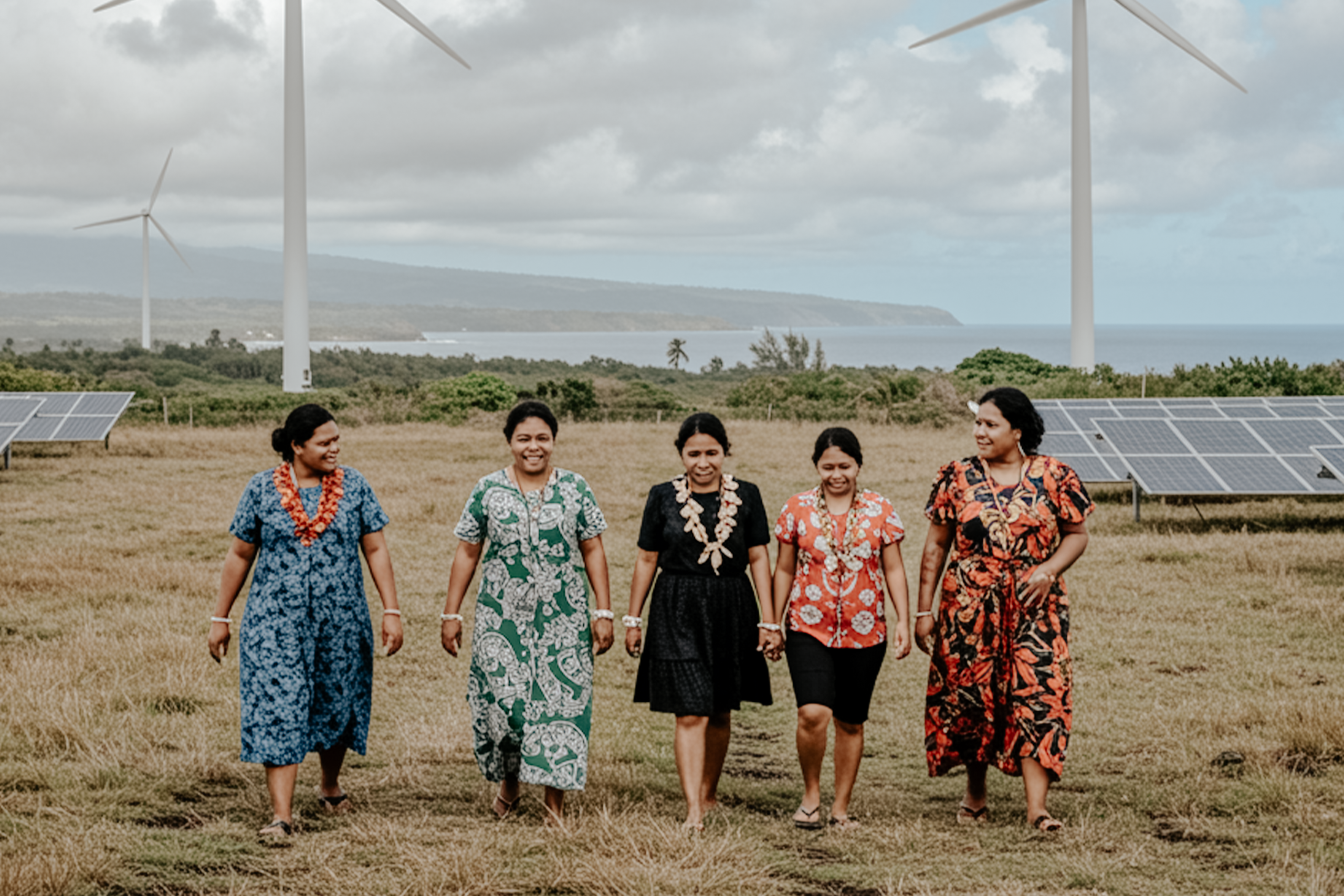
Pacific Women and the Call for Climate Justice
When island nations and regional allies presented their case before the International Court of Justice, women leaders, lawyers, and youth advocates were instrumental in building arguments that led to a landmark 2025 Advisory Opinion affirming states’ obligations to protect the climate and human rights.
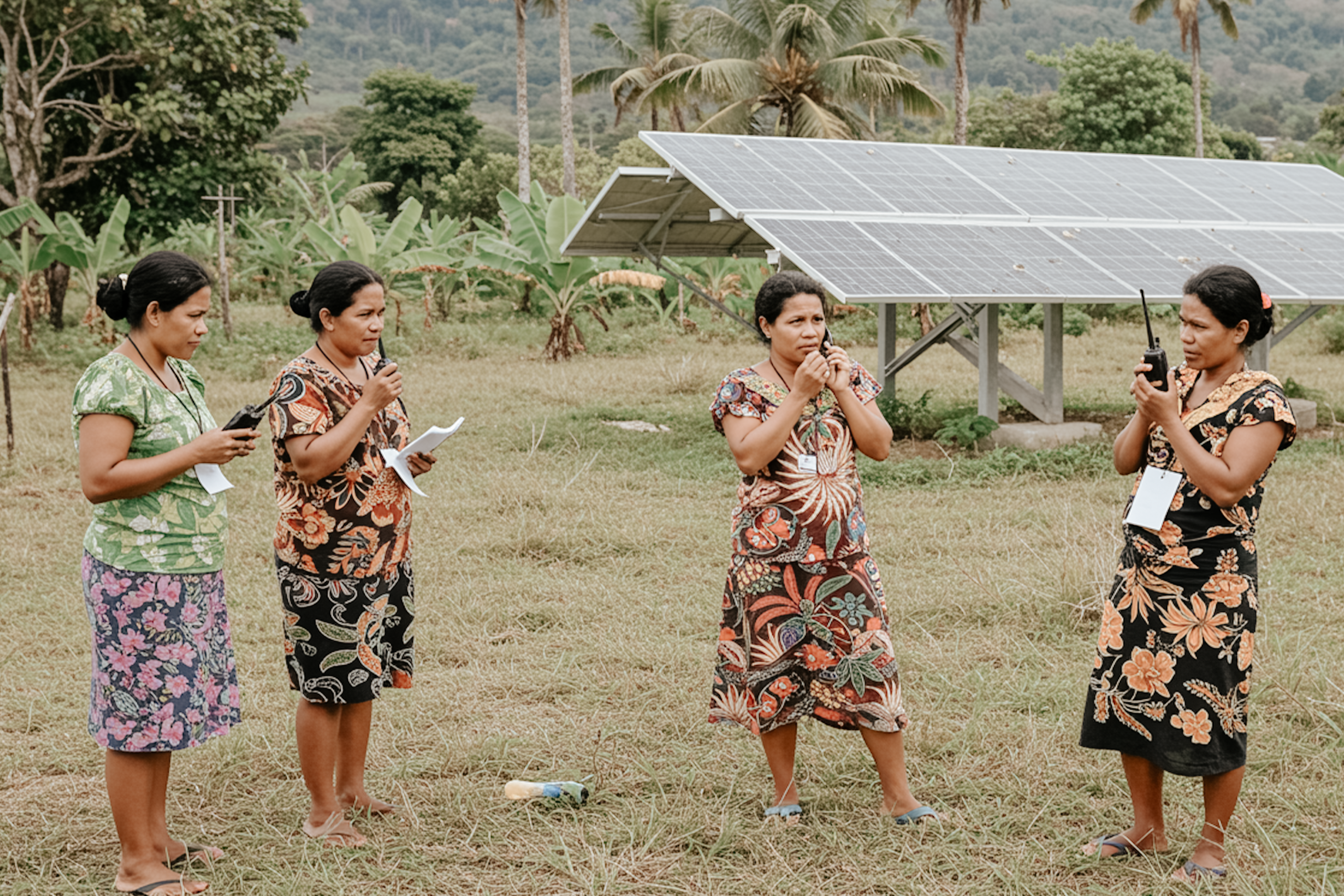
Ni-Vanuatu Women Lead Disaster Response and Climate Action
Vanuatu is among the nations most vulnerable to the climate crisis. These environmental shifts often worsen existing socioeconomic gaps, disproportionately pushing women toward poverty and marginalization. Despite these challenges, Ni-Vanuatu women have emerged as resilient leaders, transforming how their communities prepare for and recover from disasters.
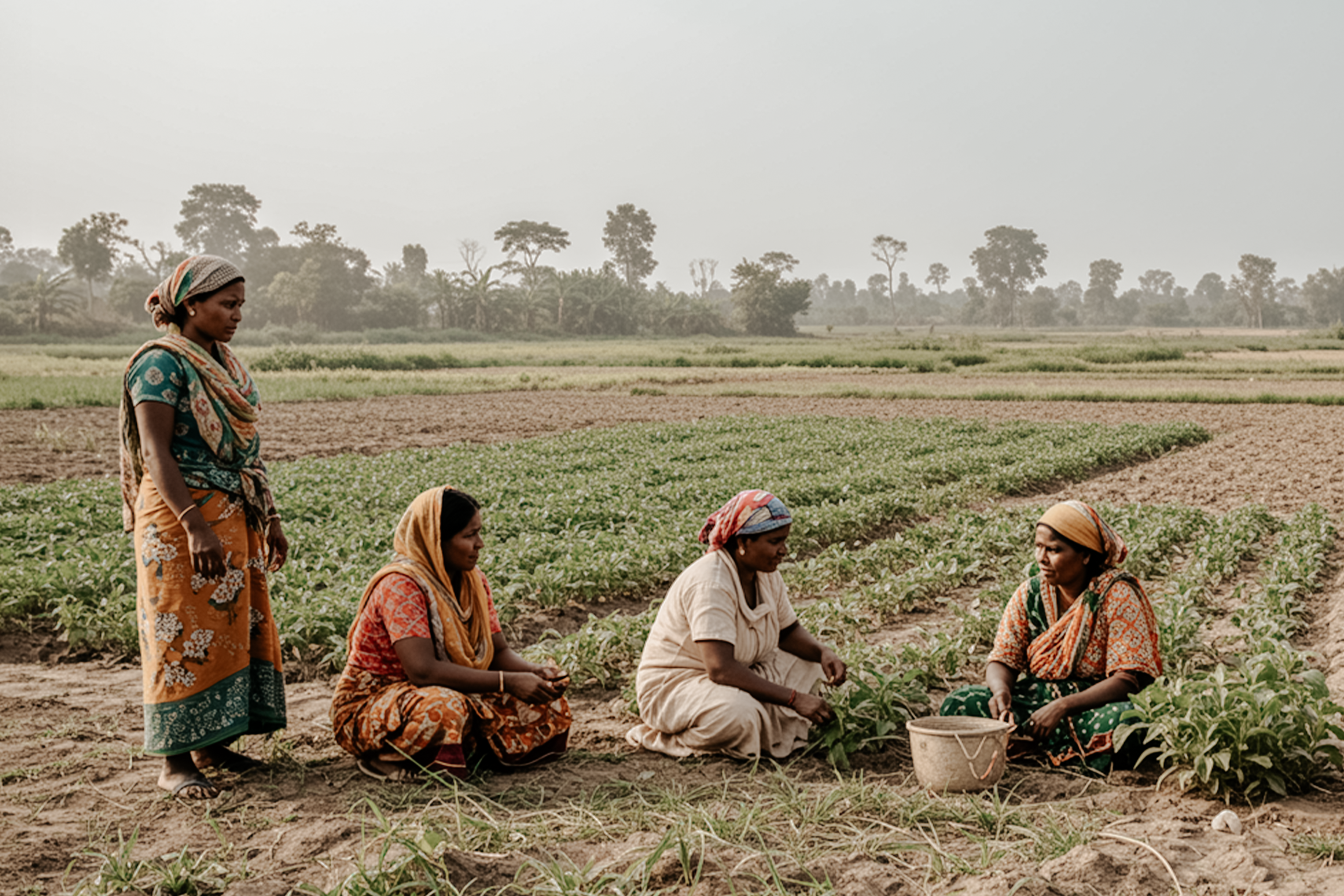
Gender-Responsive Climate Action in Bangladesh and Kenya
The worsening impacts of climate change are exposing gaps in financial and social systems while reshaping societies, with women often on the frontlines—managing households, securing resources, and caring for families under growing stress. The crisis exacerbates existing gender inequalities, yet women’s voices are largely missing from the policies meant to protect them. Without a gender-focused approach, millions of women and girls risk being pushed into extreme poverty, amplifying social and economic disparities worldwide.

Fellowship Sessions Empower Climate Leaders to Drive Bold Action
January 2026 witnessed a transformative gathering of climate champions as the CVF-V20 Secretariat hosted a series of fellowship retreats and a residency to equip youth and mid-to-senior-level officials from the world’s most climate-vulnerable nations with co-learning and networking opportunities necessary to advance ambitious development-positive climate action.
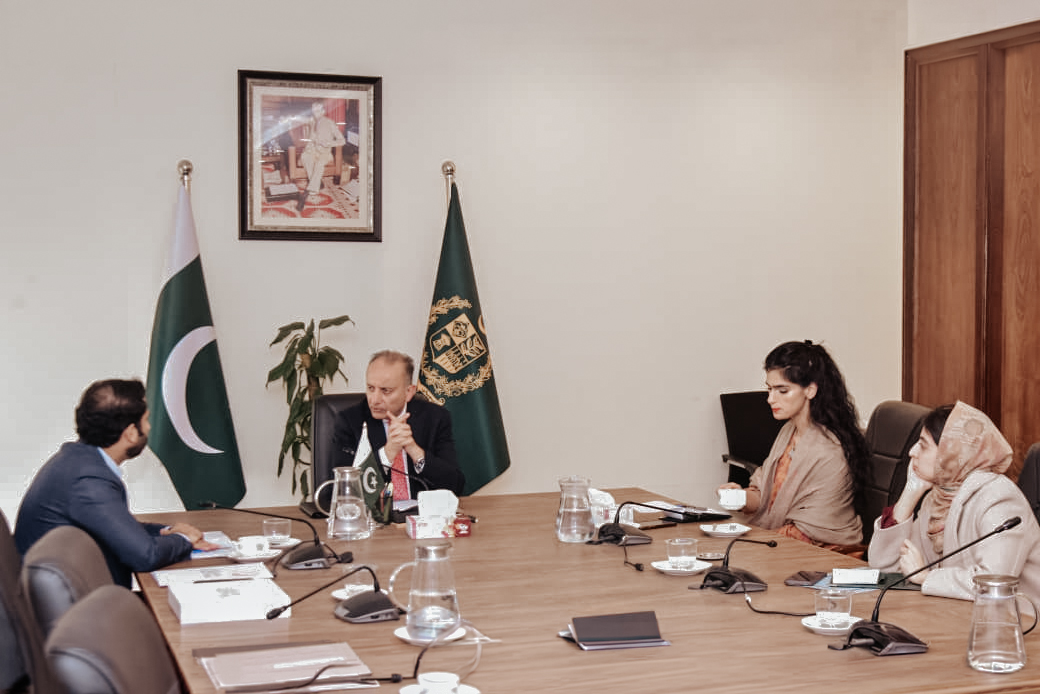
CVF-V20 Backs Evidence-Based Climate and Economic Decisions in Pakistan
The CVF-V20 Secretariat met with Pakistan’s Minister for Climate Change, H.E. Dr. Musadik Malik, on January 8 to align on how CVF-V20 tools and approaches can support national decision-making and delivery on climate and economic priorities. The discussion focused on positioning the Green Economy Model–Prosperity (GEM-P) as a practical, evidence-based tool for the Prime Minister’s Task Force, alongside advancing the launch and implementation of Pakistan’s Climate Prosperity Plan (CPP).
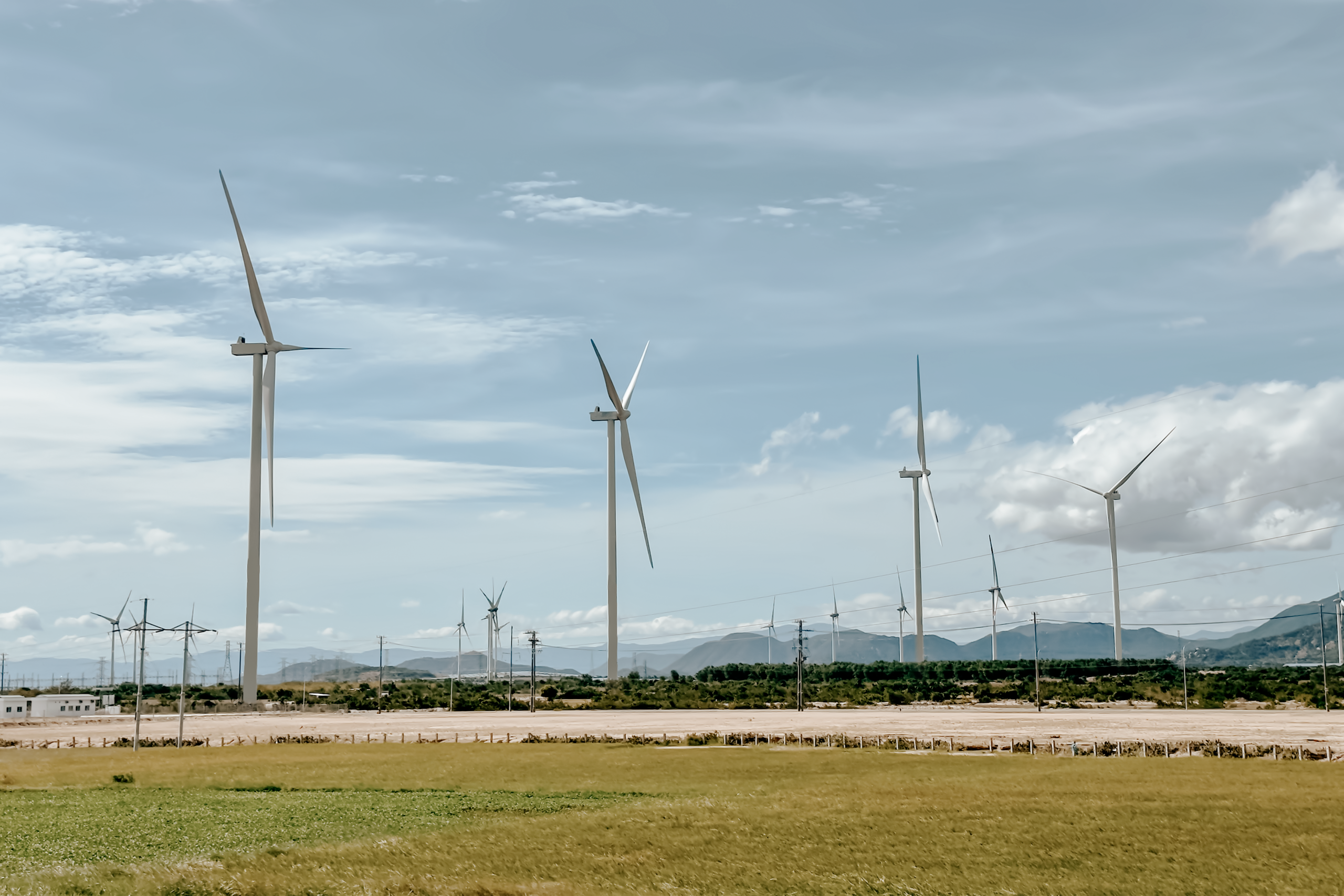
Viet Nam Calls for Stronger Global Commitments and Climate Finance at COP30
At the High-Level Segment of the COP30 in Belém, Brazil, the Socialist Republic of Viet Nam’s delegation, led by Deputy Minister Le Cong Thanh, recalled the principle of Common but Differentiated Responsibility and Respective Capabilities (CBRD-RC), demanding stronger action and financial commitment from the developed world.

Honduras and Suriname Pilot Sovereign Article 6.2 Carbon Credits for Rainforest Conservation
The Republics of Honduras and Suriname have signed a Letter of Intent (LoI) with Deutsche Bank, Bayer, Siemens, Symrise, and the Coalition for Rainforest Nations (CfRN) to pilot the issuance of high-integrity, rainforest-based carbon credits under Article 6.2 of the Paris Agreement.
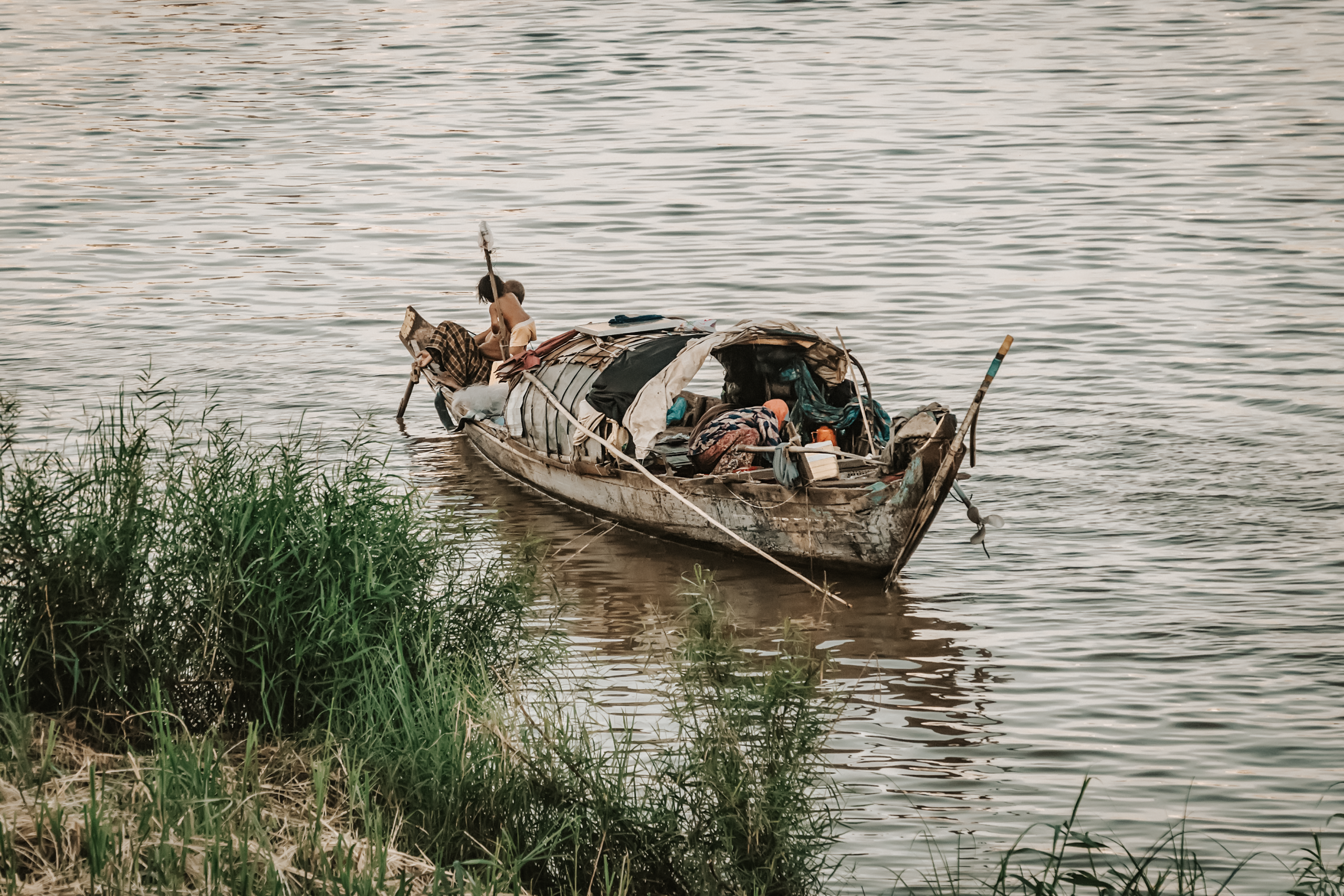
Cambodia Unlocks USD 9.8 Million GCF Funding to Enhance Climate Resilience
Fifteen climate-vulnerable districts located in Battambang, Preah Vihear, and Pursat Provinces of Cambodia will receive adequate capacity and funding to better implement local climate resiliency plans, after the government secured USD 9.8 million for the Third Phase of Local Governments and Climate Change (LGCC-III).
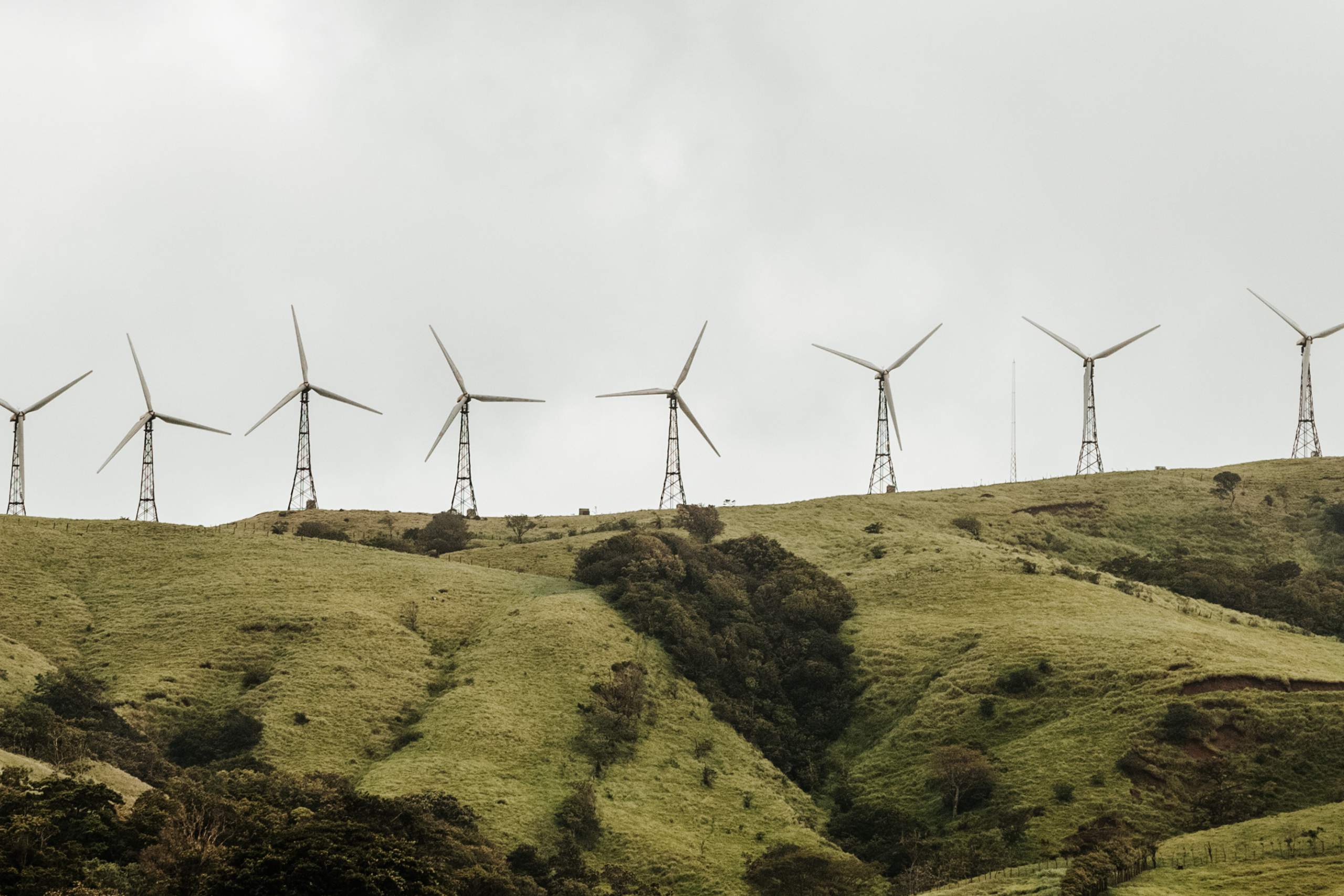
Costa Rica Runs on Renewable Energy, Leaves Fossil Fuel Behind
Almost 100% renewable energy powers Costa Rica’s energy mix, with electricity harnessed from hydroelectric, geothermal, solar, and wind energy. Successful with its green transition that peaked a decade ago, the country now gears toward carbon neutrality by 2050.