Mountain Nations Demand Finance and a Permanent Place in Climate Talks at COP31
Tajikistan and CVF-V20 members Kyrgyzstan, Pakistan, Bhutan and Nepal step up the call for a lasting mountain agenda on the road to Bishkek+25
Mountain nations on the frontline of the climate crisis warned today that glacier disasters are outpacing the world’s response. They called for finance that reaches mountain communities, early warning for every mountain valley, and a permanent place for mountains in the United Nations climate negotiations.
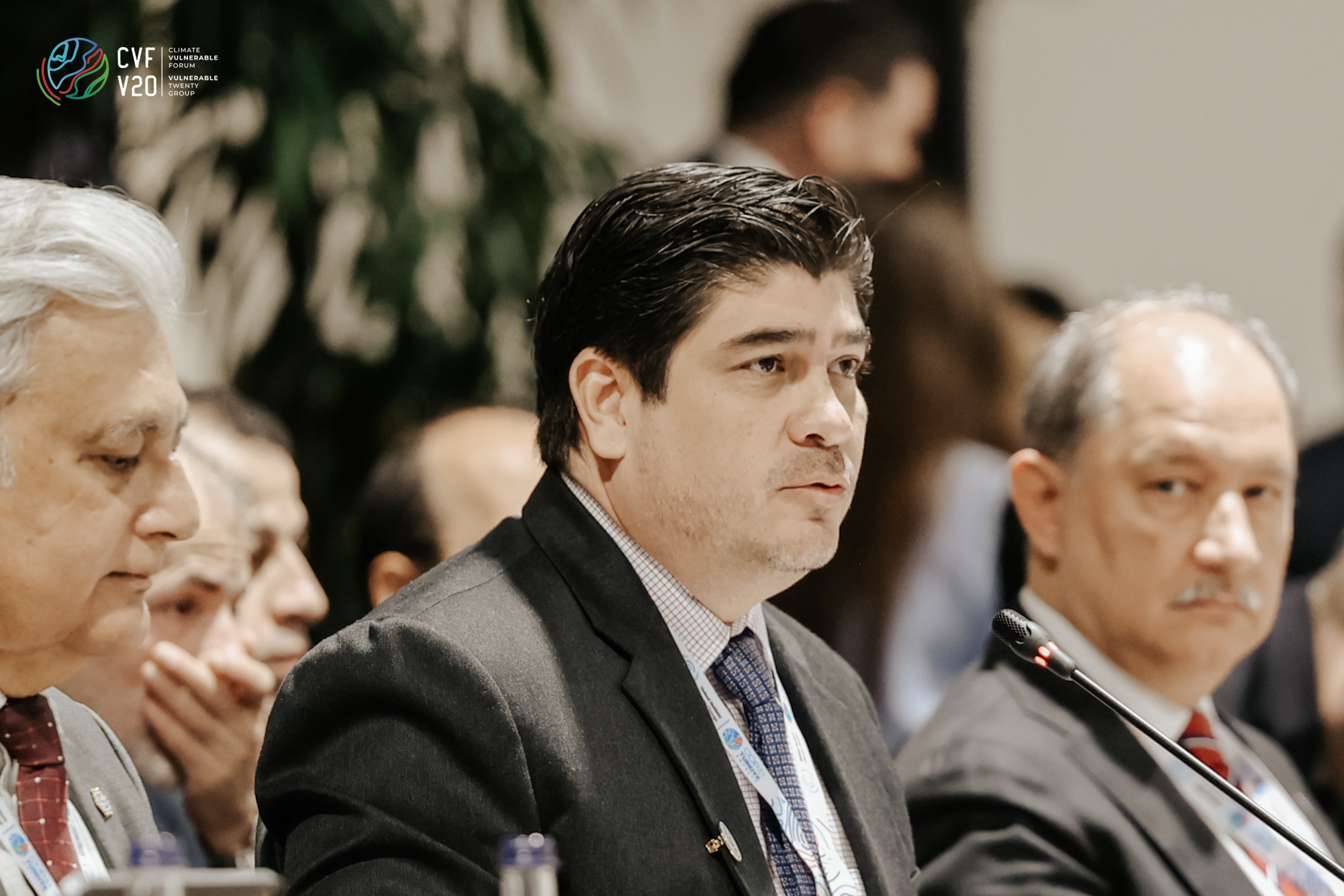
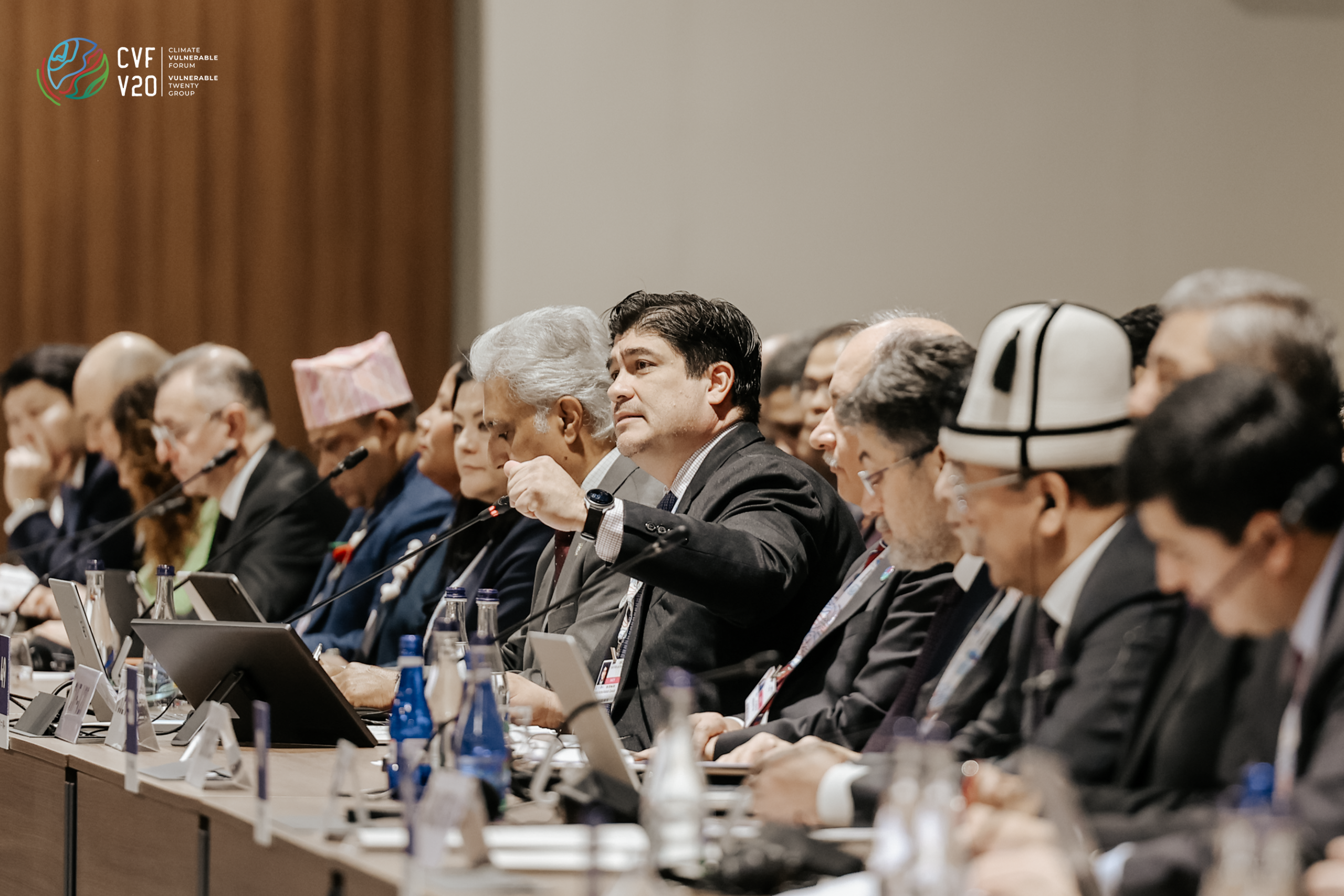
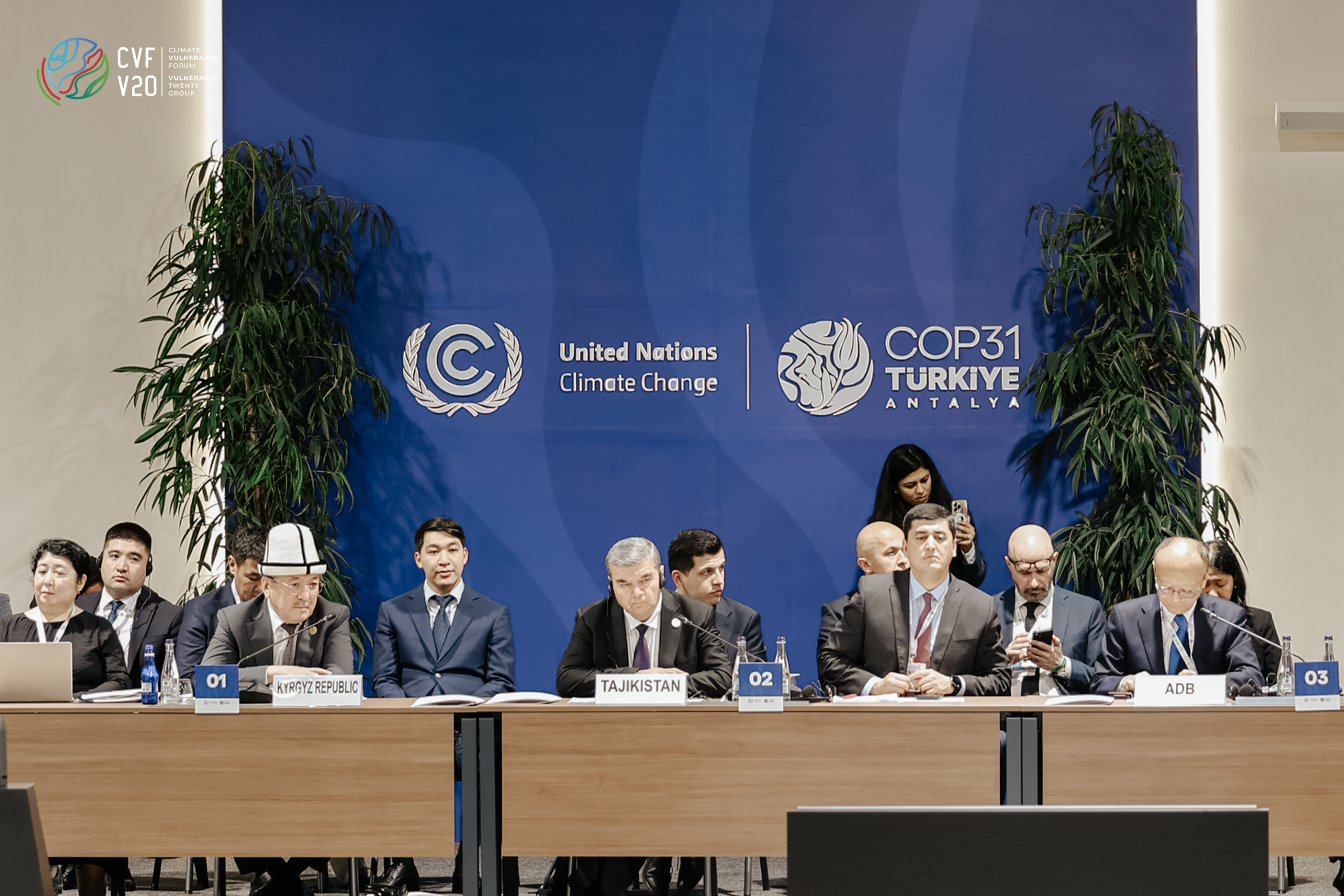
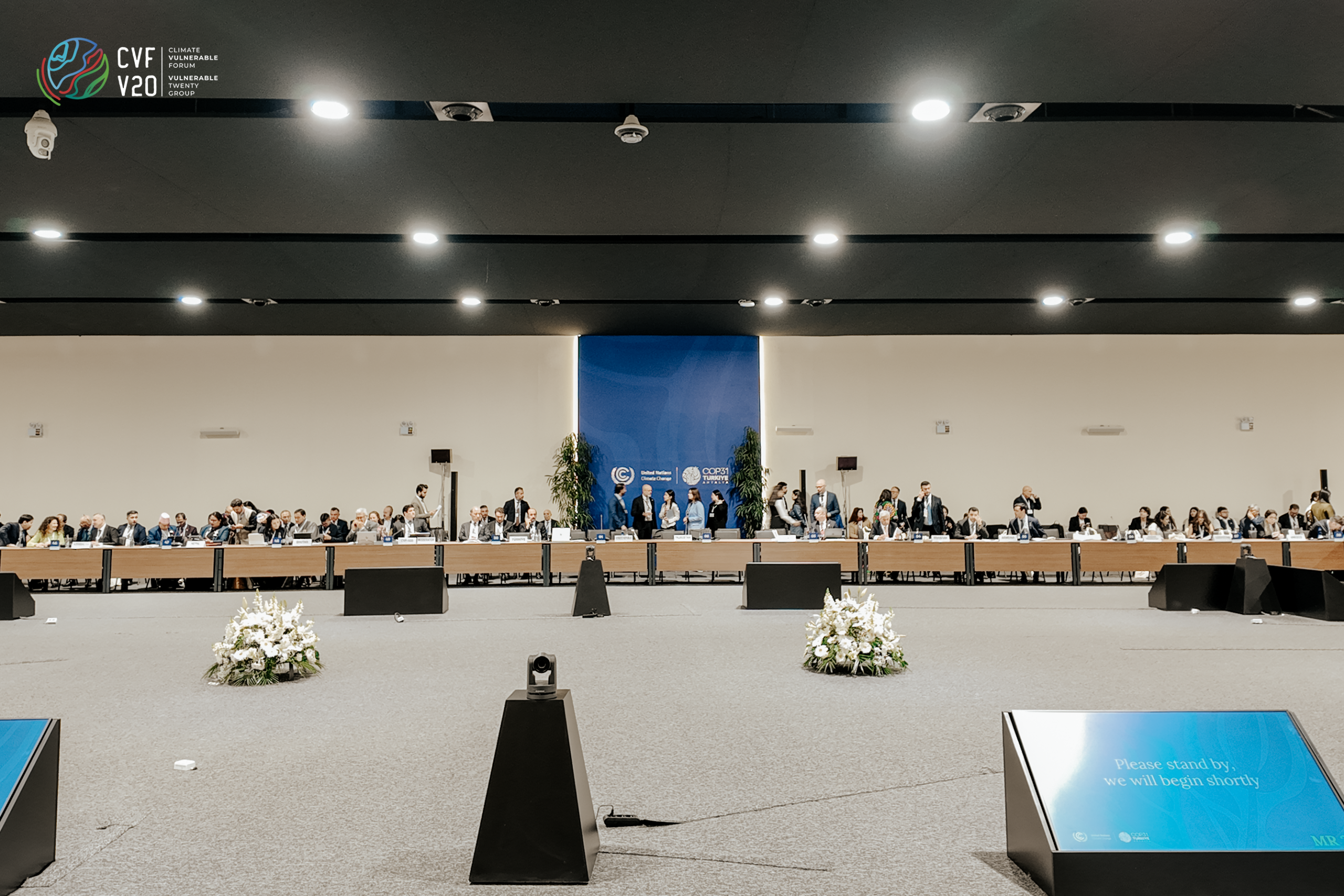
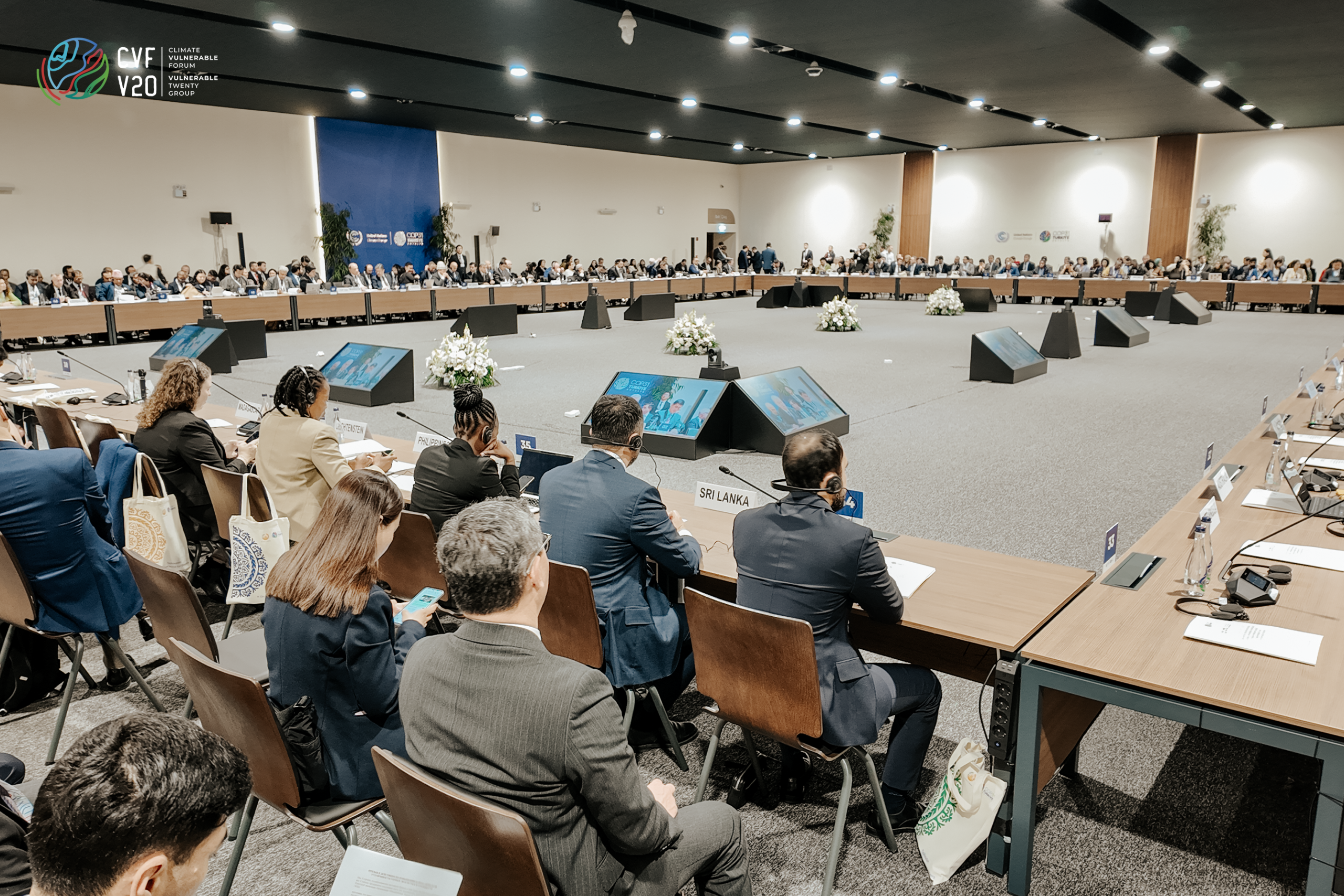
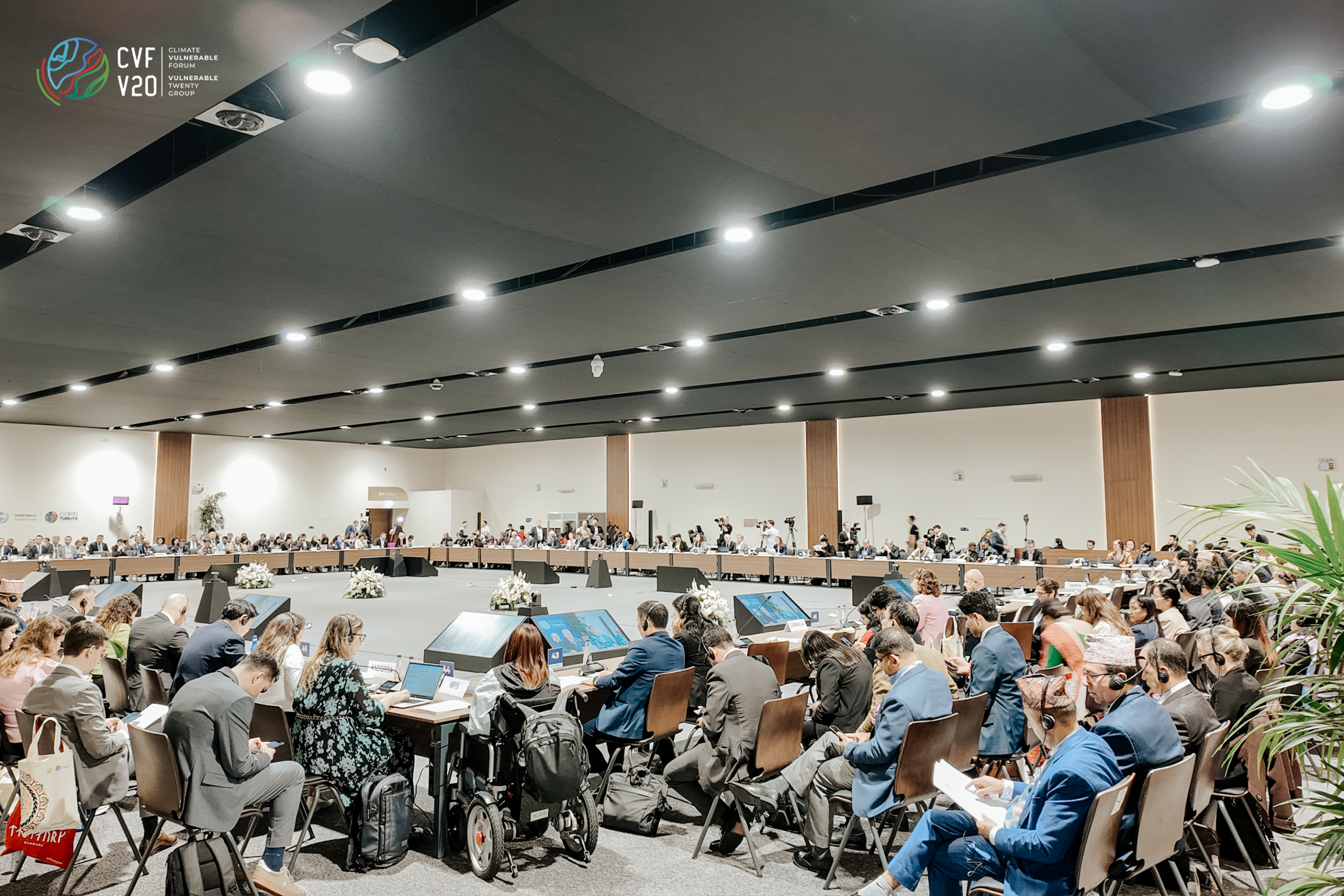
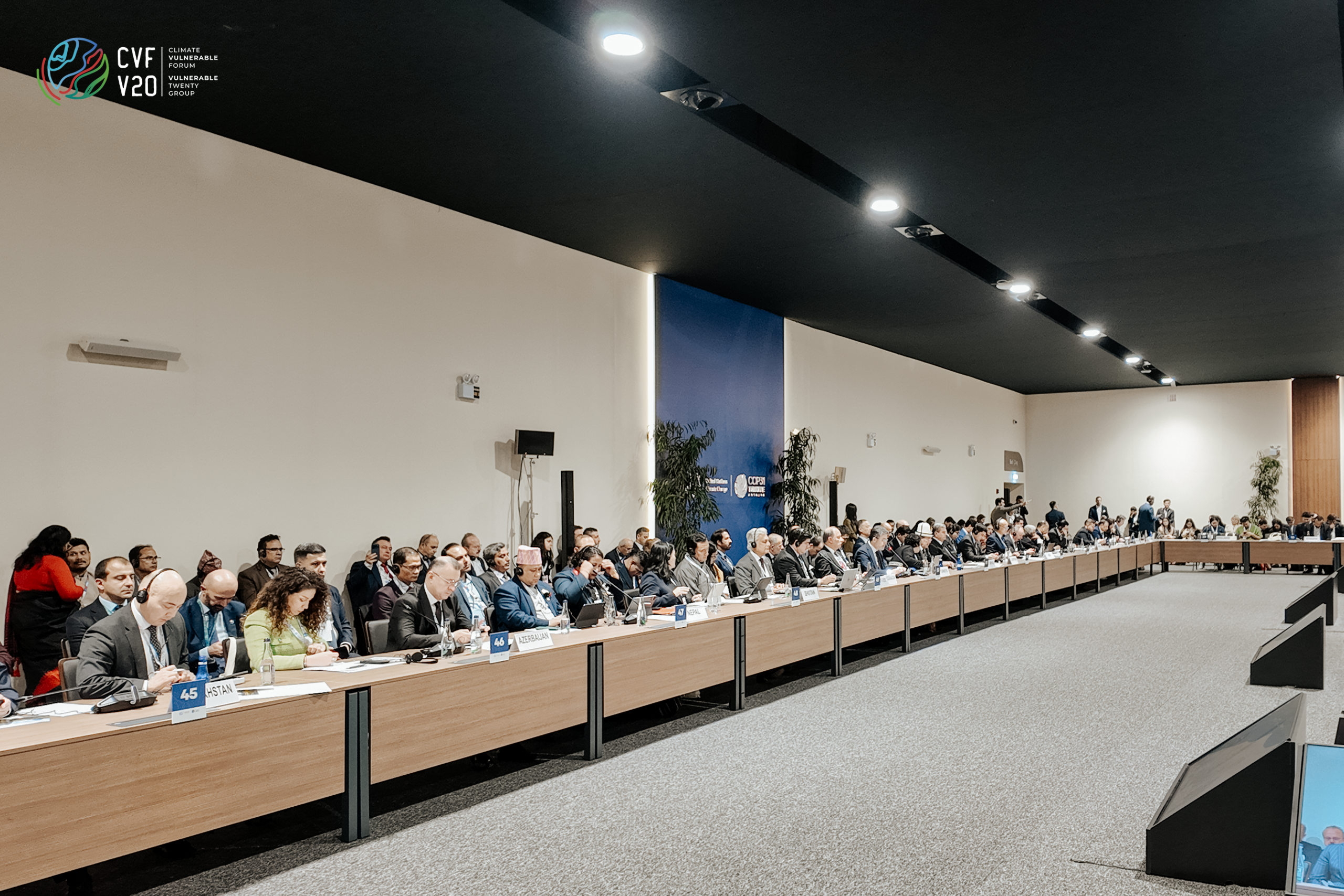
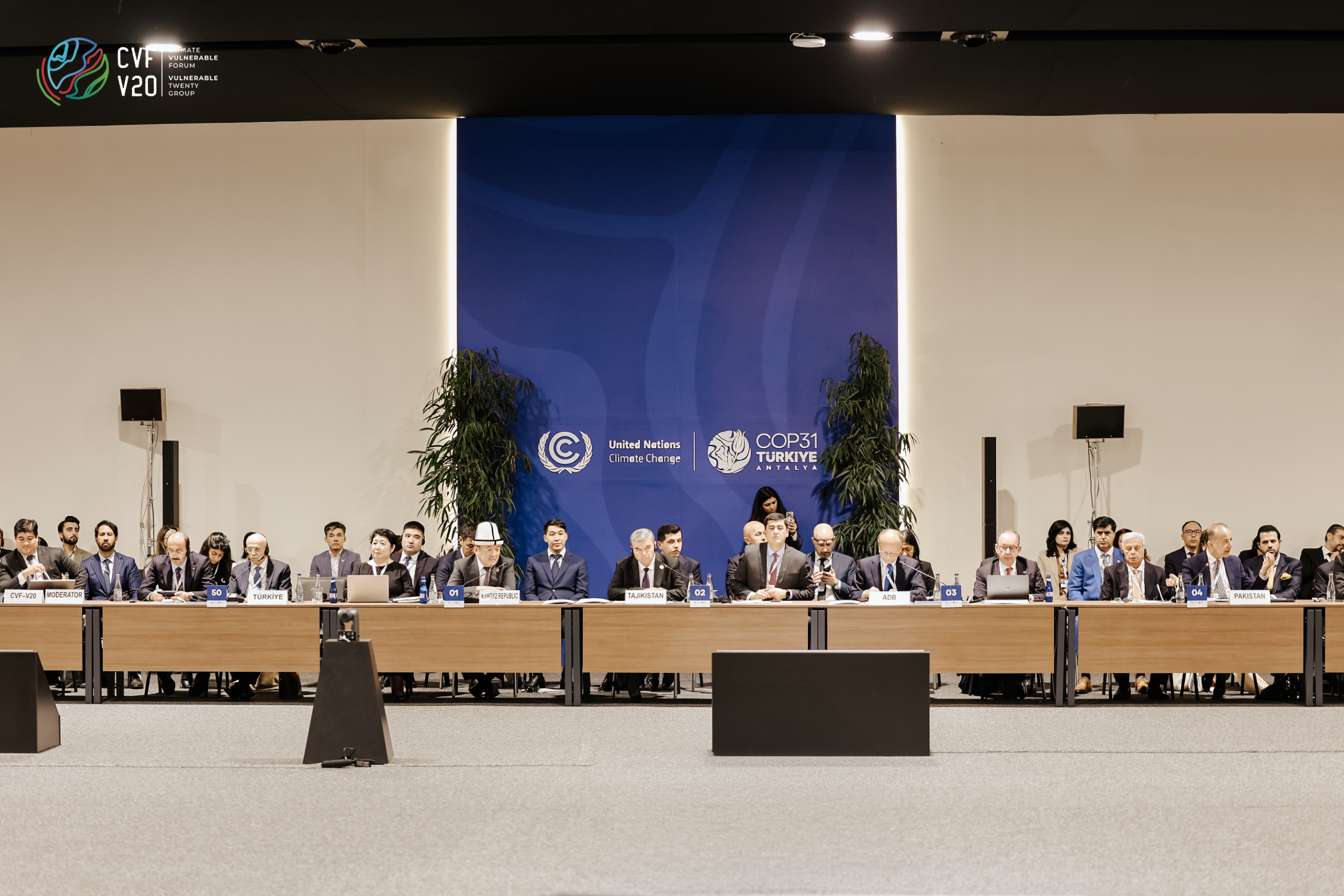
The call came at the High-Level Event “Advancing the Mountain Agenda: Glaciers, Cryosphere and Resilience under Overshoot, Shared Responsibility and Sustainable Financing,” held during the 31st Conference of Parties to the United Nations Framework Convention on Climate Change (UNFCCC). The event was convened by the Republic of Tajikistan, Kyrgyz Republic, Islamic Republic of Pakistan, Kingdom of Bhutan, and Nepal, four of the 77 member countries of Climate Vulnerable Forum and V20 Finance Ministers (CVF-V20). It was moderated by H.E. Carlos Alvarado Quesada, former President of Costa Rica and incoming Secretary-General of the CVF-V20.
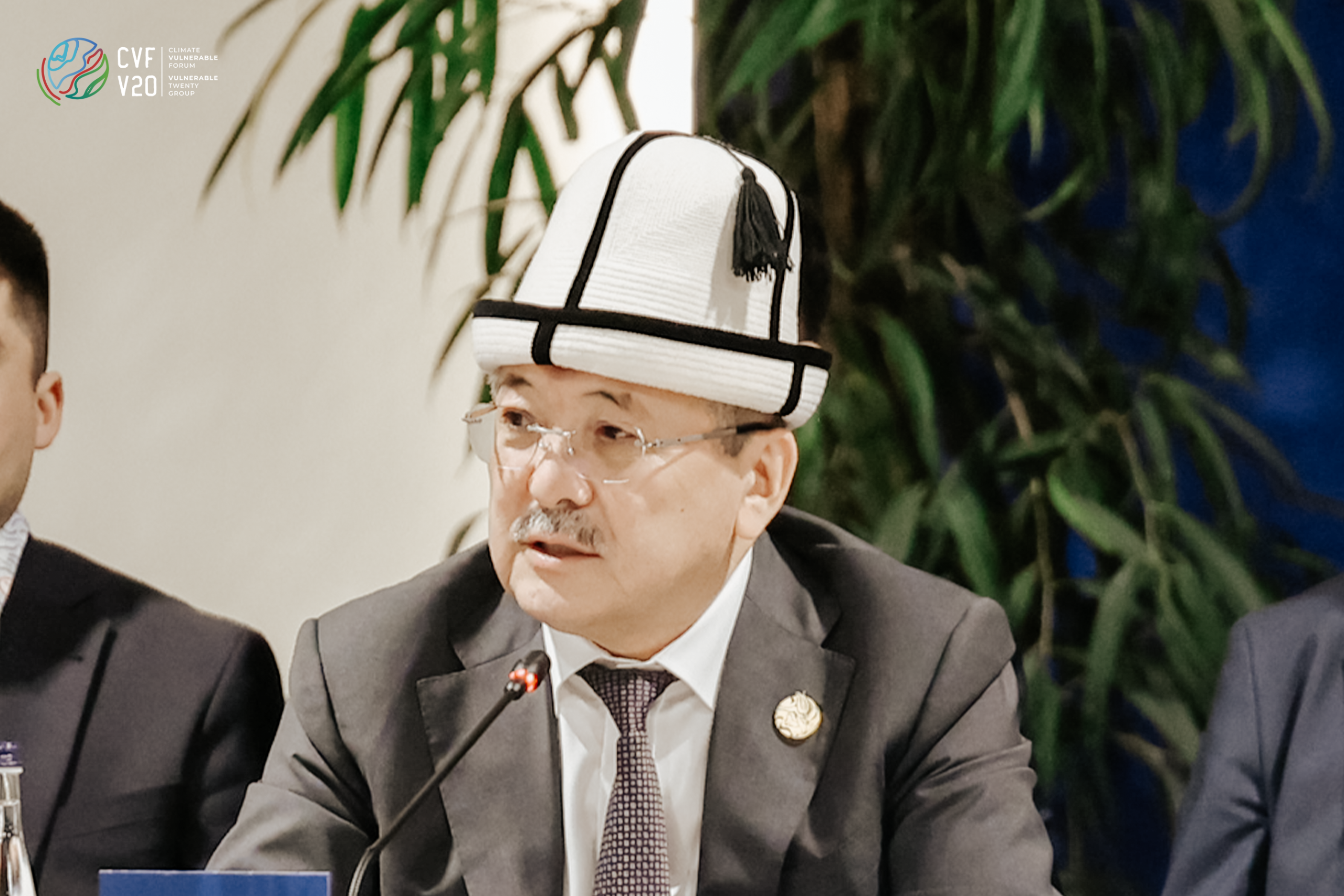
H.E. Adylbek Kasymaliev, Chairman of the Cabinet of Ministers of the Kyrgyz Republic, stressed that mountains, a source of water and energy for billions, are increasingly exposed to climate change and natural hazards. He highlighted the Kyrgyz Republic’s efforts to bring mountains into the UN climate convention, including through the high-level dialogue and COP29 Declaration on Climate Change, Mountains and Glaciers launched in Baku, and the growing group of countries supporting the mountain agenda ahead of Bishkek+25.
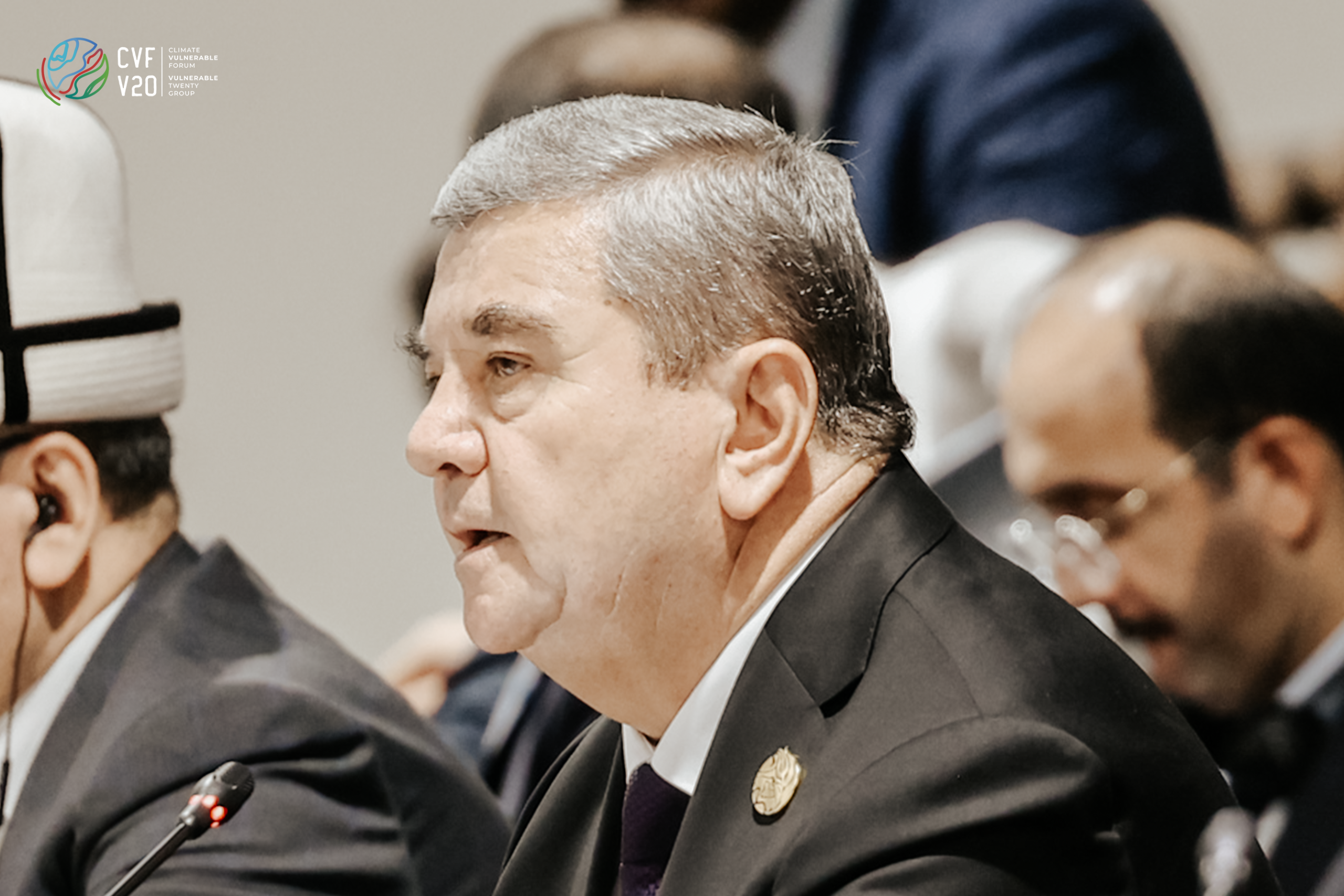
H.E. Sulaimon Ziyozoda, Deputy Prime Minister of the Republic of Tajikistan, noted that average temperatures in Tajikistan have risen by about one degree Celsius in recent decades, and that more than a thousand of the country’s roughly 14,000 glaciers have disappeared. He called for stronger early warning, prevention and preparedness, and for mountain countries to play a leading role in international decision-making.
“Fortune is not our strategy”
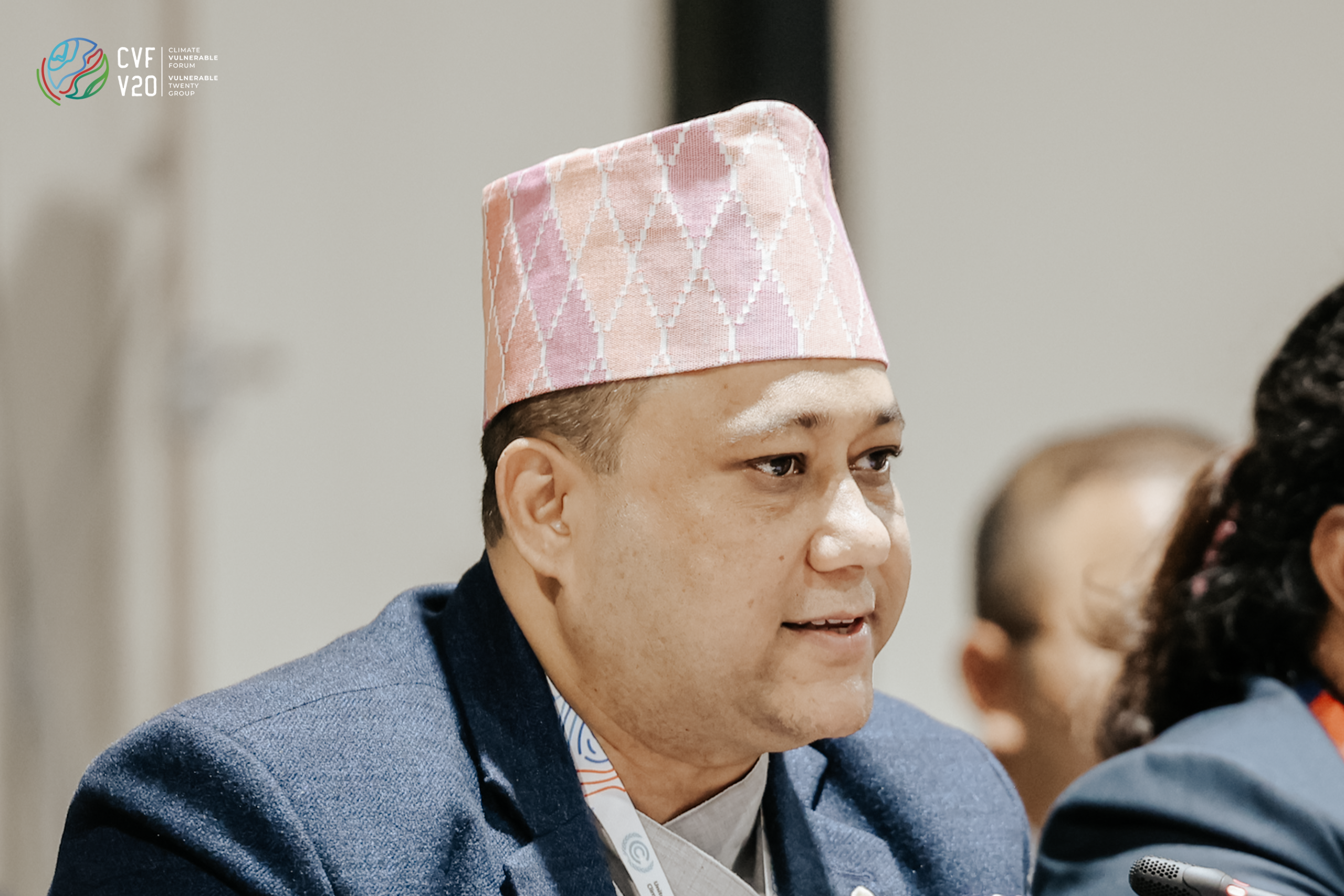
Nepal’s Minister of Foreign Affairs, H.E. Shisir Khanal, described the August 26 disaster in the Bhote Koshi valley as a “Himalayan tsunami,” an abrupt high-altitude glacier and rock collapse that sent a wall of water and sediment down steep gorges, sweeping away bridges and hydropower plants.
“When mountains are in crisis, humanity is in crisis,” Khanal said. “A glacier lost in warming cannot simply be restored when global temperature eventually declines. A community shattered by disaster cannot rebuild its future on expressions of sympathy alone.”
Pakistan’s Federal Minister for Climate Change, H.E. Dr. Musadik Malik, told the stories of families in Gilgit-Baltistan who lost their homes to glacier floods. “In our mountains, glaciers don’t die quietly. Glaciers roar before dying,” he said. “People in other parts of the world measure devastation in dollars and GDP. We measure devastation in generations.”
Bhutan reported that a glacial lake in the north of the country burst on October 29, washing away roads, bridges and livestock. No lives were lost, thanks to monitoring and timely warnings. “We were fortunate. But fortune is not our strategy,” said Mr. Karma Tshering, Secretary of Energy and Natural Resources. Bhutan now counts 620 glacial lakes, more than 50 of them new since 2018. “Every glacier we lose threatens us twice: first as a flood, and later as a river running dry.”
The science is stark. The World Meteorological Organization’s latest State of Global Water Resources report found that in 2025, for the fourth year in a row, every glacier region in the world lost ice: some 408 billion tonnes in a single year.
"Sympathy has to become systems"
Speakers said finance remains far short of the need, and too slow to reach the communities hit. Dr. Malik noted that by international estimates loss and damage needs reach about US$40 billion a year, against US$822 million committed. “We live downstream of emissions. We live downstream of decisions. We live downstream of interest rates and loans,” he said.
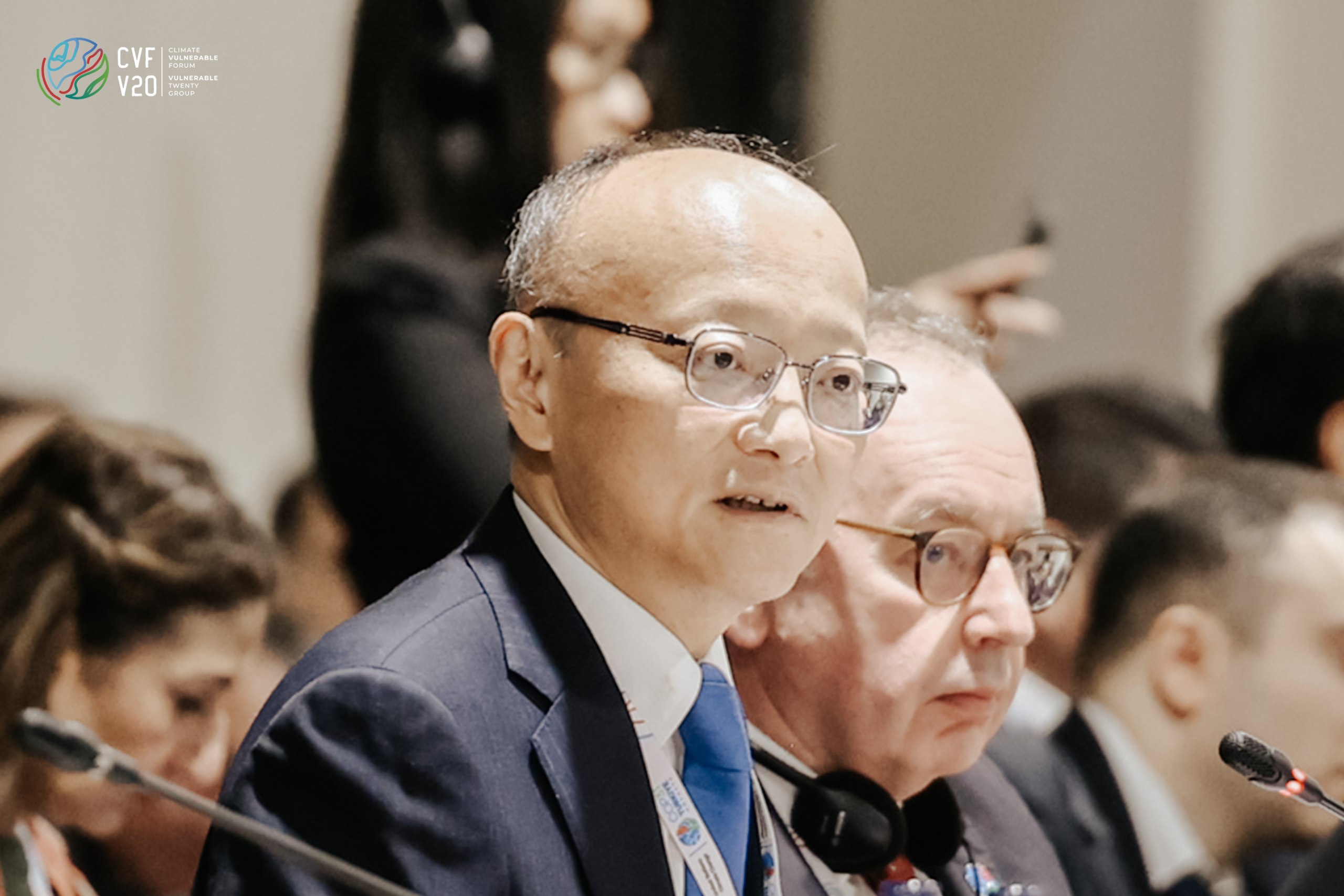
“The risks are outpacing our responses,” said Masato Kanda, President of the Asian Development Bank (ADB), in his keynote. “Glaciers don’t stop at borders; neither do solutions.” He said ADB’s Glaciers to Farms programme aims to mobilize US$3.5 billion, including US$250 million from the Green Climate Fund, and that ADB is helping Nepal and Bhutan design early warning systems.
President Alvarado Quesada pointed to the CVF-V20’s push for a Lifeline Fund to give countries immediate liquidity after a shock. “Sympathy has to become systems,” he said, “because if the system doesn’t have an answer for this situation, it means the system doesn’t work.”
From COP31 to Bishkek+25
“Let COP31 be remembered as the turning point when mountain resilience moved from the margins of climate negotiations to the centre of collective global action,” Khanal said. “Our melting mountains cannot wait for our negotiations to catch up with their changing reality.”
H.E. Dinara Kamelova, Special Representative of the President of the Kyrgyz Republic on the Mountain Agenda, said the Kyrgyz Republic, Bhutan, and Nepal have circulated a joint Call to Action to discuss how to protect mountain ecosystems and integrate the mountain agenda into UNFCCC processes. She invited other countries to join.
Outcomes from Antalya will feed into the Second Global Mountain Summit, “Bishkek+25” (Bishkek, 21–23 October 2027). Marking 25 years since the first Bishkek Global Mountain Summit in 2002, it is intended as a political starting point for the next phase of action on mountain resilience.
They will also inform the 2028 UN Water Conference in Dushanbe, hosted by Tajikistan, which builds on the 2025 Dushanbe Glaciers Conference and will link glacier loss to water, food and energy security downstream.