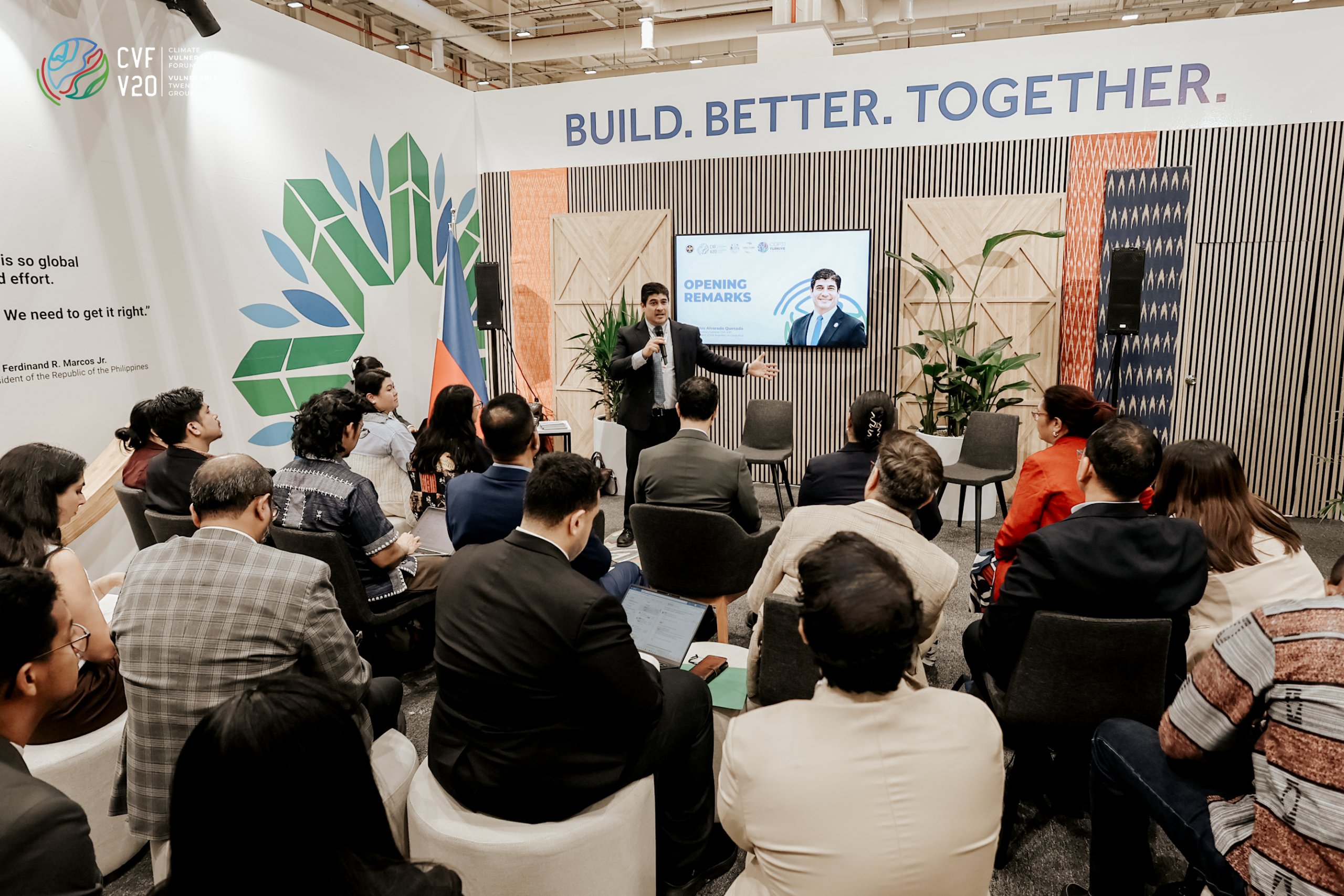
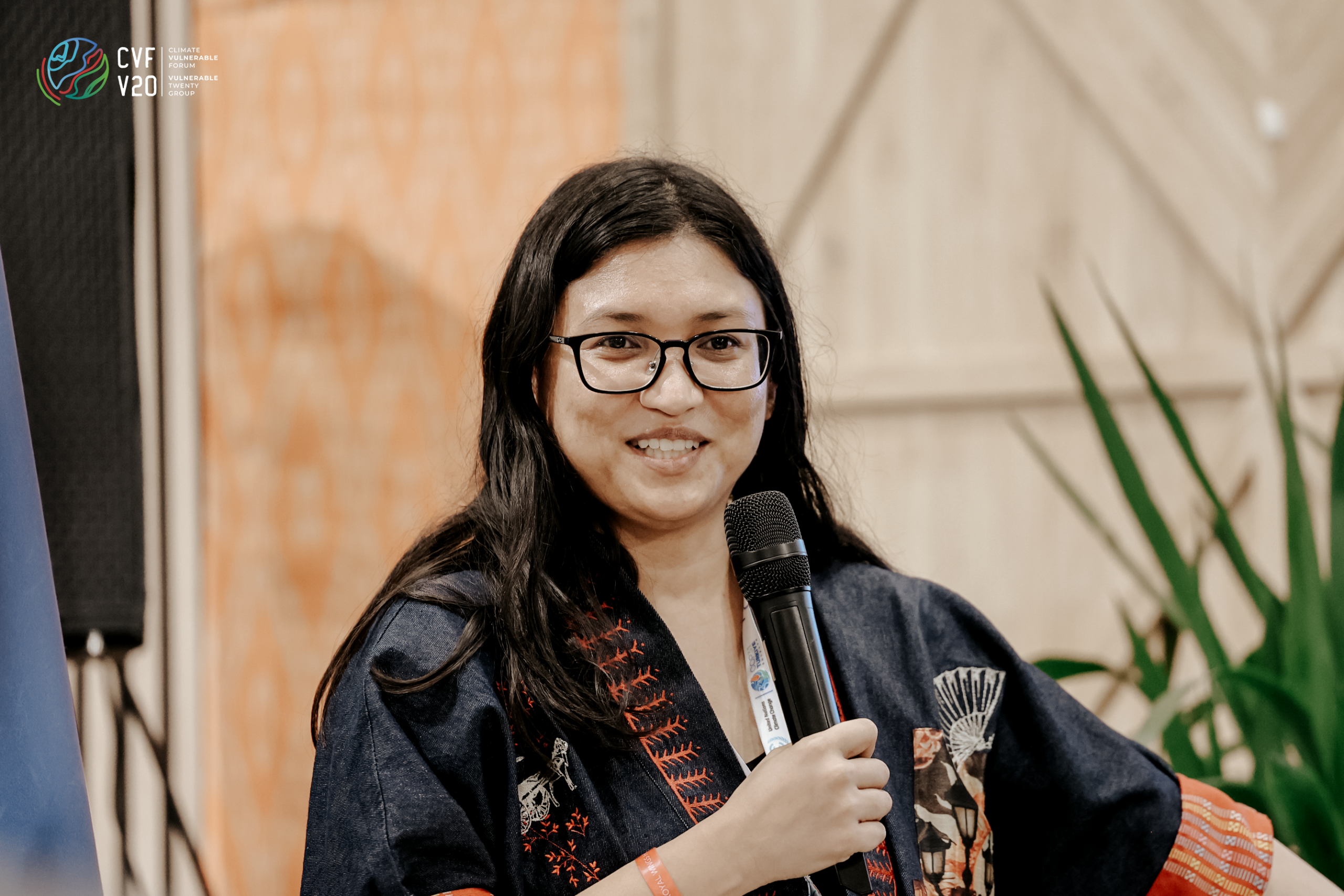
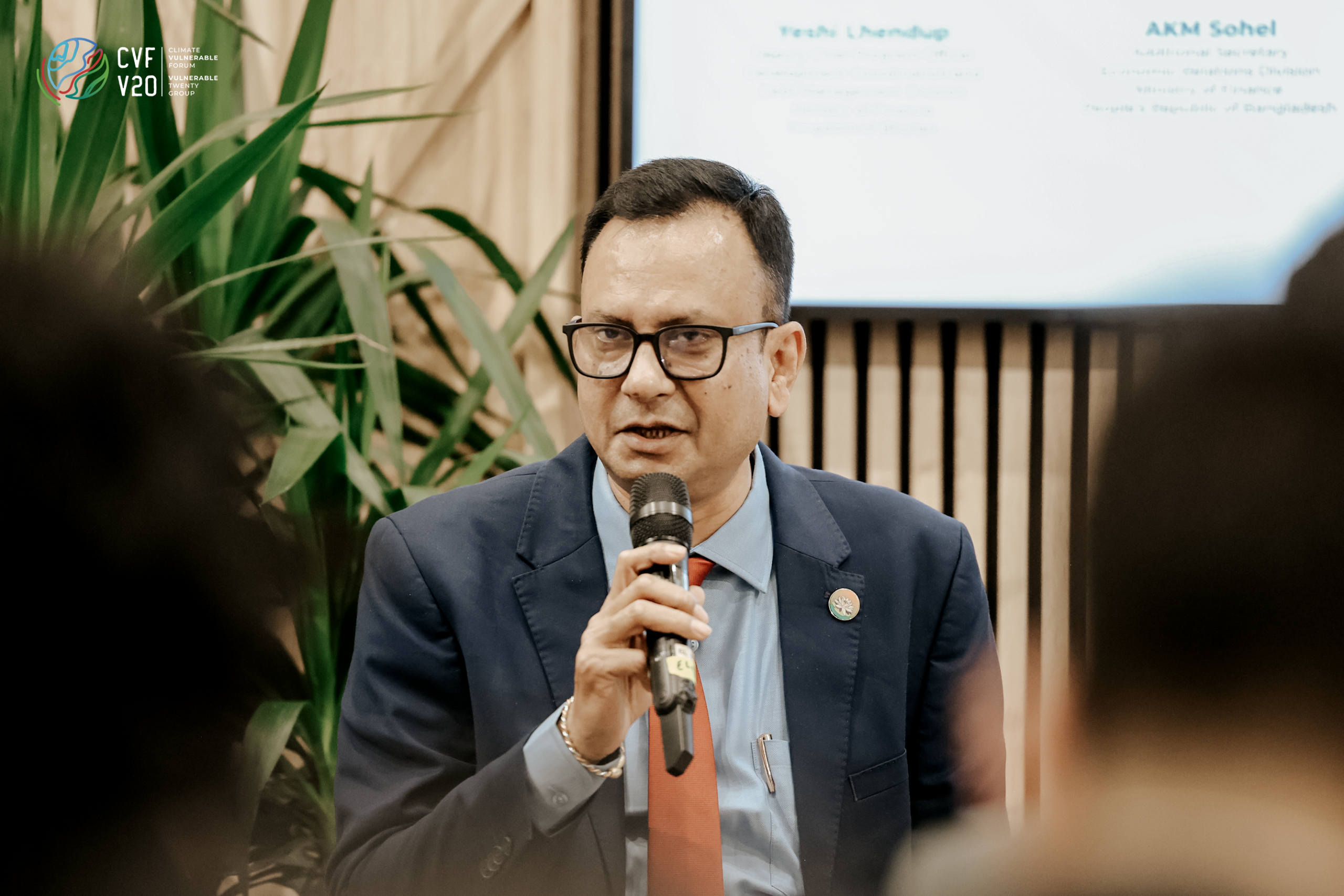
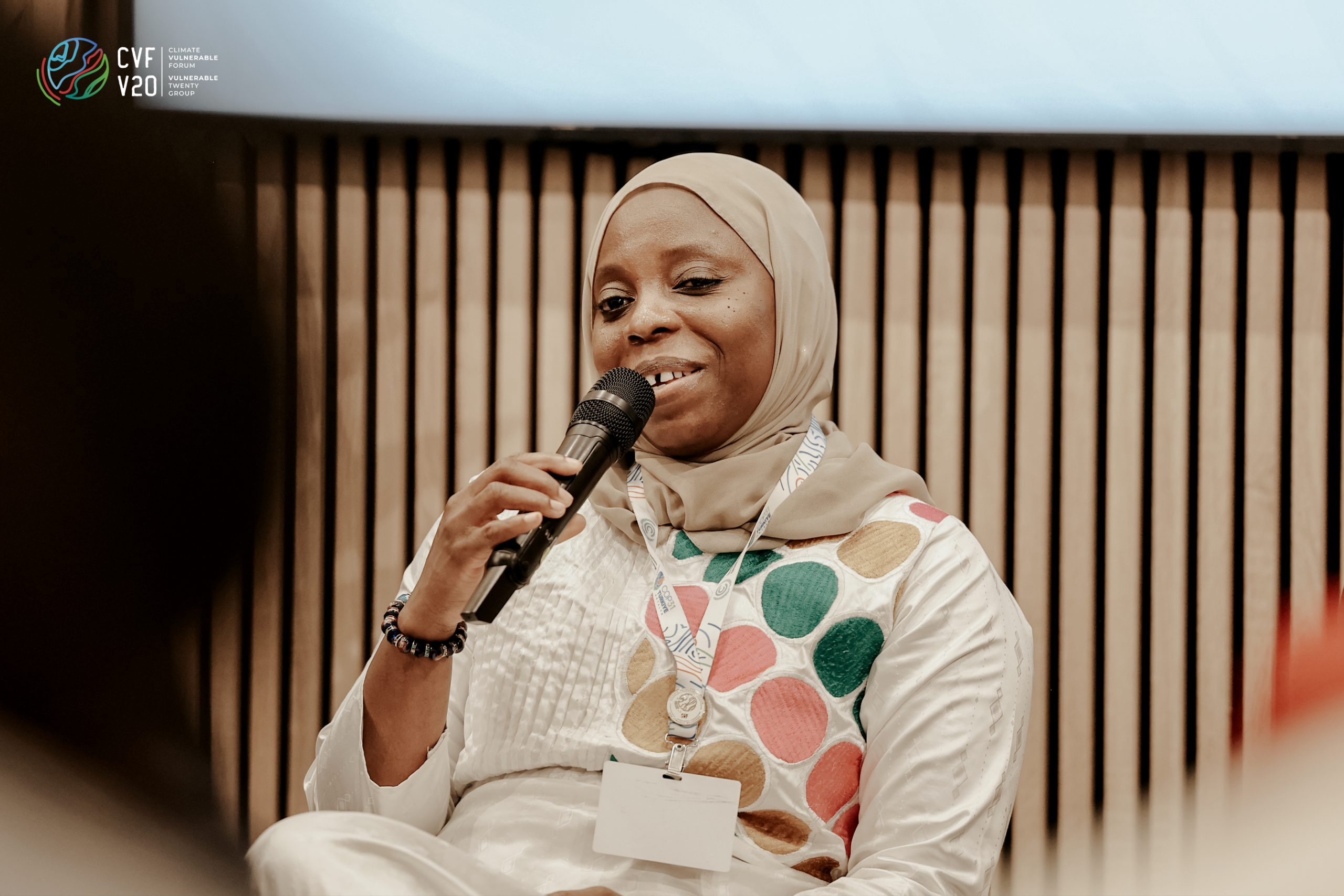
ANTALYA—Finance officials from climate-vulnerable countries called for longer-term, lower-cost development finance that can be deployed before disasters strike, warning that mounting debt and increasingly severe climate shocks are undermining investment in essential services such as water, health, and education.
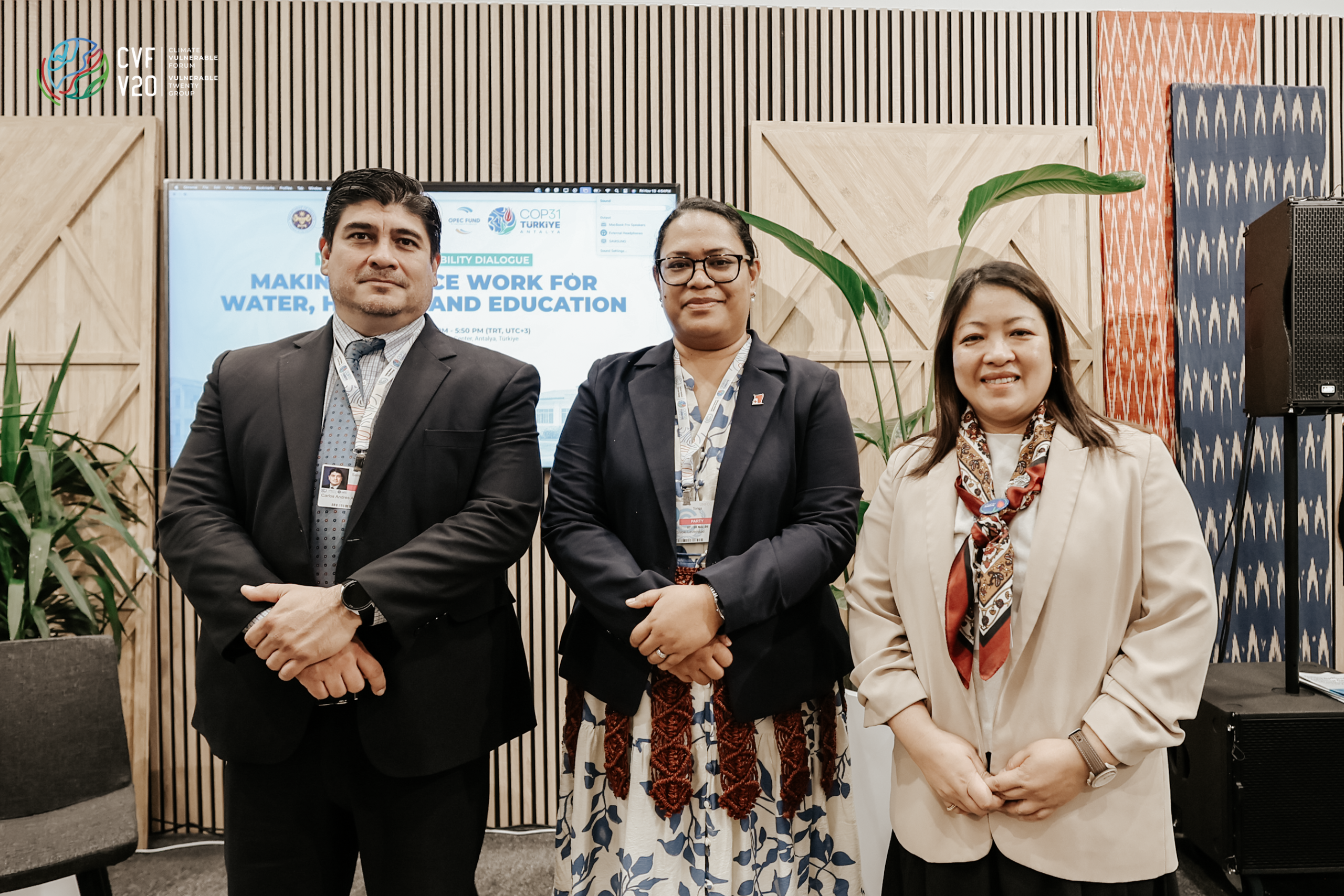
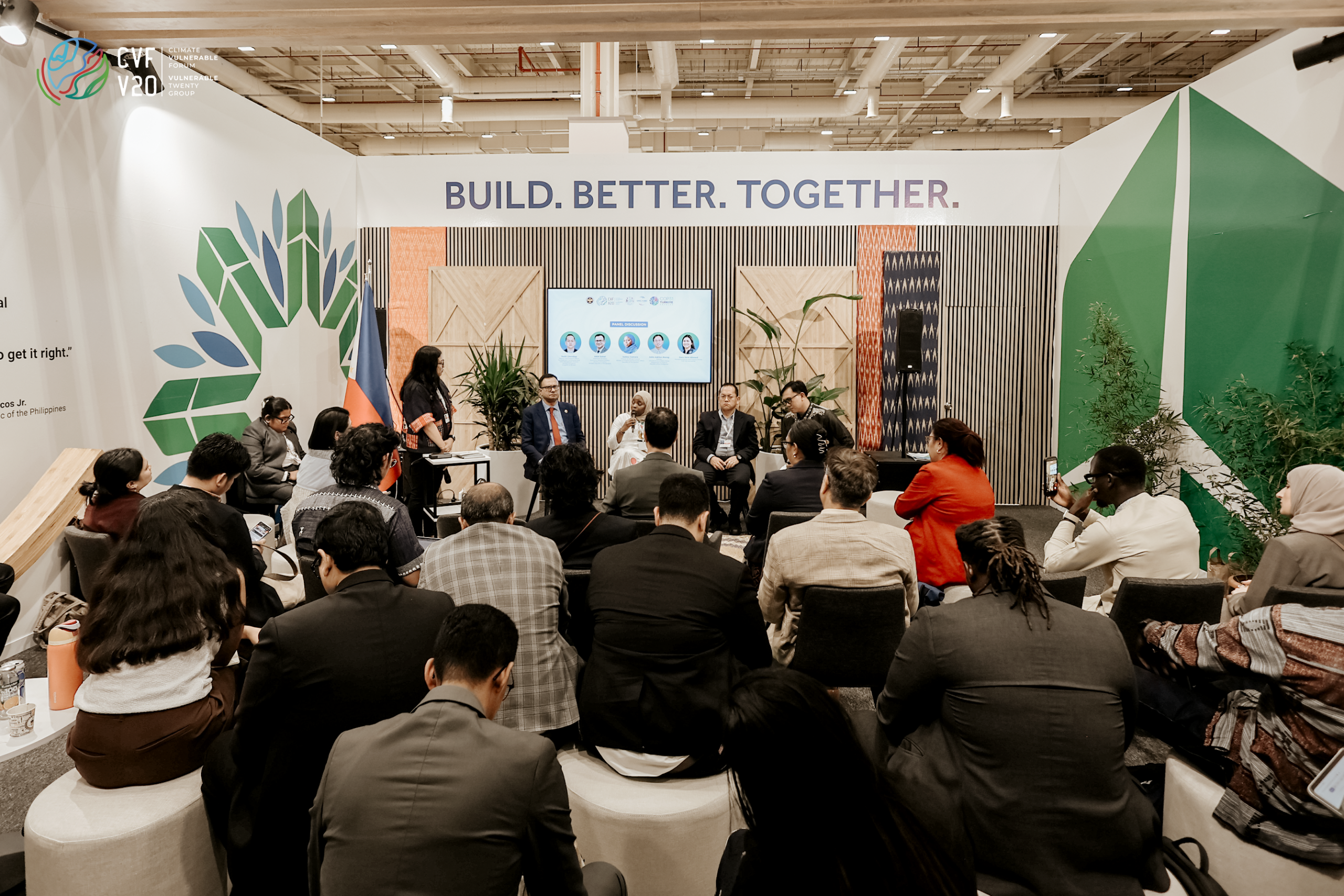
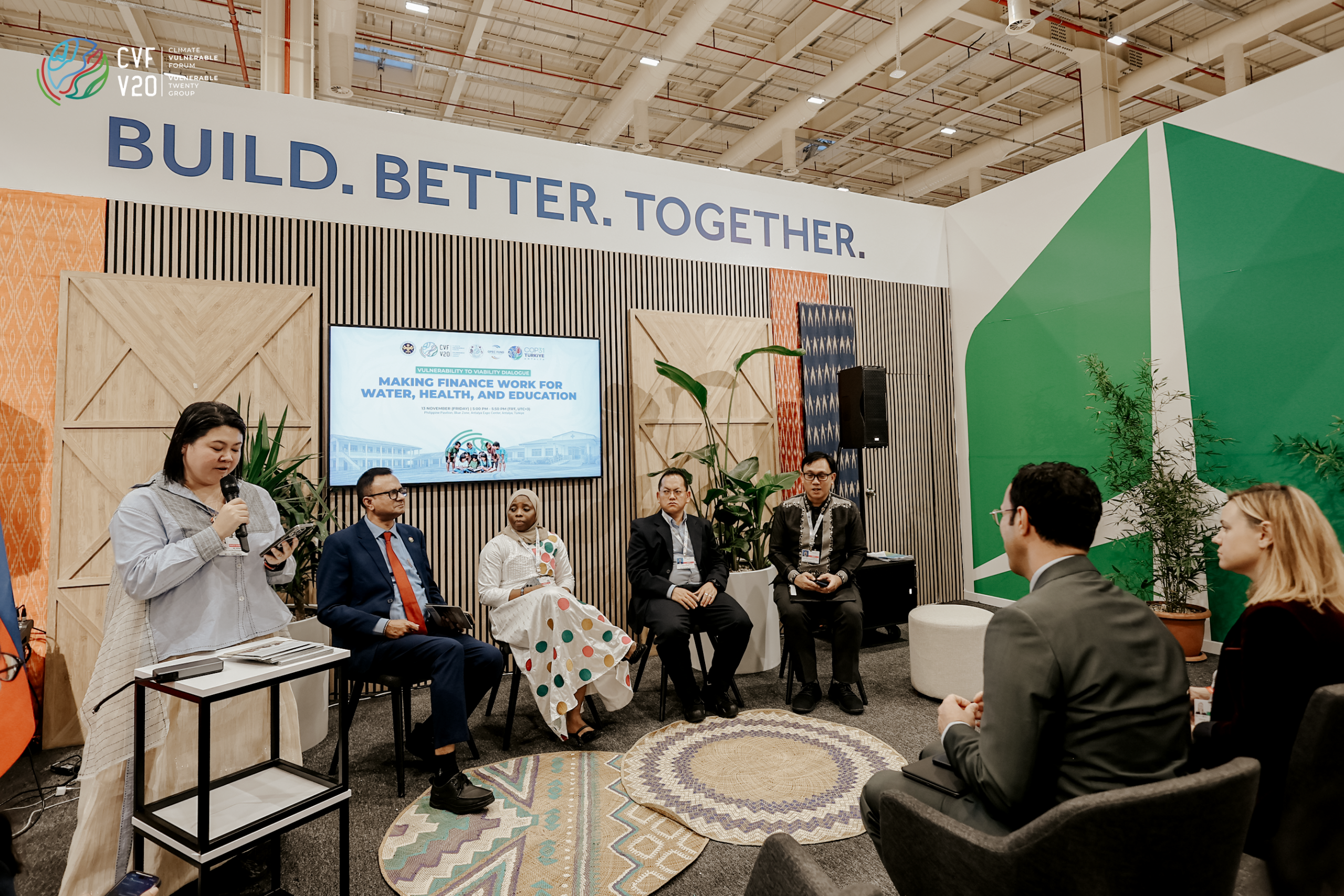
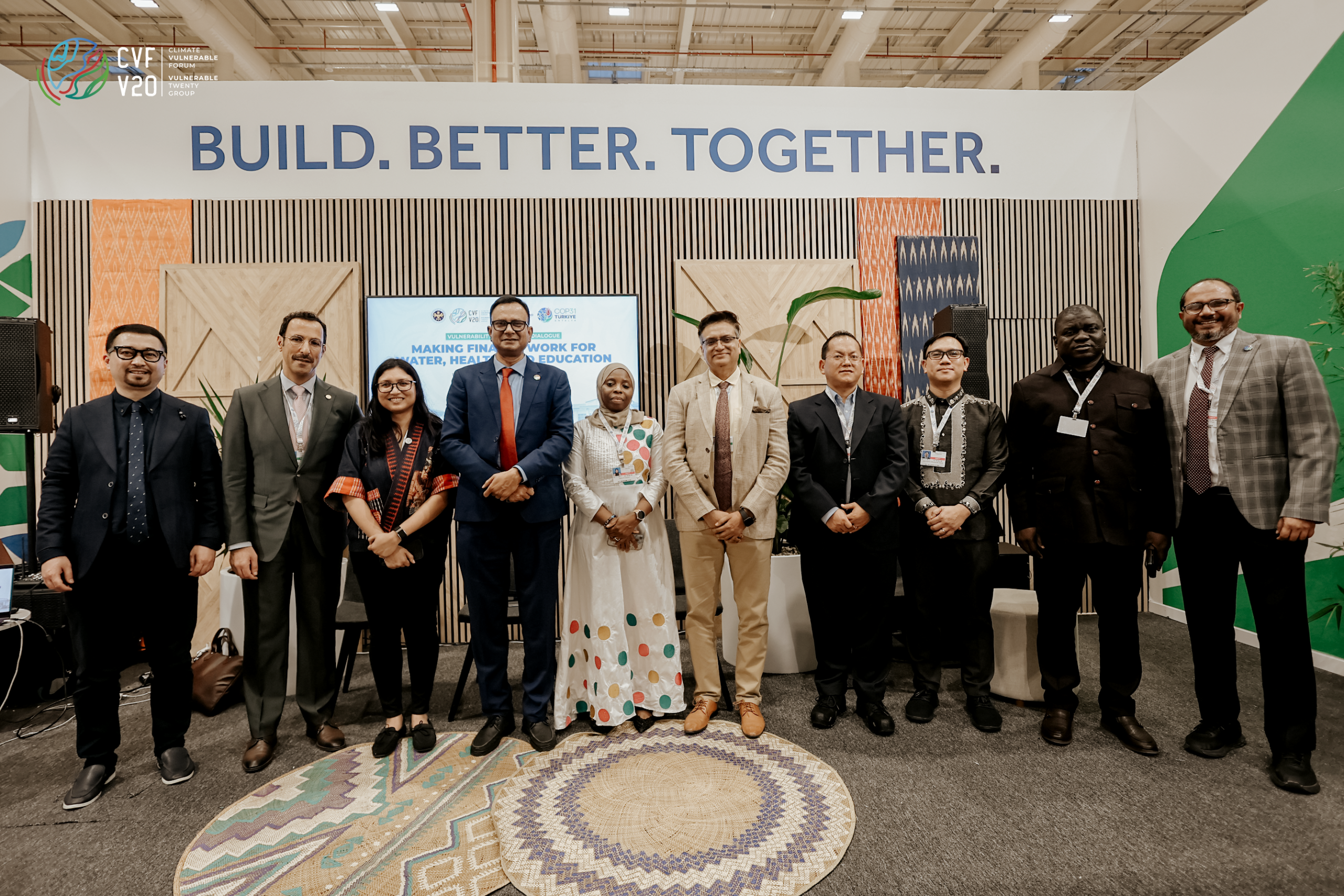
The call came at the Vulnerability to Viability (V2V) Dialogue, convened by the Climate Vulnerable Forum and V20 Finance Ministers (CVF-V20) Secretariat and hosted by the Philippine Pavilion during COP31.
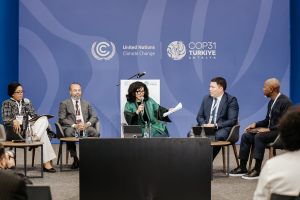
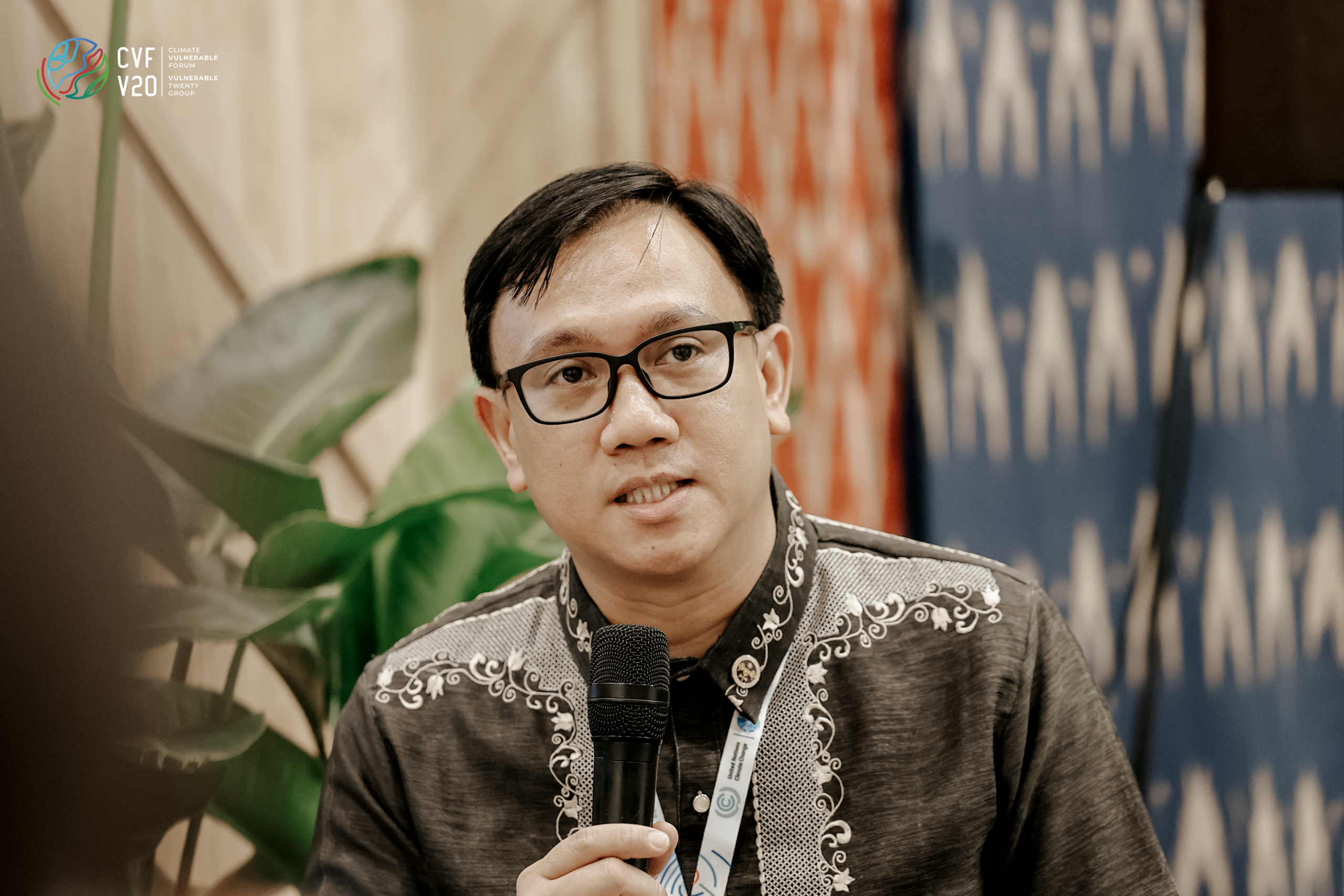
In a panel moderated by Sara Jane Ahmed, Managing Director and Finance Advisor of the CVF-V20 Secretariat, finance officials identified three priorities for reform.
Development partners responded by pointing to instruments that already address some of these concerns. Mr. Holger Kray, Europe and Central Asia Regional Practice Director for Planet at the World Bank, cited climate-resilient debt clauses that let eligible countries defer repayments for up to two years after a disaster. To cut fragmentation among lenders, he added, MDBs now share a co-financing portal covering 125 projects worth more than USD 95 billion.
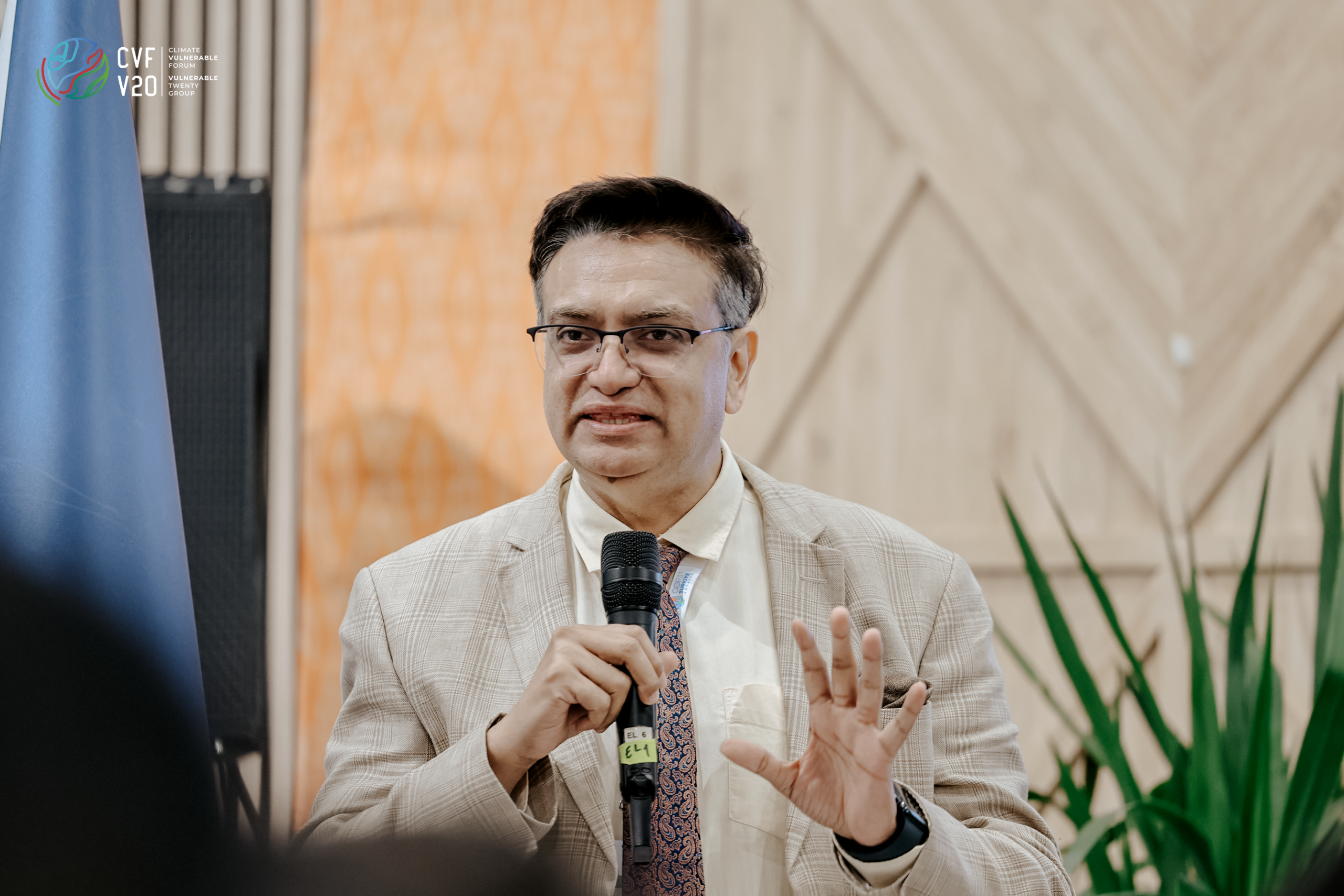
Mr. Dinesh Arora, Principal Health Specialist at the Asian Development Bank, noted that gaps remain, especially in health. The sector receives less than 2 percent of multilateral grant financing, he said, and he urged blending grants with MDB lending to bring costs down.q
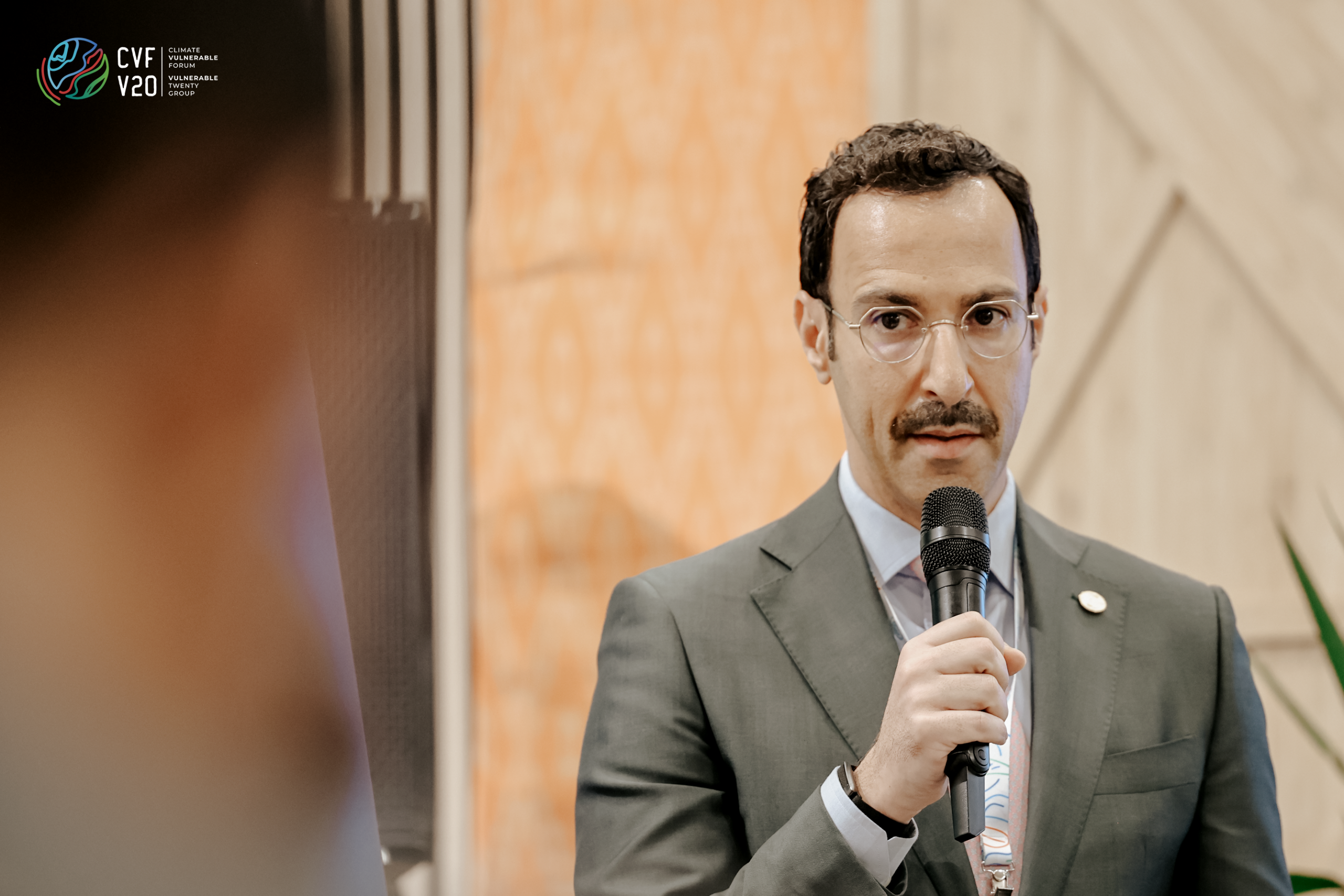
Mr. Musab Alomar, Vice President for Strategy at the OPEC Fund for International Development, linked these threads to the Compact’s core logic: the right concessional terms create the fiscal space countries need to invest in water, health and education. “Vulnerability is not destiny,” he said. He noted that nominations are now open for the V2V working group on concessionality and eligibility, which will turn that logic into practical recommendations.
Inputs from the dialogue will feed into the forthcoming V2V White Paper, which will set out specific targets for each of the Compact’s four pillars. The V2V Compact remains open to new development finance institution partners.
The CVF-V20 now represents 77 member countries from small island developing states (SIDS), least developed countries (LDCs), low to middle-income countries (LMICs), landlocked developing countries (LLDCs), and fragile and conflict-affected states (FCS). Working together, the CVF-V20 aims to achieve climate justice through the realization of Climate Prosperity Plans, which contain ambitious economic and financial resilience strategies designed to attract investment and resources that advance the attainment of the Sustainable Development Goals (SDGs), 30×30 Global Biodiversity, and help keep the average global temperature within the Paris Agreement’s 1.5°C safety threshold.
Africa: Benin, Burkina Faso, Cabo Verde, Central African Republic, Chad, Comoros, Côte d’Ivoire, Democratic Republic of the Congo, Eswatini, Ethiopia, Gabon, The Gambia, Ghana (Troika), Guinea, Kenya, Liberia, Madagascar, Malawi, Morocco, Mozambique, Namibia, Niger, Rwanda, Senegal, Sierra Leone, Somalia, South Sudan, Sudan, Tanzania, Togo, Tunisia, Uganda, Zambia
Asia: Afghanistan, Bangladesh (Troika), Bhutan, Cambodia, Jordan, Kyrgyzstan, Lebanon, Maldives, Mongolia, Nepal, Pakistan, Palestine, Philippines, Sri Lanka, Timor-Leste, Vietnam, Yemen
Caribbean: Barbados (Chair/Troika), Dominica, Dominican Republic, Grenada, Guyana, Haiti, Saint Lucia, Saint Vincent and the Grenadines, Suriname, Trinidad and Tobago
Latin America: Colombia, Costa Rica, Guatemala, Honduras, Nicaragua, Paraguay
Pacific: Fiji, Kiribati, Marshall Islands, Nauru, Palau, Papua New Guinea, Samoa, Solomon Islands, Tonga, Tuvalu, Vanuatu
For media enquiries, please contact [email protected].
For the latest updates, please follow us on: