



V20 Central Banks Probe Fund’s Key Design Parameters
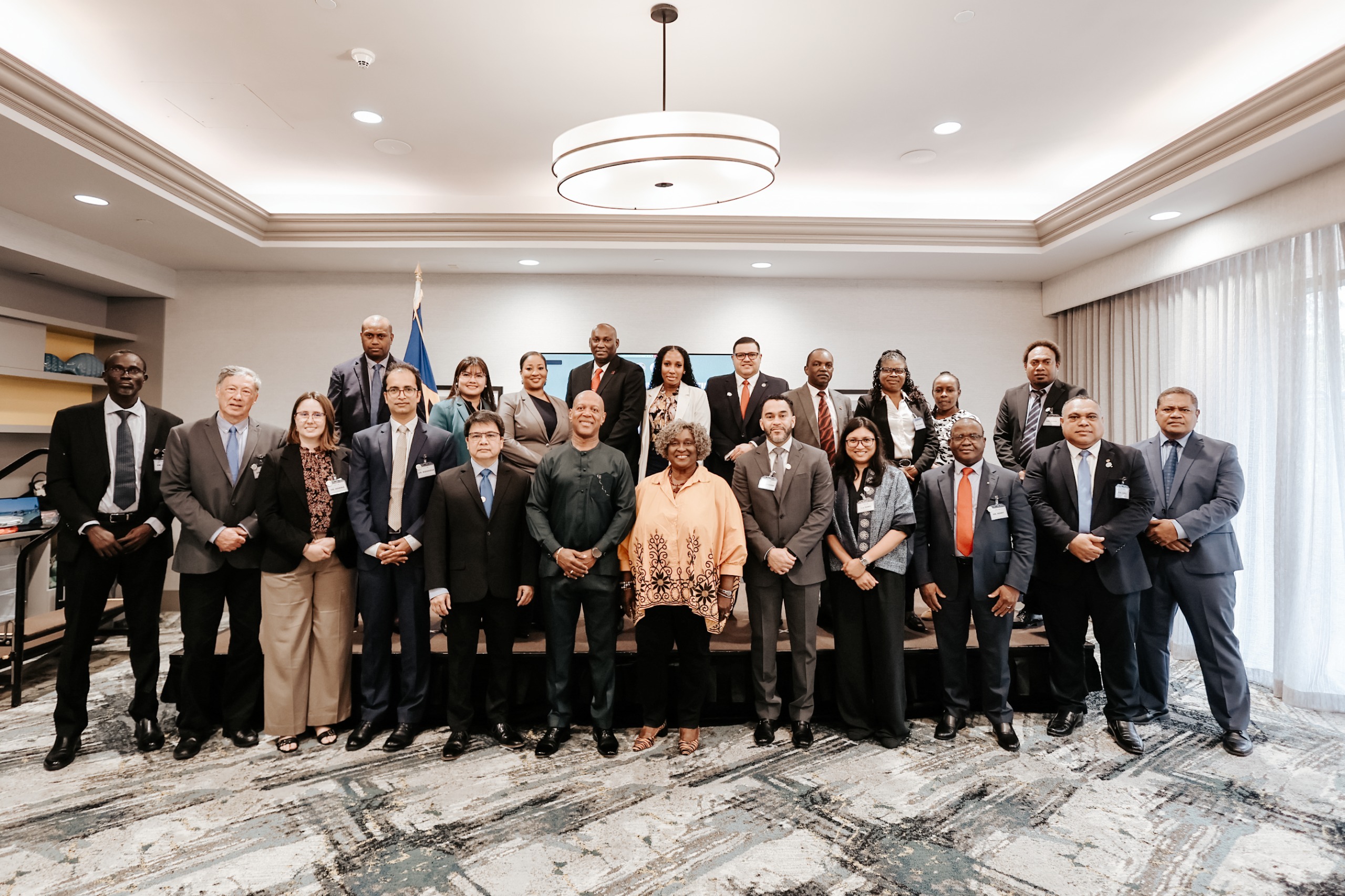
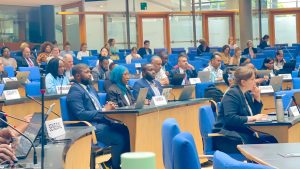
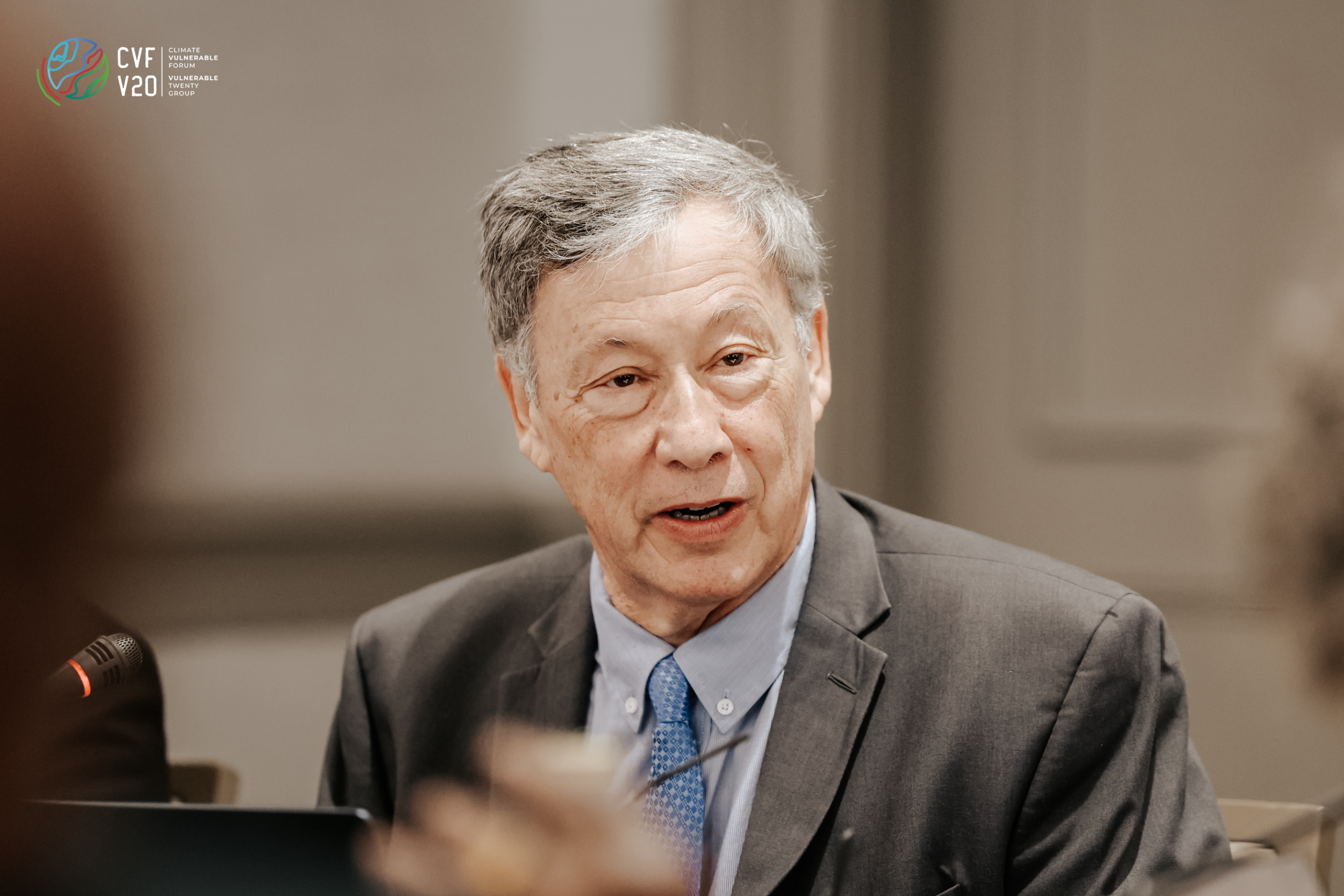
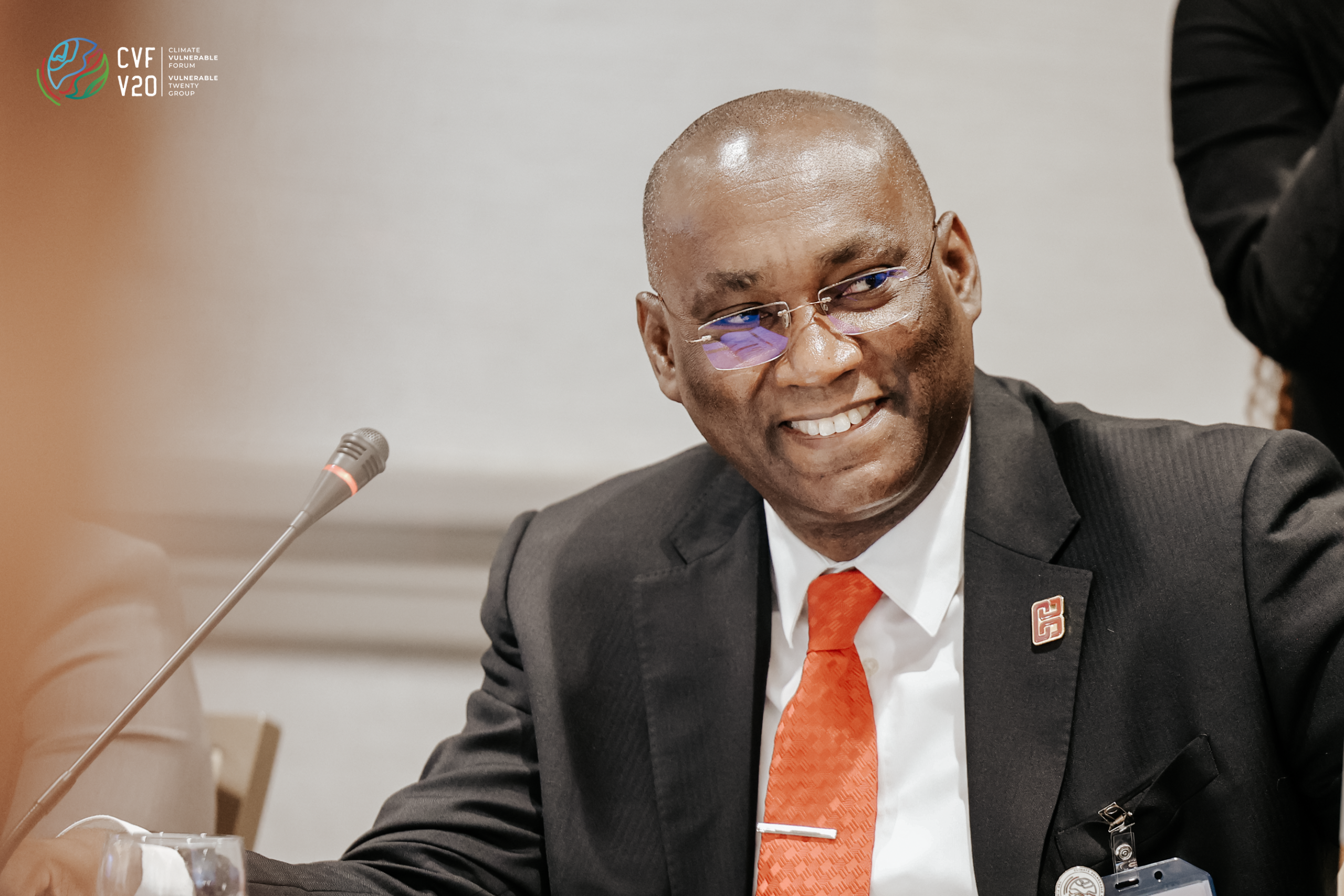
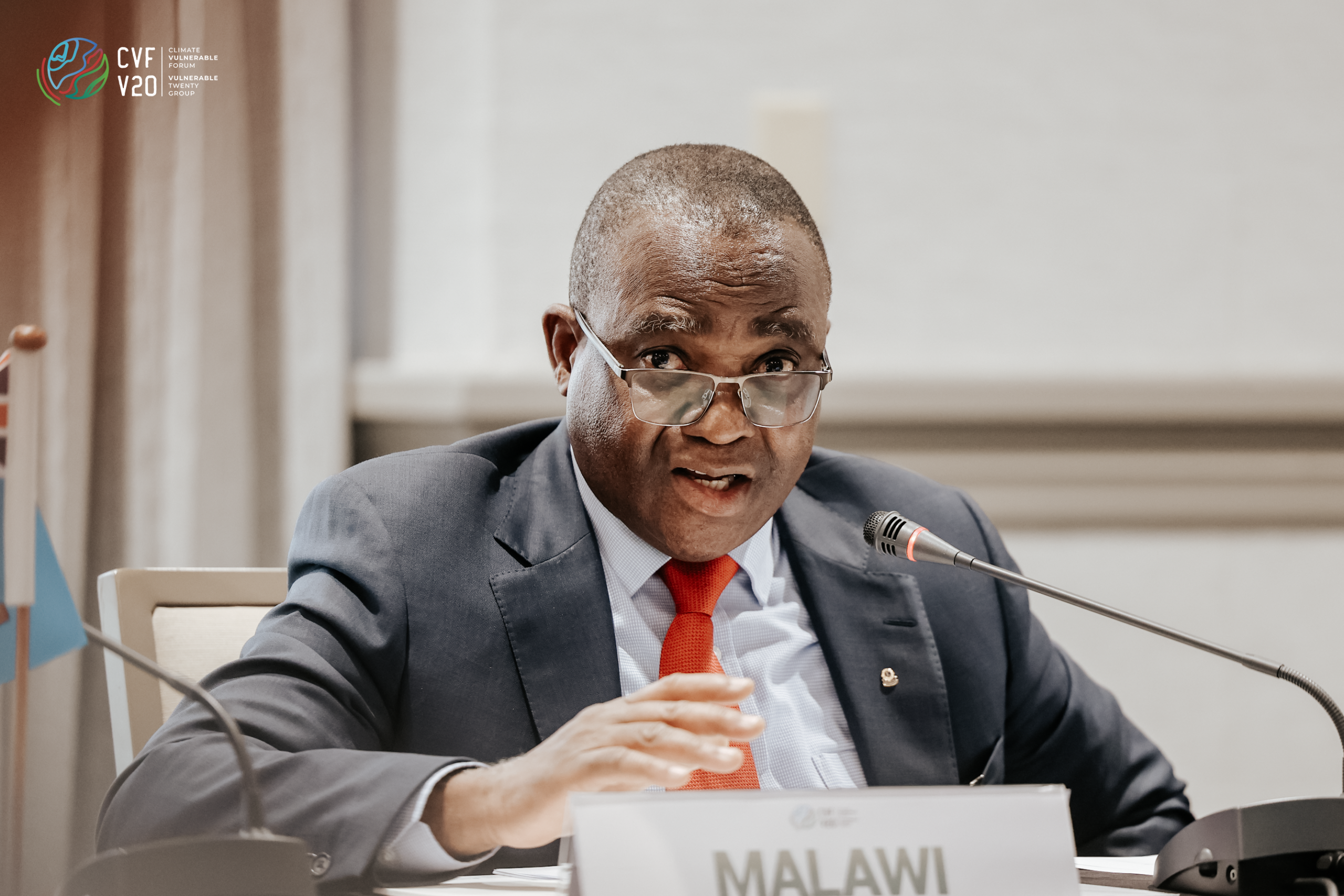
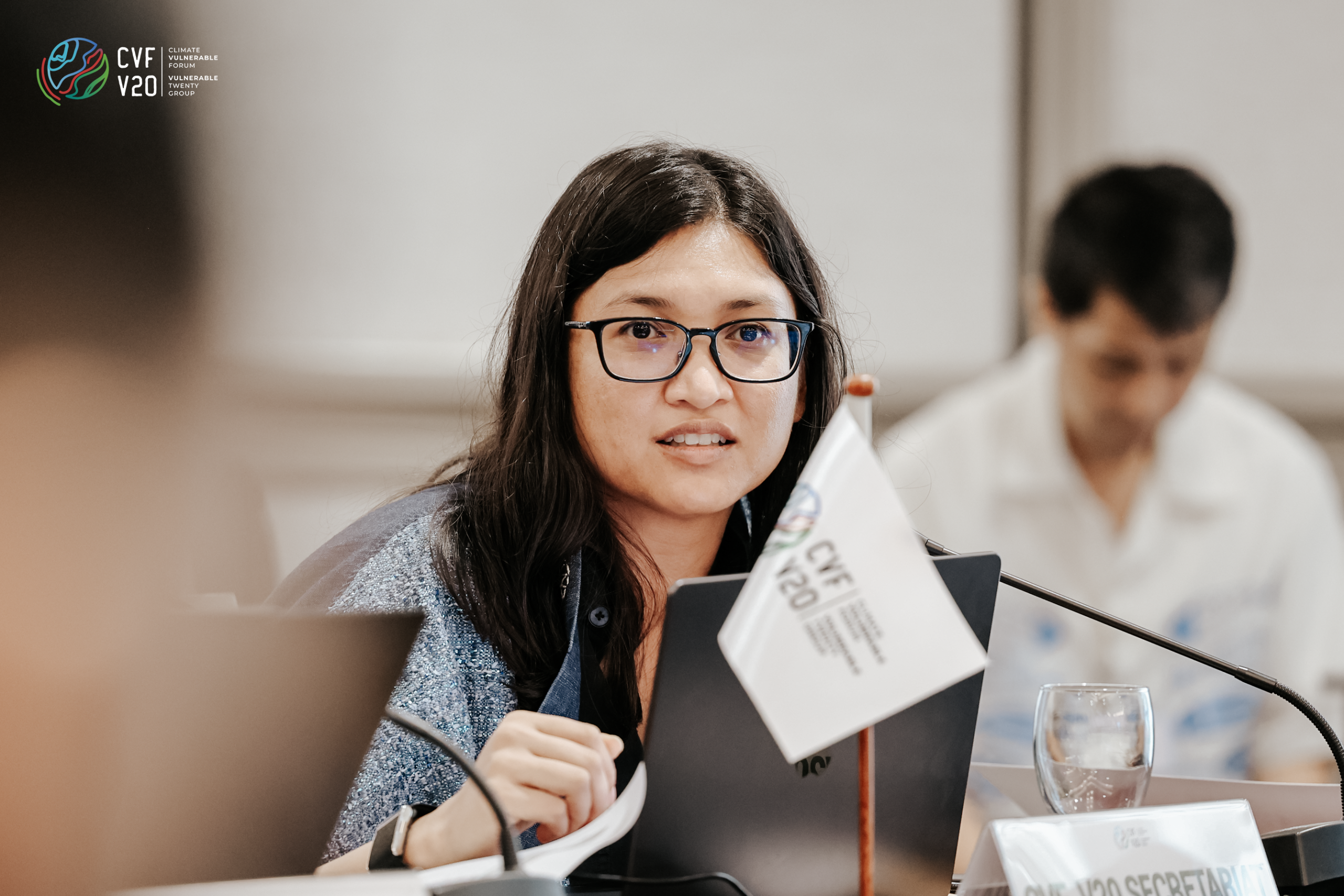
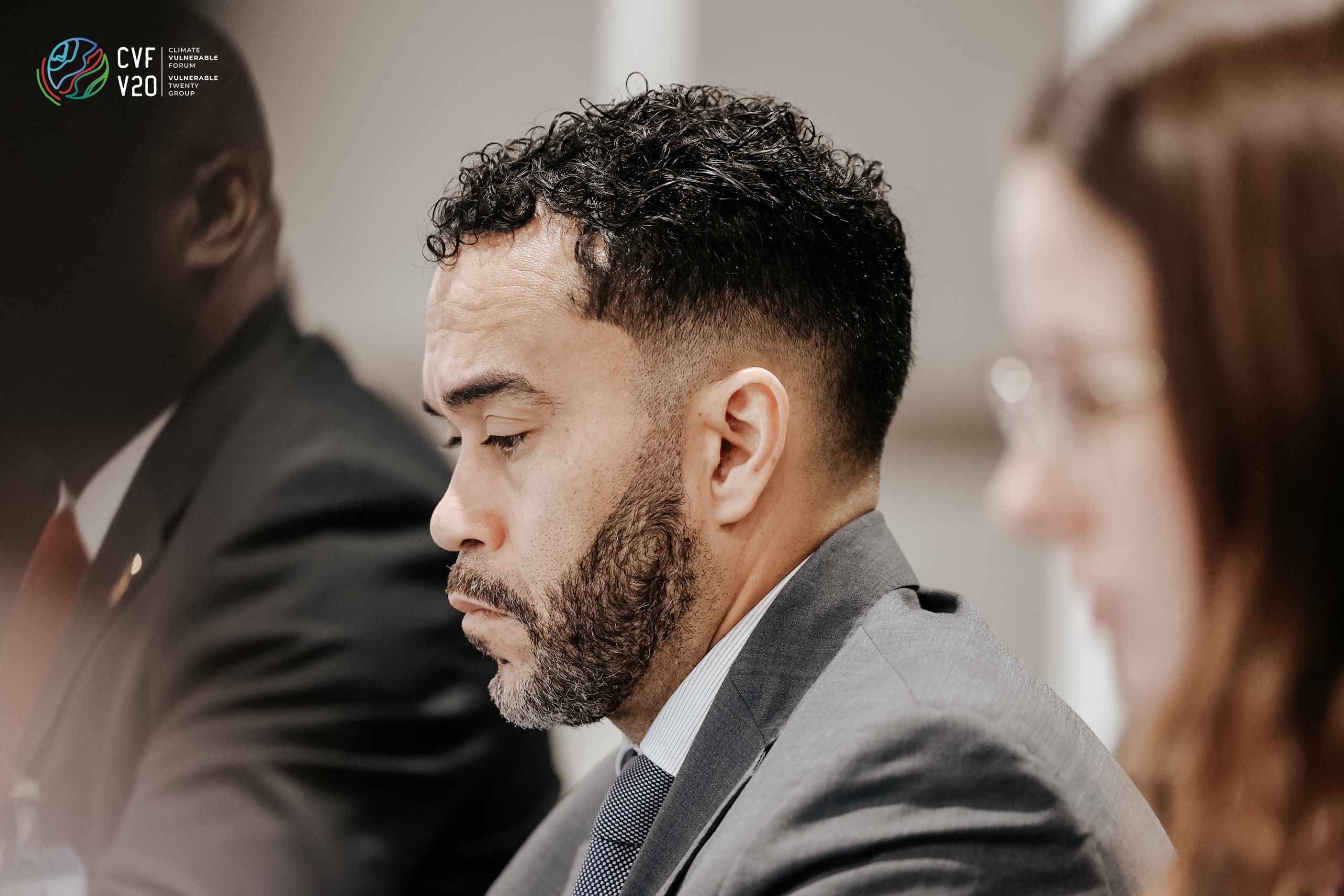
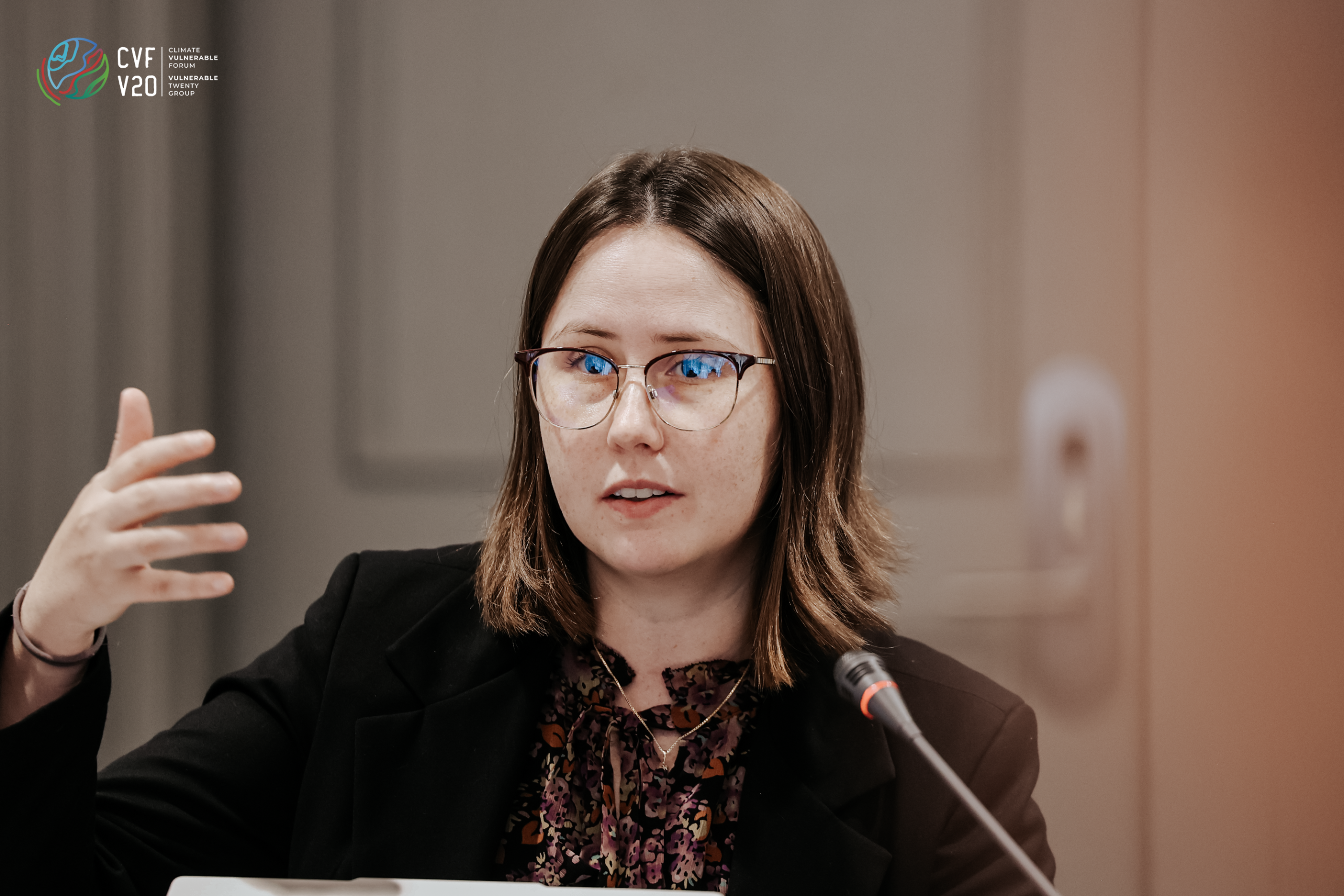
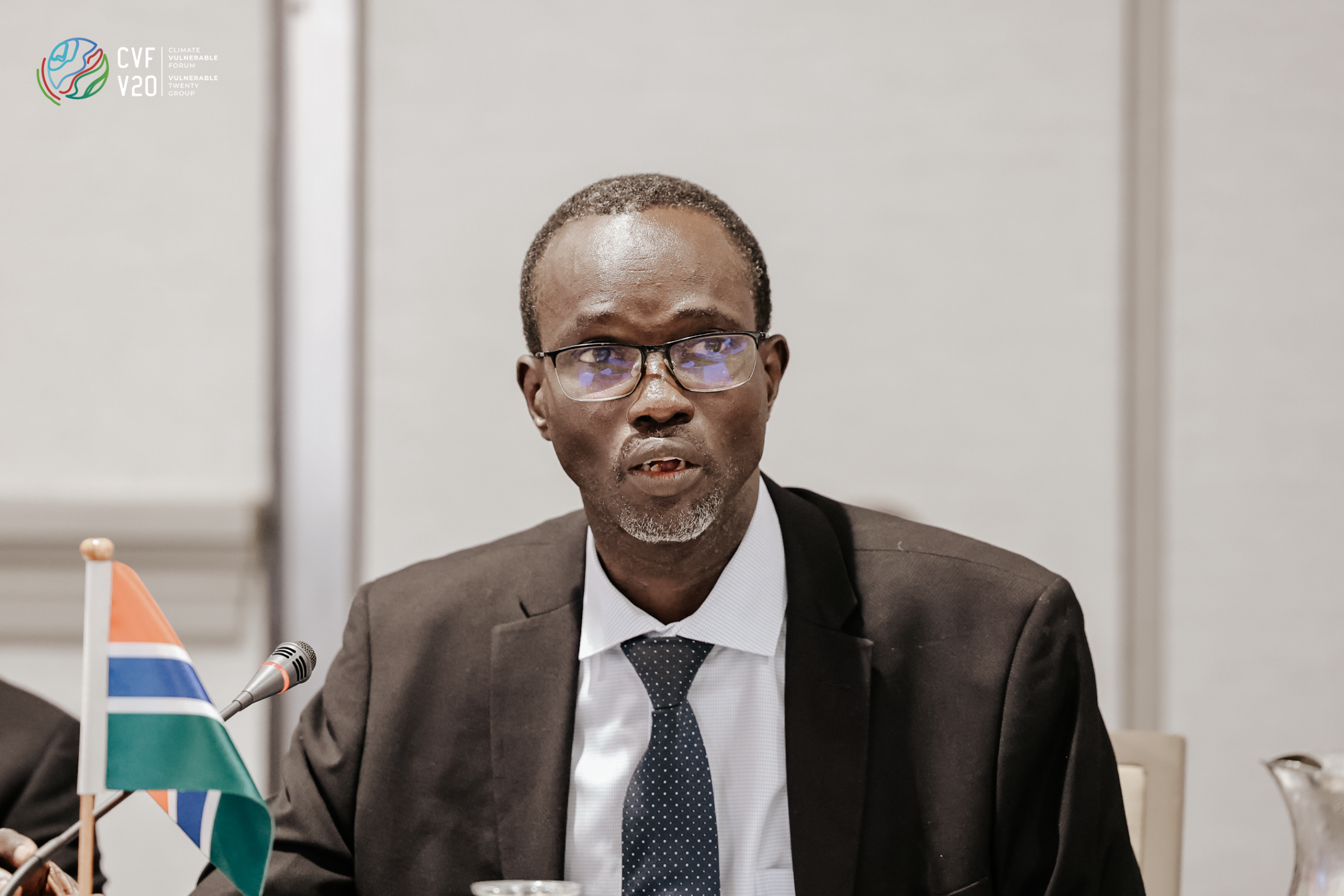
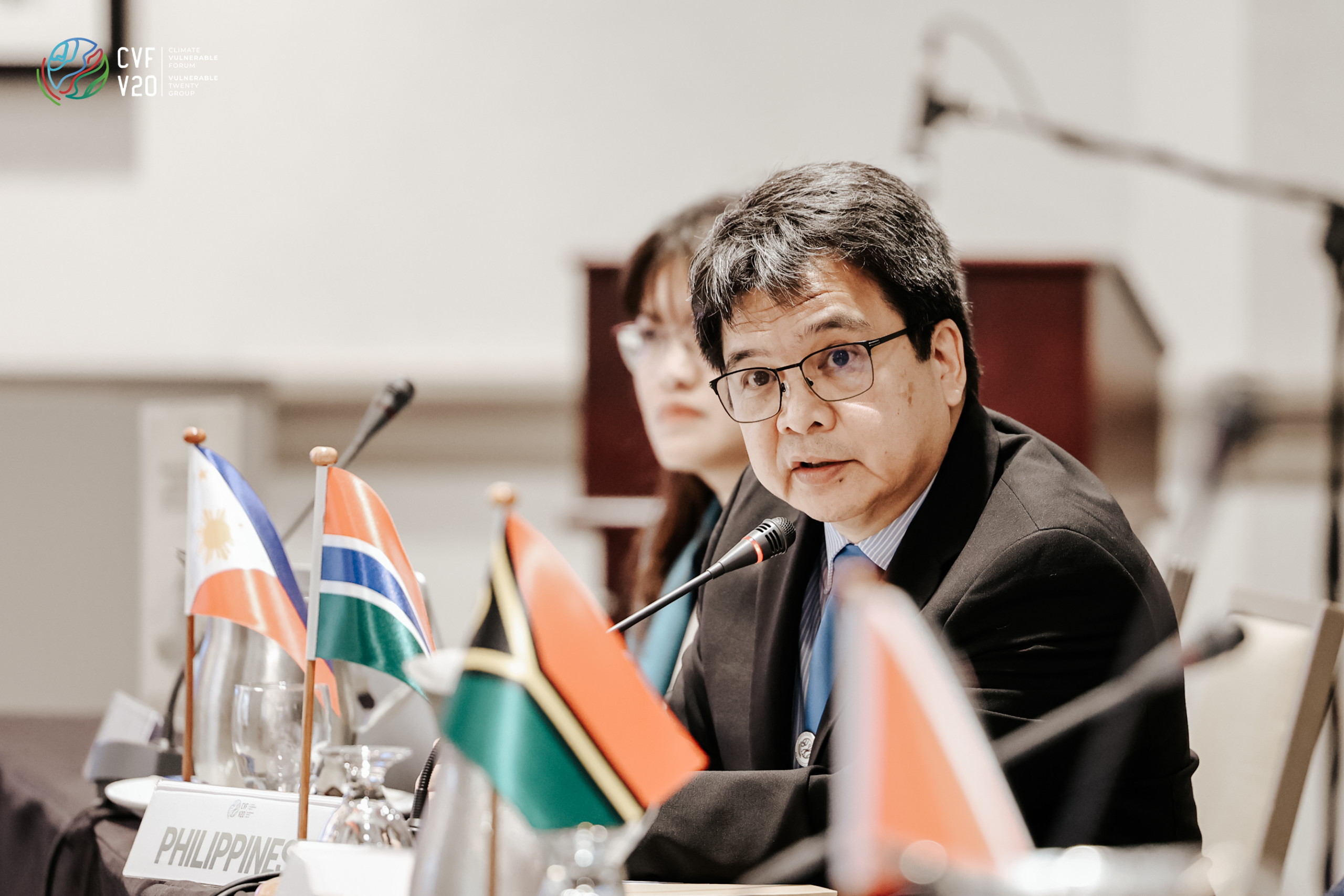
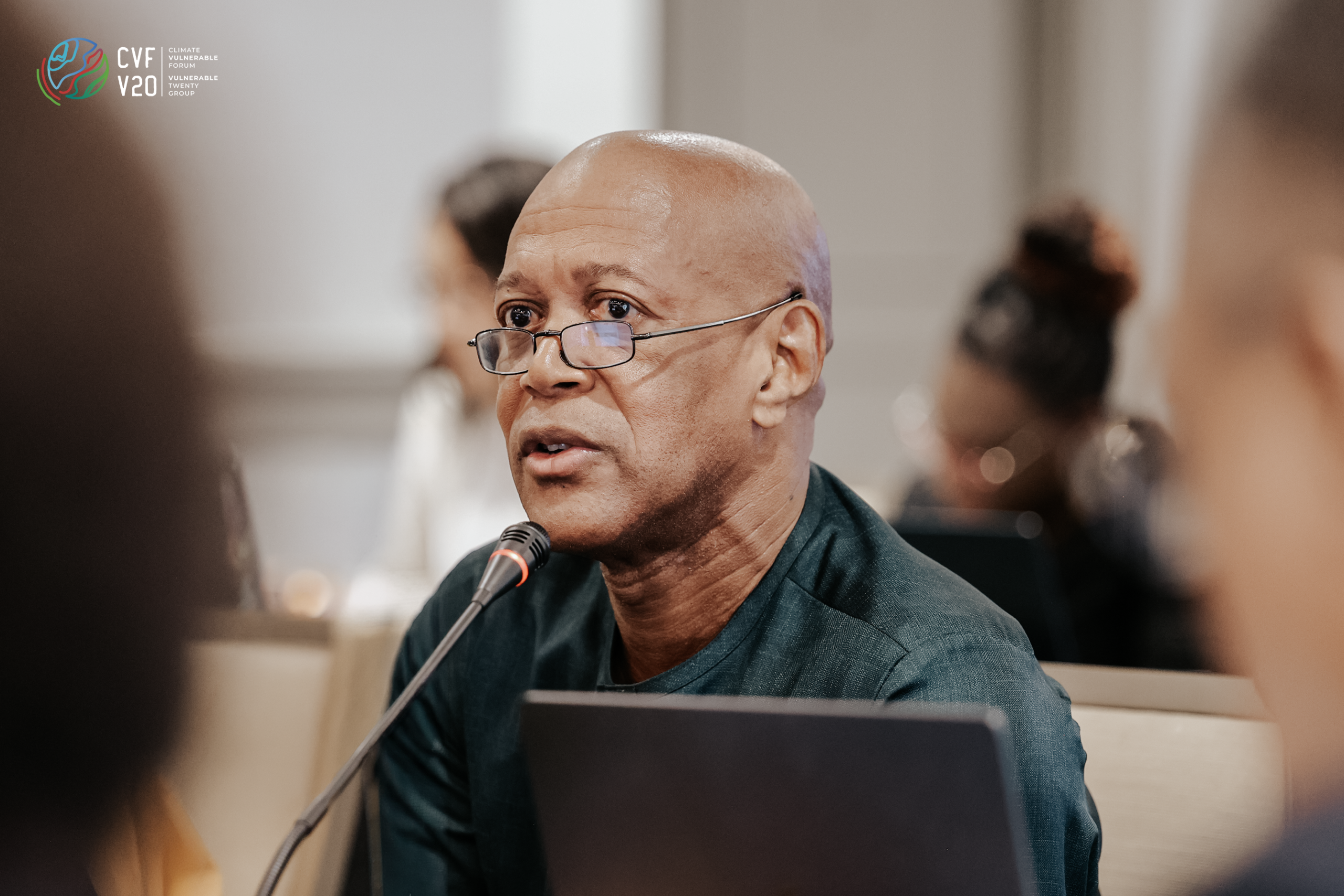
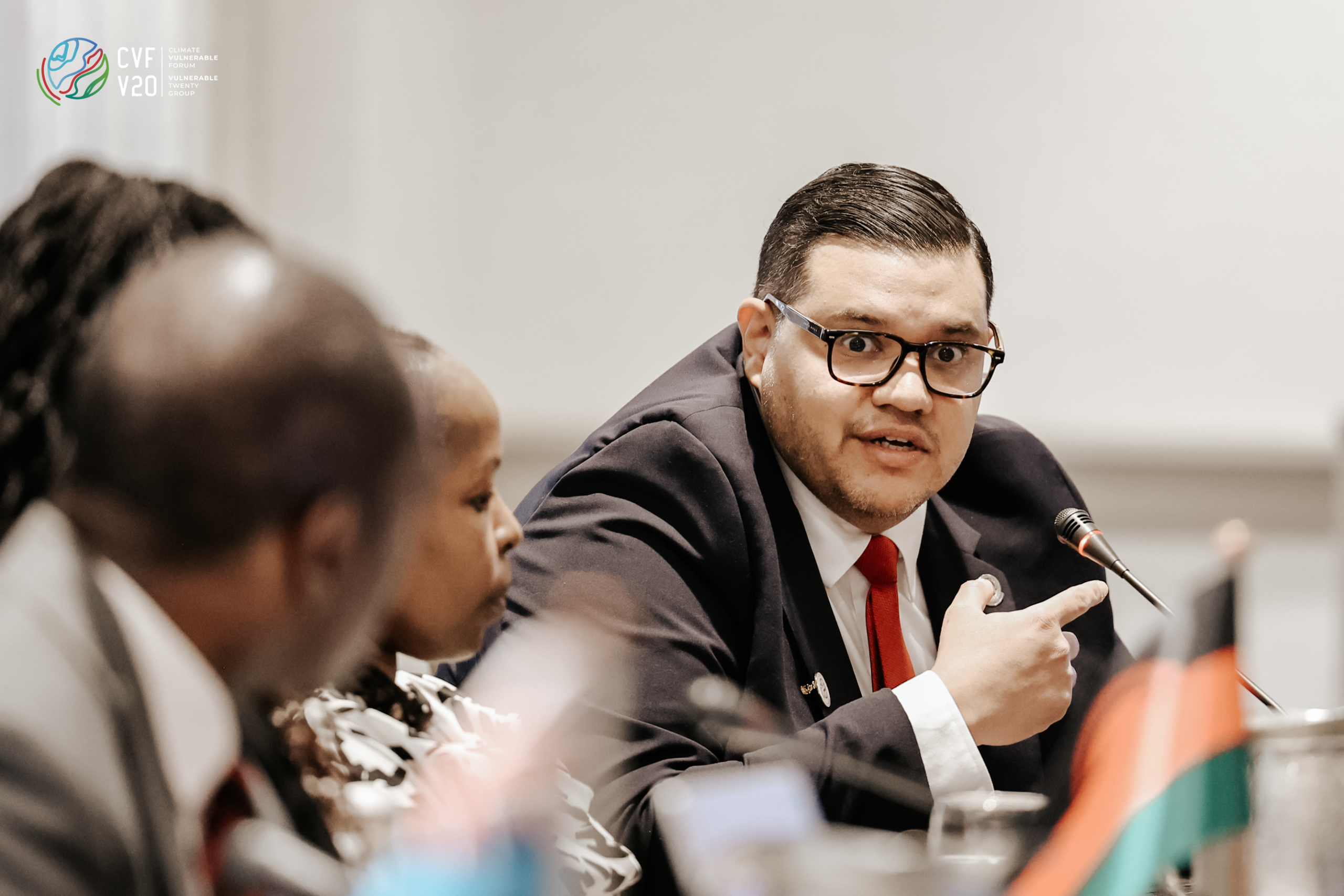
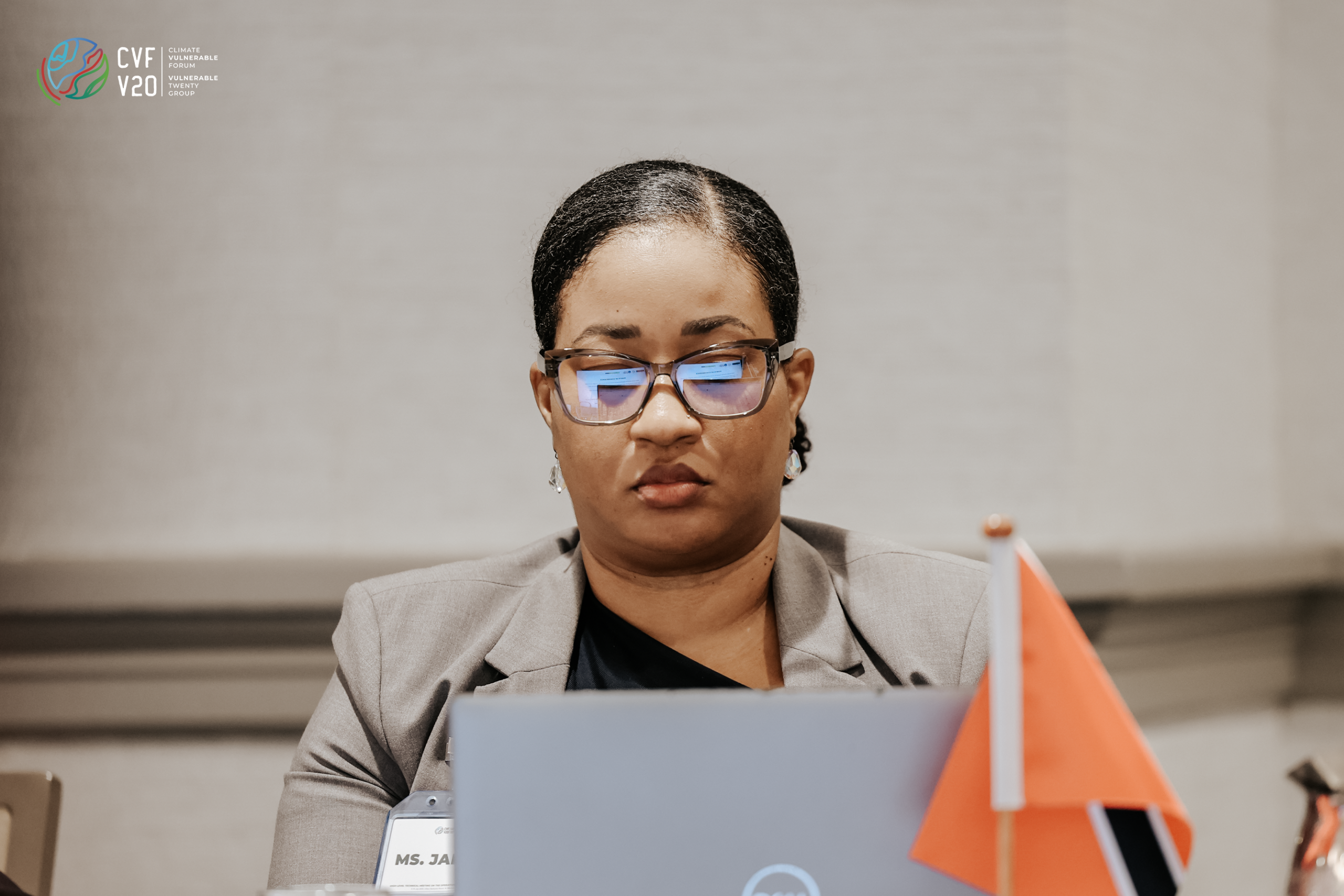
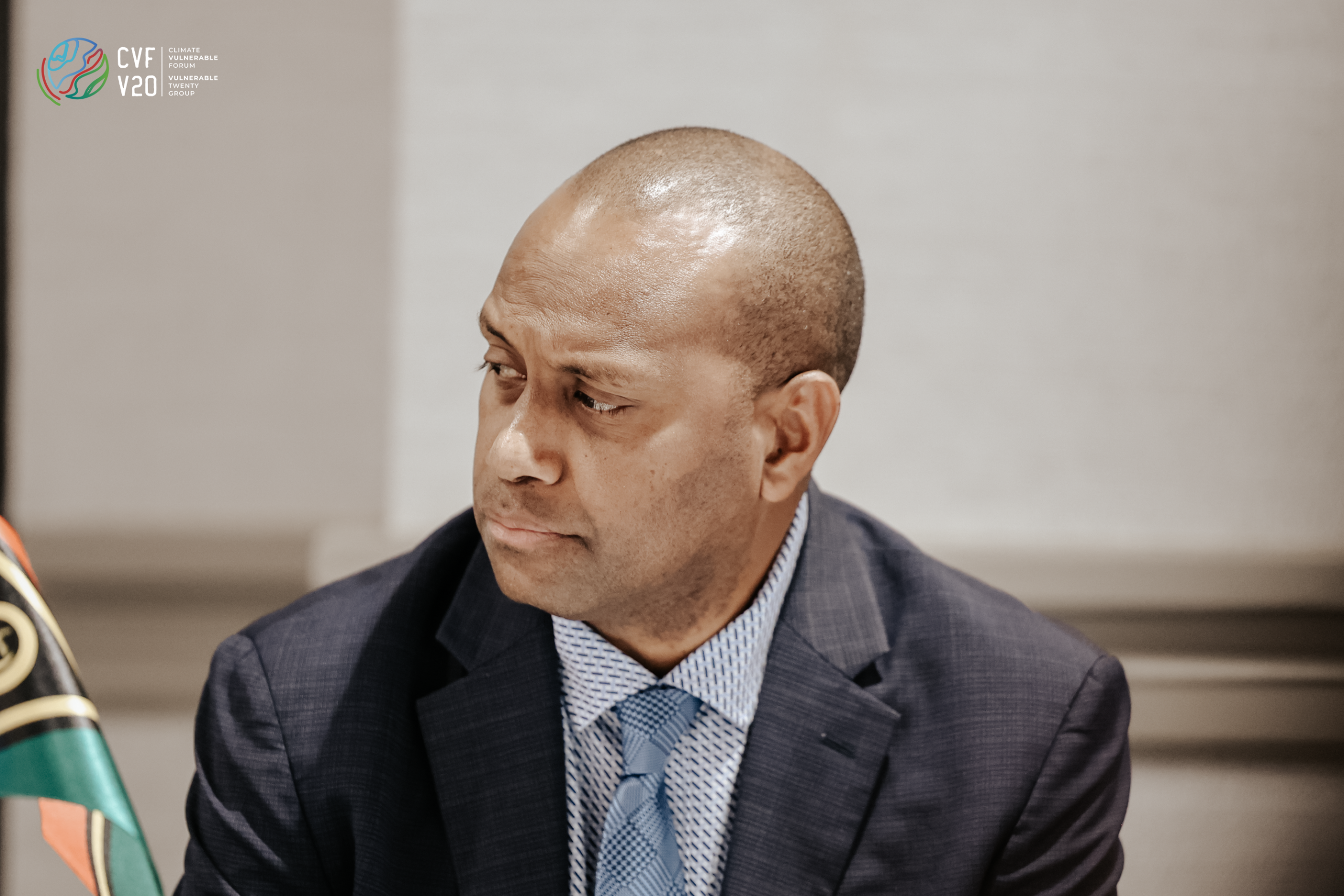
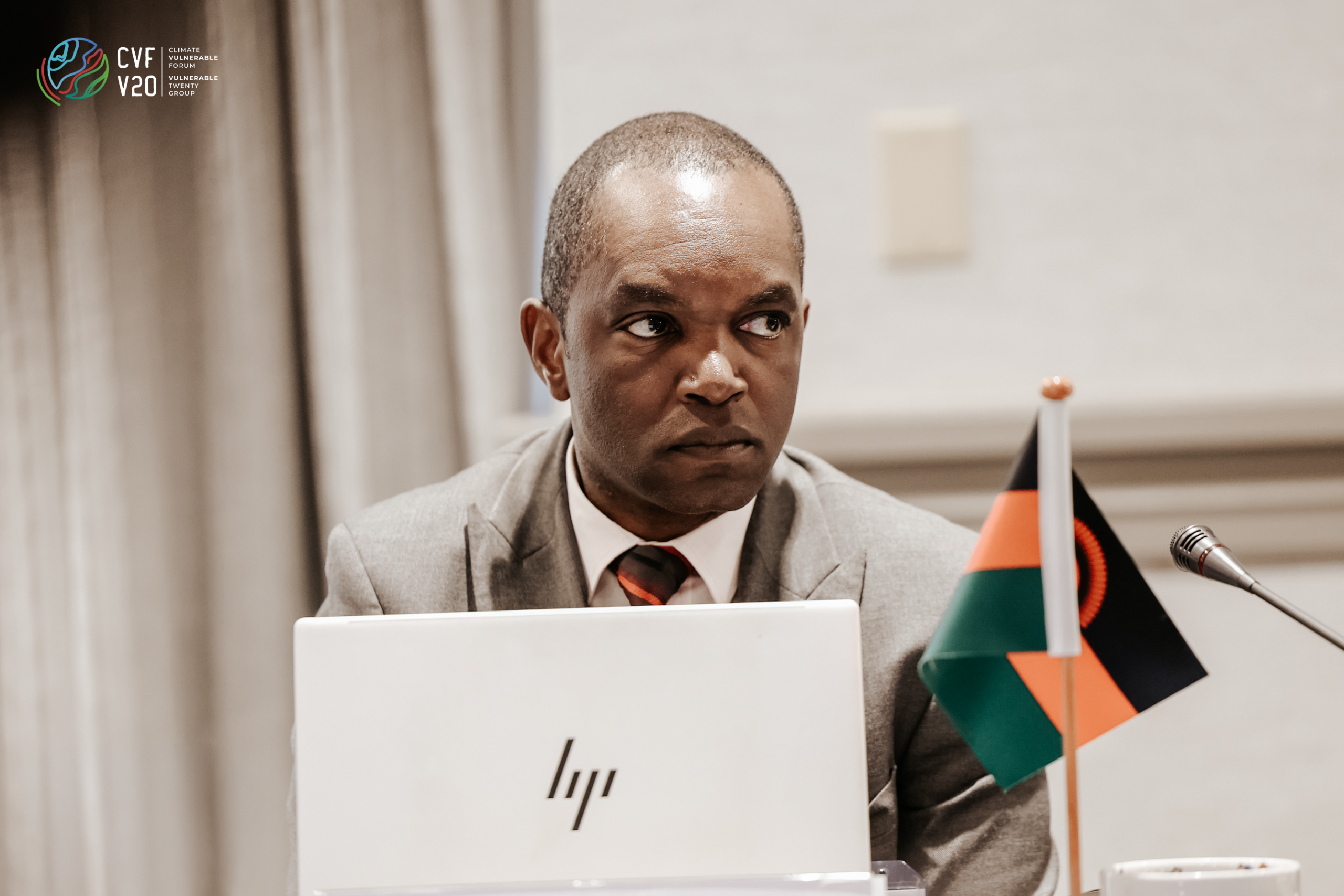
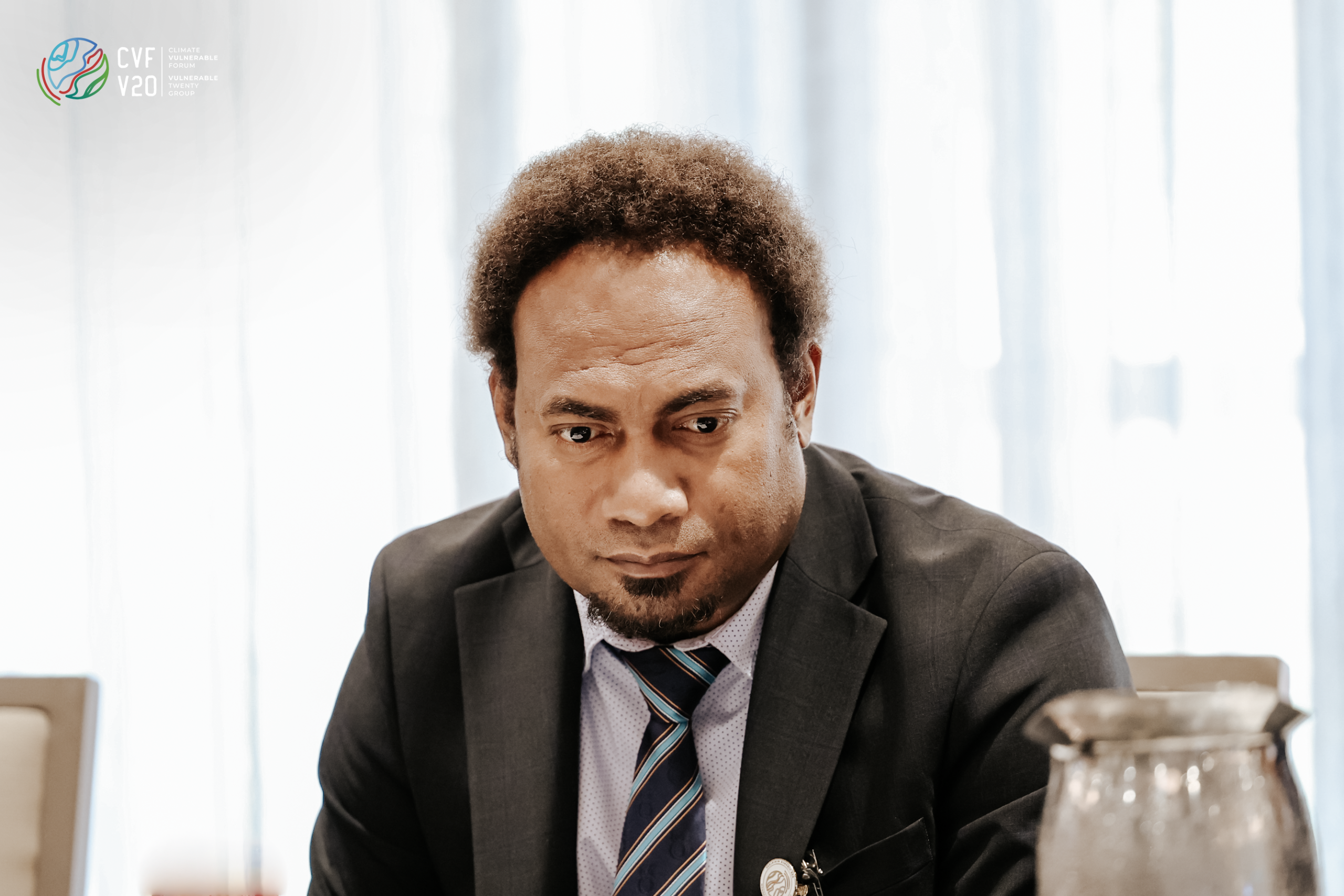
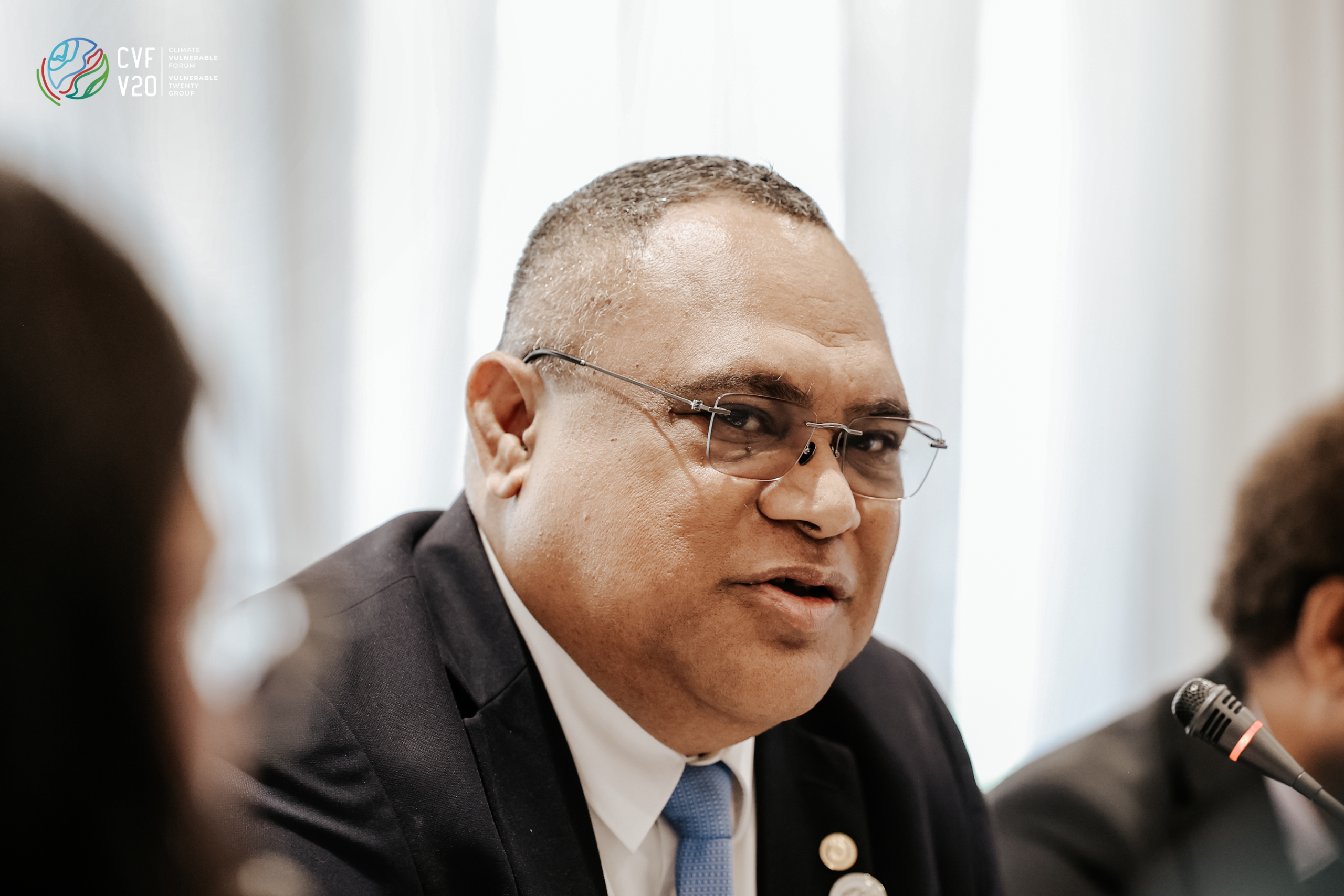
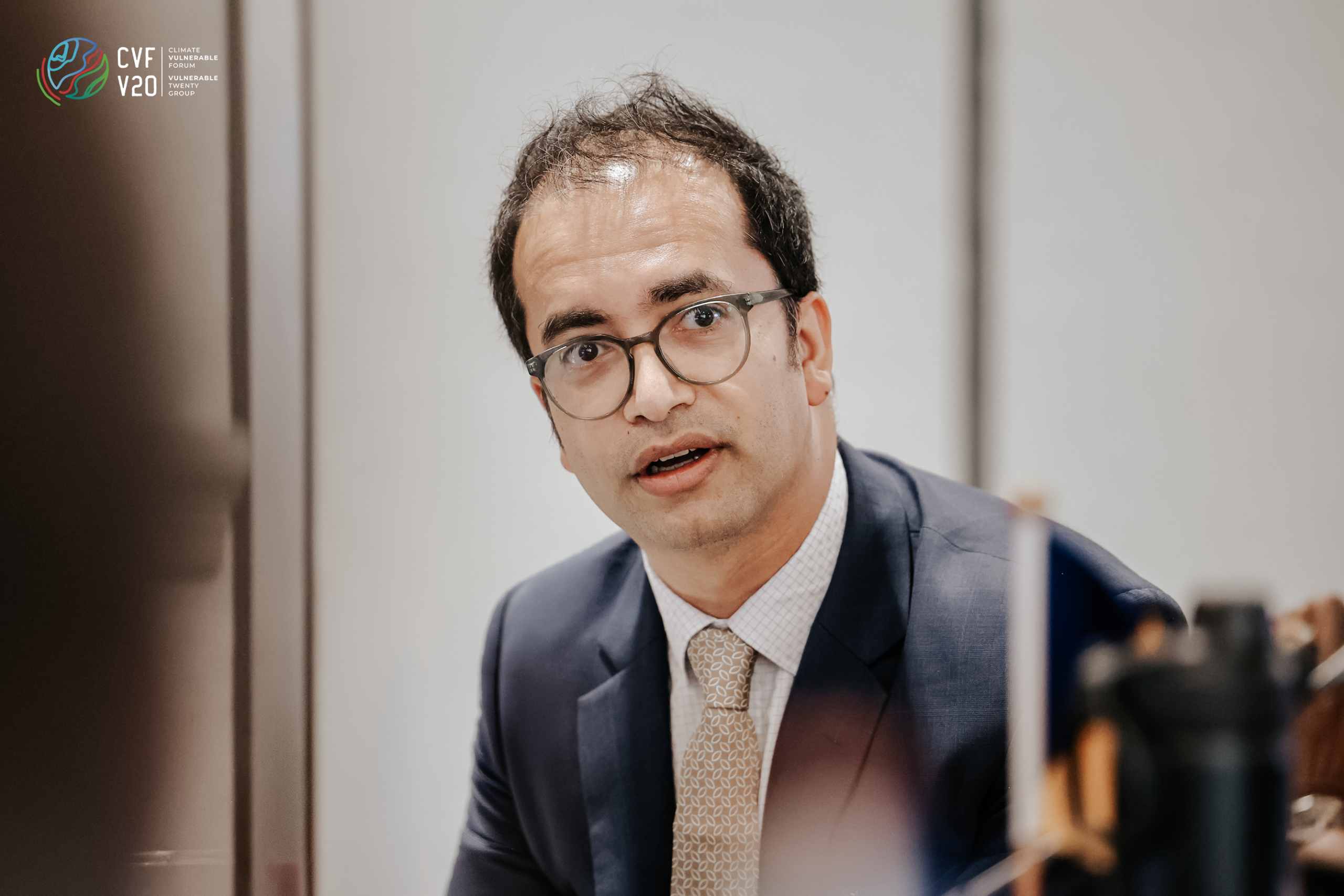
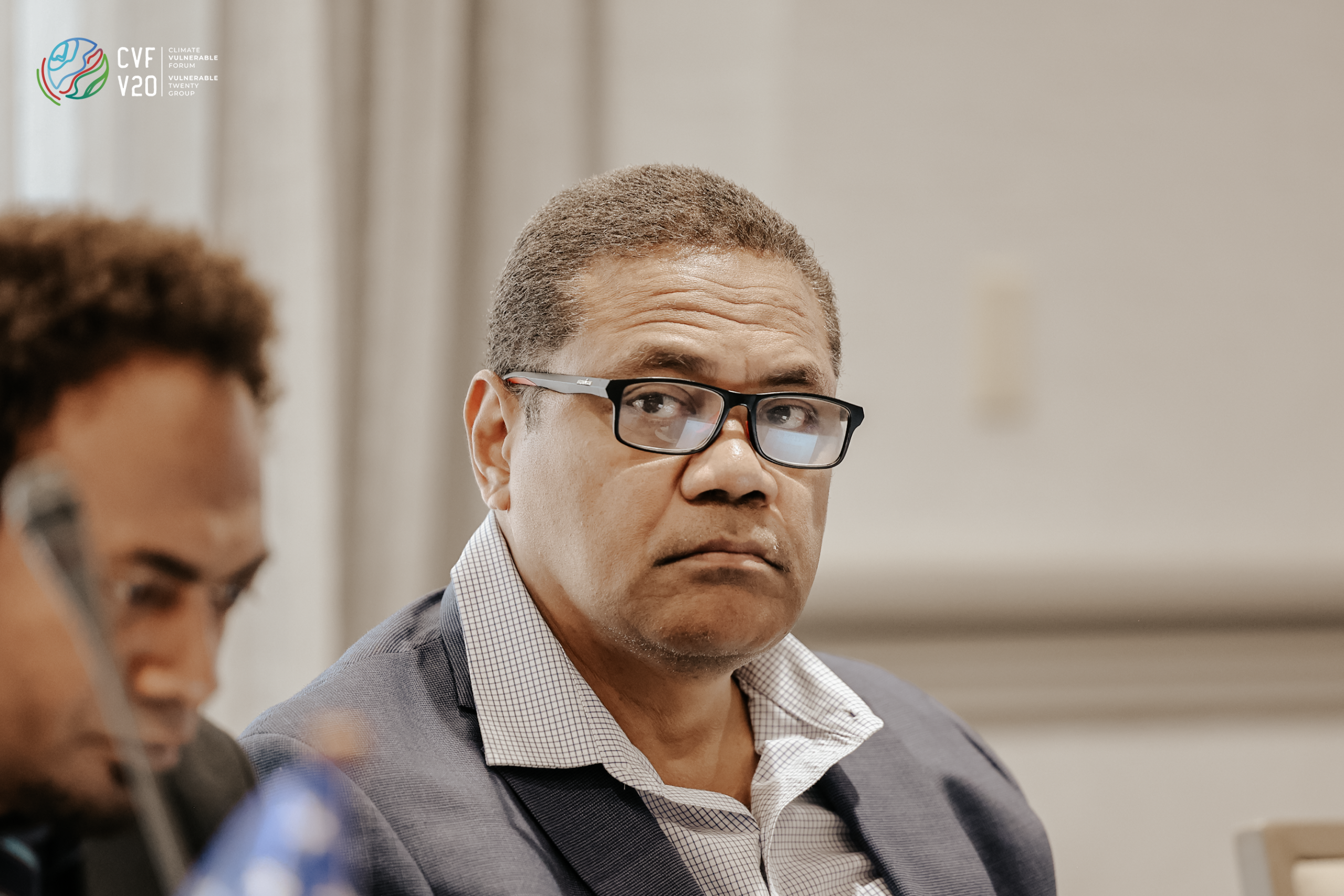
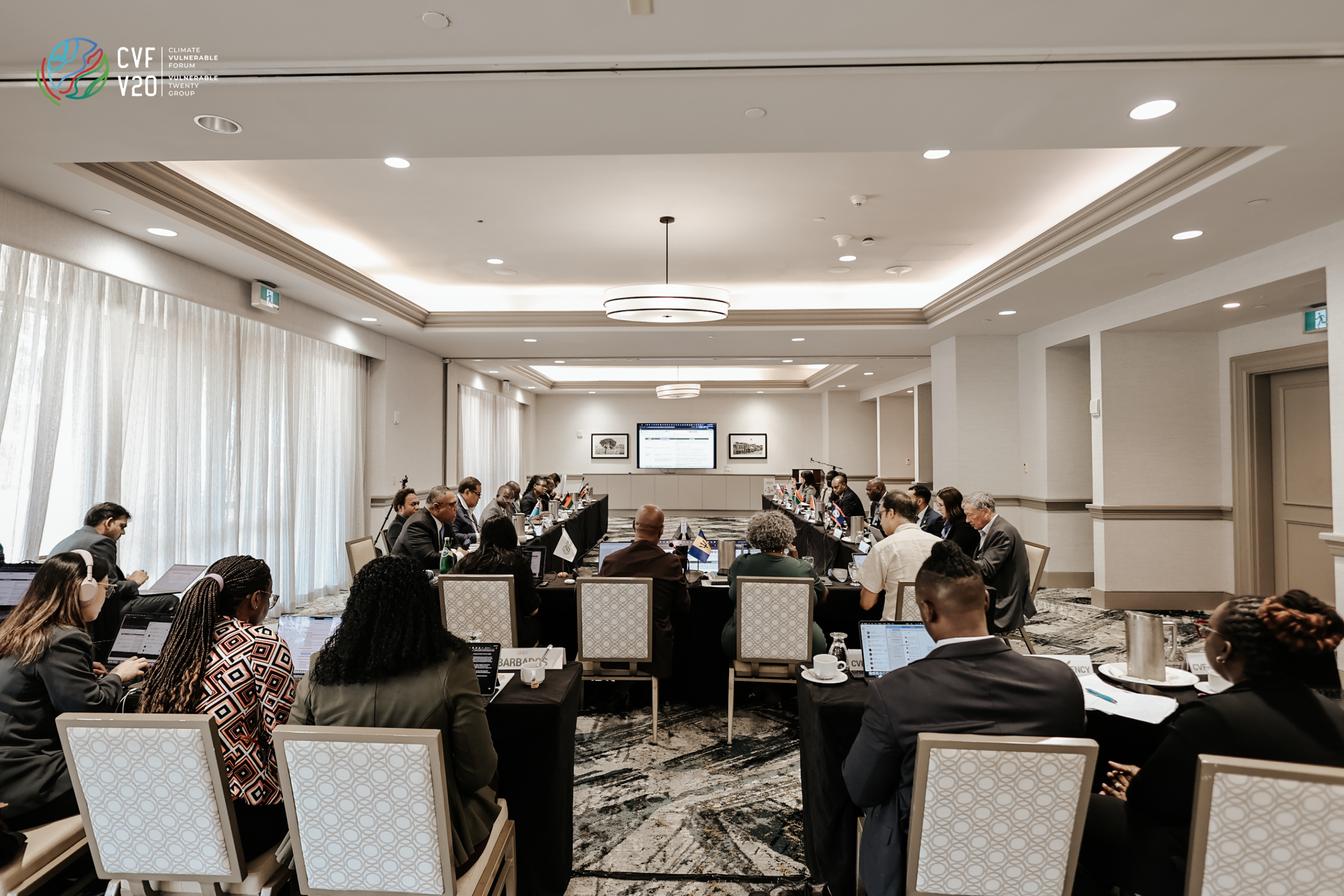
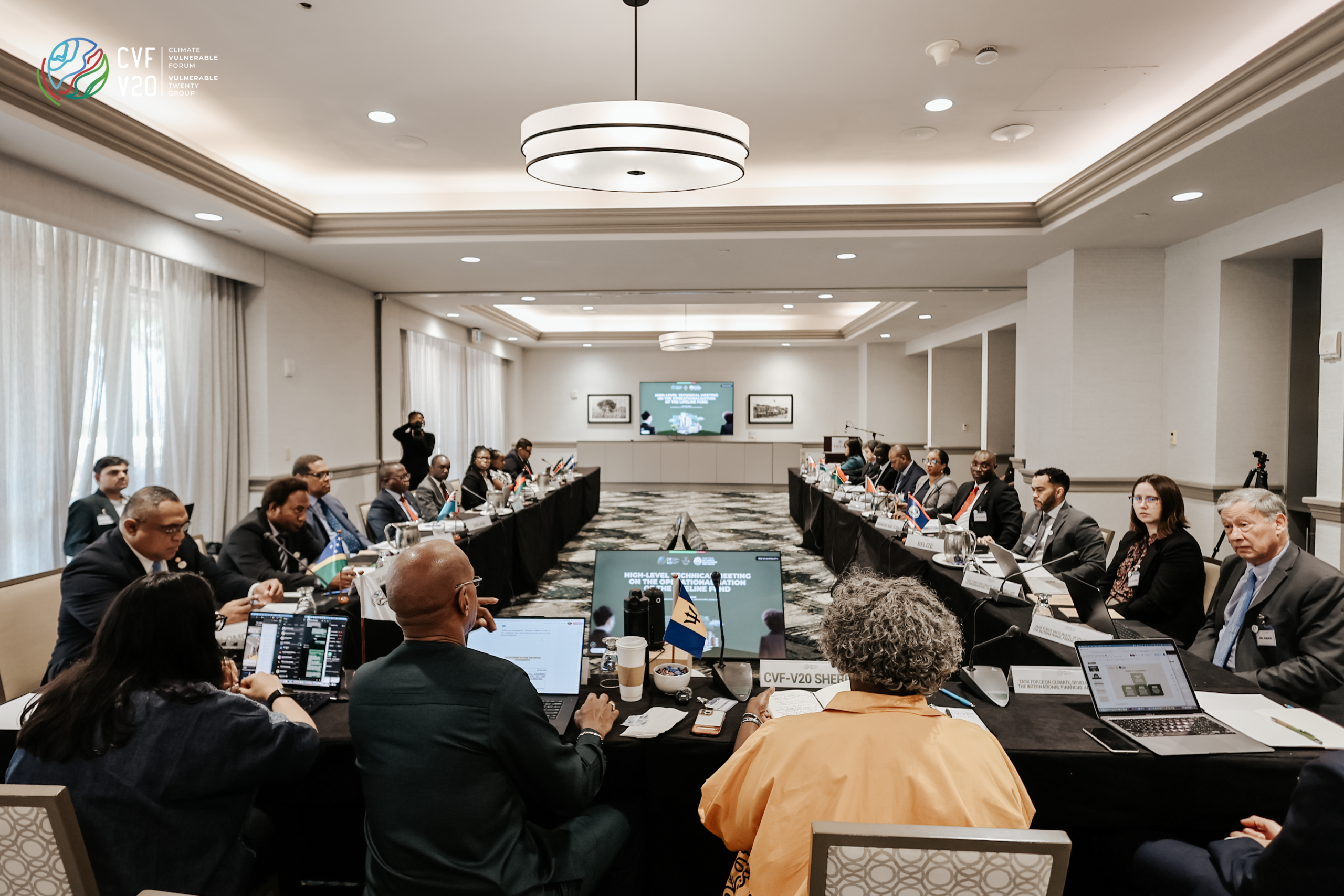
Bridgetown, Barbados—Following the political launch of the Lifeline Fund on the margins of the 2026 Spring Meetings of the World Bank Group and International Monetary Fund, the Central Bank Governors Working Group convened a high-level technical meeting on 9-10 July 2026 in Bridgetown, Barbados to undertake detailed deliberations on principal design parameters of the Fund’s operational framework. The two-day meeting culminated the virtual consultation sessions on the Lifeline Fund conducted in May and June with V20 central banks.
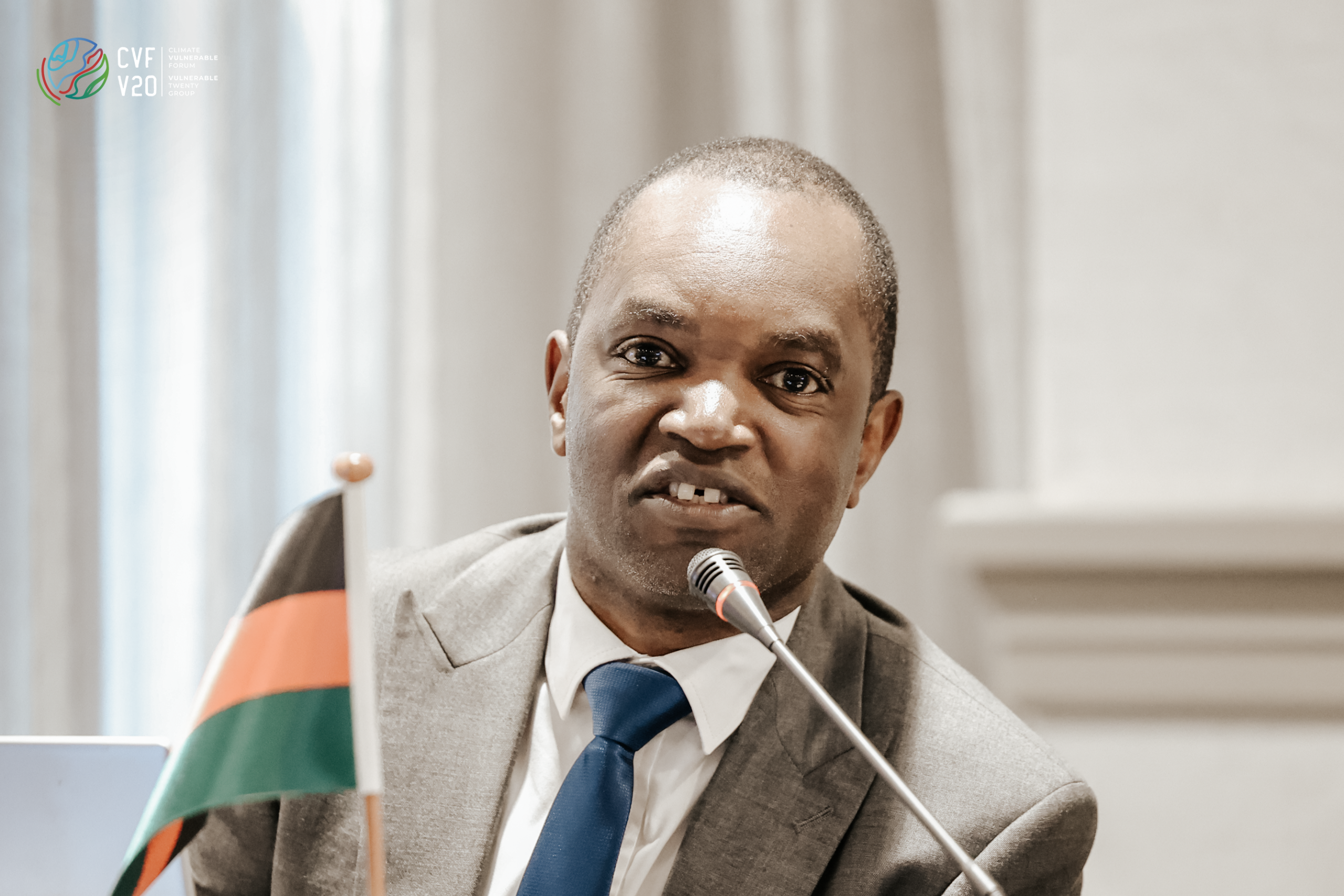
Joining the high-level technical session are central banks from Barbados, Belize, Ethiopia, Fiji, The Gambia, Guyana, Kenya, Malawi, Nicaragua, Pakistan, Philippines, Sierra Leone, Solomon Islands, Trinidad and Tobago, and Vanuatu who provided analytical guidance and recommendations on activation mechanisms and triggers, pricing, sustainability and operational model, capitalisation, and governance structure of the Fund.
The Lifeline Fund is a new multi-regional financial arrangement designed to deliver rapid and targeted liquidity to climate-vulnerable economies facing balance-of-payment stress after climate shocks. The Fund draws from the distinct experiences of regional financial arrangements such as the Latin American Reserve Fund, the Chiang Mai Initiative Multilateralisation, and the Arab Monetary Fund in developing a scalable, accessible, and climate-responsive framework to strengthen the global financial safety net.
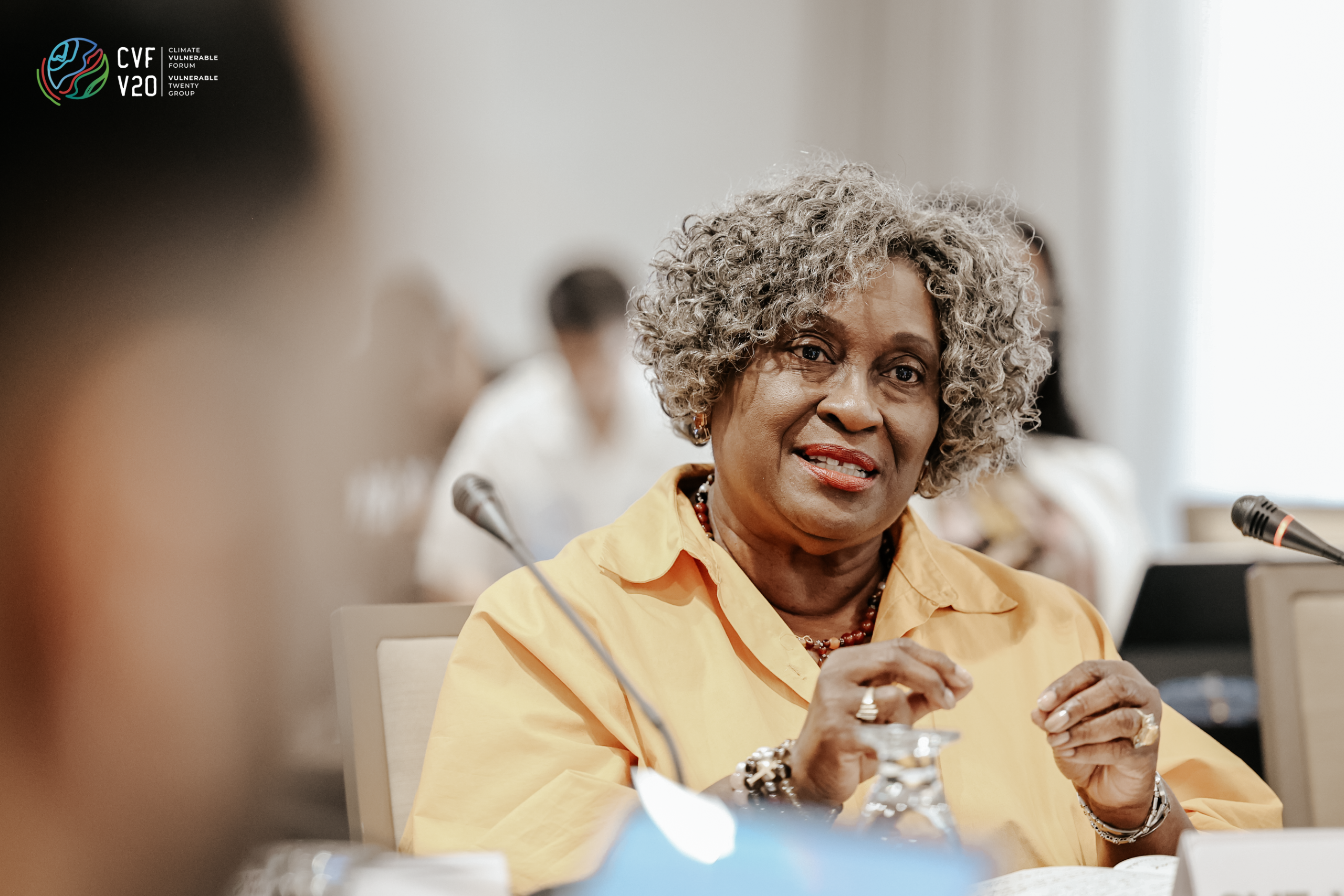
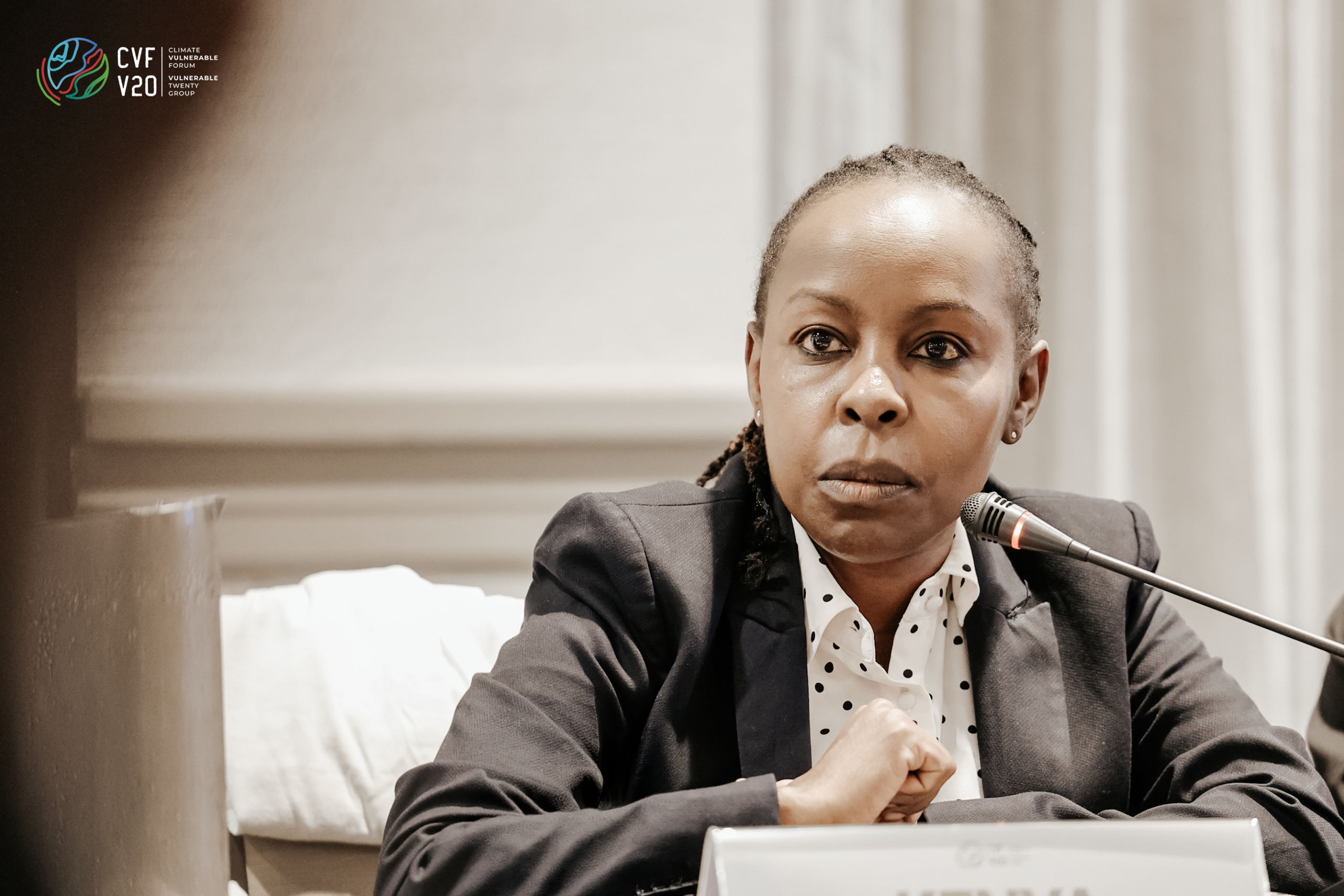
“The Lifeline is critical for all of us because the frequency and intensity of climate shocks are increasing, and with that, the cost of addressing these crises has risen exponentially. The reality is that climate impacts have the capacity to derail our development trajectories, alter macroeconomic fundamentals, and put the already constrained budgets of our governments into further liquidity difficulties and an economic choke-hold.” H.E. The Most Honorable Elizabeth Thompson, Sherpa to the CVF-V20 Presidency of Barbados, underscored the relevance of the Lifeline Fund amidst the occurrence of macroeconomic instability arising from the impact of climate events such as tropical cyclones, floods, and droughts.
Recognizing that climate shocks trigger immediate balance-of-payment pressures and persistent effects, the Lifeline Fund forwards two complementary credit instruments—the Rapid Resilience Facility which offers short-term liquidity support for immediate post-disaster needs; and the Stabilisation Credit Facility which provides medium-term support following cumulative climate impacts that progressively weaken macroeconomic stability.
To sustain balance-of-payment coverage through these facilities, the Fund proposes a minimum operational threshold of US$500 million with a target capitalization size of US$1.6 billion.
The Fund disposes of an intricate bureaucratic structure and instead, positions climate-vulnerable countries at the center of its mandate, governance, and decision-making. A three-organ model composed of Board of Governors, Board of Directors, and Executive Director will constitute the governance structure of the Lifeline Fund to ensure that core values are being upheld while providing liquidity support when it matters the most.
The core values underpinning the Lifeline Fund’s governance include ownership, solidarity, equal representation, and the rapid allocation of credit. United by their shared experience with climate vulnerabilities, member countries have advanced the Lifeline Fund as a response to the longstanding demand for a climate-responsive international financial architecture that reflects the priorities and urgent needs of climate-vulnerable economies. It embodies a collective commitment to enhance scale and speed of liquidity finance in strengthening economic resilience.
These key design parameters are expected to catalyse the Lifeline Fund in fulfilling its role as the CVF-V20’s strategic instrument to reshape the global financial safety net in accordance with its climate prosperity agenda.
“What we are showing and have shown is that, as climate-vulnerable countries, we are not waiting for anyone to come and design a solution for us. We have more than enough capabilities ourselves to do it, and we take that responsibility very seriously,” Dr., The Most Honorable Kevin Greenidge, F.B., Governor of the Central Bank of Barbados and Chair of the V20 Central Bank Governors Working Group, affirmed that the Lifeline Fund showcases what the power of South-South cooperation across the CVF-V20 brings.
“We must be able to show that we are capable of finding our own solutions, that we are equal to the task of innovating, that we are prepared to take on the challenge of interventions into the marketplace of new instruments that are self-birthed, that speak to the realities of our macroeconomic circumstances, that speak to the realities of what our citizens are living,” Ambassador Thompson added.
Following this two-day high level meeting, the V20 Central Bank Governors Working Group mandated the CVF-V20 Secretariat to produce the zero draft of the governing instruments for circulation among the members, ahead of the anticipated high-level political engagement on the Lifeline Fund during the 81st Session of the United Nation General Assembly. This also marks a significant moment for central banks of CVF-V20 member countries to express their intent on joining the Fund and support capitalisation pathways.
***
The CVF-V20 represents 74 member countries from small island developing states (SIDS), least developed countries (LDCs), low to middle-income countries (LMICs), landlocked developing countries (LLDCs), and fragile and conflict-affected states (FCS). Working together, the CVF-V20 aims to achieve climate justice through the realization of Climate Prosperity Plans, which contain ambitious economic and financial resilience strategies designed to attract investment and resources that advance the attainment of the Sustainable Development Goals (SDGs), 30×30 Global Biodiversity, and help keep the average global temperatures to the Paris Agreement’s 1.5°C safety threshold.
Africa: Benin, Burkina Faso, Cabo Verde, Chad, Comoros, Côte d’Ivoire, Democratic Republic of the Congo, Eswatini, Ethiopia, Gabon, The Gambia, Ghana (Troika), Guinea, Kenya, Liberia, Madagascar, Malawi, Morocco, Mozambique, Namibia, Niger, Rwanda, Senegal, Sierra Leone, Somalia, South Sudan, Sudan, Tanzania, Togo, Tunisia, Uganda
Asia: Afghanistan, Bangladesh (Troika), Bhutan, Cambodia, Kyrgyzstan, Maldives, Mongolia, Nepal, Pakistan, Philippines, Sri Lanka, Timor-Leste, Vietnam
Caribbean: Barbados (Chair/Troika), Dominica, Dominican Republic, Grenada, Guyana, Haiti, Saint Lucia, Suriname, Trinidad and Tobago
Latin America: Colombia, Costa Rica, Guatemala, Honduras, Nicaragua, Paraguay
Middle East: Jordan, Lebanon, Palestine, Yemen
Pacific: Fiji, Kiribati, Marshall Islands, Nauru, Palau, Papua New Guinea, Samoa, Solomon Islands, Tonga, Tuvalu, Vanuatu
For media enquiries, please contact [email protected].
For the latest updates, please follow us on: