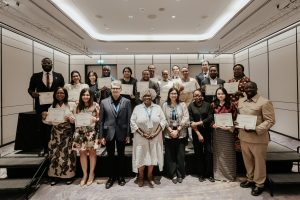
By: Haddijatou Ceesay, The Gambia. CVF Youth Fellow
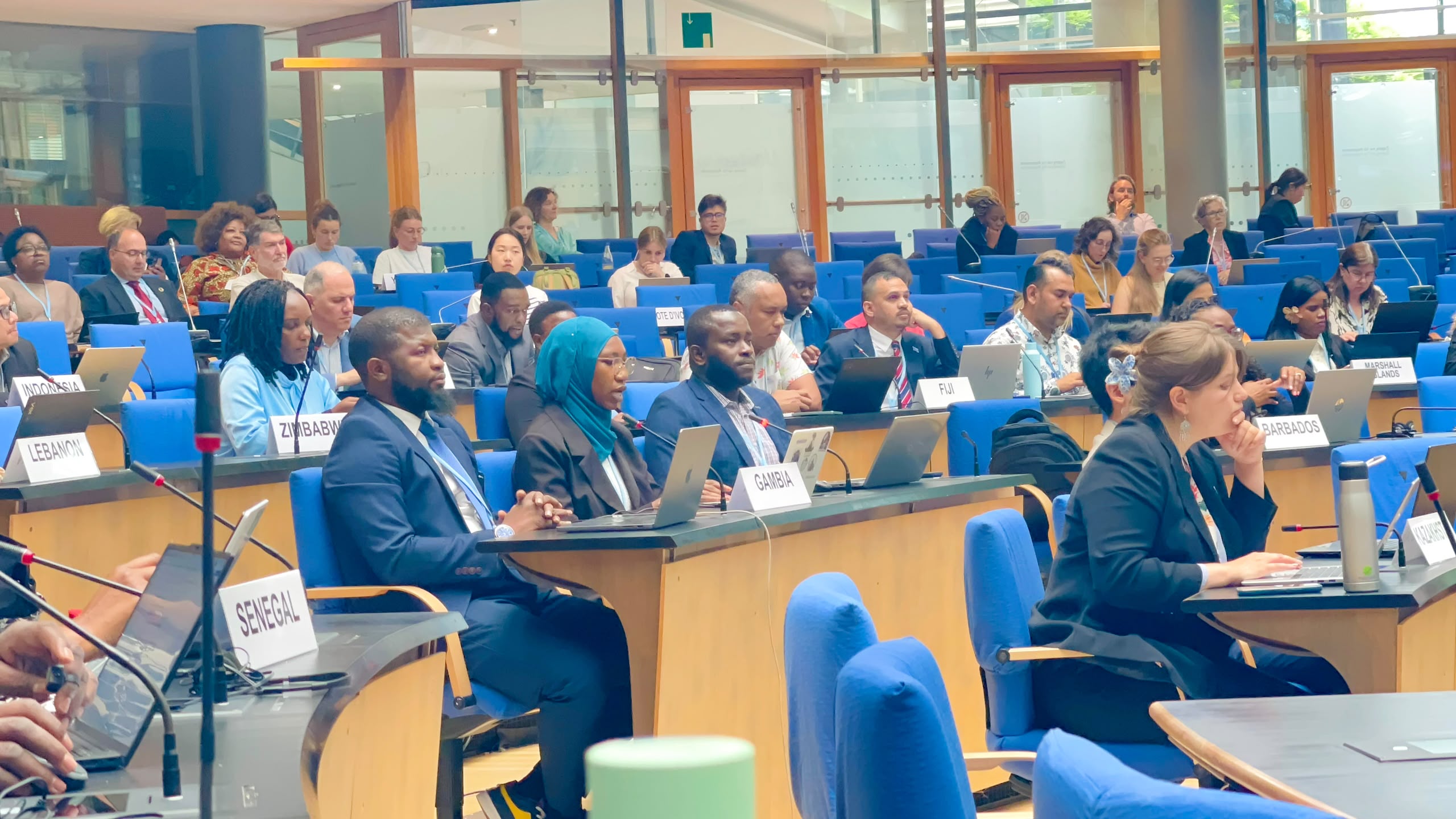
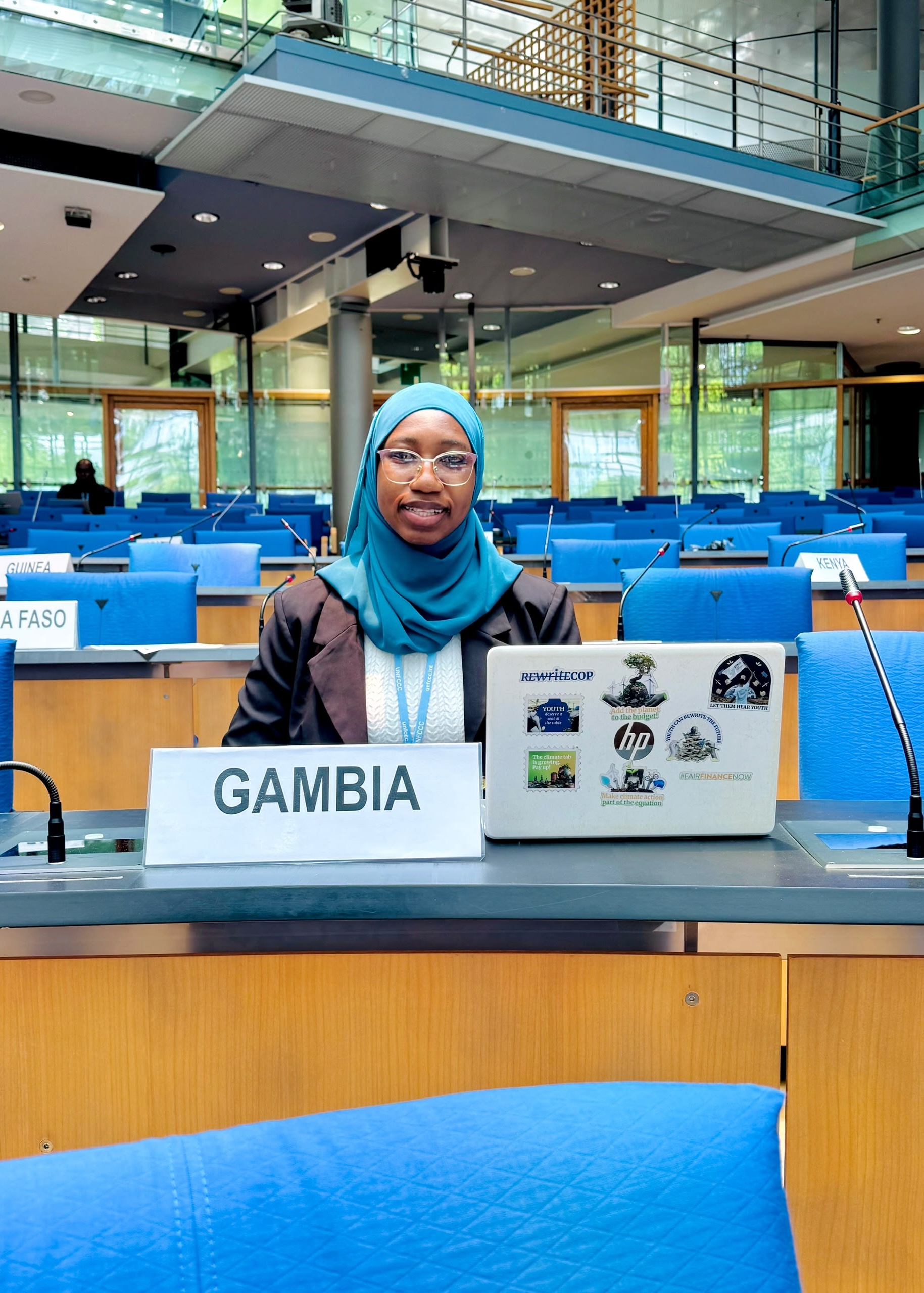
The 64th Sessions of the United Nations Framework Convention on Climate Change (UNFCCC) Subsidiary Bodies (SB64) in Bonn marked an important milestone on the road to COP31. For me, it was also a transformative experience. I participated as a member of The Gambia’s national delegation, a Climate Vulnerable Forum (CVF) Youth Fellow, and an active member of YOUNGO, the official children and youth constituency of the UNFCCC.
These roles allowed me to engage with the climate negotiations from different perspectives, following adaptation negotiations, contributing to national discussions, delivering interventions on behalf of The Gambia and YOUNGO, participating in cross-constituency dialogues, and engaging with the media to amplify the voices of vulnerable countries and young people.
While SB64 covered a wide range of agenda items, one message consistently emerged: the challenge is no longer identifying adaptation priorities; it is ensuring countries have the means to implement them.
Adaptation Must Move Beyond Planning
For countries like The Gambia, adaptation is not a future concern; it is a present development priority. Climate change is already affecting agriculture, coastal communities, food security, water resources, and livelihoods. Like many Least Developed Countries (LDCs), The Gambia has made significant progress in strengthening its climate policies through its Nationally Determined Contributions (NDCs), Long-Term Strategy, Climate Prosperity Investment and Financing Strategy, National Adaptation Plan (NAP) process, and Climate Change Act.
Yet across many adaptation discussions at SB64, it became clear that planning is no longer the greatest challenge. Instead, implementation remains constrained by limited access to finance, institutional capacity, climate data, and technical support.
This reality shaped discussions under the Global Goal on Adaptation (GGA) and the Baku Adaptation Road Map, where Parties debated how to strengthen adaptation implementation. While there was broad agreement on the importance of advancing adaptation, significant differences remained between developed and developing countries, particularly on means of implementation.
Developing countries emphasized that adaptation cannot succeed without predictable, accessible, and grant-based finance, alongside technology transfer and capacity building. Discussions also highlighted the need to make progress on commitments to scale up adaptation finance and ensure that global adaptation efforts respond to the realities faced by vulnerable countries.
Negotiations also considered establishing a technical task force under the GGA to support implementation. Although there was encouraging progress, discussions continued around its composition and the need for broad representation beyond UN agencies. Meanwhile, negotiations on Adaptation Communications did not reach consensus and will continue at SB65, demonstrating that important issues remain unresolved. Discussions under the Nairobi Work Programme and on matters relating to the Least Developed Countries Expert Group (LEG) further reinforced the need for stronger technical support and country-driven implementation.
Overall, SB64 reaffirmed that success in adaptation will not be measured by the number of frameworks or work programmes established, but by whether they help countries deliver resilience where it matters most on the ground.
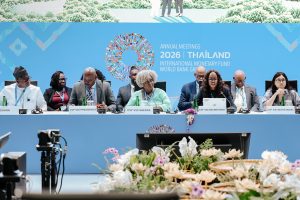
Representing The Gambia and YOUNGO
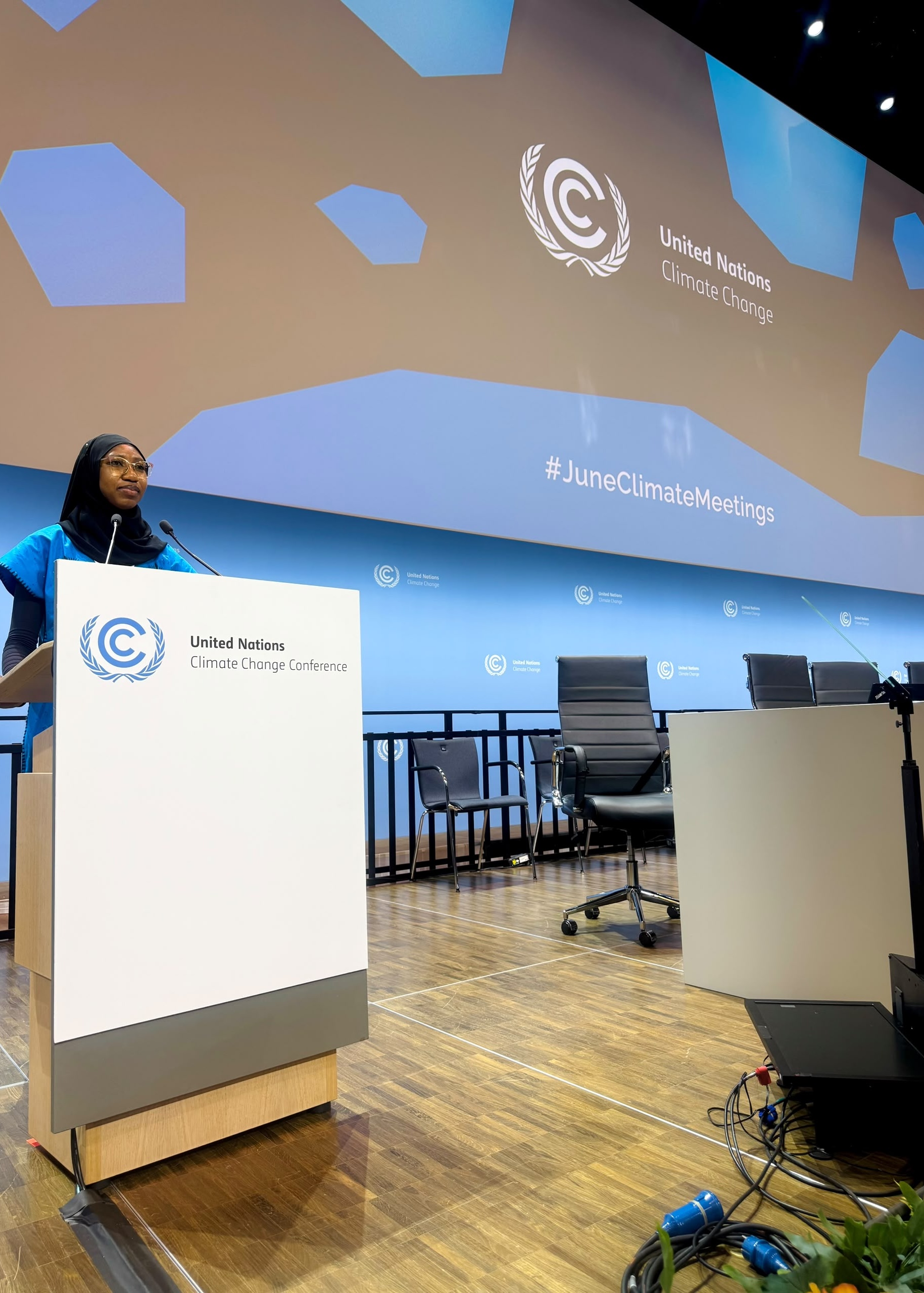
One of the highlights of my participation was delivering an intervention on behalf of The Gambia during the mandated workshop under the Baku Adaptation Road Map. Drawing on The Gambia’s experience as an LDC, our intervention highlighted that while countries have made significant progress in identifying adaptation priorities, many continue to struggle with accessing climate finance and implementing adaptation actions. We called for stronger coherence across the adaptation architecture, simplified access to finance, investment in national institutions, and predictable support that enables countries to move from planning to implementation.
I also had the privilege of speaking on behalf of YOUNGO during a Town Hall with the COP President-Designate and the President of Negotiations. Representing young people from around the world, I emphasized the importance of turning climate commitments into action through stronger implementation, accessible means of implementation, and meaningful youth engagement. I also raised the need to address barriers that continue to limit youth participation in the UNFCCC process, including visa challenges, accommodation, accessibility, and logistical arrangements. Meaningful participation requires more than a seat in the room—it requires creating conditions that enable young people from all regions to contribute effectively.
These two interventions reflected different constituencies but a shared message: effective climate action depends on inclusive decision-making, equitable partnerships, and the delivery of support to those on the frontlines of climate change.
Lessons for the Road to COP31
As preparations begin for COP31, SB64 offers three important lessons.
Looking AheaD
SB64 reminded me that climate diplomacy extends far beyond negotiating text. It is about building trust, strengthening partnerships, and ensuring that global commitments translate into meaningful action for communities.
As a young climate advocate from The Gambia, this experience deepened my understanding of the complexities of international negotiations while reinforcing my commitment to advancing adaptation and climate resilience. I leave Bonn with renewed optimism that collaboration across generations and countries can help shape more effective climate solutions.
As we look toward COP31, the focus must remain on implementation. For countries like The Gambia, adaptation cannot remain an aspiration discussed in negotiation rooms; it must become a reality that strengthens resilience, protects livelihoods, and leaves no community behind.
***