Provincial Governments Position Climate Innovation and Resilience at the Heart of Pakistan’s CPP
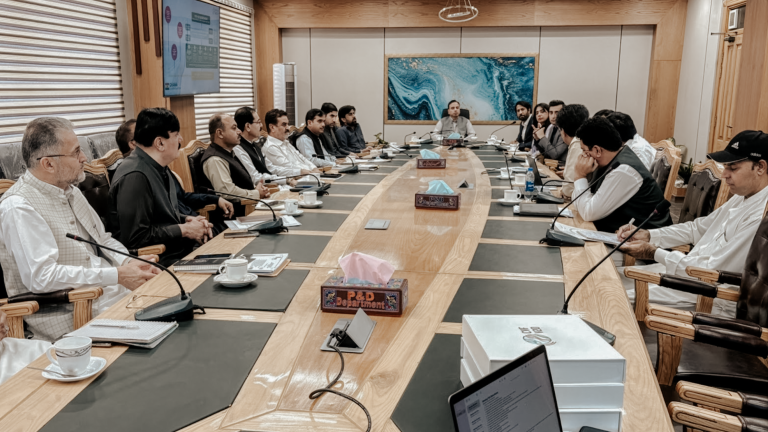
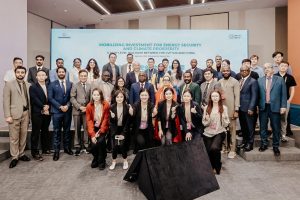
The CVF-V20 met with the Planning and Development Board of Punjab, where senior representatives from agriculture, energy, environment, and industry outlined an ambitious vision to make Punjab a hub for innovation.
Islamabad, Pakistan—As Pakistan advances consultations for its Climate Prosperity Plan (CPP), provincial governments are stepping forward to align climate action with economic growth. Recent consultation sessions conducted by the CVF-V20 Secretariat with the Punjab Planning and Development Board and the Balochistan Planning and Development Department have highlighted how local actors are shaping the CPP through tailored initiatives that harness innovation, resilience, and investment opportunities.
Punjab: Driving Climate Innovation and Green Growth
In a consultation session on August 12, the Planning and Development Board of Punjab outlined an ambitious portfolio of initiatives, including climate-resilient infrastructure, forestry expansion, bamboo cultivation, pest warning and research systems, and clean cooking stove programs. The province also highlighted its forward-looking electric vehicle (EV) transition plan, focusing on replacing two- and three-wheelers and scaling up privatized charging stations to create new jobs. Air quality emerged as another key priority, with investments planned for AI-based emission monitoring, vacuum tackling units in 10 districts, and 100 new monitoring systems.
The Climate Observatory, recently approved at a cost of PKR 15 to 20 billion, and plans for Green Special Economic Zones in partnership with Chinese counterparts were shared as examples of Punjab’s commitment to leveraging both public and private capital for low-carbon growth. Officials emphasized the importance of carbon credits, investor engagement, and transparent evaluation criteria to accelerate financing.
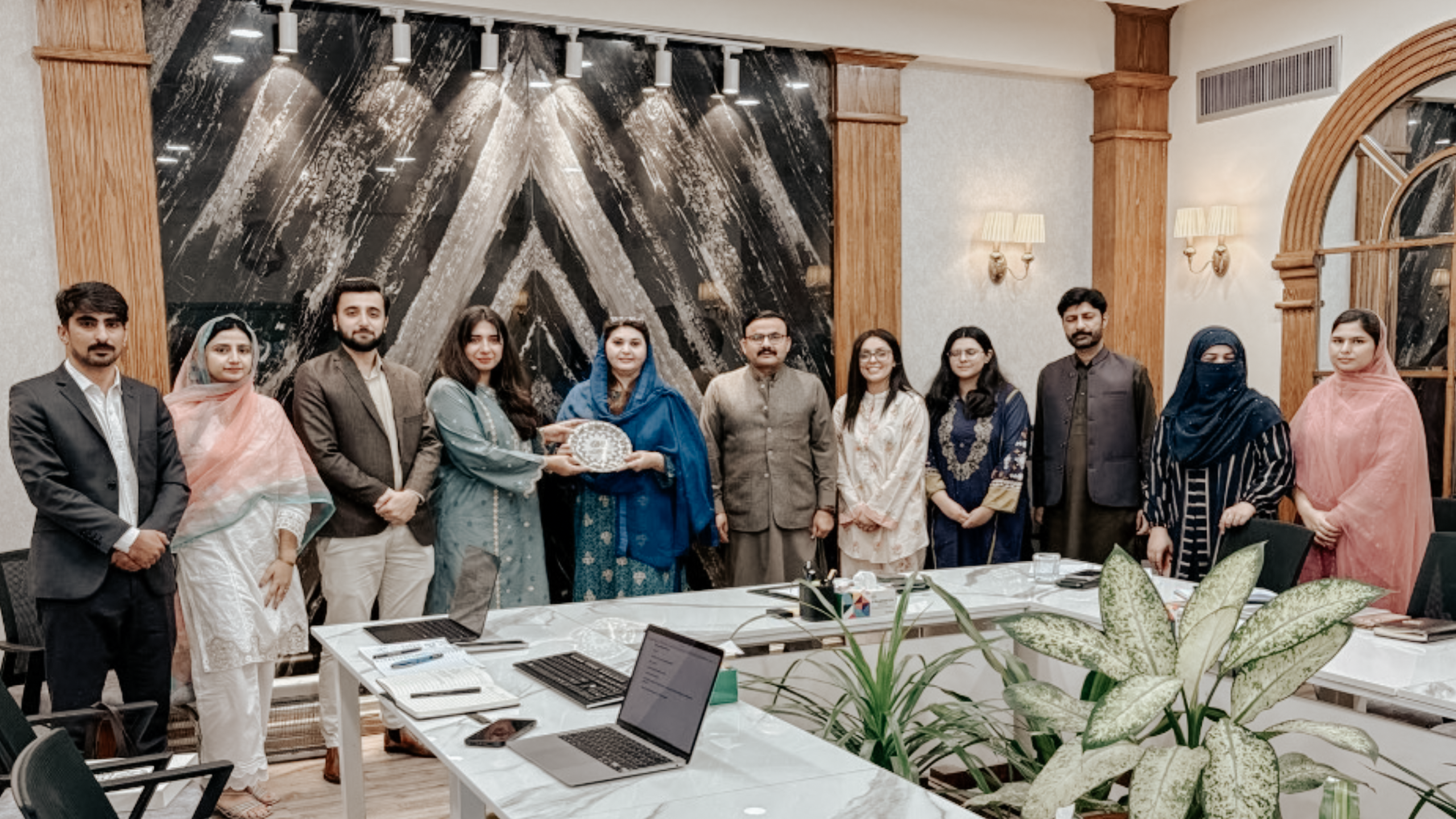
The CVF-V20 delegation shared the CPP framework and agreed with the provincial government on a process to develop 10 to 12 priority projects using the CVF-V20 template. Discussions also explored financing modalities, special purpose vehicles (SPVs), and investor matchmaking to ensure Punjab’s proposals attract international attention and investment.
The CVF-V20 delegation met with Balochistan’s forestry, environment, water, agriculture, and energy representatives. Discussions highlighted the province’s vulnerabilities, but also its vast untapped potential for climate prosperity.
Balochistan: Advancing Resilience and Sustainable Livelihoods
In a meeting on August 26, the Balochistan Planning and Development Department presented a wide range of initiatives that reflect both the province’s vulnerabilities and its untapped potential. These included mangrove restoration for carbon credits, the establishment of a Provincial Climate Fund, mountain forestry and drip irrigation plantations, the Safaa Balochistan waste management program, olive oil cultivation in Loralai, and the broader Green Balochistan Initiative. Together, these efforts aim to address water scarcity, fragile ecosystems, and the growing risks of climate extremes, while creating new opportunities for sustainable growth.
The department stressed the importance of mobilizing resources and ensuring that provincial initiatives are integrated into Pakistan’s national CPP framework. Discussions highlighted Balochistan’s need for investment in forestry, water management, and renewable energy, alongside support for carbon credit certification and community-led models of resilience.
The CVF-V20 delegation shared the CPP vision and discussed ways to connect provincial projects to investor platforms and carbon markets. It was agreed that Balochistan’s initiatives would be featured in the CPP compendium and promoted in upcoming investor forums, with follow-up work to strengthen project visibility and technical preparation.
To date, Balochistan has submitted over ten projects for consideration under the CPP, ranging from coastal aquaculture and fisheries modernization to eco-tourism, hatchery rehabilitation, and coral reef restoration. These proposals combine livelihood protection with biodiversity conservation and open new avenues for green trade and carbon finance.
The CVF-V20 Secretariat looks forward to working with provincial partners to bring visibility to these projects and connect them with the international financing and partnerships required for long-term resilience.