
Costa Rica’s “Más Mujer, Más Natura”
Costa Rica’s Más Mujer, Más Natura (More Women, More Nature) program is rewriting the script for rural empowerment. Launched in 2020 as a collaborative effort between the Ministry of Environment and Energy (MINAE), the United Nations Development Programme (UNDP), and the Office of the First Vice President, the program addresses a long-standing paradox: while women are often the primary stewards of local biodiversity, they frequently lack the land titles and capital to access traditional conservation incentives.
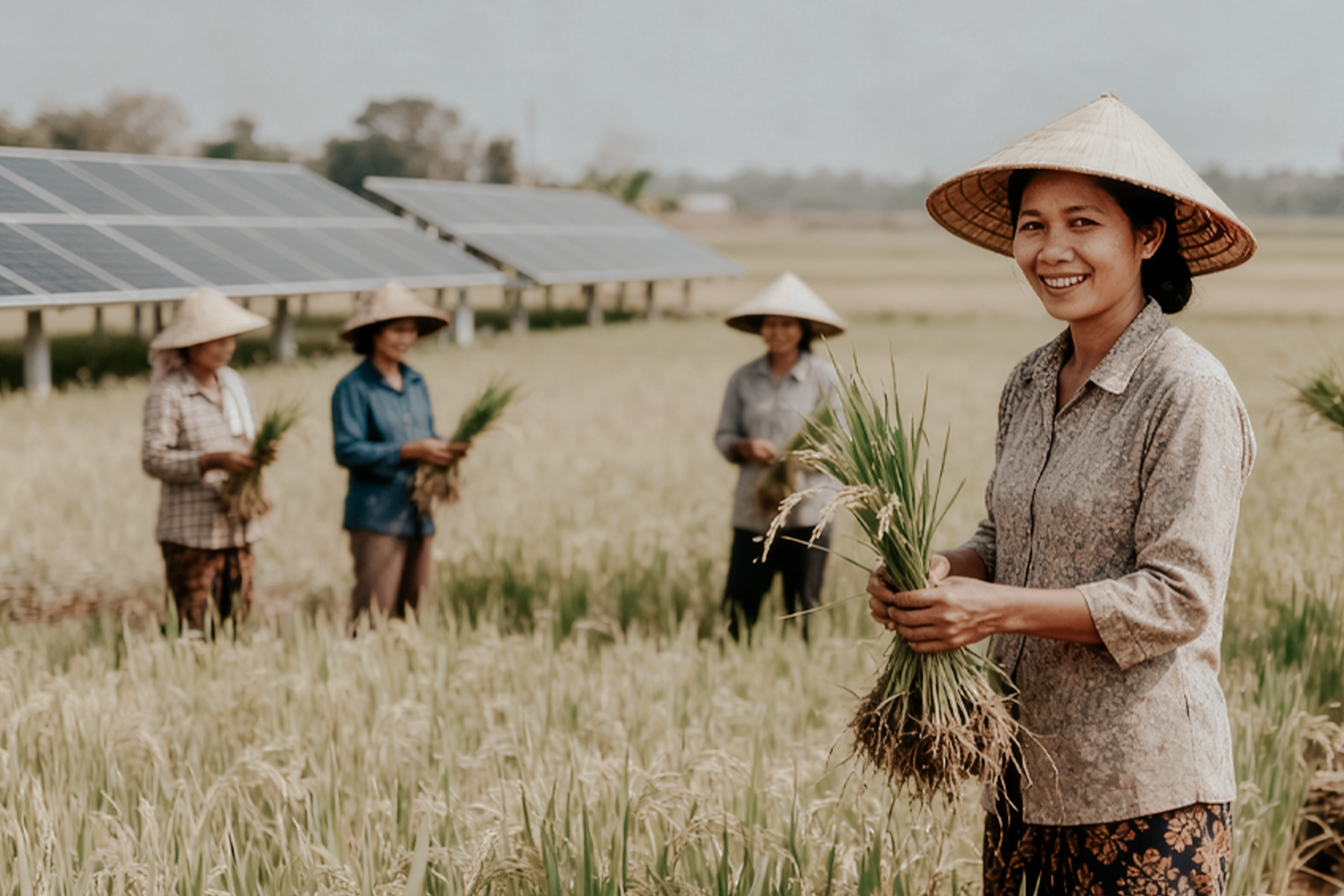
Women at the Core of Cambodia’s Green Economy Revolution
Cambodia recognizes women’s leadership as a robust accelerator of green economic development as the country approaches graduation from Least Developed Country status in 2029, seeking higher productivity, diversified growth, and greater uptake of green digitalization. Women are rising beyond perceptions of vulnerability, positioning themselves as champions of climate prosperity and sustainable development.
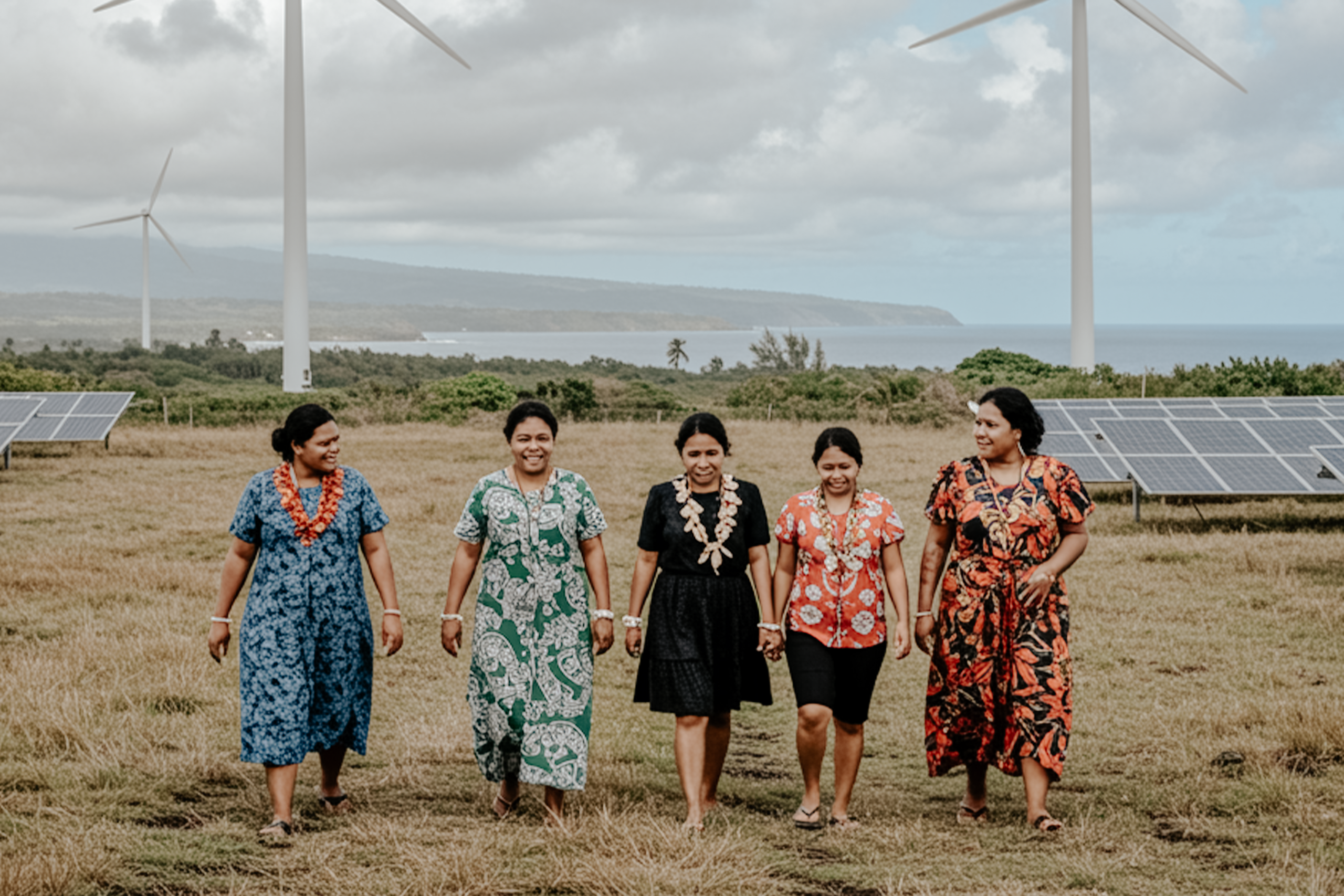
Pacific Women and the Call for Climate Justice
When island nations and regional allies presented their case before the International Court of Justice, women leaders, lawyers, and youth advocates were instrumental in building arguments that led to a landmark 2025 Advisory Opinion affirming states’ obligations to protect the climate and human rights.
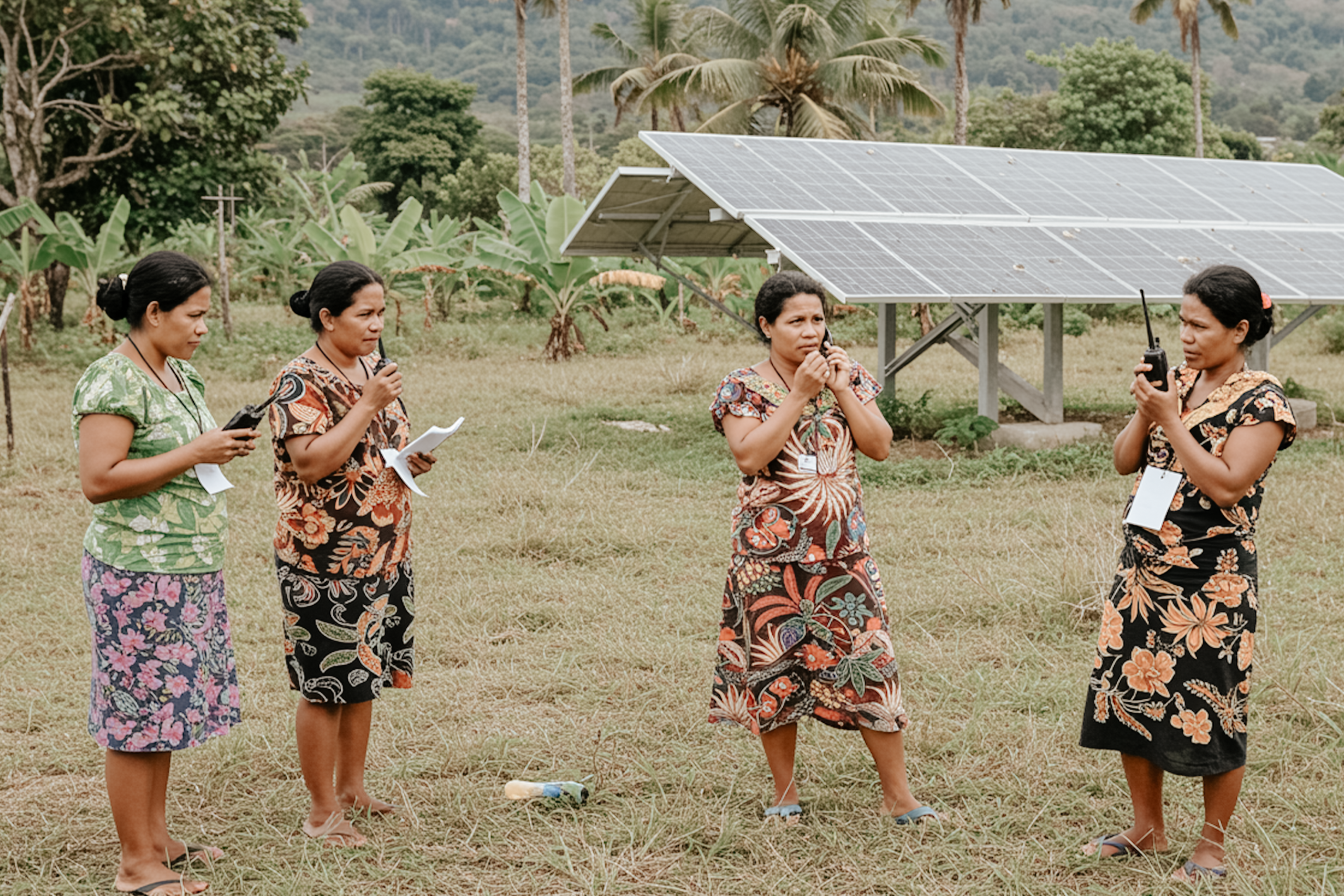
Ni-Vanuatu Women Lead Disaster Response and Climate Action
Vanuatu is among the nations most vulnerable to the climate crisis. These environmental shifts often worsen existing socioeconomic gaps, disproportionately pushing women toward poverty and marginalization. Despite these challenges, Ni-Vanuatu women have emerged as resilient leaders, transforming how their communities prepare for and recover from disasters.
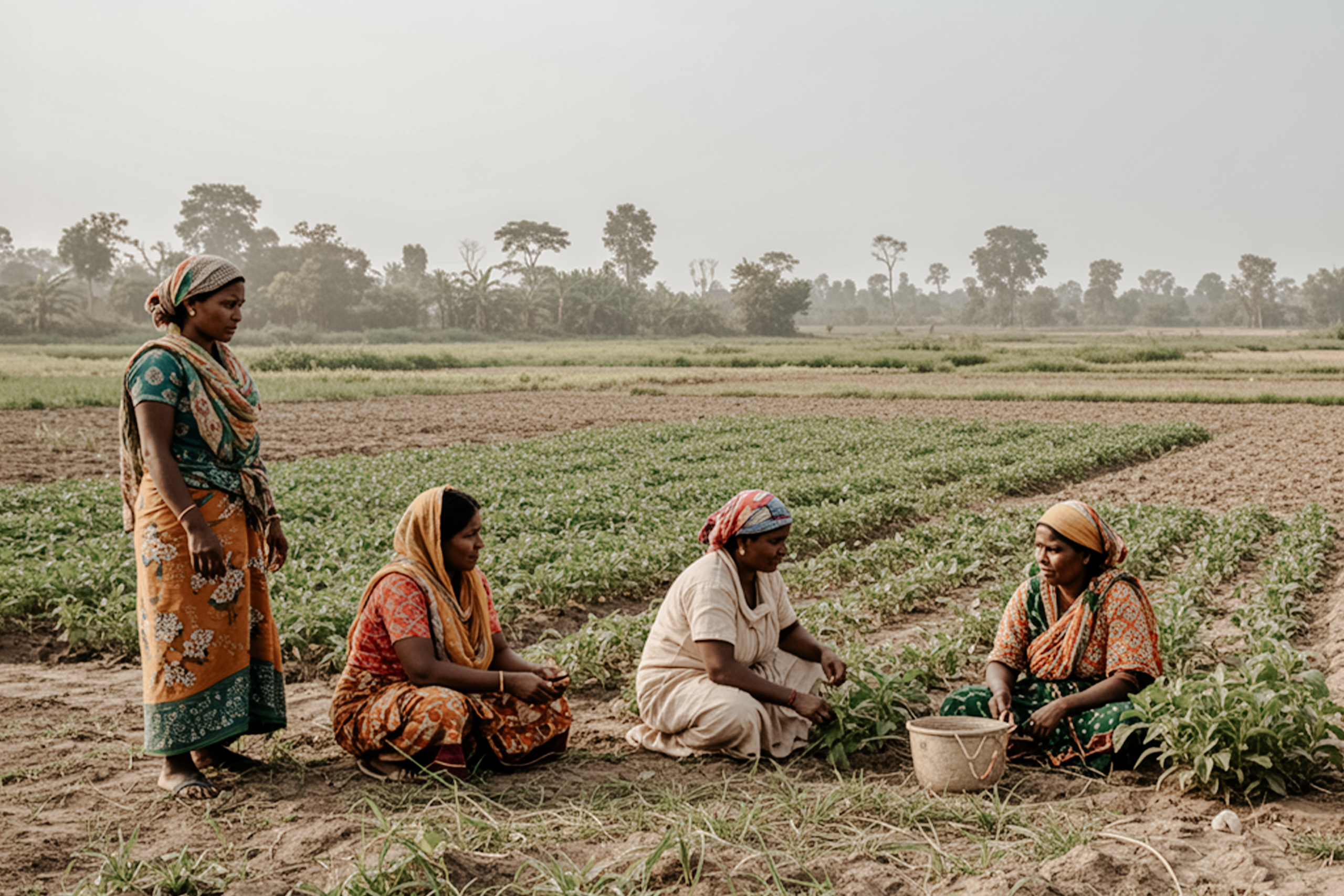
Gender-Responsive Climate Action in Bangladesh and Kenya
The worsening impacts of climate change are exposing gaps in financial and social systems while reshaping societies, with women often on the frontlines—managing households, securing resources, and caring for families under growing stress. The crisis exacerbates existing gender inequalities, yet women’s voices are largely missing from the policies meant to protect them. Without a gender-focused approach, millions of women and girls risk being pushed into extreme poverty, amplifying social and economic disparities worldwide.
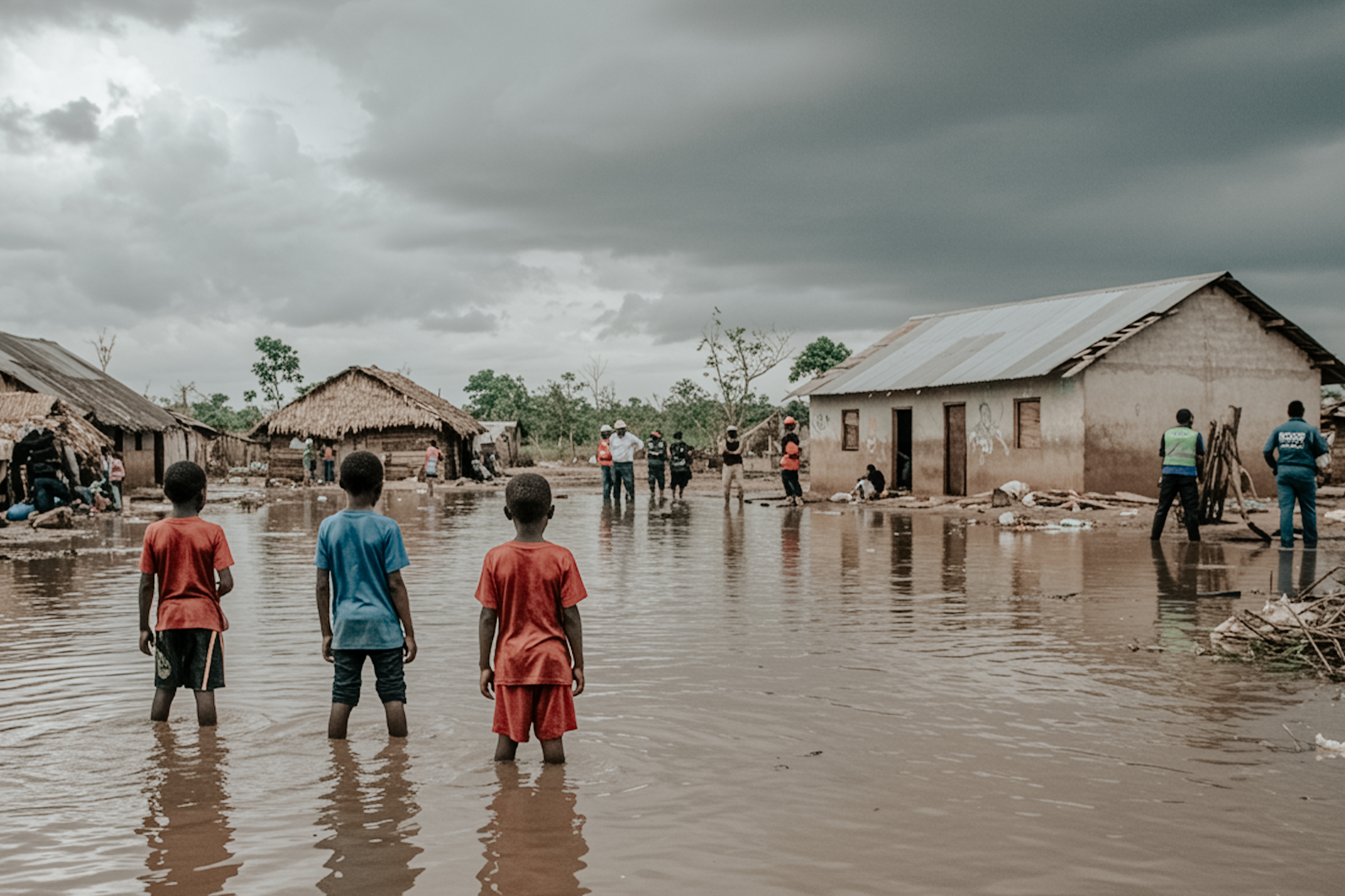
Climate Shocks Are Rising, Our Financial Response Isn’t
Recent floods and cyclones have displaced more than 720,000 people, destroyed schools and health facilities, and disrupted access to food and clean water, overwhelmingly affecting children and families already struggling with poverty and climate risk in Mozambique. These weather extremes are not isolated events: they reflect a relentless rise in climate-driven shocks.
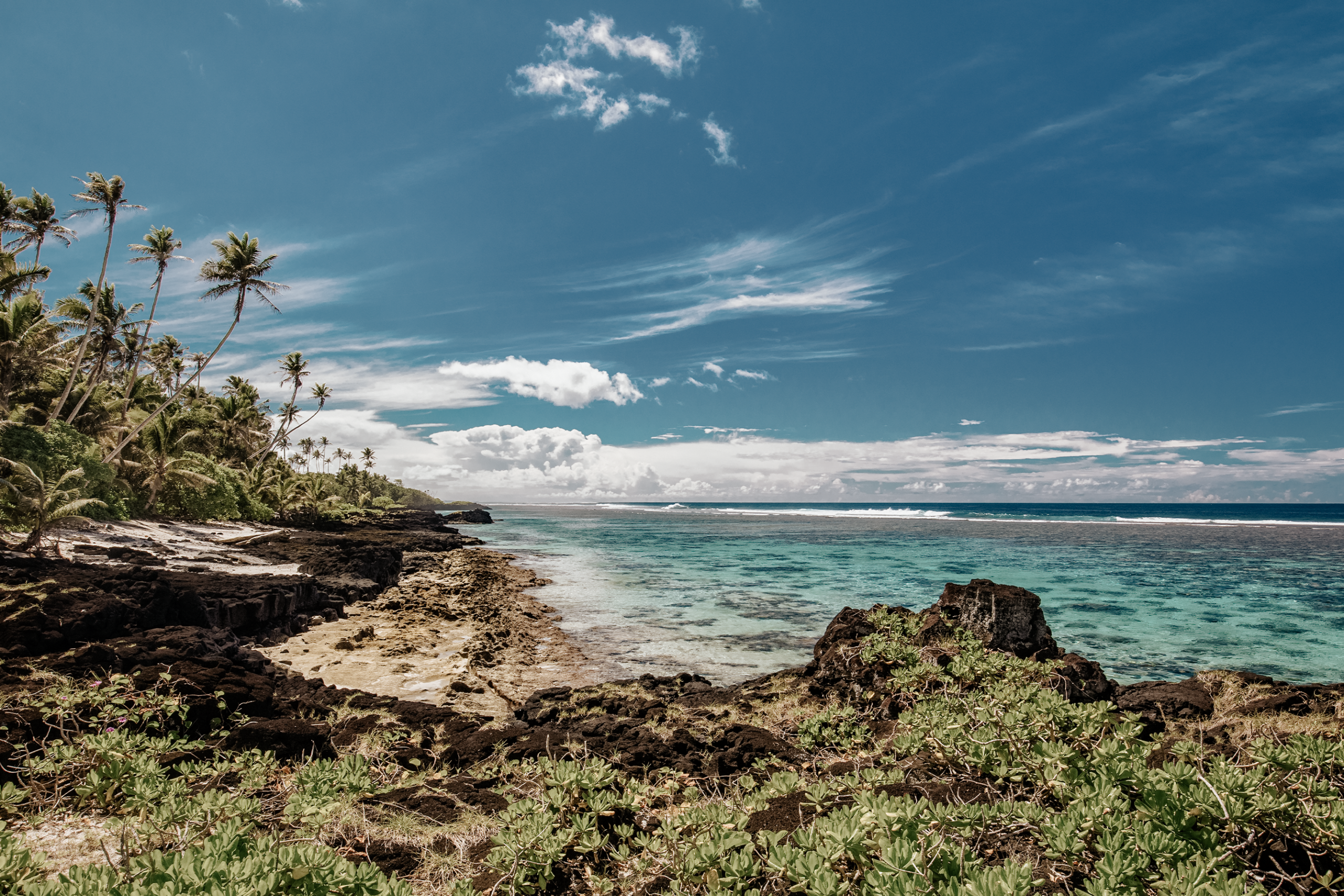
Samoa Shows Leadership in Early Warning System and Disaster Risk Management
Early warning and early action are among Samoa’s national strategic priorities, embedding multi-hazard early warning systems and disaster risk financing frameworks into the country’s governance landscape.
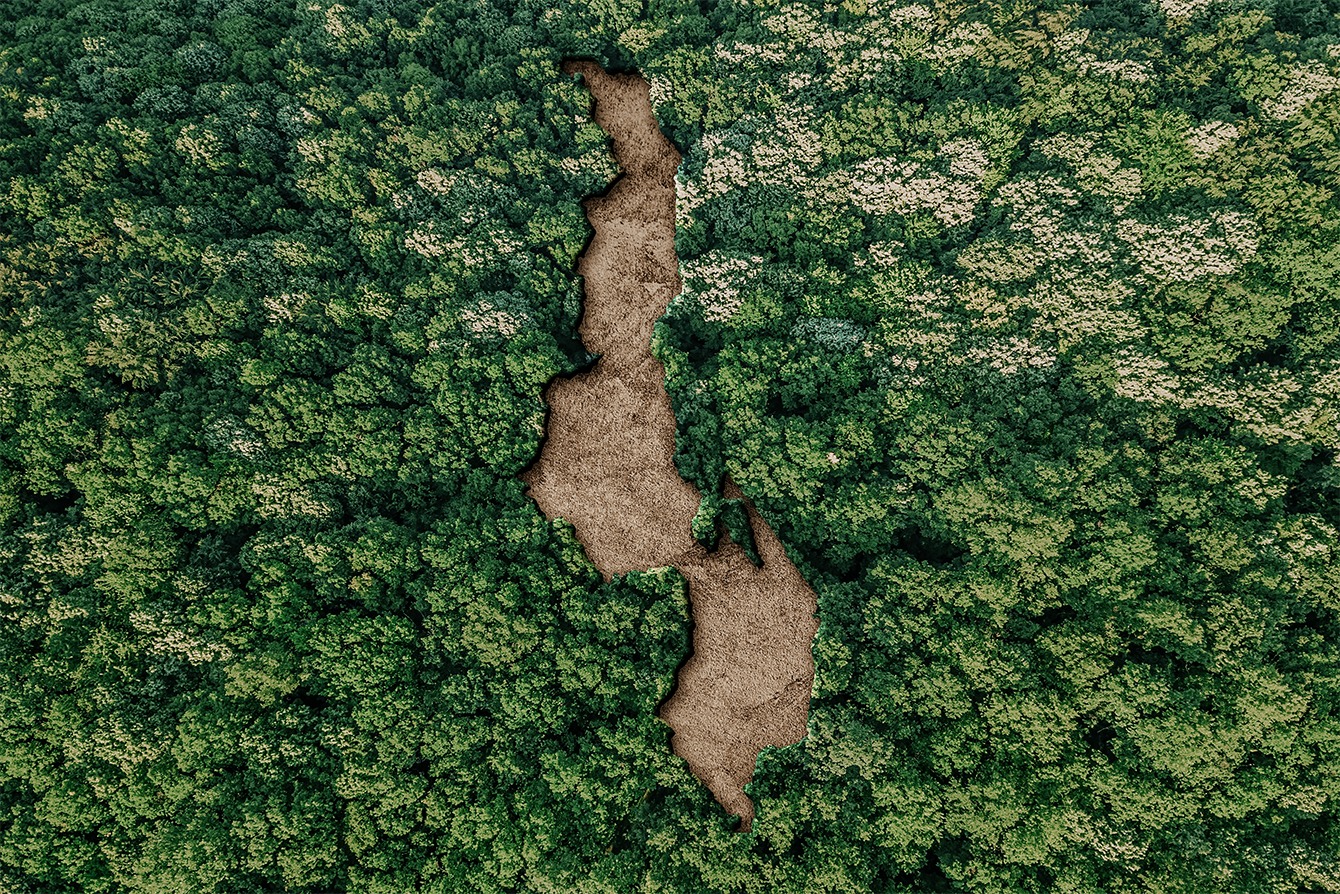
Malawi’s NDC Implementation: Lessons From the Past and Youth Priorities for NDC 3.0
Malawi, like many climate-vulnerable nations, has taken steady strides toward implementing its Nationally Determined Contribution (NDC) under the Paris Agreement. It has reaffirmed its commitment to reducing emissions, enhancing adaptation, and building climate resilience through its First Biennial Transparency Report (BTR1) and National Communication submitted to the United Nations Framework Convention on Climate Change (UNFCCC). Despite the commitment, there are efficient gains to be made in its next round of NDC 3.0, as revealed by the NDC 2.0 stocktake.
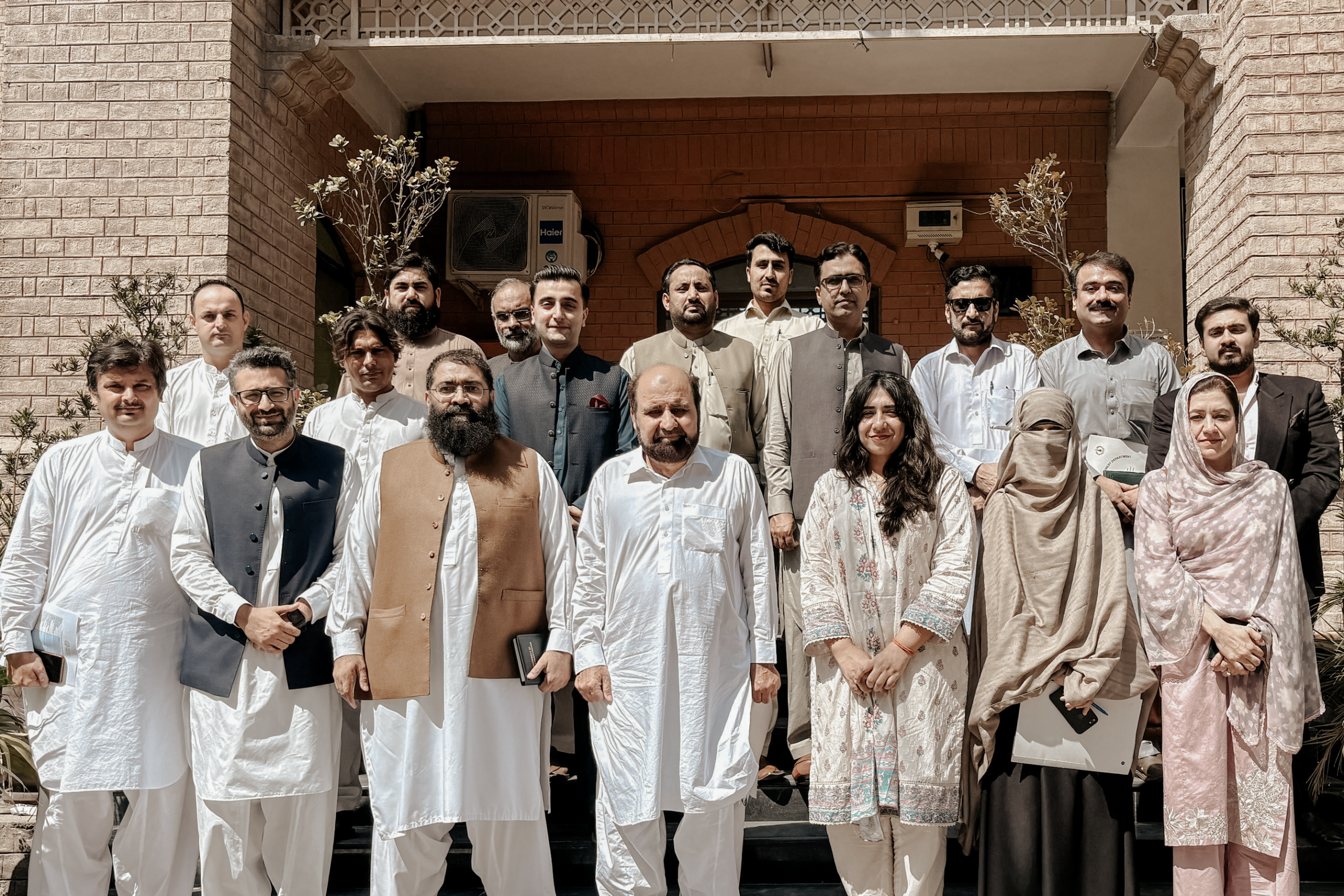
Khyber Pakhtunkhwa Charts Path for Climate-Linked Investments
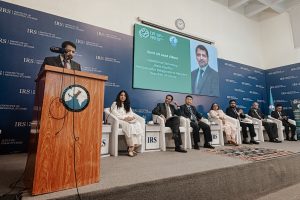
As part of the ongoing in-country consultations for the Pakistan Climate Prosperity Plan (CPP), the CVF-V20 delegation held a high-level roundtable with the Planning and Development Department (P&DD) of the Province of Khyber Pakhtunkhwa (KP) on October 9 in Peshawar. The session brought together key provincial departments, including forestry, environment, wildlife, transport, energy, and infrastructure, to align KP’s climate priorities with the CPP framework and explore financing pathways for sustainable development.
Bringing Climate Adaptation Finance Closer to Filipino Communities
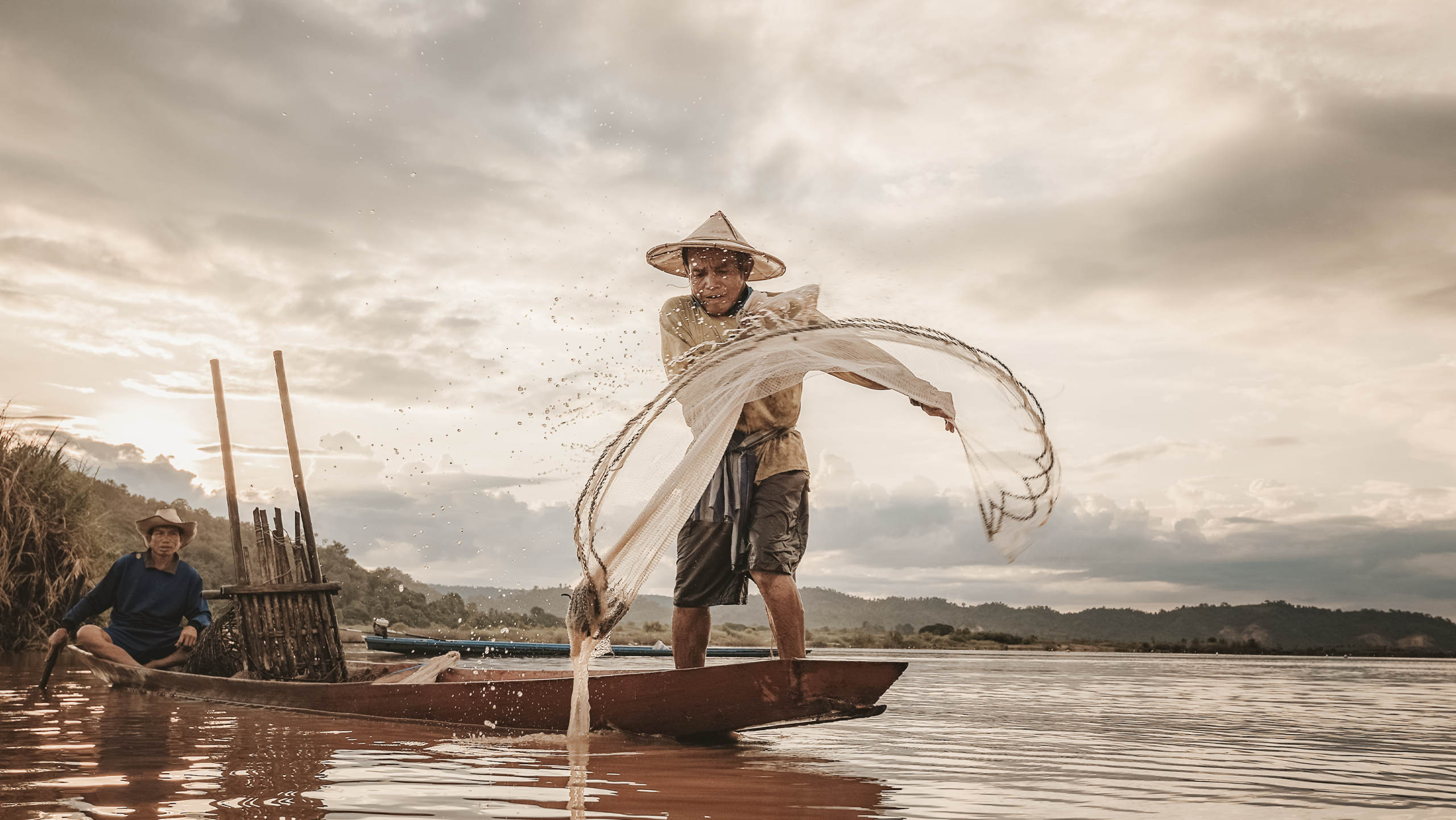
The Philippines’ Department of Finance (DOF) is leading the charge to enhance local government access to the People’s Survival Fund (PSF), the country’s flagship climate adaptation financing mechanism.
Kyrgyz Leads Global Efforts in Mountain Ecosystem Conservation
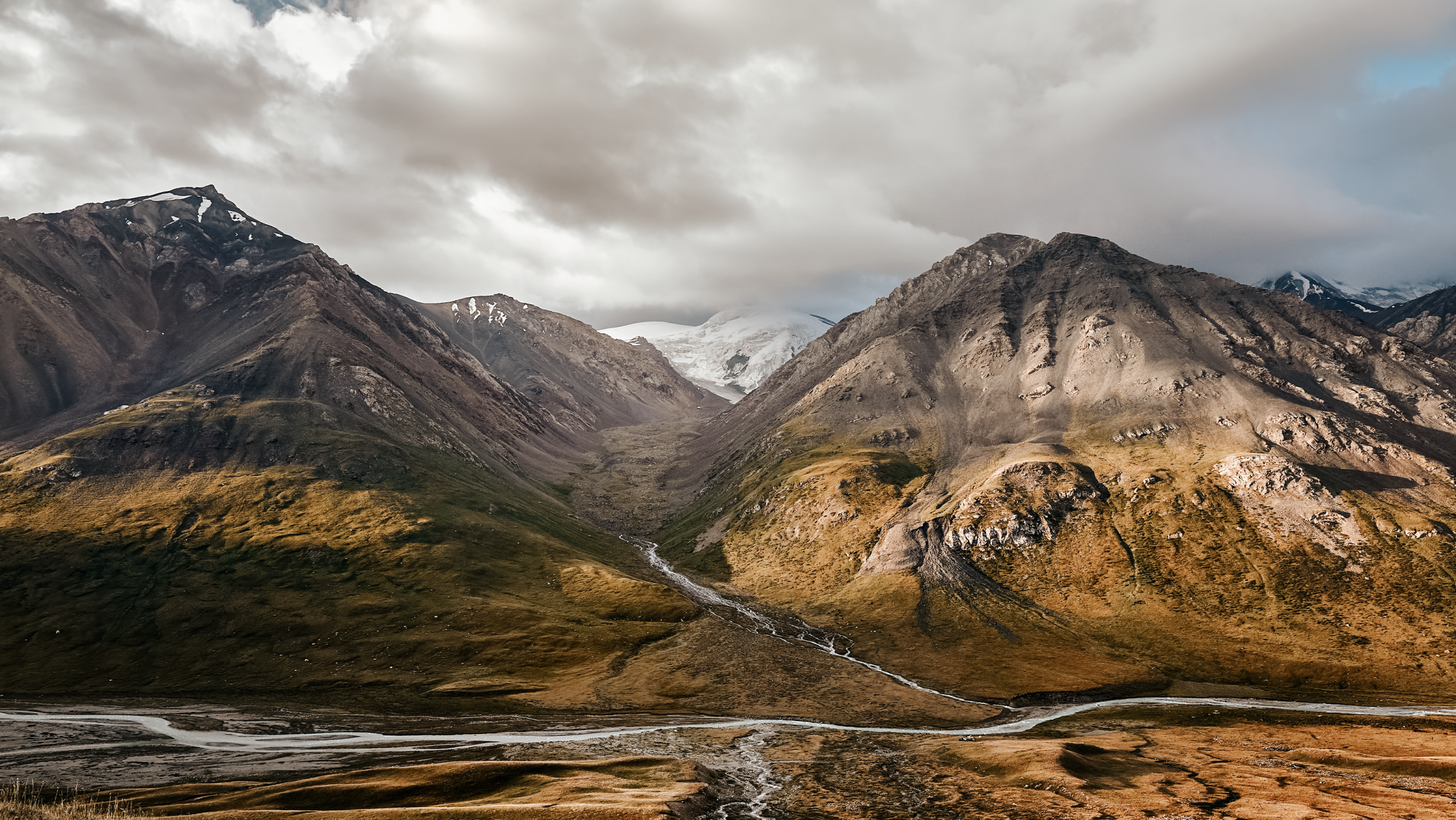
At UNGA 80, The Kyrgyz Republic’s President, H.E. Sadyr Japarov, issued a powerful call to the international community: to support and endorse the Declaration of COP-29 on Climate, Mountains, and Glaciers as a decisive step in mobilizing ambitious initiatives to protect the mountain ecosystems across the globe.
Africa’s Youth Don’t Need a Seat at the Table; They’re Building a New One
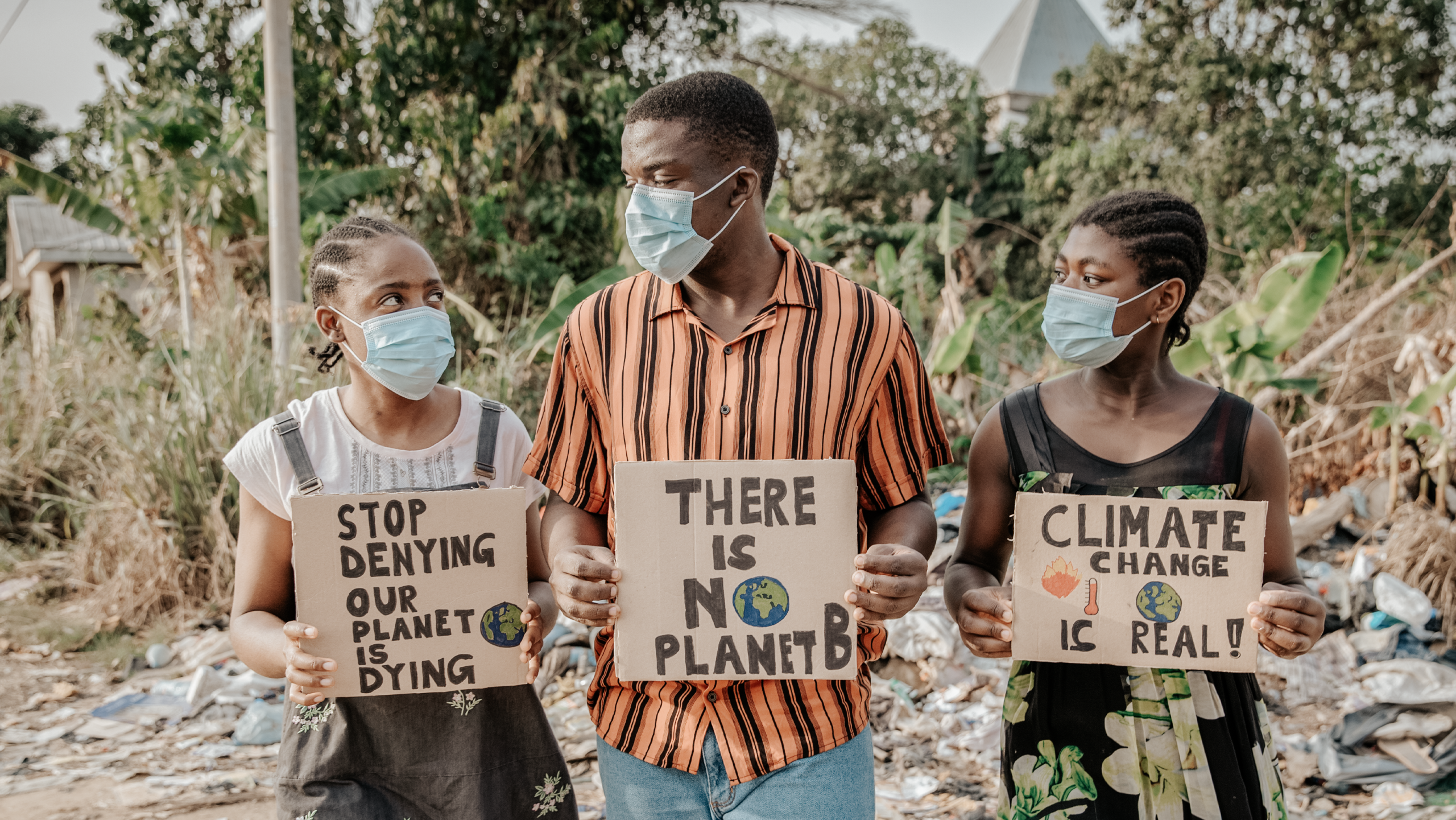
Africa’s youth don’t need saving. They need space, trust, and investment that matches their pace. They’re already powering homes, restoring forests, building apps, and running circular businesses that keep waste out of the environment. Every solar panel, reforested hill, and electric motor is a quiet rejection of the idea that Africa must wait to be helped.