
Costa Rica’s “Más Mujer, Más Natura”
Costa Rica’s Más Mujer, Más Natura (More Women, More Nature) program is rewriting the script for rural empowerment. Launched in 2020 as a collaborative effort between the Ministry of Environment and Energy (MINAE), the United Nations Development Programme (UNDP), and the Office of the First Vice President, the program addresses a long-standing paradox: while women are often the primary stewards of local biodiversity, they frequently lack the land titles and capital to access traditional conservation incentives.
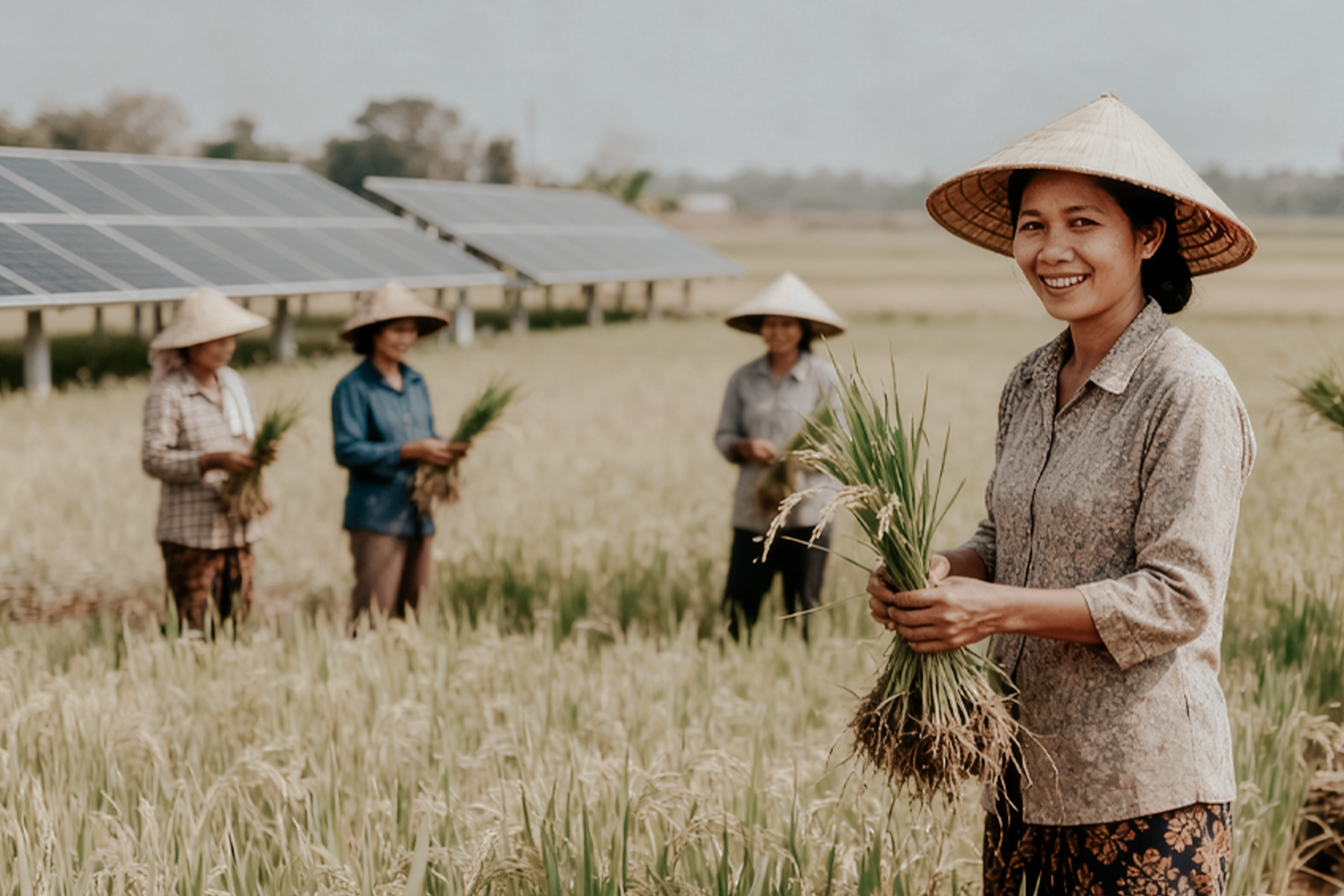
Women at the Core of Cambodia’s Green Economy Revolution
Cambodia recognizes women’s leadership as a robust accelerator of green economic development as the country approaches graduation from Least Developed Country status in 2029, seeking higher productivity, diversified growth, and greater uptake of green digitalization. Women are rising beyond perceptions of vulnerability, positioning themselves as champions of climate prosperity and sustainable development.
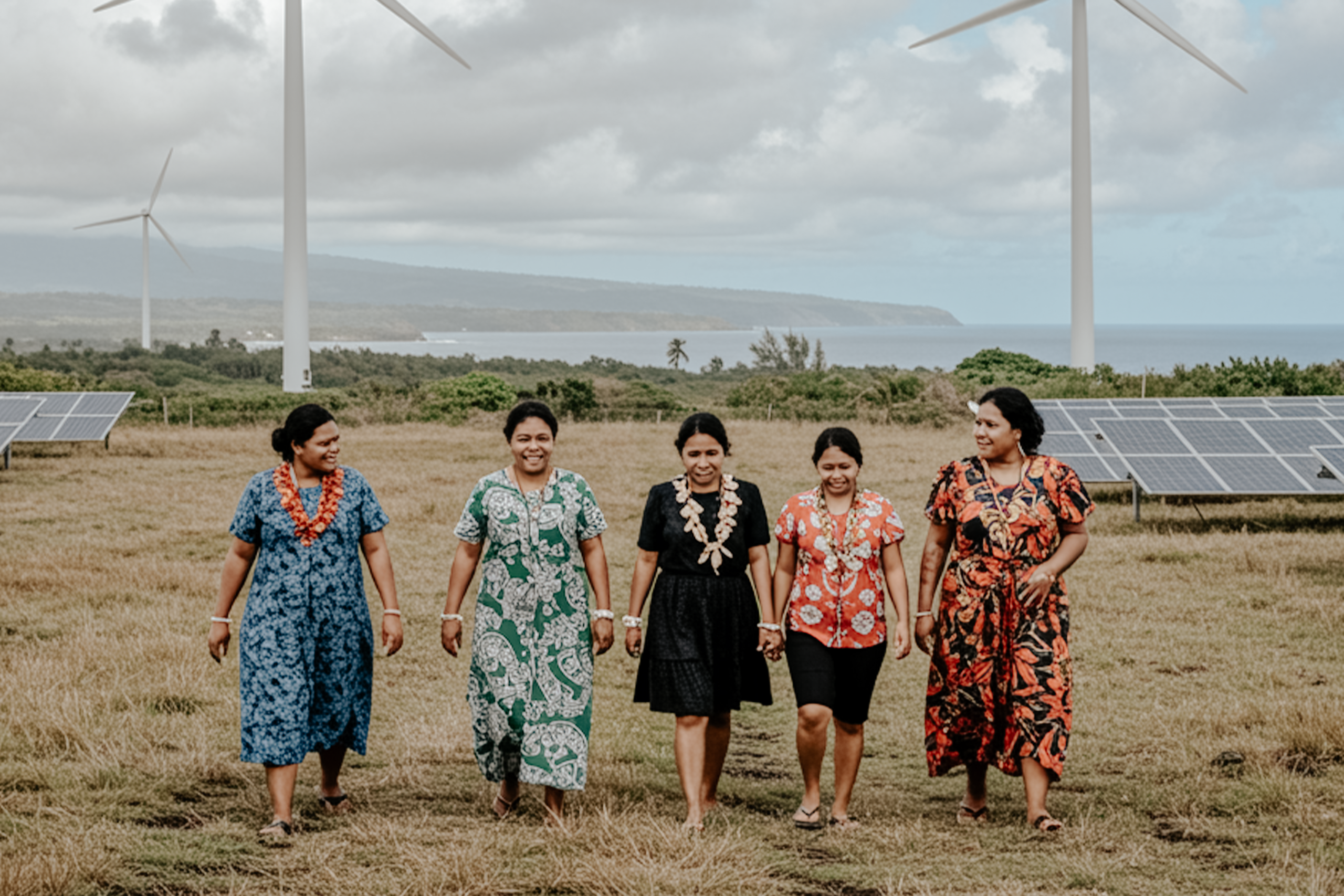
Pacific Women and the Call for Climate Justice
When island nations and regional allies presented their case before the International Court of Justice, women leaders, lawyers, and youth advocates were instrumental in building arguments that led to a landmark 2025 Advisory Opinion affirming states’ obligations to protect the climate and human rights.
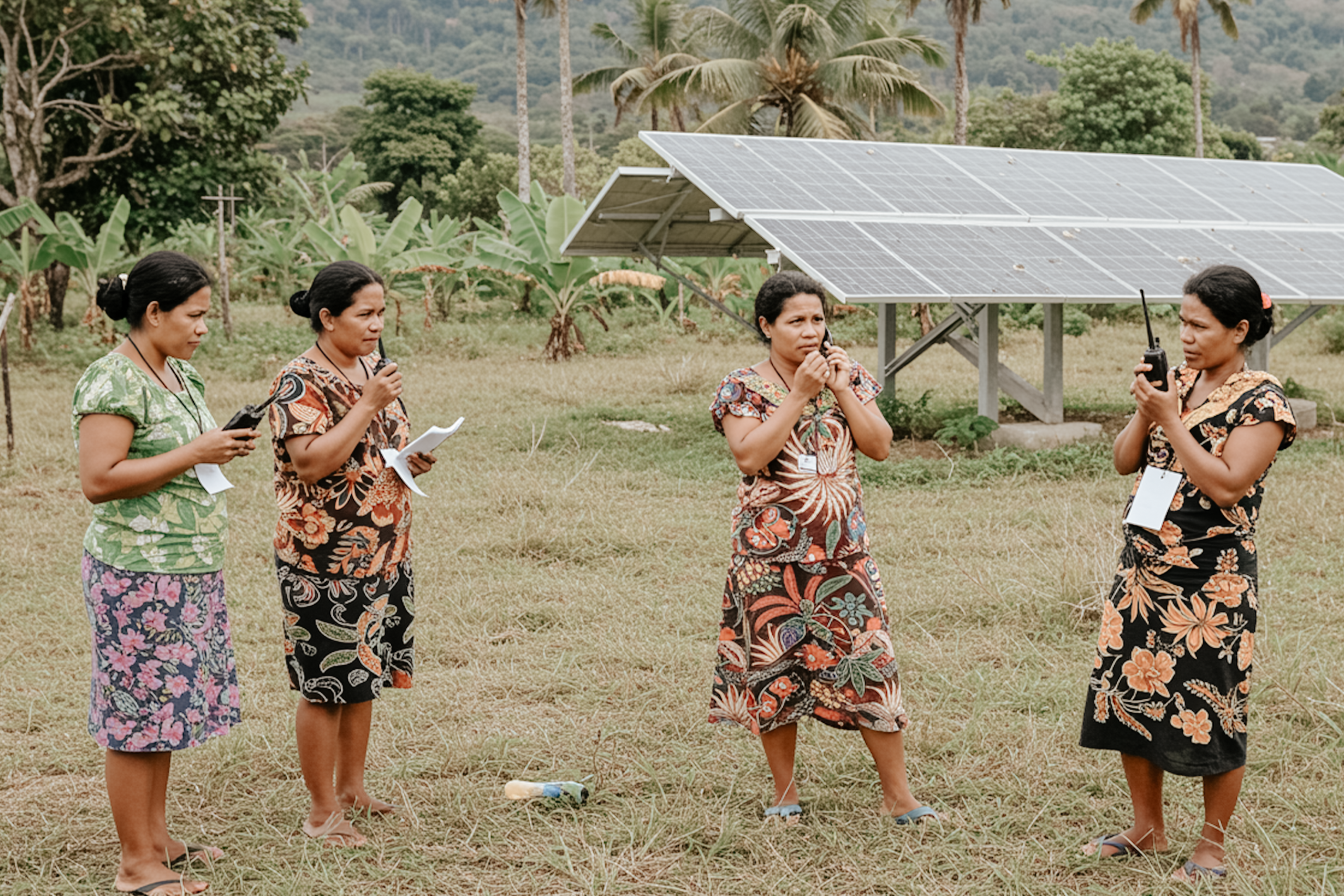
Ni-Vanuatu Women Lead Disaster Response and Climate Action
Vanuatu is among the nations most vulnerable to the climate crisis. These environmental shifts often worsen existing socioeconomic gaps, disproportionately pushing women toward poverty and marginalization. Despite these challenges, Ni-Vanuatu women have emerged as resilient leaders, transforming how their communities prepare for and recover from disasters.
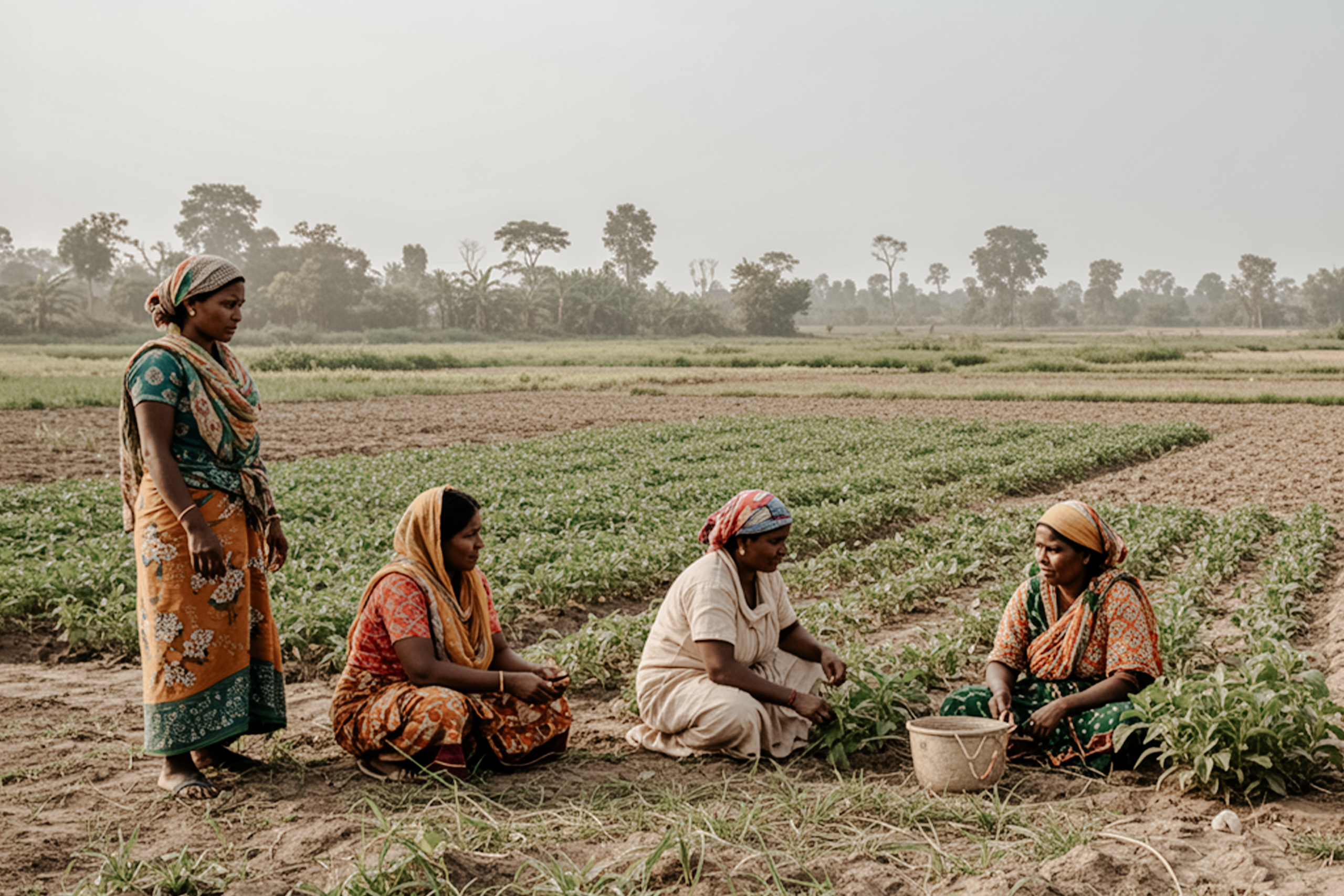
Gender-Responsive Climate Action in Bangladesh and Kenya
The worsening impacts of climate change are exposing gaps in financial and social systems while reshaping societies, with women often on the frontlines—managing households, securing resources, and caring for families under growing stress. The crisis exacerbates existing gender inequalities, yet women’s voices are largely missing from the policies meant to protect them. Without a gender-focused approach, millions of women and girls risk being pushed into extreme poverty, amplifying social and economic disparities worldwide.
Climate Shocks Are Rising, Our Financial Response Isn’t
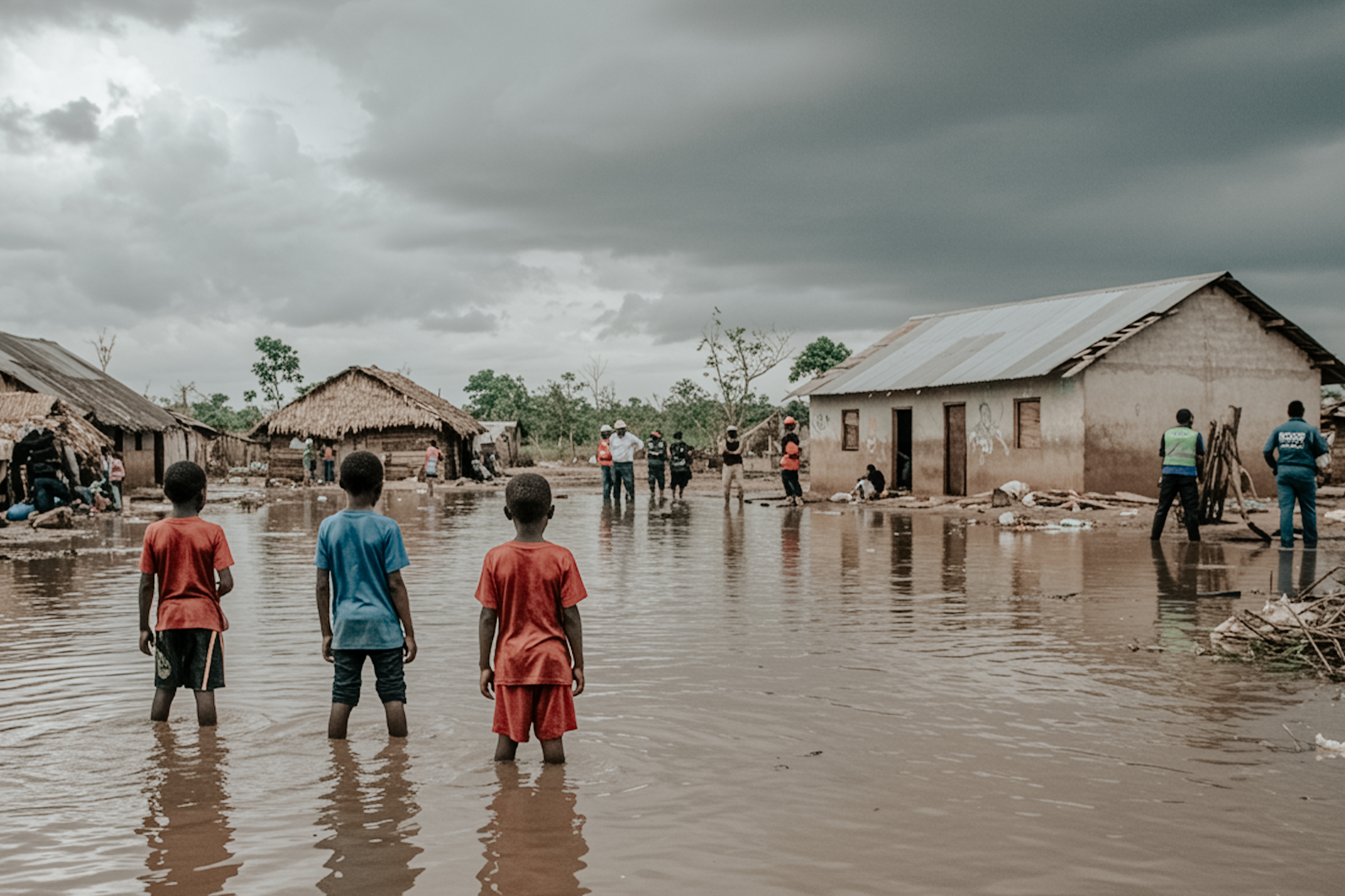
Recent floods and cyclones have displaced more than 720,000 people, destroyed schools and health facilities, and disrupted access to food and clean water, overwhelmingly affecting children and families already struggling with poverty and climate risk in Mozambique. These weather extremes are not isolated events: they reflect a relentless rise in climate-driven shocks.
Advancing Climate Investment Pathways in Pakistan
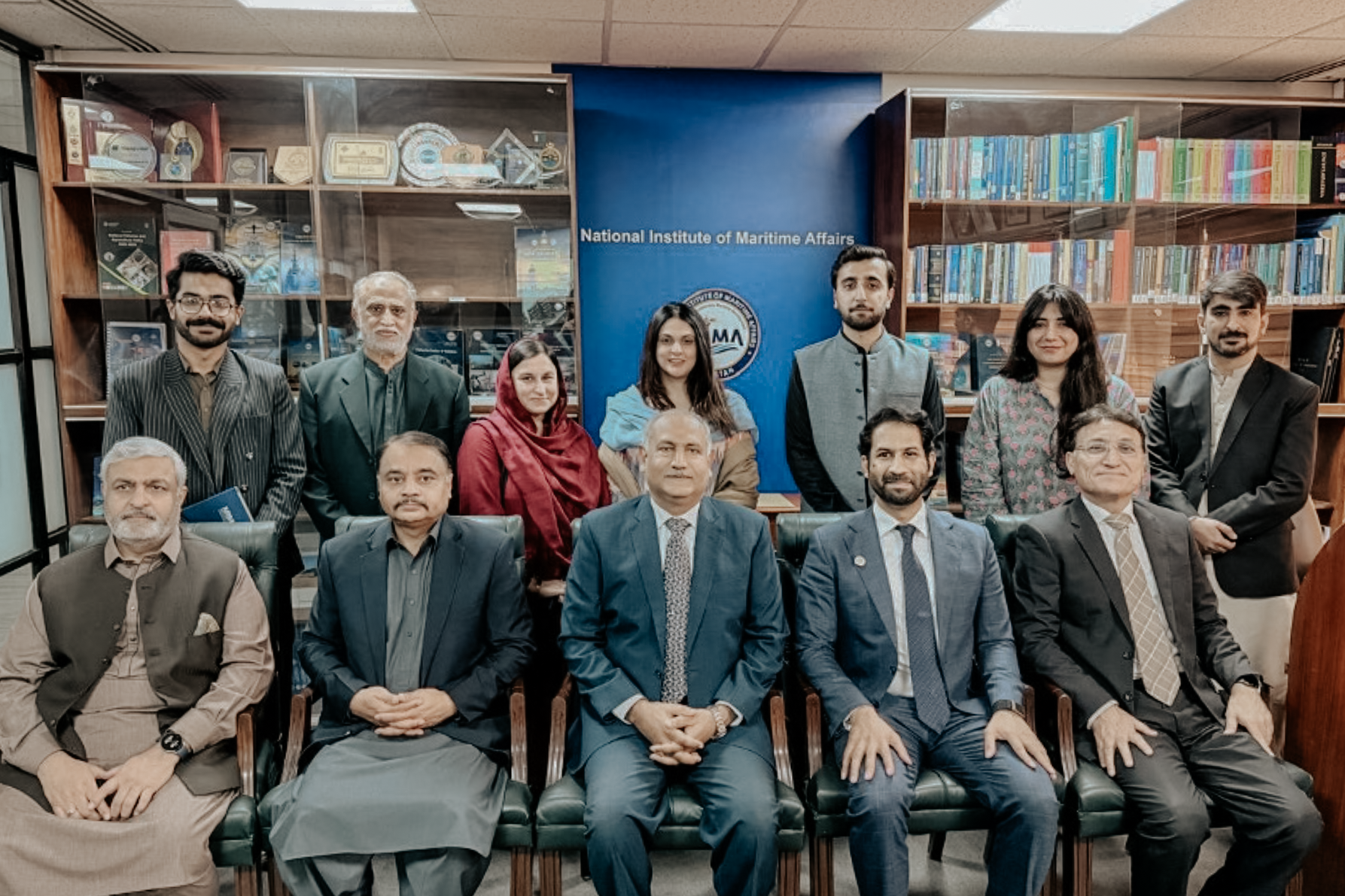
In February, a series of engagements with key institutions across Pakistan explored ways to strengthen the investment pipeline under the country’s Climate Prosperity Plan (CPP). The CVF-V20 South Asia team met with a range of stakeholders to discuss how sector reforms, research initiatives, and large-scale programs can be translated into bankable projects that attract international investment across infrastructure, renewable energy, agriculture, and the blue economy.
Fiji Strengthens Ocean Governance with 30×30 Targets
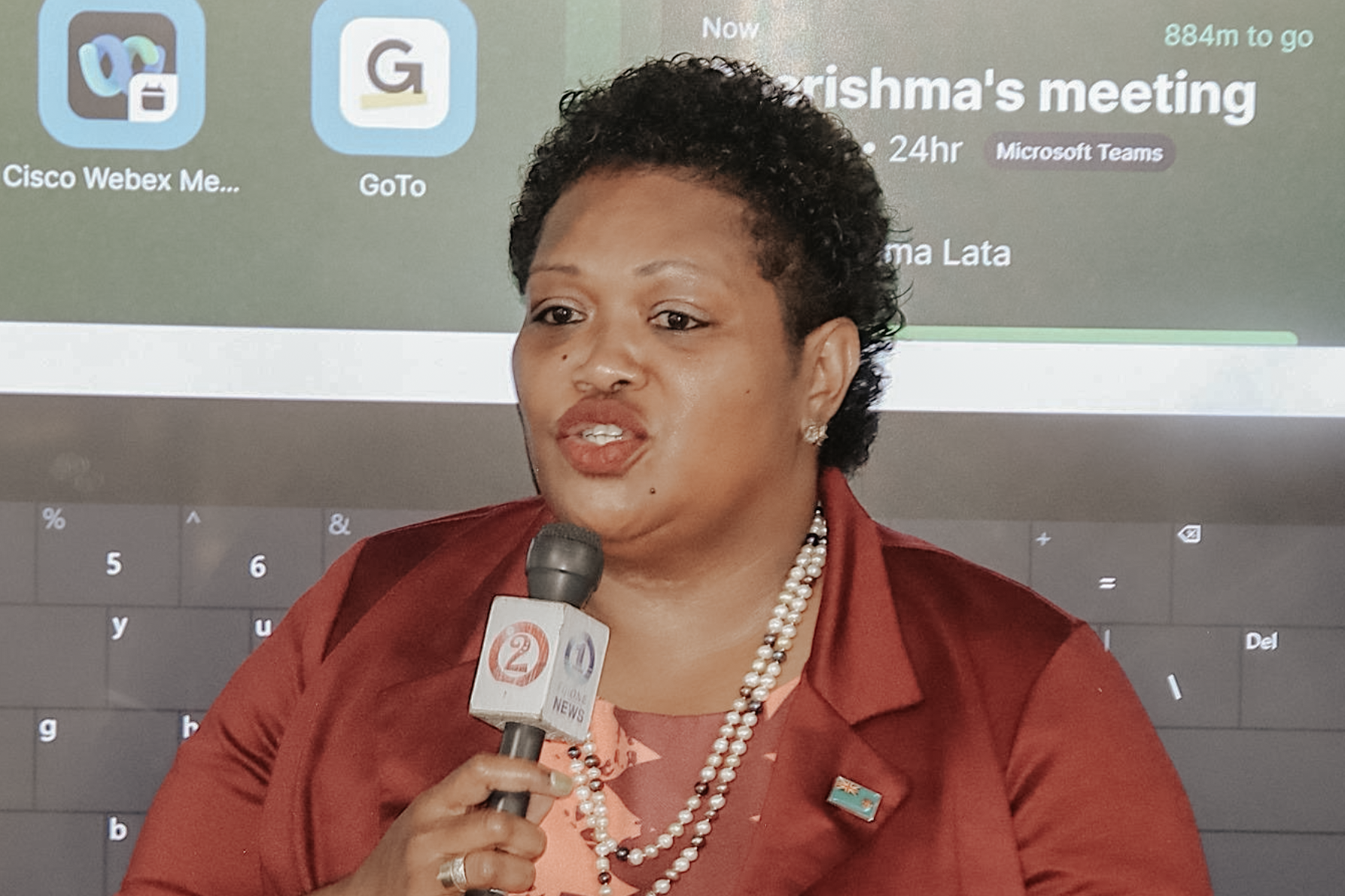
Fiji is taking its ocean governance to new heights with a revitalized commitment to protect 30% of its water by 2030. At the heart of this conservation initiative lies a rigorous, evidence-based, data-driven discussion among experts and government officials. With the Ministry of Fisheries at the forefront of this movement, Fiji is ensuring that its country-wide efforts align with the global 30×30 Initiative and international obligations under the Western and Central Pacific Fisheries Commission.
Empowering Communities: Accelerating Local Renewable Energy Transition in the Philippines
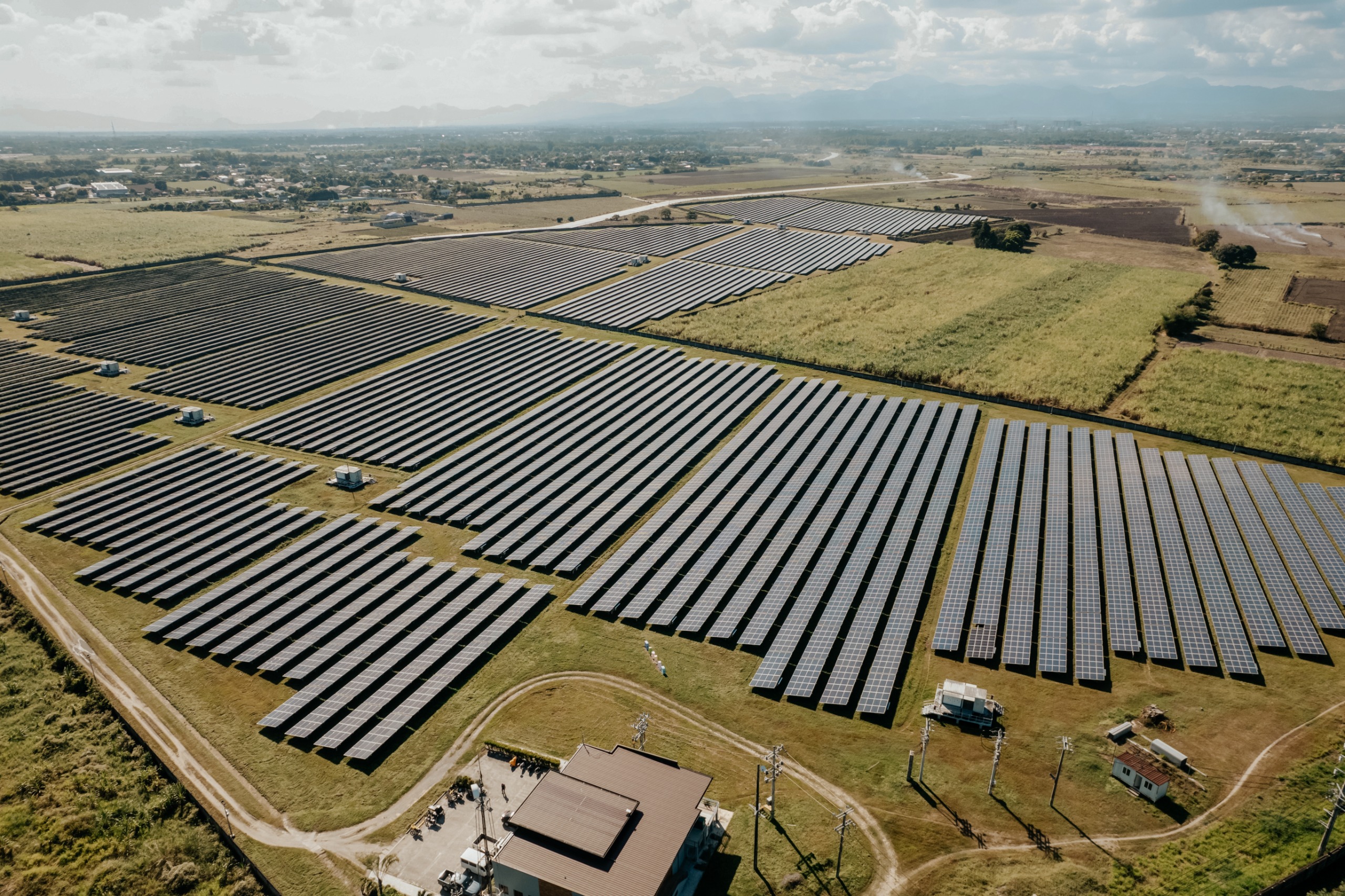
Subnational governance and local community participation emerges vital in realizing the ambitious renewable energy targets of the Philippines—achieving a 35% renewable energy share in the power generation mix by 2030, 50% by 2040, and more than 50% by 2050.
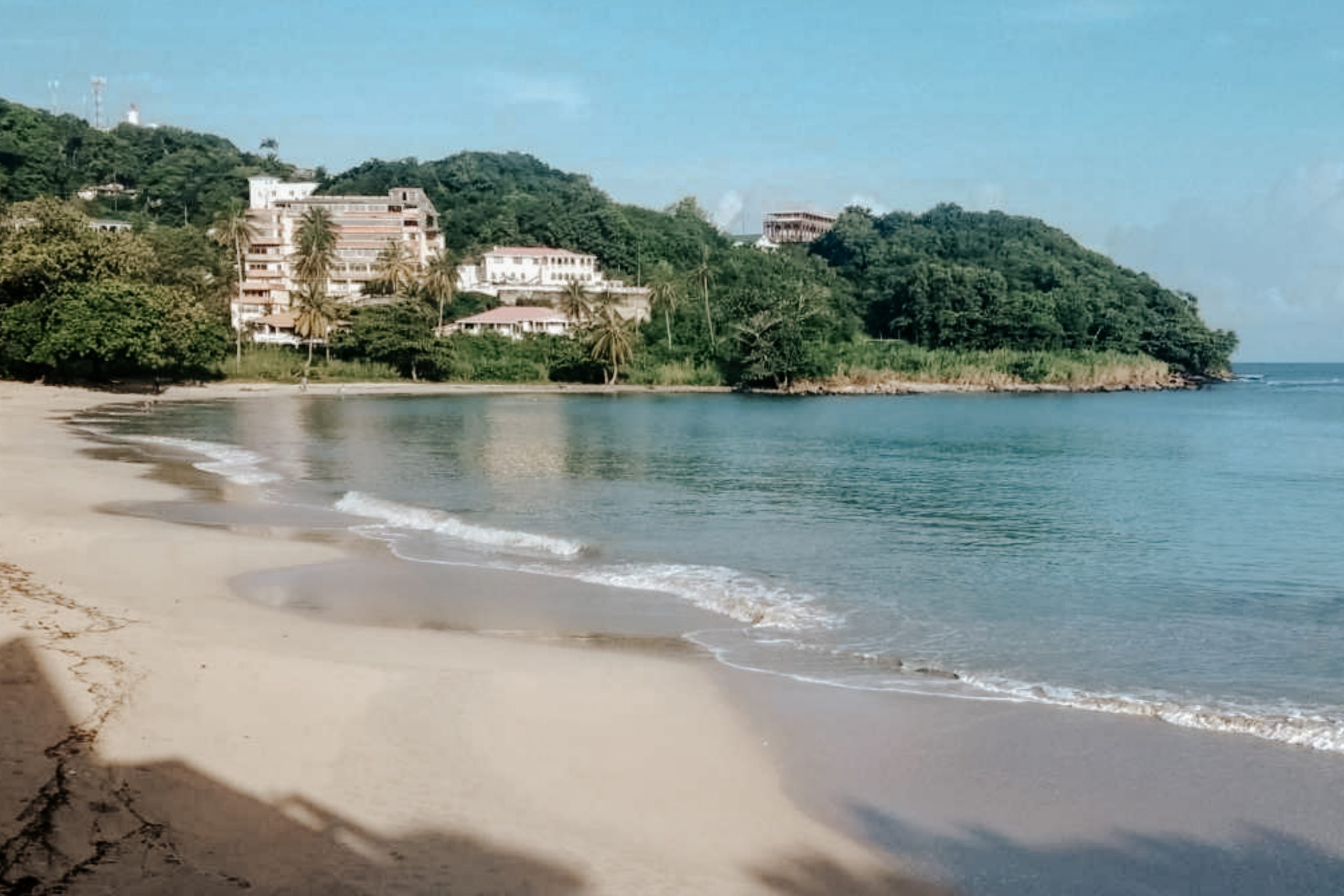
Care for the Blue Economy: Saint Lucia Charts a Sustainable Course
Saint Lucia is championing sustainable ocean governance with comprehensive blue economy strategies designed to strengthen economic resilience and foster inclusive growth.
The Coastal and Marine Spatial Plan, developed under the Caribbean Regional Oceanscape Project, provides a roadmap for the sustainable and equitable use of the coastal and marine spaces, protection of coastal and marine ecosystems, and management of land-water interactions.
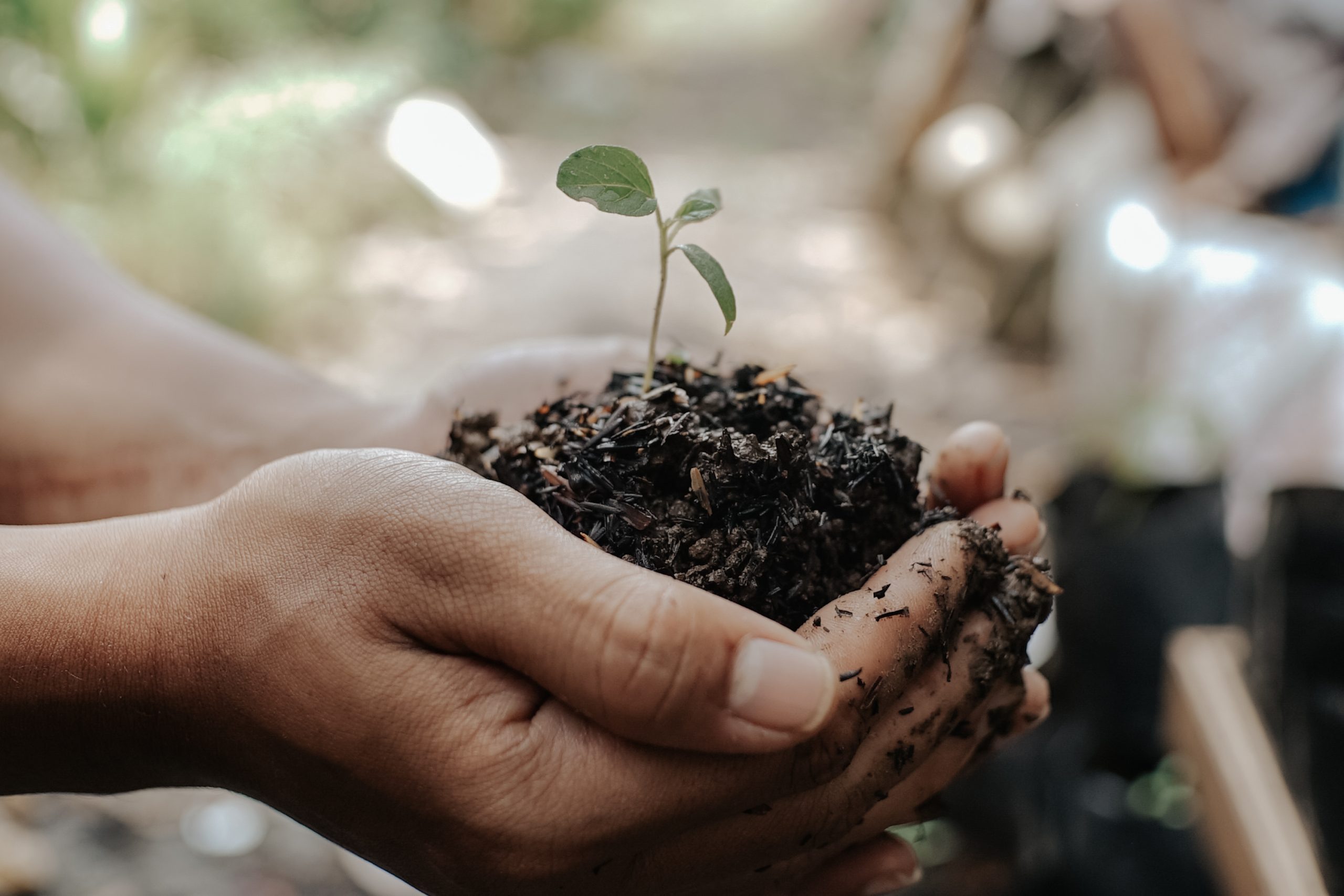
The Right Union: Gabon Proves Conservation and Economic Growth Can Coexist
The Gabonese Republic has been classified as a high-forest low-deforestation country, with a recorded deforestatizgreon rate of just 0.6%. This remarkable outcome highlights the impact of forward-looking national policies and ambitious government commitments amid mounting threats of forest degradation across Africa.
Market Romance: Paraguay’s Carbon Credit Innovation and Climate Investments
With strong legislative enforcement of the Carbon Credit Law, the Republic of Paraguay is advancing environmental protection and conservation in the Chaco region, supporting projects that safeguard ecosystems while attracting over USD 10 million in responsible investment. At the same time, the country is expanding certification processes across more than 400,000 hectares, strengthening long-term stewardship of forests, biodiversity, and natural carbon sinks.