Reflections on the “Implementation COP”
By Ms. Isabel Andam, CVF Youth Fellow COP has always been a forum in which countries can come together, in spite of geopolitical conflicts, to
Is the Day of Implementation Coming?
By Mr. Almustafa Mohamed Hussein Abbas, CVF Youth Fellow Sudan is one of the least developed countries in Africa and one of the most vulnerable to
Was COP Really COPing?
By Mr. Jodahi Petros, CVF Youth Fellow The days I spent preparing and packing for COP27 were among the most conflicting I’ve had in quite
Do We Have an Option?
By Mr. Humphrey Mrema, CVF Youth Fellow COP27 was said to be the COP For Implementation. Others called it the COP for Developing Countries. Whatever
COP27: Outcomes and Implications for Ethiopia
By Mr. Eyob Tenkir, CVF Capacity-Building Fellow COP27 – sometimes referred to as the ‘Implementation COP’ – was pivotal for Climate Vulnerable Forum nations such
COP7 Can and Must Deliver for Africa and Other Developing Nations
By Mr. Derek Sarfo-Yiadom, CVF Capacity-Building Fellow Climate change is undoubtedly one of the biggest challenges currently facing Ghana, with the impact of a warming
Advancing Climate Investment Pathways in Pakistan
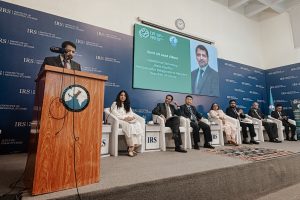
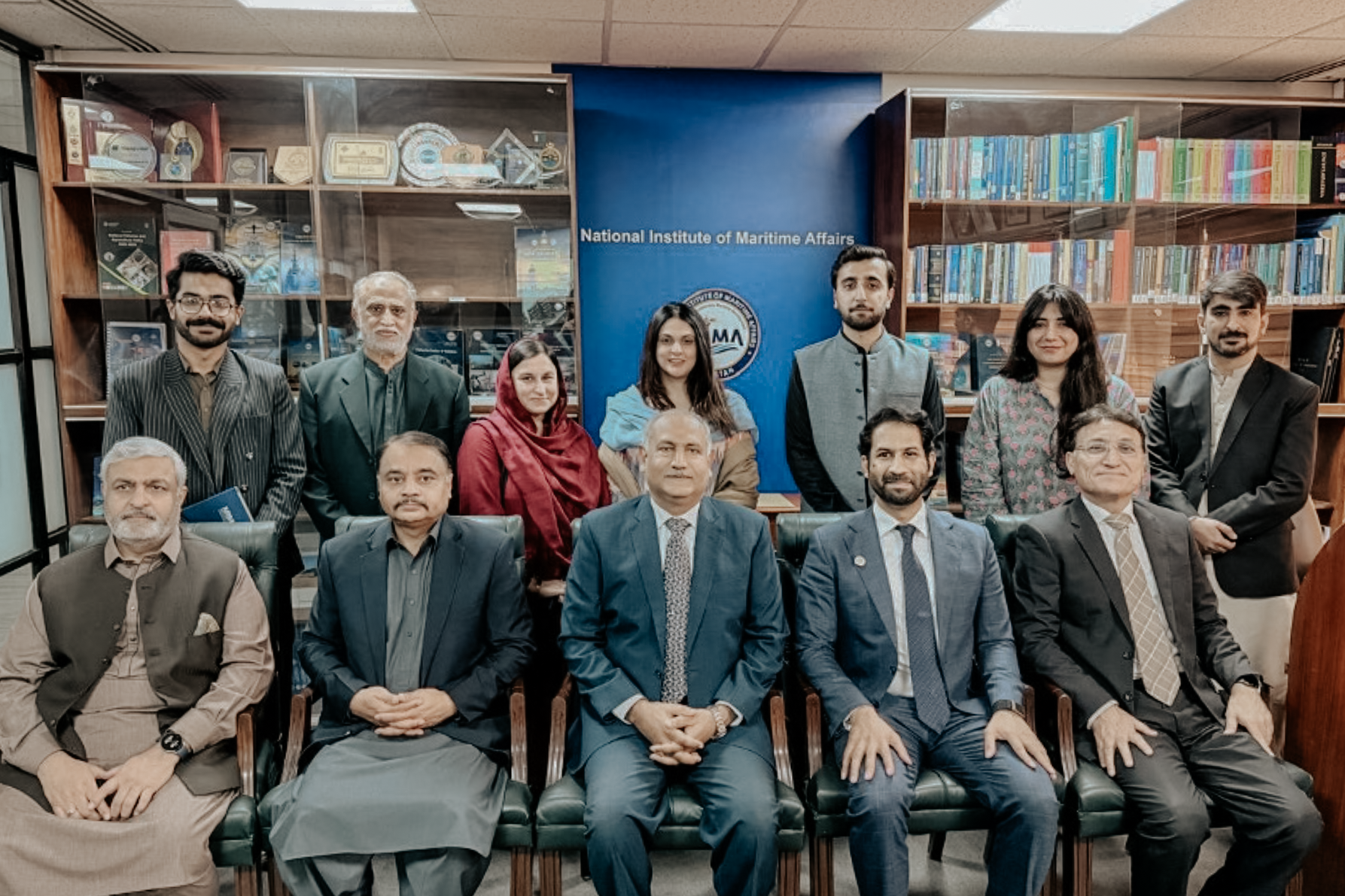
In February, a series of engagements with key institutions across Pakistan explored ways to strengthen the investment pipeline under the country’s Climate Prosperity Plan (CPP). The CVF-V20 South Asia team met with a range of stakeholders to discuss how sector reforms, research initiatives, and large-scale programs can be translated into bankable projects that attract international investment across infrastructure, renewable energy, agriculture, and the blue economy.
Fiji Strengthens Ocean Governance with 30×30 Targets
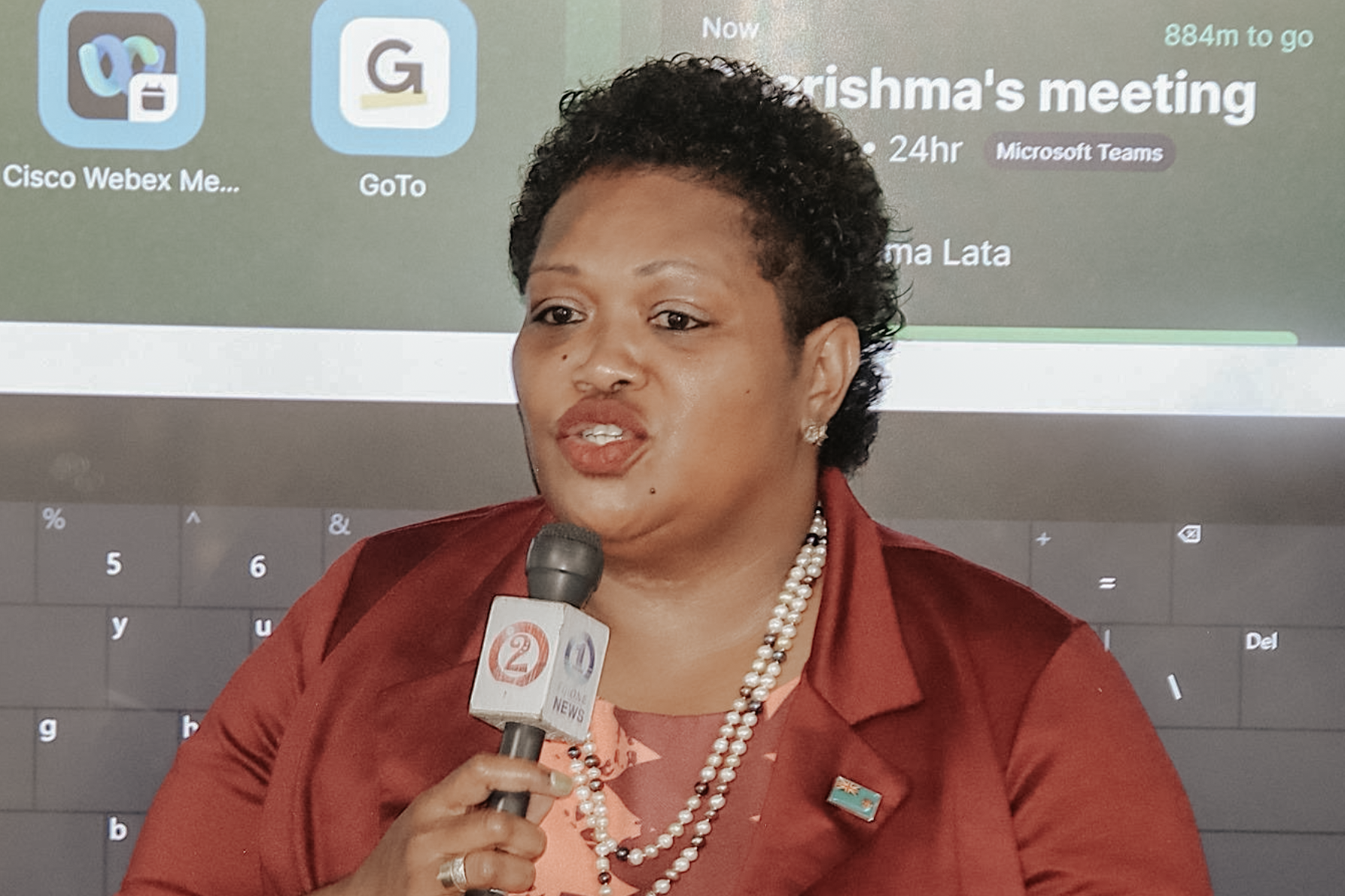
Fiji is taking its ocean governance to new heights with a revitalized commitment to protect 30% of its water by 2030. At the heart of this conservation initiative lies a rigorous, evidence-based, data-driven discussion among experts and government officials. With the Ministry of Fisheries at the forefront of this movement, Fiji is ensuring that its country-wide efforts align with the global 30×30 Initiative and international obligations under the Western and Central Pacific Fisheries Commission.
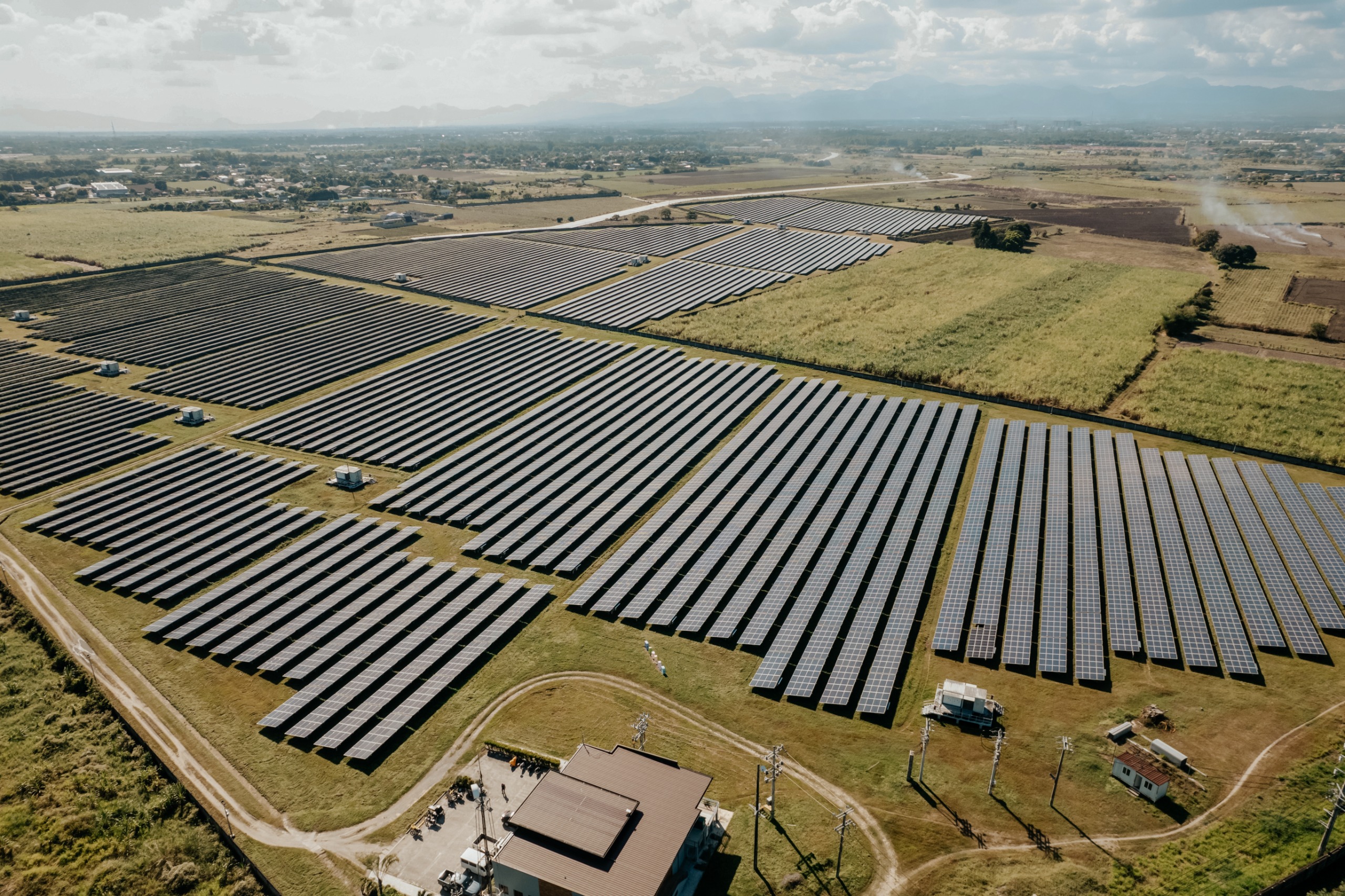
Empowering Communities: Accelerating Local Renewable Energy Transition in the Philippines
Subnational governance and local community participation emerges vital in realizing the ambitious renewable energy targets of the Philippines—achieving a 35% renewable energy share in the power generation mix by 2030, 50% by 2040, and more than 50% by 2050.
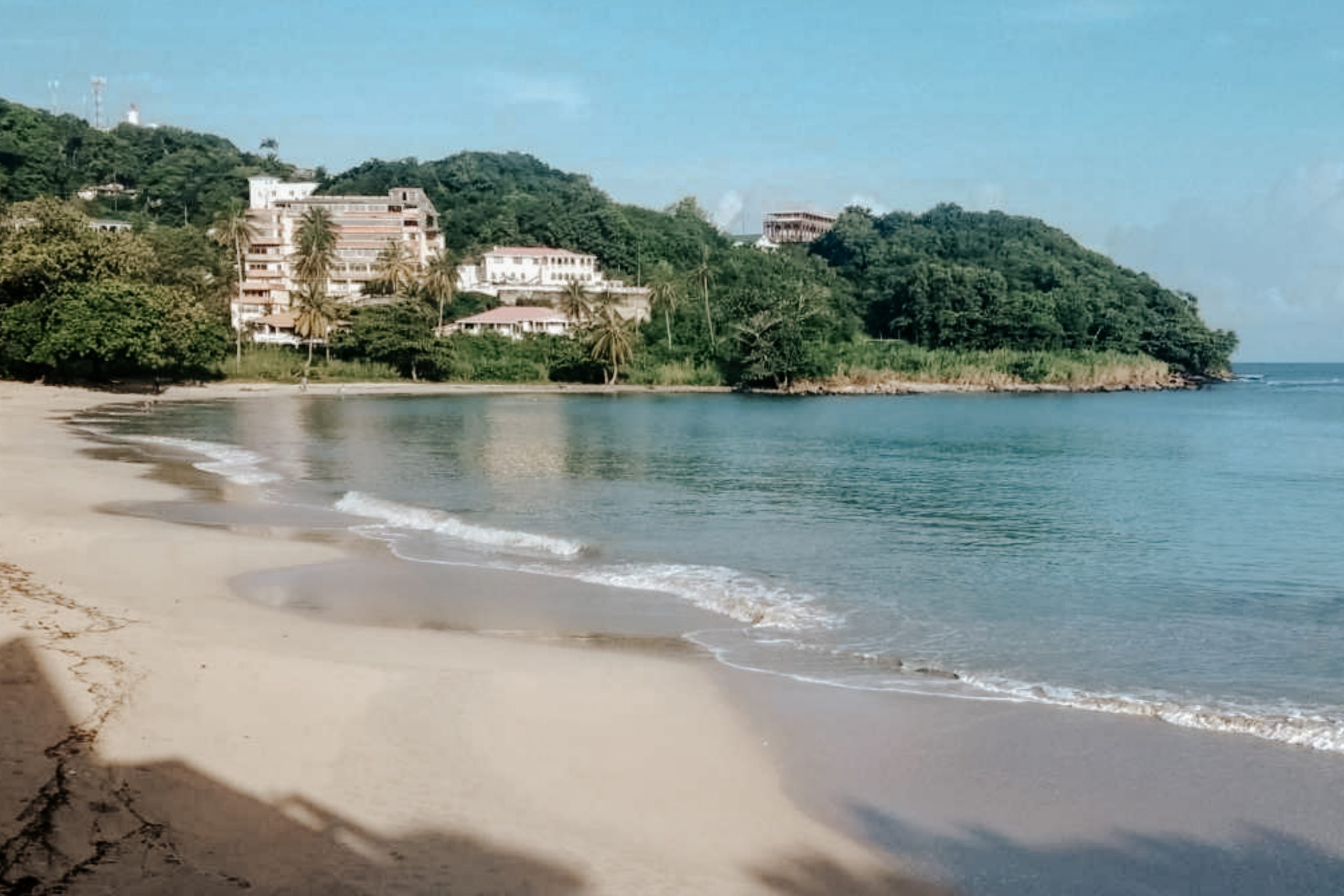
Care for the Blue Economy: Saint Lucia Charts a Sustainable Course
Saint Lucia is championing sustainable ocean governance with comprehensive blue economy strategies designed to strengthen economic resilience and foster inclusive growth.
The Coastal and Marine Spatial Plan, developed under the Caribbean Regional Oceanscape Project, provides a roadmap for the sustainable and equitable use of the coastal and marine spaces, protection of coastal and marine ecosystems, and management of land-water interactions.
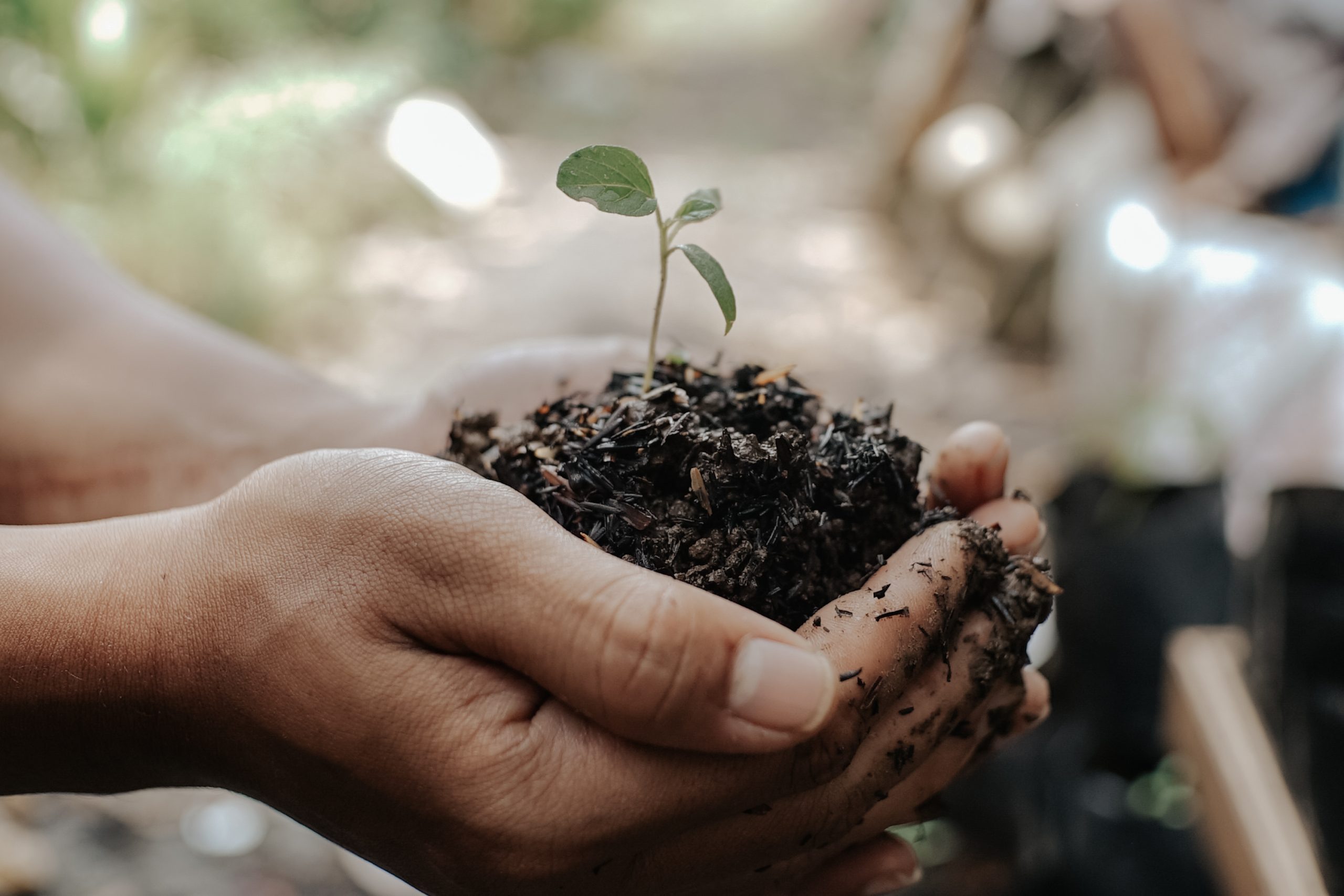
The Right Union: Gabon Proves Conservation and Economic Growth Can Coexist
The Gabonese Republic has been classified as a high-forest low-deforestation country, with a recorded deforestatizgreon rate of just 0.6%. This remarkable outcome highlights the impact of forward-looking national policies and ambitious government commitments amid mounting threats of forest degradation across Africa.
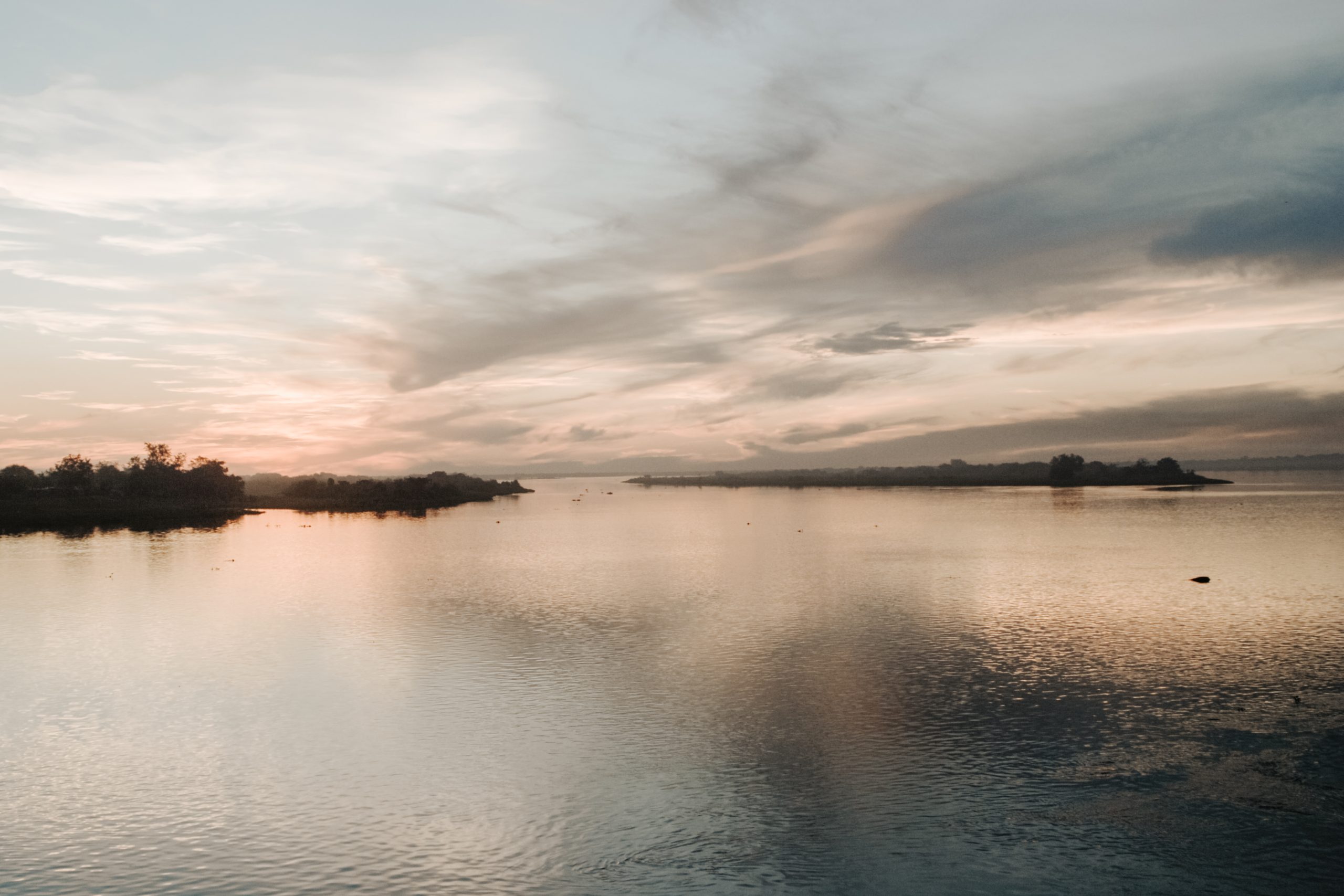
Market Romance: Paraguay’s Carbon Credit Innovation and Climate Investments
With strong legislative enforcement of the Carbon Credit Law, the Republic of Paraguay is advancing environmental protection and conservation in the Chaco region, supporting projects that safeguard ecosystems while attracting over USD 10 million in responsible investment. At the same time, the country is expanding certification processes across more than 400,000 hectares, strengthening long-term stewardship of forests, biodiversity, and natural carbon sinks.