
Costa Rica’s “Más Mujer, Más Natura”
Costa Rica’s Más Mujer, Más Natura (More Women, More Nature) program is rewriting the script for rural empowerment. Launched in 2020 as a collaborative effort between the Ministry of Environment and Energy (MINAE), the United Nations Development Programme (UNDP), and the Office of the First Vice President, the program addresses a long-standing paradox: while women are often the primary stewards of local biodiversity, they frequently lack the land titles and capital to access traditional conservation incentives.
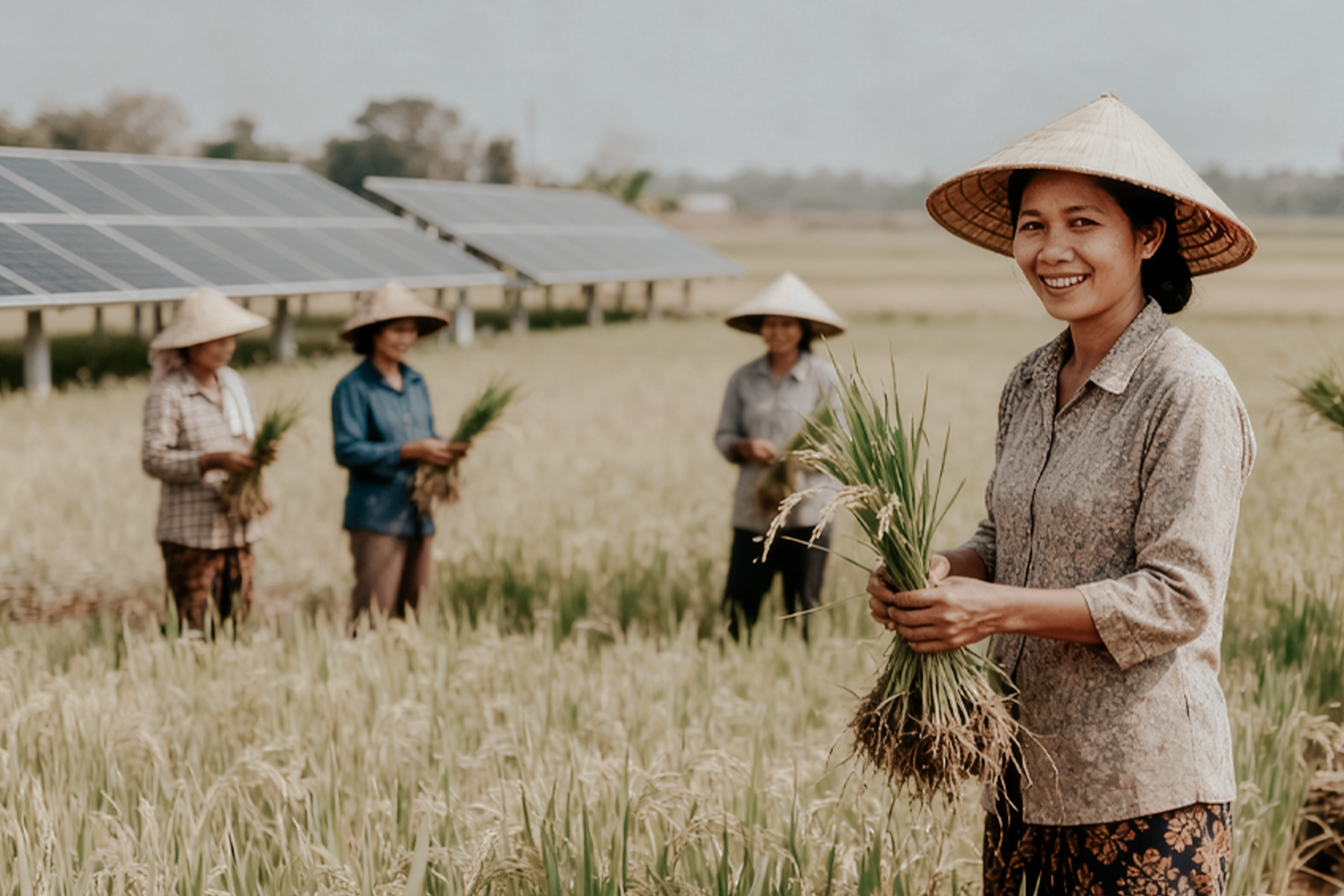
Women at the Core of Cambodia’s Green Economy Revolution
Cambodia recognizes women’s leadership as a robust accelerator of green economic development as the country approaches graduation from Least Developed Country status in 2029, seeking higher productivity, diversified growth, and greater uptake of green digitalization. Women are rising beyond perceptions of vulnerability, positioning themselves as champions of climate prosperity and sustainable development.
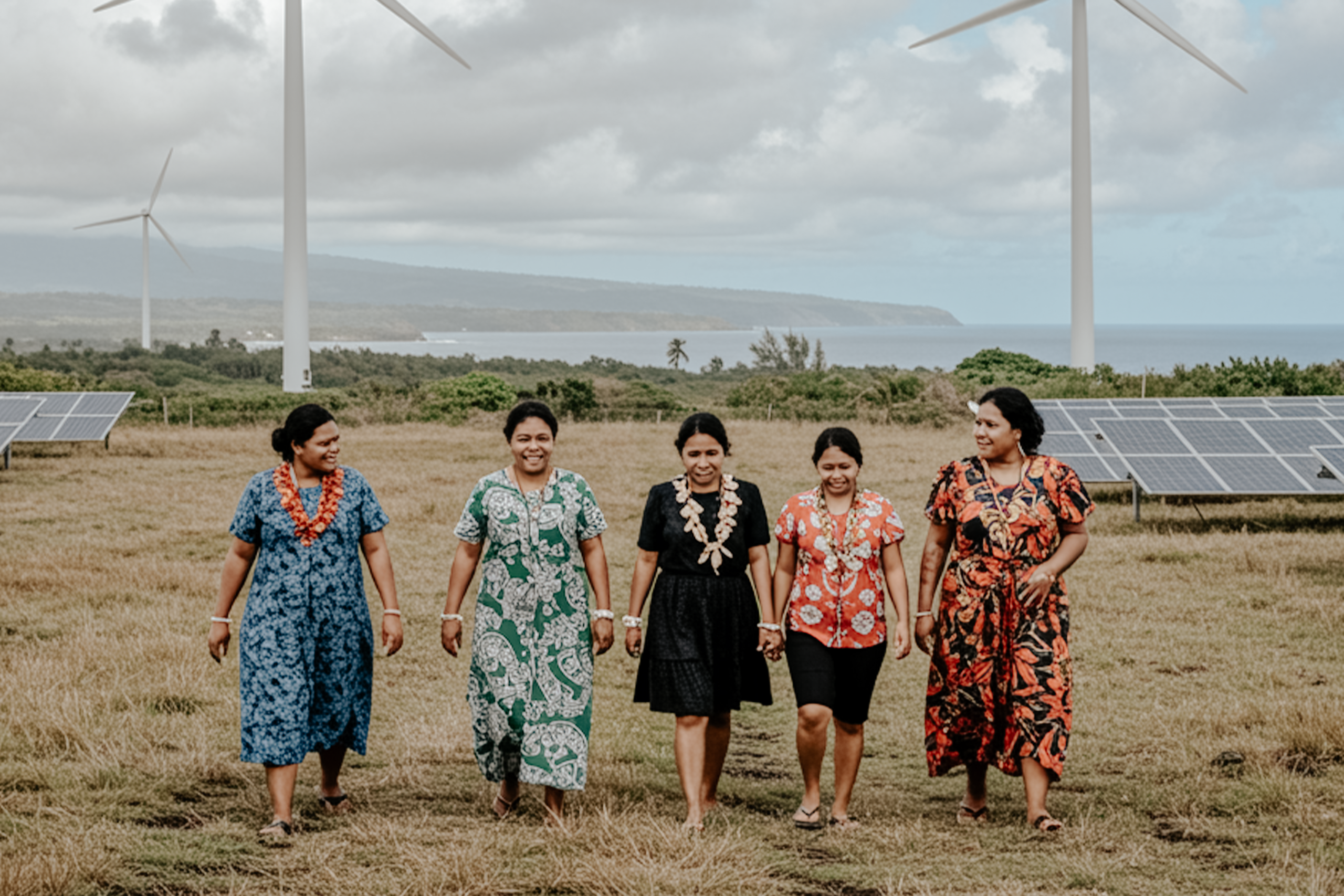
Pacific Women and the Call for Climate Justice
When island nations and regional allies presented their case before the International Court of Justice, women leaders, lawyers, and youth advocates were instrumental in building arguments that led to a landmark 2025 Advisory Opinion affirming states’ obligations to protect the climate and human rights.
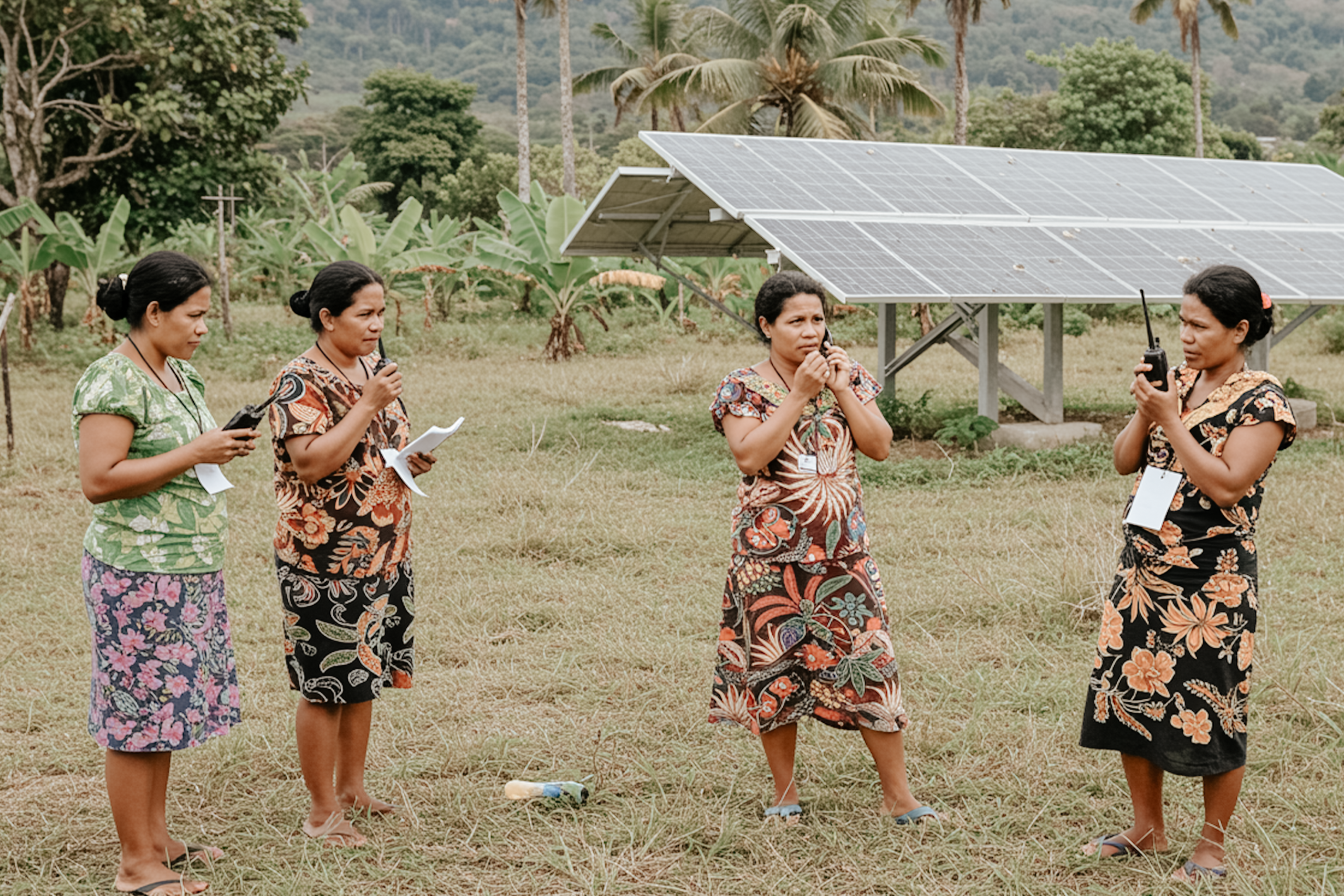
Ni-Vanuatu Women Lead Disaster Response and Climate Action
Vanuatu is among the nations most vulnerable to the climate crisis. These environmental shifts often worsen existing socioeconomic gaps, disproportionately pushing women toward poverty and marginalization. Despite these challenges, Ni-Vanuatu women have emerged as resilient leaders, transforming how their communities prepare for and recover from disasters.
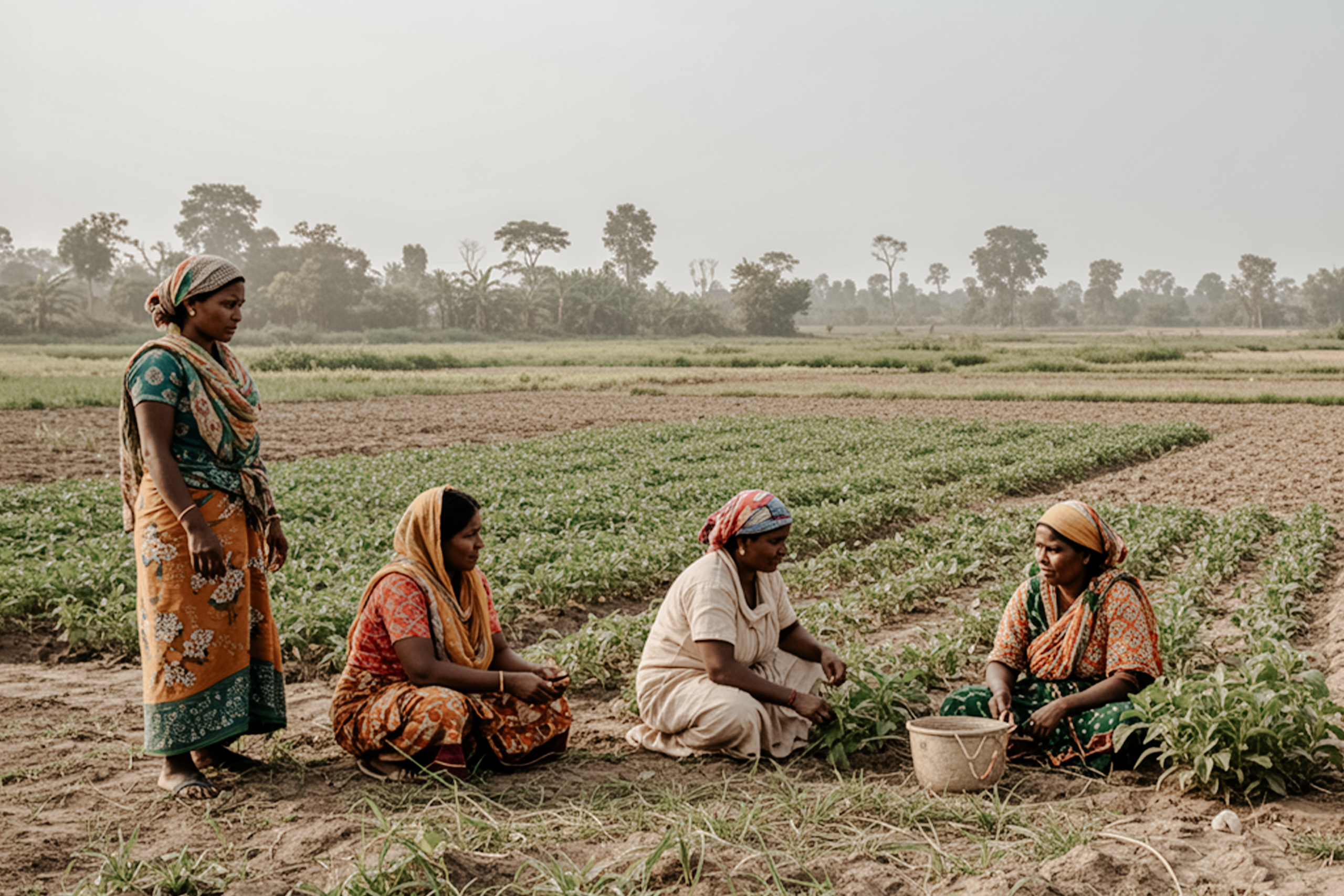
Gender-Responsive Climate Action in Bangladesh and Kenya
The worsening impacts of climate change are exposing gaps in financial and social systems while reshaping societies, with women often on the frontlines—managing households, securing resources, and caring for families under growing stress. The crisis exacerbates existing gender inequalities, yet women’s voices are largely missing from the policies meant to protect them. Without a gender-focused approach, millions of women and girls risk being pushed into extreme poverty, amplifying social and economic disparities worldwide.
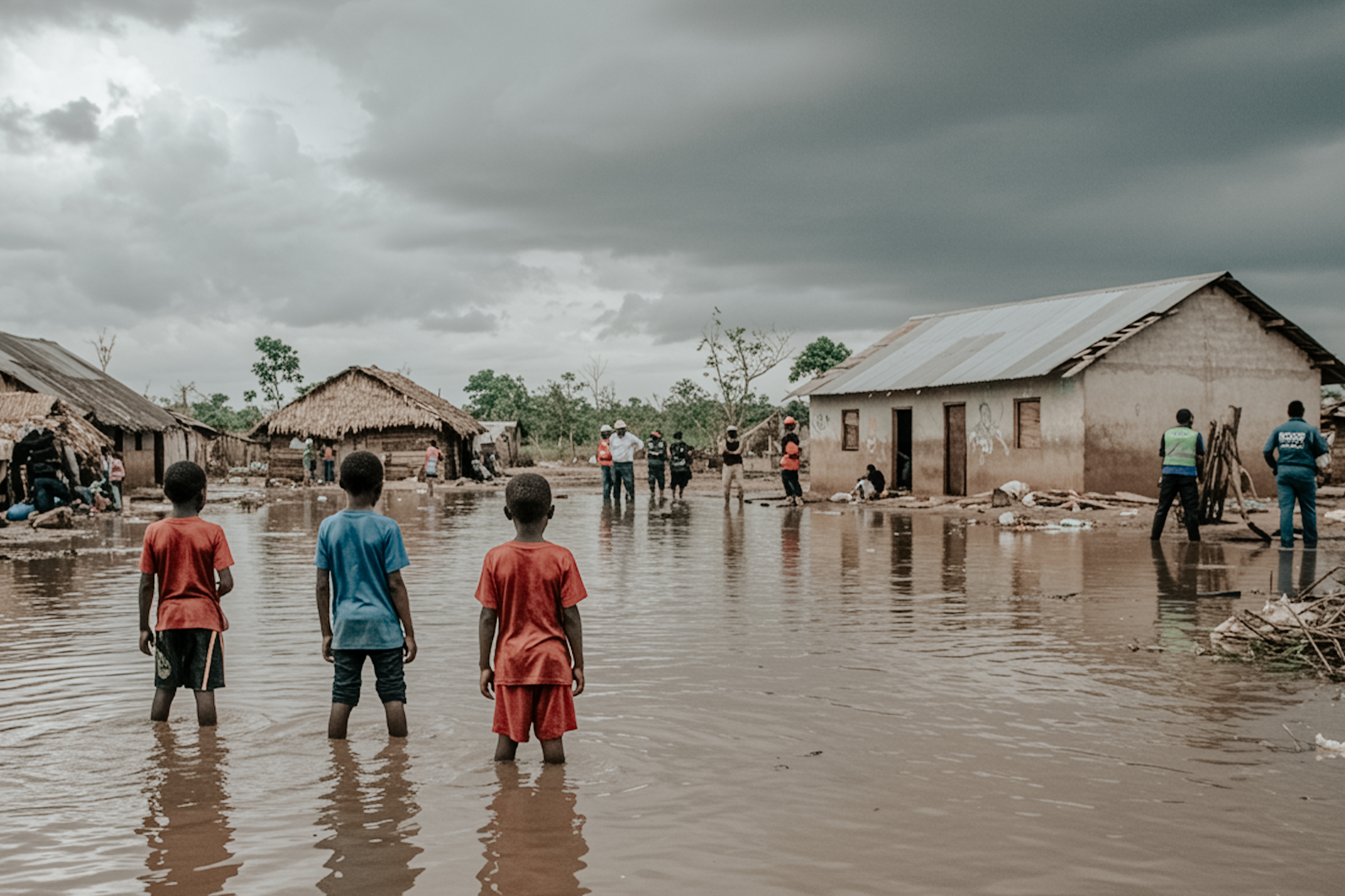
Climate Shocks Are Rising, Our Financial Response Isn’t
Recent floods and cyclones have displaced more than 720,000 people, destroyed schools and health facilities, and disrupted access to food and clean water, overwhelmingly affecting children and families already struggling with poverty and climate risk in Mozambique. These weather extremes are not isolated events: they reflect a relentless rise in climate-driven shocks.
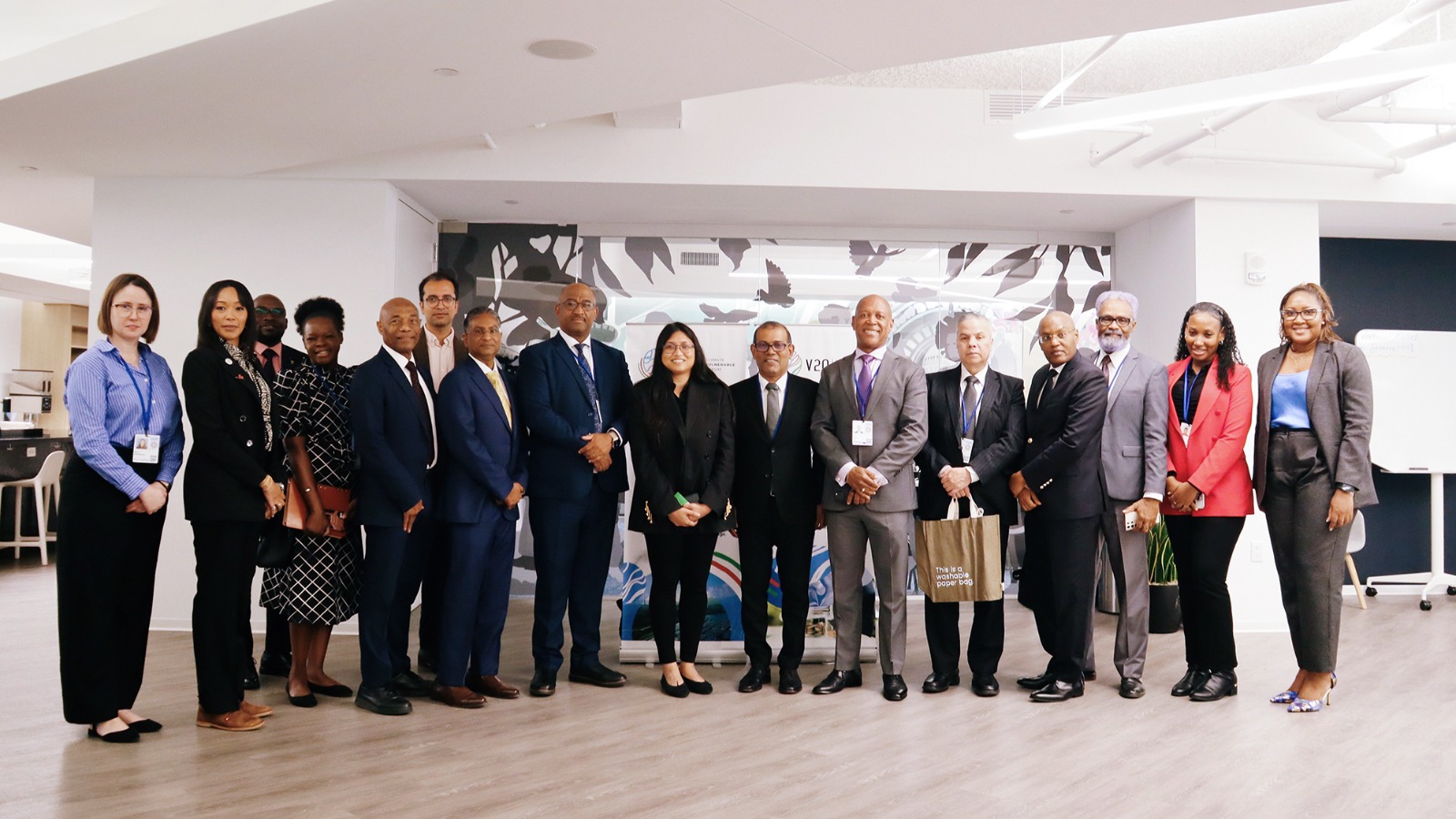
V20 Central Banks lay groundwork for new climate liquidity facility
Washington, D.C. | April 23, 2025—Central Bank Governors from the V20 Finance Ministers of the Climate Vulnerable Forum are making significant strides in establishing “Lifeline,”
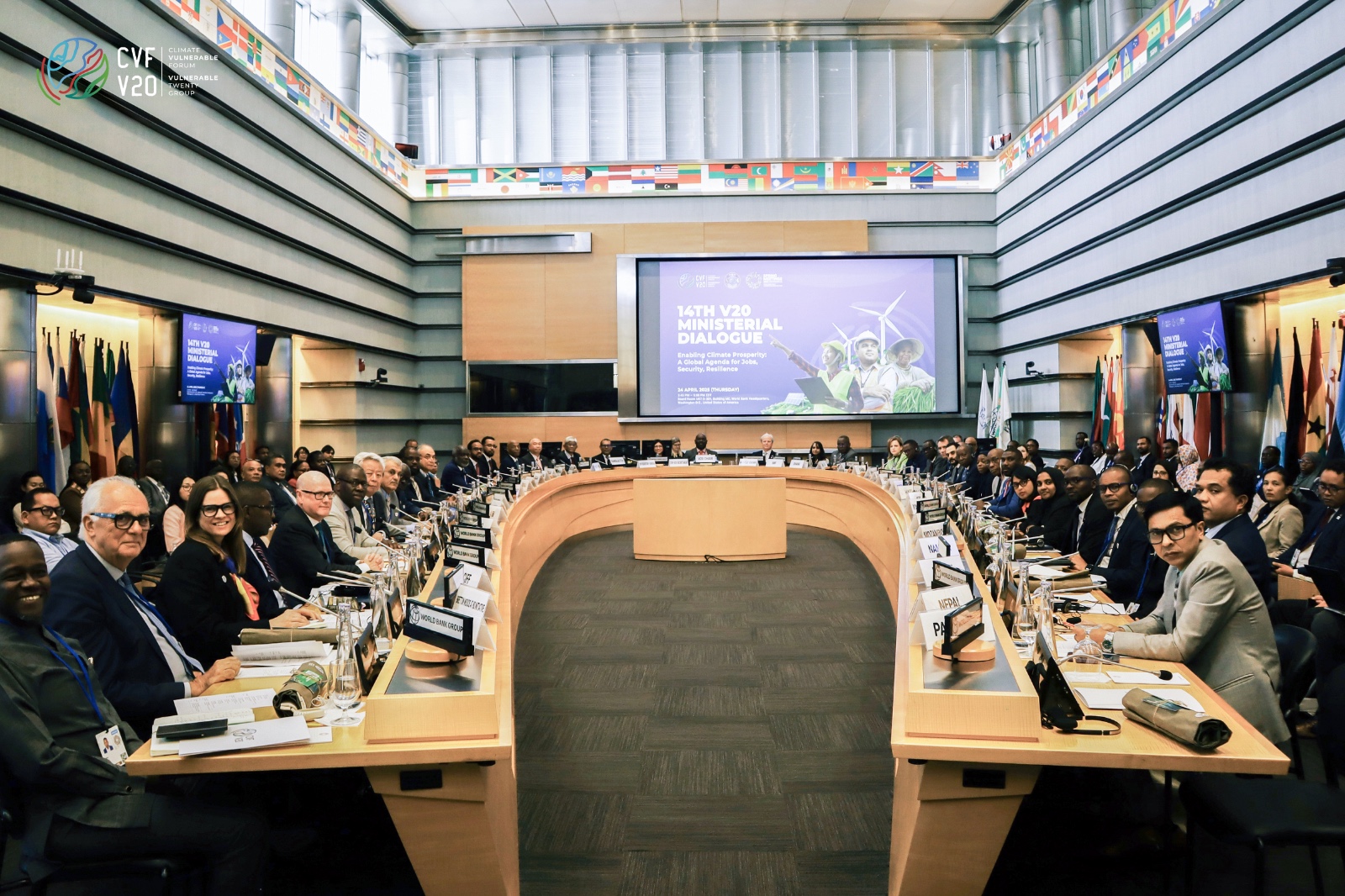
V20 Finance Ministers Call for Fair Representation and Urgent Financial Reforms for Jobs, Security, Resilience
Washington D.C., 24 April 2025 —Vulnerable Twenty (V20) Finance Ministers of the Climate Vulnerable Forum (CVF), representing 74 vulnerable countries, convened today for the 14th
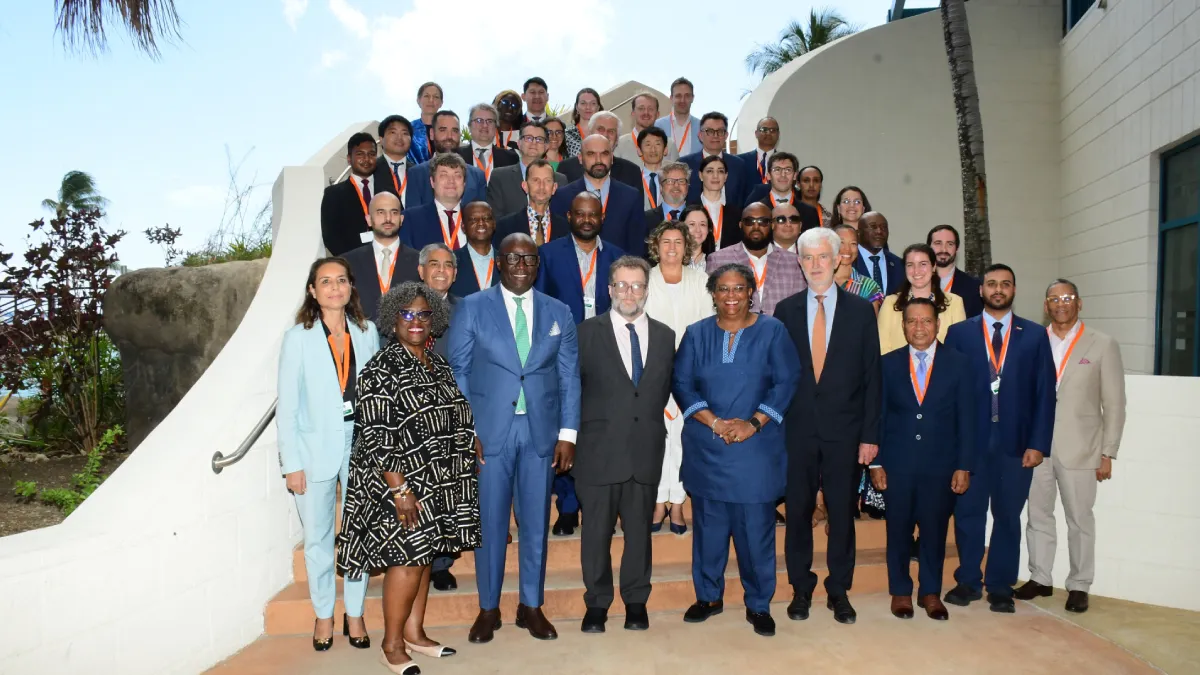
$250 Million Approved for Initial Phase of Loss and Damage Fund
Credit: Barbados Government Information Service “Small funds can’t help you — and regrettably, that is where we find ourselves still today, in a world in
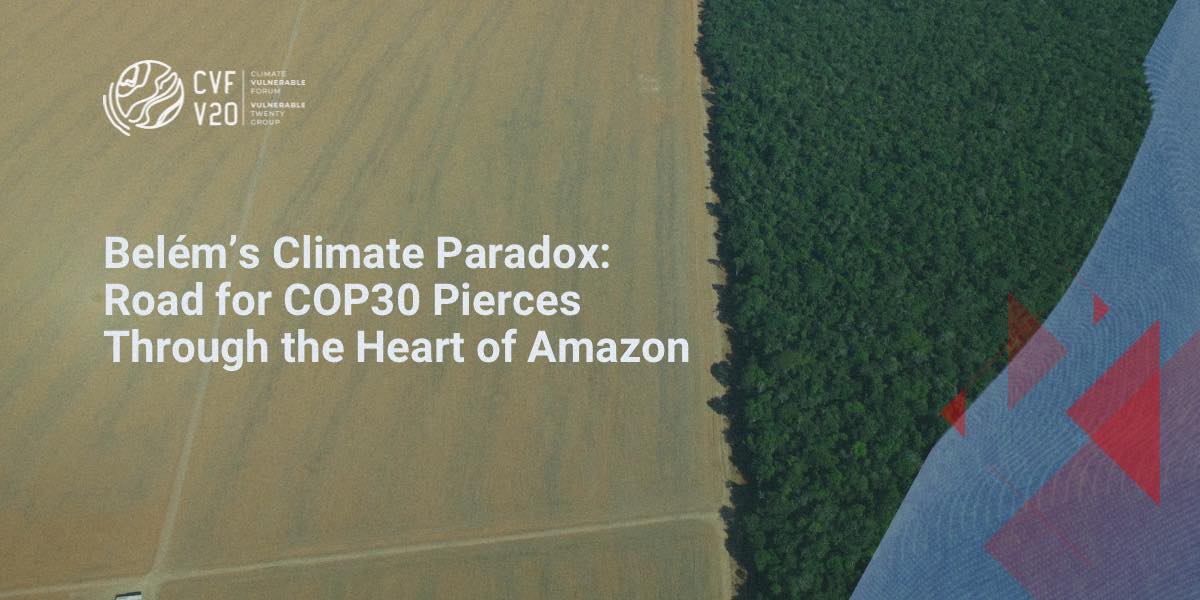
Belém’s Climate Paradox: Road for COP30 Pierces Through the Heart of Amazon
Source: https://media.un.org/photo/en/asset/oun7/oun7565955 The 1992 Earth Summit in Rio de Janeiro, Brazil gave birth to the Rio Conventions, which refer to the three landmark international agreements,

The Journey to COP28: A Road to Disappointment and Hope
The Journey to COP28: A Road to Disappointment and Hope By Jodahi Bezabih Petros, CVF Youth Fellow from Ethiopia Coming into COP28, I carried the
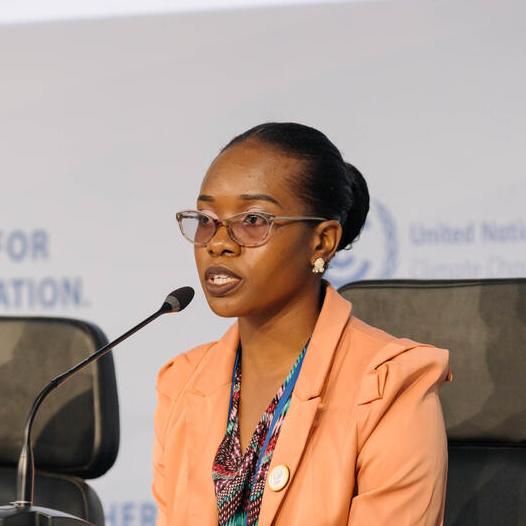
The Loss and Damage Fund: A glimmer of hope or an avenue for more questions?
The Loss and Damage Fund: A glimmer of hope or an avenue for more questions? By Barbra Kangwana, CVF Youth Fellow from Kenya COP28 was