
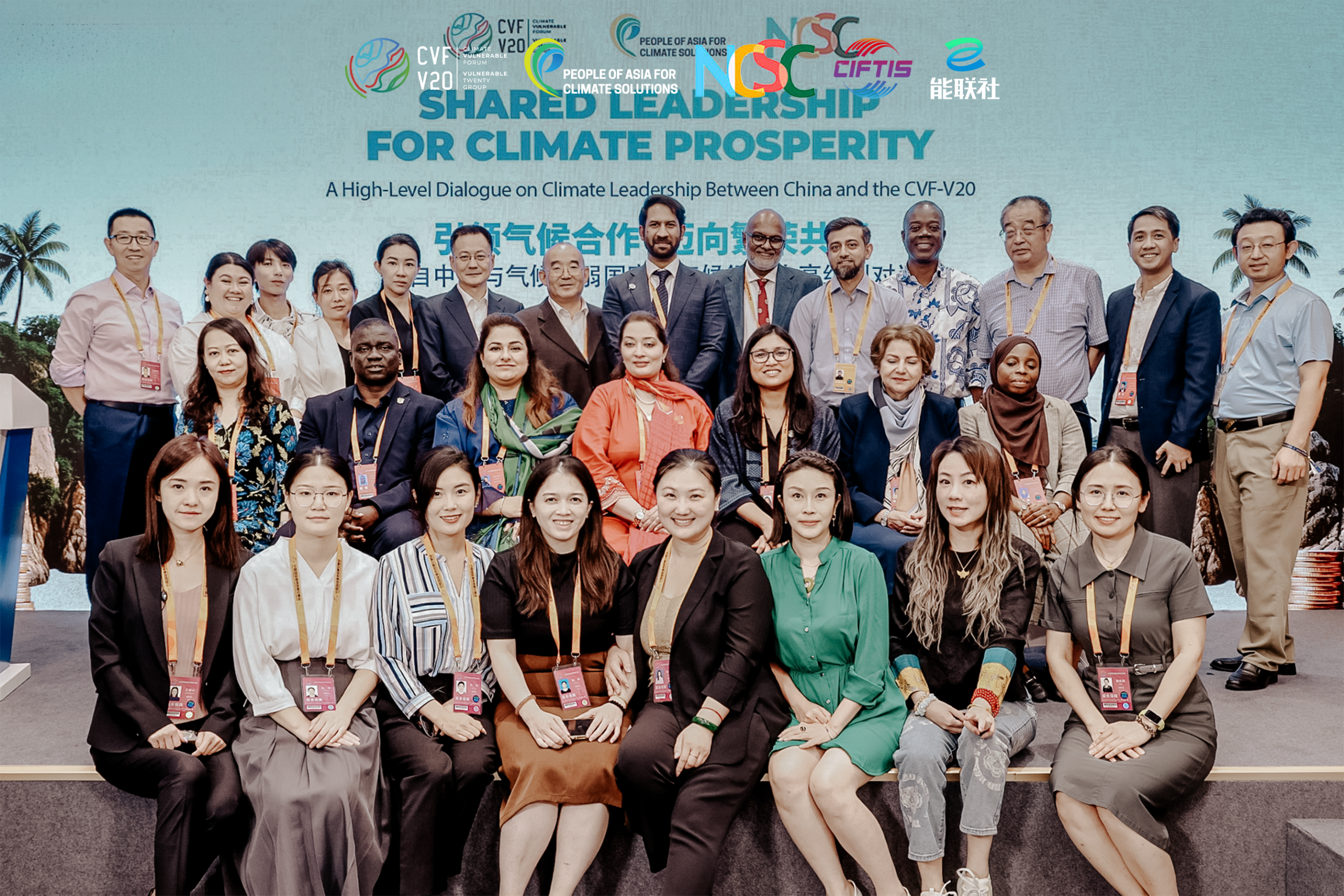
Beijing, China—Countries from the Climate Vulnerable Forum and V20 Finance Ministers (CVF-V20) called for deeper collaboration with China to advance the implementation of Climate Prosperity Initiatives (CPIs)—investment blueprints aimed at transforming climate vulnerability into climate-driven economic growth.
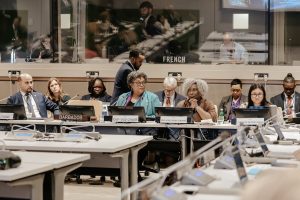
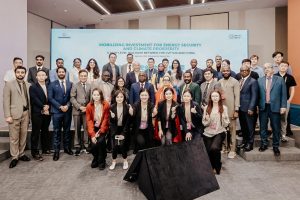
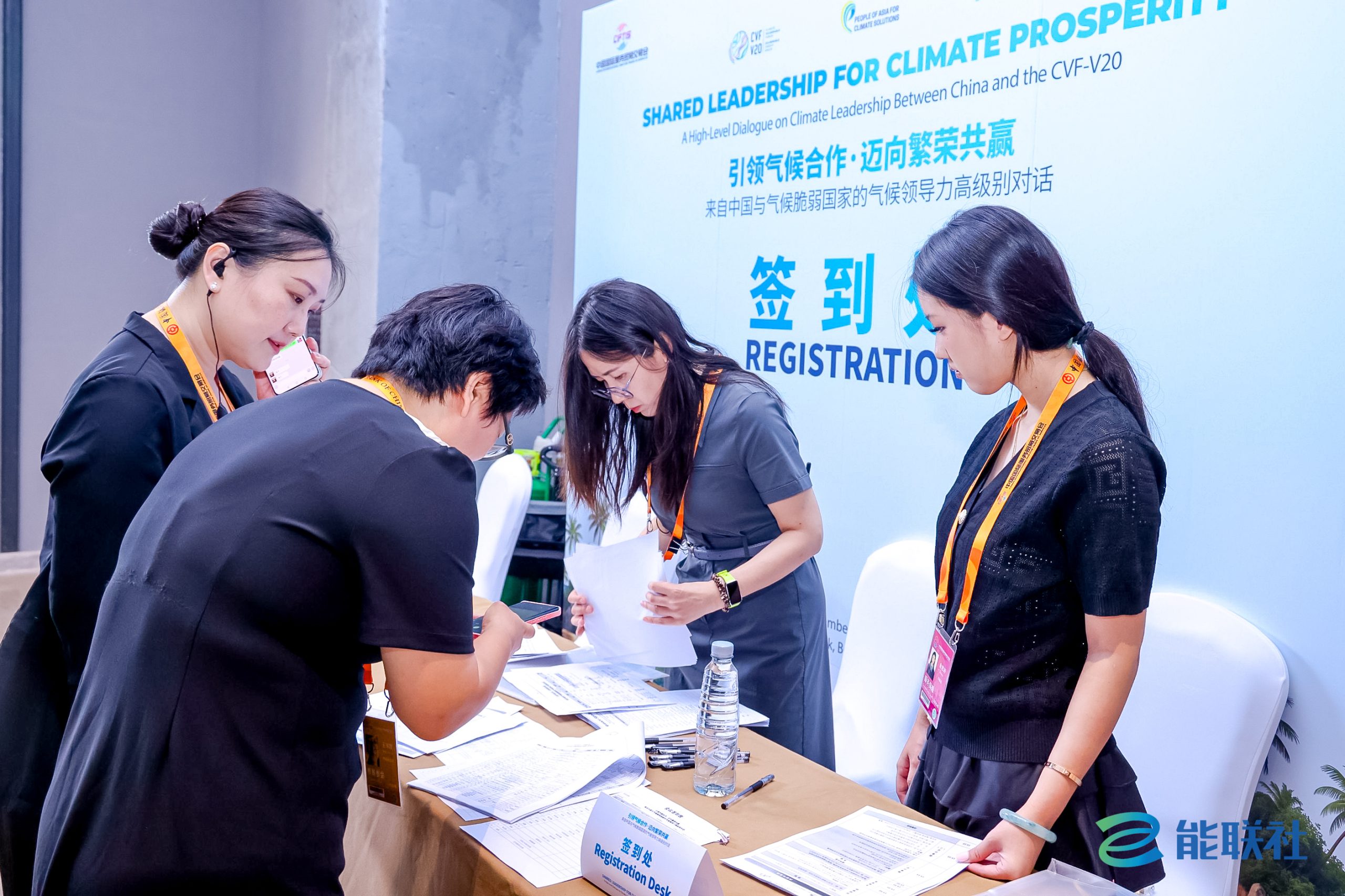
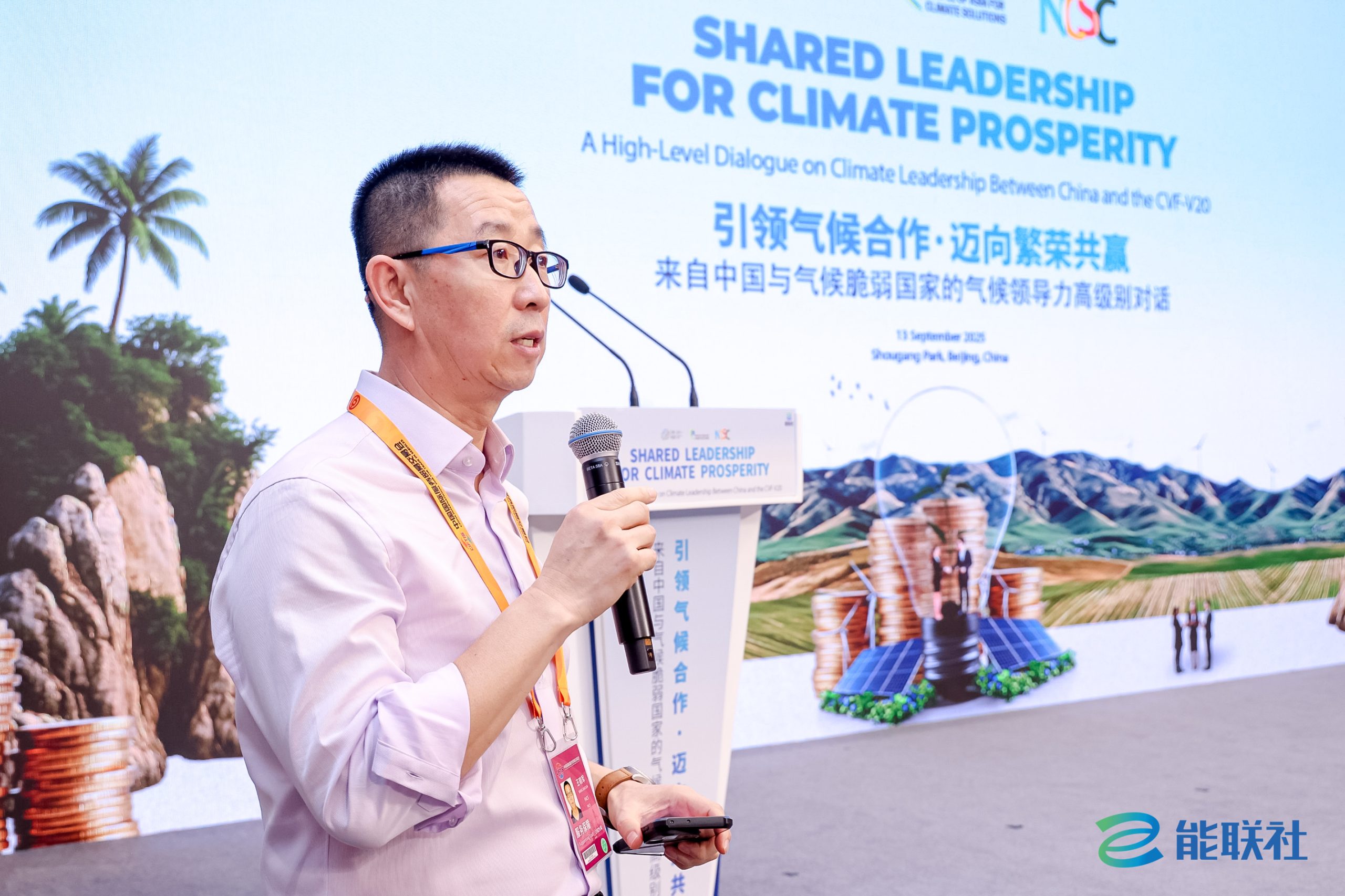
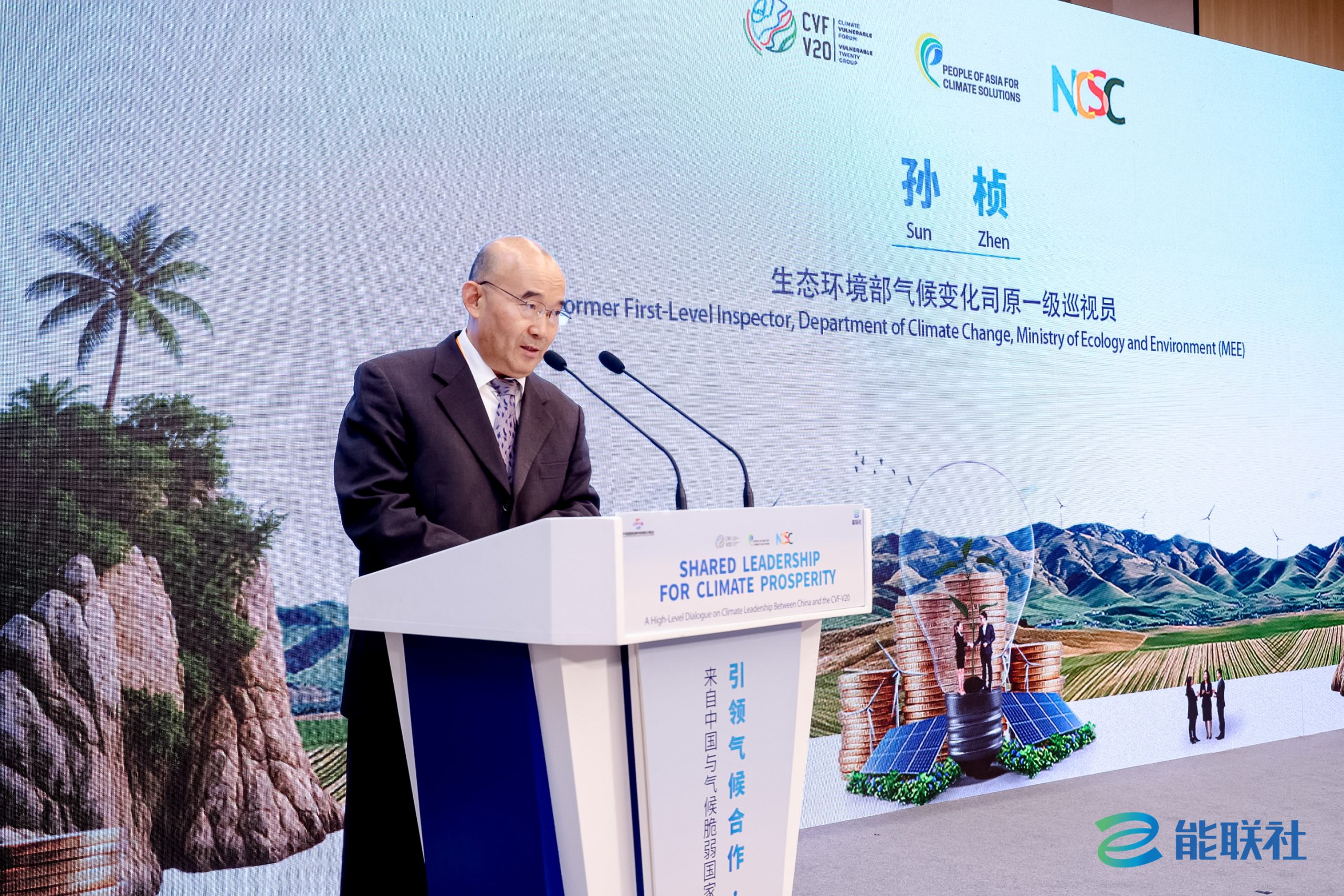
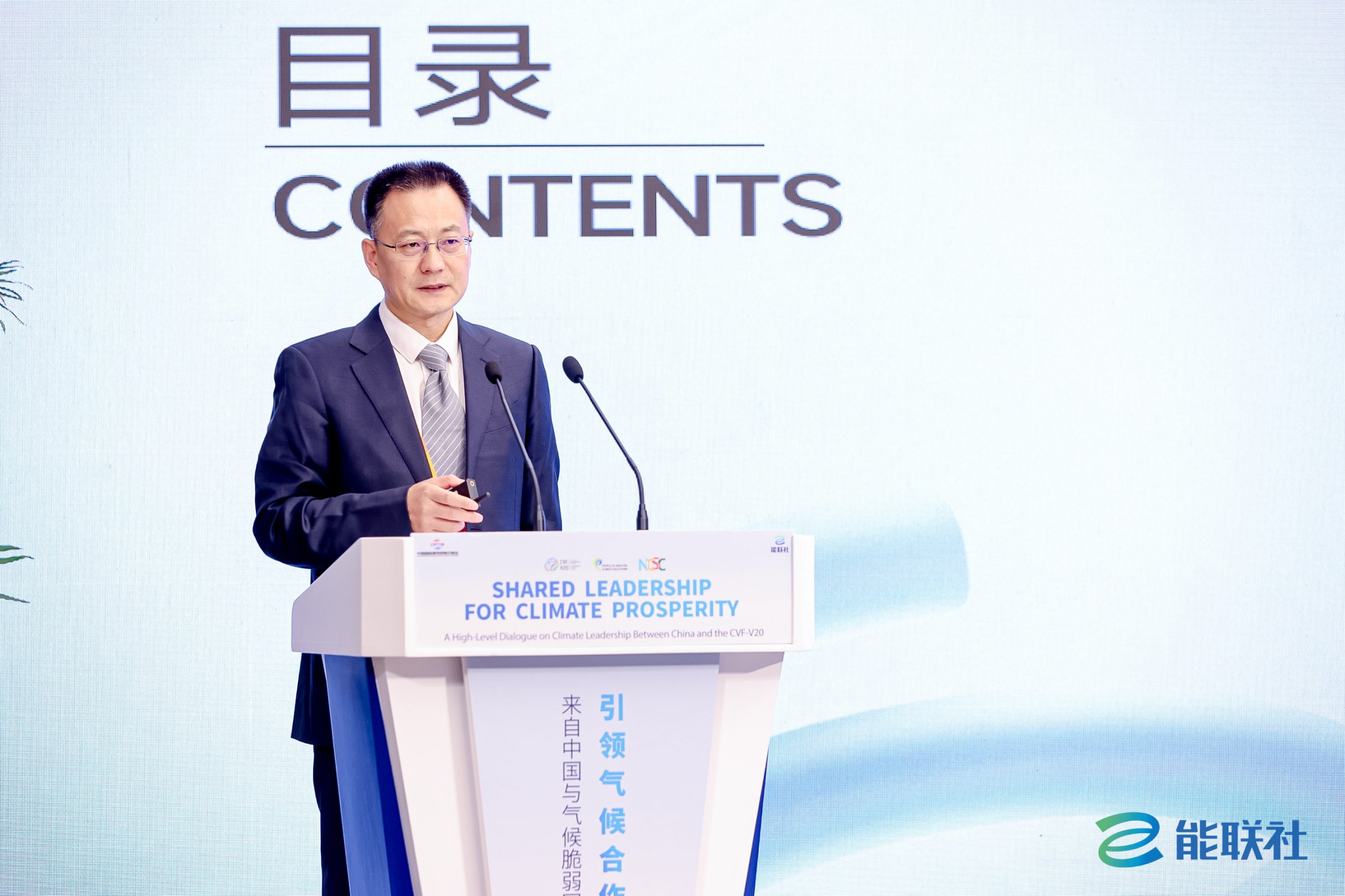
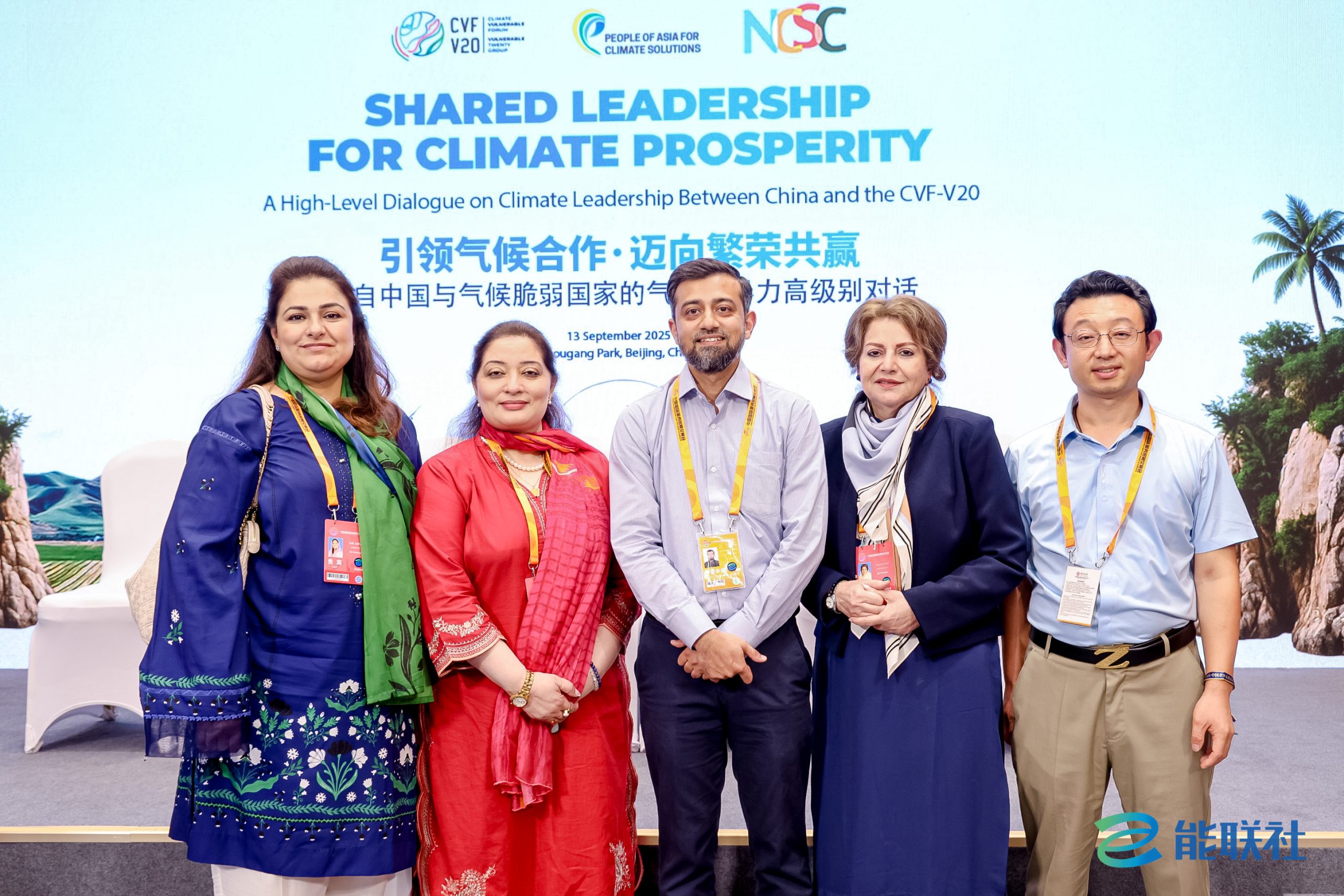
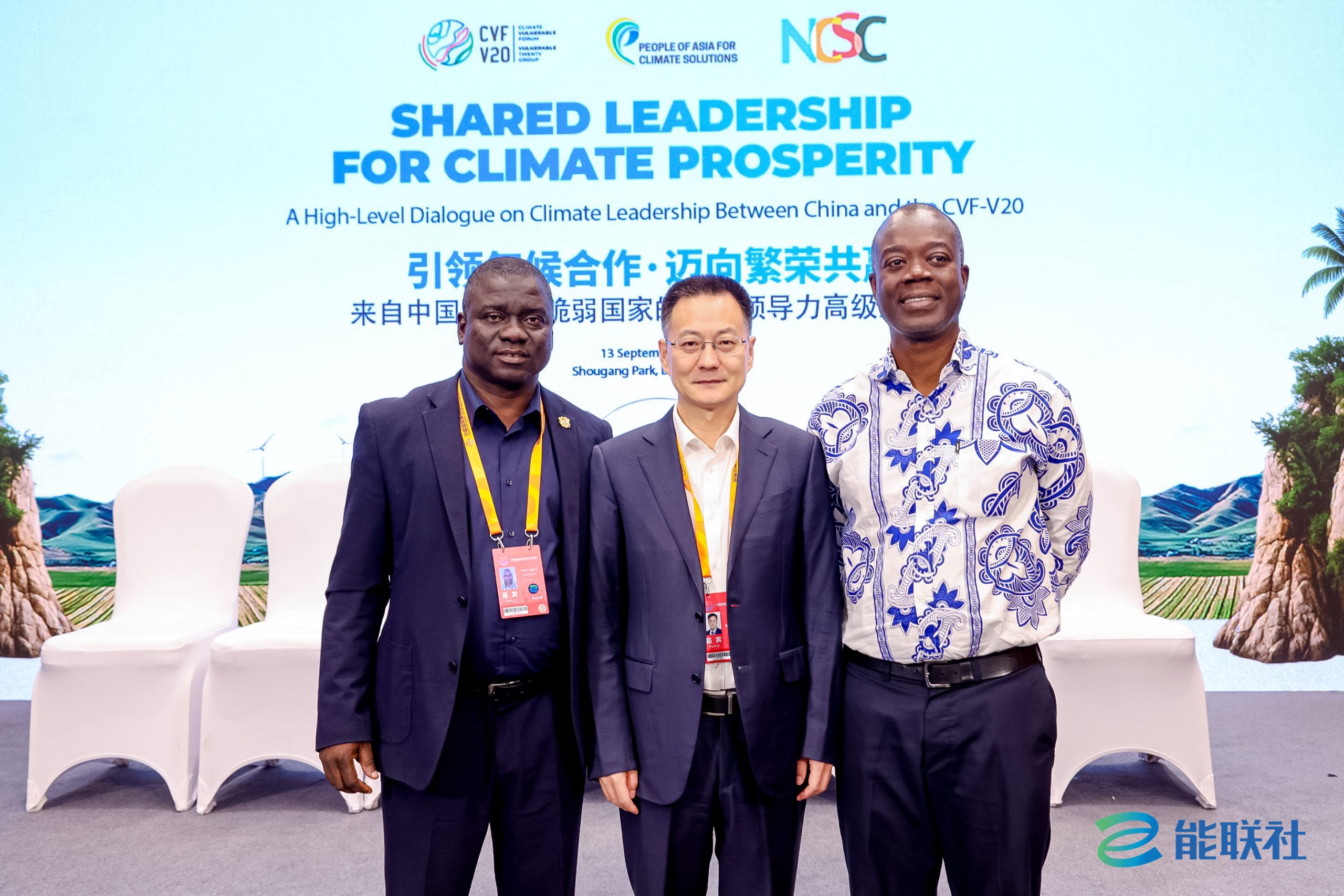
The call was made during the event Shared Leadership for Climate Prosperity: A High-Level Dialogue on Climate Leadership between China and the CVF-V20, organized by the CVF-V20 Secretariat, People of Asia for Climate Solutions (PACS), and the National Center for Climate Change Strategy and International Cooperation (NCSC), as a side event of the Global Trade in Services Summit on 13 September 2025 in Beijing, China.
At the heart of the dialogue is a clear message: CVF-V20 countries want trade, investment, and equitable partnerships—not short-term tied aid. Leaders emphasized that China’s global leadership in renewable technologies, manufacturing, and logistics can serve as a cornerstone for climate-smart growth within the world’s most climate vulnerable economies.
“We offer our Climate Prosperity Plans as investment hubs,” said H.E. The Most Honorable Elizabeth Thompson, Ambassador of Climate Change, Law of the Sea, and Small Island Developing States Affairs of Barbados and Sherpa to Prime Minister Mia Amor Mottley, S.C., M.P., Chair of the CVF-V20. “These plans can benefit your business sector while we enhance prosperity and climate resilience amongst our members. Let’s shape together an inclusive, well-governed, and ever-growing renewable energy trade with China—anchored on local needs, equitable terms, and mutual respect,” she added.
Investment, Not Charity: The Call from the Frontlines of the Climate Crisis
Climate change is no longer just an environmental concern—it is a development and security crisis. From devastating floods in Pakistan to historic droughts across sub-Saharan Africa, climate shocks are reversing hard-won gains in education, health, infrastructure, and human security.
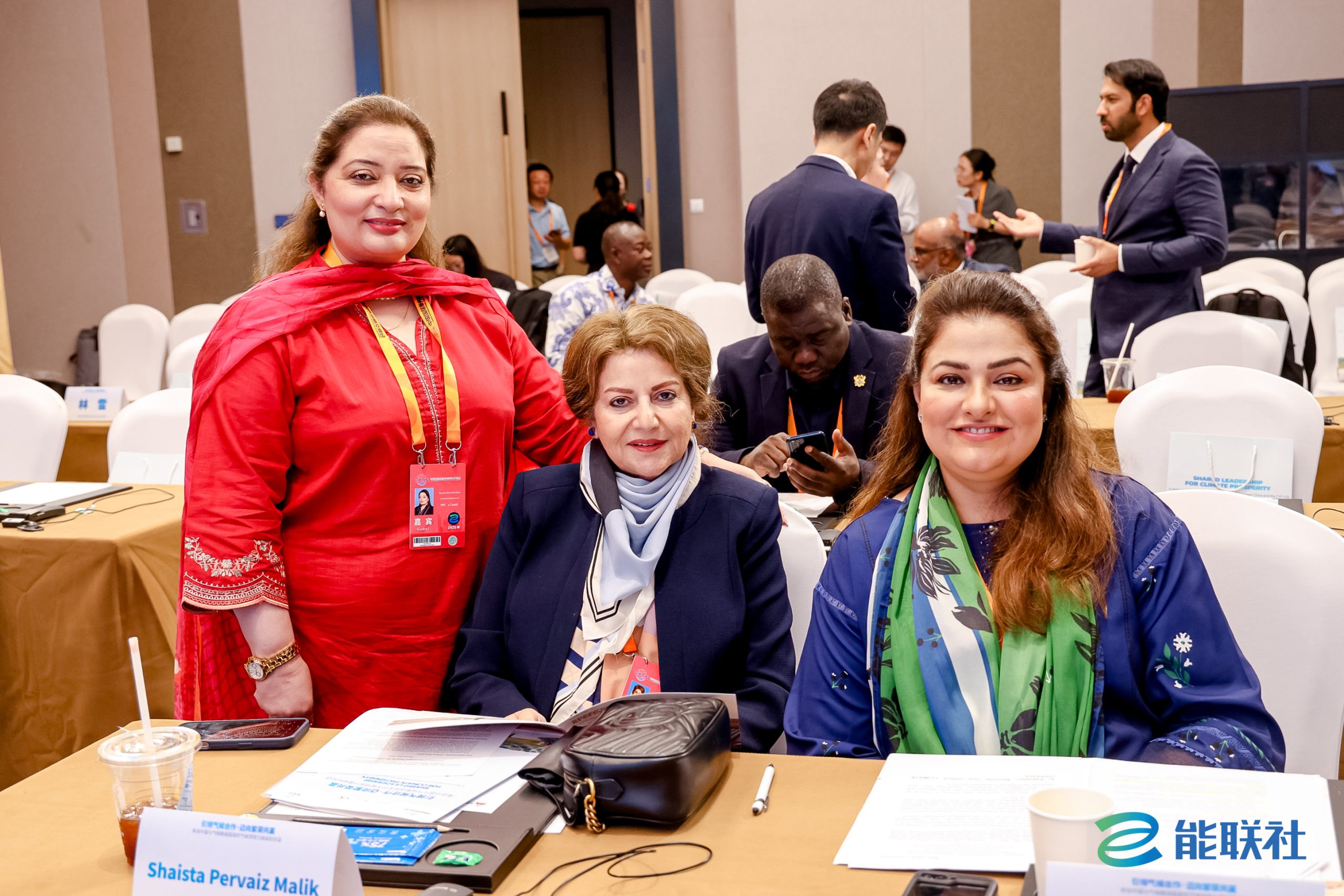
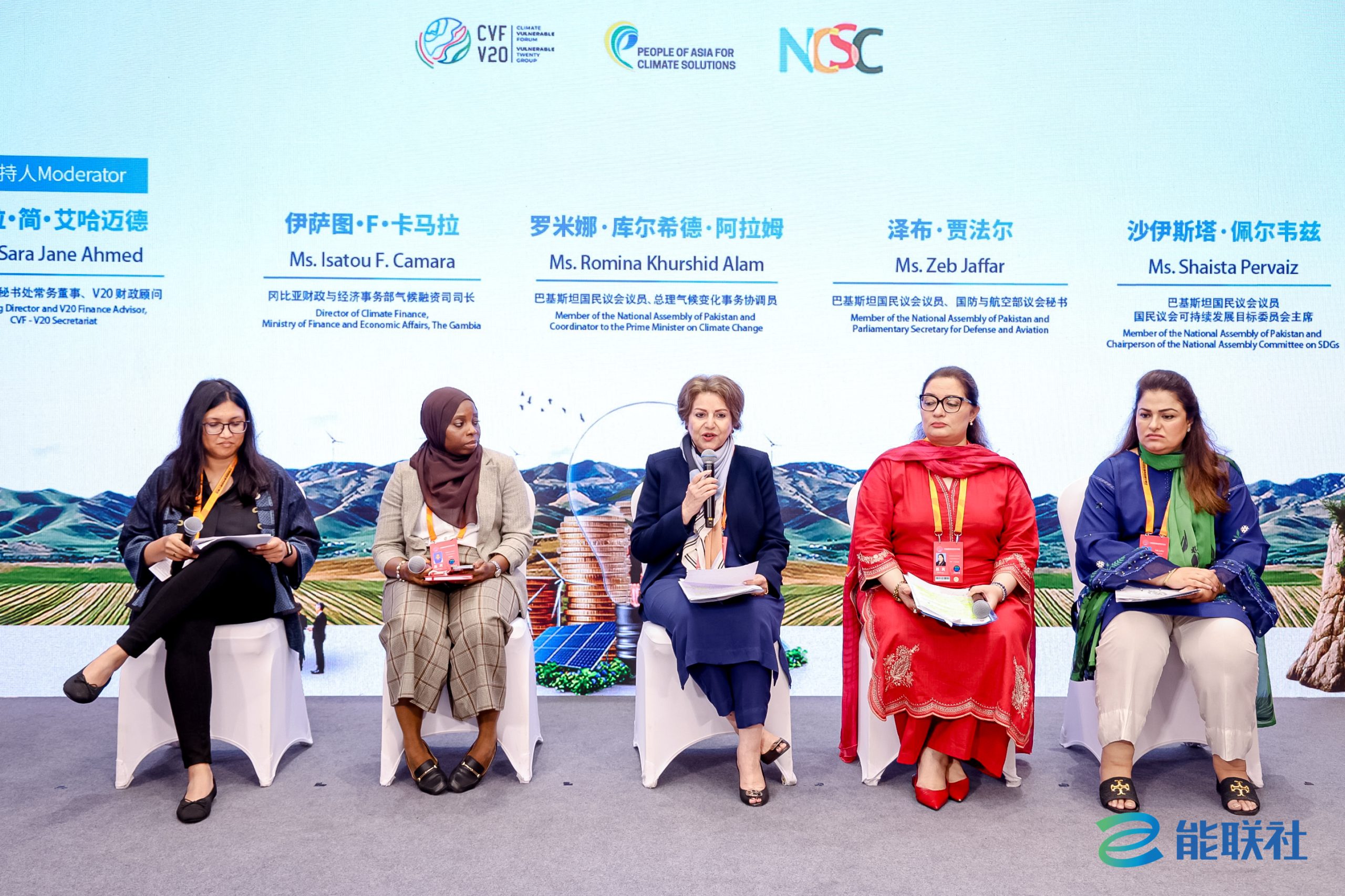
“Climate shocks are human development shocks. For us to move towards prosperity, we need climate justice. We need trade and investment. We need just transitions and clear pathways towards implementation,” said Honorable Shaista Pervaiz, Member of the National Assembly of Pakistan and Chairperson of the National Assembly Committee on Sustainable Development Goals (SDGs).
Unlocking the Power of South-South Cooperation
CVF-V20 countries are seeking to anchor a new era of South-South cooperation with China—one based on transparency, ownership, and shared prosperity. Key areas of cooperation proposed include:
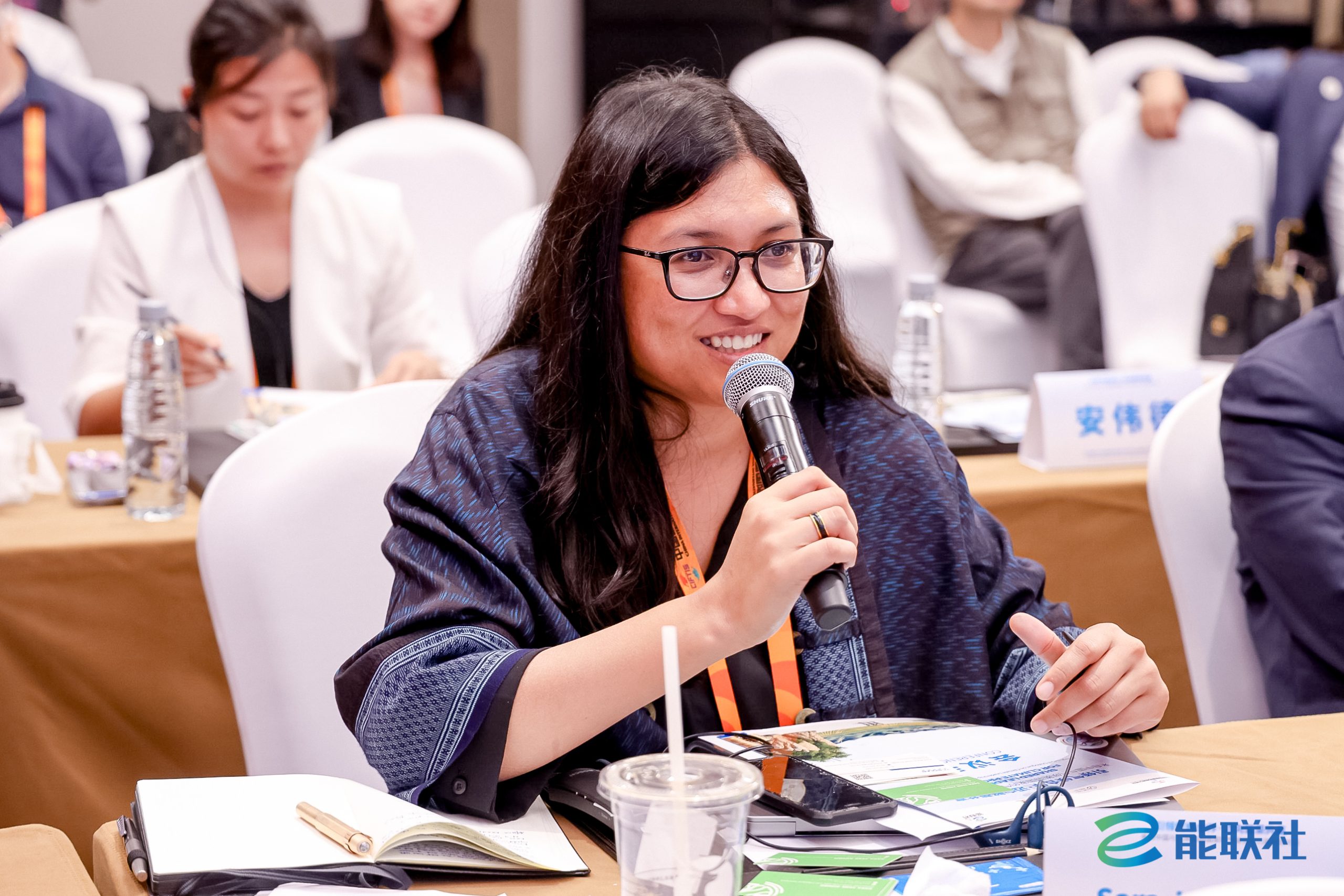
“Technology access remains an issue for us [CVF-V20 countries], but China shows the world every day that there is technology available. We just need to seize the opportunity and figure out the business models to make this work. We have a huge amount of growth opportunities in our countries, and so equity investments and other types of funding could do well with the right regulatory environments,” said Sara Jane Ahmed, Managing Director of the CVF-V20 Secretariat.
Renewable Energy and Youth Employment
Representatives from The Gambia and Ghana also highlighted Africa’s untapped potential as a green manufacturing hub. Despite holding nearly 40% of global renewable energy potential, the region accounts for just 1% of installed capacity.
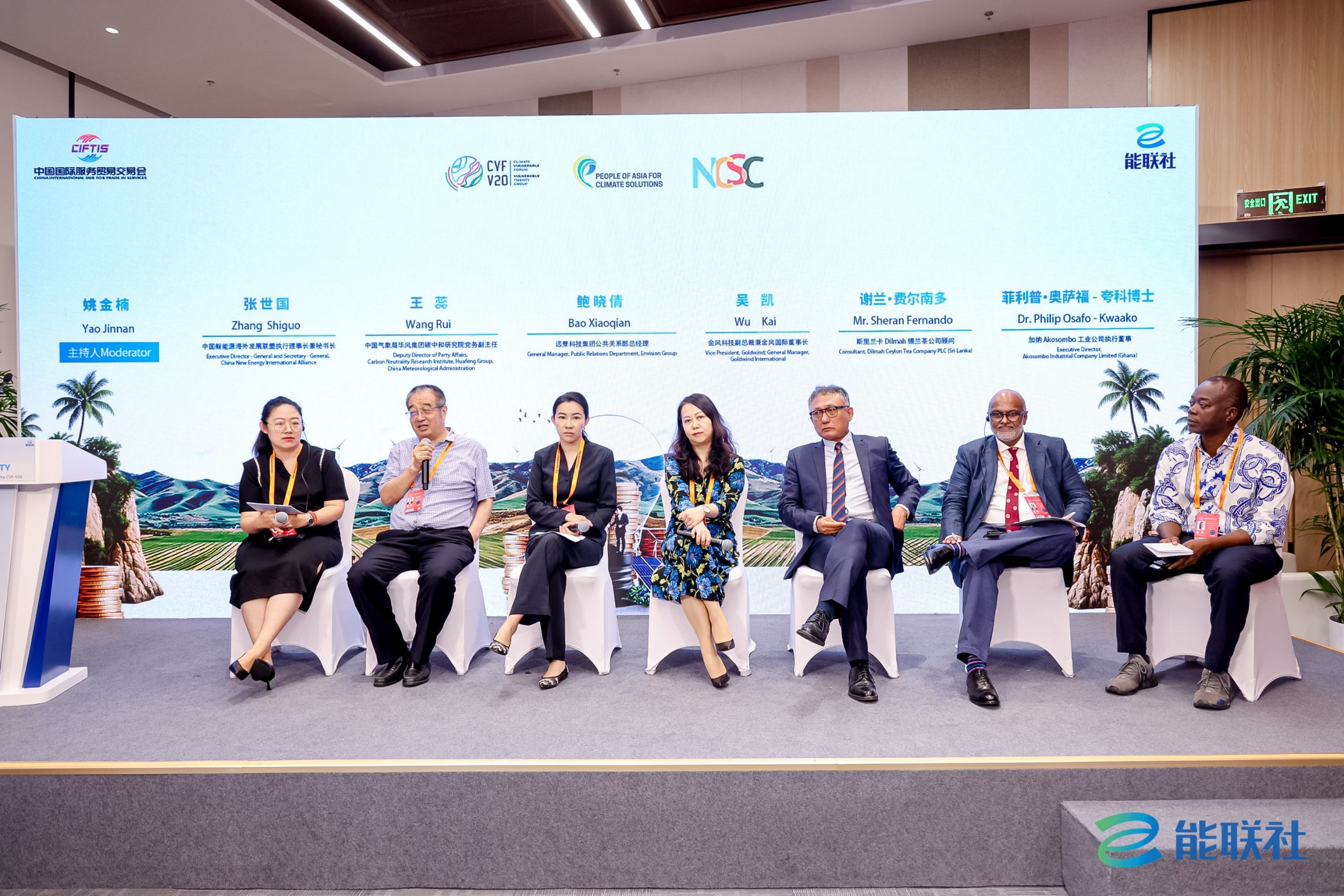
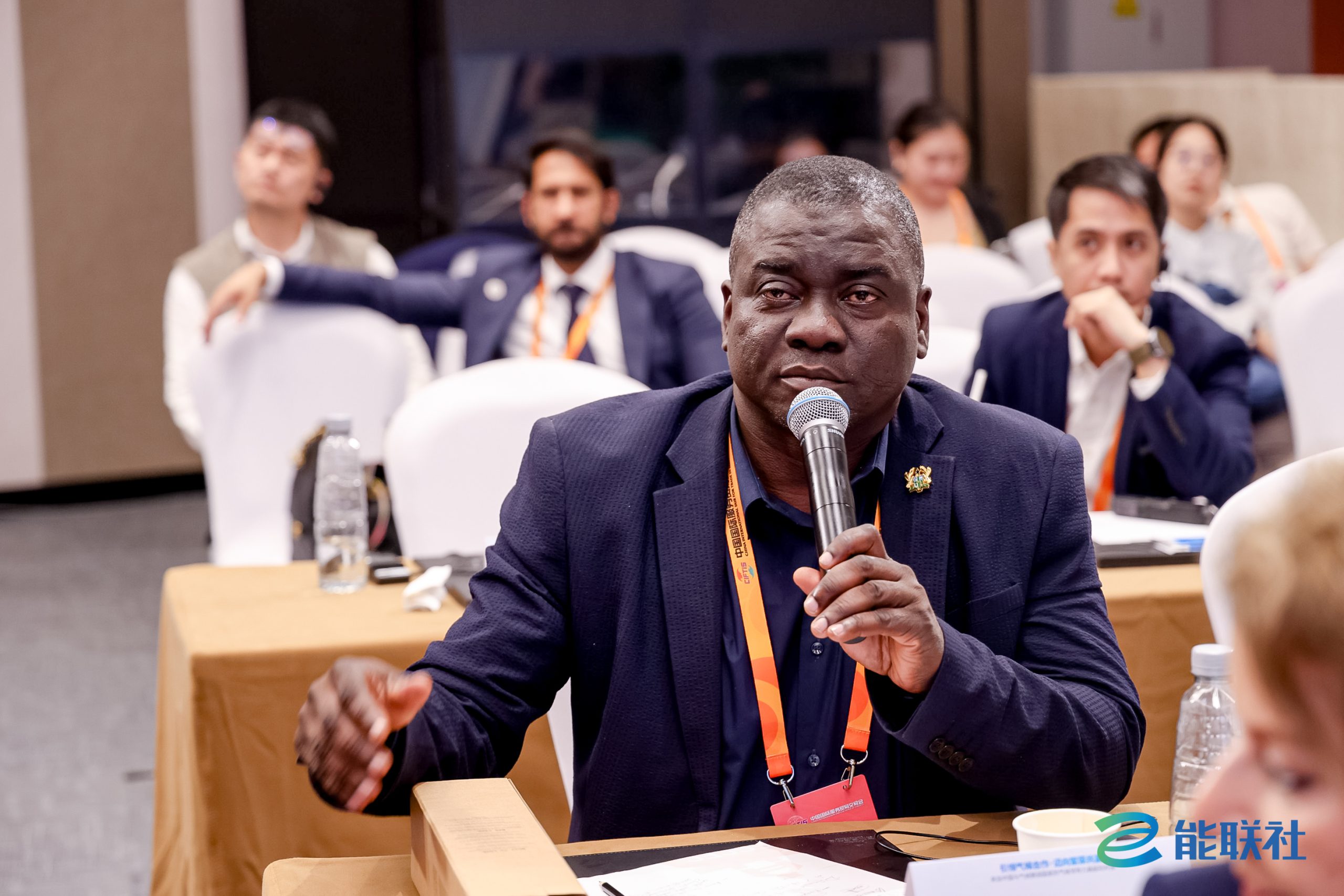
“Shandong Province [in China] alone has 80-90 gigawatts of solar power installed. This is four times what we see across the continent of Africa. If we move from 1% to just 10%, 50% [of the 500-600 million Africans lacking access to electricity] get solved,” explained Dr. Philip Osafo-Kwaako, Executive Director of the Akosombo Industrial Company Limited, a textile manufacturer based in Ghana that promotes climate resilience through green manufacturing, circular economy, and renewable energy.
“The partnership we are seeking with China must really focus on closing this vast energy access gap, while also addressing the global failure to remain within the 1.5-degree temperature goal of the Paris Agreement. It’s quite a threat for the African continent because research has shown that it would push millions of Africans back to poverty and eradicate hard-won development gains,” noted Isatou F. Camara, Director of Climate Finance of The Gambia’s Ministry of Finance and Economic Affairs.
Countries like Sri Lanka are also uniquely positioned to link agriculture and renewable energy to build sustainable trade platforms with China.
“Tea could be a great platform of commercial collaboration between China and Sri Lanka. We have a 70% renewable energy target, but Sri Lanka hasn’t been as good as China at implementing plans. We have 500,000 acres of tea and 60 gigawatts of potential wind energy—and our wind efficiency is supposed to be one the highest in the world. These are the projects that we should look into,” said Sheran Fernando, Consultant of the Dilmah Ceylon Tea Company based in Sri Lanka.
With energy affordability critical for labor-intensive industries like textiles and agriculture, CVF-V20 leaders urged China to invest in cost-effective renewable infrastructure to bring power prices further down and help unlock green industrialization and mass employment.
Security Through Resilience
Partnership with China is not only an economic imperative, but also a matter of national security for many CVF countries.
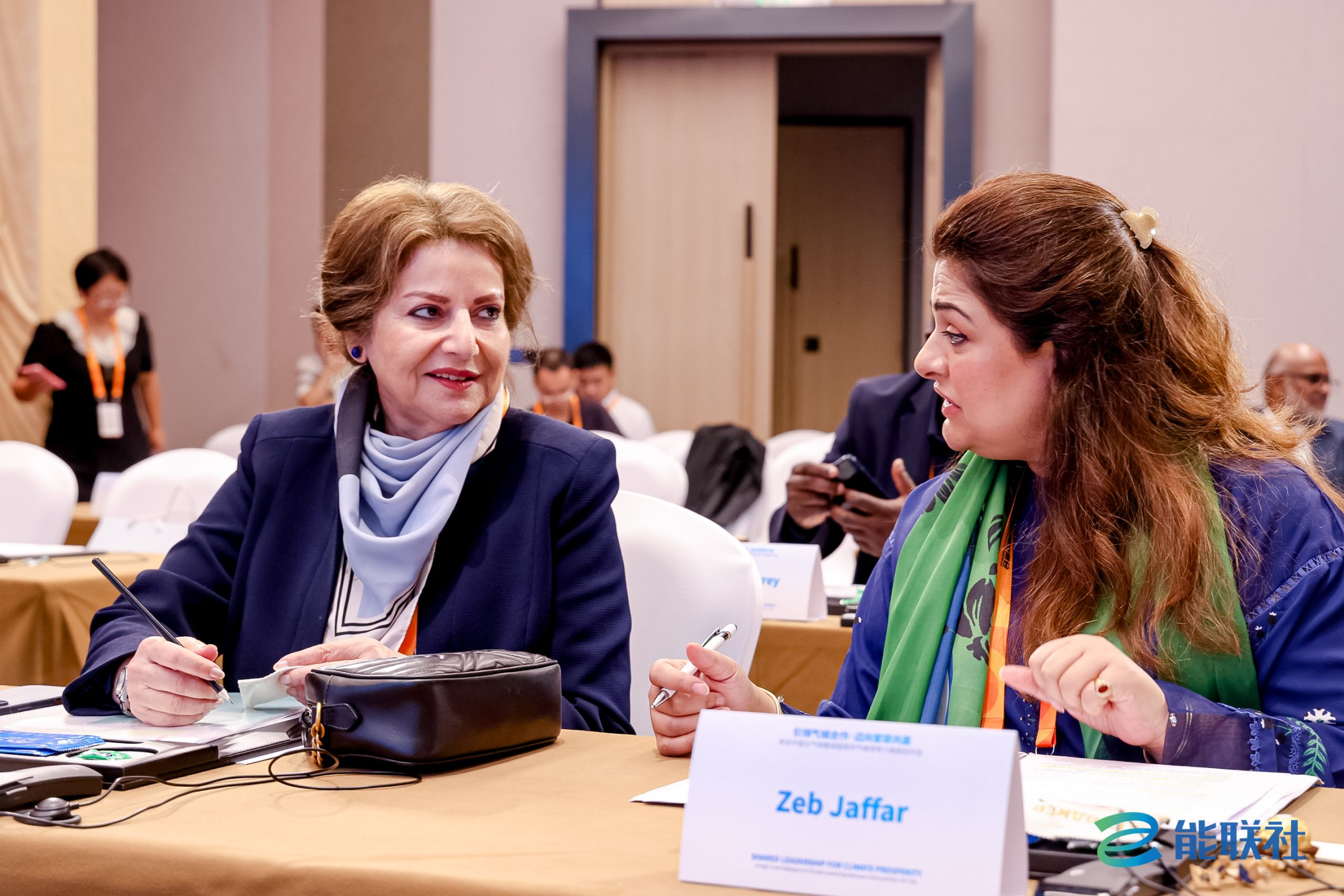
“In Pakistan, security now means climate resilience. Our military often becomes the first responder in disasters, but the real path to stability is through investing in prosperity and resilience. Working with China is critical to climate protection because scale and speed now determine the difference between surviving the next disaster and being overwhelmed by it,” said Zeb Jaffar, Member of the National Assembly of Pakistan and Parliamentary Secretary for Defense and Aviation.
The importance of regional cooperation in the face of increasingly frequent and interconnected climate shocks was also emphasized.
“What I’ve learned from recent COPs [Conference of the Parties] is that regional support is essential. When Pakistan was suffering from floods, Africa was battling droughts. The region must stand together. We must deepen South-South cooperation and look at how we can create a regional risk pool and support on climate risk management,” said Romina Khurshid Alam, Member of the National Assembly of Pakistan and Coordinator to the Prime Minister on Climate Change.
With shared ambition, transparency, and trust, CVF-V20 countries believe that a new model of global partnership—rooted in climate prosperity—is not only possible, but already within reach.
***


The CVF-V20 represents 74 member-countries from small island developing states (SIDS), least developed countries (LDCs), low-to-middle income countries (LMICs), landlocked developing countries (LLDCs), and fragile and conflict-affected states (FCS). Working together, the CVF-V20 aims to achieve climate justice through the realization of Climate Prosperity Plans, which contain ambitious economic and financial resilience strategies designed to attract investment and resources that advance the attainment of the Sustainable Development Goals (SDGs), 30×30 Global Biodiversity, and help keep the average global temperatures to the Paris Agreement’s 1.5°C safety threshold.
For media enquiries, please contact [email protected].
For the latest updates, please follow us on:
Africa: Benin, Burkina Faso, Cabo Verde, Chad, Comoros, Côte d’Ivoire, Democratic Republic of the Congo, Eswatini, Ethiopia, Gabon, The Gambia, Ghana (Troika), Guinea, Kenya, Liberia, Madagascar, Malawi, Morocco, Mozambique, Namibia, Niger, Rwanda, Senegal, Sierra Leone, Somalia, South Sudan, Sudan, Tanzania, Togo, Tunisia, Uganda
Asia: Afghanistan, Bangladesh (Troika), Bhutan, Cambodia, Kyrgyzstan, Maldives, Mongolia, Nepal, Pakistan, Philippines, Sri Lanka, Timor-Leste, Vietnam
Caribbean: Barbados (Chair/Troika), Dominica, Dominican Republic, Grenada, Guyana, Haiti, Saint Lucia, Suriname, Trinidad and Tobago
Latin America: Colombia, Costa Rica, Guatemala, Honduras, Nicaragua, Paraguay
Middle East: Jordan, Lebanon, Palestine, Yemen
Pacific: Fiji, Kiribati, Marshall Islands, Nauru, Palau, Papua New Guinea, Samoa, Solomon Islands, Tonga, Tuvalu, Vanuatu