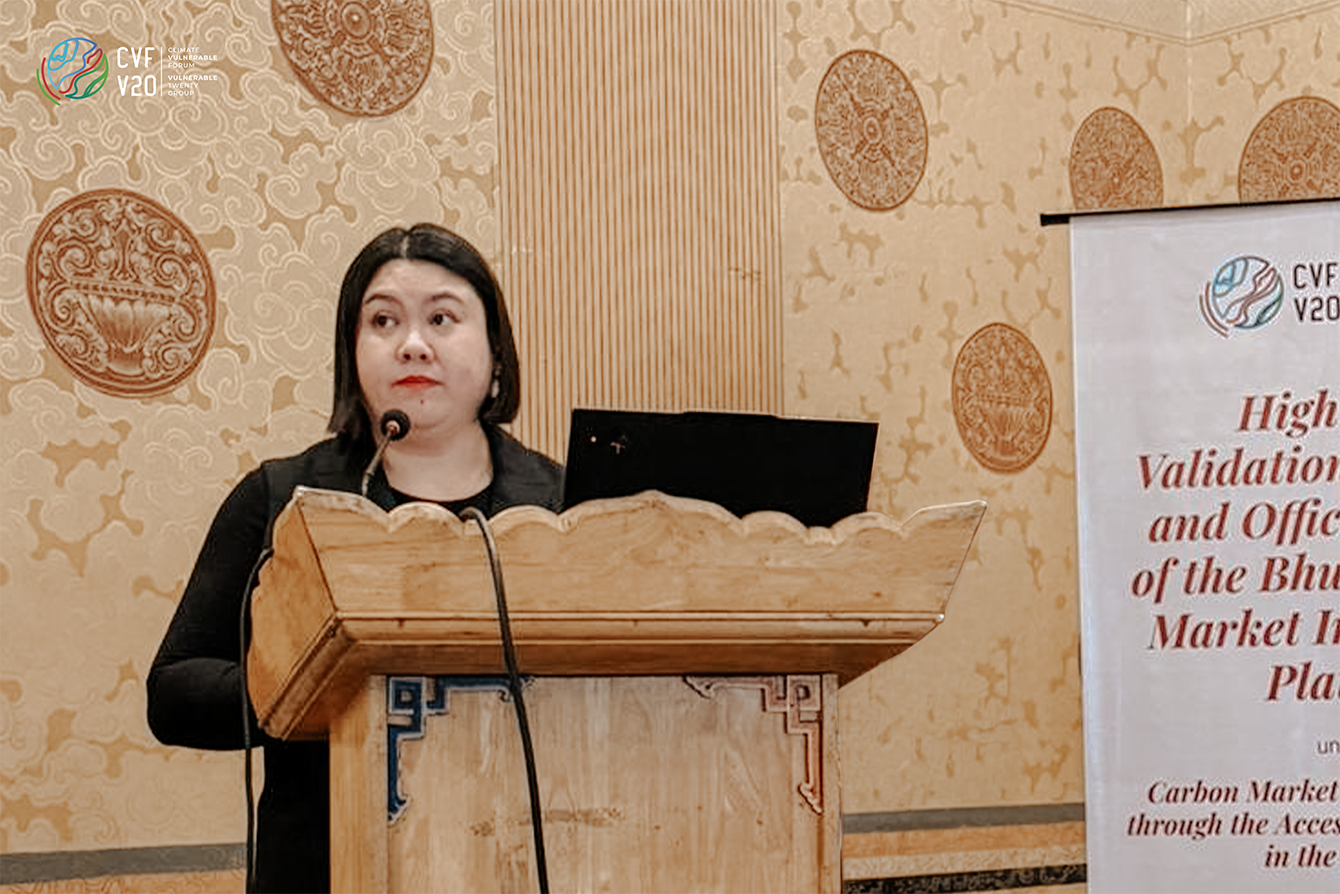



Thimphu, Bhutan—The Royal Government of Bhutan today marked a significant milestone in its climate leadership journey with the High-Level Validation Workshop and the official launch of the Bhutan Carbon Market Information Platform, organized by the Department of Environment and Climate Change (DECC) under the Ministry of Energy and Natural Resources (MoENR), in collaboration with the Climate Vulnerable Forum and V20 Group of Finance Ministers (CVF-V20) Secretariat.
The launch is part of the expanded implementation of the Access Strategies Program under the Carbon Finance Program, spearheaded by CVF-V20 and Voluntary Carbon Markets Integrity Initiative (VCMI), which aims to strengthen Bhutan’s institutional, technical, and market readiness to participate in international carbon markets.
The high-level event convened senior government officials, international development partners, financial institutions, civil society organizations, and private sector representatives to validate the outcomes of the carbon market readiness program and formally launch the national information platform.
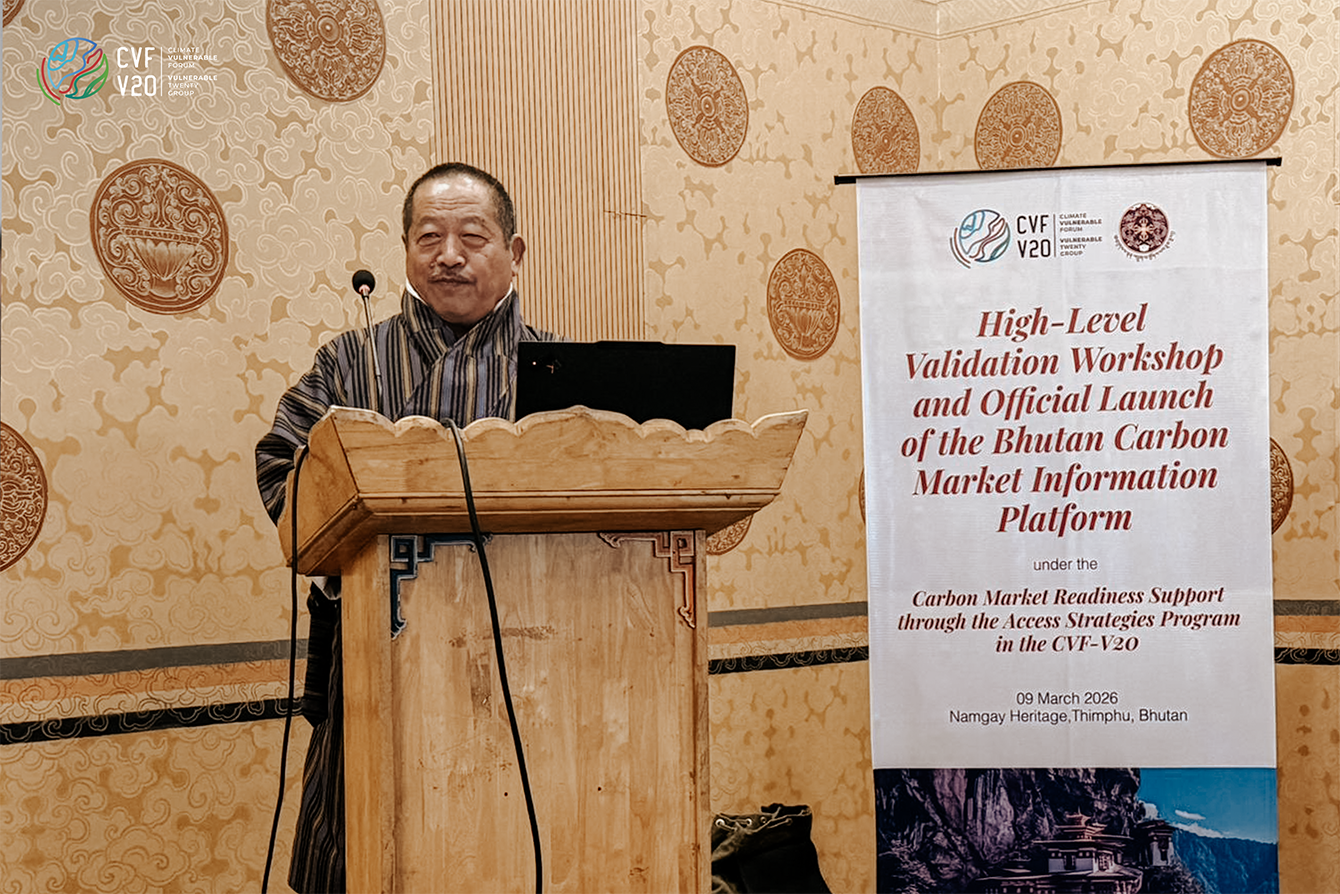
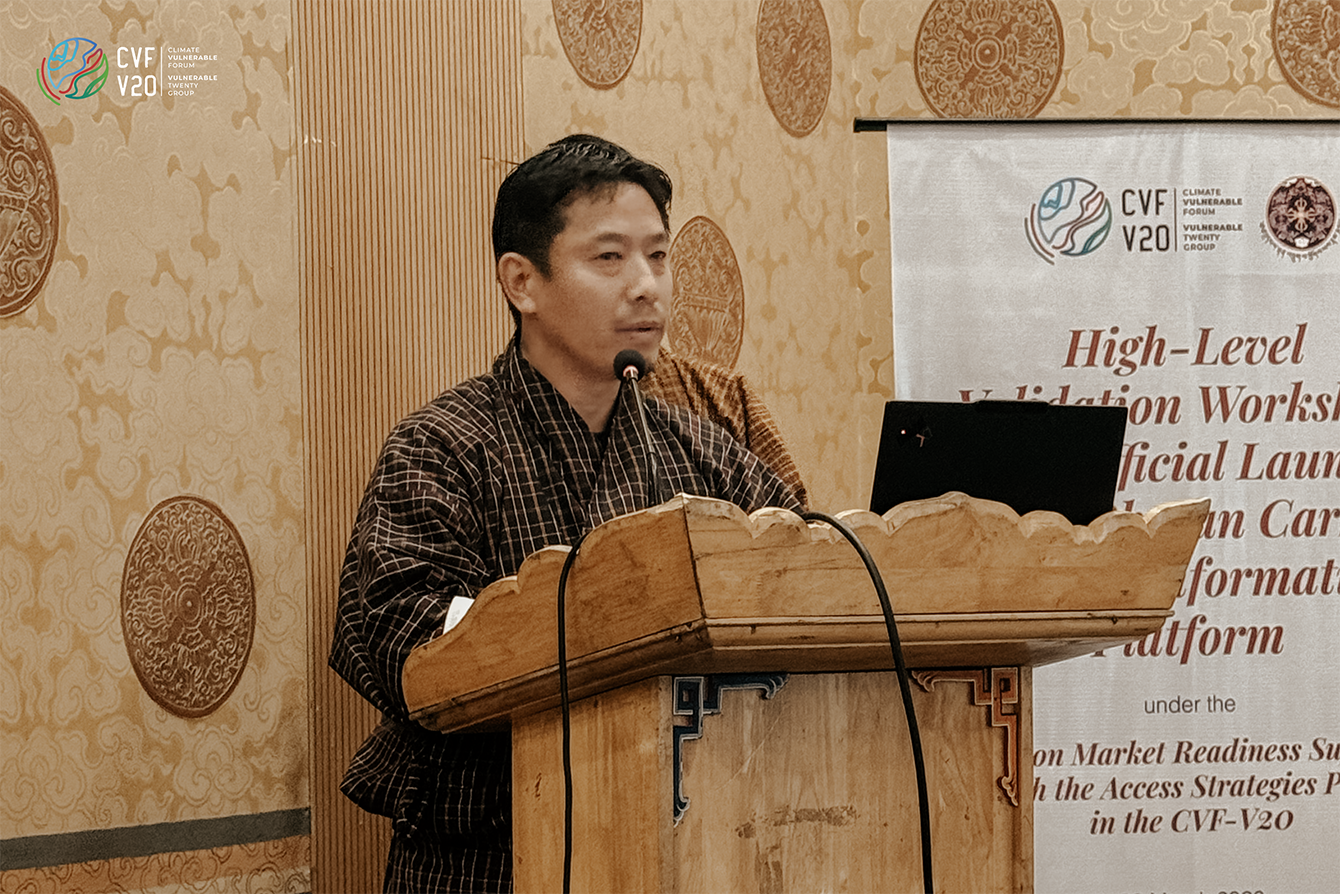
Speaking at the event, H.E. Lyonpo Gem Tshering, Minister for Energy and Natural Resources, highlighted Bhutan’s commitment to enabling carbon market access to utilize carbon credits as a tool to advance climate ambition and sustainable development. “Finally, today, we say that we are getting into the job. It will be not only a happy moment for Bhutan alone, but for the globe, at least we will be in a position to do something. Over the past year, through structured consultations, technical assistance, and private sector engagement, we have strengthened the institutional, technical, and regulatory foundations for a high-integrity carbon market,” he explained.
For Bhutan, launching the centralized carbon market information platform counts as a strategic initiative in building a high-integrity carbon market system, demonstrating a progressive shift from policy ambition to operational systems.
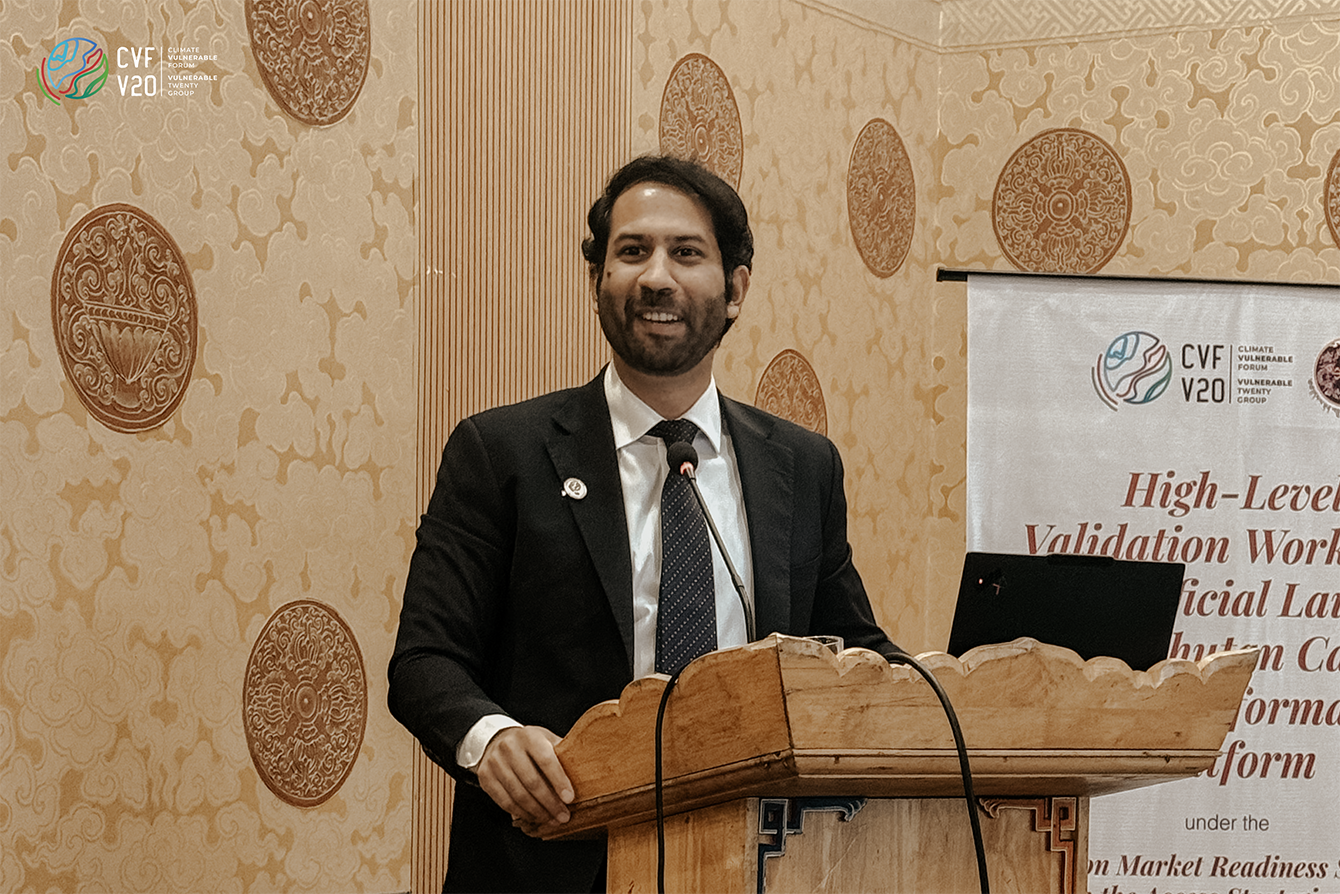
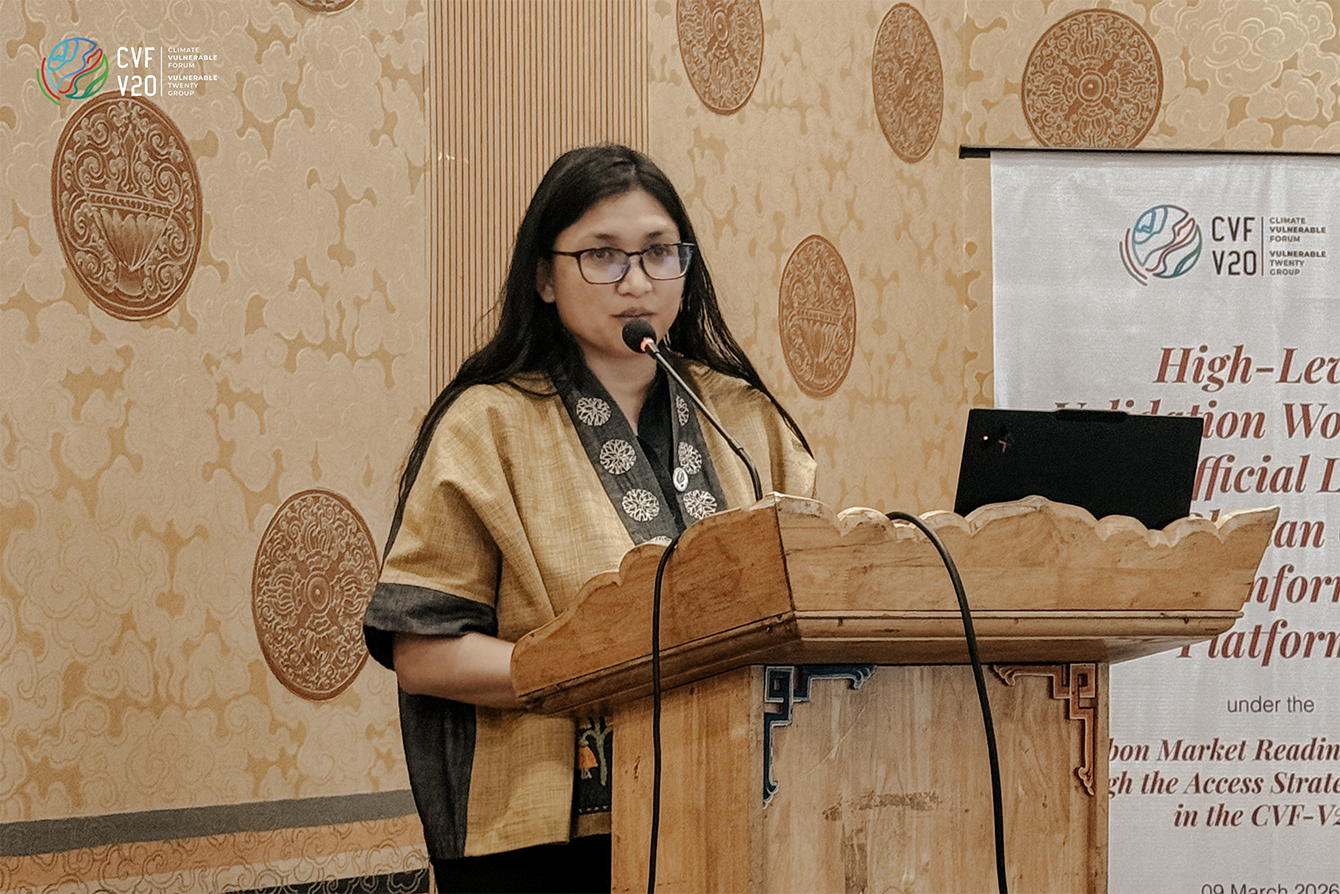
Ms. Sara Jane Ahmed, Managing Director and Finance Advisor of the CVF-V20 Secretariat, emphasized that Bhutan is creating a more enabling and credible environment for private sector engagement. “The launch of a centralized carbon market information platform will create a single hub for carbon market policies, procedures, and project development resources. This will improve efficiency, strengthen transparency, and enhance investor confidence in engaging with Bhutan’s carbon market,” she said.
As part of the readiness engagement, extensive consultations were conducted through national workshops.The process also brought together technical experts, government officials, and sector specialists to ensure that analytical outputs were aligned with Bhutan’s national climate priorities and international regulatory requirements.
The program resulted in the preparation of several key analytical deliverables, including sectoral mitigation potential assessments, covering 40 mitigation activities with carbon revenue potential analysis, indicating a market potential of at least USD 100 million during the first Nationally Determined Contribution (NDC) period, and methodology screening exercises aligned with Bhutan’s Positive List of carbon market activities. These analyses provided an evidence-based understanding of Bhutan’s mitigation opportunities and the potential revenue that could be generated through high-integrity carbon markets.
The platform also includes a Private Sector Engagement Guide, designed to support domestic and international developers, investors, and financial institutions in identifying opportunities for carbon project development in Bhutan. By consolidating relevant policies, frameworks, and technical guidance in a single repository, the platform aims to enhance institutional clarity, improve investor confidence, and facilitate efficient engagement with the national carbon market framework. This platform includes process flowcharts, manuals, engagement strategies, forms, and documents, designed to improve awareness and streamline project submission procedures.
Additionally, the initiative contributed to strengthening Bhutan’s readiness to participate in international carbon markets by supporting the design of national carbon market information systems and improving the transparency and accessibility of regulatory procedures. These outputs have strengthened the institutional capacity of government agencies while providing practical tools for project developers and investors, helping to lay the foundation for a pipeline of high-quality mitigation activities.
With policy frameworks and institutional arrangements now largely in place, Bhutan is now focusing on advancing carbon project development and mobilizing private investment. Through strengthened bilateral cooperation under Article 6, including engagement with the Republic of Singapore, Bhutan aims to position itself as a credible and high-integrity participant in global carbon markets.
The High-Level Validation Workshop and launch of the Bhutan Carbon Market Information Platform represent an important step toward translating Bhutan’s climate ambition into concrete mitigation activities, enabling the country to leverage carbon markets to support its national climate commitments and sustainable development objectives.
Disclaimer: The Bhutan Carbon Market Information Platform link will be available at the Ministry of Energy and Natural Resources (MoENR) website in a week’s time. We will update this page once the platform becomes publicly available.