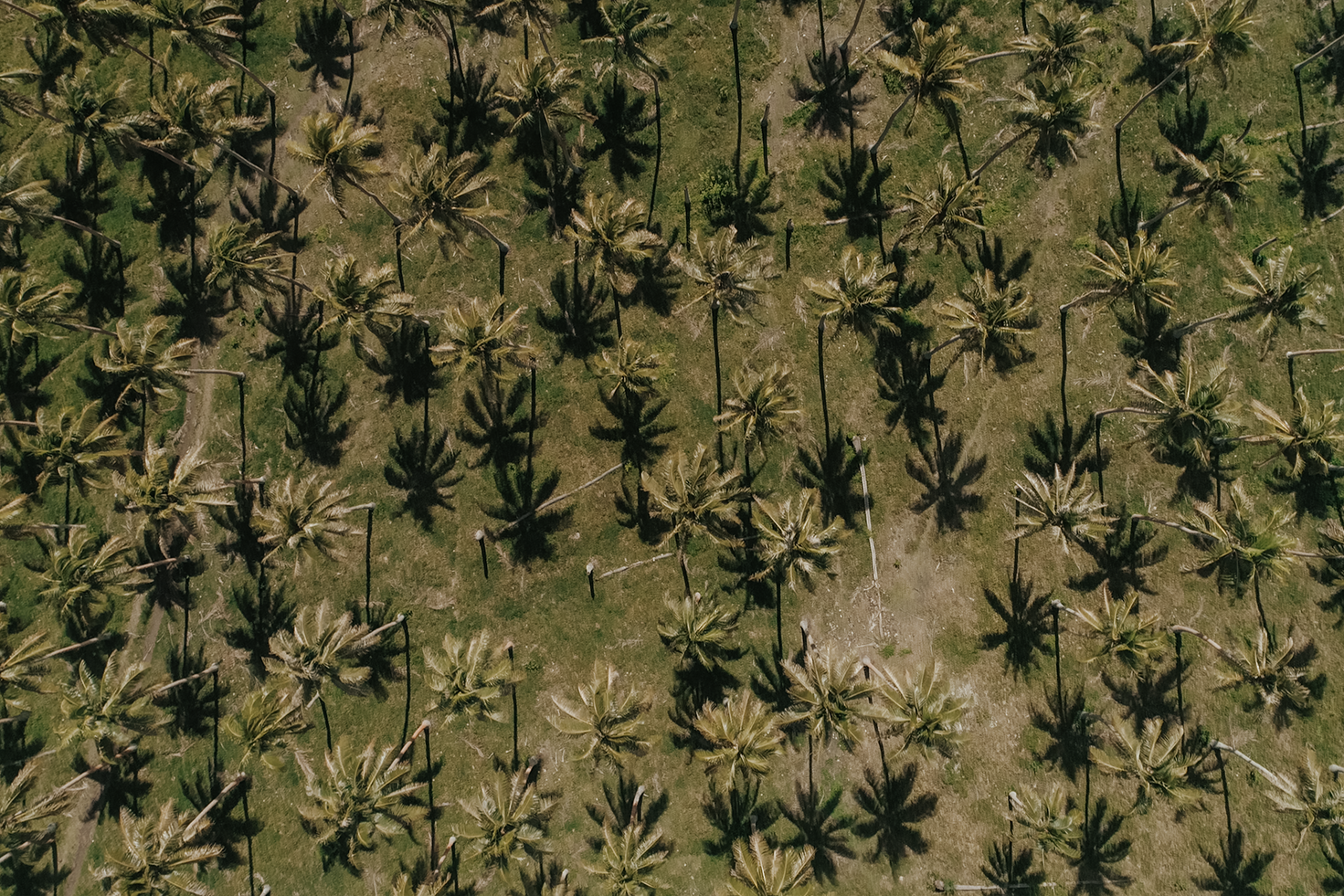
Samoa, Tonga, and Vanuatu have secured a five-year climate adaptation project worth US$43.7 million through the Green Climate Fund (GCF), a critical step toward transforming how Pacific communities grow food in the face of accelerating climate change. The funding will drive large-scale investments across agricultural production systems, unlocking new pathways to long-term food security, improved nutrition, and expanded livelihoods across the three nations.
The urgency is hard to overstate. As global temperatures push past the 1.5°C threshold set by the Paris Agreement, the Pacific region faces a mounting barrage of hydrometeorological hazards (floods, tropical cyclones, droughts, and heatwaves) that are growing more frequent and more destructive. For communities in Samoa, Tonga, and Vanuatu, where daily sustenance depends heavily on locally grown food, the consequences are immediate: disrupted harvests, degraded soils, depleted water sources, and deepening vulnerability to food insecurity and malnutrition. The added reliance on imported goods leaves these economies exposed to volatile global markets, compounding an already fragile situation.
It is against this backdrop that access to the GCF has become not just beneficial, but essential. The newly approved project will establish Climate-Resilient, Regenerative Agricultural (CRRA) systems across all three countries, introducing adaptive farming approaches designed to hold up under climate pressure. When fully implemented, the project is expected to improve the food and nutrition security of more than 50,000 people and restore ecosystem health across over 20,000 hectares of agricultural land.
At its core, the project champions regenerative agriculture, an approach that works with nature rather than against it. By restoring soil fertility, improving water retention, diversifying crops, and rebuilding the ecosystem services that underpin long-term productivity, CRRA systems offer a practical and durable alternative to conventional farming. The model blends staple root crops and vegetables with high-value commercial crops, reinforcing both household nutrition and economic resilience in a single integrated approach.
The project is built on two mutually reinforcing pillars. The first focuses on institutional capacity, fostering the policy environments and strategic partnerships needed to support a genuine transition to regenerative practices. Strengthening governance and coordination across Samoa, Tonga, and Vanuatu is foundational to the project’s success, ensuring that climate-smart agriculture becomes embedded in national systems rather than treated as a temporary intervention.
The second pillar places farmers at the center of change. Recognizing that lasting transformation depends on those who work the land, the project will engage community farmers through peer-to-peer learning and on-the-ground demonstration sessions. A dedicated Farmer Support Programme will give farmers direct access to the tools, equipment, and technologies they need to navigate the transition, ensuring that progress is practical, not just policy-deep.
The initiative also carries broader regional significance. The CVF-V20 is actively supporting the expansion of the GCF portfolio across the Pacific, including in Samoa, Tonga, and Tuvalu, in line with commitments to double the number of accredited V20 direct access entities and scale up the direct access project portfolio by 2027. For Pacific nations long on the frontlines of climate vulnerability but historically underrepresented in global climate finance, this project marks a significant step toward closing that gap.