Colombia Frees Its Amazon Region from Large-Scale Mining
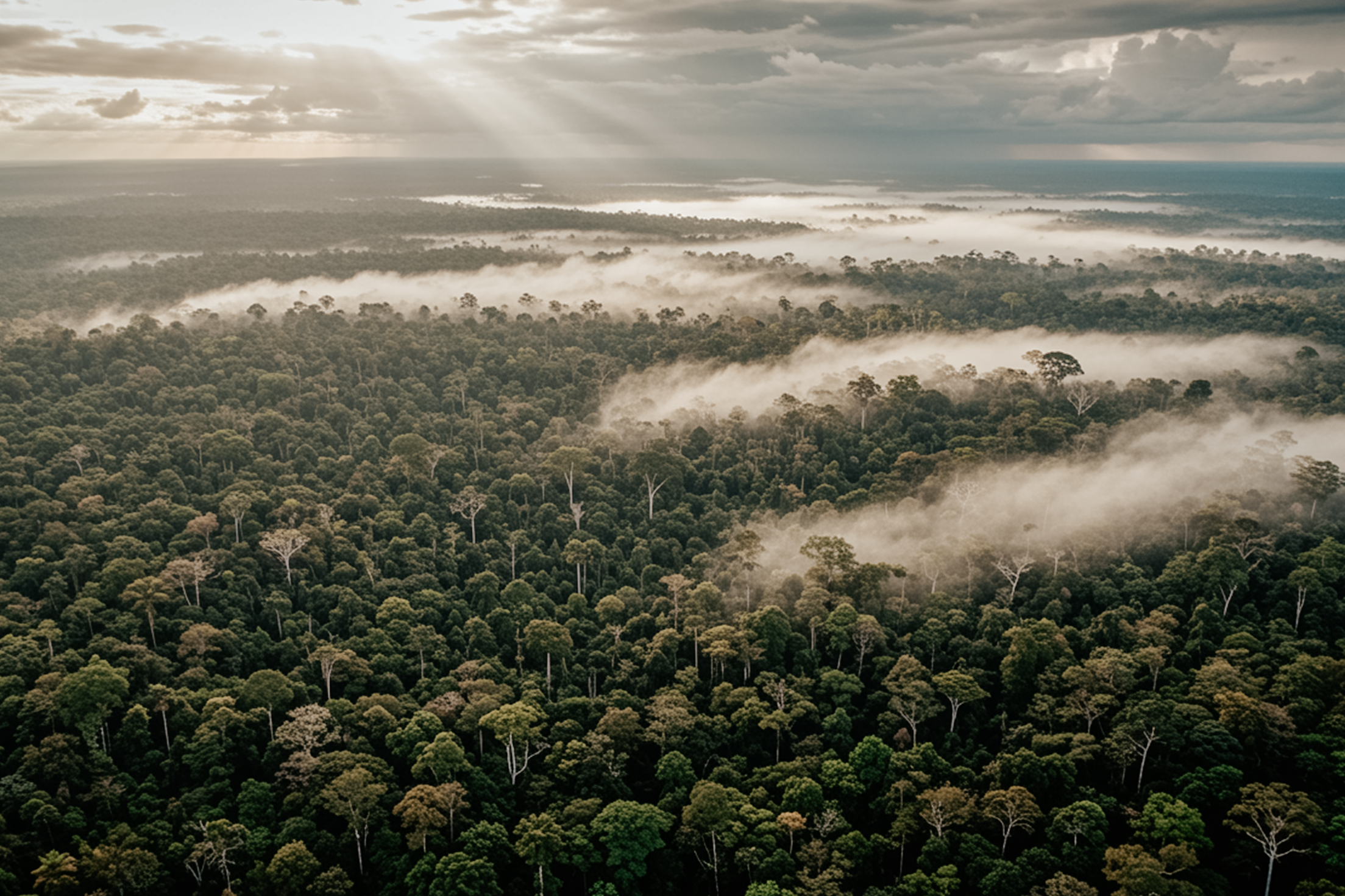
The Republic of Colombia vows to protect its share in the Amazon by declaring its entire biome off-limits to new large-scale mining and hydrocarbon projects, ensuring the conservation of ecological systems and the preservation of engraved ethical identity across the jungle. The declaration was made at a ministerial meeting of the Amazon Cooperation Treaty Organization (ACTO) ministers during COP30 in November 2015.
Representing 42 percent of the country’s territory that spans across 438,000 square kilometers, the tropical forest is home to 1.2 million and a diverse group of species. The majority of Colombia’s indigenous groups from the Afro-descendant communities have seeded their roots at the heart of the jungle, denoting the richness of cultural identity and ethical practices nestled in the forest. For Colombia, preserving the Amazon transcends beyond biodiversity considerations, but also saves the indigenous origins of the country.
The declaration is expected to impede 43 planned hydrocarbon blocks and around 286 pending mining applications across Amazonas, Caquetá, Guaviare, Guainía, Putumayo, and Vaupés, closing the doors for large-scale and industrial mining that pursues exploration and production of oil and gas.
Currently, the government seeks to conduct extensive consultations with different indigenous groups, ensuring that the declaration aligns with the values and practices of the people at the most remote areas of the forest. Officials are committed to closely monitoring and enforcing strict measures that restrict hydrocarbon activities and mining in the Amazon.
With the Colombian Amazon covering only seven percent of the entire rainforest, stronger regional cooperation is required to boost preservation and conservation in the territory. Apart from declaring a mining ban, Colombia urges neighboring countries to form the Amazon Alliance for Life in an effort to halt the rising deforestation cases within the world’s largest tropical rainforest.
Colombia demonstrates that developing nations are not merely victims of climate change; they are active leaders as well in shaping global climate action. Acting as the lungs of the Earth, the future of the world and its people heavily depends on the future of the Amazon.