London, United Kingdom—As the US-Israel strikes on Iran send oil prices surging and deliver another fossil fuel shock to the world’s most vulnerable developing economies, a new report by global energy think tank Ember finds that the alternative is already being built.
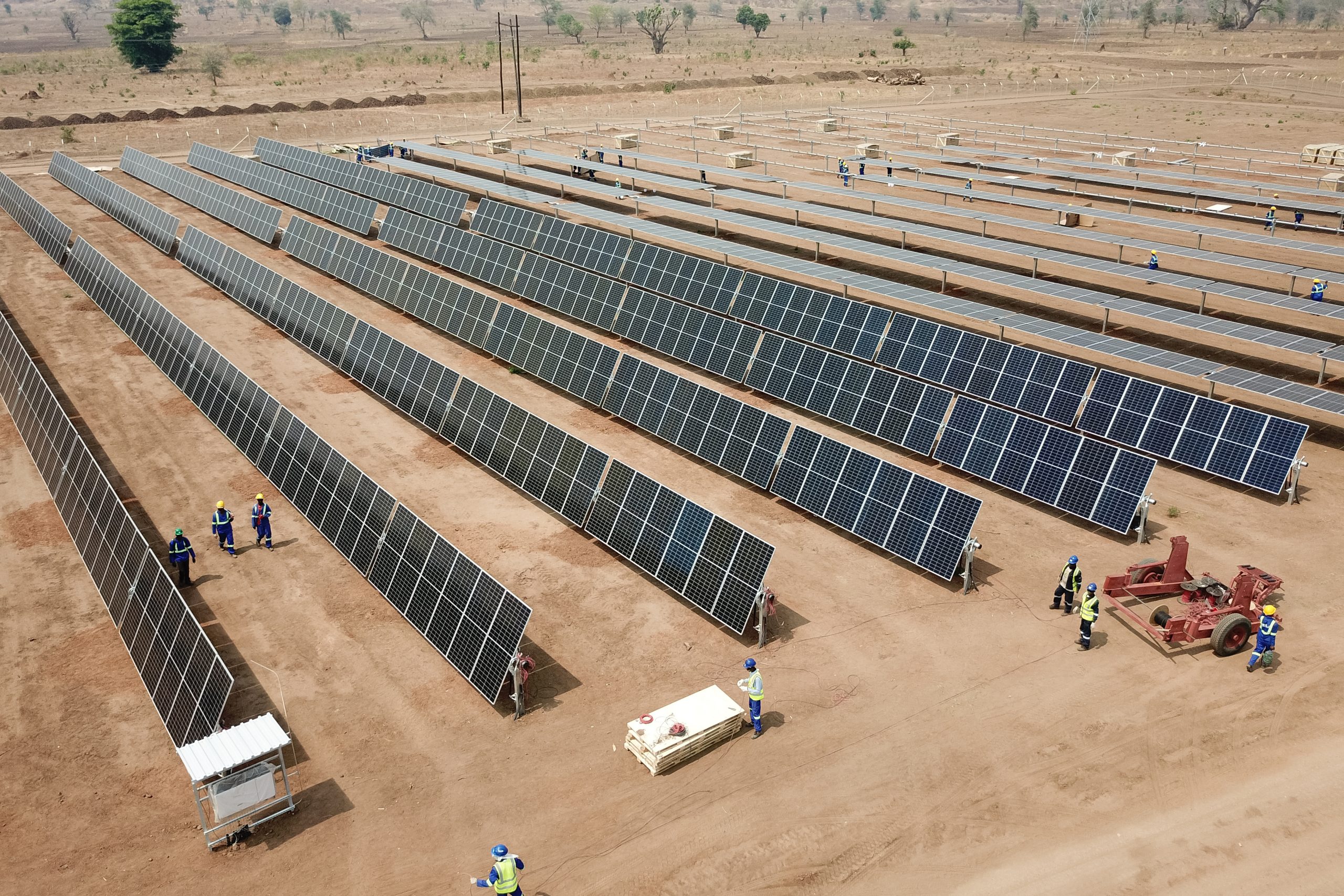
Nearly half of the countries in the Climate Vulnerable Forum and V20 Finance Ministers (CVF-V20), a group of 74 climate-vulnerable nations across Africa, Asia, the Caribbean, Latin America and the Pacific, representing 1.7 billion people, have already surpassed the United States in solar penetration.
More than half have overtaken the US in economy-wide electrification. For these nations, the fossil development path is no longer just unnecessary: it is now the slower and more expensive option.
The shift is happening faster than official data suggests. In eight out of ten CVF-V20 countries, solar imports since 2017 are at least three times higher than officially recorded installed capacity, pointing to a rapidly growing but undercounted decentralised energy revolution.
Across supply, demand, and connections, climate-vulnerable economies are at the frontier of electrotech uptake today: Namibia (35%) and Togo (18%) in share of solar generation, Jordan and Kyrgyzstan in battery sales, Nepal (70%) and Sri Lanka (64%) in share of EV sales.
This is driven by a dramatic fall in costs across solar, batteries, and electric technologies, down 30–95% over the past decade. Solar’s upfront cost is now lower than fossil power, removing a key barrier for capital-scarce economies. Solar is cheaper to build, off-grid systems can outperform grid extension in remote areas, and electric technologies, from transport to cooling, are becoming affordable to households long excluded from modern energy services.
“The economics of energy have fundamentally changed,” said Daan Walter, Principal at Ember. “Falling solar and battery costs do not just undercut fossil fuels, they begin to price in the billion people the fossil system left behind.”
“The old trade-off between climate and development is over. Vulnerable countries are leading a rapid clean energy shift, leapfrogging fossil fuels and even richer nations. Expanding solar and electrification is reducing import dependence, strengthening energy security, and shielding economies from global price shocks,” said Sara Jane Ahmed, Managing Director and Finance Advisor of the CVF-V20 Secretariat.