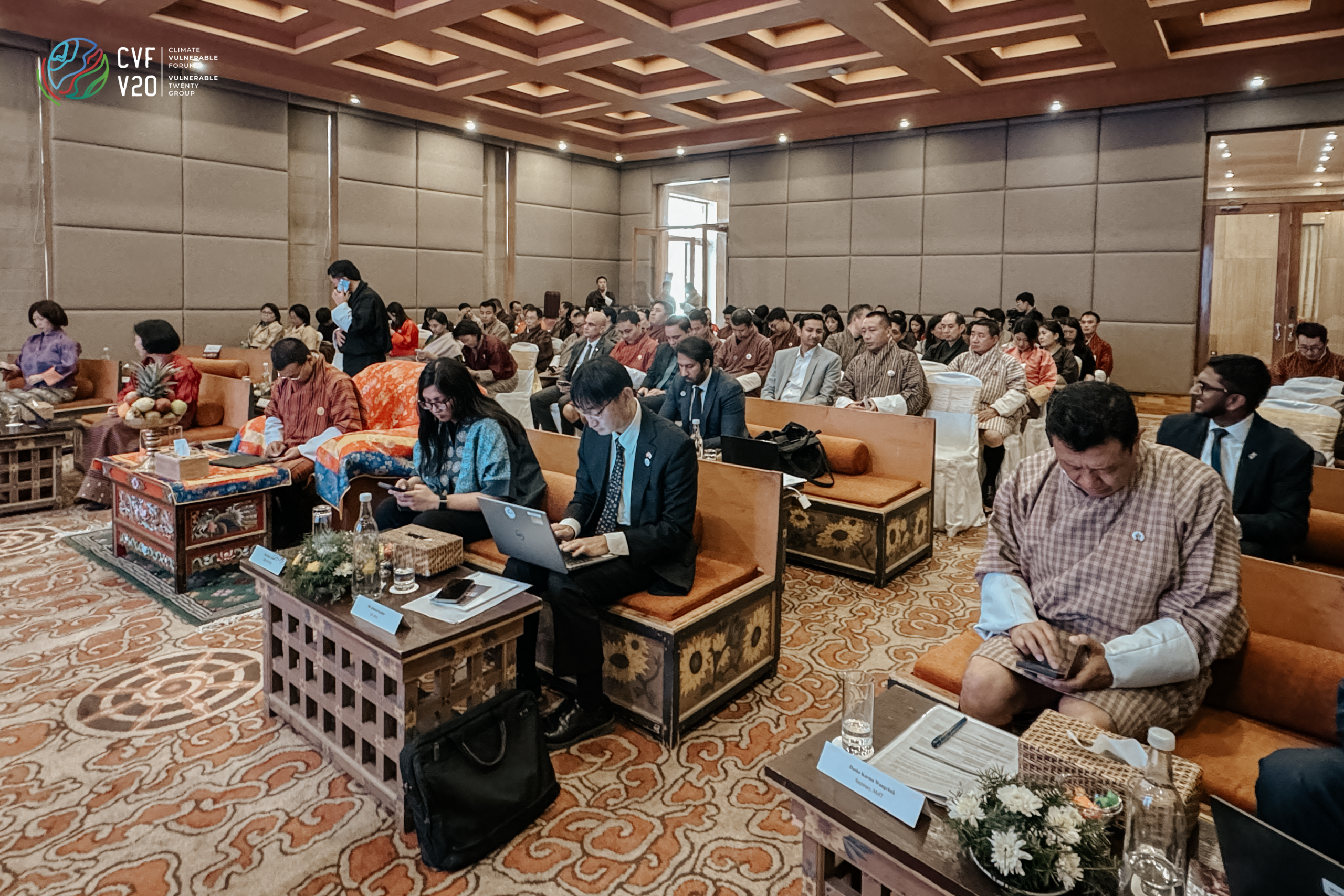
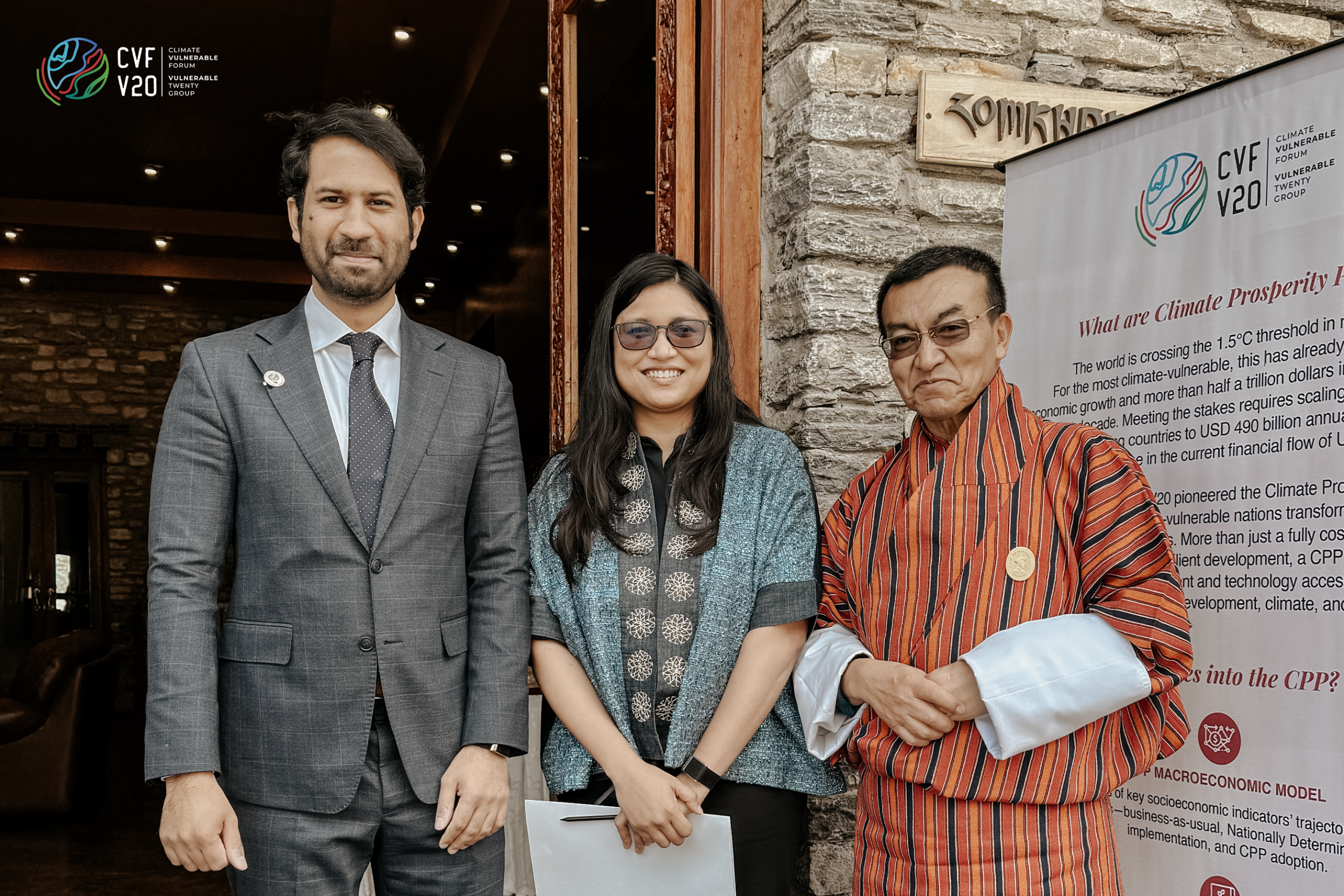
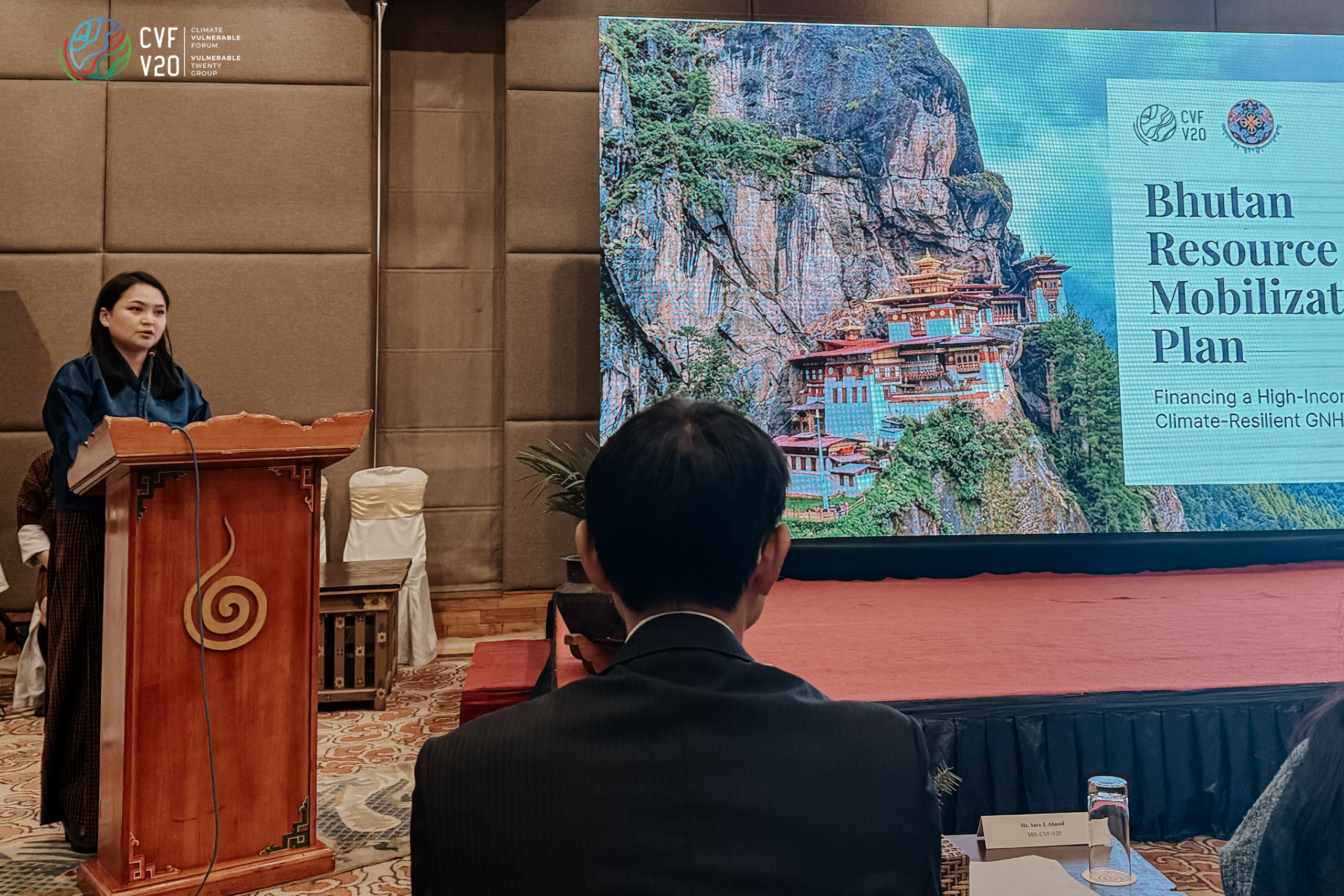
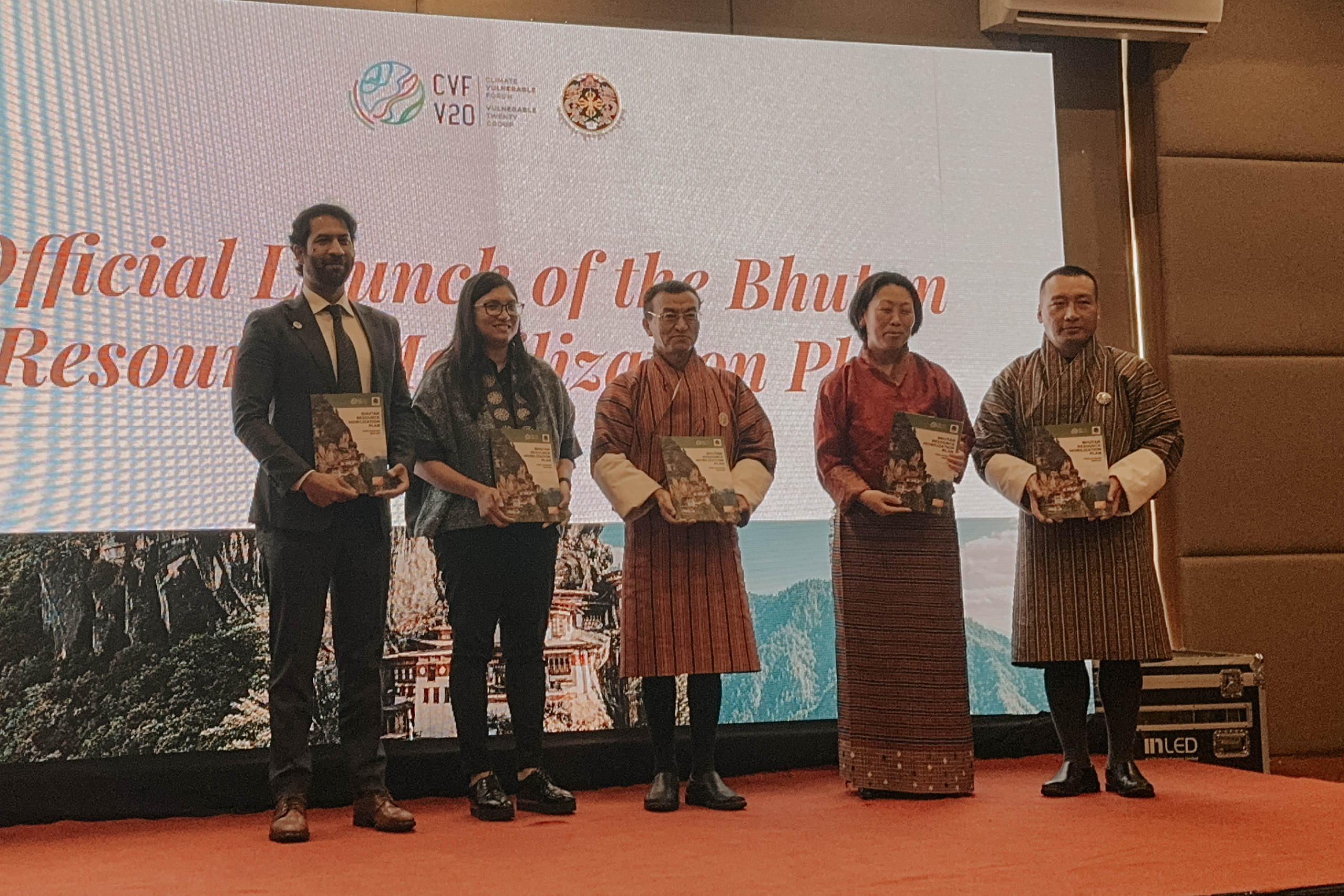
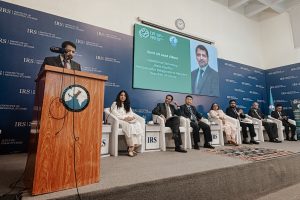
06 March 2025 | Thimphu, Bhutan—The Bhutan Resource Mobilization Plan (BRMP) was launched today by the Ministry of Finance of the Royal Government of Bhutan, with support from the Climate Vulnerable Forum and V20 Finance Ministers (CVF-V20). The groundbreaking plan is meant to help establish Bhutan as a high-income Gross National Happiness (GNH) economy by 2034 and deliver ten-fold economic growth by 2050.
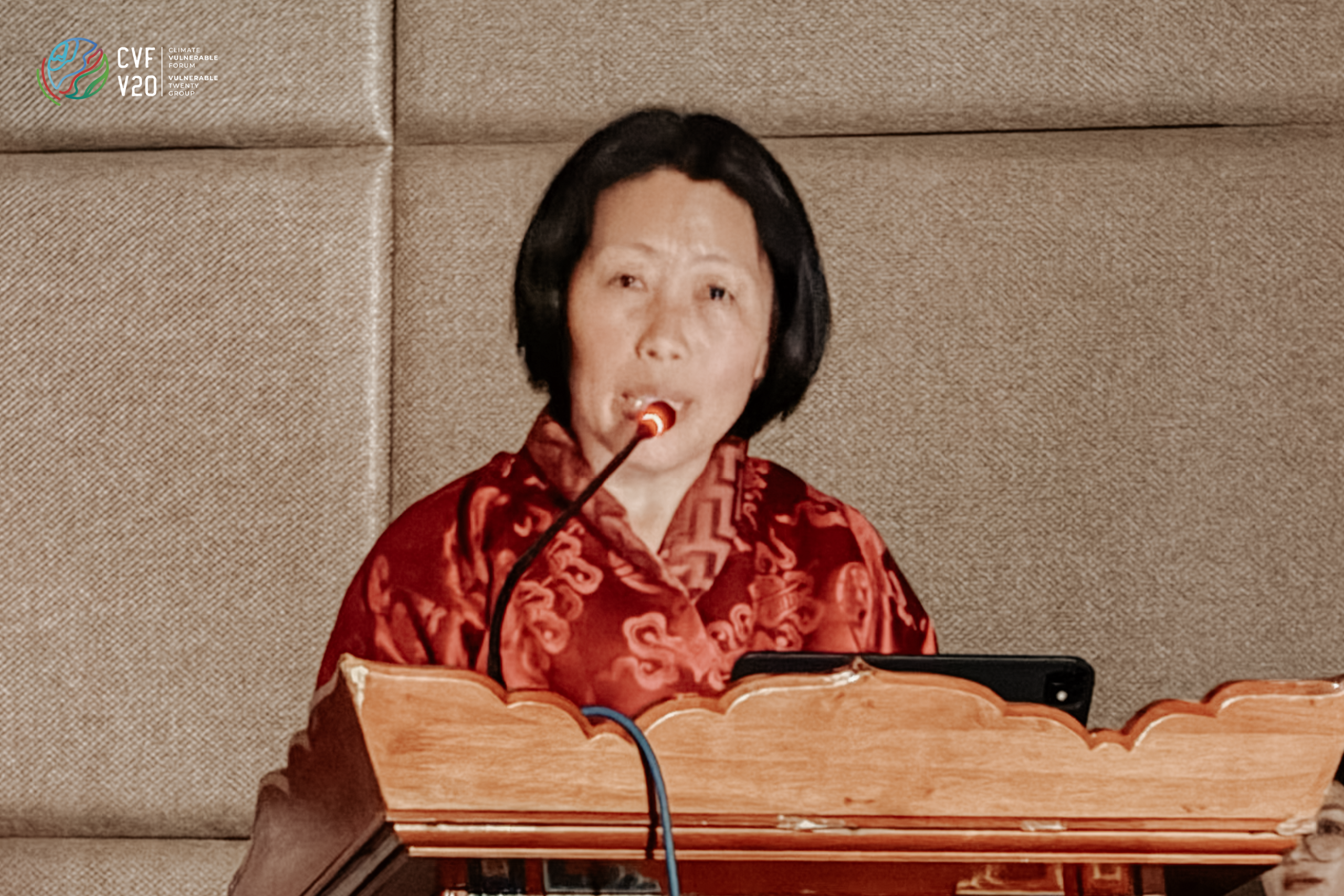
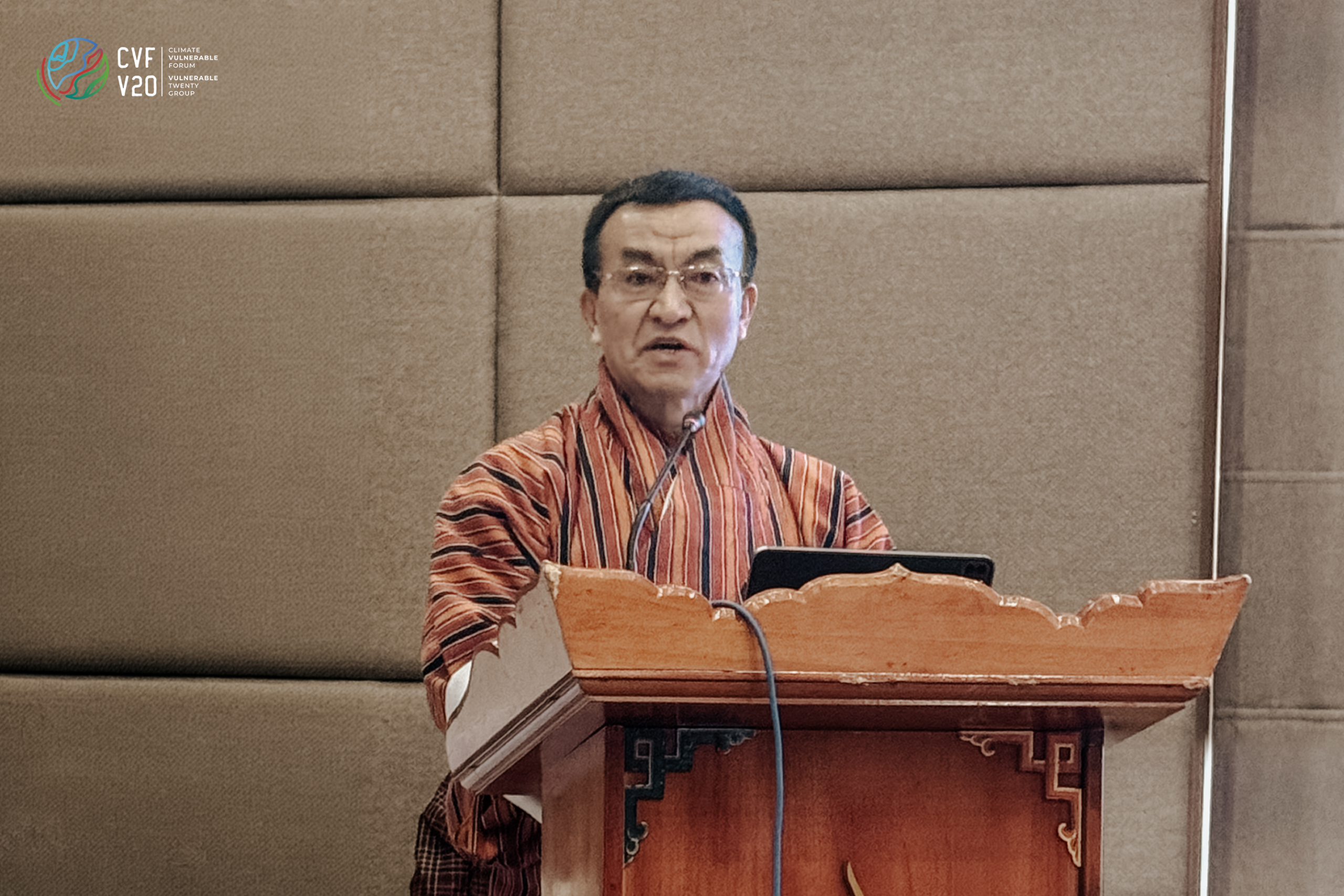
H.E. Lyonpo Lekey Dorji, Finance Minister, mentioned “Bhutan is currently guided by several ambitious national frameworks: the 13th Five-Year Plan, the 21st Century Economic Roadmap, our Nationally Determined Contributions (NDC), the Energy Roadmap, and other sectoral strategies. As these plans set clear aspirations, the Ministry of Finance must be equally proactive in consolidating and aligning the corresponding resource mobilization strategies. Ensuring adequate, predictable, and sustainable financing is essential to realizing the transformative ambitions set forth by our central and line ministries.”
The BRMP serves as Bhutan’s Climate Prosperity Plan (CPP), a broader global initiative championed by the CVF-V20 to support climate-vulnerable countries to turn climate risks into bankable opportunities. CPPs are multi-phase national strategies designed to secure and enhance access to investment and technology while aligned with the nation’s development, climate, and nature objectives.
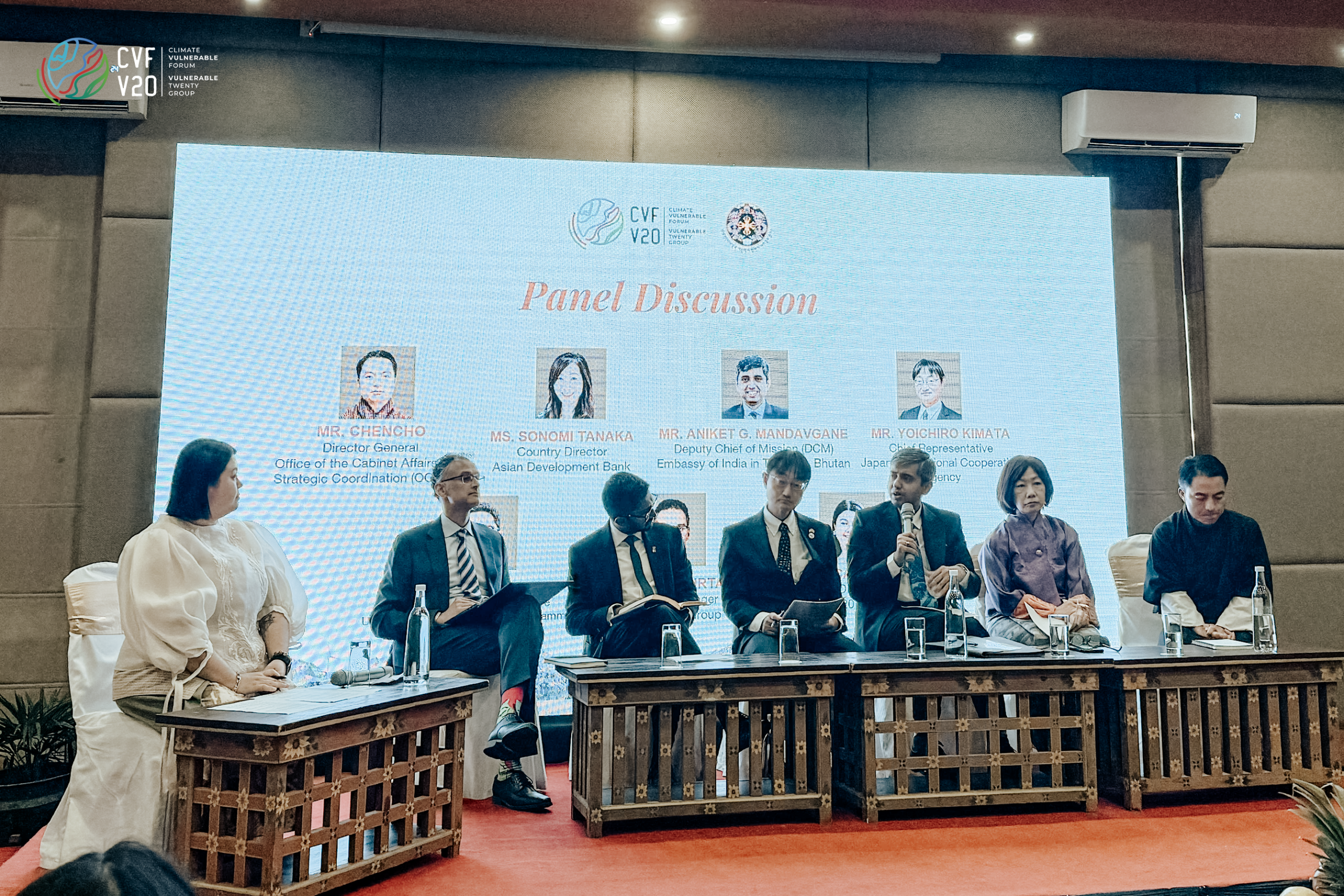
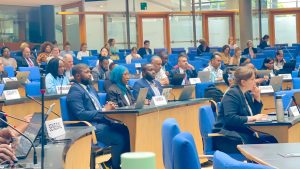
The event convened senior government officials, international development partners, financial institutions, civil society organizations, and private sector representatives on a platform of collaboration in support of Bhutan’s climate-resilient development agenda.
“The plan includes a comprehensive energy export program, climate-resilient infrastructure initiatives, a Dzongkhag-based climate risk financing and agriculture insurance program, forest conservation and carbon market integration, and catalytic instruments such as green bonds and the operationalizing of the Bhutan Climate Fund. Together, they operationalize Bhutan’s transition from aid dependence to self-financed, climate-smart growth following its graduation from Least Developed Country status,” said Ms. Sara Jane Ahmed, Managing Director and Finance Advisor of the CVF-V20 Secretariat.
One of the three (3) pillars of the Bhutan Resource Mobilization Strategy is the forward-looking Green Economic Model, a macroeconomic model that projects growth, resilience, jobs, and emissions trajectories, and tests different policy and investment scenarios to facilitate decisionmaking. Under the 13th Five-Year Plan plus Climate Prosperity trajectory, Bhutan’s GDP is projected to be 15 percent higher by 2050 compared to the business-as-usual scenario, with average annual growth at 7.4 percent. Under this pathway, the country is positioned to attain high-income status five years earlier than projected under the baseline.
As these frameworks outline ambitious national goals, the Ministry of Finance, through BRMP, aims to consolidate and align resource mobilization strategies to realize adequate, predictable, and sustainable financing for national development.
In the context of tightening fiscal space, an evolving development finance architecture, and Bhutan’s graduation from least developed country (LDC) status, the BRMP shall diversify and identify strategic financing approaches, grounded in the principles of GNH. It further shows that economic prosperity and environmental stewardship are mutually reinforcing, underscoring that Bhutan’s sustainable development is strongest when growth and ecological responsibility progress together.