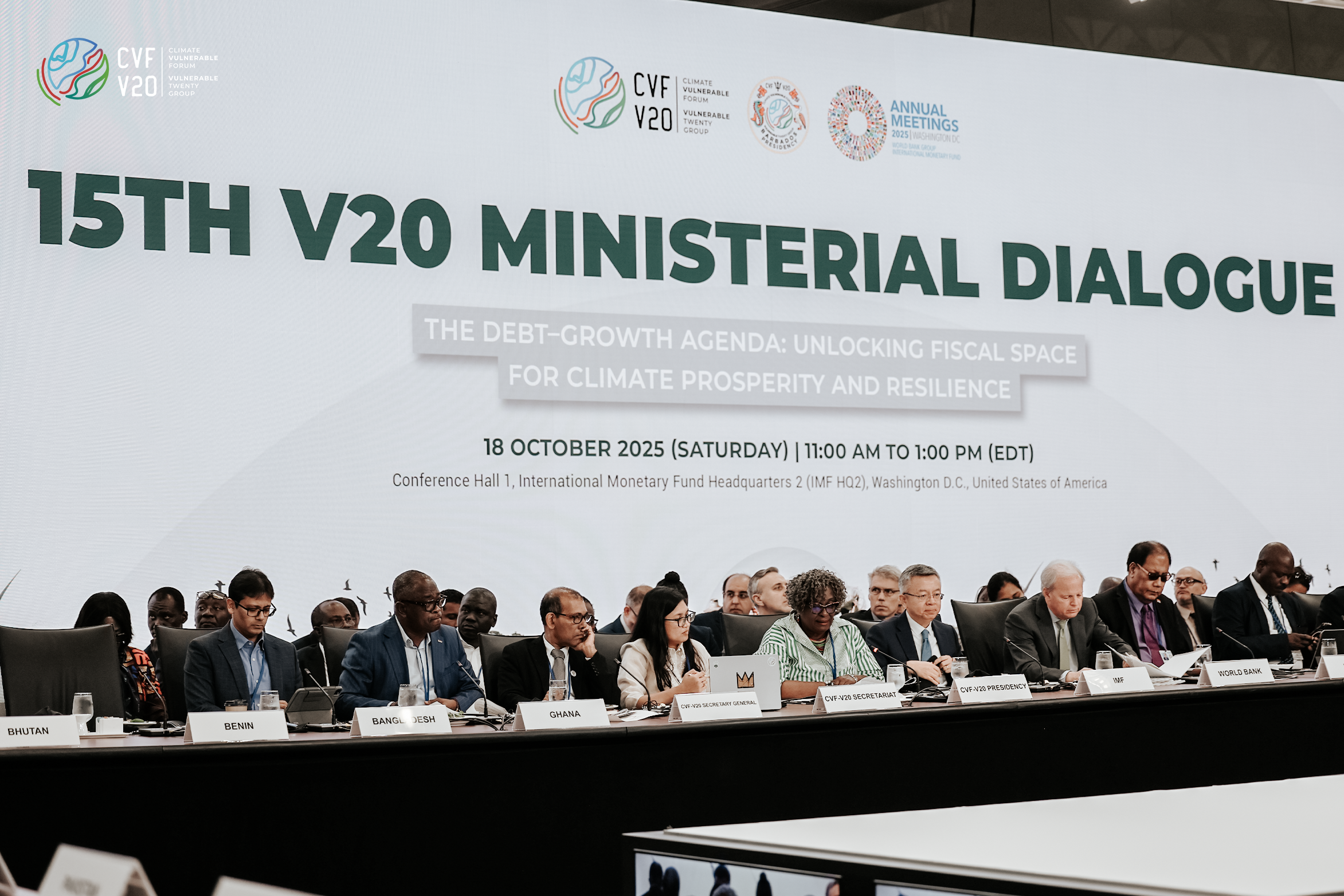

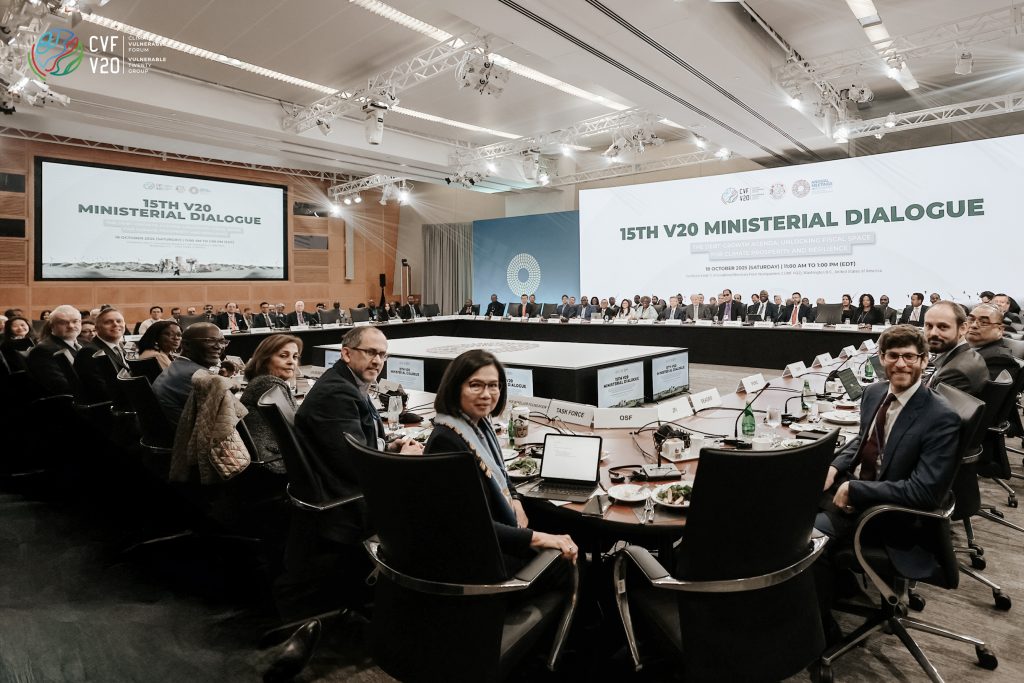
15th V20 Ministerial Dialogue

The Debt-Growth Agenda: Unlocking Fiscal Space for Climate Prosperity and Resilience

International Monetary Fund Headquarters, Washington D.C., United States of America

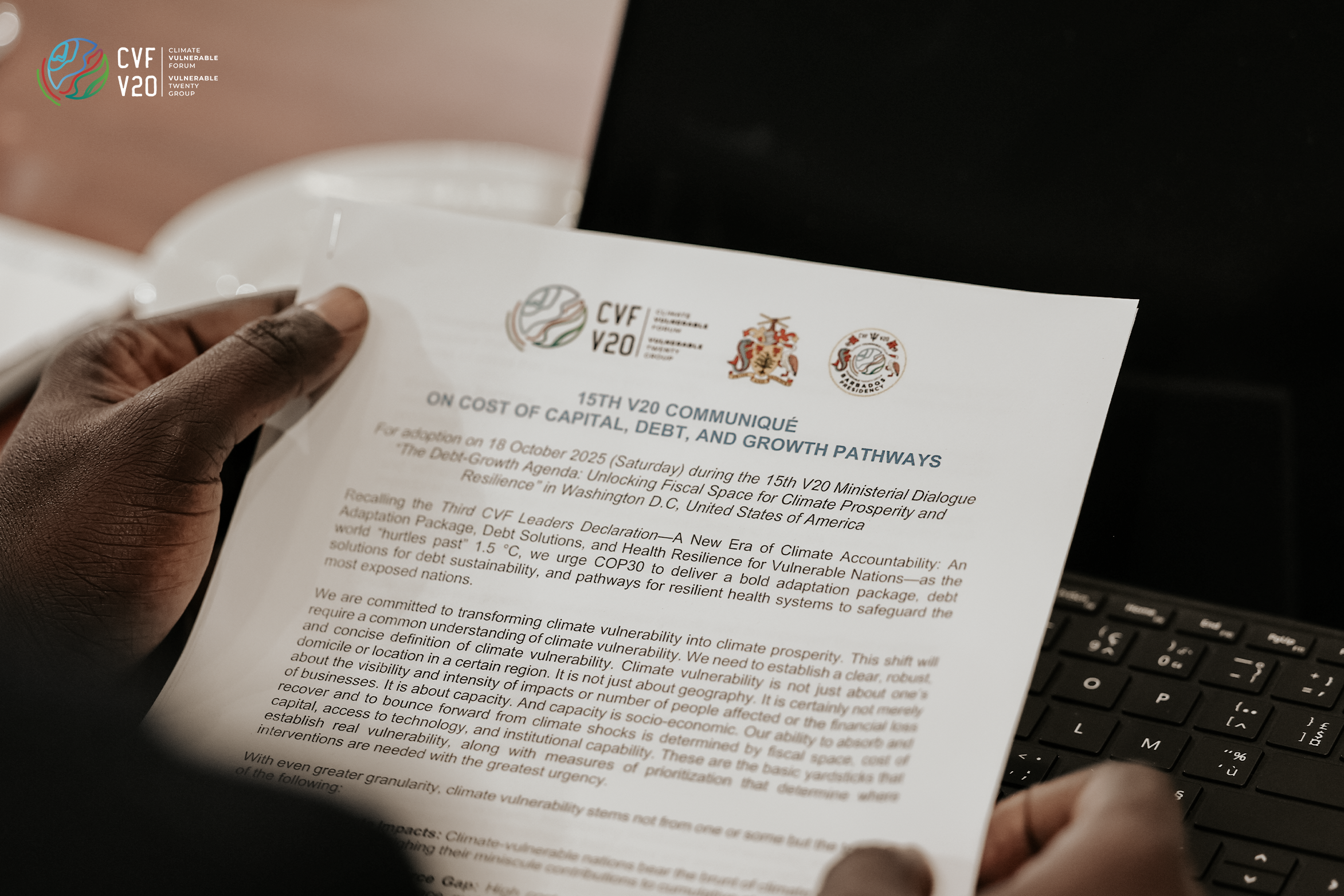
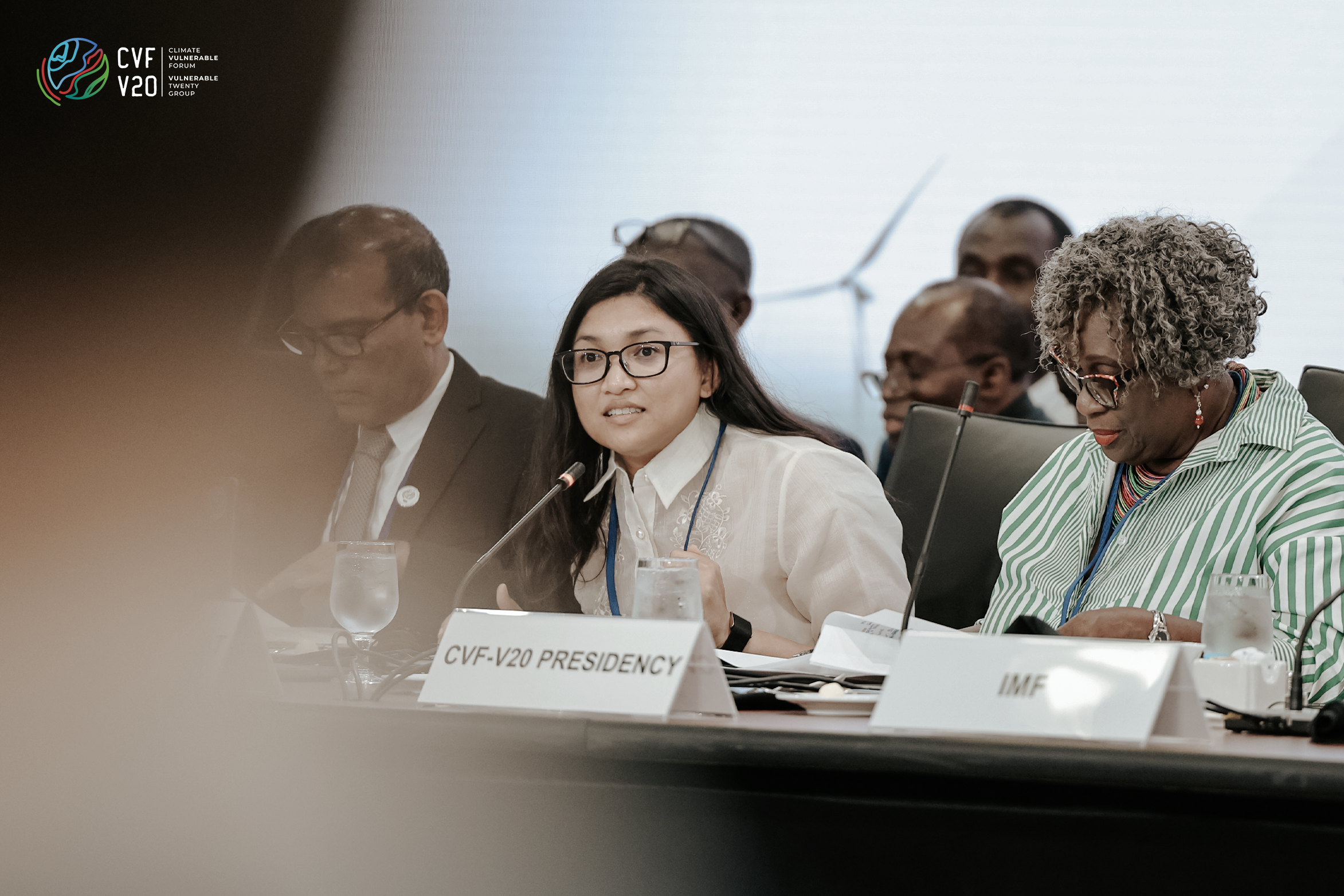
The 15th V20 Ministerial Dialogue, held during the 2025 Annual Meetings of the World Bank and the International Monetary Fund, called for a climate-resilient financial ecosystem to break the vicious cycle in which compounding debt and climate change hinder progress.

The dialogue centered on the V20 Finance Ministers’ Debt-Growth Agenda as a critical pathway in unlocking fiscal space to invest in climate prosperity and resilience. The approach aims to make debt an instrument for climate action and development—delivered at the optimal volume, timing, and cost to account for the severe climate risks they face and the need to transform growth models to deliver climate prosperous futures.

HIGHLIGHTS

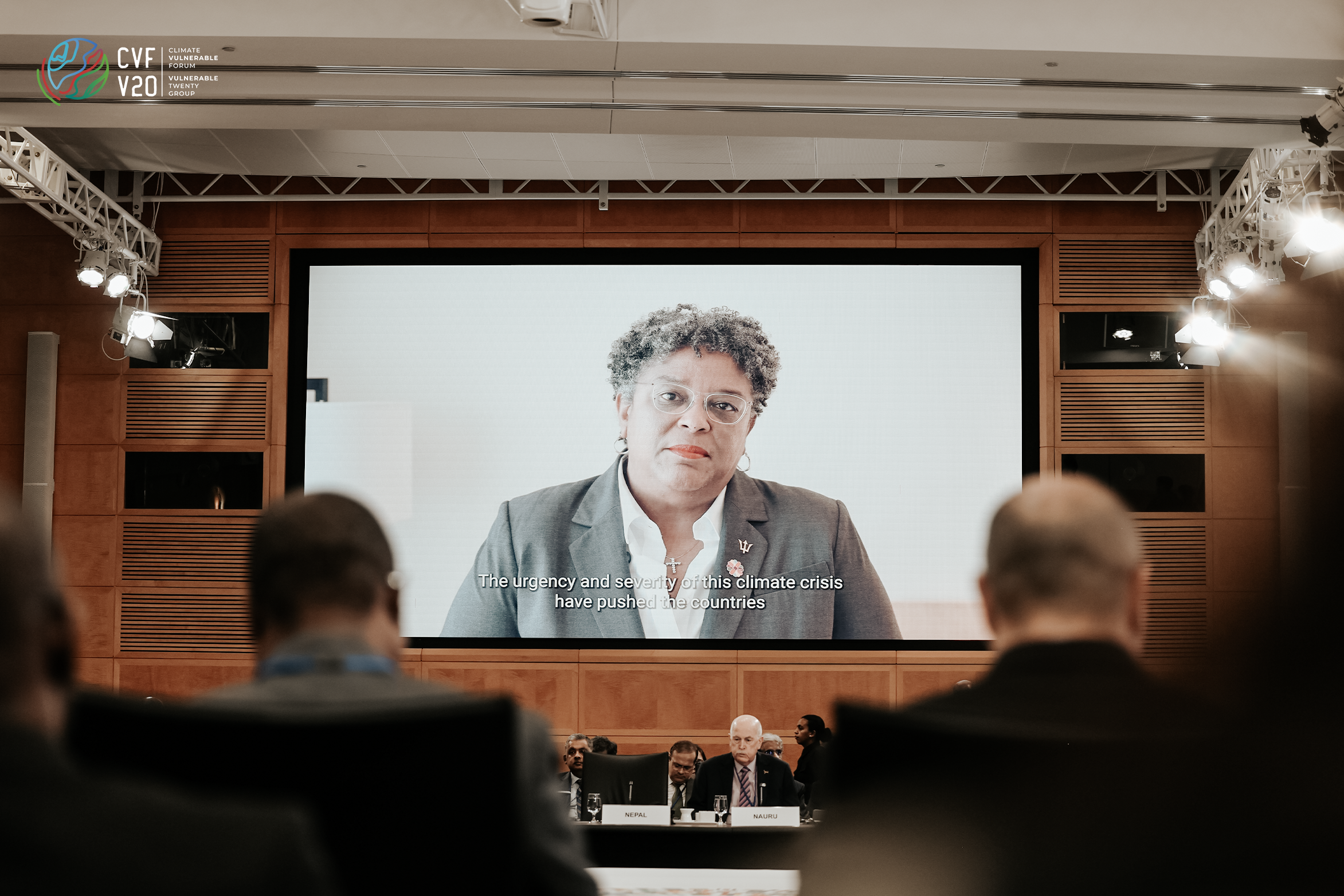
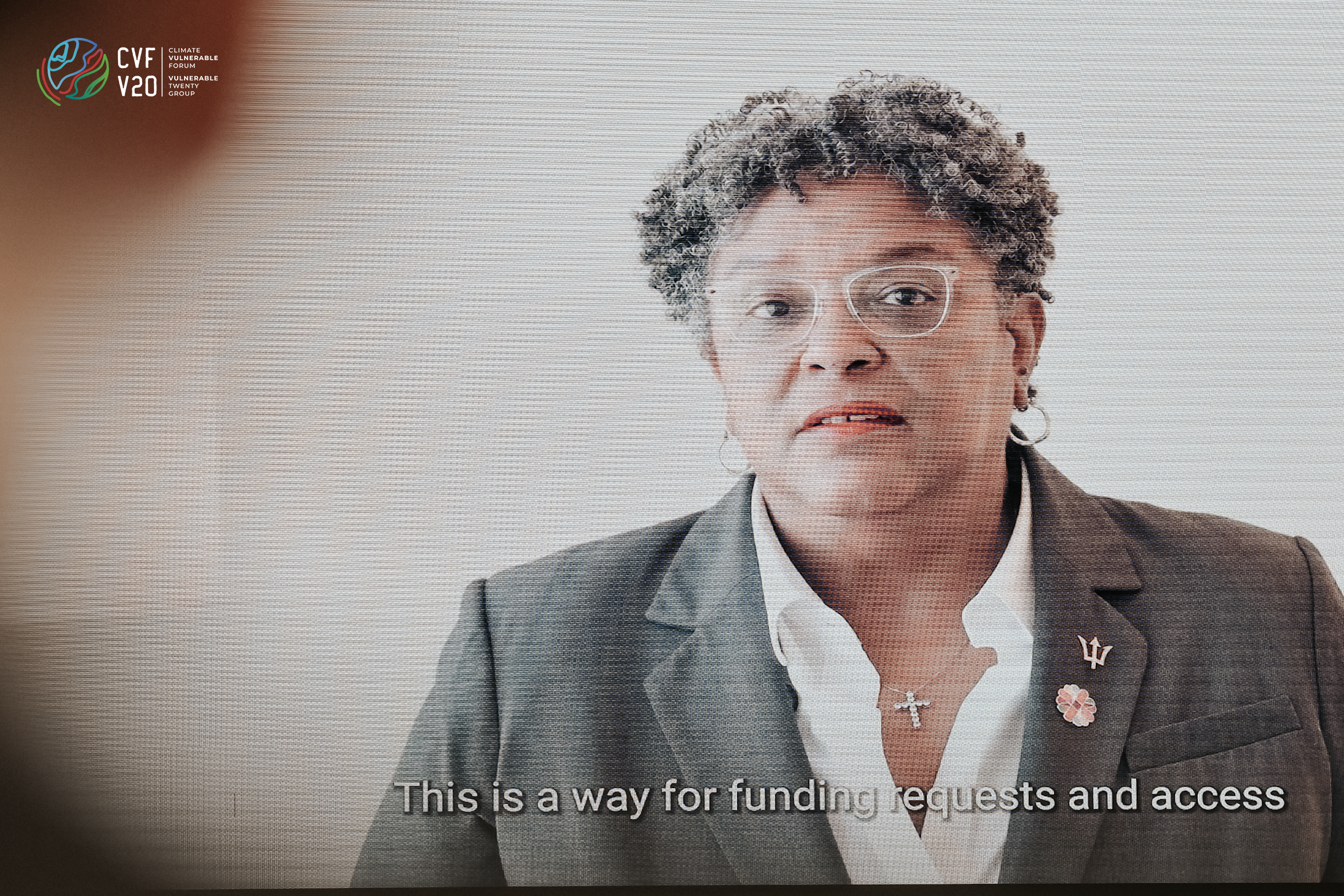
“The Debt Sustainability Framework, which still governs international lending, underestimates the cost of the climate crisis and overlooks the long-term benefits of investing in resilience, low-carbon economic transformation, and human capital.

Austerity does not deliver resilience; investment does. Investment in adaptation, renewable energy, and resilient infrastructure is not reckless, it is responsible, it is rational, it is right. Debt sustainability cannot be built on austerity that erodes resilience. It must be anchored in investment that safeguards people and economies.”

H.E. MIA AMOR MOTTLEY
Prime Minister of Barbados
Chair of the Barbados Presidency of CVF-V20

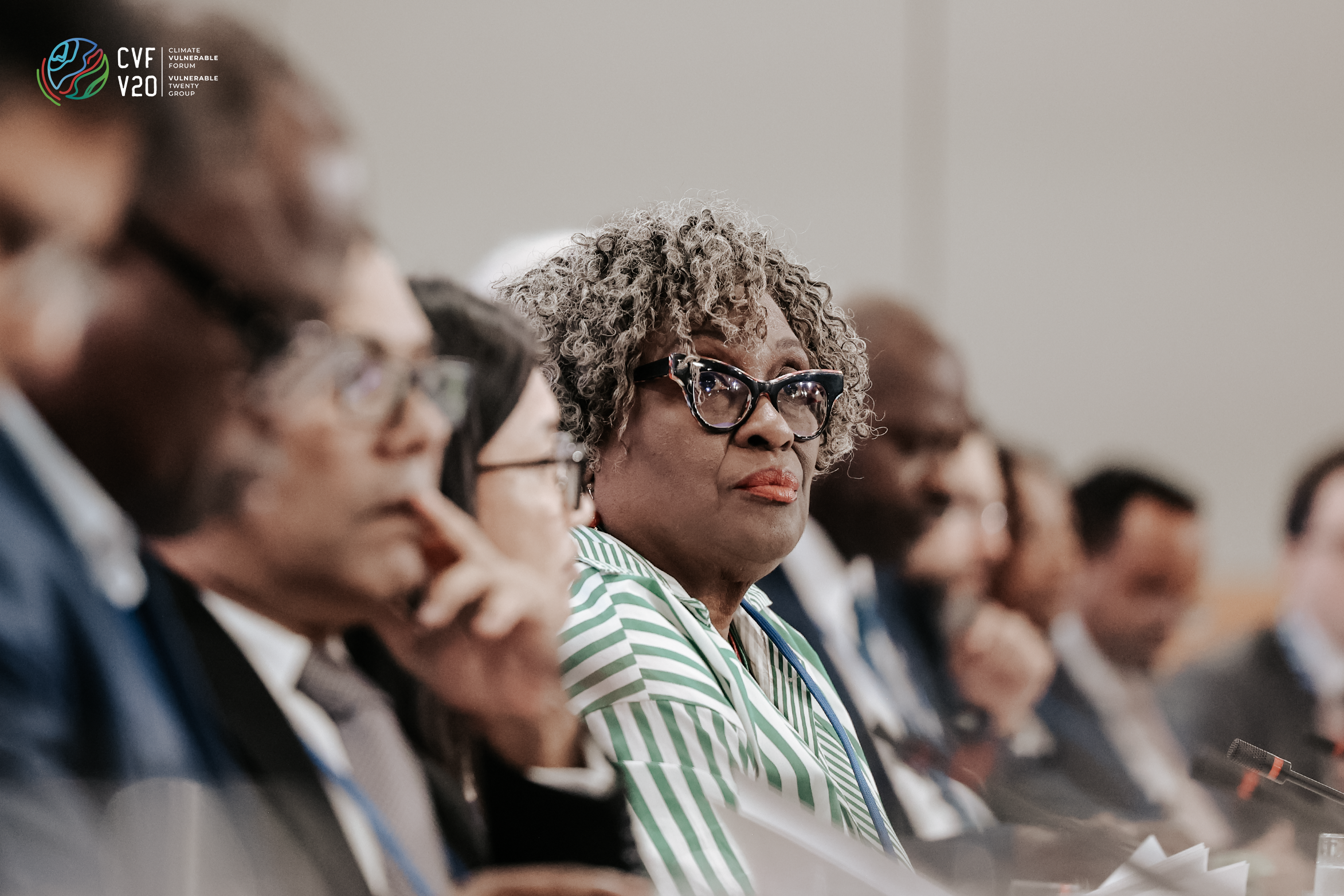
“Apart from the geopolitical fractures and difficulties and the climate deniers, the reality is that amongst global populations there is high distrust of politicians, of global institutions, and of formal processes.

And yet, we have to overcome all of that to deliver what is most needed socially and economically at this time to move vulnerability to prosperity and to inspire a sense of hope in global populations that we are capable of effecting this transformation.”

H.E. THE MOST HONORABLE ELIZABETH THOMPSON
Ambassador Extraordinary and Plenipotentiary Climate Change, Small Island States (SIDS) and Law of the Sea, Barbados
Sherpa to Prime Minister Mia Amor Mottley, S.C. M.P., Chair of the CVF-V20

“There is a need to update the debt sustainability analysis at the IMF and World Bank. We must account for the macroeconomic benefits of resilient investment and the value of natural capital. There should be a commitment to reforming the G20's Common Framework. It remains too slow and too narrow.

We call for an automatic two-year standstill on debt payment with no arrears, no accelerated restructuring, and ease immediate physical pressure. Extending maturity to 40 years would further reduce rollover risk and create stability.”

H.E. SEIDU ISSIFU
Minister of State for Climate Change and Sustainability
Republic of Ghana, V20 Troika

“If you believe in climate change, then you believe that it's a function of cumulative emissions, and it's a matter of record that the places where those emissions originated and the places where the physical hazards are felt are not exactly the same. It's just not distributed evenly.

There really shouldn't be a debate as to why we need funds for loss and damage, why we need funds for adaptation, why we need a seat at the table, why we need to bid for Observer Status of the United Nations. If there was any reason for a moral argument, I think it should be very clear as to what that line of responsibility is.”

H.E. LUTFEY YASSER SIDDIQI
Honorable Chief Advisor's Special Envoy for International Affairs
The People's Republic of Bangladesh, V20 Troika

“Adaptation finance currently meets only 20% of needs, with an annual shortfall exceeding US$170 billion. Members called for scaling concessional finance 14 to 16 times above current levels and accelerating direct access to the Green Climate Fund, Global Environment Facility, and Adaptation Fund.”

H.E. MOHAMED NASHEED
Secretary-General, CVF-V20 Secretariat
Former President of the Maldives

“The hard truth is that because our economies are so constrained by debt, we are unable to borrow non-concessional funding. And this paralysis is stalling investment, stalling opportunity, and stalling the very foundations of growth.

We need partners who believe in our capacity to recover and to grow. This means finding innovative ways, for example, through special purpose vehicles and other models, to bring in new flexible sources of finance that allow us to invest in the future rather than just service the past.”

H.E. SEEDY K.M. KEITA
Minister of Finance and Economic Affairs
Republic of The Gambia

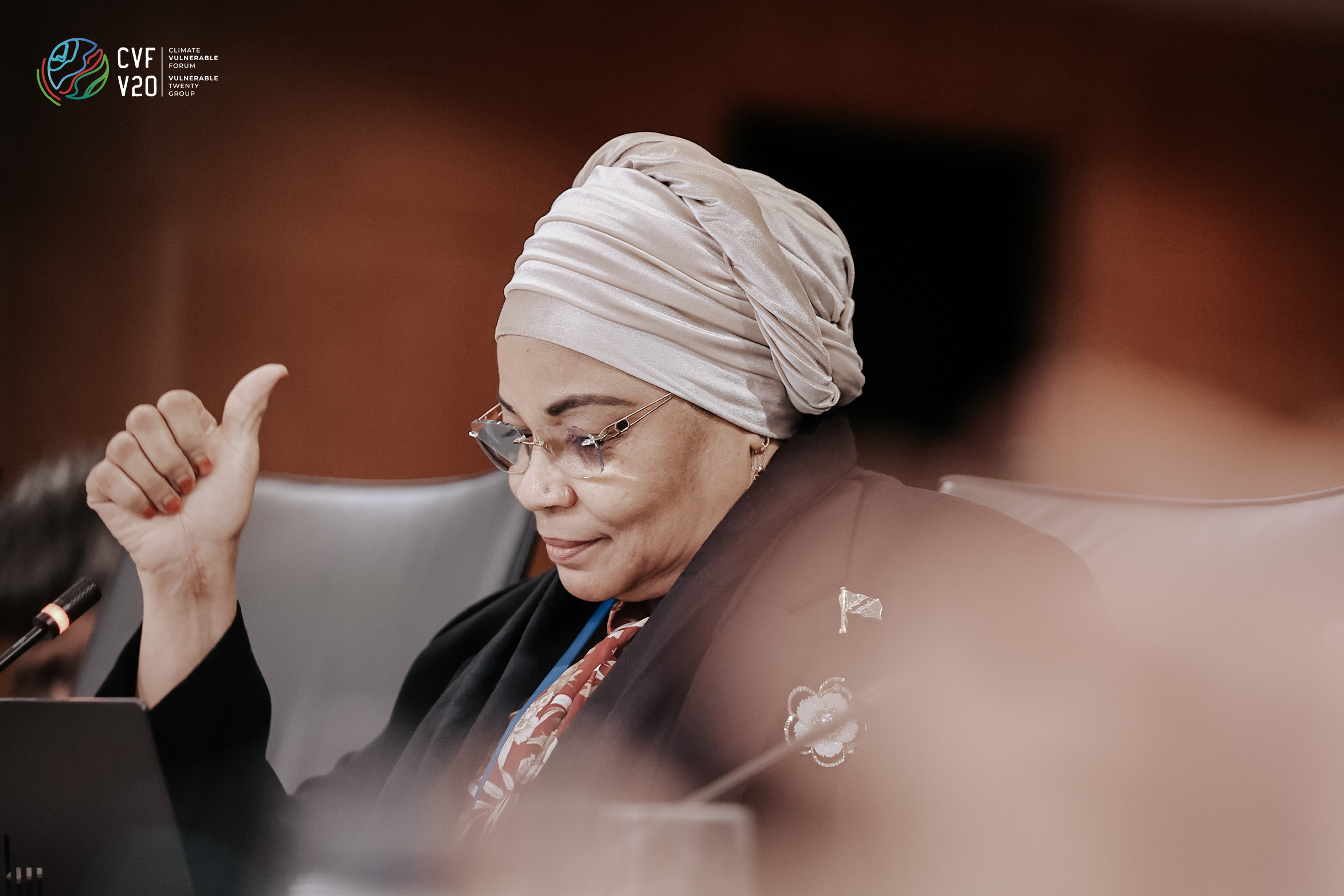
“We need to have concrete priorities from Climate Prosperity Plans to expedite fiscal space, swap and save de-risking at scale, and hardwiring resiliency into debt, leveraging the IMF's Resilience and Sustainability Trust, turning clean power into competitiveness, and also using nature as infrastructure.”

H.E. AHMED SHIDE
Minister, Ministry of Finance and Economic Cooperation
Federal Democratic Republic of Ethiopia

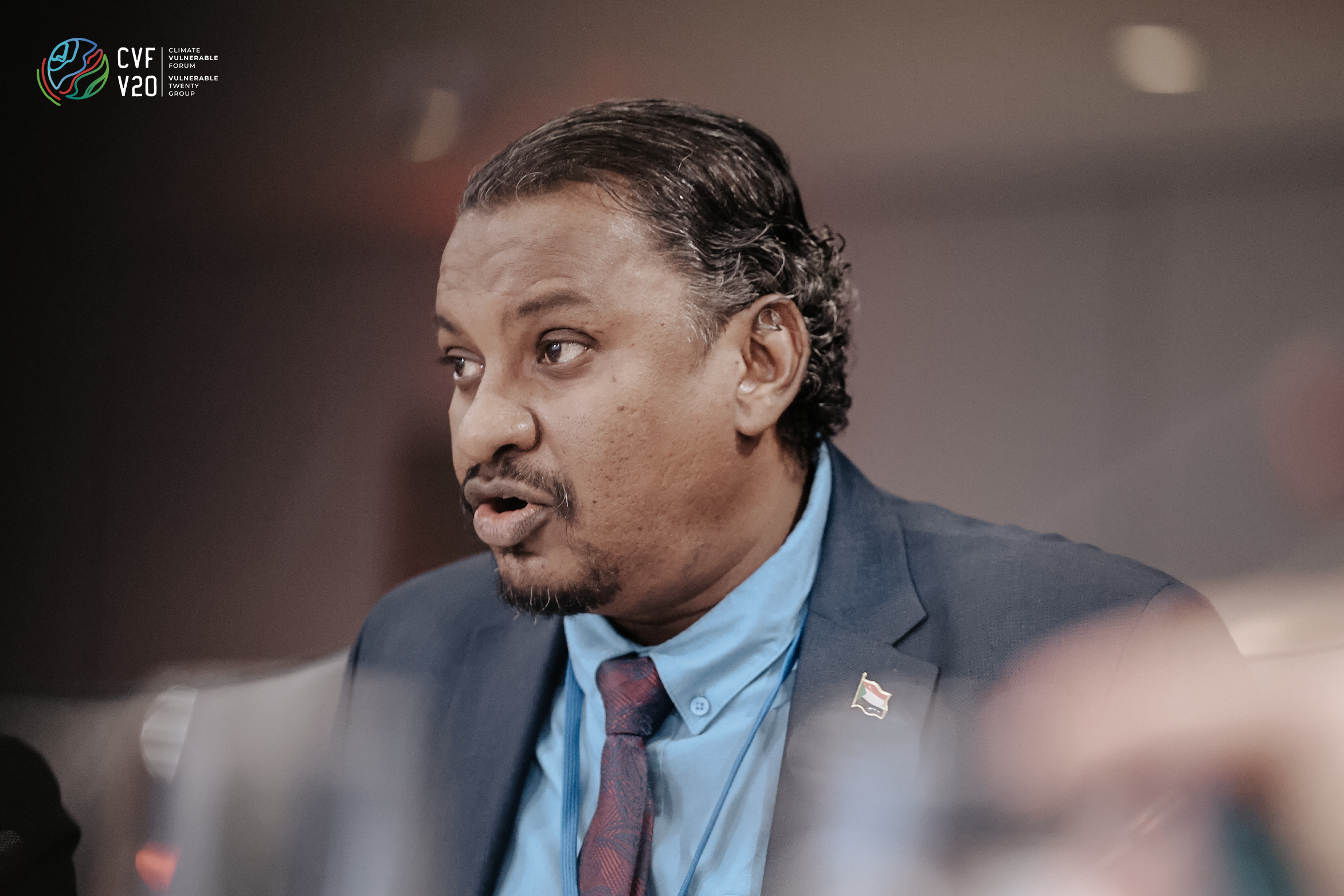
“Sudan supports the V20's Debt-Growth Agenda. We cannot stabilize our economy through cuts alone. Borrowing for climate adaptation, renewable energy, climate-smart agriculture is not risk. It is actually risk management.

We urge the IMF, World Bank, and development partners to support country-led financing, scale up grant-based and long-term low-interest finance, and treat loss and damage not as charity, but as a financial obligation.”

H.E. MOHAMEDNOUR ABDELDAIM
State Minister, Ministry of Finance and Economic Planning
Republic of the Sudan

“Climate Prosperity Plans present an opportunity to turn climate ambition into economic opportunities. And with the right investments, green growth can be a powerful engine of job creation, particularly for our youth.

As finance leaders, our task is clear. We must seek to expand fiscal space through innovative financial instruments and not by increasing debt, but by leveraging debt sustainability itself as an asset.”

H.E. NATU MWAMBA
Permanent Secretary, Treasury, Ministry of Finance
United Republic of Tanzania

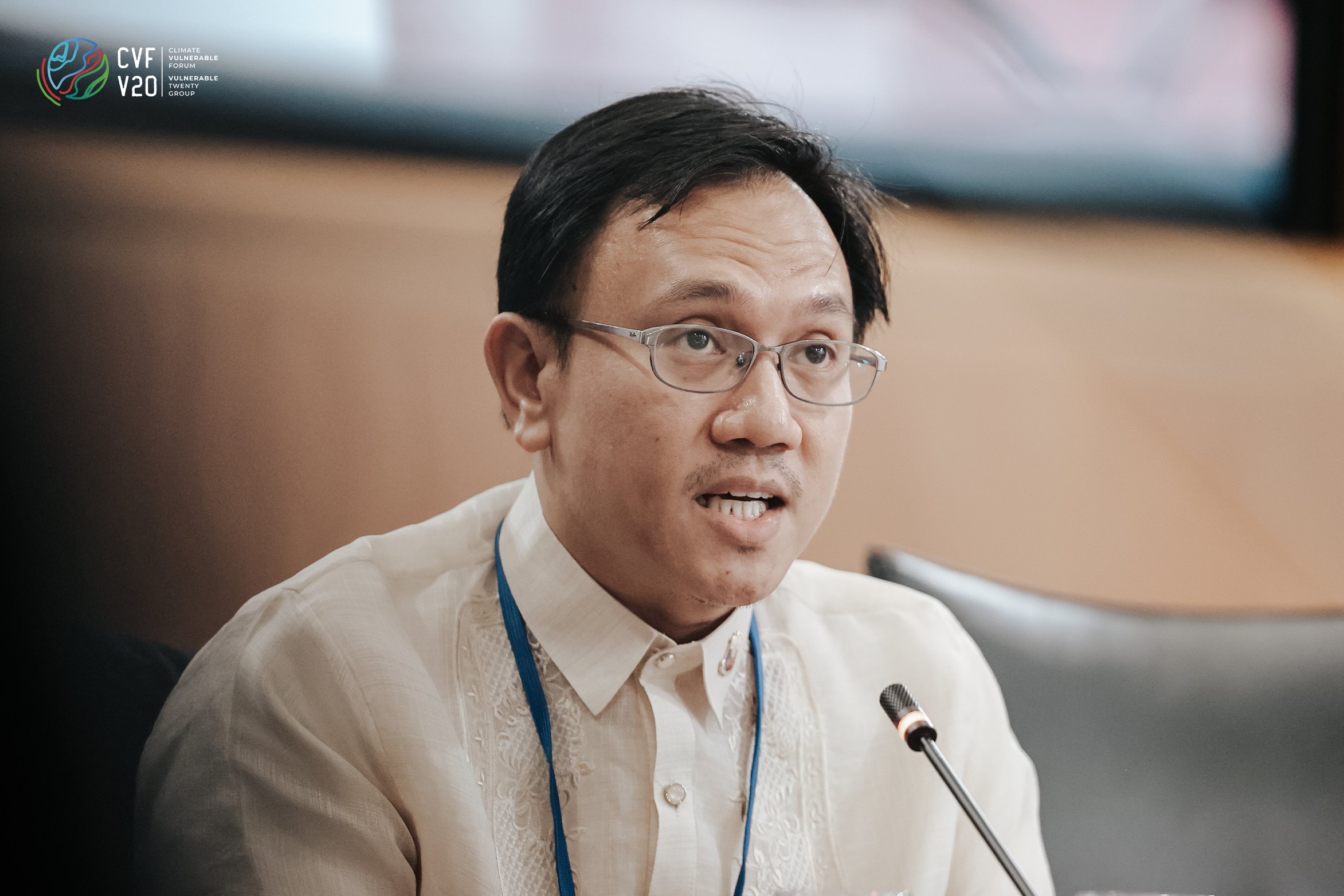
“We demand guaranteed uninterrupted access to grants and highly concessional financing, rooted in the principle that access to vital climate finance must be determined by the nation's persistent and severe climate vulnerability, not solely by its economic reciprocation.

Finally, we advocate for solidarity by supporting the V20 Debt-Growth Agenda, pressing developed nations to finalize a common framework for debt treatments and deliver their climate promise.”

MR. JOHN ADRIAN M. NARAG
Director, Climate Finance Policy Group, Department of Finance
Republic of the Philippines

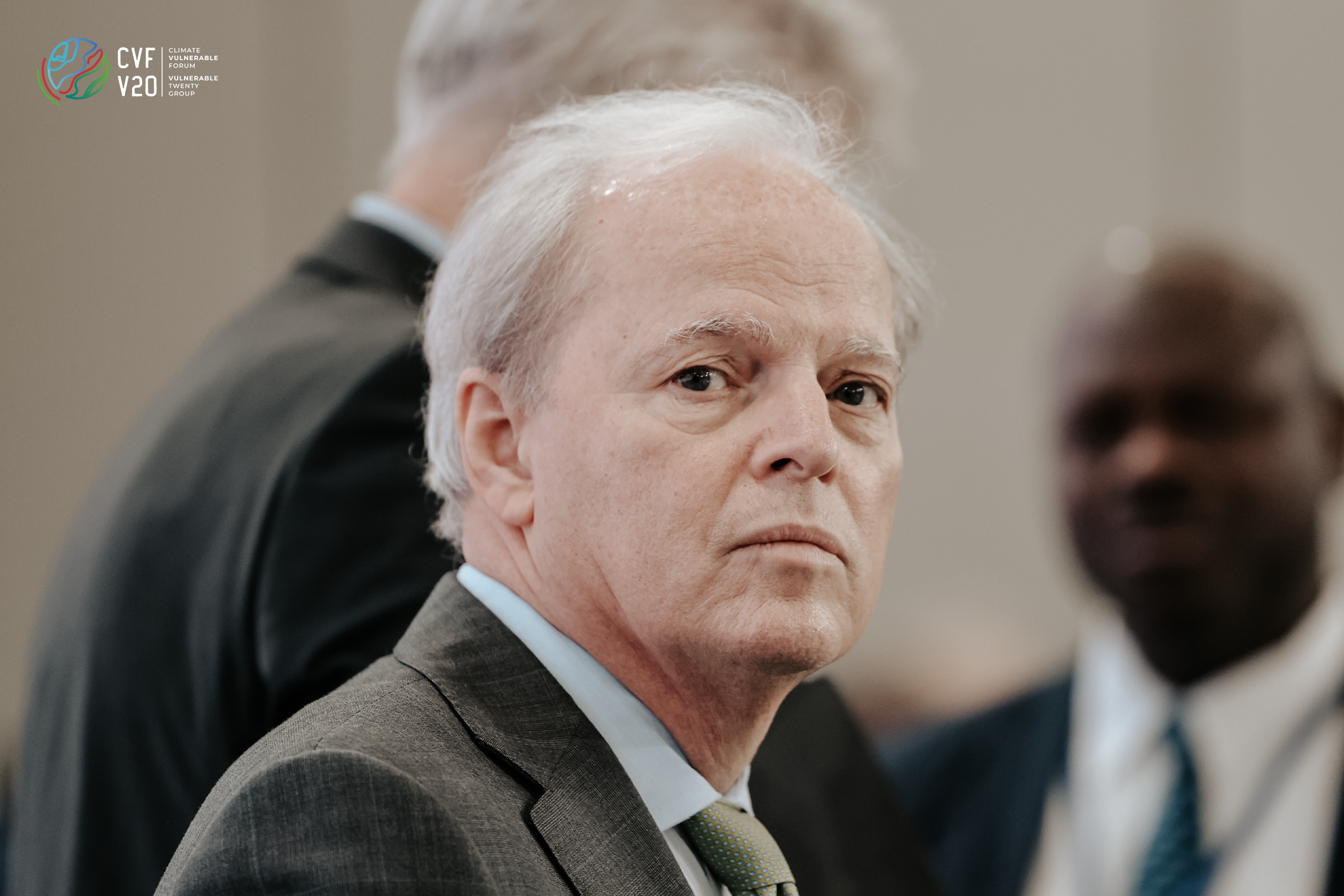
“The [World] Bank is and will remain strongly committed to the V20 countries in support of your development aspiration, but also in dealing with this important challenge of climate change.

Now, on the debt issue, clearly, the concerns are best captured that debt service in many countries of yours is exceeding what you are allocating for health and education combined. And that is a problem. We will have to see how we can help with that.”

MR. AXEL VAN TROTSENBURG
Senior Managing Director
World Bank Group

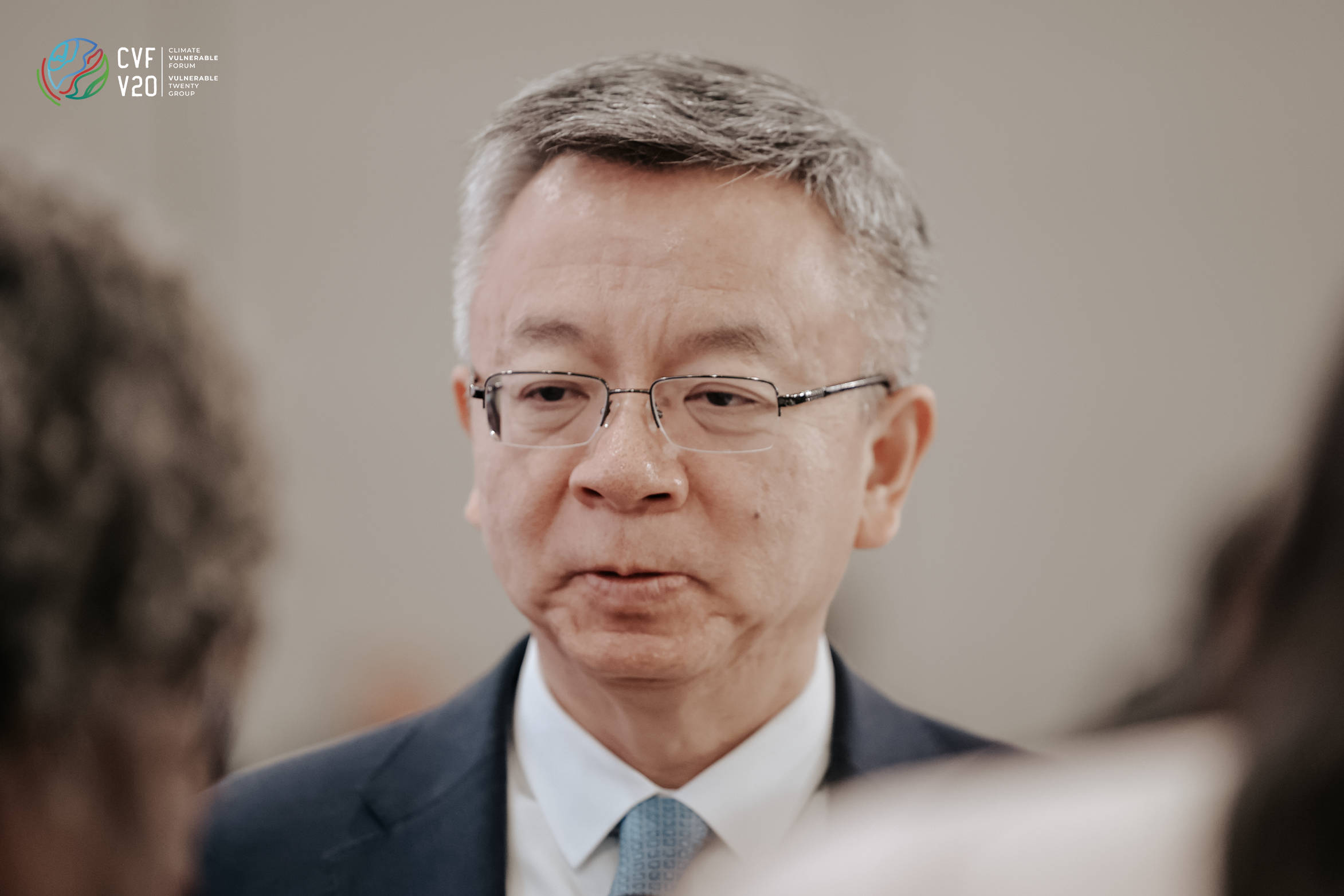
“Many low-income countries are also burdened by high debt service costs. These are putting even more pressure on their budgets at a time when they face growing spending needs. For the middle and low-income countries, interest payments on total debt have doubled in the past 10 years from 7% of total government revenue to 8%. And the cuts to development assistance will add to the challenges in many of these countries.”

MR. BO LI
Deputy Managing Director
International Monetary Fund

“The Debt-Growth Agenda put forward by the V20 is not only about managing crises, but creating opportunities using new approaches to fiscal space and to make progress from survival to growth.

The V20's Climate Prosperity Plans offer a credible path forward, aligning fiscal, industrial, and investment strategies with climate resilience and development priorities. They show that borrowing for renewable energy and resilience infrastructure is not government consumption. It is sound economic policy, good risk management against climate and fiscal threats.”

MR. SIMON STIELL
Executive Secretary
United Nations Framework Convention on Climate Change

“We're finally ready to launch the startup phase of the fund called the Barbados Implementation Modalities. It's US$250 million made available, a grant not only recognizing the burden of debt, but also providing US$5 to US$20 million to countries in addressing extreme weather conditions, but also slow onset as well.”

MR. IBRAHIMA CHEIKH DIONG
Executive Director
Fund for responding to Loss and Damage

“Resilience is fundamental to lasting growth, robust economies, and securing livelihoods. Yet the funding gap is vast. CIF plays a unique role in responding to that call.

As a global multilateral climate fund with US$12.5 billion of concessional finance, we welcome the V20's flagship Climate Prosperity Plans, which align with our own country-led programmatic approach.”

MS. TARIYE GBADEGESIN
Chief Executive Officer
Climate Investment Funds

“Regional risk pools are existing mechanisms you can use and leverage for disaster protection, fiscal space, and debt.

Pacific Catastrophe Risk Insurance Company is exploring opportunities to broaden our impact by addressing the needs of more vulnerable segments of society, in particular, households, communities, and micro-, small-, and medium-sized enterprises that are affected by disasters.”

MR. HENRY COCKER
Finance and Planning Manager
Pacific Catastrophe Risk Insurance Company

“There should be greater efforts to increase coordination amongst a broader array of public, private, bilateral creditors, and multilateral creditors. This is really required to resolve the debt sustainability challenge.

Challenges remain elevated in low-income countries. Regrettably, debt remains a key global challenge, and the issue is particularly prevalent in Africa and climate-vulnerable states.”

DR. PAUL RYAN
Head of the International Finance Division, Department of Finance
Ireland

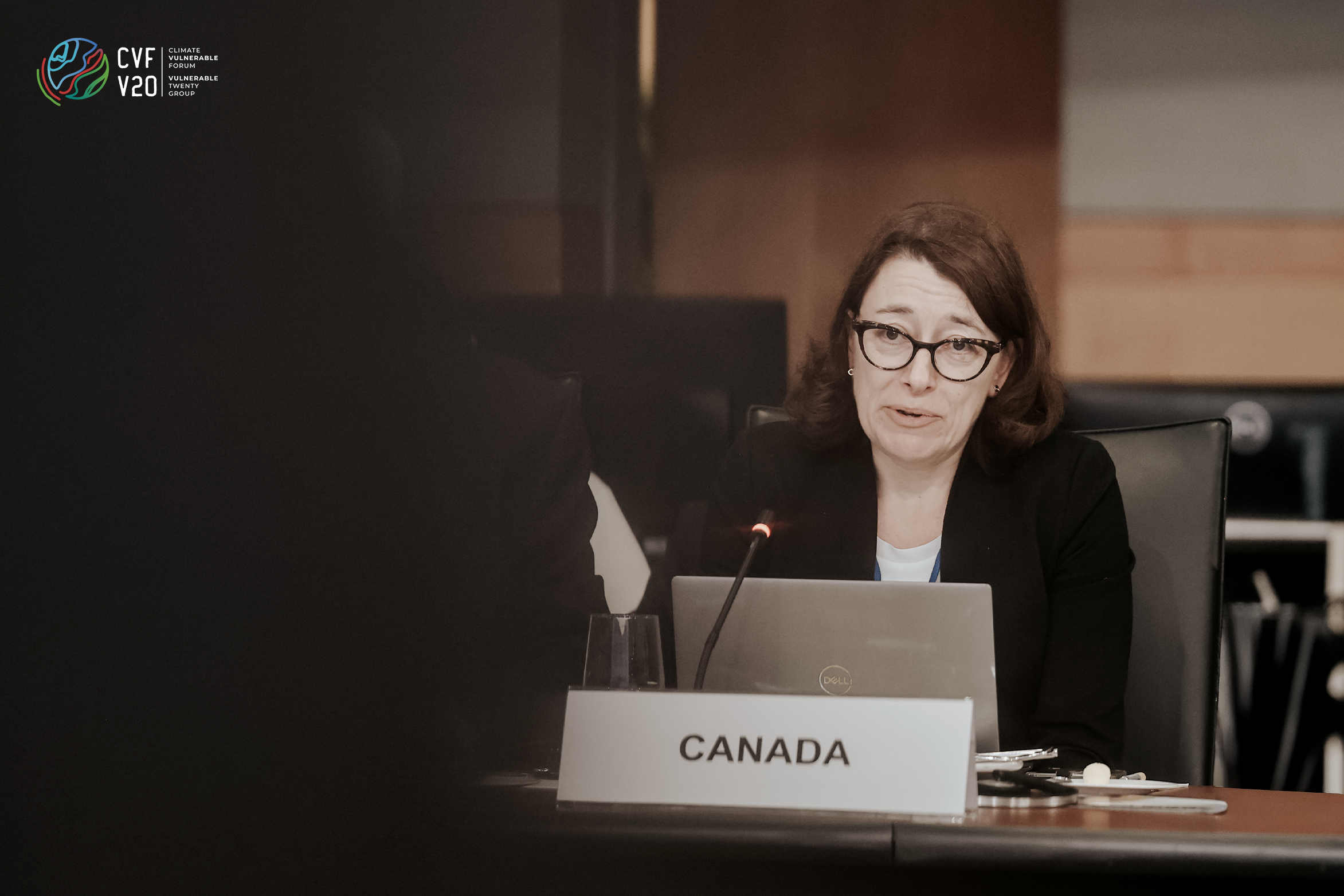
“Canada has announced the creation of a new forum for crisis resilience delivered in partnership with the World Bank. The objective with the forum is to increase the awareness in adoption of crisis response financing instruments, such as the Climate Resilience Debt Clauses, as a number of you mentioned today.

This is in recognition of the growing need for financial preparedness in the face of increasingly frequent and severe shocks, such as extreme weather events and health emergencies. We're committing CA$12 million for this forum to work, which will be demand-driven, focused on the most vulnerable countries.”

MS. JULIE TRÉPANIER
Director General, International Finance and Development Division, Department of Finance
Canada

“On debt, we have launched the London Coalition on Sustainable Sovereign Debt with the private sector to improve the role of private creditors in restructuring unsustainable debt. On pre-arranged finance, we launched with the Bridgetown Initiative in Seville in July, a new global initiative to deliver on the vision to scale up pre-arranged finance from 2% to 20% of crisis finance around the world. Last year, we increased our pledge to the World Bank's IDA [International Development Association] by 40%.”

MR. PHIL STEVENS
Director of International Finance
Foreign Commonwealth and Development Office
United Kingdom

“We work on the ground, building on the existing collaboration between CVF-V20 and VCMI. We do this through our Access Strategies Program, which has already supported climate-vulnerable countries, including Benin, Kenya, and Bhutan, to access high-integrity carbon markets.

Through this program, VCMI will advance on the work we've already done to build the foundations for such high-integrity carbon markets, which are a critical piece of climate finance in general.”

MS. USHA RAO-MONARI
Chair
Voluntary Carbon Markets Integrity Initiative

***