
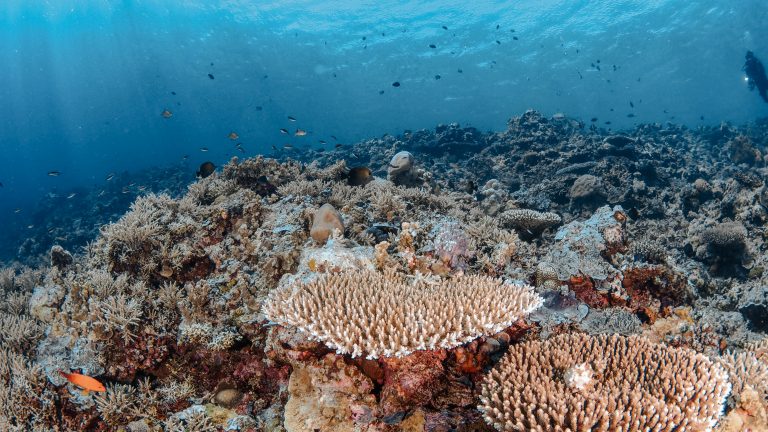
Covering 61% of the ocean and 43% of the Earth’s surface, the high seas remain largely unprotected today, with only about 1% currently under any form of conservation. The high seas are facing growing threats from emerging industries like deep-sea mining and continued industrial fishing by a handful of countries. This exploitation jeopardizes the stability of the ocean’s ecosystems, which together form the planet’s largest and most secure carbon sink. The paper highlights that without the ocean’s carbon cycle, sustained by fish, whales, and countless invertebrates throughout the water column, atmospheric CO₂ levels would be around 200 ppm higher, pushing global temperatures about 3°C above current levels.
Poorly regulated industrial fishing, much of it carried out by subsidised fleets from rich countries, has already driven species like sharks, turtles, and certain albatrosses towards critical endangerment. Now, pressure is mounting to fish deeper waters for fishmeal and oil to feed the growing aquaculture industry, adding further stress to fragile marine ecosystems.
This is one of the motivations behind the High Seas Treaty, formally known as the Biodiversity Beyond National Jurisdiction (BBNJ) Agreement. The treaty, which needs only ten more ratifications (as of early July) to enter into force, could become a historic legal framework to safeguard the high seas. Although an outright ban on high seas fishing is not directly included in the treaty, it would enable new mechanisms to protect up to 30% of the ocean, aligning with targets under the global Biodiversity Convention.
The authors of the Nature paper, however, go further, calling for the total closure of the high seas to all extractive activities. They point out that this would benefit coastal developing nations and island states, which would have more fish stocks due to spillover effects from the high seas into their Exclusive Economic Zones (EEZs).
Follow the Treaty Tracker for the latest updates on the ratification process.
***