The Gabonese Republic has been classified as a high-forest low-deforestation country, with a recorded deforestatizgreon rate of just 0.6%. This remarkable outcome highlights the impact of forward-looking national policies and ambitious government commitments amid mounting threats of forest degradation across Africa.
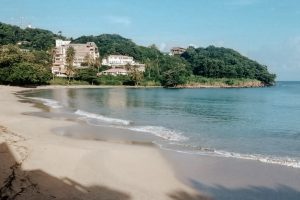
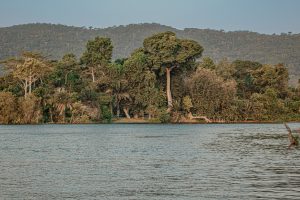
Roughly 88% of the country’s land is covered with tropical rainforest, supporting rich biodiversity and complex ecosystems. The number of plant species it shelters exceeds that of all West Africa’s forests combined. Gabon is among the few places where forest elephants can wander from the forest edge to the sea.
Often called Africa’s Last Eden while absorbing 140 million tons of CO2 each year, the Gabonese government strives to preserve its extensive forest area through proactive regulations, setting a strong example for the region. Efforts can be traced back more than a decade, when the country decided to impose a total ban on log exports, strengthening enforcement against illegal logging. This policy also opened opportunities to strengthen the domestic wood market across the country by encouraging local processing, value addition, and job creation. The country had also established its own National Climate Council, responsible for incorporating climate change considerations and sustainable development priorities into nationwide sectoral strategies.
In full implementation of its Green Gabon national agenda, the government entered into a partnership with the Central African Forest Initiative (CAFI) under the Reducing Emissions from Deforestation and Forest Degradation (REDD+) program in 2019, securing a USD 150 million result-based payment contract for carbon absorption. Two years after the agreement, Gabon became the first African country to receive a REDD+ payment of USD 17 million. Gabon and CAFI have agreed to use the payout to support the country’s Forest Law Enforcement Unit, organize nationwide capacity-building programs on forestry conservation, and enhance national botanical gardens.
Gabon stands as a global lifeline for nature conservation and sustainable development. Its extensive forest cover is vital not just for African nations, where it helps maintain ecological stability, protect watersheds, and support local communities, but also for the entire world. It serves as a carbon sink, a reservoir of biodiversity, and a natural defense against climate change. By safeguarding its forests, Gabon contributes directly to global efforts to combat environmental degradation and secure a sustainable future for future generations.