Sri Lanka Reviews the Sectoral Targets and Legal Provisions of its CPP

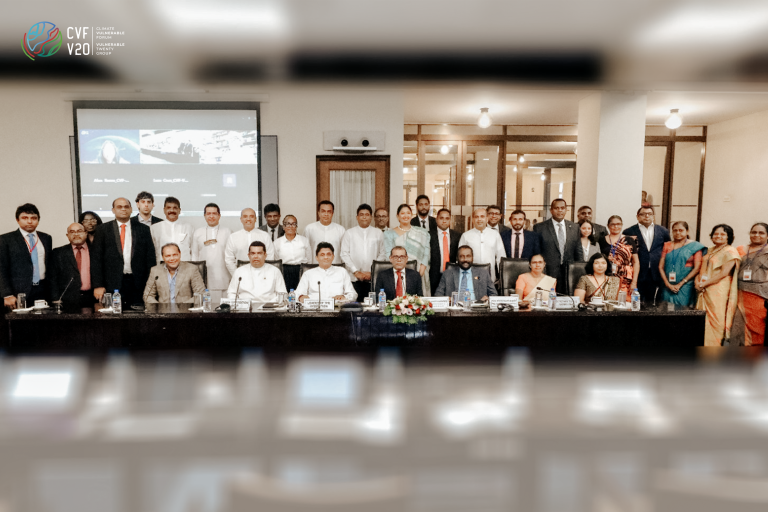
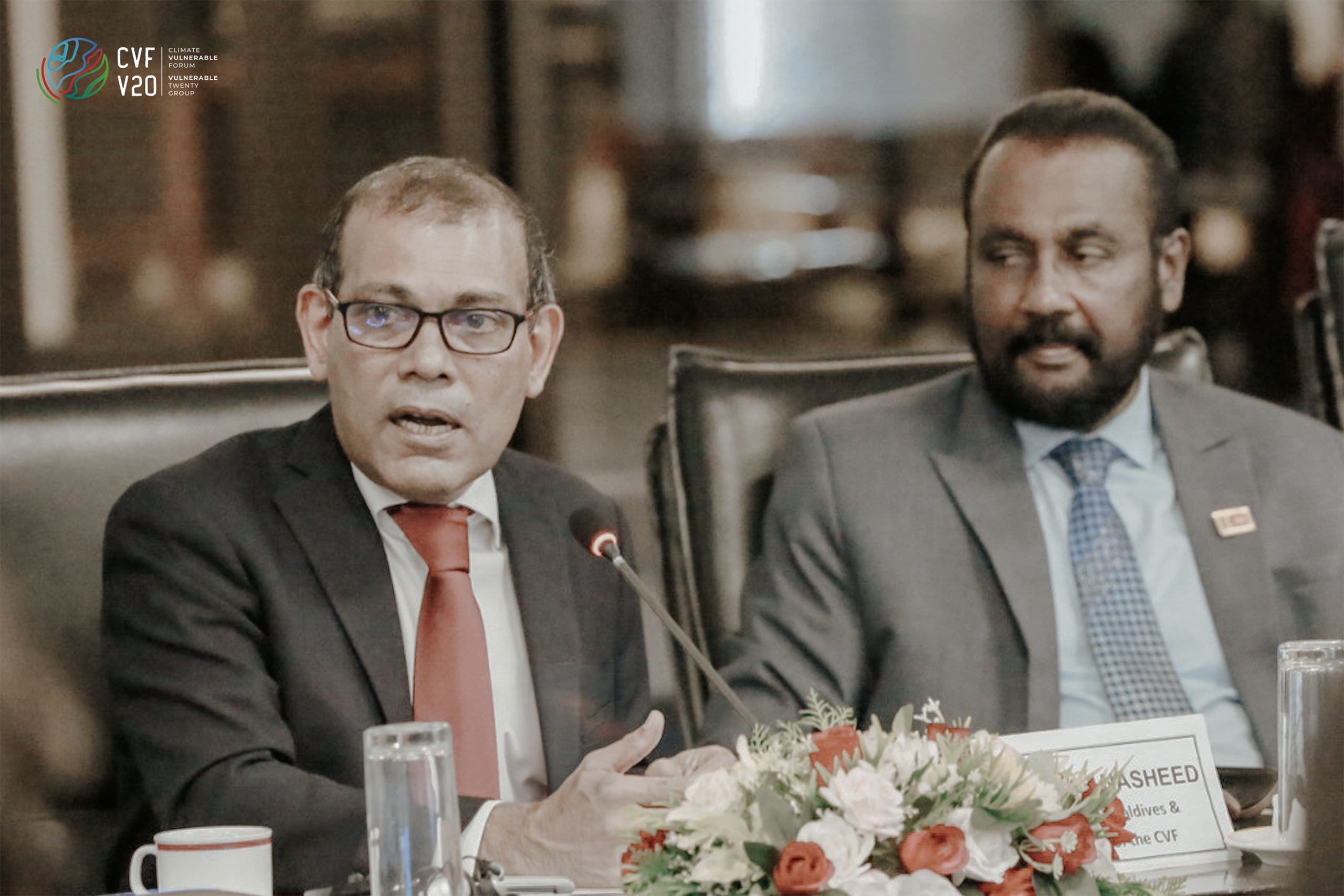
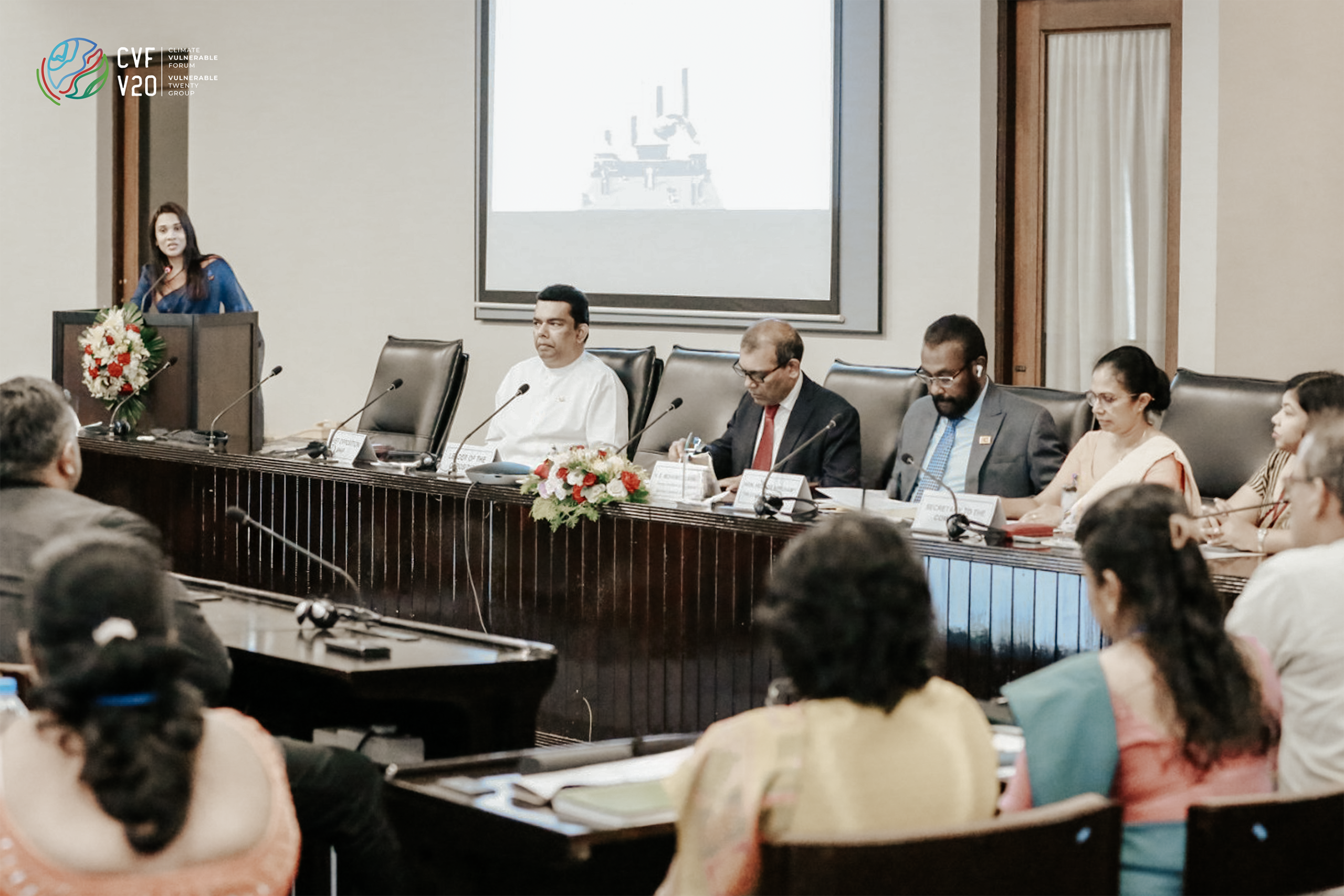
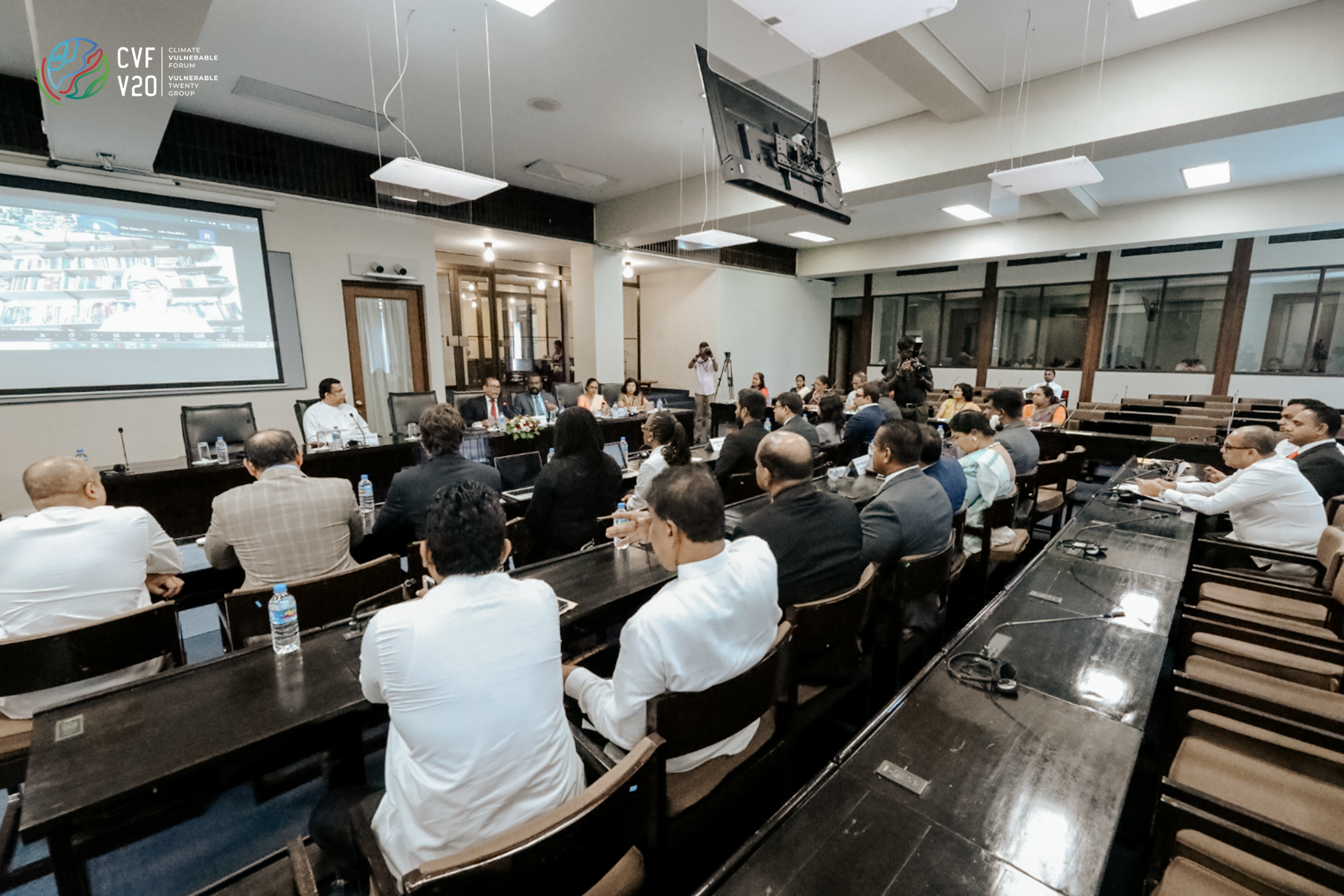
In a high-level dialogue between the CVF-V20 delegation and Members of Parliament of Sri Lanka last 28 August 2025, conversations centered on advancing the country’s Climate Prosperity Plan (CPP) with effective legal provisions, institutional commitments, and sustainable financing.

Sri Jayewardenepura Kotte, Sri Lanka | 28 August 2025—The Democratic Socialist Republic of Sri Lanka conducts a comprehensive review of sectoral targets and legal provisions within its Climate Prosperity Plan (CPP), to better reflect emerging and urgent climate adaptation needs, loss and damage priorities, and sector-specific opportunities. The revised strategy will be presented as a consultation document during the United Nations General Assembly (UNGA) in September 2025, ahead of formal consideration by the Cabinet.

The CPP is the CVF-V20’s flagship initiative designed to position climate-vulnerable nations as investment hubs for the future while building prosperity and climate resilience. ​

In 2022, Sri Lanka developed its CPP as an integrated agenda for economic transformation and submitted it as the country’s official Long-Term Strategy (LTS) under the UNFCCC. Initial achievements include securing USD 120 million in funding for solar water pumps and green technologies aimed at enhancing the productivity and climate resilience of a 15,000-member farming cooperative. A strategic partnership has also been established with Dilmah, a major tea producer, to reduce carbon emissions in sustainable tea farming, renewable energy generation, decarbonisation of the company’s fleet, as well as advancements in biodiversity conservation efforts.

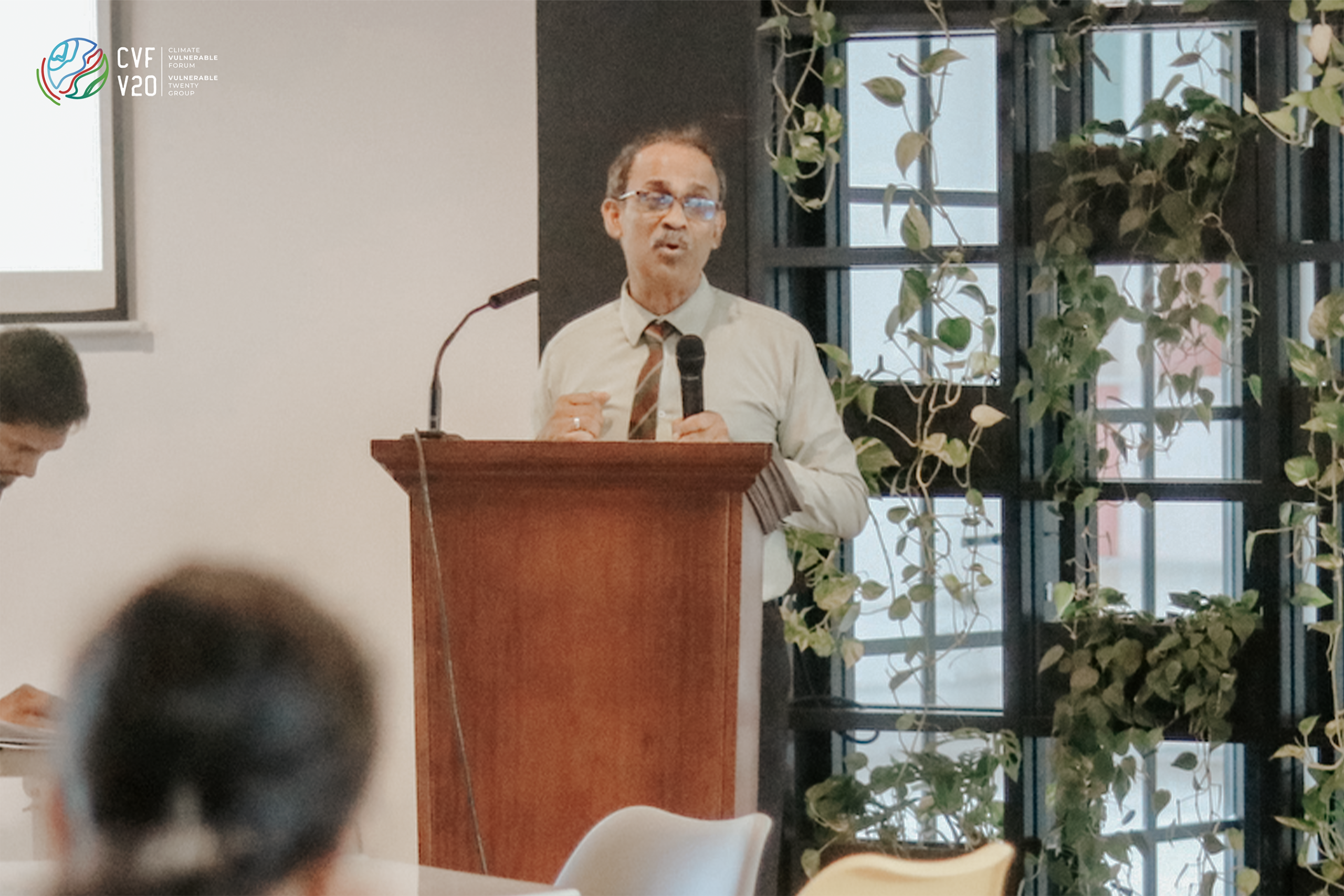
Given rising global temperatures, “Sri Lanka is now undertaking the conversation to update our Climate Prosperity Plan due to be finalized this year. This review is not cosmetic. It is a substantive reworking, drawing on new modeling and consultation, to ensure that our CPP reflects today’s risks and tomorrow’s opportunities,” Hon. Hector Appuhamy, Chair of Sectoral Oversight Committee on Environment, Agriculture, and Resource Sustainability, Parliament of Sri Lanka, said. Hon Appuhamy further highlighted the need for the establishment of a National Development Bank as part of the CPP enhancement strategy, ensuring the availability of patient capital for long-term projects that includes climate-resilient long-term investments in infrastructure, climate-smart agriculture, green industrialisation, amongst others.”

Consulting relevant stakeholders on the country’s CPP

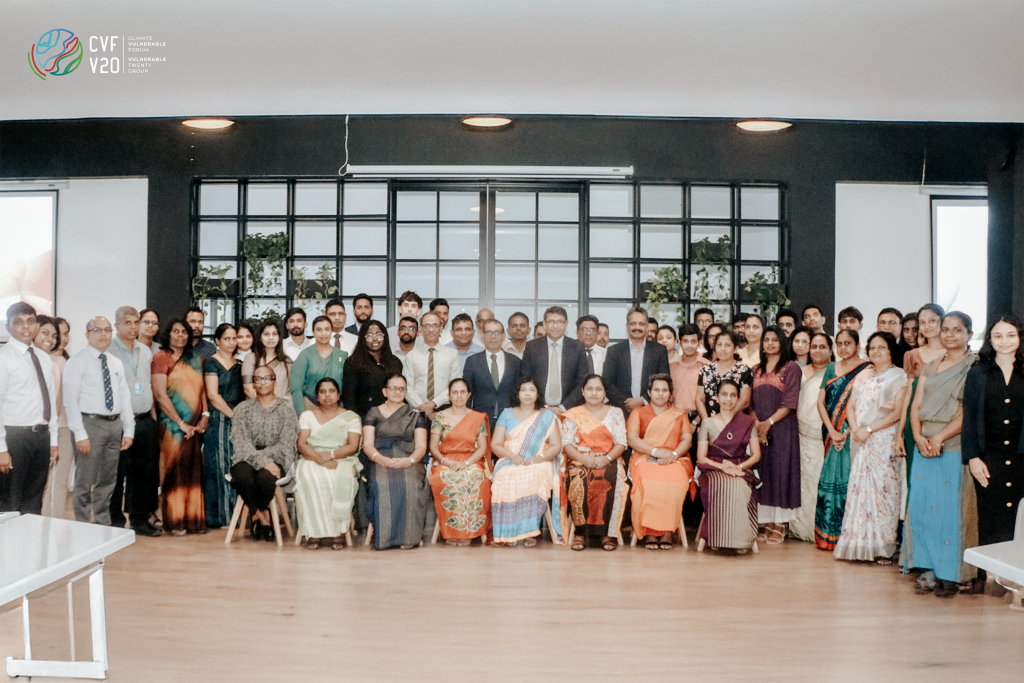
The Ministry of Environment of Sri Lanka, in collaboration with the CVF-V20 Secretariat, held its inaugural stakeholder consultation on 27 August 2025 at Dilmah Genesis Centre. The consultation was to guide an adaptation- and resilience-focused update of the CPP, responding more adequately to Sri Lanka’s increasing climate vulnerability while remaining aligned with national climate and development goals.

The consultation brought together civil society organizations and key government agencies to identify key challenges, potential collaboration opportunities, and explore recommendations in the revision process of the CPP.

Discussions emphasized the need to strengthen Sri Lanka’s adaptive capacity to confront the growing threats posed by climate change to lives, infrastructure, and livelihoods. The consultation revealed how practical innovations such as Climate Smart Agriculture, Adaptation Clinics, Climate Proofing Health through the development of health and community infrastructure resilience, microgrids and adaptation, and disaster risk financing for high-risk sectors better positions Sri-Lanka to protect its economic growth and safeguard it from future shocks.

The consultation cited the significance of carbon markets as an economic strategy to mobilize additional resources for resilience. The Ministry of Environment indicated that Sri Lanka’s carbon market policy and framework for Article 6 was under development, with validation expected before year end; whilst the list of positive project areas have been published to provide clarity regarding eligible carbon projects.

CVF-V20 Secretary-General Mohamed Nasheed also recognized the importance of mitigation. He explained that Sri Lanka’s mitigation drive should be framed as a resilience strategy in its own right. The rapid expansion of renewables (with storage and grid flexibility) cuts exposure to imported fossil fuels, stabilizes the balance of payments, and lowers foreign exchange volatility in the power sector, freeing scarce foreign currency for health, food security, and climate-proofing investments.

Legislative support for CPP enhancements

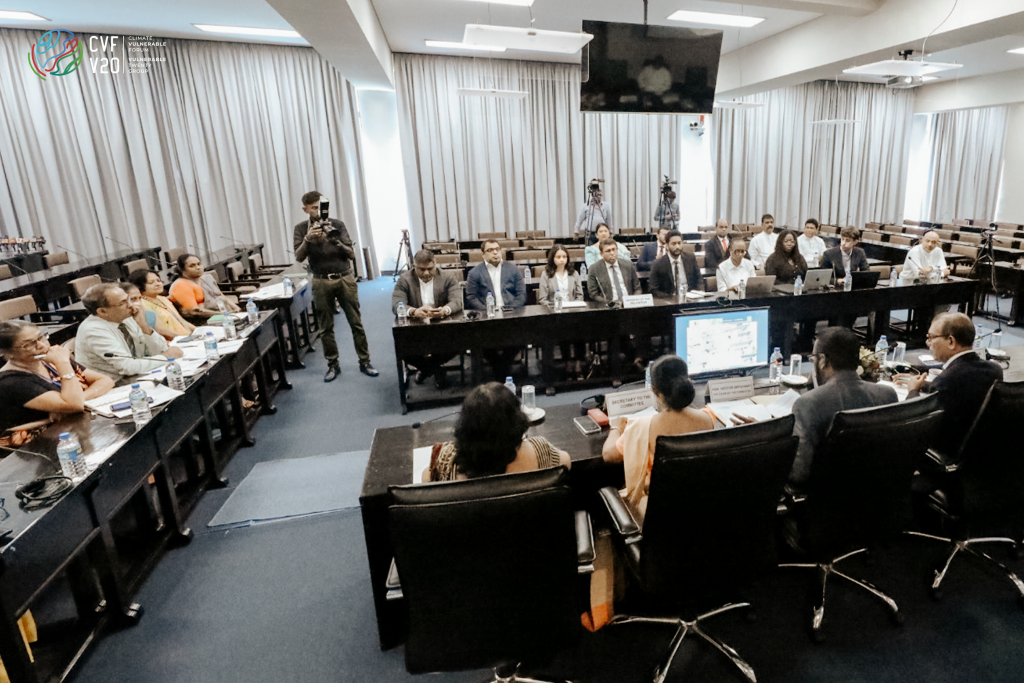
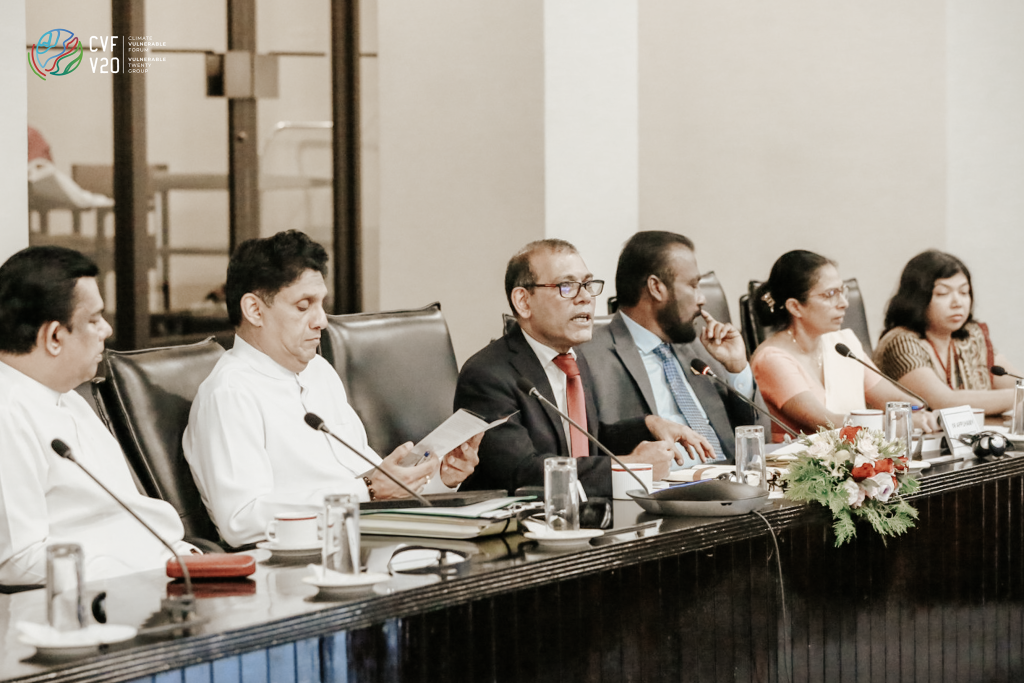
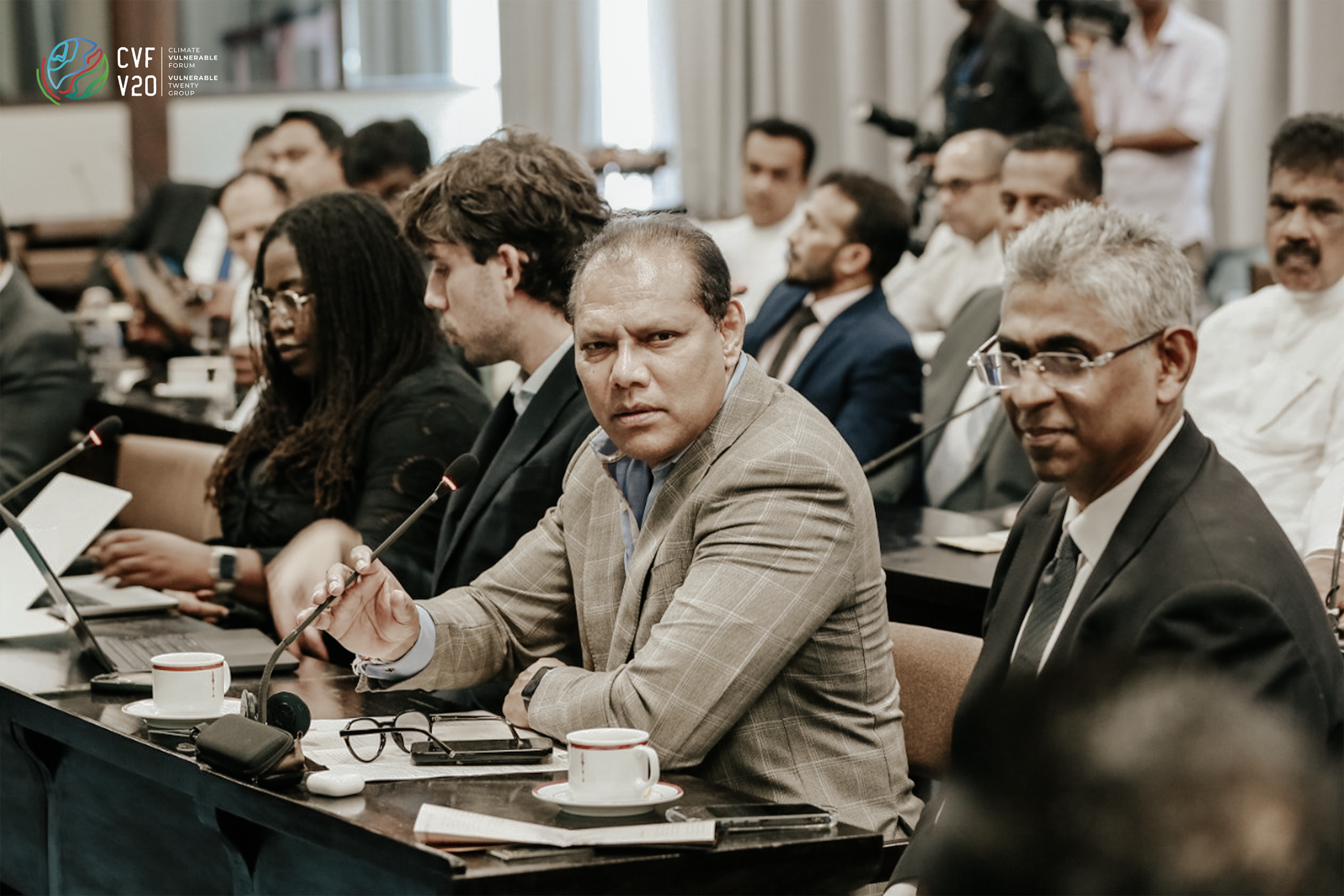
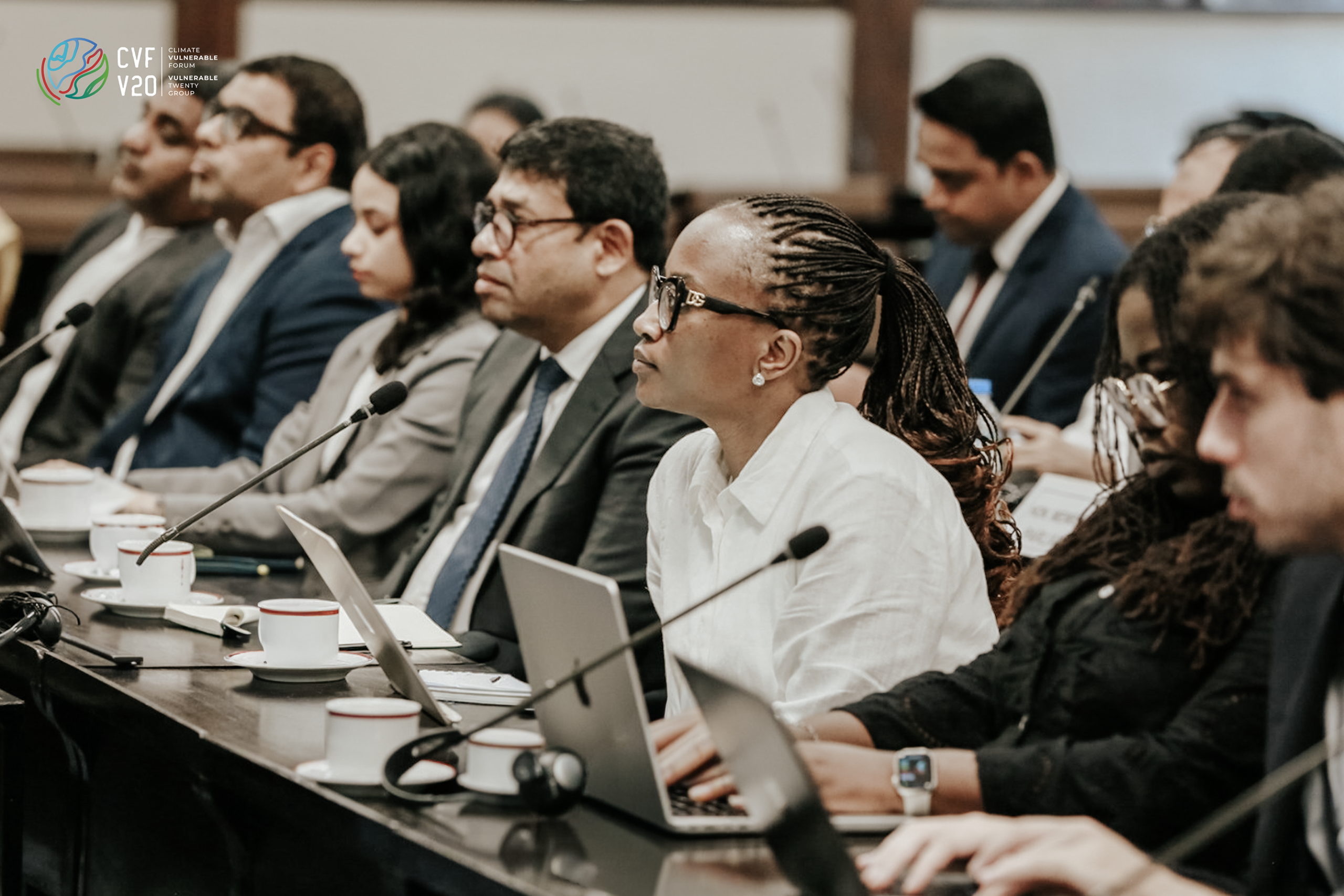
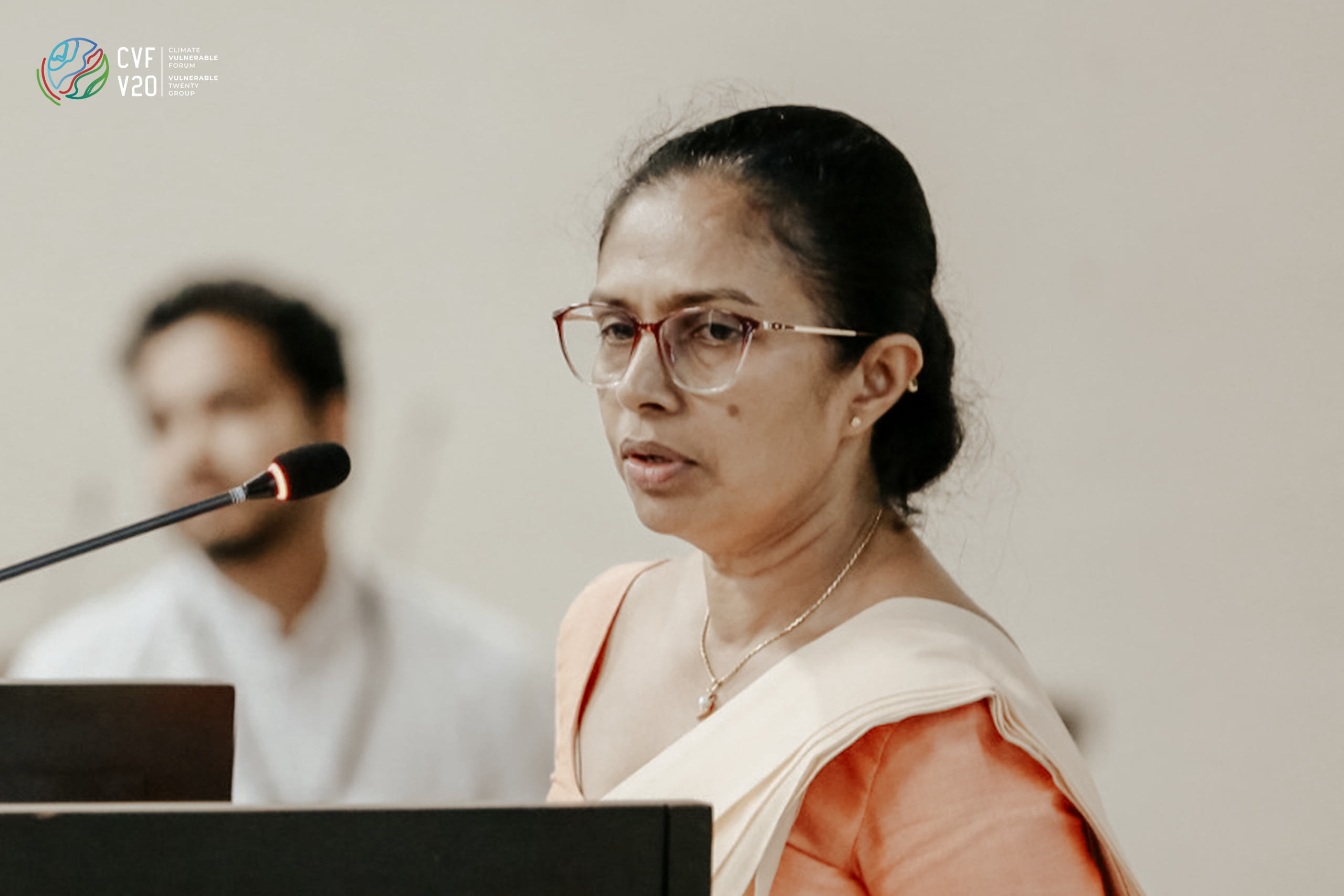
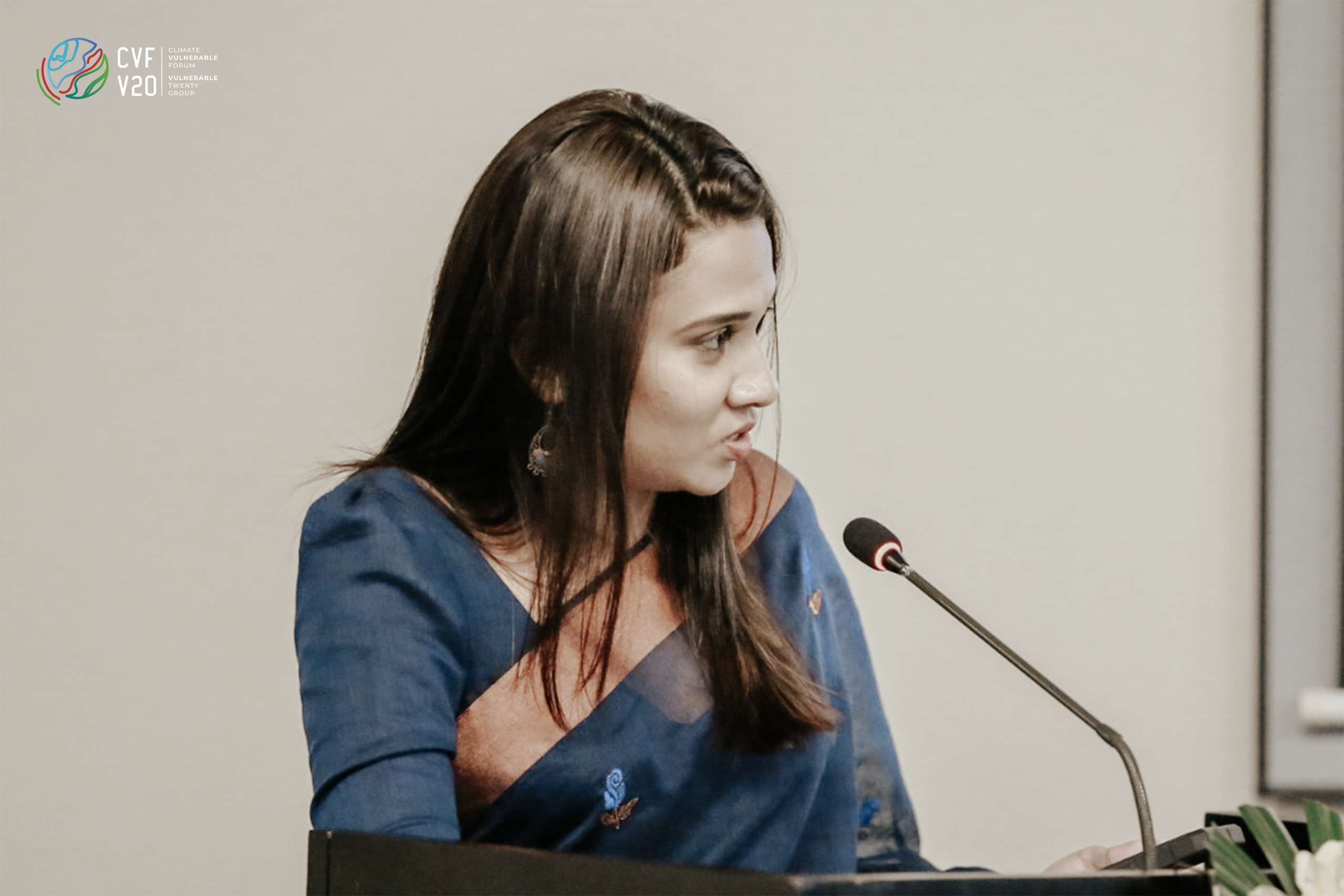
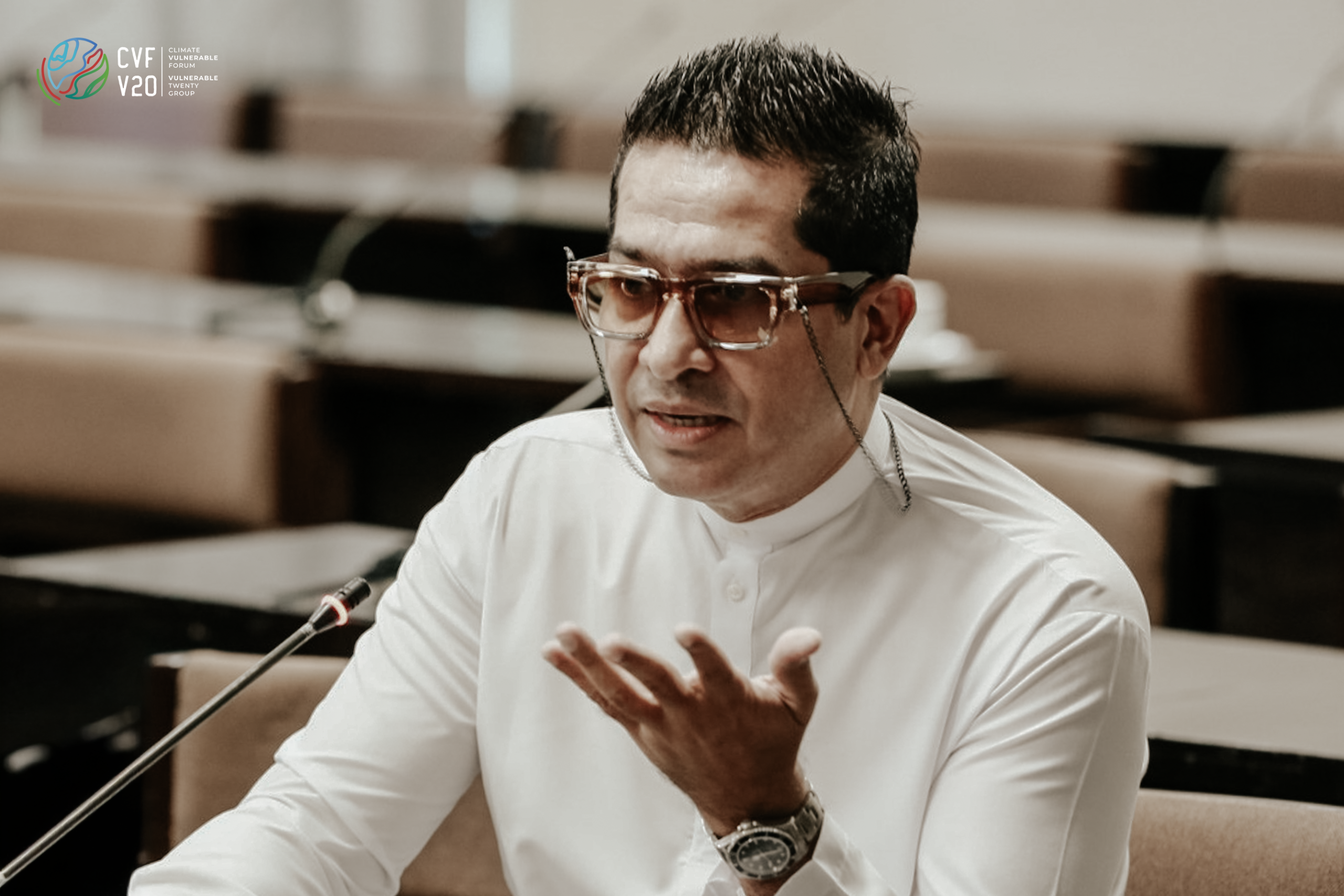
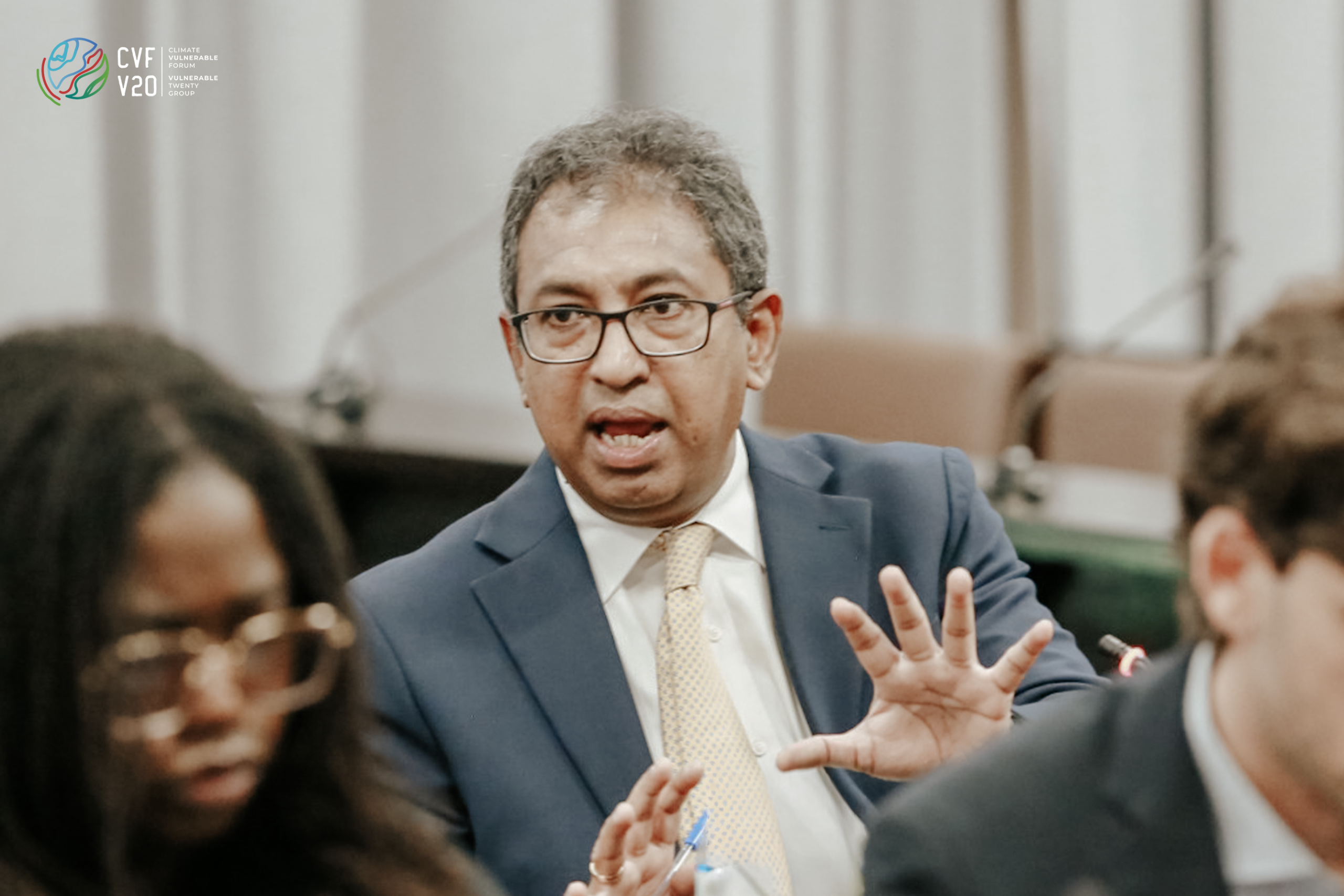
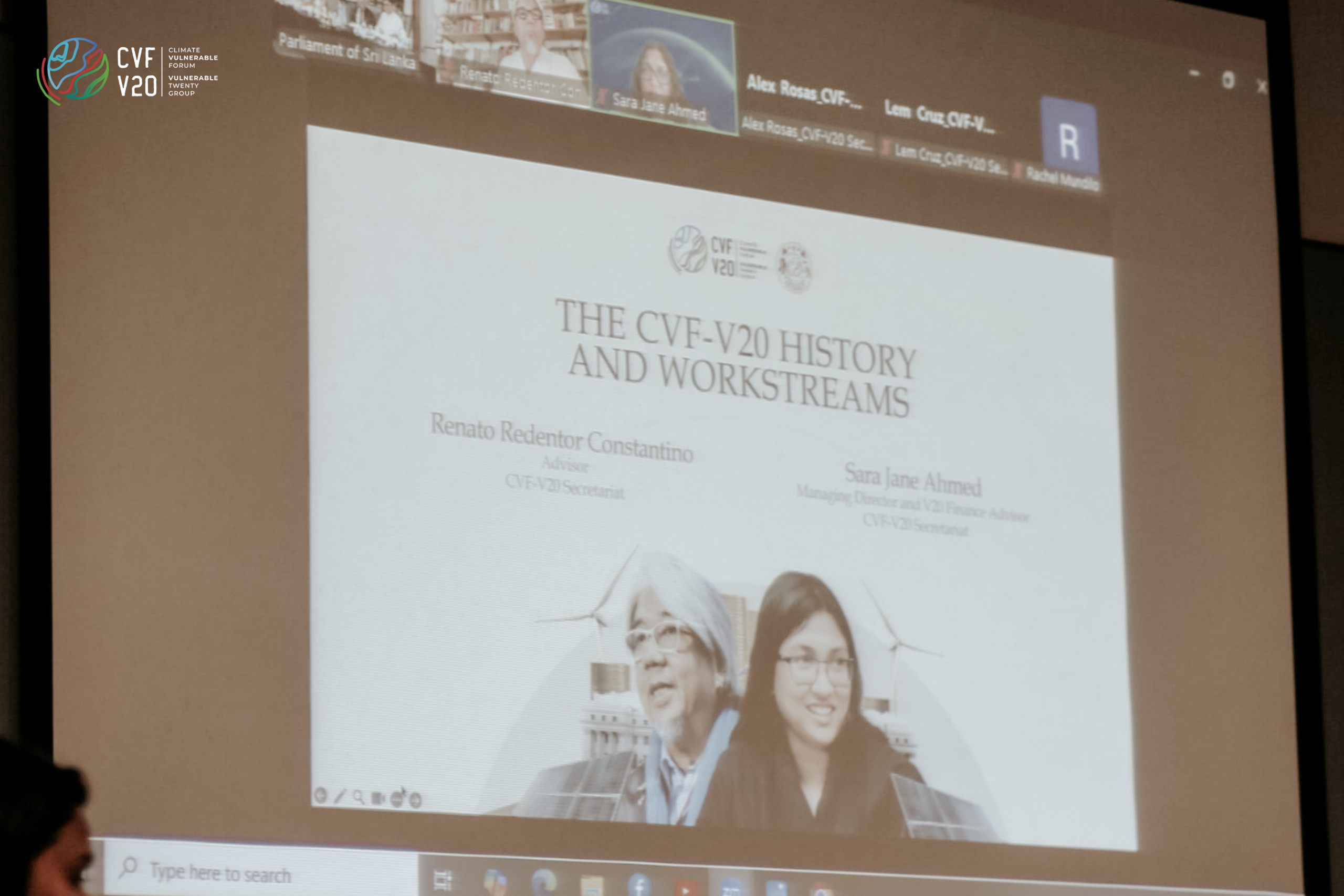
Following the national consultation, Sri Lanka’s Members of Parliaments and CVF-V20 delegation engaged in a dialogue on 28 August 2025 to update the country’s CPP with effective legal provisions, institutional commitments, and sustainable financing.

This engagement aligns with the CVF-V20’s broader strategy to harness the influence of legislators through the CVF Global Parliamentary Group (GPG), which is playing a pivotal role in establishing a robust regulatory regime and fiscal framework that embeds the climate prosperity agenda into core legislation.

“Your [parliamentarians] constitutional mandate to legislate, oversee, and allocate budgets places you at the heart of the response that climate change demands. Without parliamentary engagement, ambitious climate policies risk remaining declarations on paper rather than living commitments embedded in law, budgets, and institutions,” Rachel Mundilo, the CVF-V20 Secretariat’s Deputy Director (Parliaments and Courts) for Membership and Partnership Coordination, said.


The high-level dialogue is hosted in partnership with the Sectoral Oversight Committee on Environment, Agriculture, and Resource Sustainability of the Parliament of Sri Lanka.

Reaffirming the need for strong legislative backing to international climate commitments, Members also called for a review of Sri Lanka’s international climate obligations, along with reporting on how these commitments are being integrated into domestic law. They also stressed the importance of a national land use plan, conservation programs, and people-centred environmental protection to promote eco-tourism and benefit buffer-zone communities.

Hon. Appuhamy highlighted the need for the establishment of a National Development Bank as part of the CPP enhancement strategy, ensuring the availability of patient capital for long-term projects that includes climate-resilient long-term investments in infrastructure, climate-smart agriculture, green industrialisation, amongst others.

“CPP is not just another policy development. It’s a national government commitment. A promise that despite our vulnerability, Sri Lanka will choose resilience, prosperity, sustainability, and justice. I call on all parliamentarians and the government to work to endorse, strengthen, and implement the updated CPP,” Hon. Appuhamy added.

The CVF-V20 delegation, led by H.E. Nasheed, commits to supporting Sri Lanka in pursuit of climate prosperity and sustainable development.

These revisions will ensure that the CPP comprehensively reflects enhanced sectoral targets in adaptation and resilience, a strengthened financing strategy and more robust institutional frameworks, fully aligning with Sri Lanka’s latest climate policy directions and development objectives.

***

About CVF-V20

The CVF-V20 represents 74 member-countries from small island developing states (SIDS), least developed countries (LDCs), low-to-middle income countries (LMICs), landlocked developing countries (LLDCs), and fragile and conflict-affected states (FCS). Working together, the CVF-V20 aims to achieve climate justice through the realization of Climate Prosperity Plans, which contain ambitious economic and financial resilience strategies designed to attract investment and resources that advance the attainment of the Sustainable Development Goals (SDGs), 30×30 Global Biodiversity, and help keep the average global temperatures to the Paris Agreement’s 1.5°C safety threshold.

Contact

For media enquiries, please contact [email protected]

For the latest updates, please follow us on:

CVF-V20 Membership

Africa: Benin, Burkina Faso, Cabo Verde, Chad, Comoros, Côte d’Ivoire, Democratic Republic of the Congo, Eswatini, Ethiopia, Gabon, The Gambia, Ghana (Troika), Guinea, Kenya, Liberia, Madagascar, Malawi, Morocco, Mozambique, Namibia, Niger, Rwanda, Senegal, Sierra Leone, Somalia, South Sudan, Sudan, Tanzania, Togo, Tunisia, Uganda

Asia: Afghanistan, Bangladesh (Troika), Bhutan, Cambodia, Kyrgyzstan, Maldives, Mongolia, Nepal, Pakistan, Philippines, Sri Lanka, Timor-Leste, Vietnam

Caribbean: Barbados (Chair/Troika), Dominica, Dominican Republic, Grenada, Guyana, Haiti, Saint Lucia, Suriname, Trinidad and Tobago

Latin America: Colombia, Costa Rica, Guatemala, Honduras, Nicaragua, Paraguay

Middle East: Jordan, Lebanon, Palestine, Yemen

Pacific: Fiji, Kiribati, Marshall Islands, Nauru, Palau, Papua New Guinea, Samoa, Solomon Islands, Tonga, Tuvalu, Vanuatu