
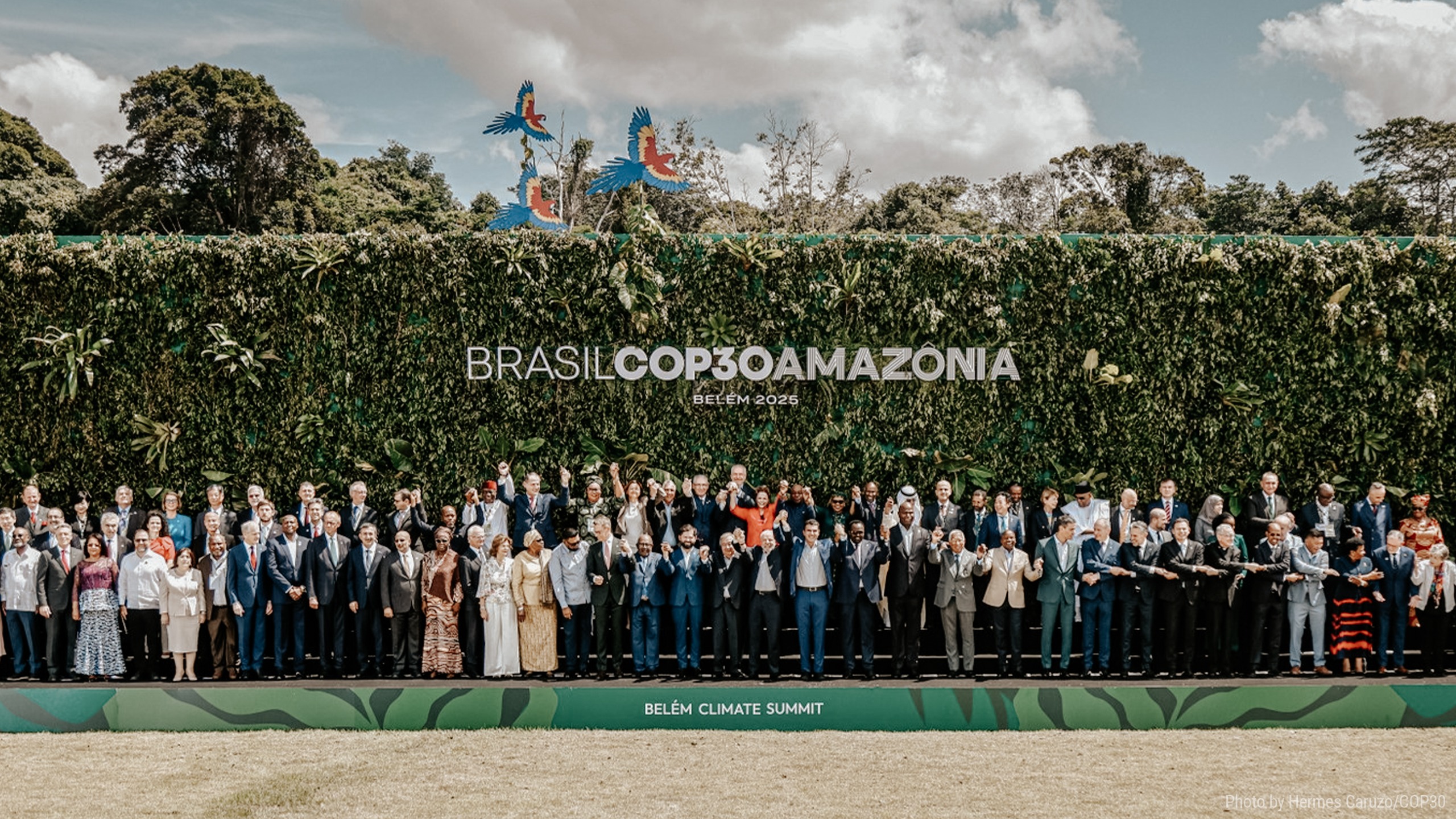
The CVF-V20 welcomes the publication of the Report on the Baku to Belém Roadmap to $1.3T. The horrific impact of the recent, category 5, Hurricane Melissa on Jamaica, Haiti and Cuba and Super Typhoon Fung-wong in the Philippines has only highlighted the growing severity of climate change and the damage it inflicts on countries least responsible for the crisis. The need for a clear and inclusive pathway to meet climate finance needs for the long haul could not be more urgent. Climate vulnerable economies have acted decisively and led the way by advancing ambitious Climate Prosperity Plans, through our nationally determined contributions, and national adaptation plans. It is time for COP30 to reflect similar ambition with the level of seriousness and urgency required to rapidly mobilize finance at the scale and speed demanded by climate science and the level of suffering being experienced in our countries.
As highlighted in the Third CVF Leaders Declaration, vulnerable nations need a comprehensive Adaptation Package that scales up adaptation finance, delivers predictable and affordable resources, ensures grants and results-based funding for completed NAPs, and strengthens early warning systems, and pre-arranged financing to complement. Adaptation must be delivered at scale, at speed, and at costs our countries can afford.
At the same time, both the CVF and V20 have emphasized that health resilience is now a frontline climate imperative. Extreme temperatures, vector-borne diseases, food and nutrition insecurity, and rising health care burdens are driving fiscal strain and deepening vulnerability. The 15th V20 Finance Ministers Communique calls for resilient health systems, strengthened climate-health surveillance, protection for workers and vulnerable populations, and urgent cooperation to respond to rising health sector costs.
The CVF-V20 has been clear in its call for a dedicated climate finance target of at least US$300 billion per year by 2035 in public and grant-based resources, with developed countries taking the lead, as well as an overall climate finance goal of at least US$1.3 trillion per year for developing countries by 2035 from all public and private sources. We have also stressed the importance of tripling adaptation finance with multilateral development banks substantially scaling up their supply of affordable adaptation finance.
In the Baku to Belém Roadmap, we are encouraged by the following:
It is particularly encouraging that the Roadmap references and embraces the value of the Bridgetown Initiative which originated in a CVF V20 member-country. The Roadmap is useful in providing pathways to the $1.3 trillion as anchored in the New Collective Quantified Goal (NCQG) and also needs to include pathways for the immediate $300 billion. However, the Roadmap is missing vital ingredients that are required to bring ambition to the fore:
Therefore, the CVF-V20 calls for a Belem finance package including the following components:
The Baku to Belém Roadmap is a welcomed contribution, but its success will depend on the willingness of key actors to follow the pathway it provides. This journey begins at COP30, where countries must deliver a bold Adaptation Package, solutions for debt sustainability, and pathways for resilient health systems to safeguard the most exposed nations. We in the CVF-V20 will do our part and we call on all other stakeholders to take the transformative actions outlined in the Roadmap.
Reference Documents:
***
The CVF-V20 represents 74 member-countries from small island developing states (SIDS), least developed countries (LDCs), low-to-middle income countries (LMICs), landlocked developing countries (LLDCs), and fragile and conflict-affected states (FCS). Working together, the CVF-V20 aims to achieve climate justice through the realization of Climate Prosperity Plans, which contain ambitious economic and financial resilience strategies designed to attract investment and resources that advance the attainment of the Sustainable Development Goals (SDGs), 30×30 Global Biodiversity, and help keep the average global temperatures to the Paris Agreement’s 1.5°C safety threshold.
For media enquiries, please contact [email protected].
For the latest updates, please follow us on:
Africa: Benin, Burkina Faso, Cabo Verde, Chad, Comoros, Côte d’Ivoire, Democratic Republic of the Congo, Eswatini, Ethiopia, Gabon, The Gambia, Ghana (Troika), Guinea, Kenya, Liberia, Madagascar, Malawi, Morocco, Mozambique, Namibia, Niger, Rwanda, Senegal, Sierra Leone, Somalia, South Sudan, Sudan, Tanzania, Togo, Tunisia, Uganda
Asia: Afghanistan, Bangladesh (Troika), Bhutan, Cambodia, Kyrgyzstan, Maldives, Mongolia, Nepal, Pakistan, Philippines, Sri Lanka, Timor-Leste, Vietnam
Caribbean: Barbados (Chair/Troika), Dominica, Dominican Republic, Grenada, Guyana, Haiti, Saint Lucia, Suriname, Trinidad and Tobago
Latin America: Colombia, Costa Rica, Guatemala, Honduras, Nicaragua, Paraguay
Middle East: Jordan, Lebanon, Palestine, Yemen
Pacific: Fiji, Kiribati, Marshall Islands, Nauru, Palau, Papua New Guinea, Samoa, Solomon Islands, Tonga, Tuvalu, Vanuatu