
by Her Excellency H. Elizabeth Thompson, Barbados’ Ambassador for Climate Change, Law of the Sea & Small Island Developing States (SIDS), and Sherpa to Prime Minister Mia Amor Mottley, Chair of the CVF-V20
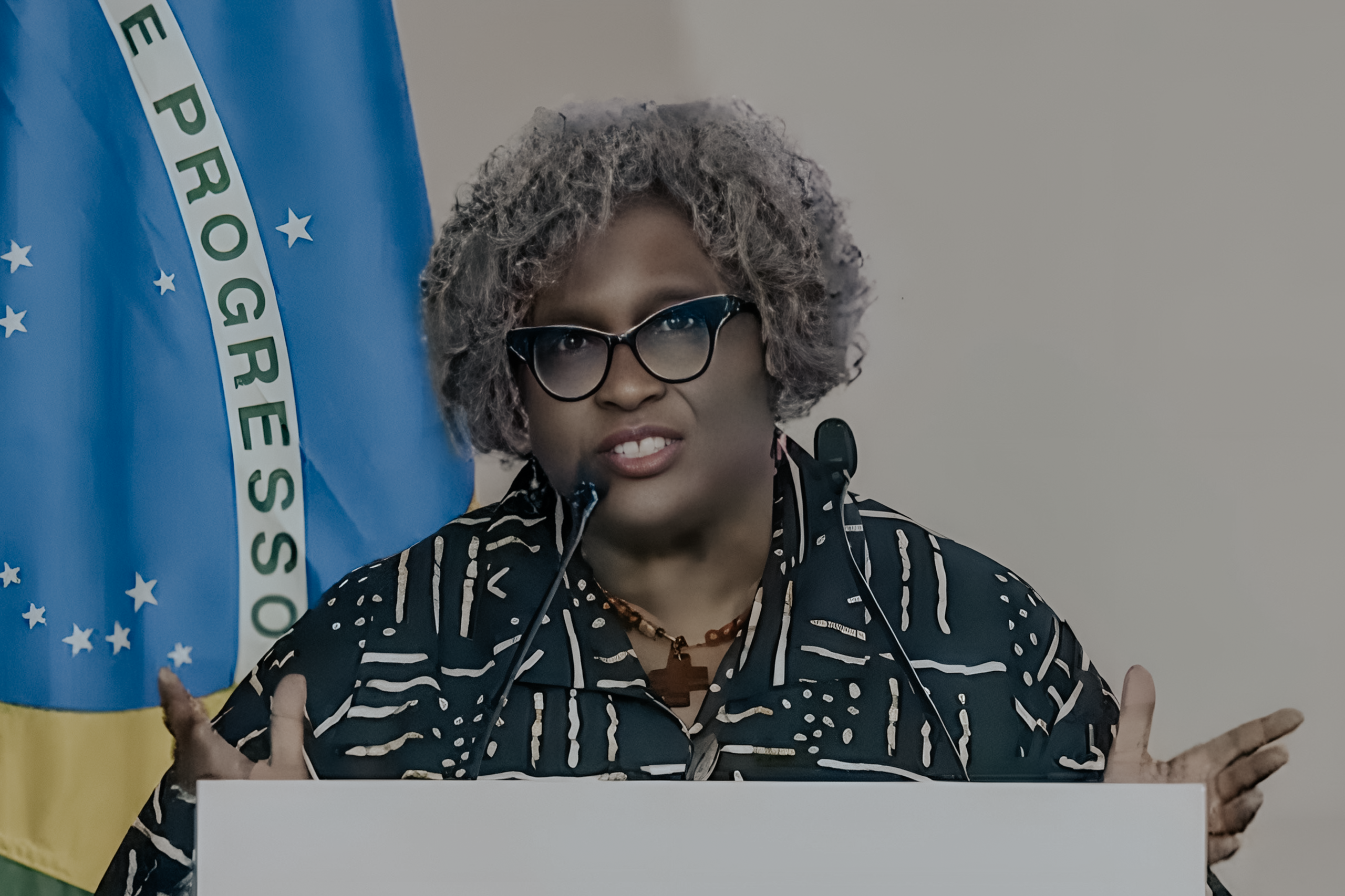
We, all of us, have come to the city, to this place of environmental sensitivity, to consider the plight of the planet. Yes, we come with concern about the climate crisis, but we also come to build new hope. I choose hope over despair. In that place of hope, I stand in solidarity with the governments and people hit with the fury of Hurricane Melissa in Jamaica, Haiti and Cuba to the trail of destruction wrought by Typhoons Kalmaegi and Fung-Wong across Southeast Asia.
My first COP was in Kyoto in 1997. Nearly three decades later, standing here in Brazil, I note the progress that has been made while recognizing much more remains to be done. In that regard, I wish to make some specific appeals. I frame them through the poignancy of words penned by the Brazilian poet Manuel Bandeira:
Recently, I came across a deeply provocative poem by famed Brazilian poet, Manuel Bandeira, which I’ll share with you:
Yesterday I saw an animal
On a filthy hallway
Searching for food between the garbageWhen finding anything
It did not inspect or smell
Just swallowed with voracityThe animal was not a dog
Or a cat
Or a ratThe animal, oh my Lord, was a man!
This poem about human wretchedness and desperation reminds us that people can be reduced to lives of utter indignity by war; by political failures; by our differences or inactions; and by the ravages of a worsening climate crisis.
Supporting AOSIS, Barbados is here to stand in solidarity with climate-afflicted people everywhere–-with the peoples of Jamaica devastated by Hurricane Melissa and the Philippines torn by Typhoons Kalmaegi and Fung-wong.
The poet Bandeira powerfully challenges us. We are here not to ensure that we include the brackets which highlight our divisions, but to build the bridges that overstep our differences and offer all people hope and dignity.
Hope and despair must now lead us to accountability. COP30 must become our moment of conscience when, as members of the human family, we uphold our shared responsibility to protect lives, livelihoods and dignity for all our brothers and sisters. Grounded in this understanding, the Barbados Presidency of the CVF-V20 puts forth five urgent calls to action:
The world has never been changed by spectators and naysayers. It has changed by men and women of action.
Barbados is here to join with you to take action.
***
The CVF-V20 represents 74 member-countries from small island developing states (SIDS), least developed countries (LDCs), low-to-middle income countries (LMICs), landlocked developing countries (LLDCs), and fragile and conflict-affected states (FCS). Working together, the CVF-V20 aims to achieve climate justice through the realization of Climate Prosperity Plans, which contain ambitious economic and financial resilience strategies designed to attract investment and resources that advance the attainment of the Sustainable Development Goals (SDGs), 30×30 Global Biodiversity, and help keep the average global temperatures to the Paris Agreement’s 1.5°C safety threshold.
For media enquiries, please contact [email protected].
For the latest updates, please follow us on:
Africa: Benin, Burkina Faso, Cabo Verde, Chad, Comoros, Côte d’Ivoire, Democratic Republic of the Congo, Eswatini, Ethiopia, Gabon, The Gambia, Ghana (Troika), Guinea, Kenya, Liberia, Madagascar, Malawi, Morocco, Mozambique, Namibia, Niger, Rwanda, Senegal, Sierra Leone, Somalia, South Sudan, Sudan, Tanzania, Togo, Tunisia, Uganda
Asia: Afghanistan, Bangladesh (Troika), Bhutan, Cambodia, Kyrgyzstan, Maldives, Mongolia, Nepal, Pakistan, Philippines, Sri Lanka, Timor-Leste, Vietnam
Caribbean: Barbados (Chair/Troika), Dominica, Dominican Republic, Grenada, Guyana, Haiti, Saint Lucia, Suriname, Trinidad and Tobago
Latin America: Colombia, Costa Rica, Guatemala, Honduras, Nicaragua, Paraguay
Middle East: Jordan, Lebanon, Palestine, Yemen
Pacific: Fiji, Kiribati, Marshall Islands, Nauru, Palau, Papua New Guinea, Samoa, Solomon Islands, Tonga, Tuvalu, Vanuatu