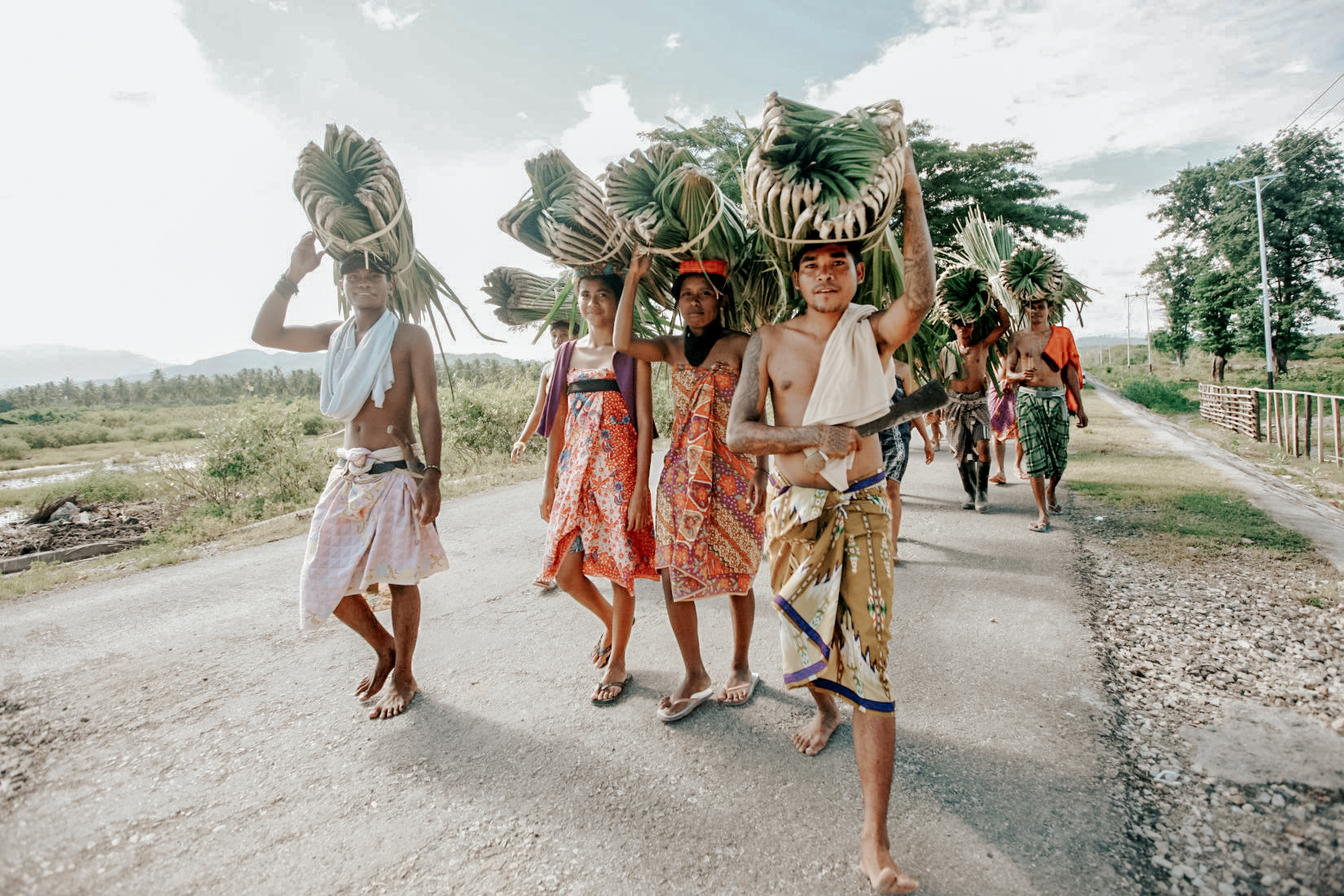
In Timor-Leste, a new climate initiative is working to restore ecosystems while strengthening rural resilience. The project, led by the United Nations Environment Programme (UNEP) with national partners, aims to help communities adapt to climate change by rebuilding the natural systems they depend on.
Titled Adapting to Climate Change and Enabling Sustainable Land Management Through Productive Rural Communities in Timor-Leste, the initiative runs from 2023 to 2028 with a budget of nearly USD 10 million and additional co-financing support. Its approach is rooted in ecosystem-based adaptation, using nature itself as a frontline defense against climate risks.
Timor-Leste’s ecosystems are rich but under tremendous pressure. Tropical rainforests, mangroves, and wetlands provide vital services, including water regulation, soil protection, and coastal defense. Yet decades of logging and unsustainable farming have taken a heavy toll. Some estimates suggest that 90 percent of the country’s forests have already been cleared or degraded.
The project responds to this challenge by restoring natural landscapes while helping communities manage land more sustainably. Its goals include the rehabilitation of 15,000 hectares of forests and ecosystems and directly supporting about 68,000 people. Activities range from restoring watersheds and improving agricultural practices to strengthening climate adaptation planning and expanding climate-smart agribusiness.
Water security is another priority. By rehabilitating catchment areas and improving water provision, the initiative seeks to safeguard supplies for rural households and farms, thus reducing the risk of drought-related hardship. At the same time, sustainable land management systems are designed to boost productivity without further damaging the environment.
Beyond its technical components, the project reflects a broader shift in climate policy: recognizing that protecting nature can also protect people. Healthy forests, wetlands, and soils can buffer communities against floods, erosion, and changing rainfall patterns while supporting livelihoods.
In a country where many rural families depend directly on natural resources, this integrated approach offers more than environmental restoration. It represents an investment in long-term stability—strengthening resilience, reducing land degradation, and helping communities adapt to an uncertain climate future.