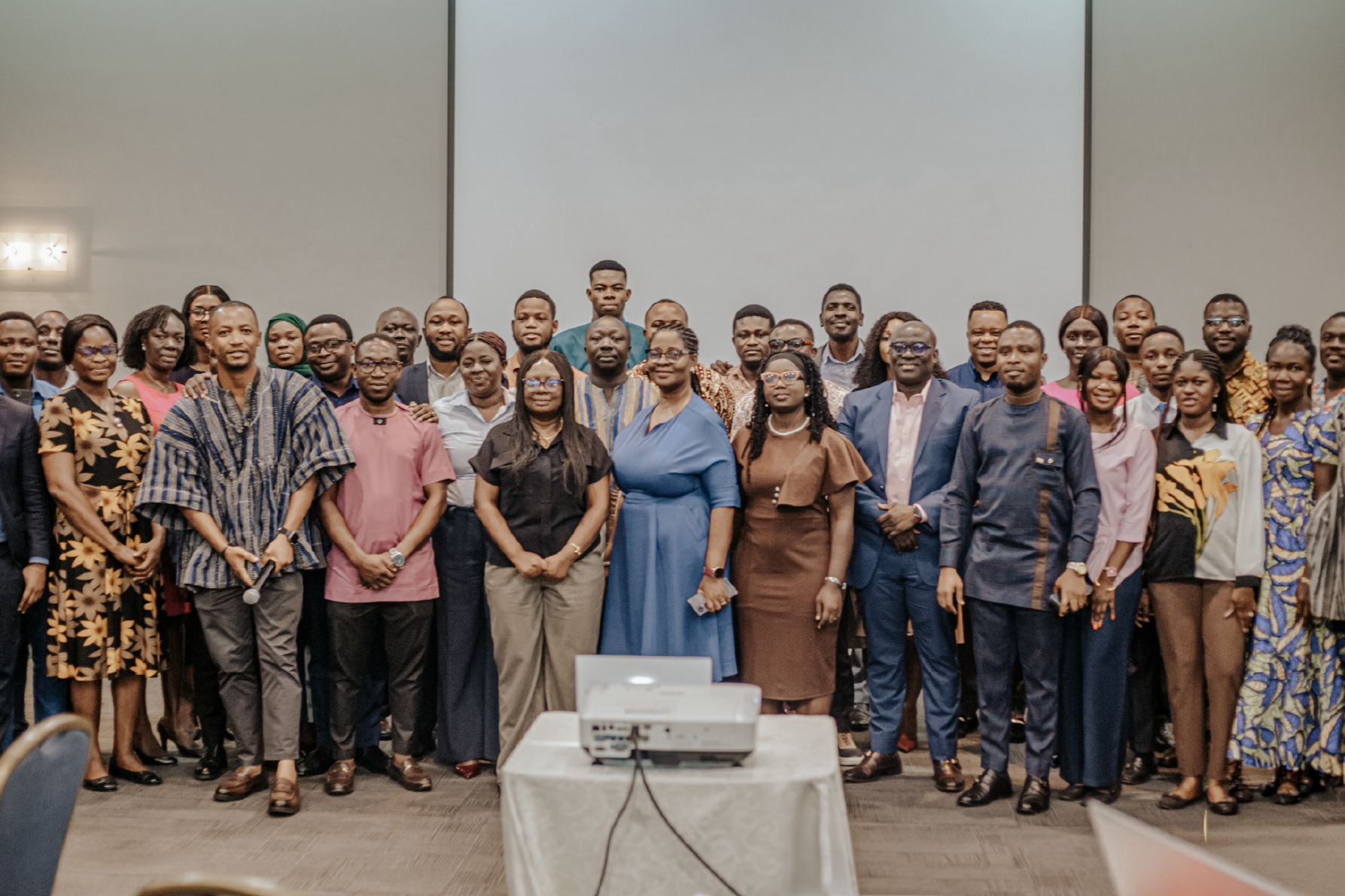
Accra, Ghana—Ghana has reached a turning point in its journey toward climate prosperity, following the formal review and validation of its updated Climate Prosperity Plan (CPP) at a national workshop in Accra on February 25.
The validation workshop, organized by the Ministry of Finance in collaboration with the CVF-V20 Secretariat, convened senior government officials, international development partners, financial institutions, and private sector leaders.
CPPs, pioneered by CVF-V20 member states, are country-driven national investment and financing strategies designed to translate climate commitments into bankable development pathways. The CPPs unlock the full potential of development and climate plans, such as Nationally Determined Contributions (NDCs), National Adaptation Plans (NAPs), medium-term development plans, and sectoral plans. Moving beyond traditional costed roadmaps, CPPs serve as multi-phase frameworks for investment, technology co-development, and knowledge transfer.
Central to the updated Ghana CPP is a robust mechanism for mobilizing public, private, and catalytic capital at an unprecedented scale. The plan moves beyond traditional aid models, instead prioritizing blended finance structures, innovative financial instruments such as debt-for-climate and debt-for-nature swaps, carbon market transactions under Article 6 of the Paris Agreement, Results-Based Financing Instruments, among others.
H.E. Mohamed Nasheed, Secretary-General of the CVF and former President of the Maldives, commended Ghana for sustaining its leadership and deepening its commitment to climate prosperity well beyond its tenure as Chair of the CVF-V20, underscoring the country’s continued role as a standard-bearer for climate ambition and resilience among vulnerable nations. “Ghana has helped elevate the global conversation from climate vulnerability to financial reform, advocating for direct access to finance, reform of the global financial architecture, and de-risking solutions for climate-vulnerable economies,” he said.
A defining feature of the updated CPP is its alignment with Ghana’s broader economic vision, as articulated in the
24-Hour Economy Policy, the Accelerated Export Development Programme, and the
“Big Push” infrastructure initiative. By ensuring the alignment of all these roadmaps and frameworks, the government ensures that climate action serves as a powerful multiplier for job creation and industrial competitiveness.
The national validation workshop also finalized essential implementation modalities, focusing on governance, institutional coordination, and transparent monitoring systems to track capital flow and development impact. With these structures in place, Ghana presents an investment-ready proposition to international climate funds and private investors alike, demonstrating a clear pathway for how emerging economies can turn climate challenges into engines for long-term capital accumulation and social resilience.