The worsening impacts of climate change are exposing gaps in financial and social systems while reshaping societies, with women often on the frontlines—managing households, securing resources, and caring for families under growing stress. The crisis exacerbates existing gender inequalities, yet women’s voices are largely missing from the policies meant to protect them. Without a gender-focused approach, millions of women and girls risk being pushed into extreme poverty, amplifying social and economic disparities worldwide.
A gender snapshot published by UN Women showed that failure to take a gender-just and rights-based approach to climate change will push up to 158.3 million more women and girls into extreme poverty. Less than one percent of gender-specific allocable overseas development assistance from the Development Assistance Committee was committed to women’s rights organizations in 2022-2023. The snapshot also reported that national climate plans lack women’s perspectives, with only 39 percent of countries having created gender-specific coordination mechanisms and task forces. Among these nations are Bangladesh and Kenya.
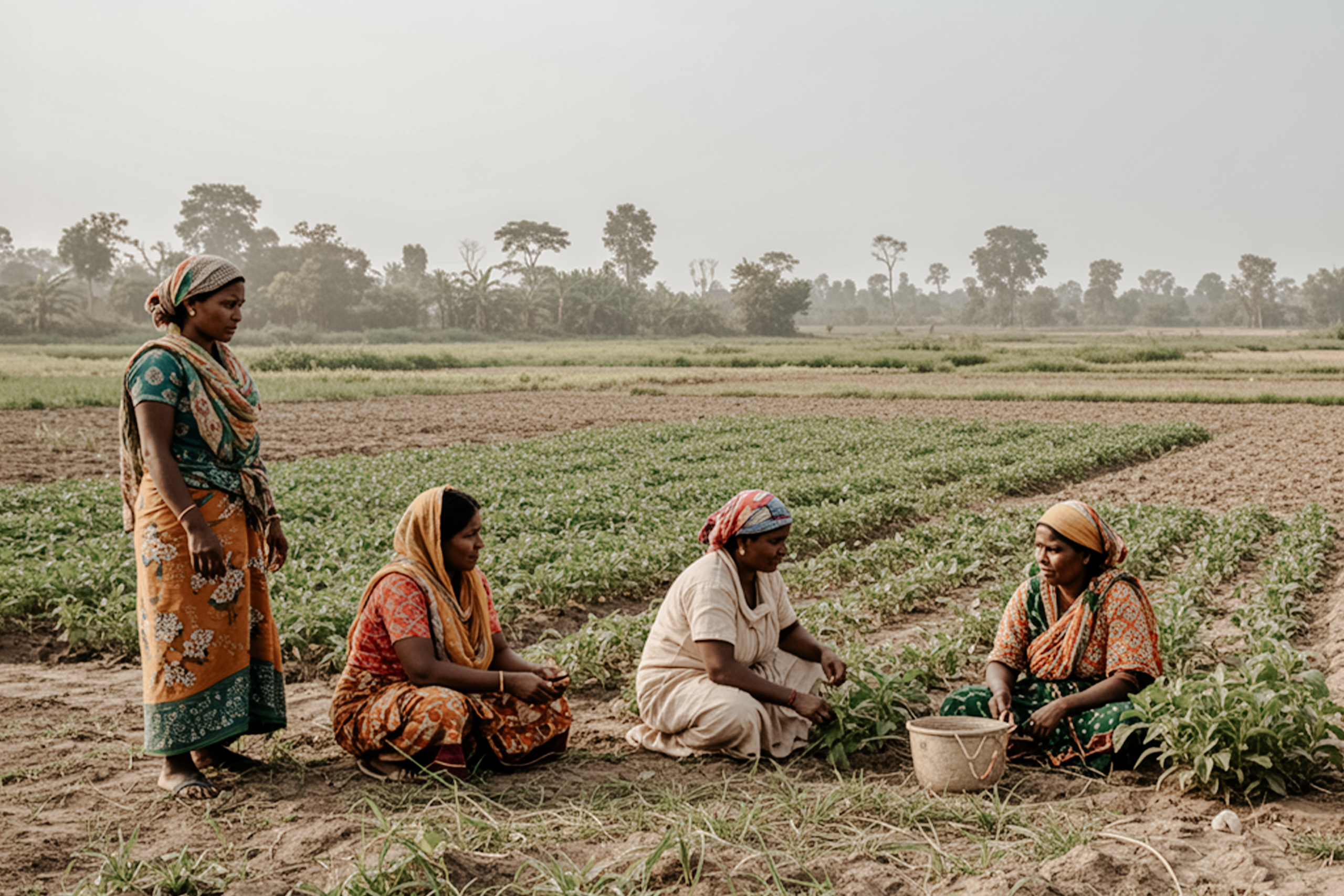
Women’s inclusion in climate initiatives across Bangladesh gained momentum back in 2013 when the Climate Change and Gender Action Plan was first released. This broadened the space in which women could interject their perspectives on climate and the environment, providing them with equal access and participation in discussions of social issues as men.
To date, Bangladesh’s commitment to gender inclusion remains steadfast, as exemplified in its submission of the updated Climate Change and Gender Action Plan. This new document identified six sector-specific issues shaped by gender dynamics: natural resources, livelihood, infrastructure and settlement, women’s leadership, gender-response implementation, and capacity building. The updated plan also proposed cross-cutting priority actions to promote gender balance and women’s participation in the country’s climate change solutions.
For Kenya, its National Gender and Climate Change Action Plan was the country’s first stand-alone blueprint on gender and climate change in response to the inadequate implementation of gender-responsive policies. The plan intends to strengthen the capacity of vulnerable groups, especially women, in climate actions across disaster risk management, food and nutrition security, water, fisheries and the blue economy, forestry, wildlife and tourism, health and human settlements, manufacturing, energy, and transport.
The Kenya government also established a Climate Change Unit under the State Department for Gender Affairs and Affirmative Action to ensure gender lens inclusion in climate-related initiatives and innovations.
The climate change and gender action plans from Bangladesh and Kenya prove that gender inclusion and climate can mutually co-exist. Discourse on gender equality is not isolated from climate talks, but rather a reinforcing pillar that elevates the situation of vulnerable populations in developing nations.