Empowering Communities: Accelerating Local Renewable Energy Transition in the Philippines
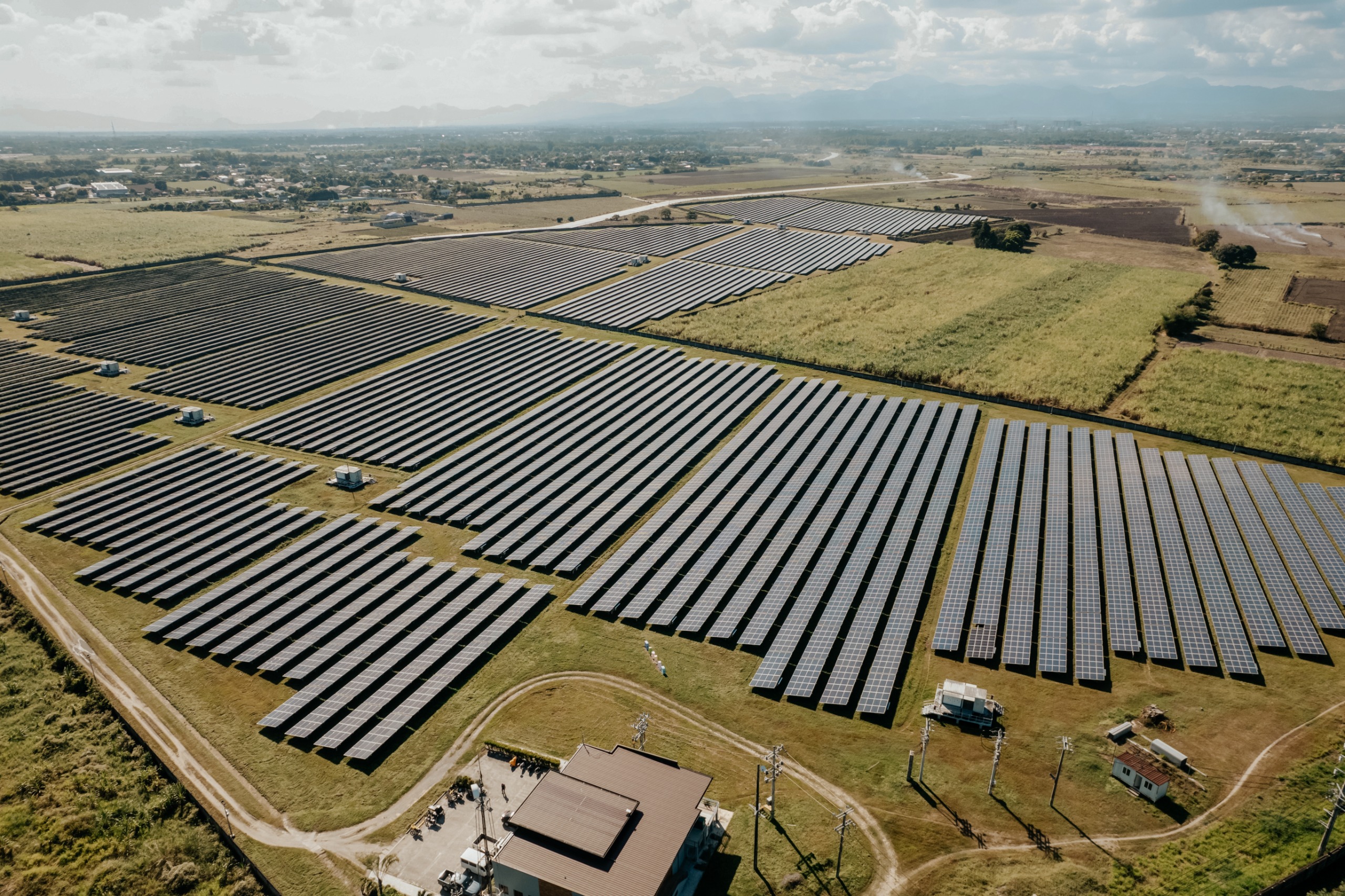
Subnational governance and local community participation emerges vital in realizing the ambitious renewable energy targets of the Philippines—achieving a 35% renewable energy share in the power generation mix by 2030, 50% by 2040, and more than 50% by 2050.
The Philippines has a number of mechanisms under the Renewable Energy Act of 2008 to advance these commitments. One is the Green Energy Option Program (GEOP), which allows an entity or aggregated entities with a monthly average peak demand of 50 kilowatts to source 100% power directly from a renewable energy supplier without upfront costs. With the introduction of an aggregation mechanism, this program can now cater to small-scale businesses and community households. Currently, 879 entities and 22 renewable energy suppliers are participating in the program.
The Department of Energy (DOE) also seeks to leverage subnational leadership to accelerate the country’s renewable energy targets, encouraging local governments to adopt resolutions and ordinances that support the renewable energy transition. Provinces, such as Negros Occidental, Bohol, and Iloilo, have begun institutionalizing renewable energy initiatives by pioneering legislative measures that promote renewable energy efforts and technologies for public facilities and transportation across their respective jurisdictions, signaling to the private sector and investors their willingness and commitment to accelerate green jobs and growth at the community level.
The Renewable Portfolio Standard (RPS) is also in place to set a minimum renewable energy share in the distribution utilities’ power generation mix, increasing annually, to support the overall targets of the country. While many distribution utilities are finding it difficult to abide by this, the DOE is supporting them by holding auctions of low-cost renewable energy as additional capacity.
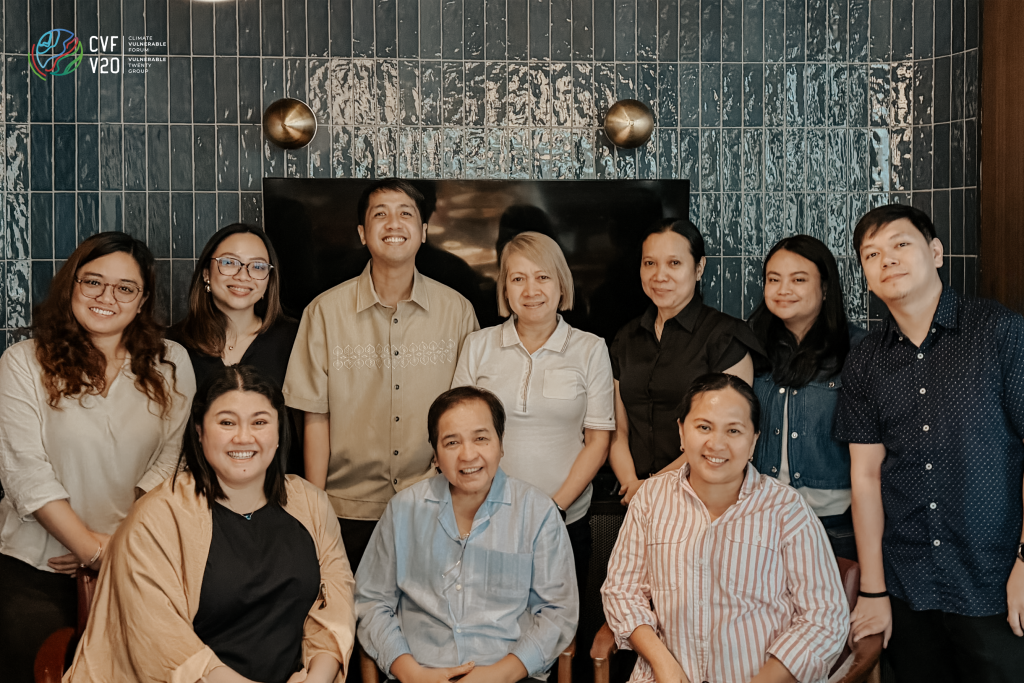
On February 20, the CVF-V20 Secretariat met with representatives from the DOE Philippines to identify areas of collaboration to incorporate more renewable energy projects in the country’s Climate Prosperity Plan, an ongoing investment and financing strategy for the Philippines being developed together with the Department of Finance. The discussion highlighted the opportunity to access climate finance and carbon markets and to leverage public-private partnerships on renewable energy pipeline projects, particularly for offshore wind and ocean energy.
The CVF-V20 Secretariat, together with the Department of Energy Philippines’ Renewable Energy Management Bureau, led by Undersecretary Mylene Capongcol, discussed catalytic opportunities for making renewable energy transition as a top climate prosperity agenda of the country.
For the Philippines, accelerating renewable energy at the community level will certainly drive local resilience and climate prosperity through efficient, affordable, and sustainable energy systems.