The Philippines is turning to one of its oldest natural resources to help secure a more resilient future, placing nature at the heart of climate action through a renewed national push for bamboo development.
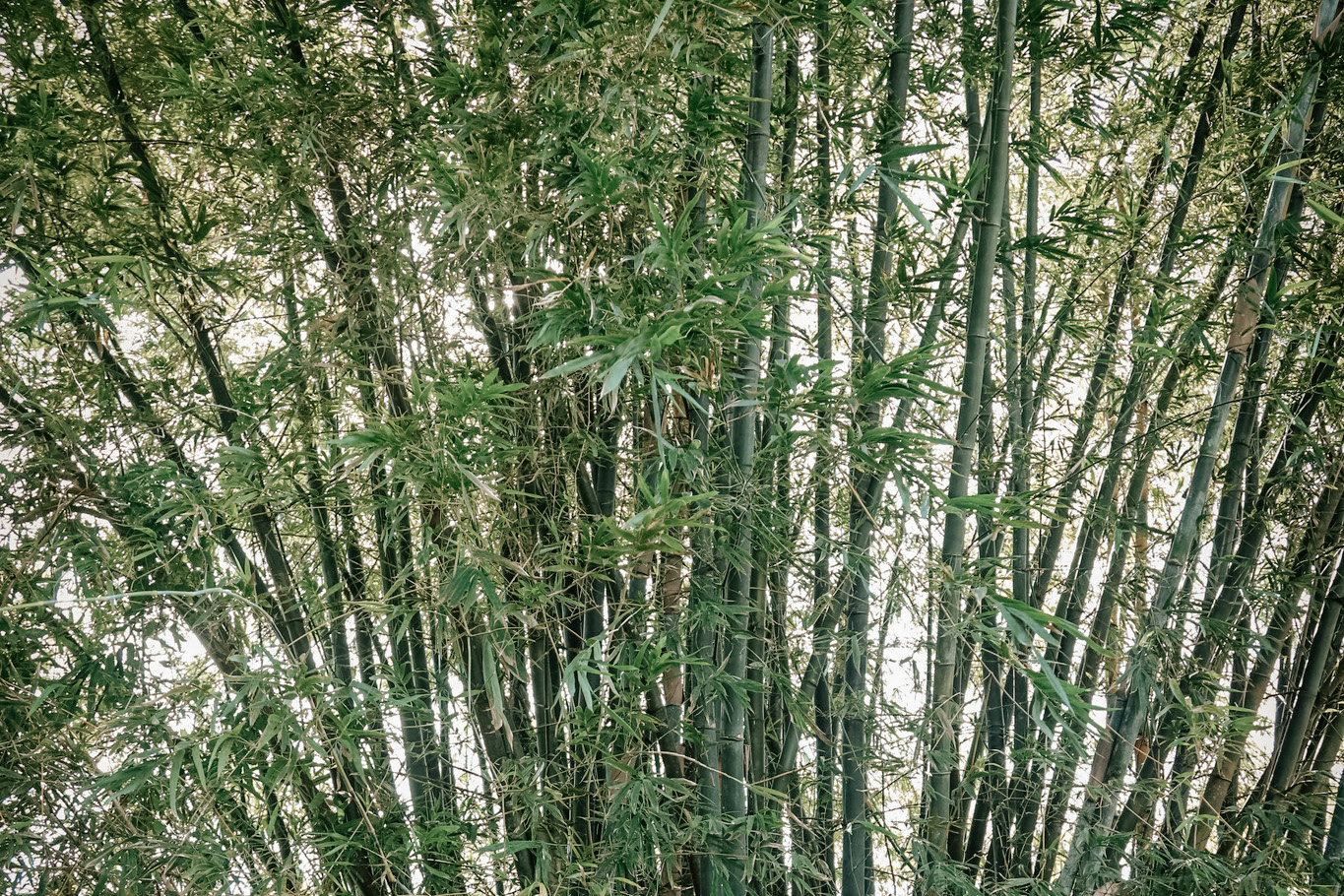
At its core, the initiative reflects a broader commitment to preserving ecosystems while strengthening communities that depend on them. Bamboo, a fast-growing and versatile plant, plays a critical role in climate adaptation. It absorbs carbon emissions, helps regulate water, and offers natural protection against flooding and strong winds.
The campaign seeks to raise public awareness of bamboo’s environmental value while encouraging its wider cultivation and integration into development planning. The Philippines has an estimated 39,000 to 53,000 hectares suitable for bamboo production, offering significant potential to restore landscapes, support rural livelihoods, and promote sustainable economic growth rooted in ecological care.
Anchored in the country’s
National Adaptation Plan, the effort positions bamboo as both a protective and productive resource. Officials have emphasized its role in stabilizing ecosystems, reducing climate risks, and supporting local industries—from small-scale crafts to engineered bamboo products. The country is home to around 70 bamboo species, including wide endemic varieties, underscoring the importance of conserving natural heritage while expanding its benefits for communities.
More than a technical solution, the campaign signals a deeper investment in nature as a partner in national resilience. By promoting bamboo cultivation and stewardship, the Philippines is advancing an approach that protects ecosystems while creating opportunities for green jobs and inclusive growth.
Through this initiative, preservation becomes both practical and purposeful—strengthening the bonds between communities and the landscapes that sustain them, while ensuring that natural resources continue to support future generations.