



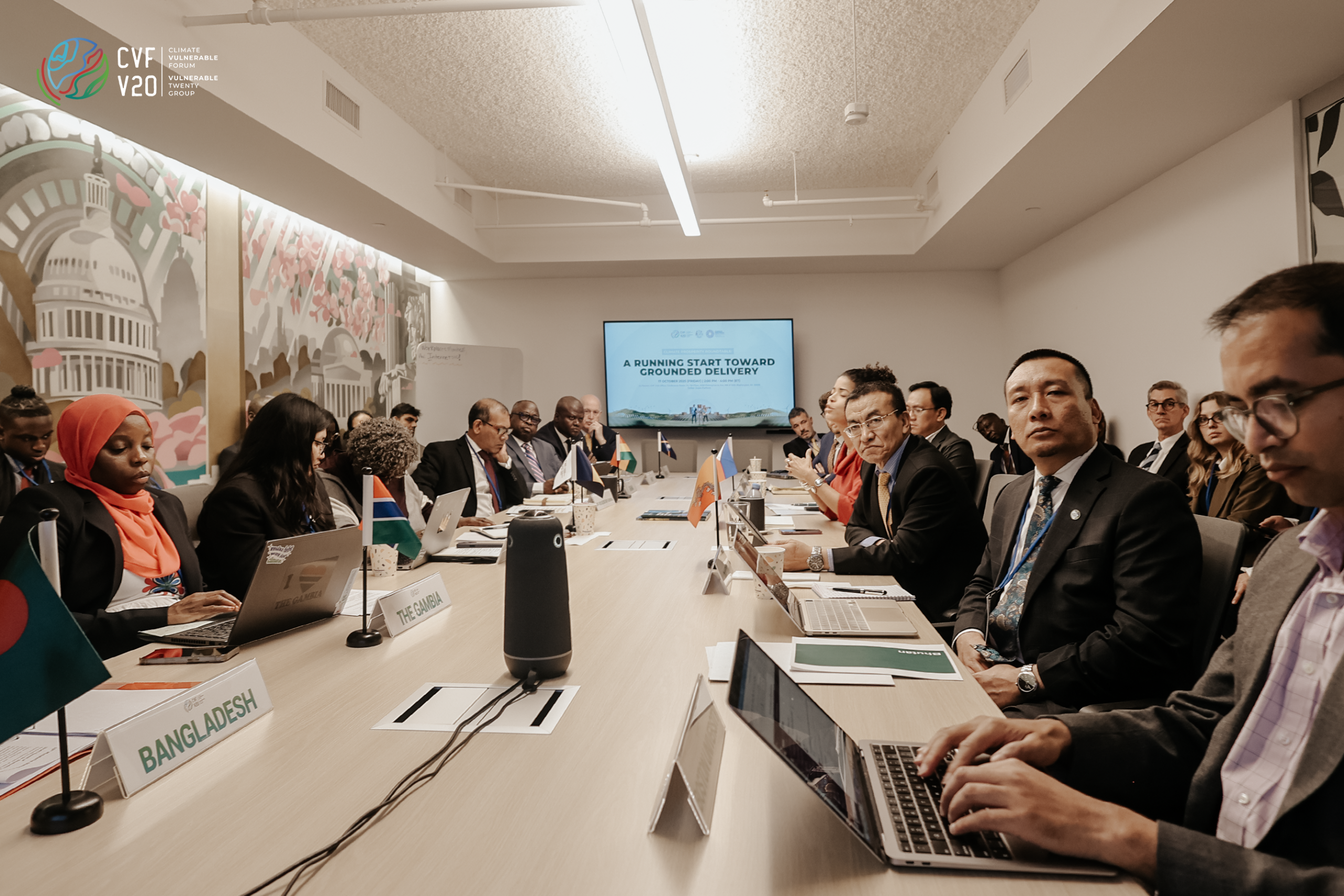
Washington, D.C.—The Climate Vulnerable Forum and its V20 Finance Ministers (CVF-V20) call for direct access funding of at least US$ 8 million to operationalize the climate prosperity agenda and establish country-led platforms across member states. This was emphasized during the Climate Prosperity Roundtable last 17 October 2025 in the margins of the 2025 Annual Meetings of the World Bank Group and the International Monetary Fund.
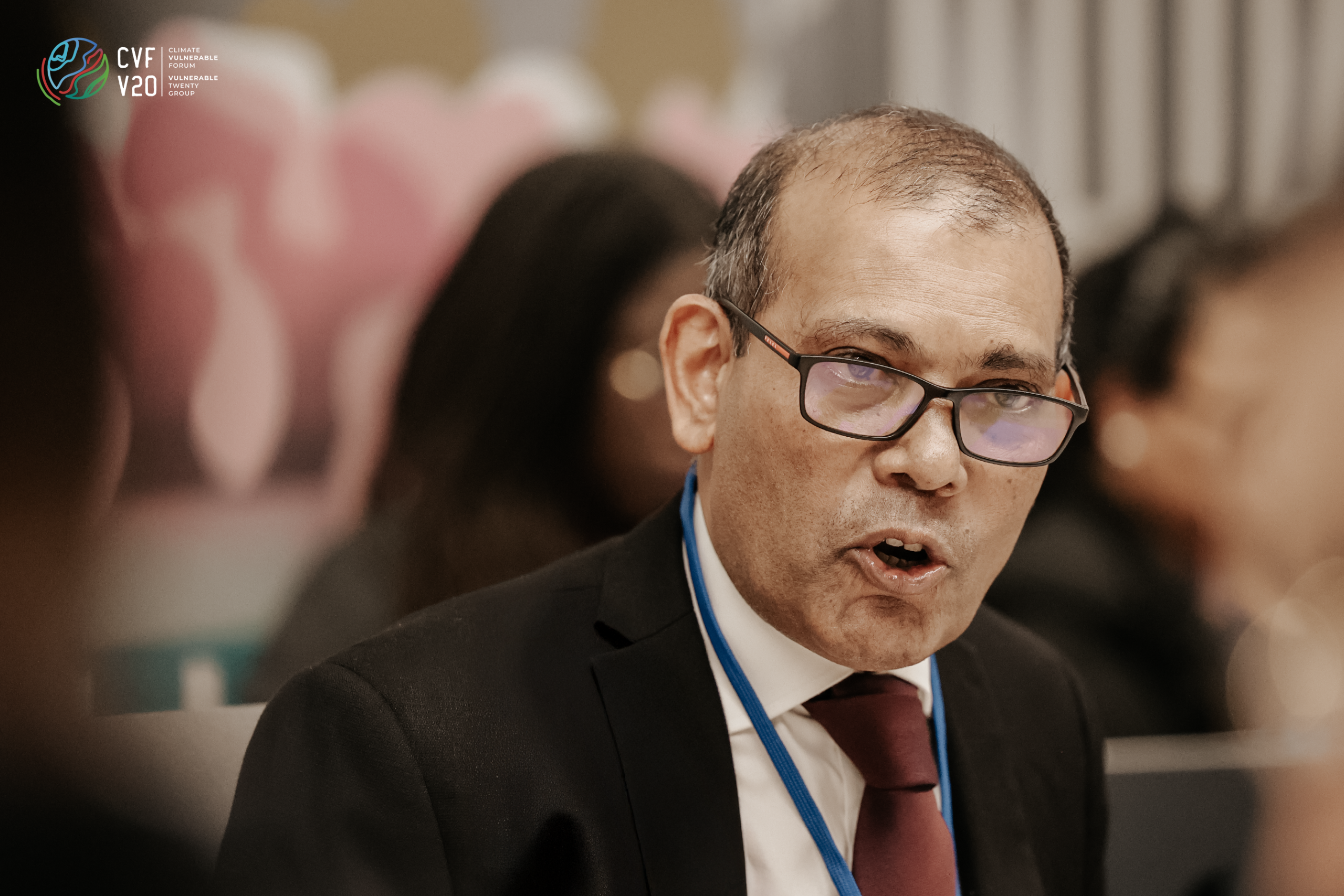
“CPPs are investment blueprints for the future of our economies aligning climate ambition with economic transformation, job creation, and sustainable growth,” H.E. Mohamed Nasheed, CVF-V20 Secretary-General and Former President of Maldives, added.
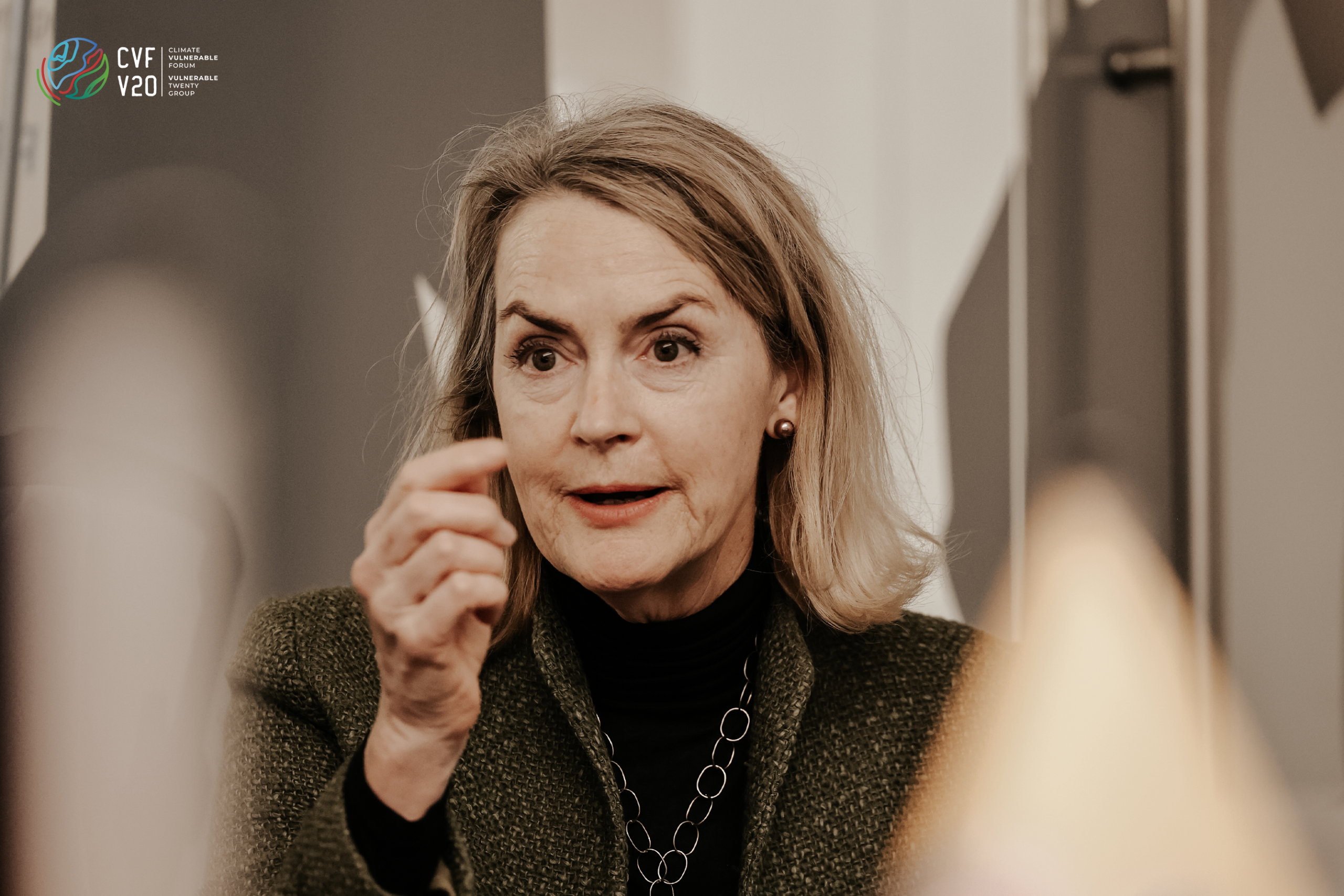
“Each plan demonstrates that climate action is not a cost but an investment in competitiveness, stability, and growth,” H.E. The Most Honorable Elizabeth Thompson, Ambassador Extraordinary and Plenipotentiary Climate Change, Small Island States (SIDS) and Law of the Sea, Barbados and Sherpa to Prime Minister Mia Amor Mottley, S.C. M.P., Chair of the CVF-V20, said.
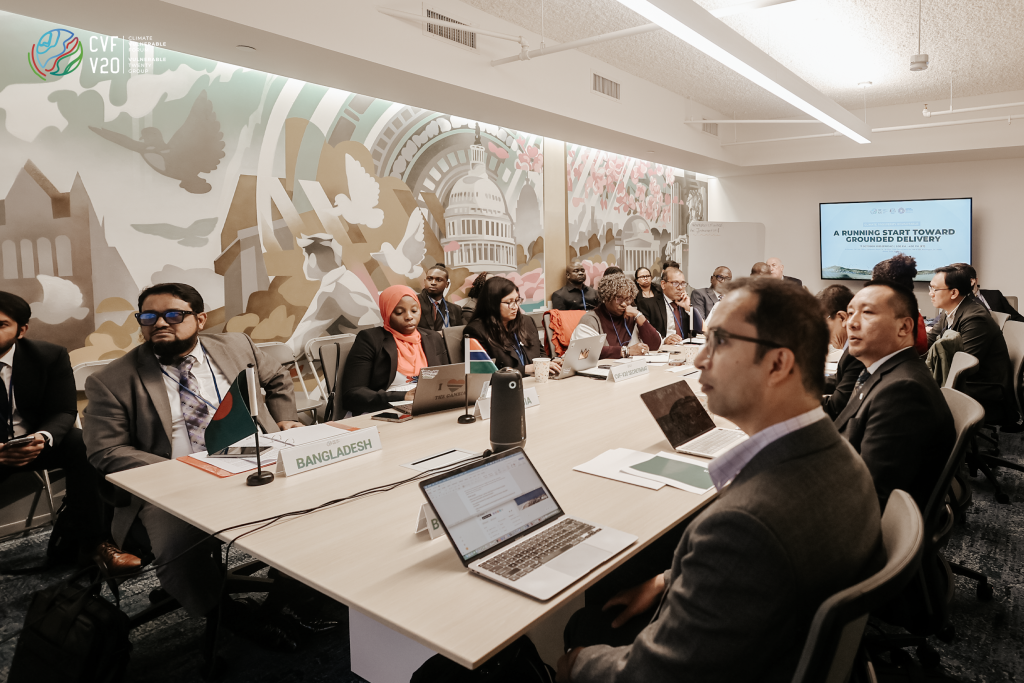
Country platforms as vehicle for implementation
Harnessing domestic capacity underpins efficacy and success of CPPs, moving beyond fragmented and siloed efforts. Country platforms “offer a running start for upstream project-development support, serving as credible venues for alignment between governments and investors,” Sara Jane Ahmed, the Managing Director and V20 Finance Advisor of CVF-V20 Secretariat, explained.
They offer mission-driven and government-led venues that crowd in capital designed to unlock new types of capital by building pipelines, reducing transaction costs, and promoting more responsive financing solutions.
CLIMATE PROSPERITY IN ACTION
CVF-V20 member countries shared their strategies in implementing CPP. These includes:
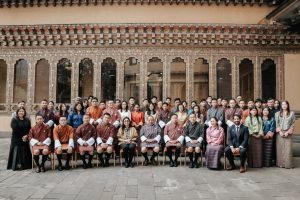
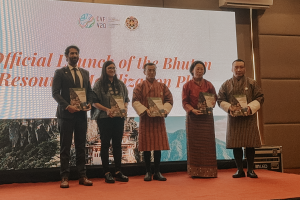
Bhutan leveraged CPP to explore pipeline projects on energy, agriculture, green economy, and natural assets projected to reach high-income status by 2034—a full five years earlier than business-as-usual.
Ghana anchors economic resilience and climate ambition in its CPP by driving green industrialization, developing sustainable cities, expanding renewable energy solutions, and enhancing nature-based solutions.
Barbados has developed their Investment Plan for Prosperity and Resilience amounting to US$14.6 billion predicted to have a holistic impact on economy, social infrastructure, and health ecosystem.
For Haiti, CPP is a blueprint of a hundred percent transition to renewable energy by 2050 and climate-proofing infrastructures. Keystone projects will also focus on restoring the productivity of their land and oceans, further strengthening the country’s blue economy.
The Gambia seeks to lower their poverty rate from 36% to 17% and double the GDP growth by 2050 through their CPP run by the country’s Ministry of Finance and Economic Affairs and the Ministry of Environment.
Shifting from climate vulnerability to resilience, Bangladesh focuses on accelerated adaptation, just labor transition, comprehensive risk financing, and renewable energy transition through their CPP.
In the Philippines, the climate prosperity agenda is pursued through its Climate Investment Memorandum, which is aligned with the Philippine Climate Finance Strategy and other national plans, and will integrate fragmented policies into a unified strategy for green economic transformation. The Memorandum will focus on local government units, while leveraging the People’s Survival Fund, and the inter-agency Green Force to mobilize and align public-private flows.
FINANCING THE CLIMATE PROSPERITY AGENDA
CVF-V20 leverages carbon market finance, in partnership with the Voluntary Carbon Market Initiative; and multisovereign investment fund, in partnership with the Jain Family Institute, to channel finance resources for climate prosperity pipeline projects. The multi-sovereign fund is to be advanced through a member-led working group to refine its design, governance, and capitalization strategy to ensure that the Fund effectively serves the priorities and investment needs of V20 member states.
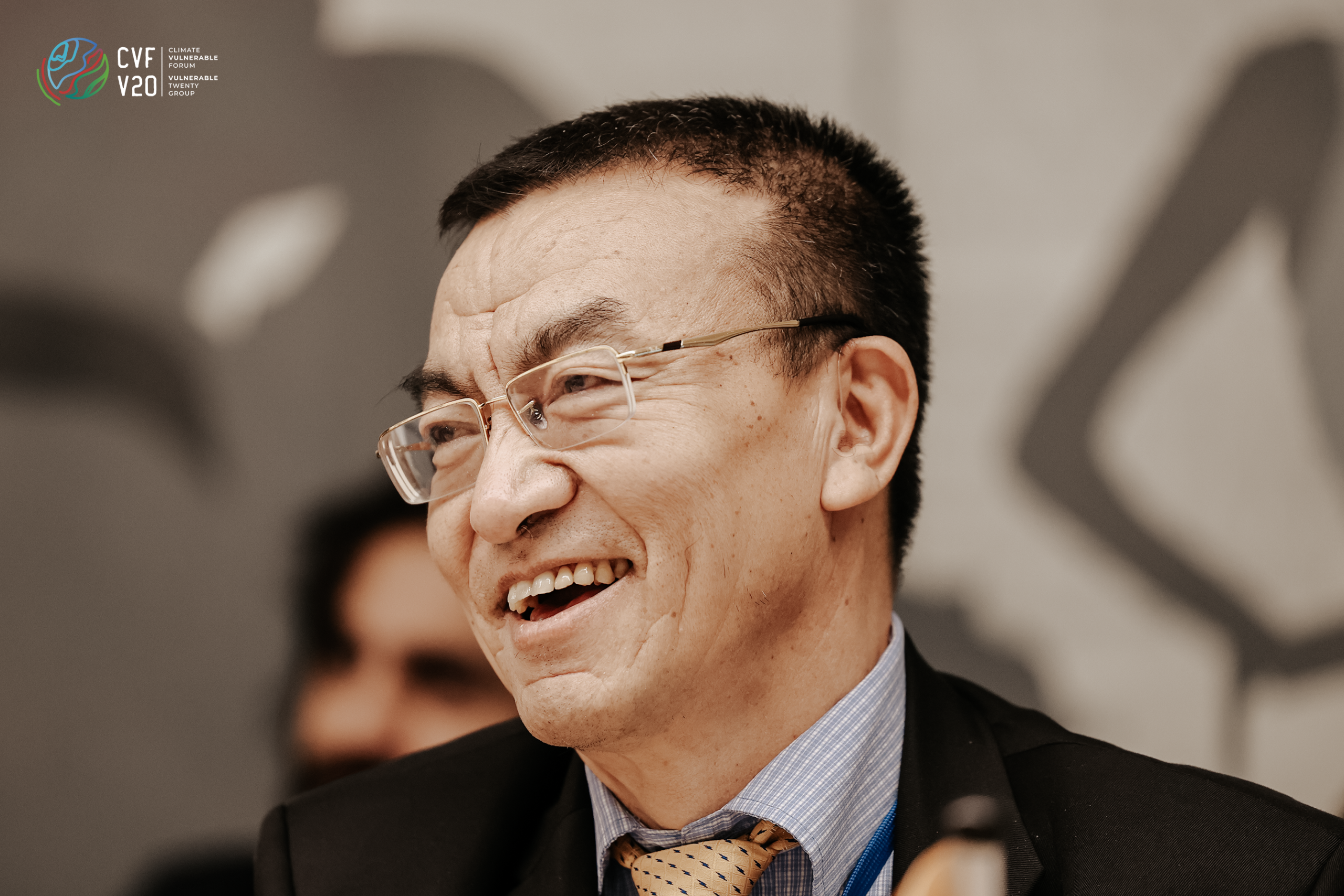
“The pathway to global prosperity must be equitable, inclusive, and sustainable. Let us move forward with renewed resolve to make climate prosperity not just a promise but a deep reality for our people and the planet,” H.E. Lyonpo Lekey Dorji, Minister for Finance of Bhutan, identified.
The CVF-V20 issues a collective call: The world’s most climate-vulnerable nations require direct financing support and innovative joint ventures to kickstart delivery of CPP and its country platforms, confronting capital shortages, high transaction costs, and constrained labor markets.
***
The CVF-V20 represents 74 member-countries from small island developing states (SIDS), least developed countries (LDCs), low-to-middle income countries (LMICs), landlocked developing countries (LLDCs), and fragile and conflict-affected states (FCS). Working together, the CVF-V20 aims to achieve climate justice through the realization of Climate Prosperity Plans, which contain ambitious economic and financial resilience strategies designed to attract investment and resources that advance the attainment of the Sustainable Development Goals (SDGs), 30×30 Global Biodiversity, and help keep the average global temperatures to the Paris Agreement’s 1.5°C safety threshold.
For media enquiries, please contact [email protected].
For the latest updates, please follow us on:
Africa: Benin, Burkina Faso, Cabo Verde, Chad, Comoros, Côte d’Ivoire, Democratic Republic of the Congo, Eswatini, Ethiopia, Gabon, The Gambia, Ghana (Troika), Guinea, Kenya, Liberia, Madagascar, Malawi, Morocco, Mozambique, Namibia, Niger, Rwanda, Senegal, Sierra Leone, Somalia, South Sudan, Sudan, Tanzania, Togo, Tunisia, Uganda
Asia: Afghanistan, Bangladesh (Troika), Bhutan, Cambodia, Kyrgyzstan, Maldives, Mongolia, Nepal, Pakistan, Philippines, Sri Lanka, Timor-Leste, Vietnam
Caribbean: Barbados (Chair/Troika), Dominica, Dominican Republic, Grenada, Guyana, Haiti, Saint Lucia, Suriname, Trinidad and Tobago
Latin America: Colombia, Costa Rica, Guatemala, Honduras, Nicaragua, Paraguay
Middle East: Jordan, Lebanon, Palestine, Yemen
Pacific: Fiji, Kiribati, Marshall Islands, Nauru, Palau, Papua New Guinea, Samoa, Solomon Islands, Tonga, Tuvalu, Vanuatu