African MPs Deliver Bold Call for Climate Finance and Green Development

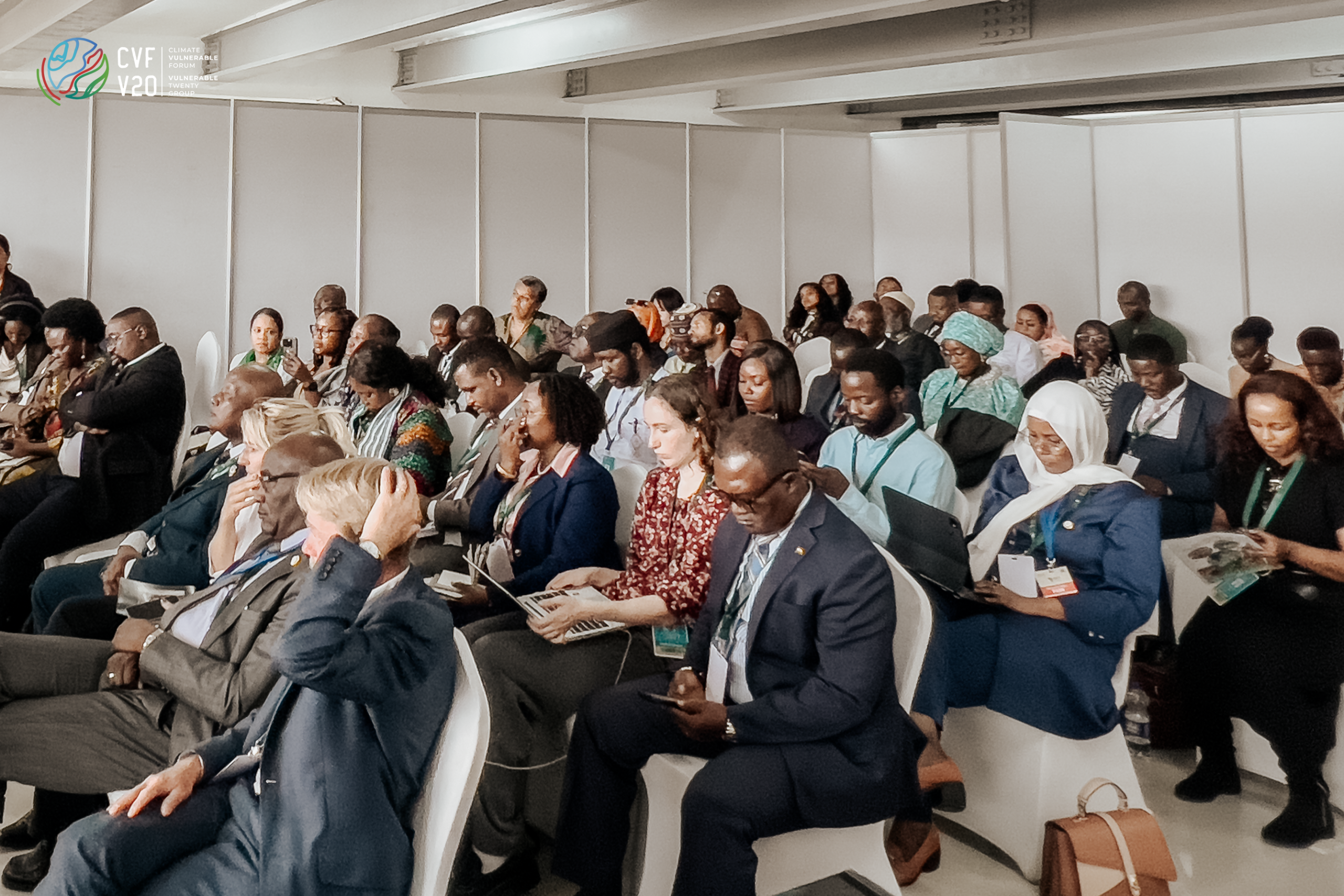
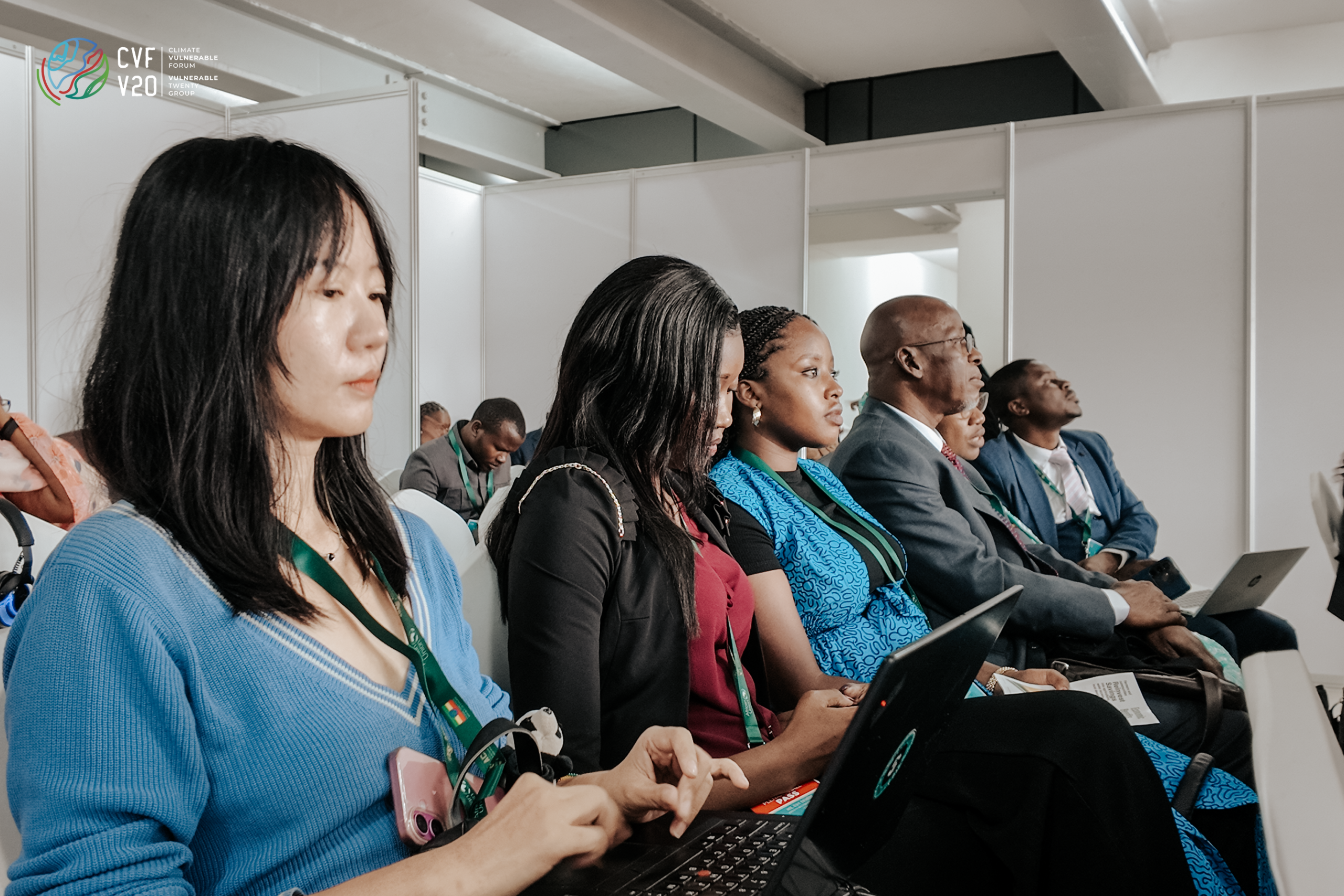
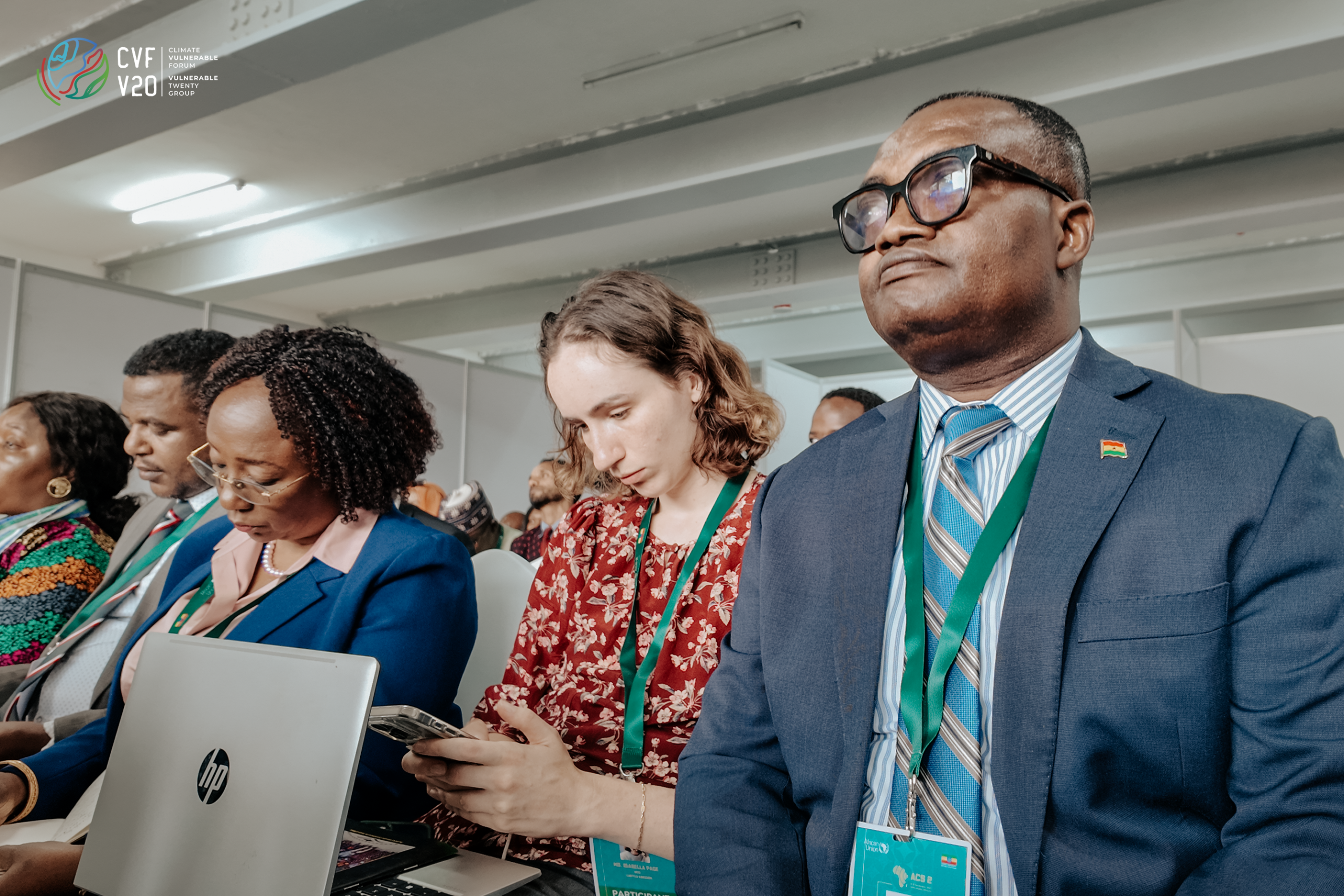
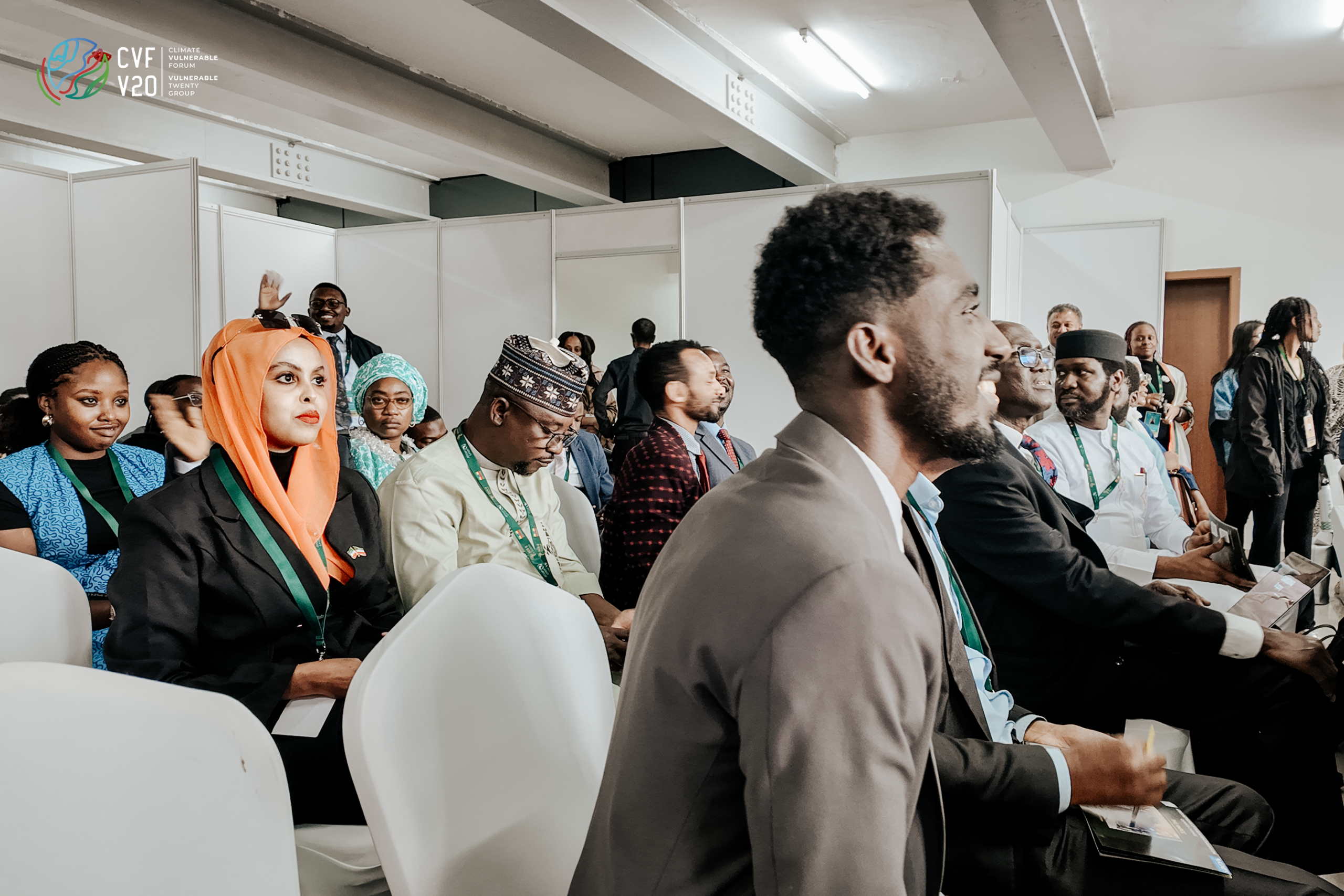
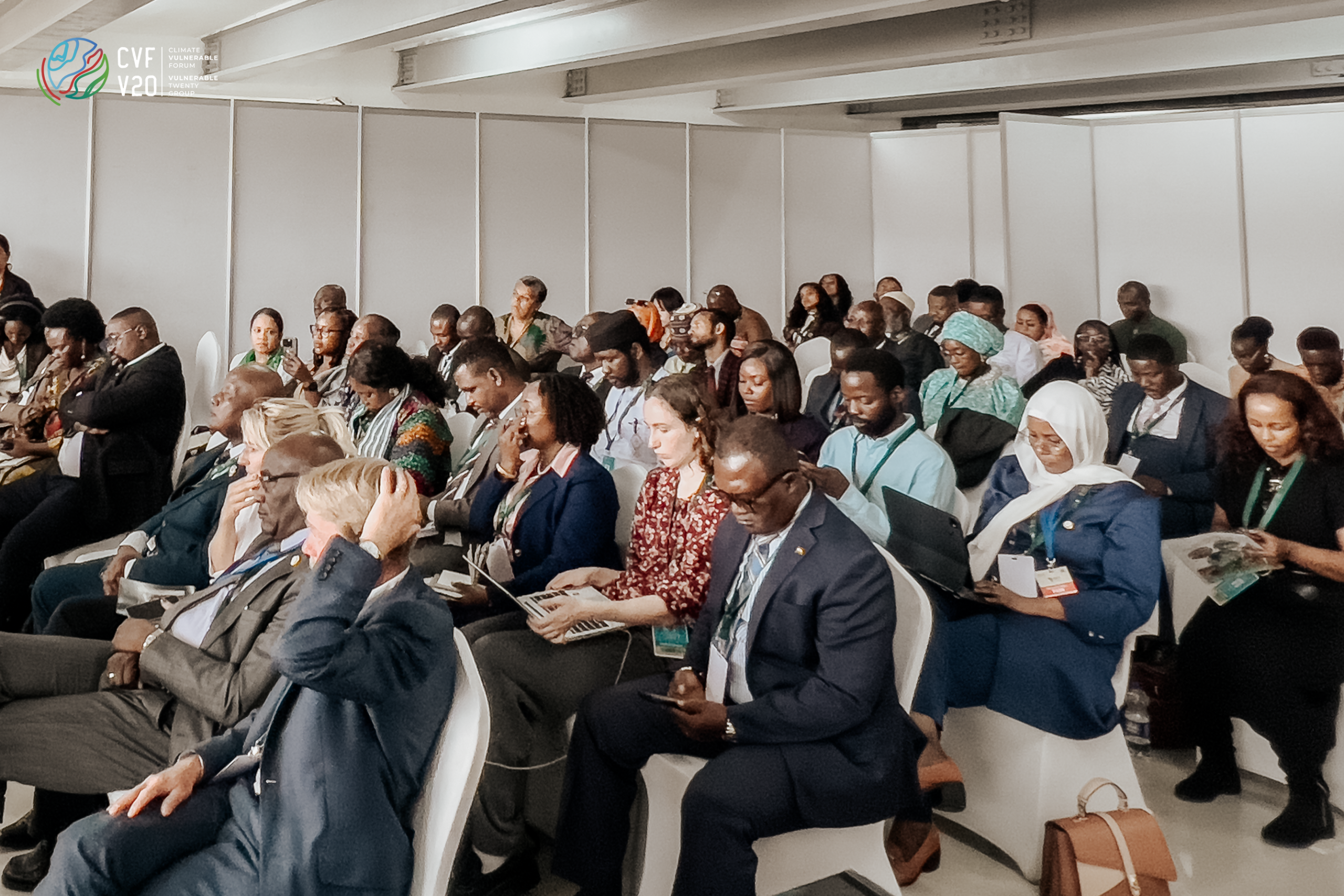
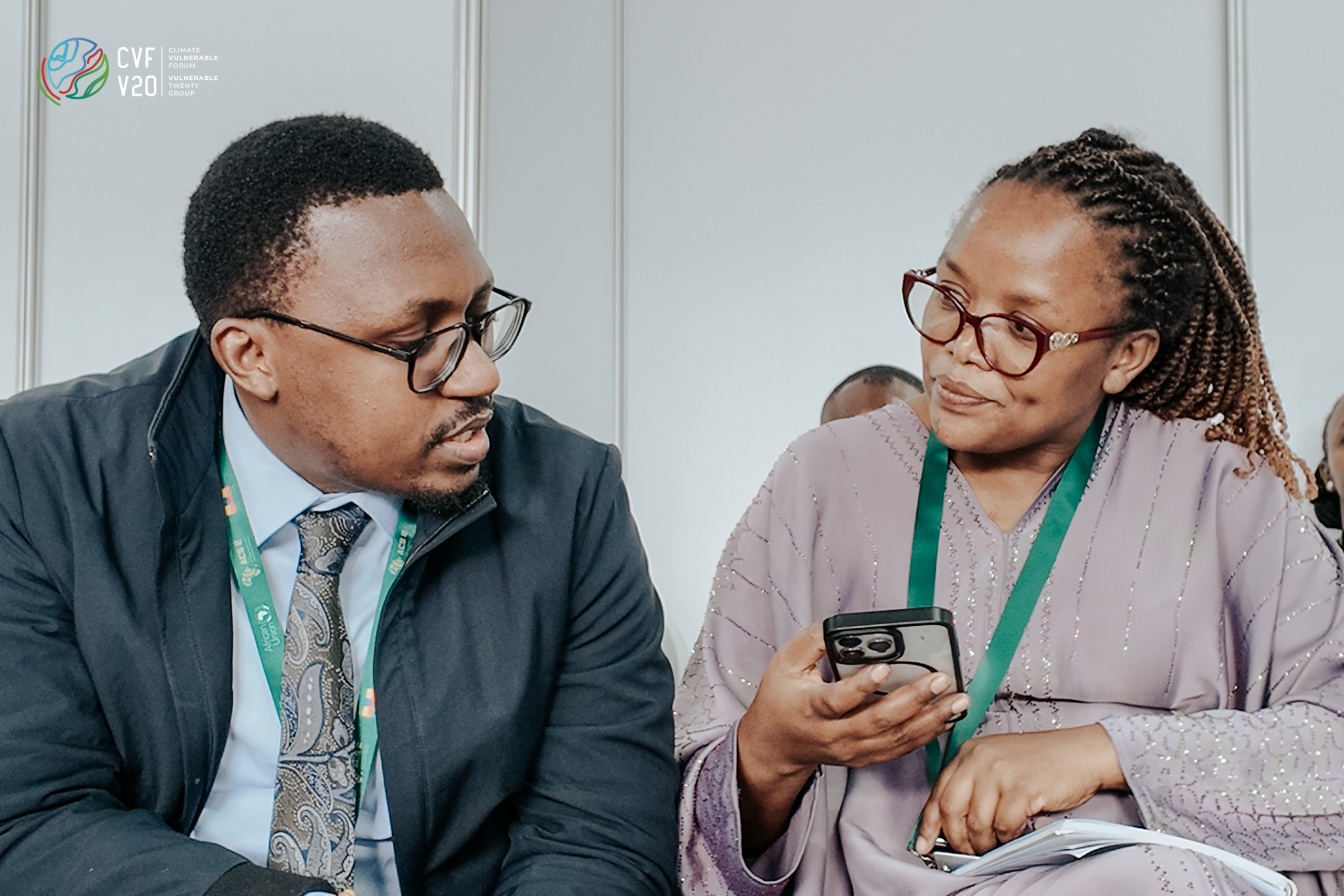
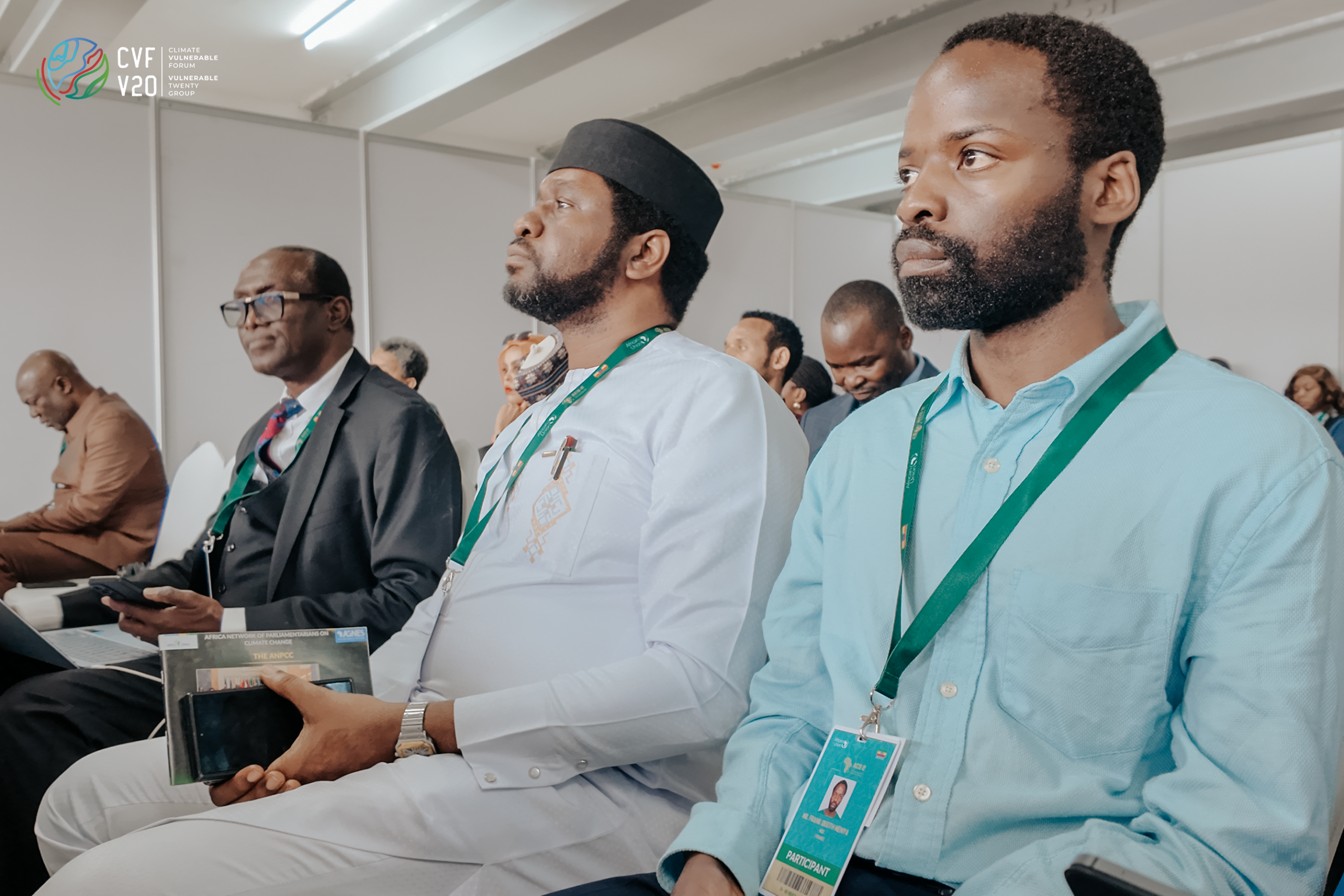
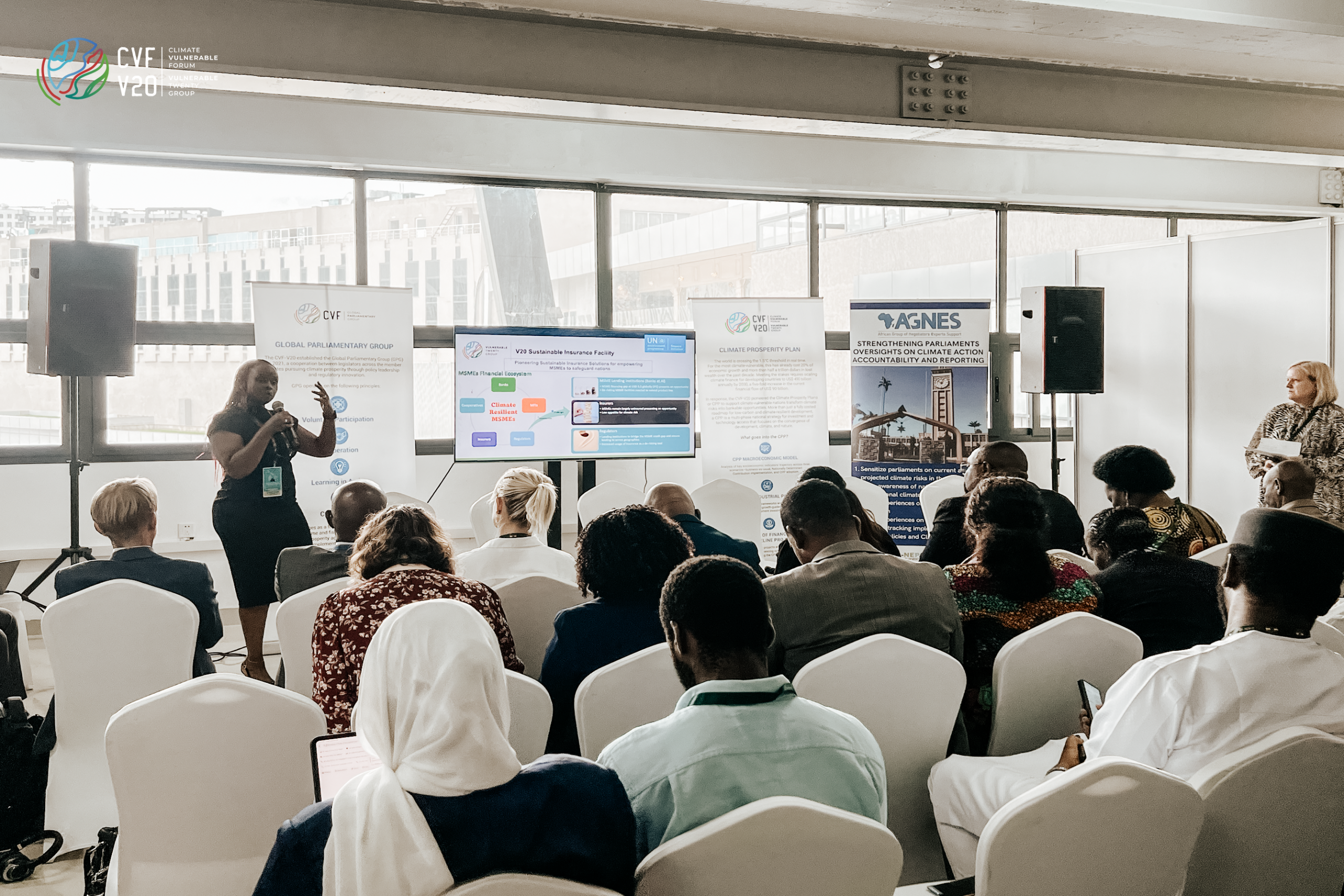
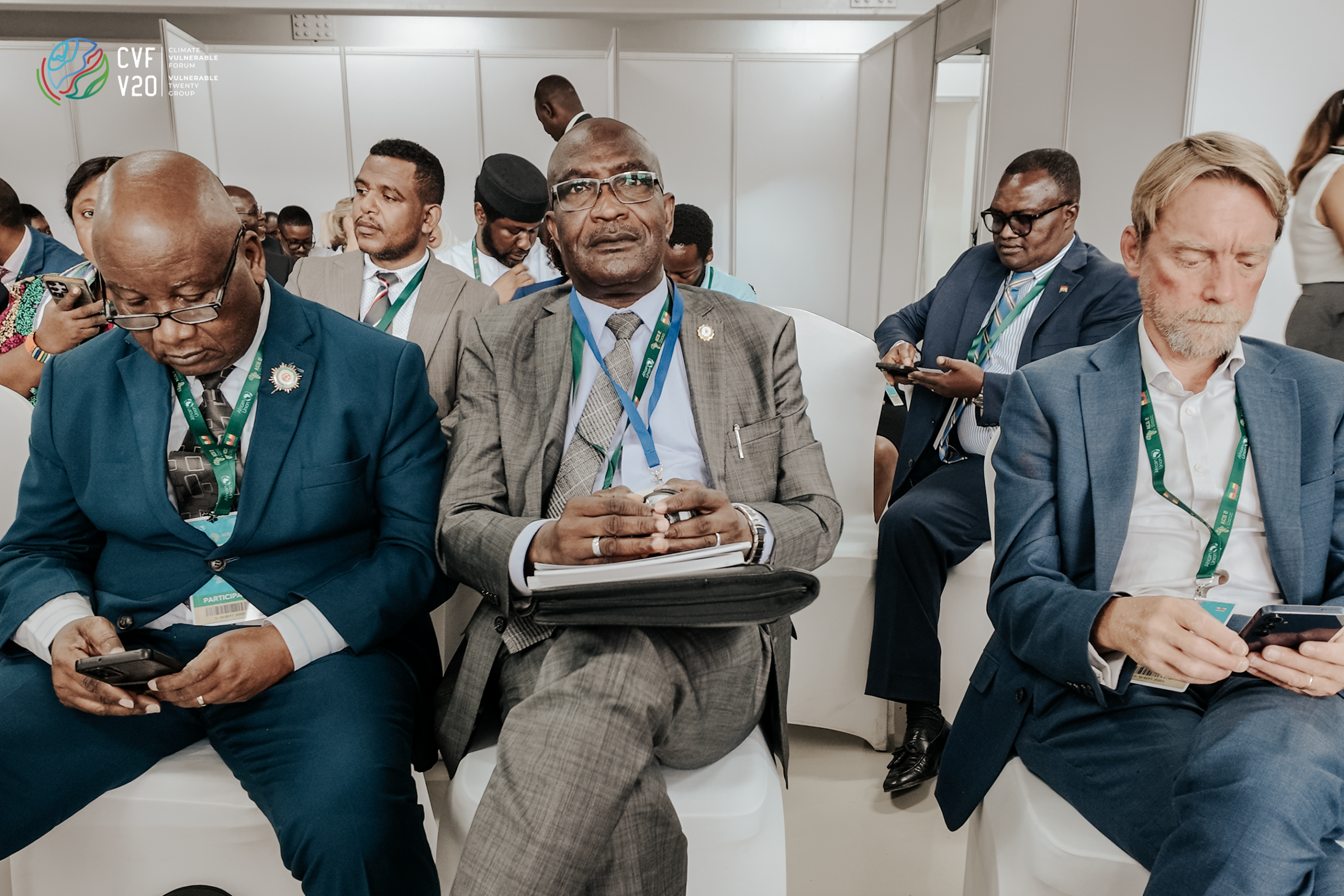
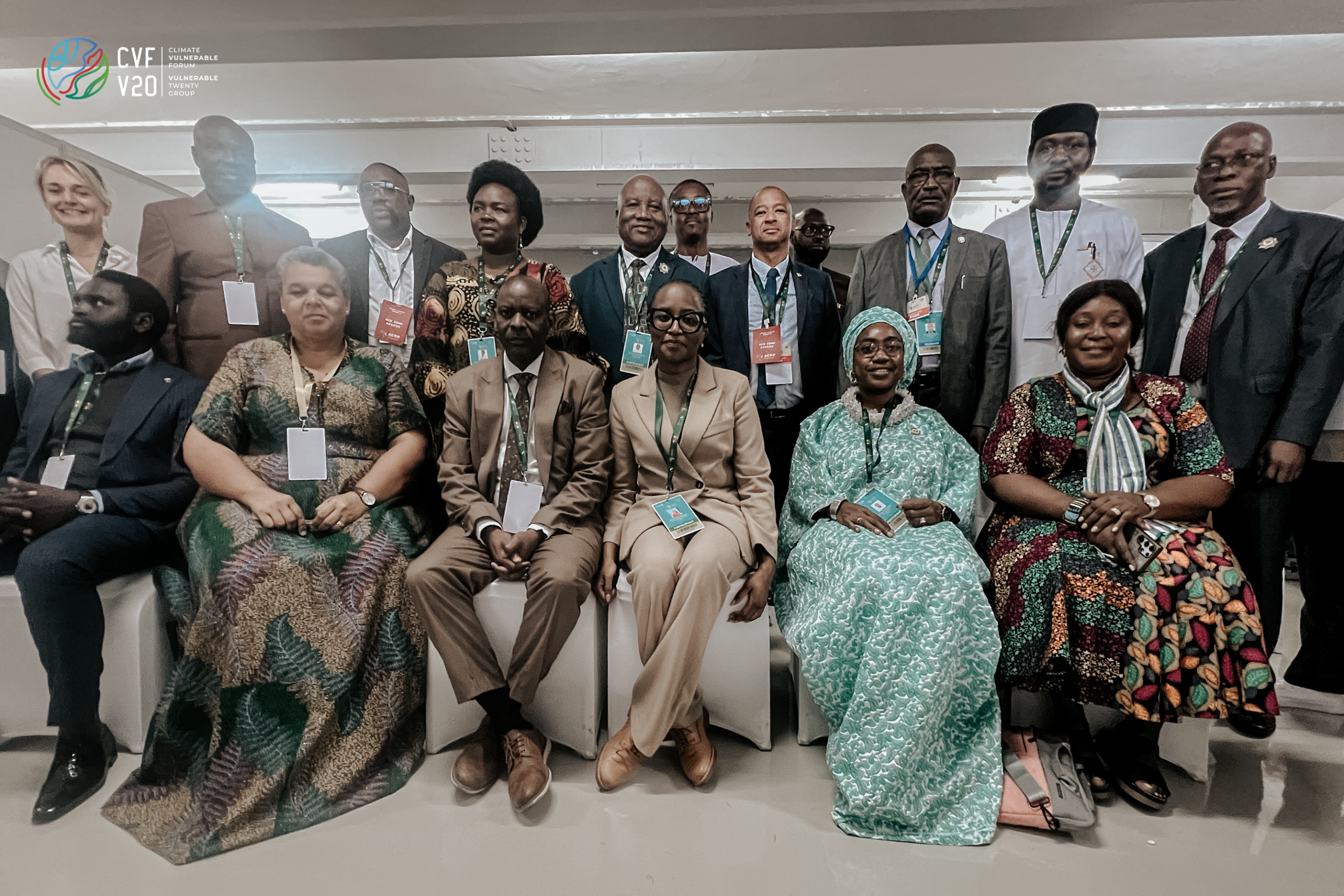
Addis Ababa, Ethiopia | 10 September 2025—Lawmakers from 21 African parliaments¹ convened at the Second Africa Climate Summit (ACS2) on 08 September 2025 to issue a powerful, unified message: Africa has the solutions for a green and resilient future, but global partners must step up with the financing to match its ambitions.

At the Parliamentary Dialogue themed “Financing for Africa’s Resilient and Green Development: Parliamentary Pathways”, lawmakers issued a joint communiqué pledging to champion Climate Prosperity Plans (CPPs), leverage green economic zones, pass stronger climate legislation, and introduce new accountability tools to unlock billions in green investment for the continent.

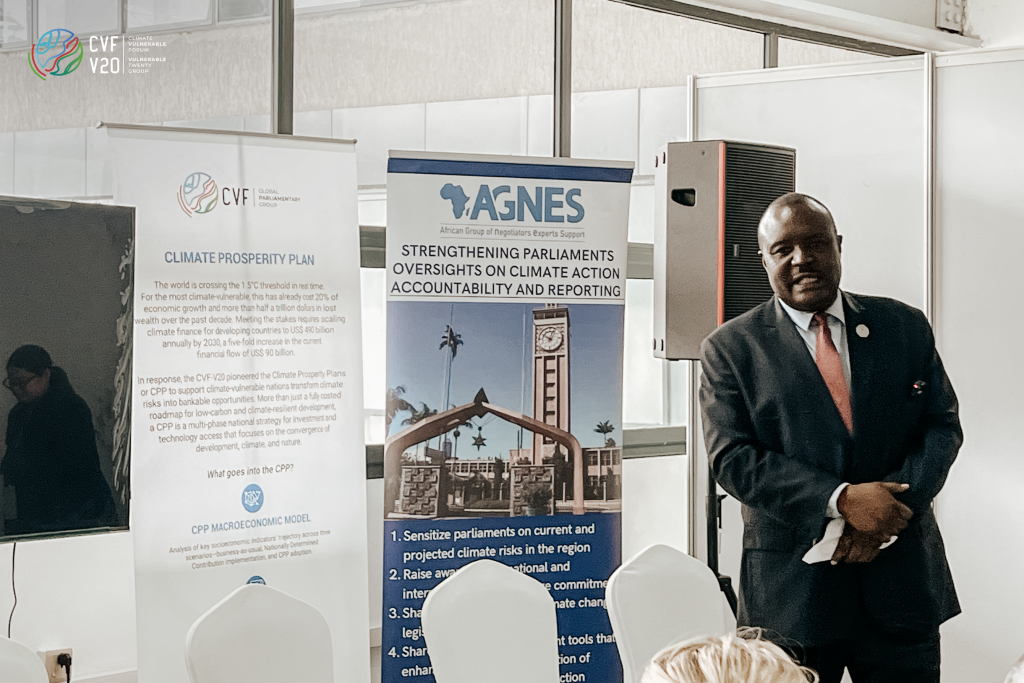
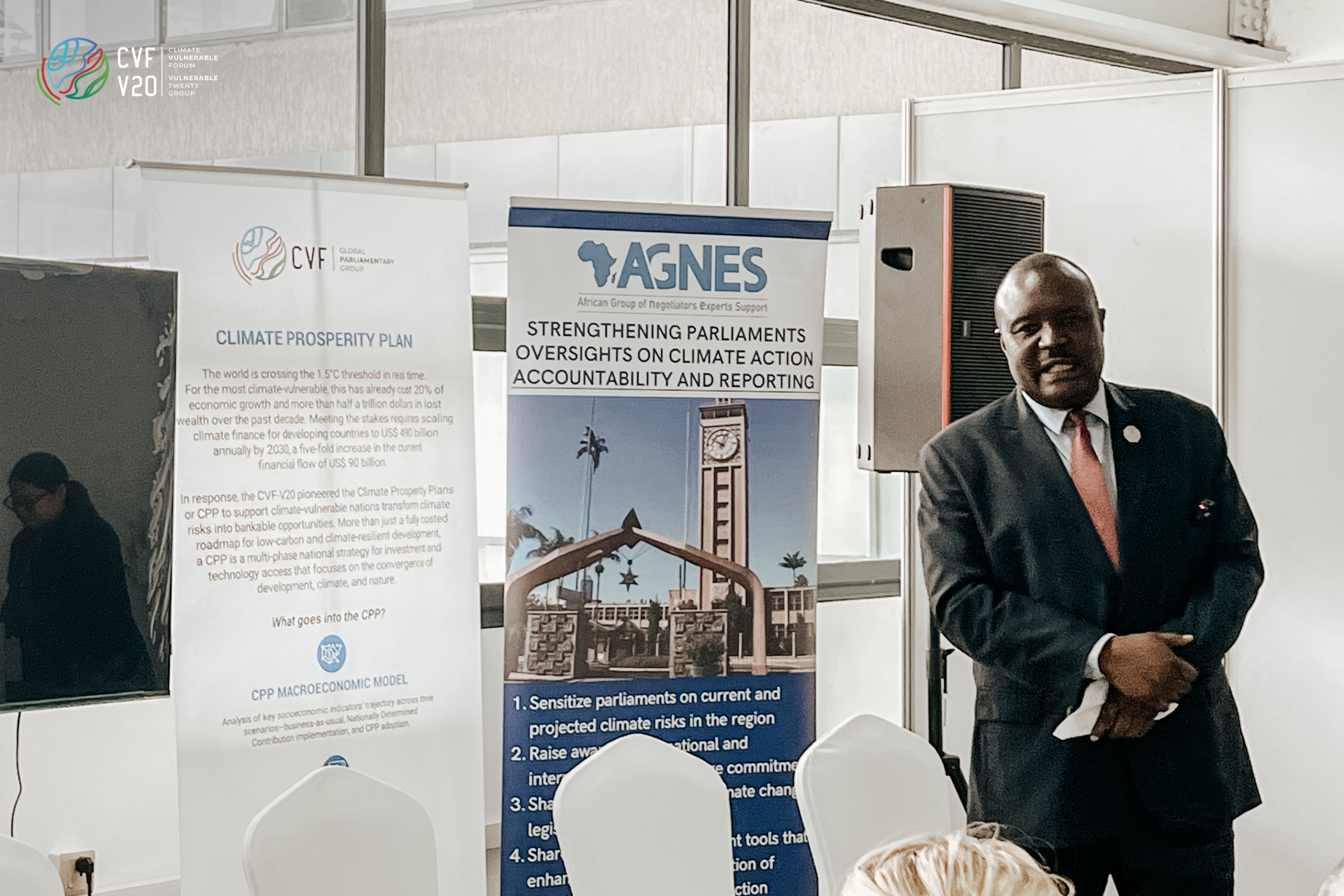
Hon. Chief Fortune Charumbira, President of the Pan-African Parliament, urged fellow lawmakers to “change the gear” and take a proactive role in Africa’s green transition. He also urged them to seize opportunities to engage in both global and local climate conversations, ensuring that the voices of the people are represented. “When you have something that’s a crisis involving people, they should be part of the solution. Don’t isolate them. You have to go to the grassroots, go to the people themselves, so that they also make an input into what we are trying to do,” he said.

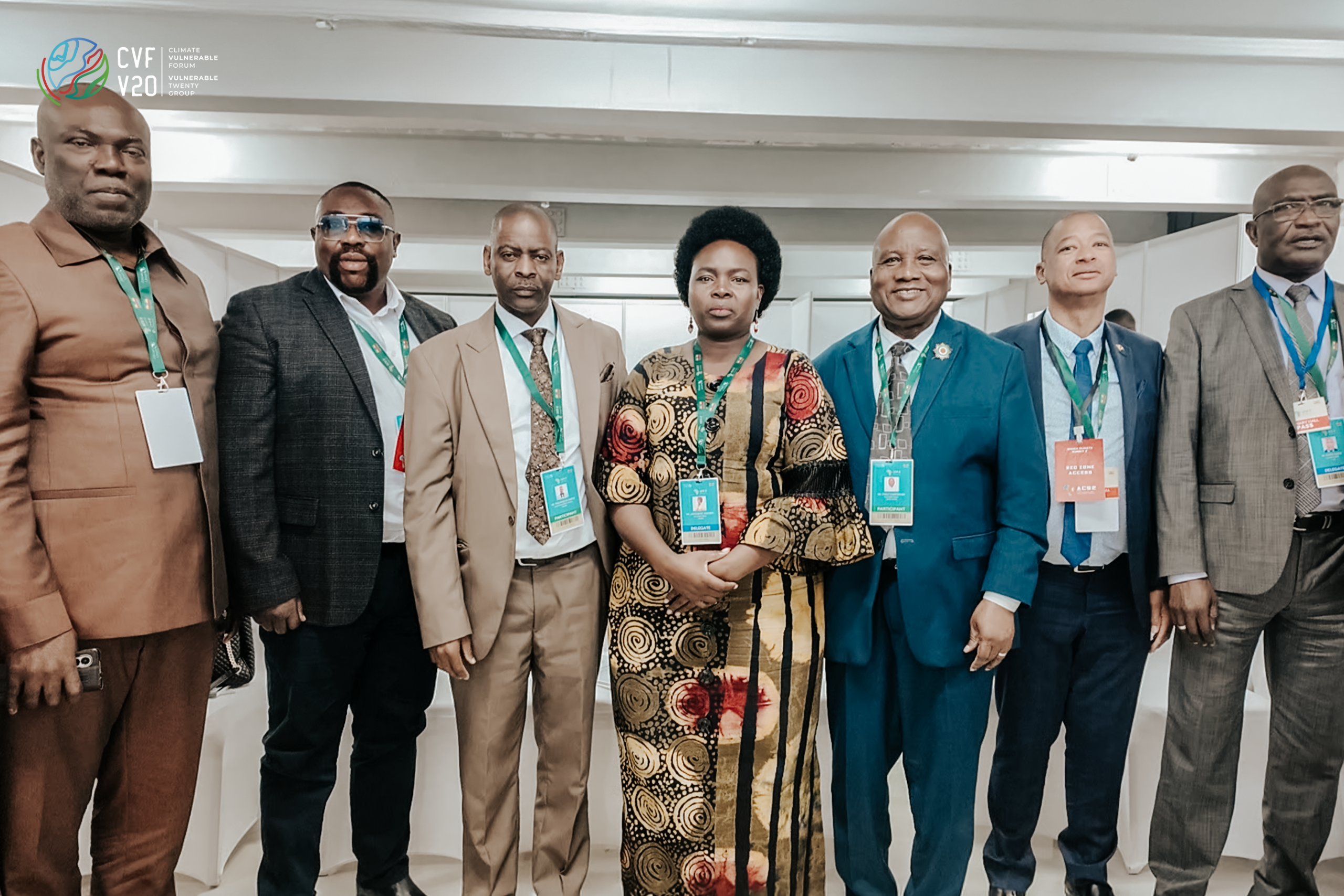
Hon. Charumbira, President of the Pan-African Parliament, urged fellow parliamentarians to take the lead in creating an enabling environment for climate action in African countries.

The Promise of CPPs

The Climate Vulnerable Forum and V20 Finance Ministers (CVF-V20), a coalition of 74 countries most vulnerable to climate change, has been championing CPPs as national blueprints focused on growth-guided investments, technology transfer, and job creation, all while lowering climate-related financial risk.

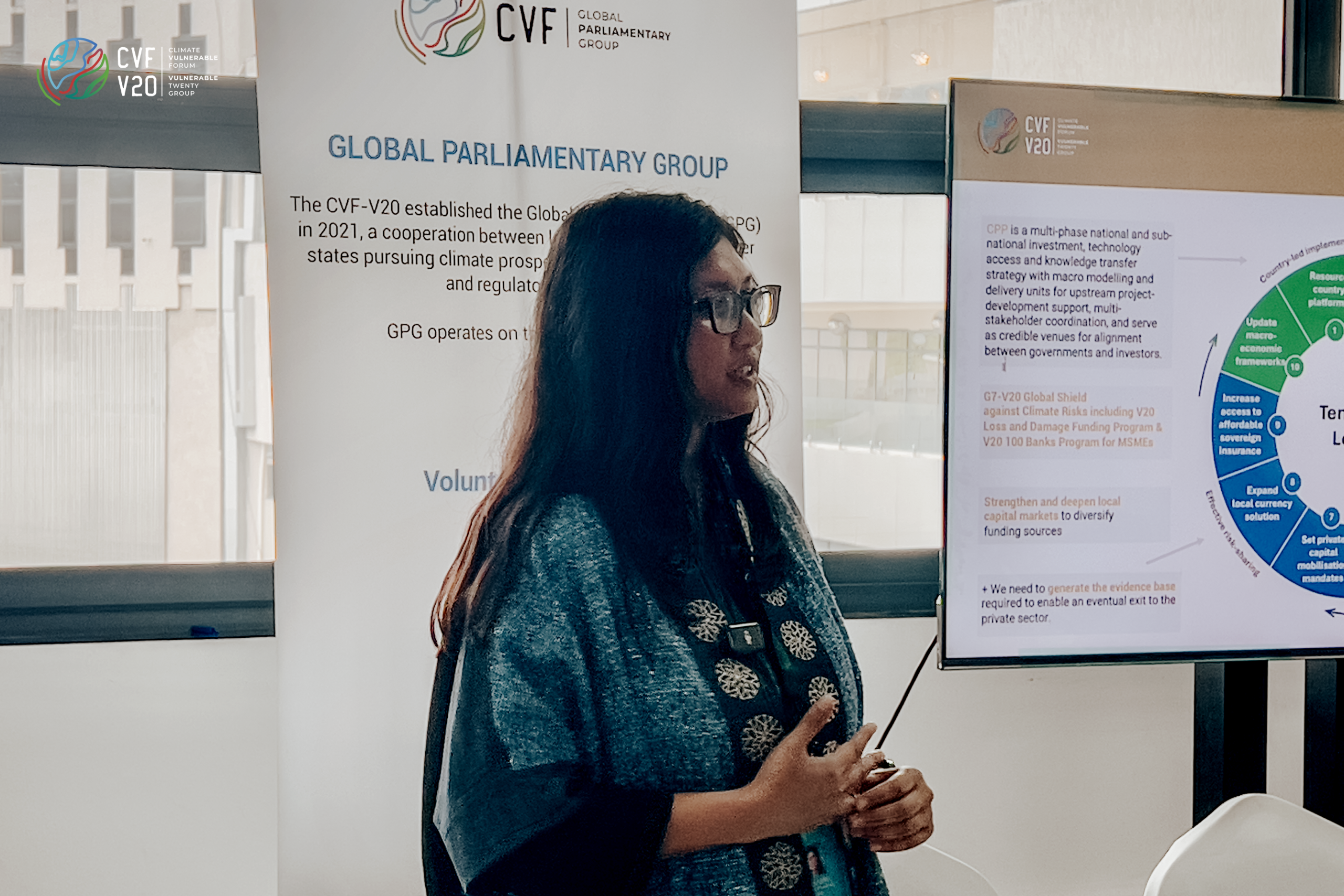
“What we have in these plans are scenario analysis, socioeconomic outcomes, a green industrial policy to take advantage of supply chain and value chain expansion, and a detailed composition of the financing needs, projects and programs, and delivery mechanisms so that we hit the ground running, and it doesn’t remain as a plan sitting on a shelf,” Sara Jane Ahmed, Managing Director of the CVF-V20 Secretariat, said.

 
Hon. Yaya Gassama of The Gambia emphasized the parliament’s role in driving the implementation of CPPs. “Investors need confidence, and this is where parliamentarians play a decisive role. As lawmakers, we assist with passing enabling legislative frameworks, from tax incentives for renewables to frameworks for public-private partnerships. By turning plans into laws and conducting oversight on legislative implementation, we can ensure that climate finance delivers real results for the people,” he said.

“CPPs align development with climate goals—and it is very important that we consider this framework and adopt it,” Hon. Dr. Gladness Salema of Tanzania added.

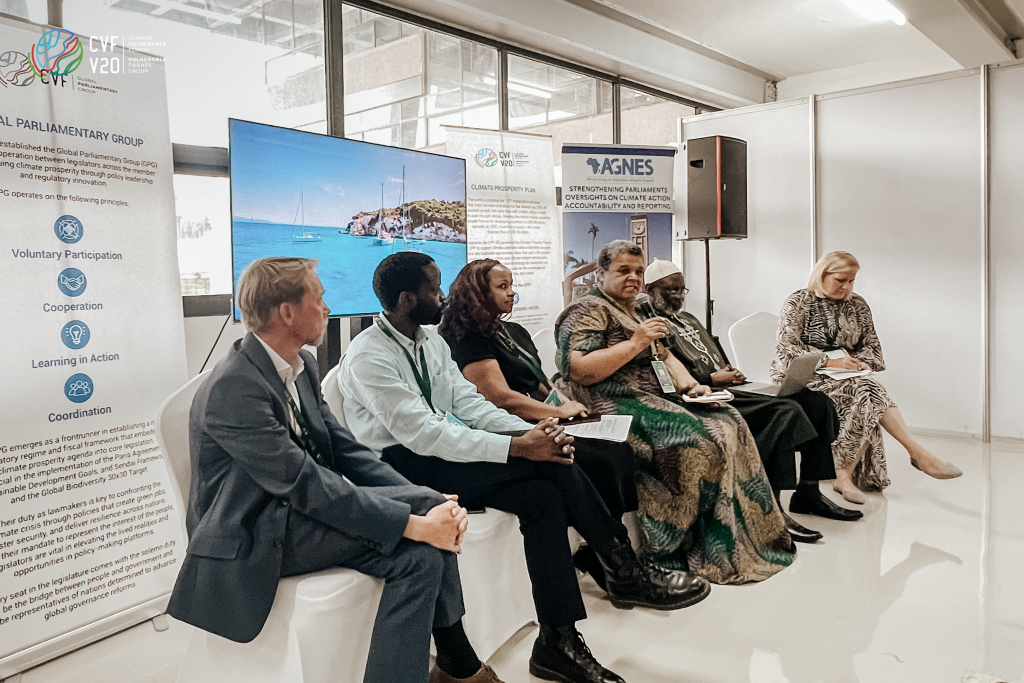
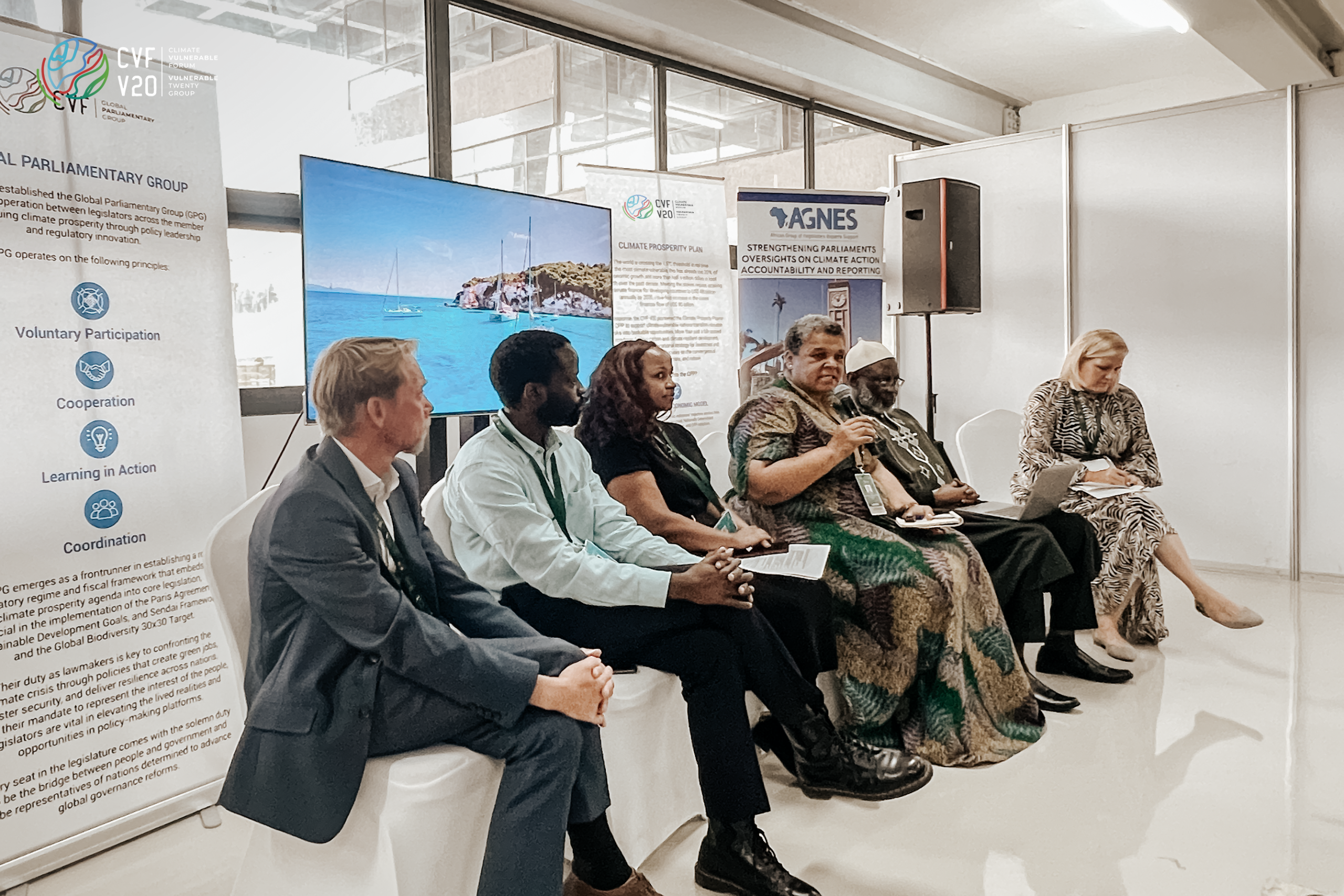
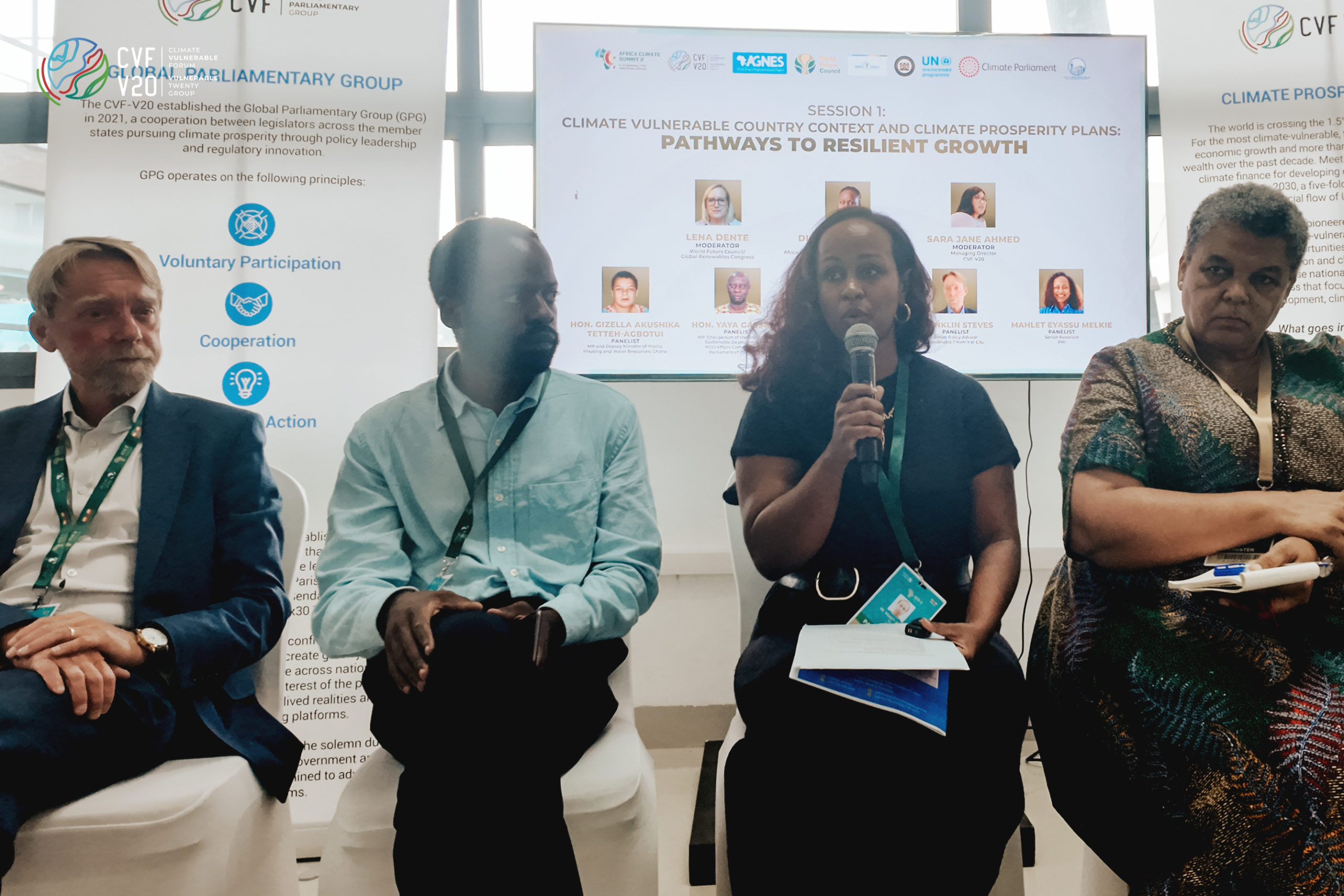
The first panel discussion explored how CPPs can help transform national climate ambition into investment opportunities, aligning with NDC delivery and strategies to mobilize green investments in renewable energy, health, and infrastructure. From L to R: Franklin Steves, Senior Policy Advisor in Sustainable Finance at E3G; Mahlet Eyassu Melkie, Senior Associate at Rocky Mountain Institute; Frank Okoth-Menya, Collective Advocacy and Africa Lead at REN21; Hon. Gizella Akushika Tetteh-Agbotui (Ghana); Hon. Gassama (The Gambia); and Lena Dente, Senior Programme Manager for Energy and Just Development at the Global Renewables Congress, a project of the World Future Council.

Concrete Commitments for a Green Future

To create an enabling environment for CPPs, lawmakers at the dialogue committed to accelerate climate legislation by leveraging the Model Climate Change Law for Africa. They will also institutionalize oversight tools such as the Climate Finance Monitoring and Accountability Tool, champion climate-smart budgeting with dedicated funds for clean energy and adaptation initiatives, and strengthen collaboration through networks like the Africa Network of Parliamentarians on Climate Change (ANPCC) and CVF Global Parliamentary Group (GPG) to amplify Africa’s unified voice on climate.

Hon. Émile Kohou Guirieoulou of Côte d’Ivoire and Chairperson of the ANPCC emphasized that these are “not abstract concepts, but practical parliamentary pathways to address climate change by securing and enhancing climate investment, creating green jobs, and building clean, climate-resilient economies.”

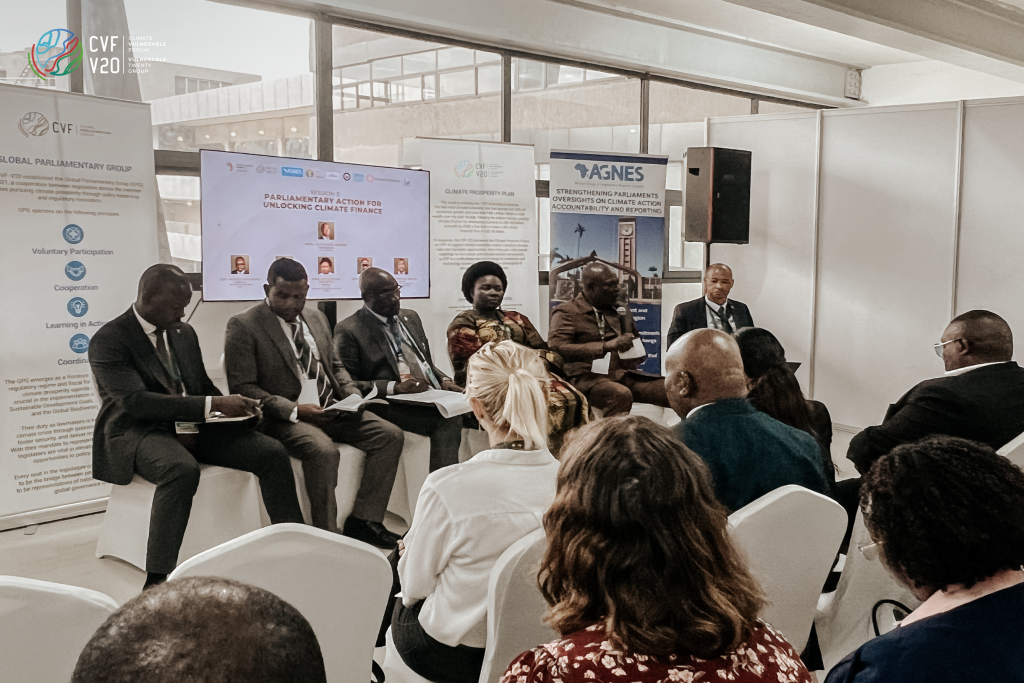
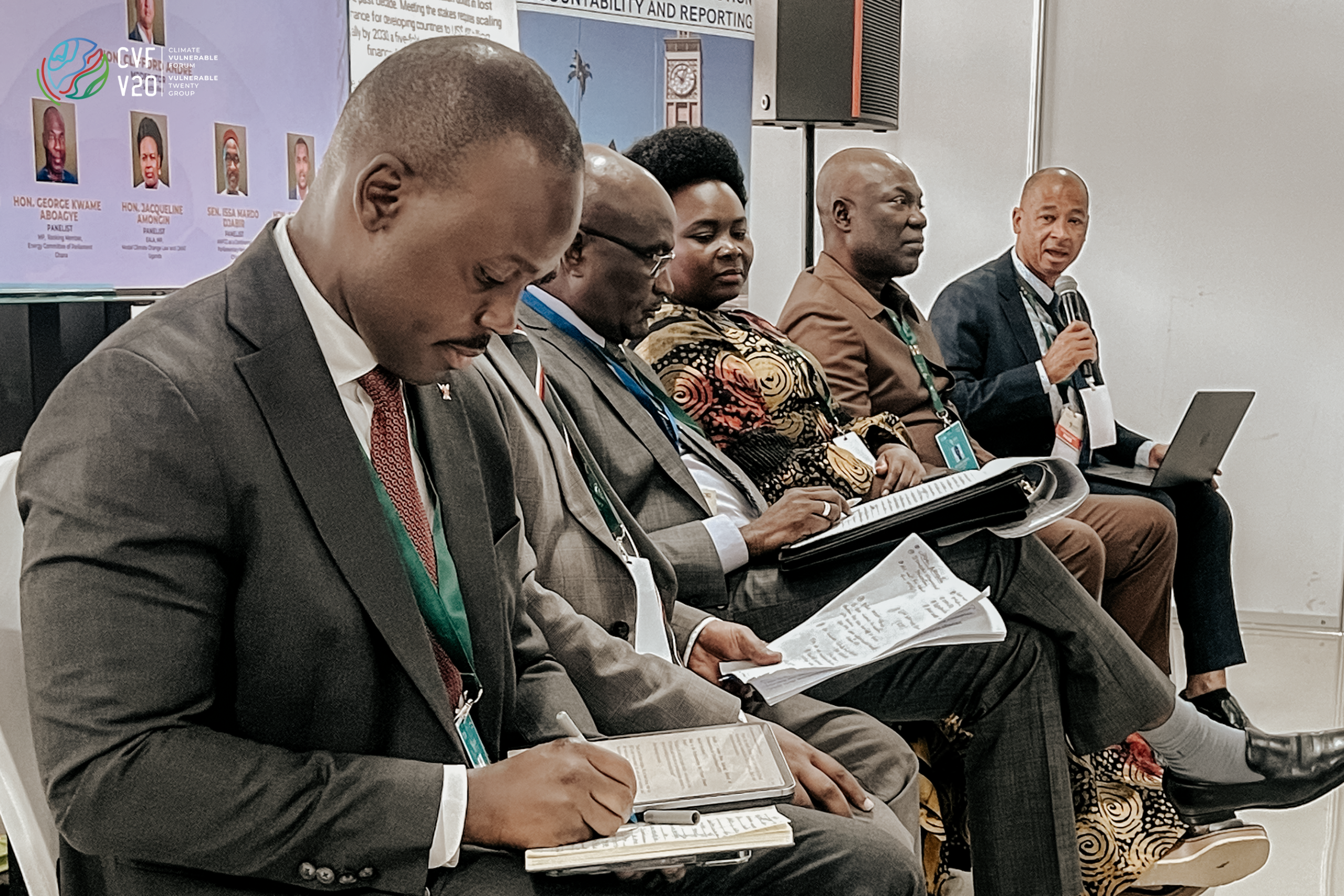
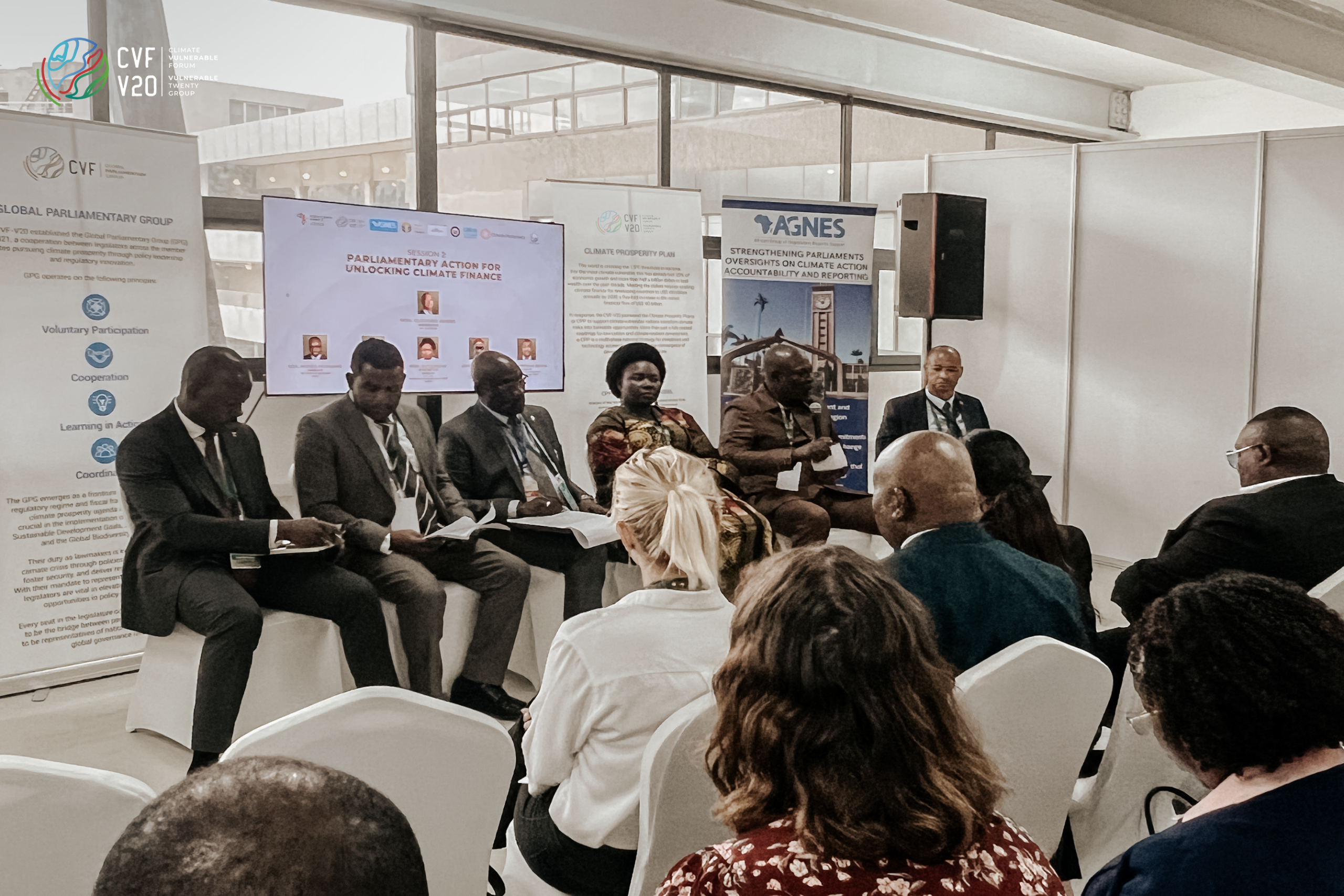
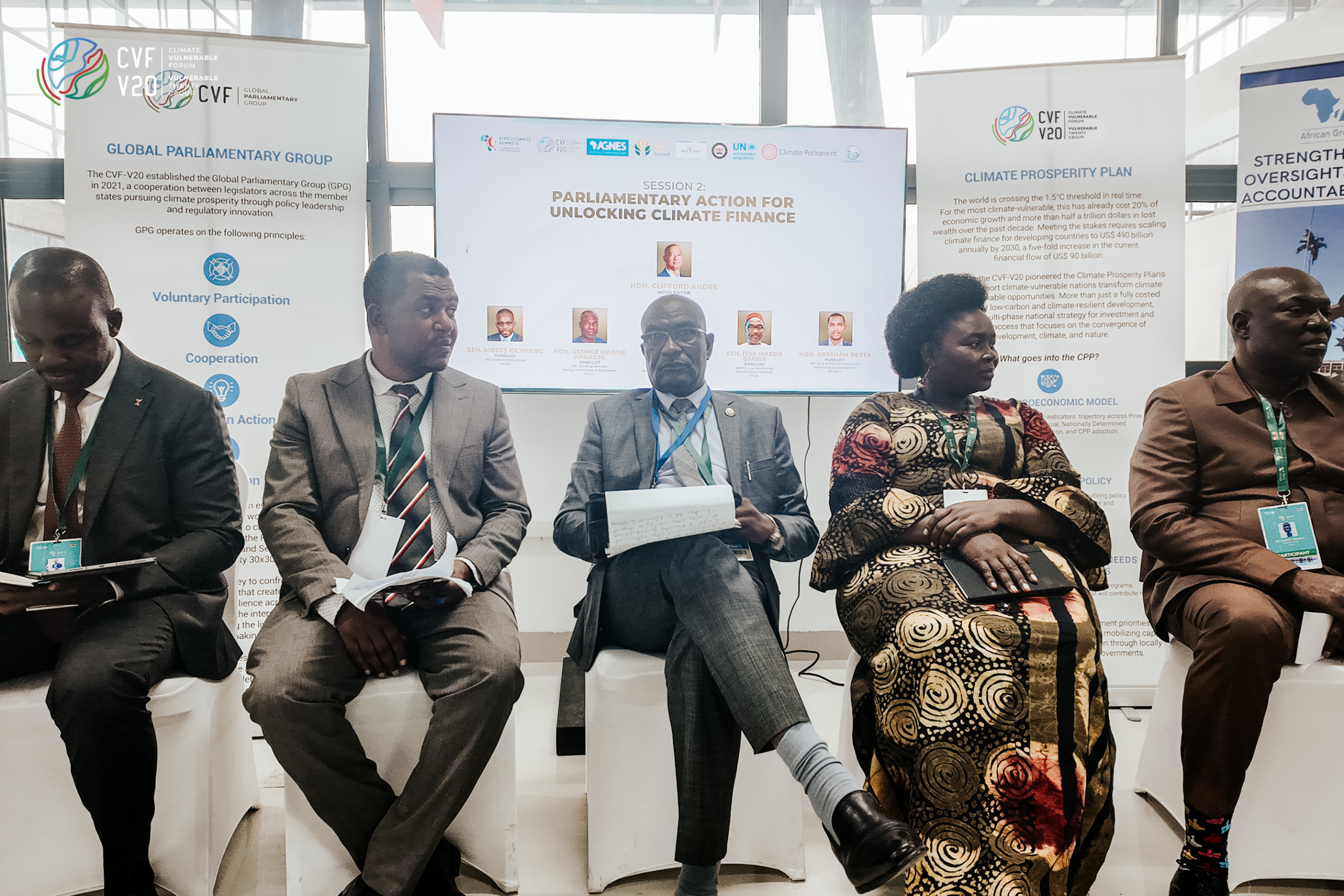
The second session explored how legislative and monitoring tools, along with Green Energy Zones, can accelerate climate finance and ensure it reaches communities. From L to R: Hon. Moses Kajwang (Kenya); Hon. Abreham Berta (Ethiopia); Sen. Issa Mardo Djabir (Chad); Hon. Jacqueline Amongin (Uganda); Hon. George Kwame Aboagye (Ghana); Hon. Clifford André (Seychelles).

A Call for Global Action and Innovative Solutions

According to the Climate Policy Initiative, Africa needs up to $2.8 trillion between 2020 and 2030, but only 12% of this funding has been committed. Exacerbating this challenge, African nations face prohibitively high borrowing costs, making essential climate finance expensive.

Closing this gap will require both global financial reform and innovative solutions. As Hon. Moses Kajwang of Kenya stated, “The debt-for-climate swap is a conversation Members of Parliament should have.” He also pointed to new market opportunities, adding, “I want to encourage the [development] partners that are here that members are extremely interested in carbon markets and carbon trading, because we think that those could provide certain opportunities for local communities to benefit.”

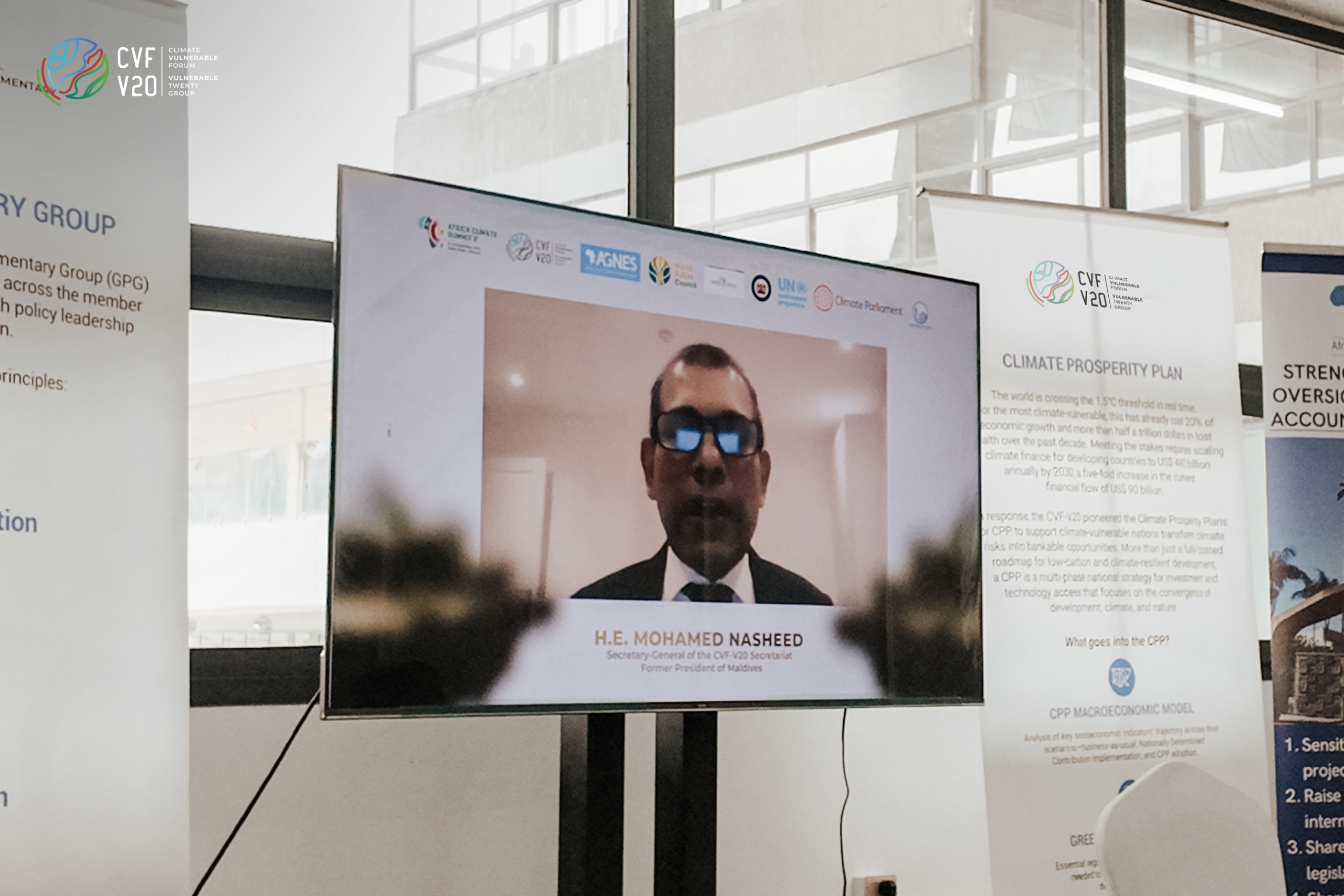
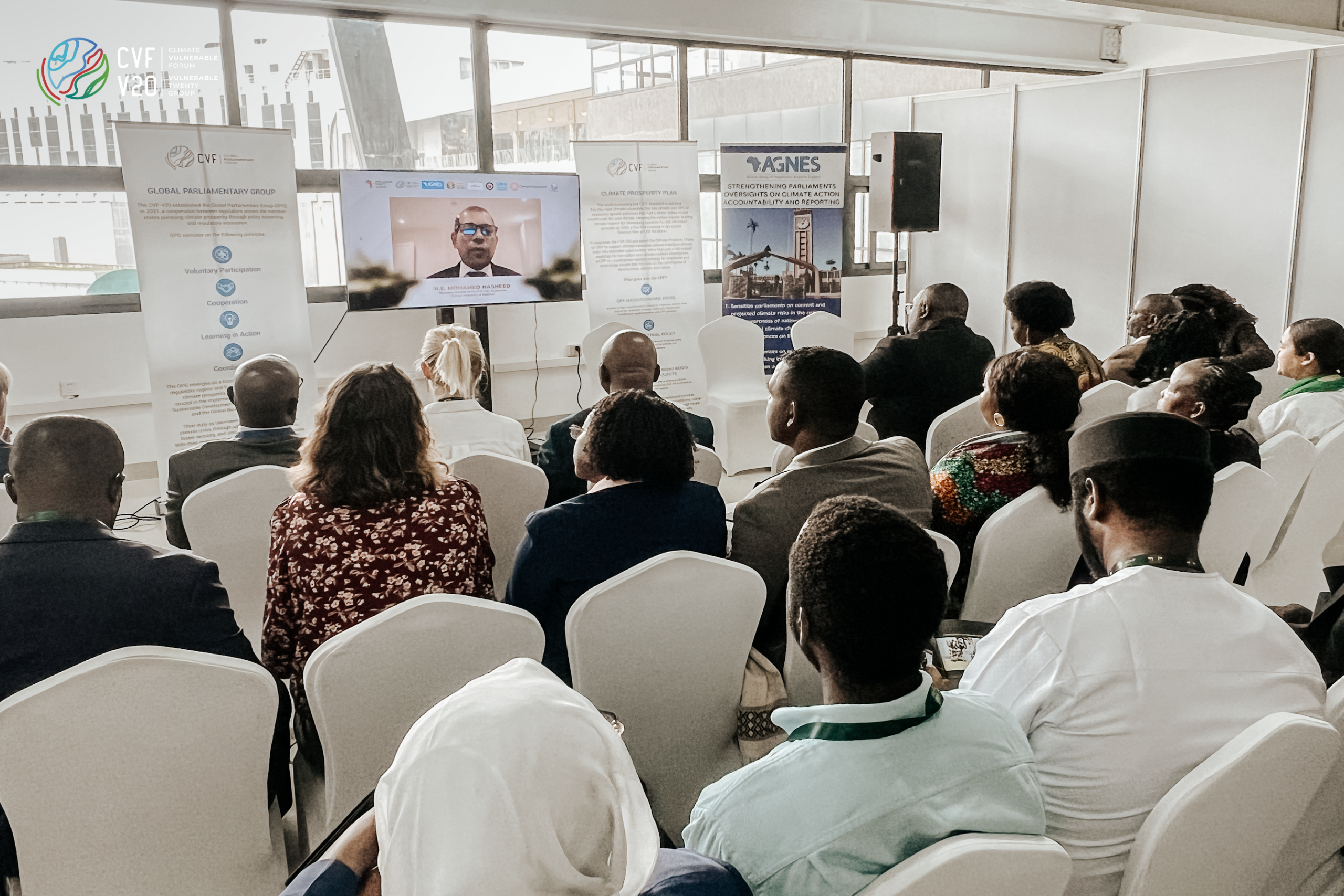
The dialogue concluded with a powerful call for a new kind of partnership. Hon. Mohamed Nasheed, Secretary-General of the CVF-V20 Secretariat and former President of the Maldives, reframed the case for global support: “Africa is a powerful and colossally diverse continent, a willing partner in the global pursuit of climate justice and sustainable prosperity. The question is not what the world can do for Africa but what the world can do with Africa. Because investing in Africa is investing in a better tomorrow for the rest of the world.”

The Parliamentary Dialogue was convened by the CVF GPG, the World Future Council’s Global Renewables Congress, in collaboration with AGNES, ANPCC, the Climate Parliament, the Kenyan Parliament, the Ethiopian Parliament, and the UN Environmental Programme.

¹ Botswana, Chad, Cote d’Ivoire, East African Legislative Assembly (EALA), Eswatini, Ethiopia, Ghana, Guinea, Kenya, Madagascar, Namibia, Nigeria, Pan-African Parliament (PAP), Senegal, Seychelles, Sierra Leone, South Africa, Tanzania, The Gambia, Uganda, and Zambia

***

About CVF-V20

The CVF-V20 represents 74 member-countries from small island developing states (SIDS), least developed countries (LDCs), low-to-middle income countries (LMICs), landlocked developing countries (LLDCs), and fragile and conflict-affected states (FCS). Working together, the CVF-V20 aims to achieve climate justice through the realization of Climate Prosperity Plans, which contain ambitious economic and financial resilience strategies designed to attract investment and resources that advance the attainment of the Sustainable Development Goals (SDGs), 30×30 Global Biodiversity, and help keep the average global temperatures to the Paris Agreement’s 1.5°C safety threshold.

Contact

For media enquiries, please contact [email protected]

For the latest updates, please follow us on:

CVF-V20 Membership

Africa: Benin, Burkina Faso, Cabo Verde, Chad, Comoros, Côte d’Ivoire, Democratic Republic of the Congo, Eswatini, Ethiopia, Gabon, The Gambia, Ghana (Troika), Guinea, Kenya, Liberia, Madagascar, Malawi, Morocco, Mozambique, Namibia, Niger, Rwanda, Senegal, Sierra Leone, Somalia, South Sudan, Sudan, Tanzania, Togo, Tunisia, Uganda

Asia: Afghanistan, Bangladesh (Troika), Bhutan, Cambodia, Kyrgyzstan, Maldives, Mongolia, Nepal, Pakistan, Philippines, Sri Lanka, Timor-Leste, Vietnam

Caribbean: Barbados (Chair/Troika), Dominica, Dominican Republic, Grenada, Guyana, Haiti, Saint Lucia, Suriname, Trinidad and Tobago

Latin America: Colombia, Costa Rica, Guatemala, Honduras, Nicaragua, Paraguay

Middle East: Jordan, Lebanon, Palestine, Yemen

Pacific: Fiji, Kiribati, Marshall Islands, Nauru, Palau, Papua New Guinea, Samoa, Solomon Islands, Tonga, Tuvalu, Vanuatu