In February, a series of engagements with key institutions across Pakistan explored ways to strengthen the investment pipeline under the country’s Climate Prosperity Plan (CPP). The CVF-V20 South Asia team met with a range of stakeholders to discuss how sector reforms, research initiatives, and large-scale programs can be translated into bankable projects that attract international investment across infrastructure, renewable energy, agriculture, and the blue economy.
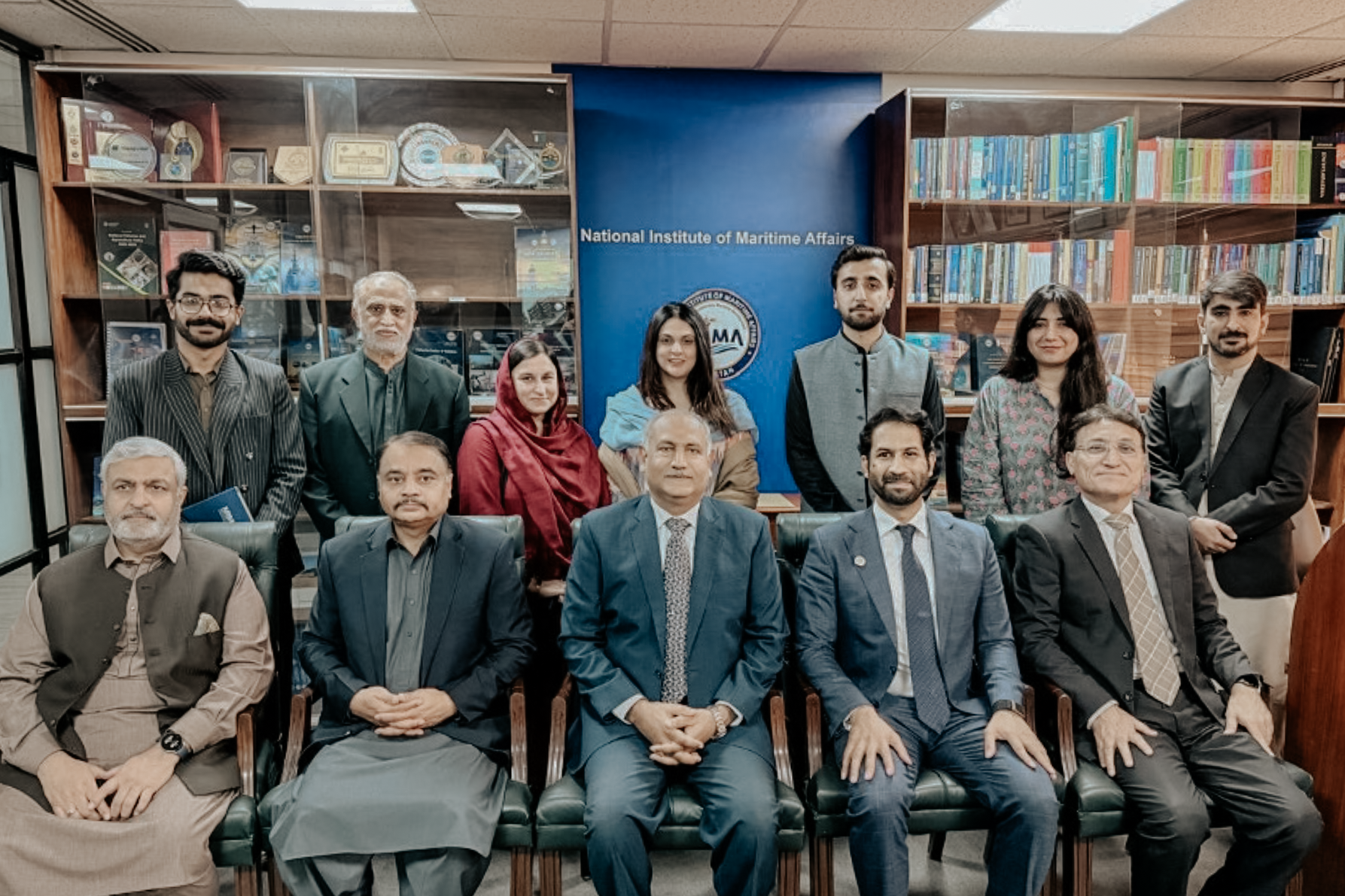
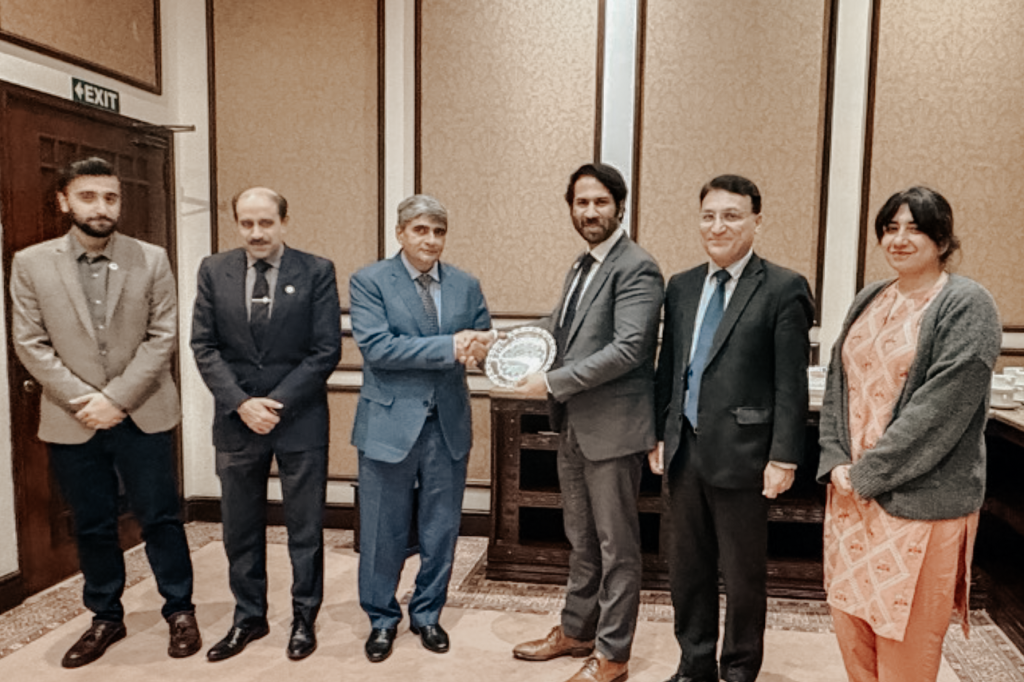
On February 23, the CVF-V20 Secretariat met with Pakistan’s Public-Private Partnership Authority (P3A) in Islamabad to enhance coordination on project screening and pipeline development. CVF-V20 presented projects included in the CPP Investor Book alongside a screening framework assessing economic, technical, and ESG criteria. P3A shared its staged methodology that prioritizes identifying development needs, validating technical feasibility, and structuring financially viable projects. The authority also highlighted a pipeline of infrastructure and energy projects that could align with the CPP, underscoring the potential to combine climate investment ambitions with established public–private delivery mechanisms.
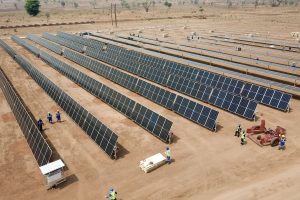
Earlier, on February 4, CVF-V20 engaged with the Renewables First team in Islamabad to explore collaboration on scaling Pakistan’s renewable energy transition. Discussions focused on accelerating distributed solar, battery storage, and electric vehicle adoption while strengthening engagement with financial institutions and investors. Opportunities such as net-metering dialogue platforms, startup incubation, and localization of battery supply chains were also discussed as ways to support technology transfer and investment flows. Both sides emphasized the importance of aligning initiatives with government-led CPP priorities to position Pakistan’s renewable sector as scalable and investable.
Agriculture also emerged as a key area for climate investment. On February 26, CVF-V20 met with the Green Pakistan Initiative (GPI) in Rawalpindi to explore how the initiative’s expanding agriculture portfolio could connect with the CPP pipeline. GPI shared progress in livestock modernization, including improvements in tag-and-trace systems, disease management, vaccination programs, and gender-sorted breeding initiatives to unlock export potential. Potential investment opportunities discussed included olive clusters in Loralai, agrimalls in Gwadar and Turbat, aquaculture financing, agro-forestry expansion, cold storage infrastructure, and biochar scale-up. Addressing post-harvest inefficiencies—particularly wheat storage losses—was highlighted as a priority for climate-smart infrastructure investment.