Ecosystems at the Heart of Jordan’s Adaptation Agenda
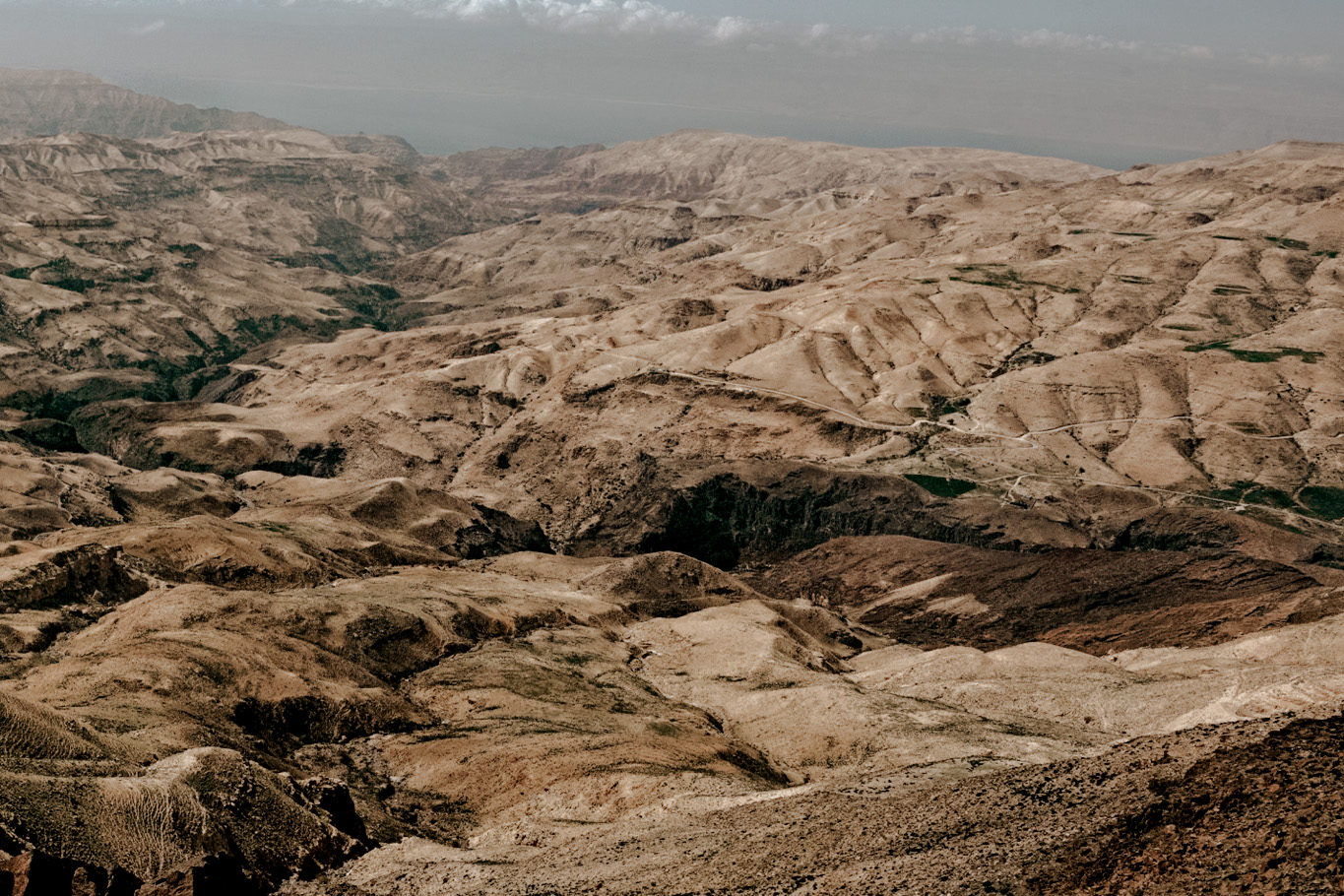
Mountain landscapes in Jordan illustrate ecosystems prioritized under the country’s National Adaptation Plan to strengthen climate resilience. (Photo: Jordan National Adaptation Plan 2025/UNFCCC)
Jordan’s National Adaptation Plan (NAP) 2025 reflects a strategic shift toward embedding environmental resilience and nature‑based solutions at the heart of national climate adaptation planning.
The plan acknowledges that ecosystems, from wadis and forests to agricultural landscapes, are vital buffers against intensifying climate impacts such as drought, water scarcity, and land degradation. Key nature‑based actions prioritized in the plan include ecosystem restoration, sustainable land management, and integrated water resource practices. These aim to enhance the adaptive capacity of vulnerable communities while simultaneously boosting biodiversity and soil health.
Echoing broader climate finance and international support priorities, Jordan’s NAP underscores landscape‑level interventions to rehabilitate degraded lands and manage watersheds sustainably, particularly in the Jordan Valley and northern agricultural zones, where climate change threatens both ecological function and rural livelihoods.
Also central to the plan are community‑led adaptation initiatives that leverage local knowledge and participation. Projects that restore natural habitats, promote agroecological practices, and support ecosystem‑friendly livelihoods (such as sustainable beekeeping and climate‑smart agriculture) are highlighted for their dual benefits. They strengthen resilience while increasing income opportunities while partnerships with UN agencies and international donors guide the on‑the‑ground nature‑based interventions.
Water scarcity, a defining climate challenge for Jordan, receives specific focus through actions that combine green infrastructure, efficient water management, and natural recharge support for aquifers. These environmentally rooted strategies align with Jordan’s long‑term adaptation and sustainable development vision, fostering resilient landscapes that protect both people and nature.