I began my new role working on climate policy and finance expecting to spend most of my time in meetings, documents, and frameworks. Like many professionals in this space, I had long engaged with climate vulnerability through analysis and policy discussions — important, necessary work, but often at a distance.
That changed when I arrived in Madagascar.
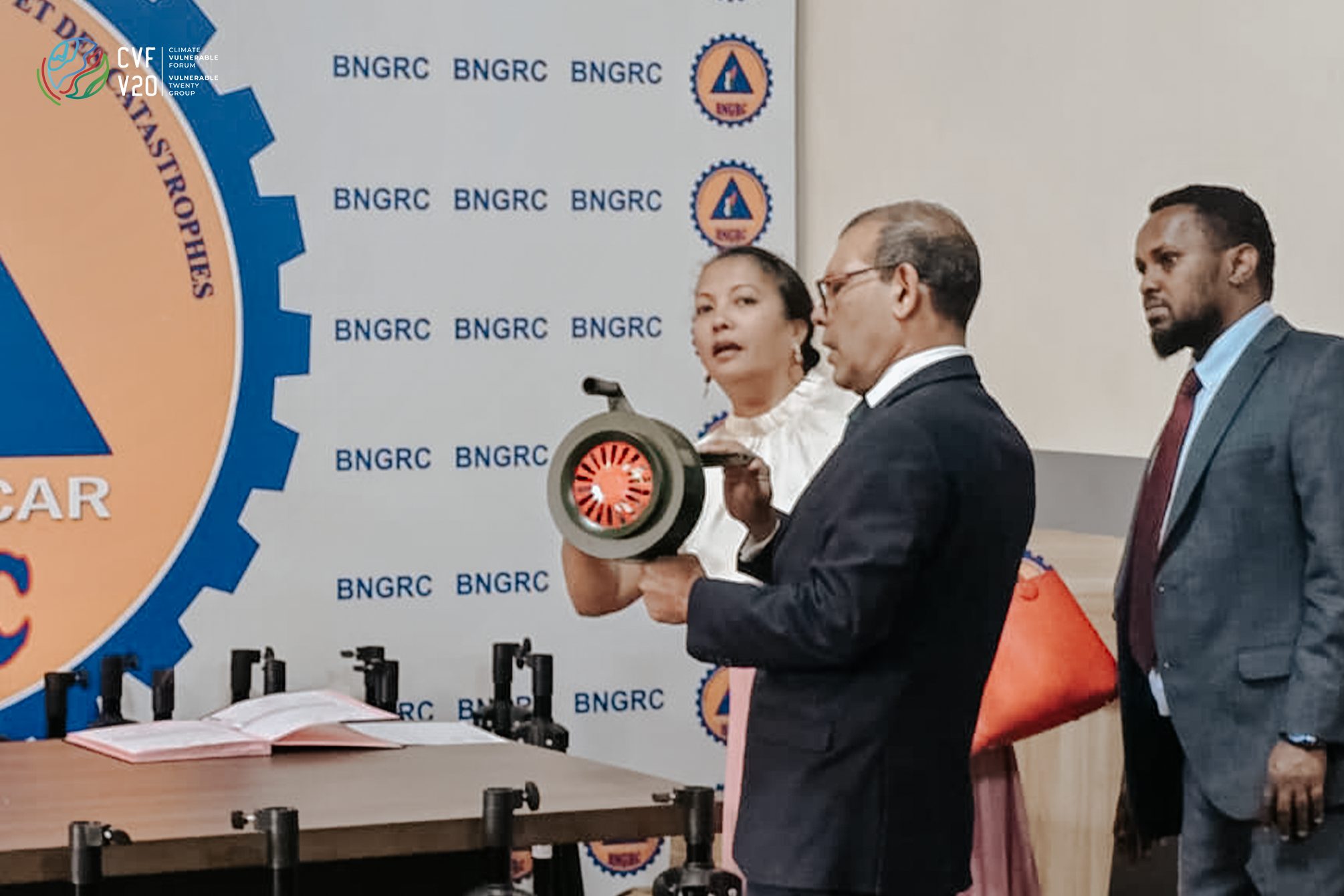
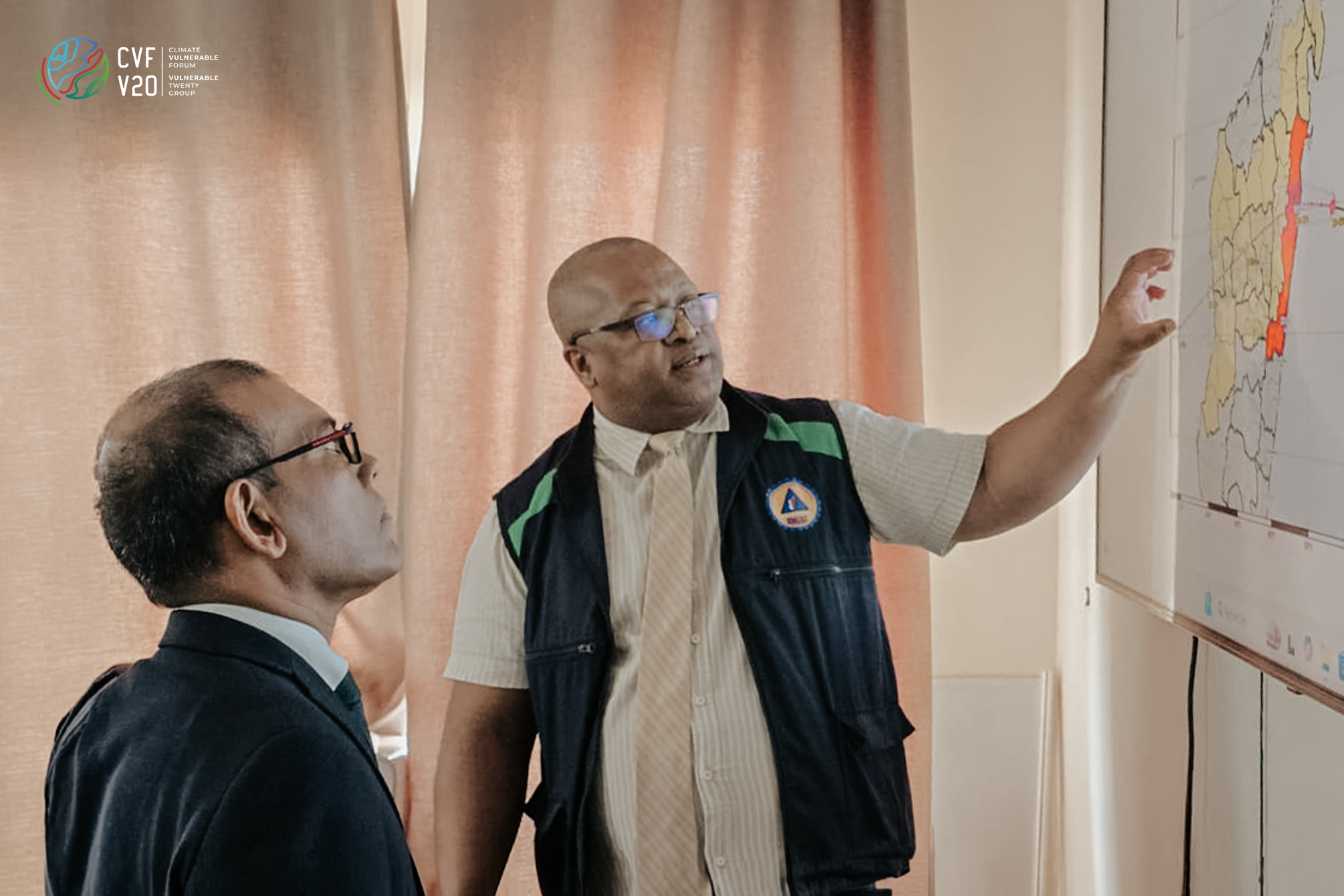
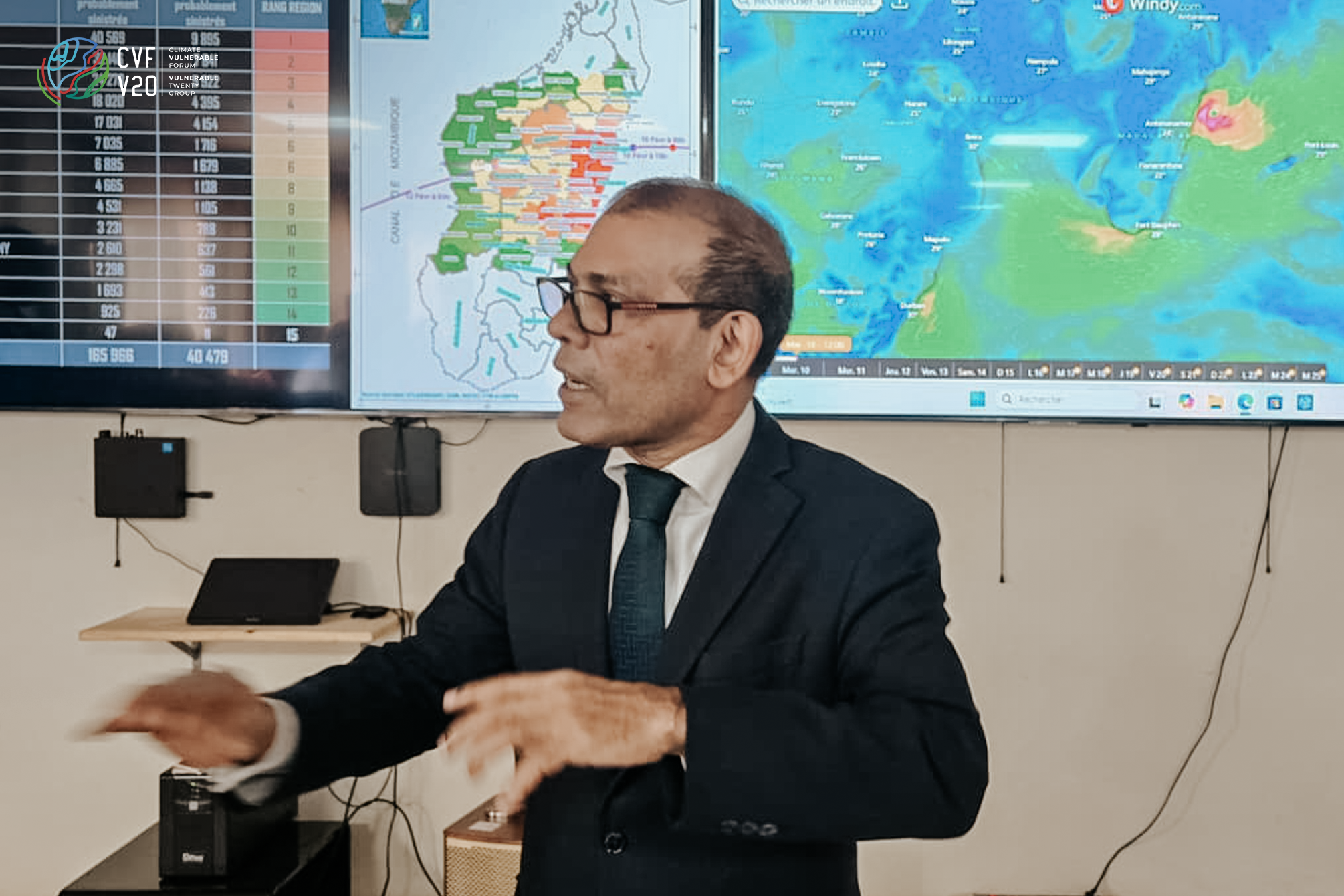
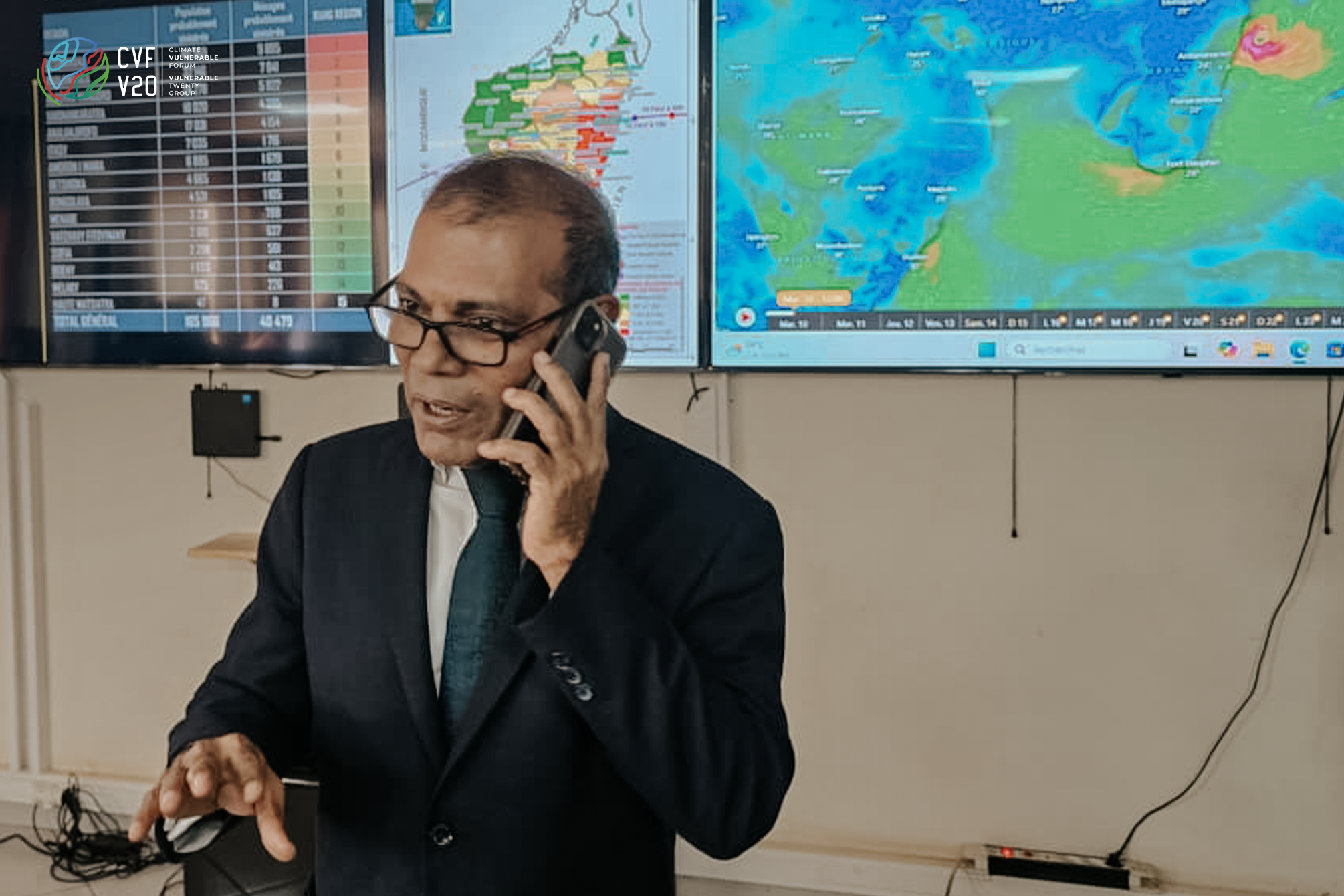
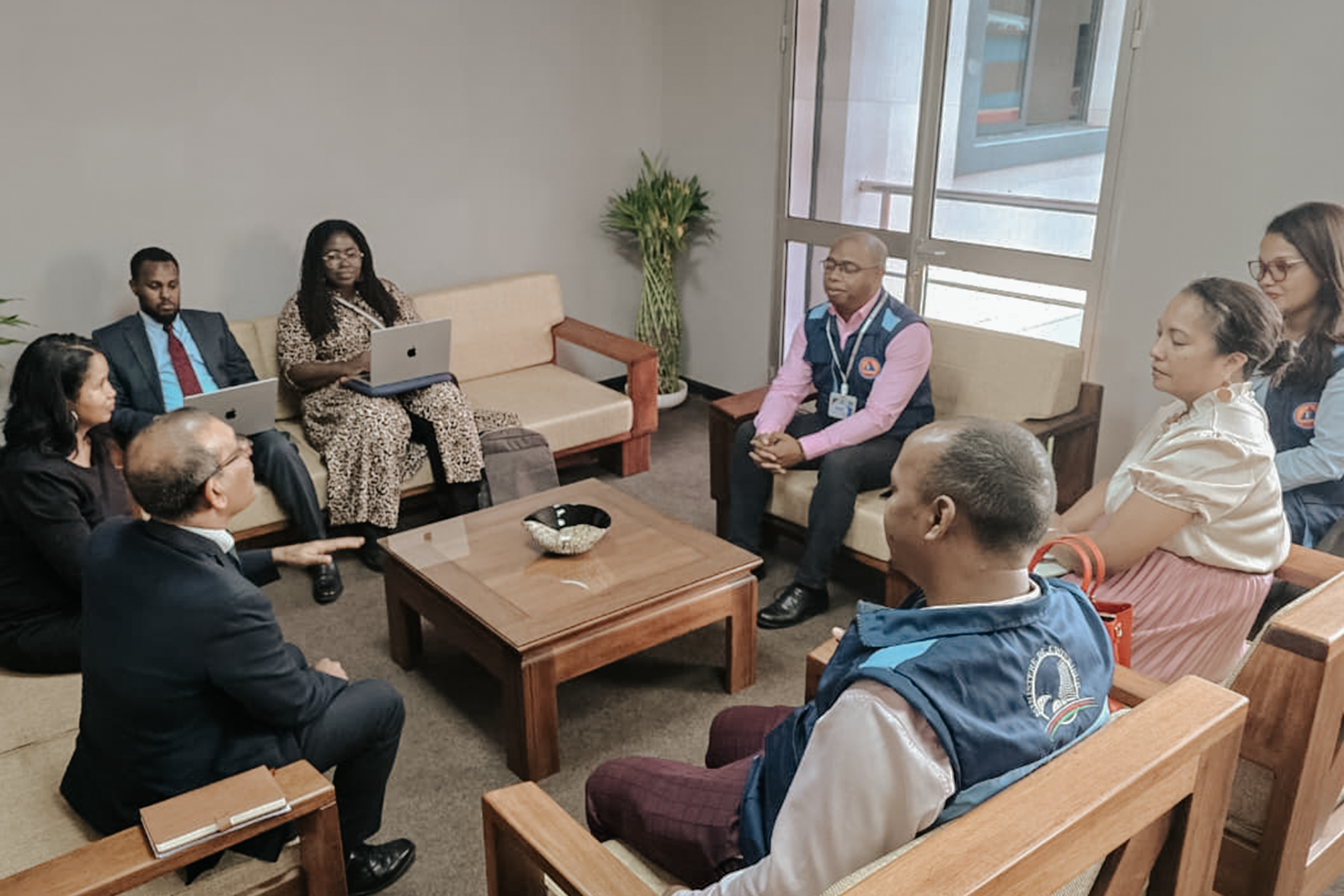
I was there as part of a mission with the Climate Vulnerable Forum and V20, at a moment when local authorities were warning that Tropical Cyclone Gezani was expected to intensify into a Category 4 cyclone. Early assessments suggested that around 40,000 people could be affected. From the outset, climate risk was no longer something we were discussing — it was shaping the environment around us.
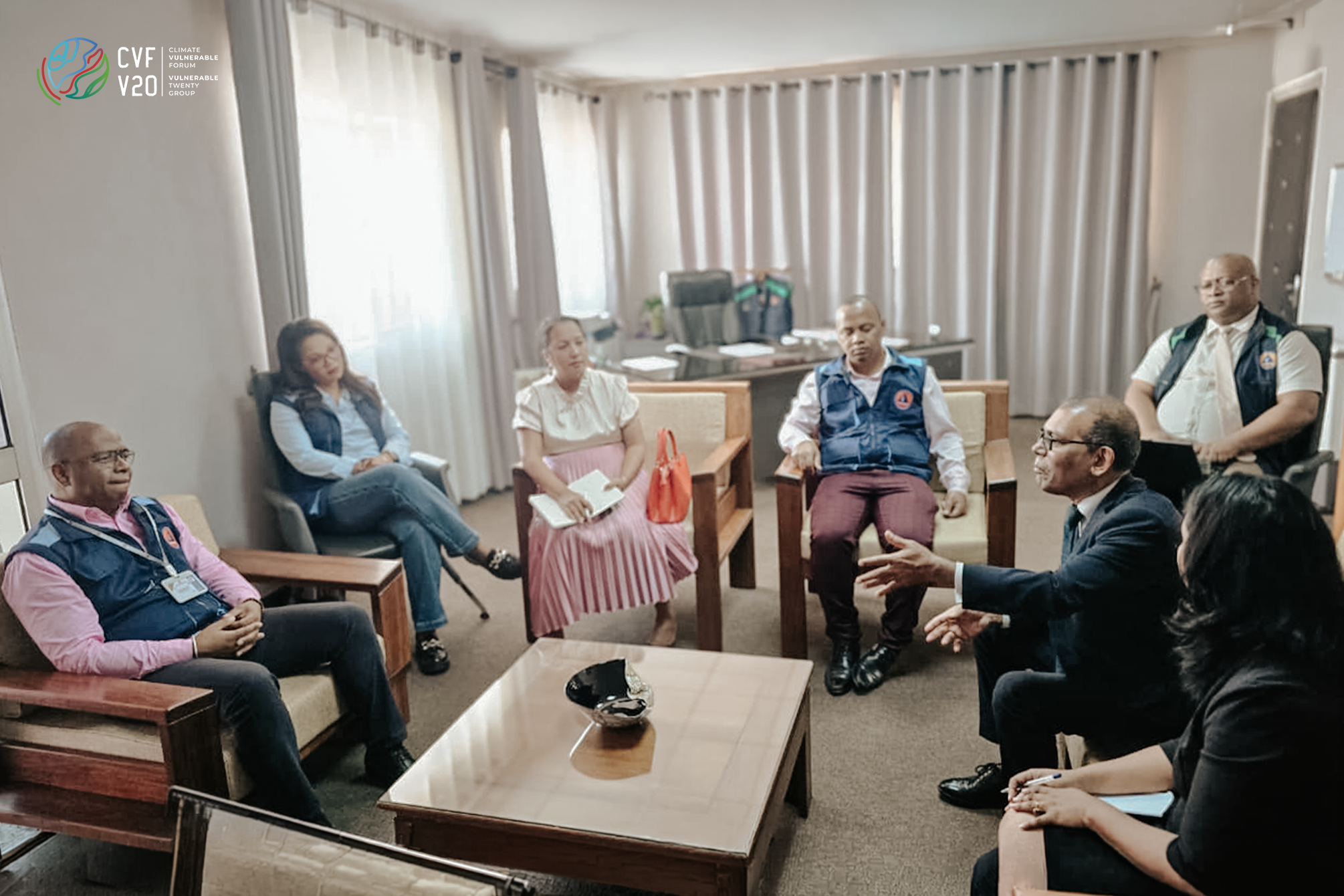
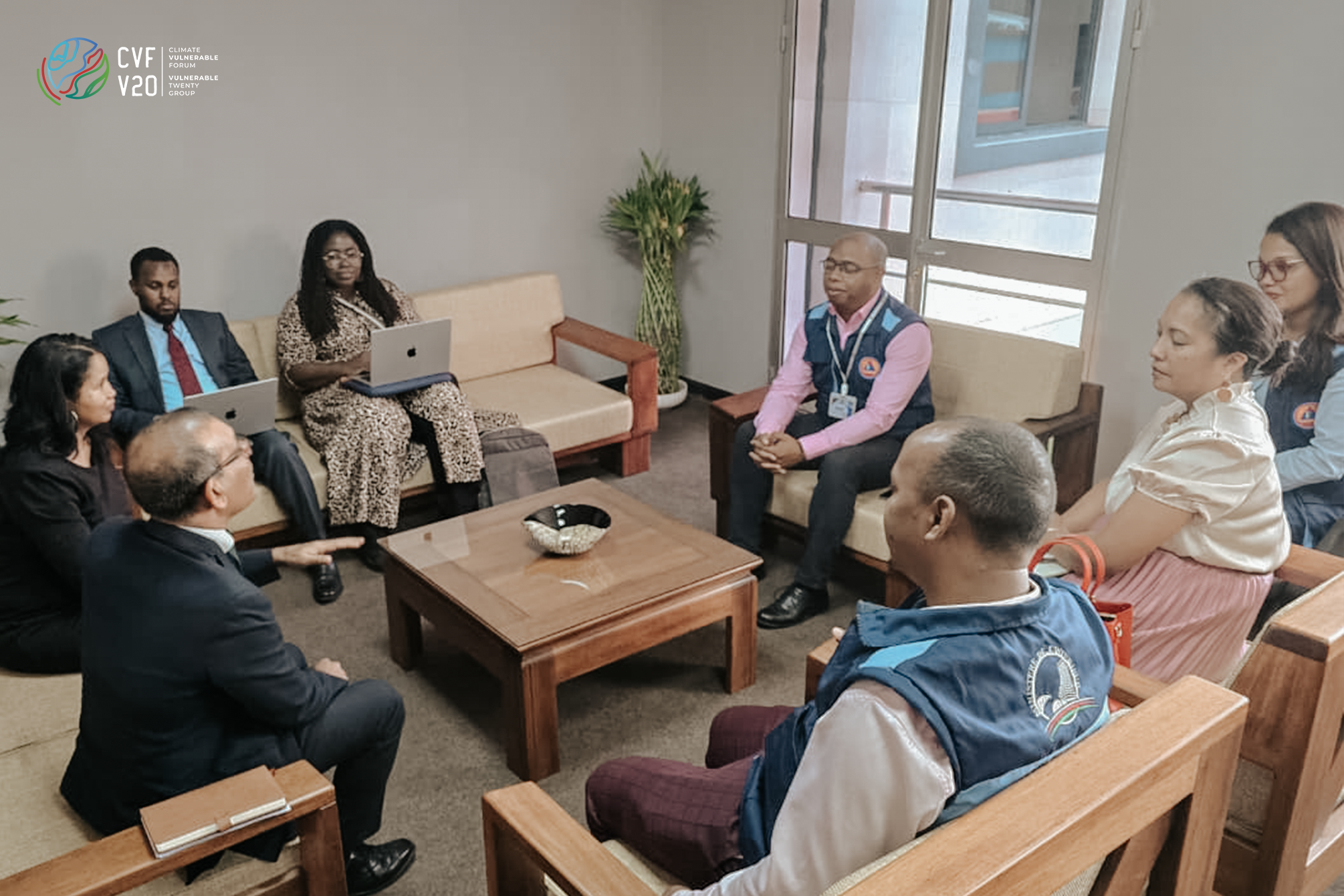
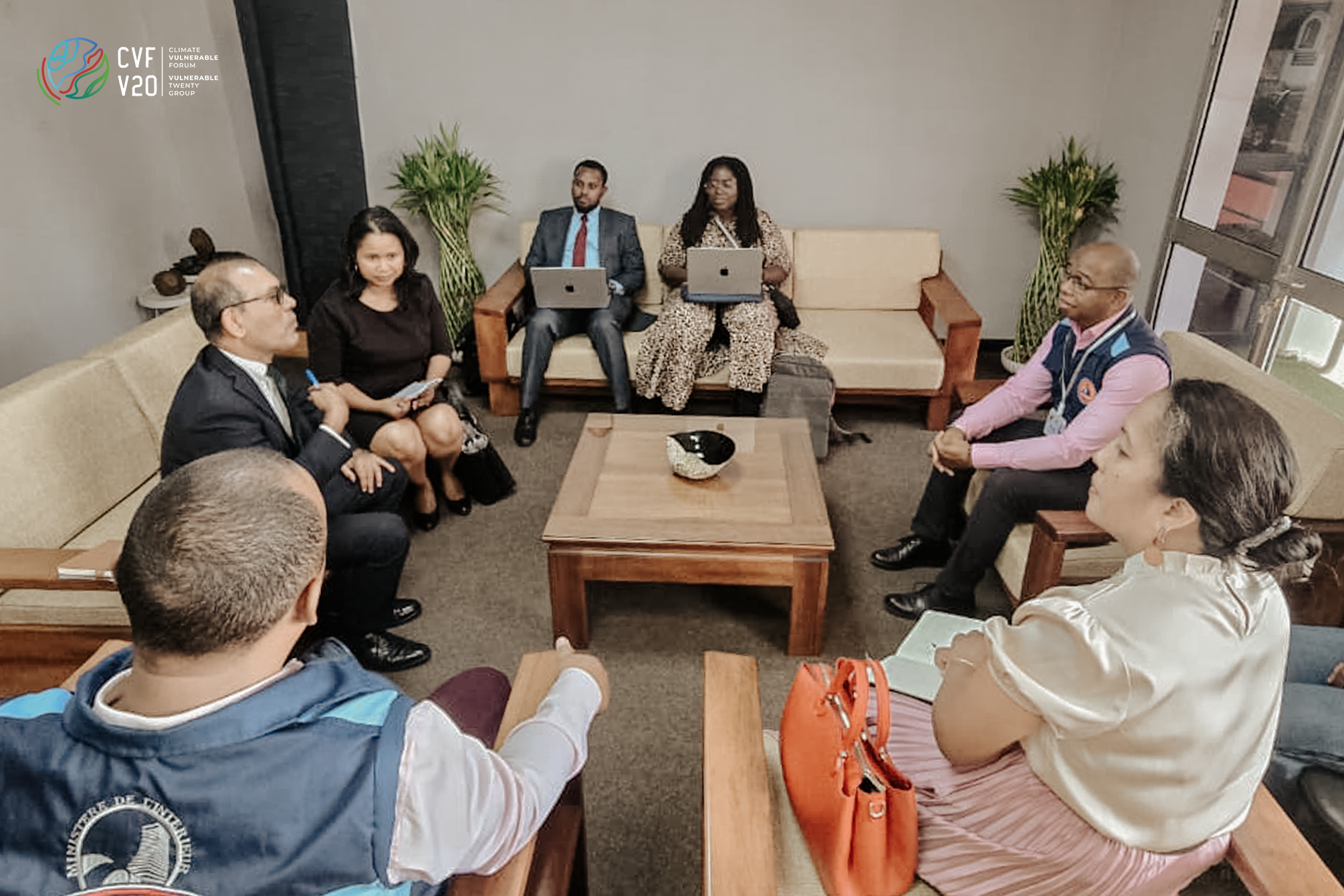
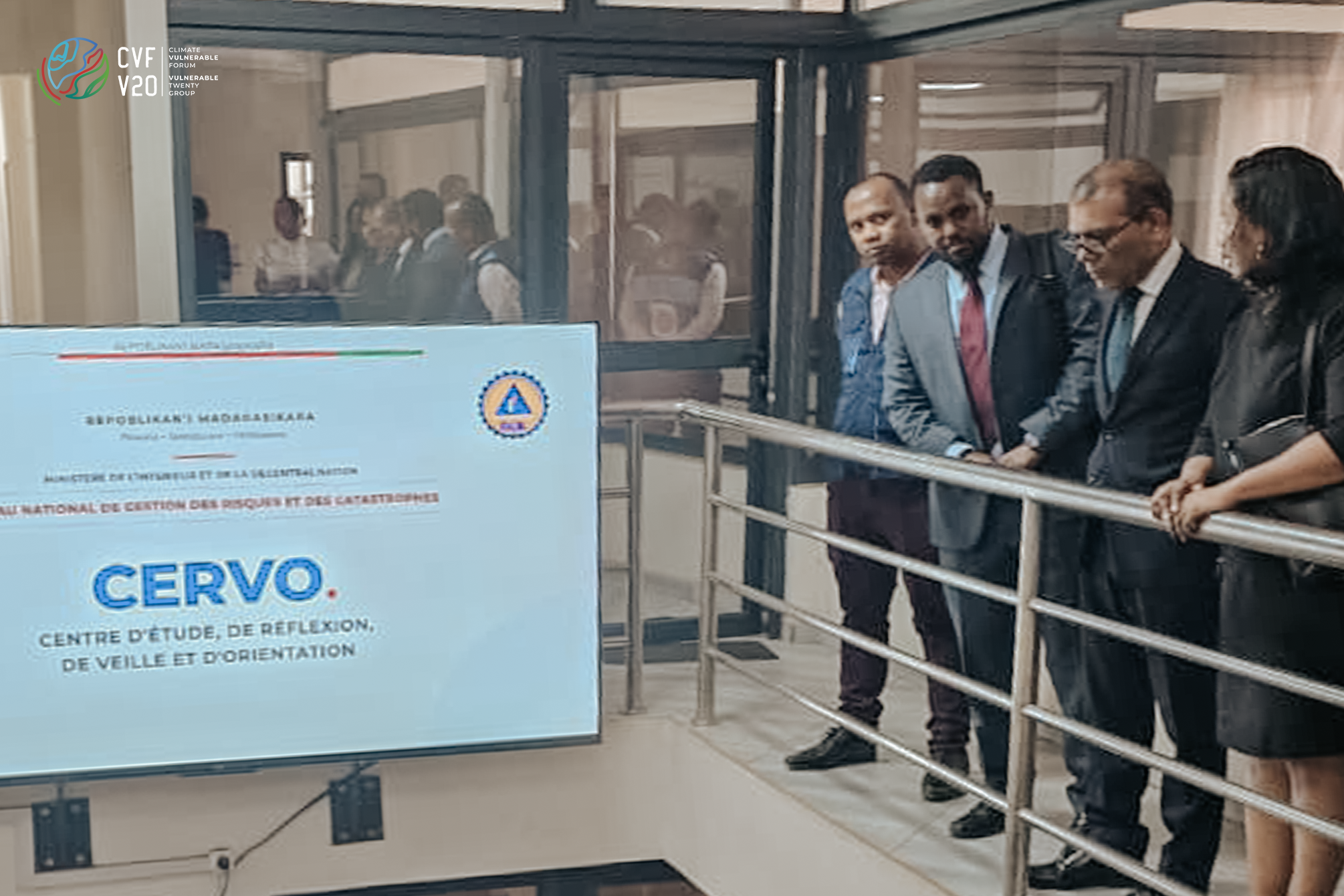
Our meetings continued, but the atmosphere was different. Conversations about development priorities, investment, and institutional reform unfolded alongside contingency planning and constant monitoring of weather updates. Schedules became flexible. Decisions were taken with the understanding that conditions could change at any moment.
What stayed with me most was how familiar this felt to the people around us.
In Madagascar, as in many climate-vulnerable countries, the cyclone season typically runs from November to June. This leaves only a short window — July to October — when communities are not actively bracing for severe weather. For much of the year, uncertainty is a constant presence, woven into daily life and planning.
Seeing this first hand reshaped my understanding of climate vulnerability. It is not just about exposure to hazards, but about living with limited room to plan ahead. When risk is constant, choices narrow. Families think twice about investing in their homes. Businesses delay expansion. Governments budget knowing that emergency spending is not an exception, but an expectation.
A Category 4 cyclone is not only a humanitarian concern — it is an economic event. Damage to infrastructure and agriculture, disruptions to transport and services, and the costs of emergency response ripple across the economy. When such shocks recur year after year, recovery becomes partial and fragile. Each rebuilding effort begins before the last has fully ended.
From the outside, climate impacts are often described as temporary setbacks. On the ground, they feel structural. Resources that could support education, healthcare, industrial development, or job creation are repeatedly redirected toward response and repair. Public debt grows not through poor decisions, but because climate shocks leave governments with few alternatives.
Being in Madagascar during this moment made one thing clear: climate vulnerability is lived and cumulative. It is carried by communities that have contributed very little to global emissions, yet face some of the most persistent risks. While this imbalance is widely acknowledged in international discussions, experiencing it directly gives it a different weight.
This experience also reinforced why collective action among climate-vulnerable countries matters. No country can absorb repeated shocks indefinitely. The CVF-V20 — a platform bringing together vulnerable economies from across Africa, Asia, the Pacific, the Caribbean and beyond — works to ensure that climate change is treated not only as an environmental challenge, but as an issue of development, equity and economic stability. Through shared policy frameworks such as Climate Prosperity Plans, joint advocacy for scaled adaptation finance, and engagement with multilateral partners for climate risk financing and risk-sharing mechanisms, the Forum seeks practical solutions that reflect lived realities. At the same time, we are keenly aware of the limitations of existing resources: adaptation finance remains far below what is required, access to risk-sharing instruments is limited, and much of the support architecture is still geared toward mitigation rather than resilience.
Too often, international responses assume climate impacts are occasional and manageable within existing structures. Adaptation finance remains fragmented and unpredictable. Risk-sharing mechanisms often exclude those most exposed. Support frequently arrives after losses have already accumulated.
Standing in Madagascar, as communities prepared for another long cyclone season, that gap between policy and reality was impossible to ignore.
For millions of people, climate change is not a future scenario. It shapes how far ahead they can plan, how governments allocate scarce resources, and how economies function day to day.
This experience did not introduce me to the idea of climate vulnerability. It showed me how constant it is — and how little space there is for recovery when risk dominates most of the year.
As Madagascar braces for a cyclone expected to affect tens of thousands of people, I am reminded that climate vulnerability is not theoretical or temporary. It is lived, sustained, and deeply consequential — and global responses must begin to reflect that reality.