When Climate Reality Hits Home: CVF-V20 Secretariat in Madagascar as a Category 4 Cyclone Makes Landfall
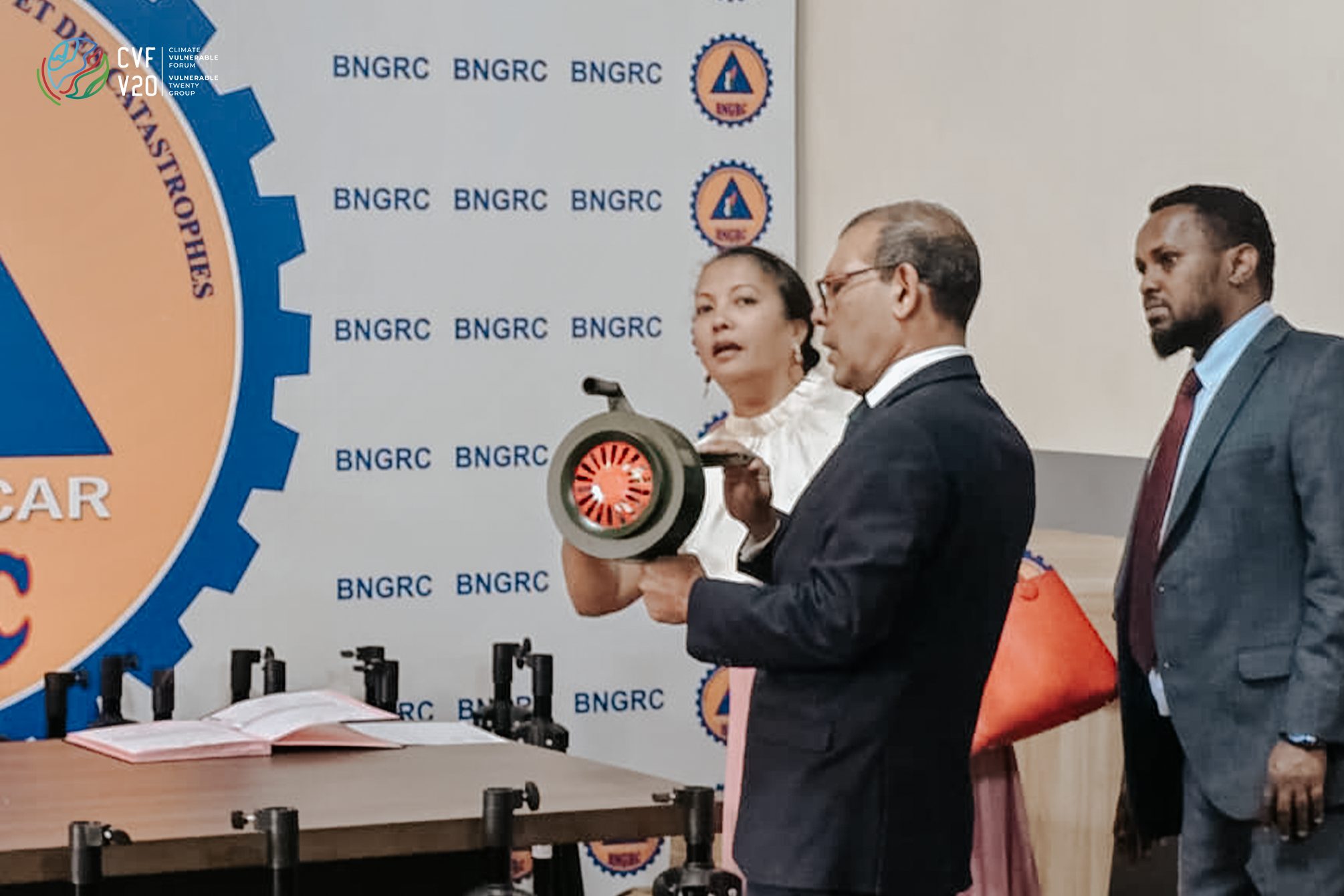
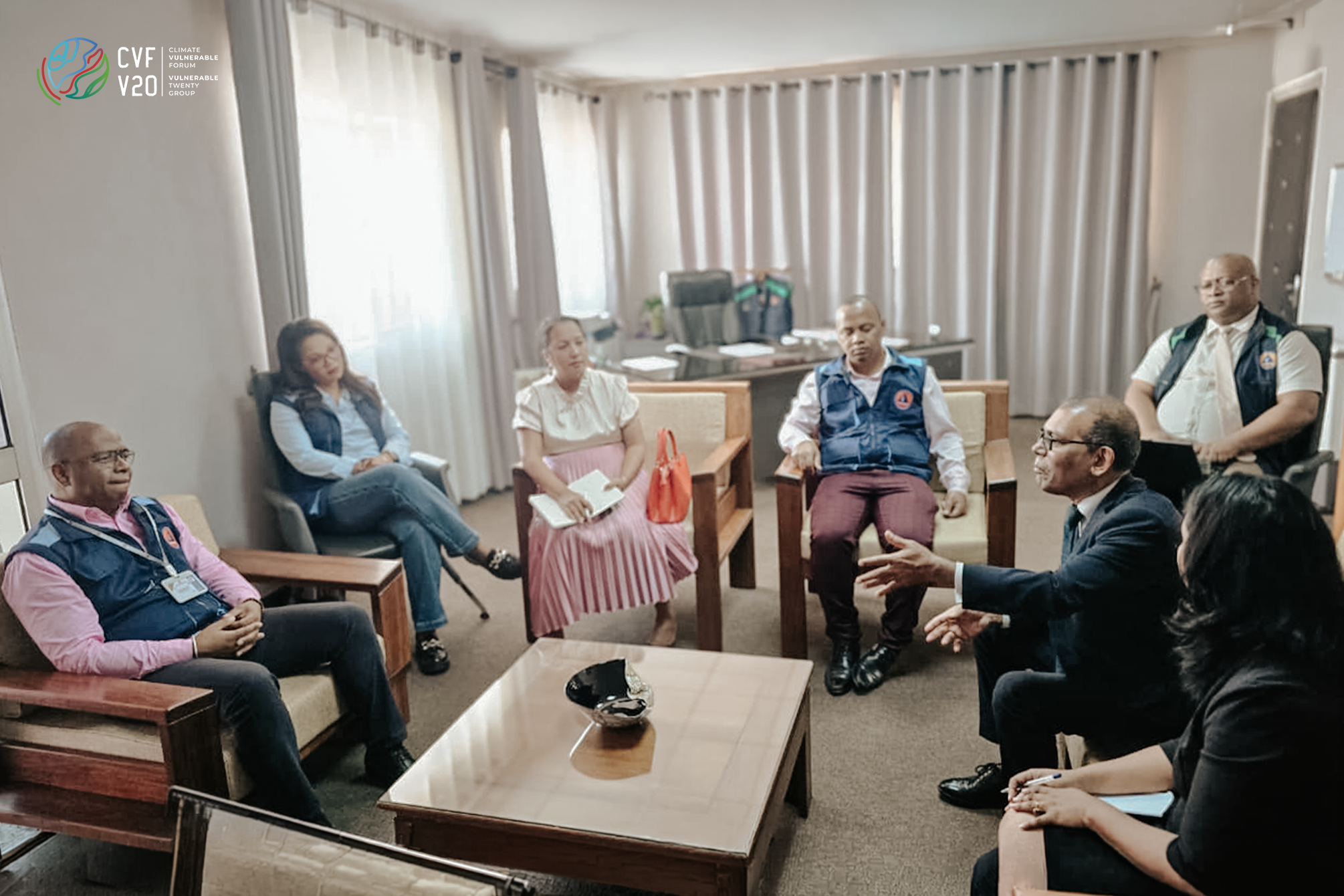
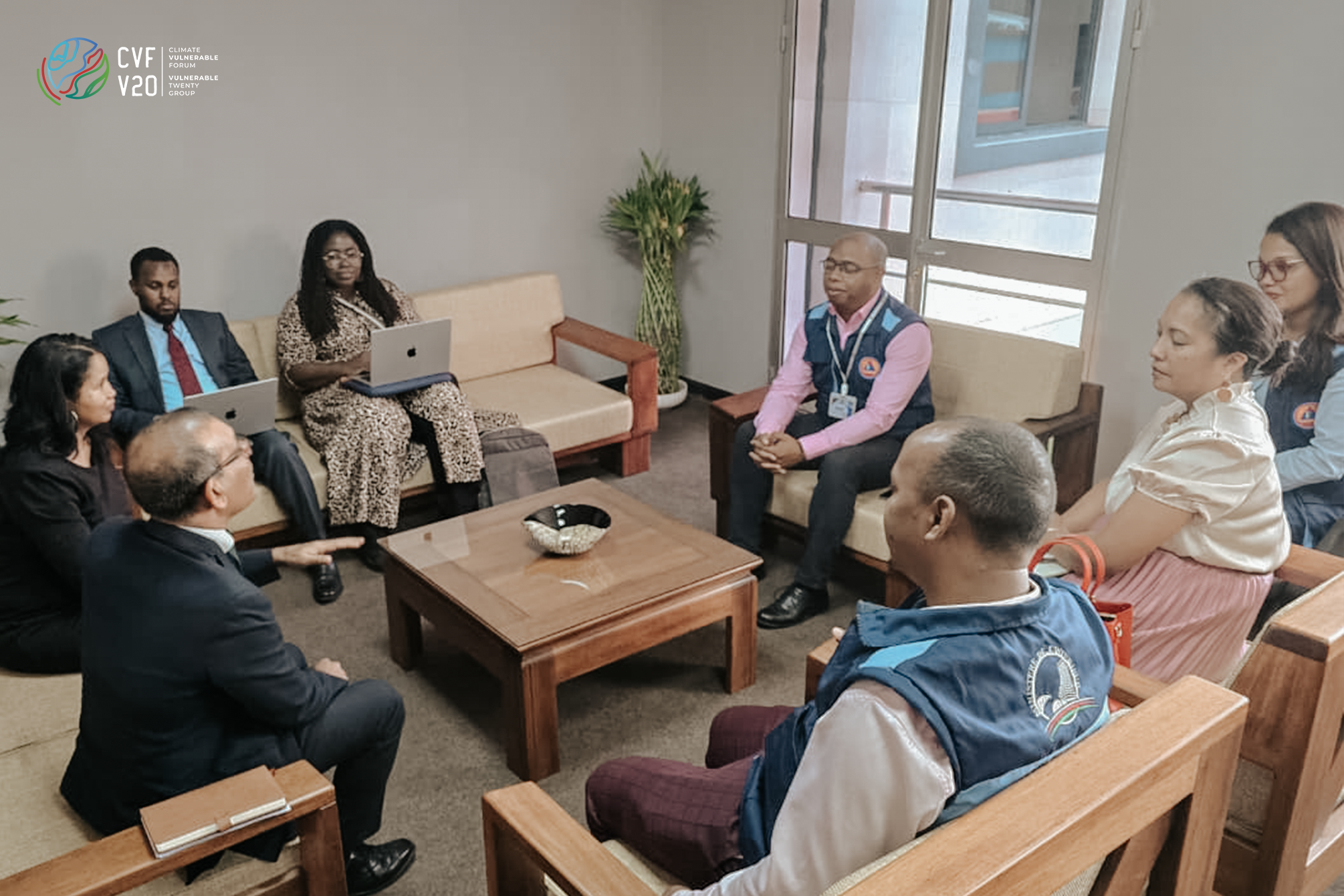
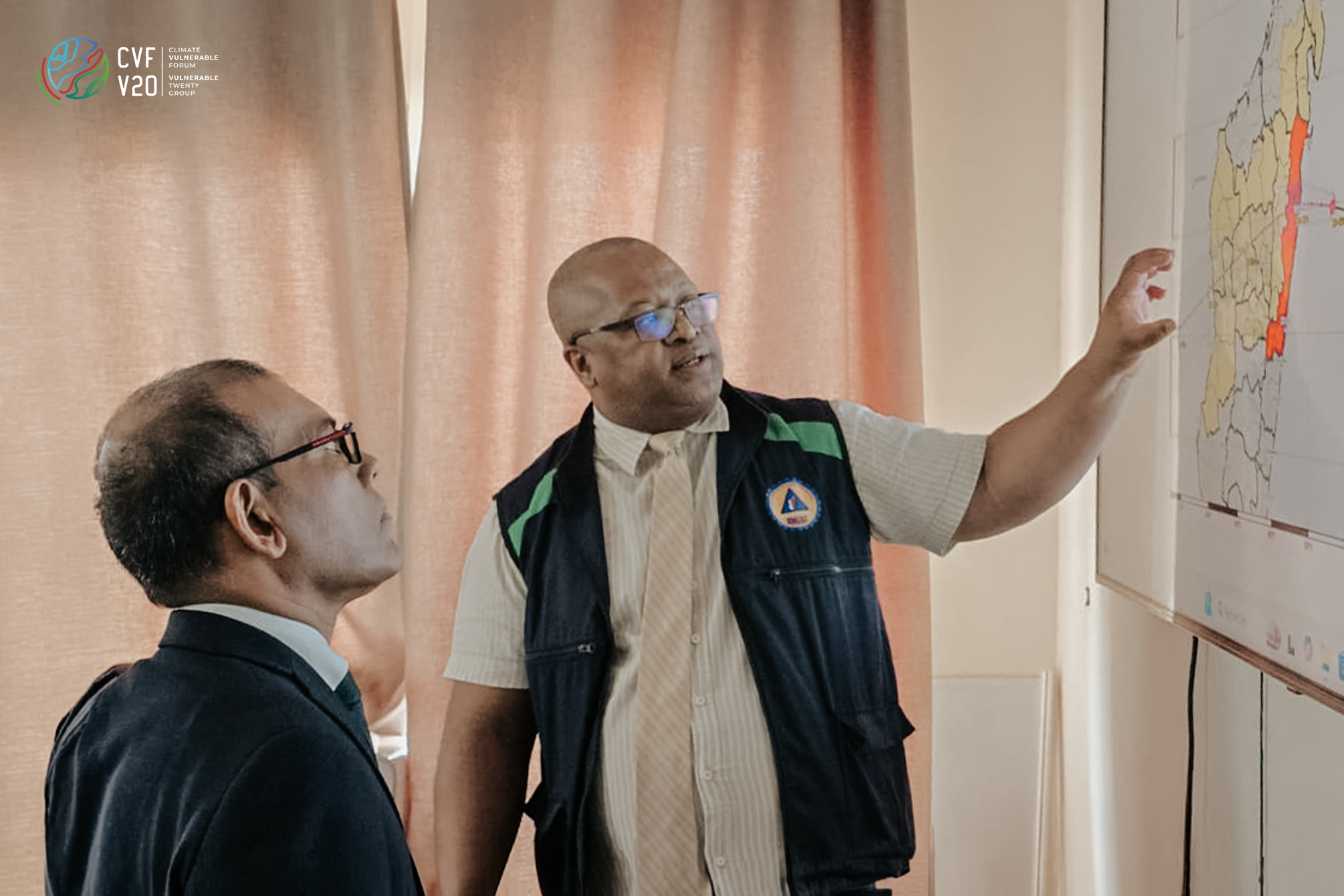
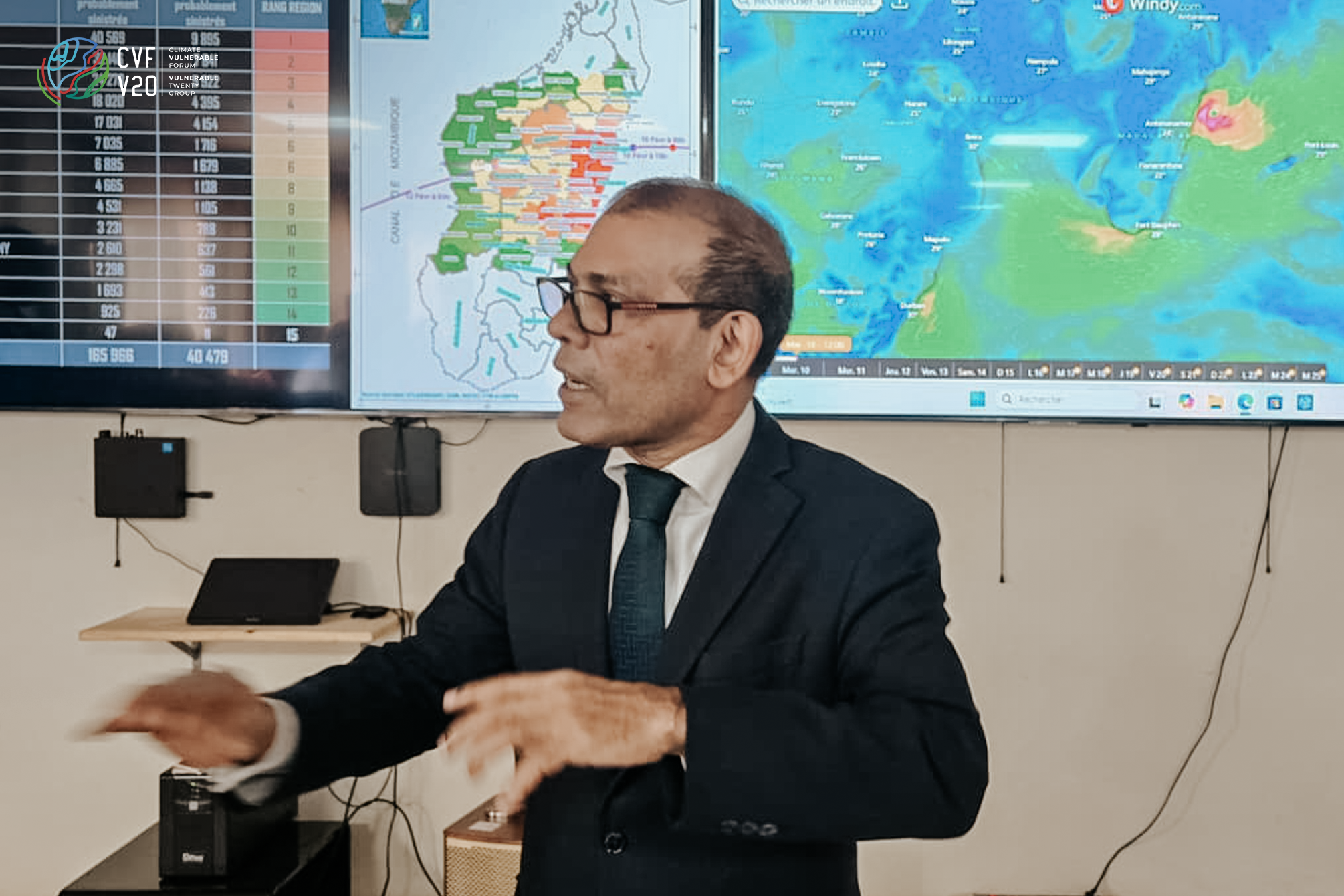
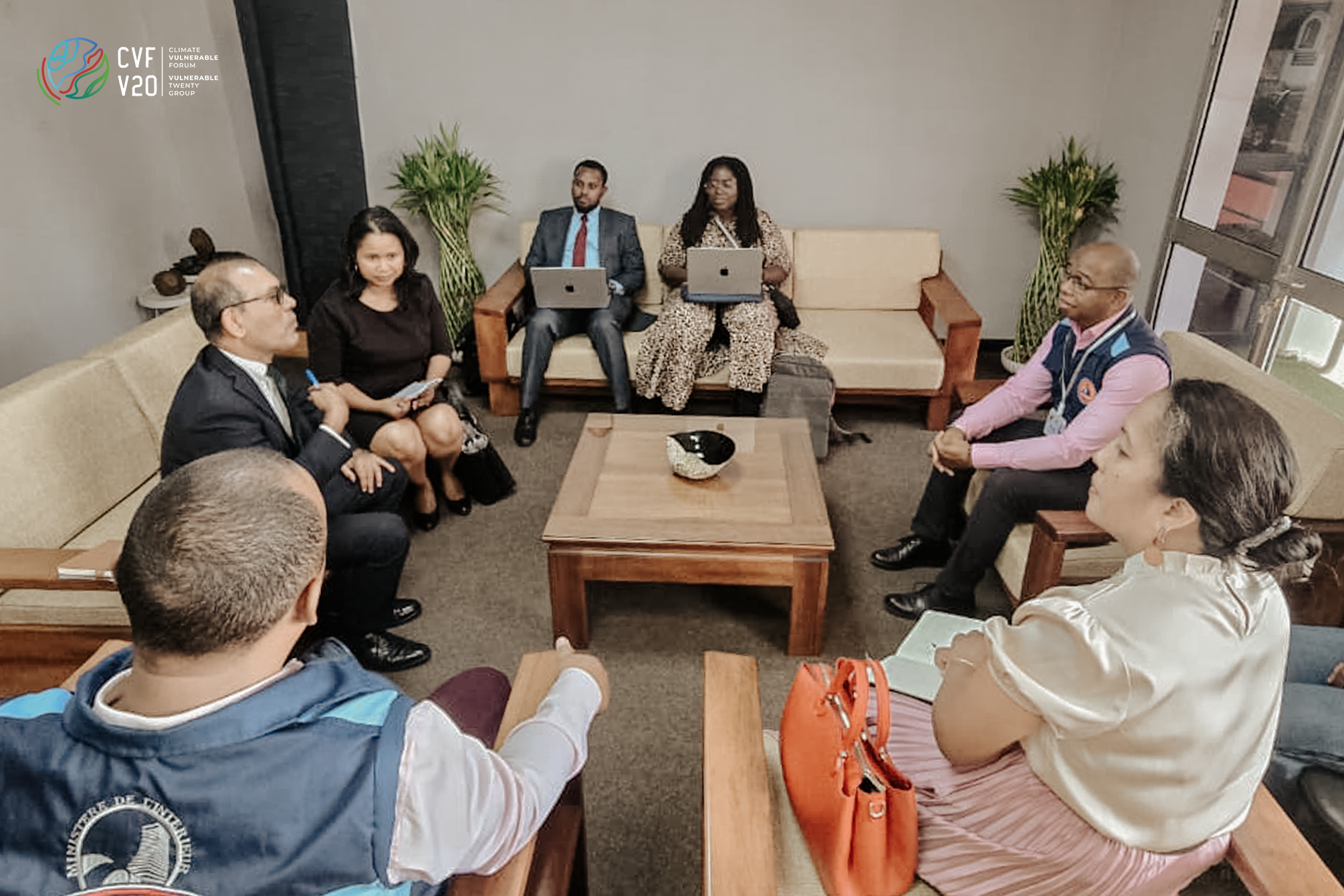
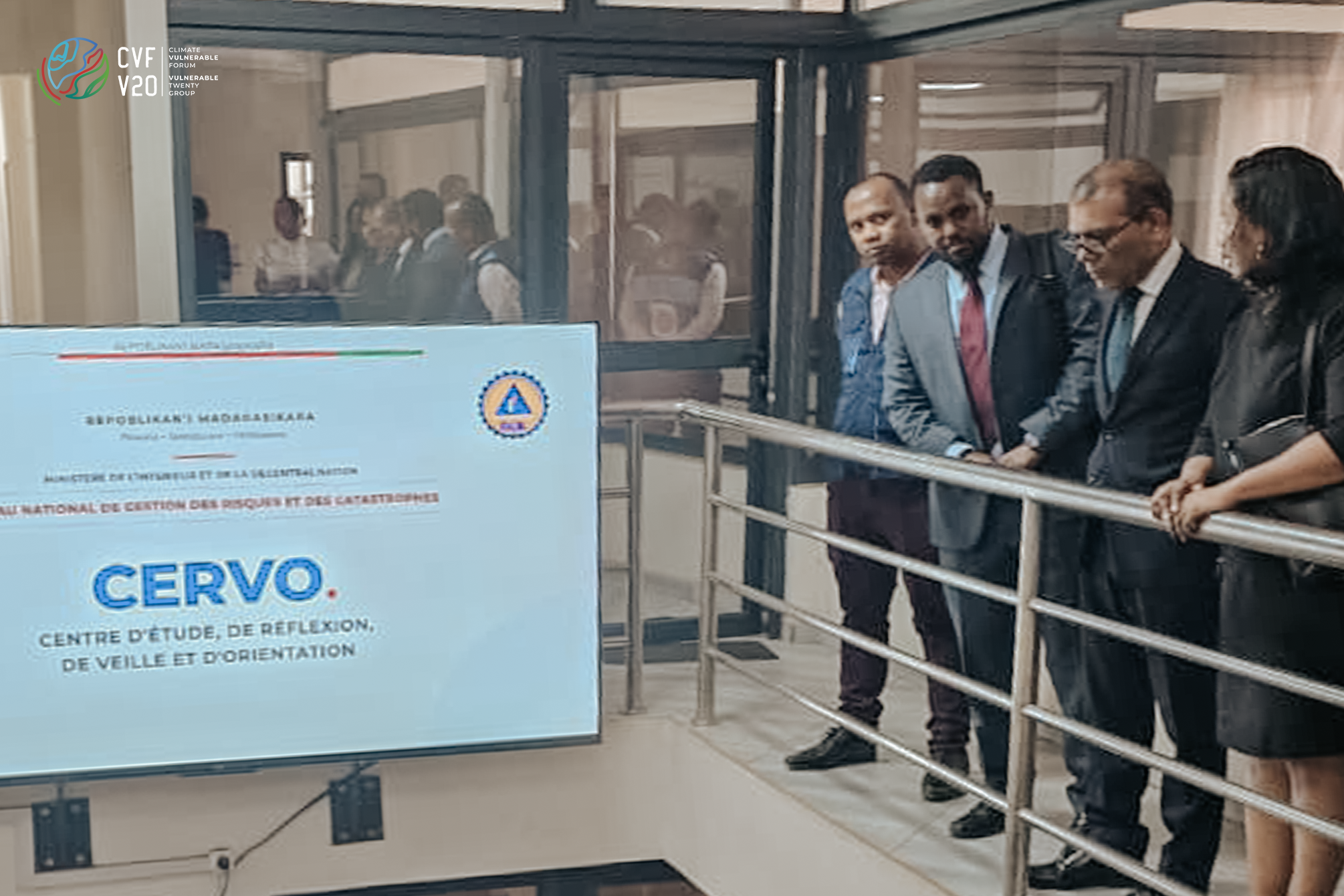
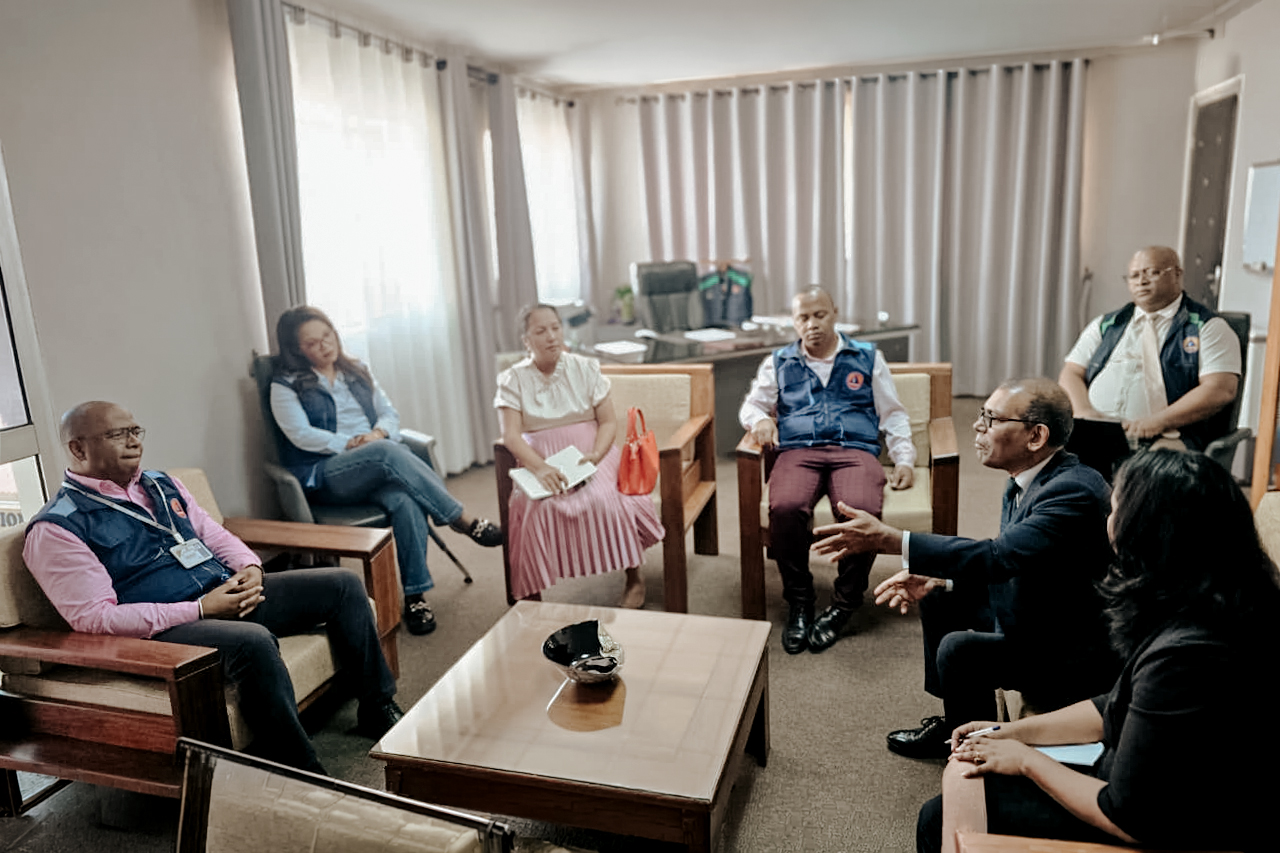
H.E. Mohamed Nasheed, CVF-V20 Secretary General, meeting with the officials of Madagascar.
As a Category 4 cyclone slams into Madagascar’s coastline, the force of climate change is no longer abstract, it is immediate, physical, and deeply human. The CVF-V20 Secretariat team on the ground is witnessing firsthand how climate vulnerability translates into real-time emergency response, institutional coordination, and community resilience under pressure.
This is not just a storm. It is a macro-economic shock, a development setback, and a humanitarian emergency unfolding at once.
What is happening on the ground?
Winds exceeding 200 km/h, torrential rainfall, and storm surges are battering coastal districts before the system moves inland, bringing:
• Flash floods and river overflows • Damage to homes, schools, and health facilities • Power and communications disruptions • Risks to transport corridors and supply chains • Threats to agriculture, particularly rice and subsistence crops
For a country where many households already live close to the poverty line, each severe cyclone compounds existing fragility. Roads that connect farmers to markets are cut off. Clinics struggle to function. Families face displacement with limited assets to fall back on.
How Madagascar’s early warning system is working
Despite constraints, institutional early warning mechanisms are actively engaged:
(1) Meteorological monitoring & analysis
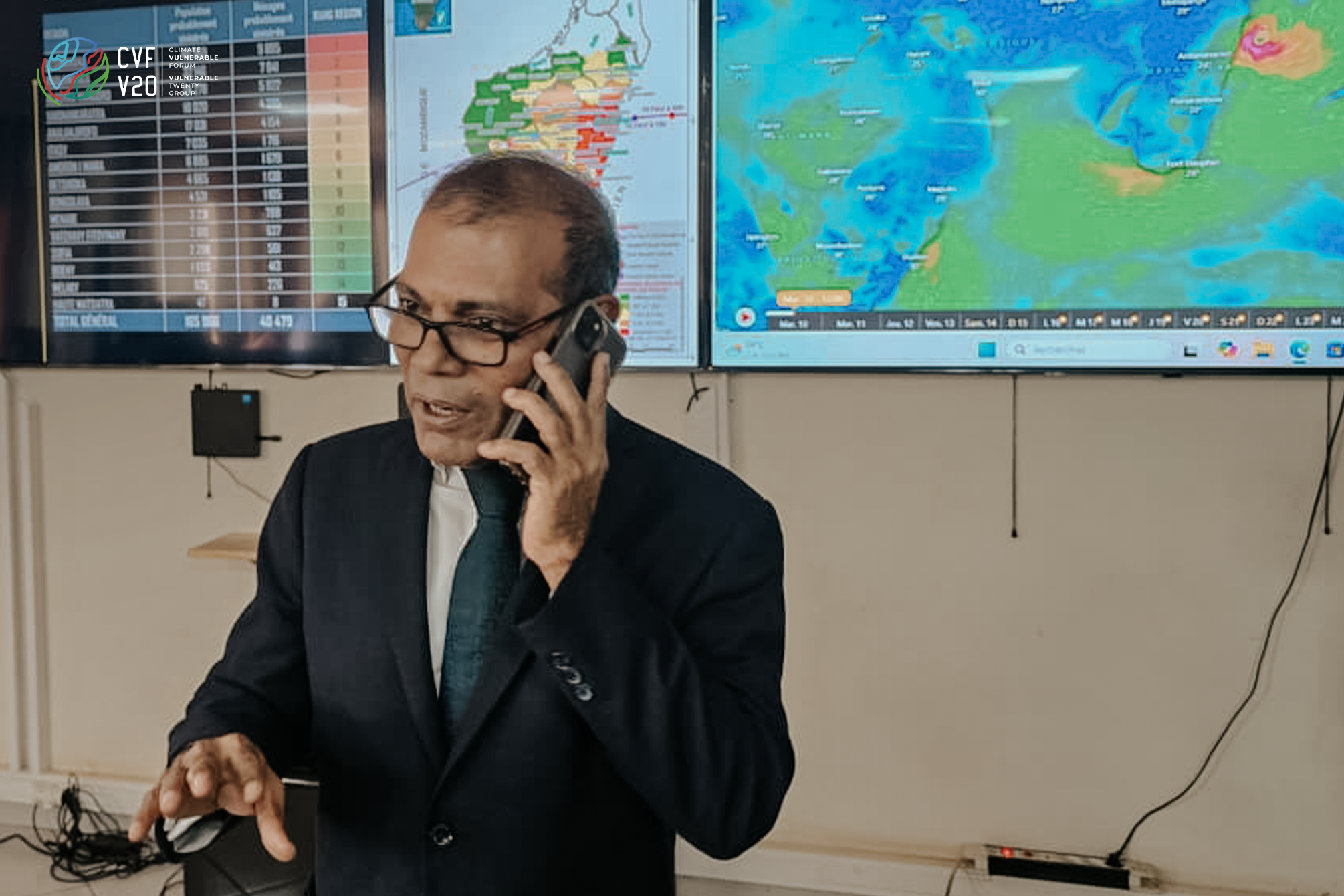
National meteorological and disaster authorities track the cyclone’s trajectory using satellite data, regional forecasting centres, and national monitoring systems. Continuous updates are issued to decision-makers.
(2) Information flow to authorities
Forecasts and risk maps move from technical agencies to:
National disaster management authorities
Regional and district administrations
Security and emergency services
This enables pre-positioning of response teams and identification of high-risk zones.
(3) Public alert systems
Information reaches communities through multiple channels:
Siren systems in exposed areas (audible within defined local radii)
Mass SMS alerts warning residents of landfall timing and safety measures
Radio and television broadcasts with evacuation guidance
Call centers providing real-time information and support
Local authorities and community leaders relaying instructions door-to-door where needed
This layered system is saving lives, but coverage gaps remain, especially in remote and infrastructure-poor areas.
Cyclone season: a shrinking window to recover
Madagascar’s cyclone season typically runs from November to June. The period between major storms is often just a few months, barely enough time for:
Rebuilding homes
Restoring roads and public infrastructure
Recovering lost livelihoods
Replenishing government emergency funds
Repeated shocks create a cycle of loss and damage that erodes national budgets, increases debt pressures, and diverts resources away from long-term development.
The macroeconomic and development impact
Each high-intensity cyclone affects:
Public finances: Emergency spending spikes; fiscal space shrinks
Agriculture: Crop losses threaten food security and exports
Infrastructure: Repeated damage to roads, bridges, energy systems
Poverty: Households lose assets and fall deeper into vulnerability
Growth: GDP losses accumulate; investment risks rise
For climate-vulnerable countries like Madagascar, disasters are not occasional events — they are structural economic risks.
What support Madagascar needs now
The crisis underscores that resilience is not only humanitarian — it is economic and systemic.
(1) Stronger early warning systems
Expanded coverage of siren and alert systems
Better meteorological equipment and nationwide data networks
Modern analytics and forecasting tools
Community-level communication systems in remote regions
(2) Resilient infrastructure
Climate-resilient roads, bridges, and ports
Flood-resistant public buildings
Storm-resilient energy and communications systems
(3) Evacuation and response capacity
Safe shelters built to withstand extreme winds
Transport and logistics equipment so that people and livestock can be moved
Strengthened local disaster response units
(4) Rapid and predictable finance
Faster access to humanitarian funding
Disaster risk financing and insurance
Resources for recovery that do not increase unsustainable debt
A defining moment
As the cyclone moves inland, Madagascar’s institutions and communities are showing determination, coordination, and courage. But resilience cannot rely on response alone.
This moment highlights a global truth: climate-vulnerable countries are on the front lines of a crisis they did little to cause. Supporting Madagascar means investing in systems that save lives today, and economic resilience that safeguards prosperity tomorrow.
The storm will pass. The need to build lasting resilience will remain.