Risks of breaching the 1.5 °C Paris Agreement goal urged the Lebanese Republic to develop a climate policy package that brings together three key climate roadmaps—National Adaptation Plan (NAP 2025–2035), the updated Nationally Determined Contribution (NDC 3.0), and the Long-Term Low Emission Development Strategy (LT-LEDS).
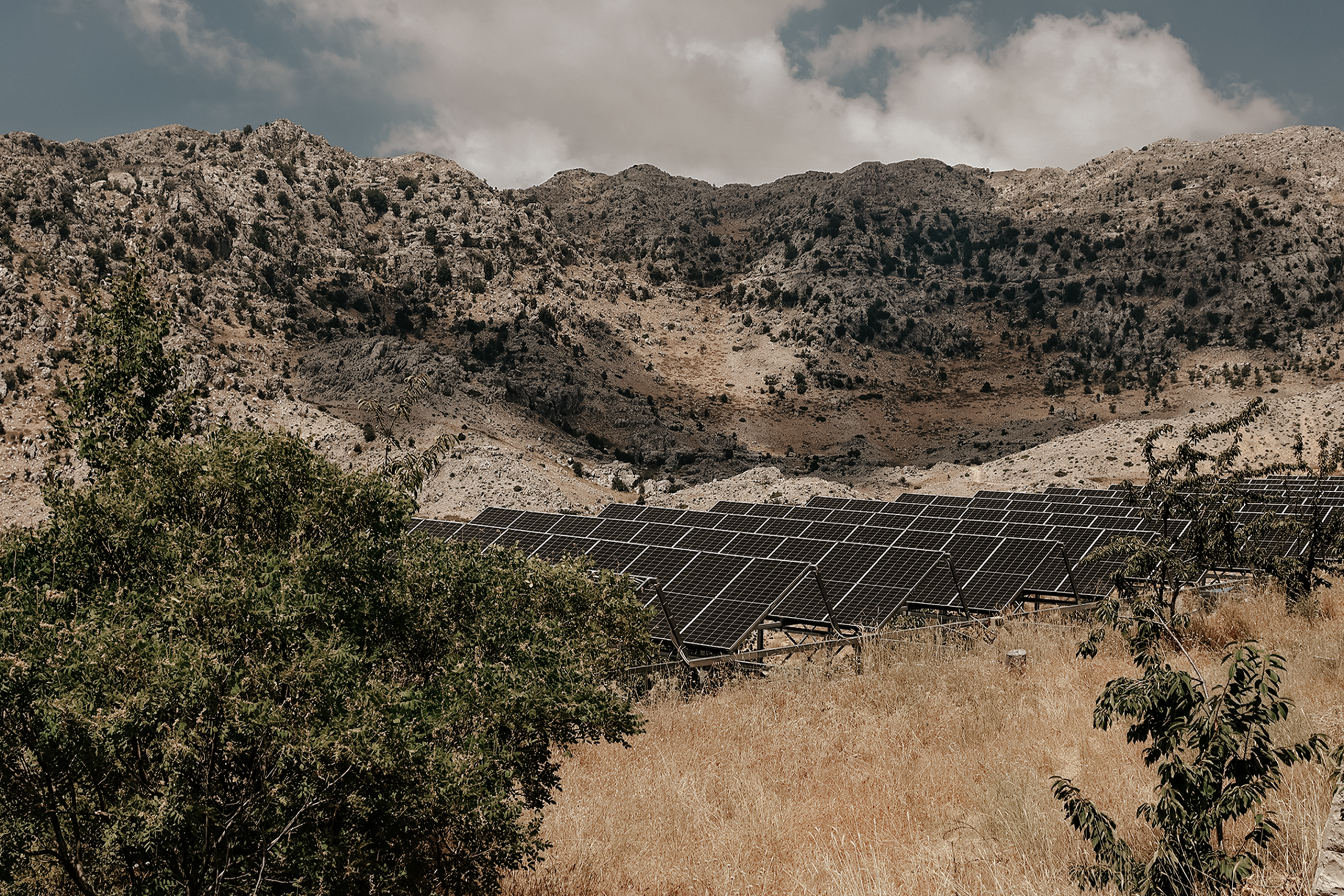
The package outlines Lebanon’s strategies to reduce domestic greenhouse gas emissions, expand renewable energy, and enhance climate resilience. It also reaffirms the country’s commitment to and solidarity with the Paris Agreement, significantly advancing global efforts to combat climate change.
Witnessing the unusual changes in climate patterns—more prolonged droughts, shorter winters, frequent floods,and stalled snows—that cause large-scale water shortages and reduced productivity has raised alarming signals to the government. Despite its insignificant global carbon emissions, climate and economic vulnerabilities have still struck the country. Lebanon has lost 5% of its gross domestic product (GDP) annually, with a probability to rise by 32% in 2080, due to climate shocks alone. Heat stress also claimed USD 1.3 billion in productivity, affecting more than 110,000 jobs in agriculture, construction, and services.
These cross-cutting issues of climate change required urgent attention from the government. Their NDC 3.0 identified operational, technical, political, and financial enablers to facilitate effective mitigation and adaptation activities. This includes improving governance and institutional capacities to reform and regulate climate and sustainable development actions, upscaling partnerships between key stakeholders, and mobilizing external financial resources.
Part of Lebanon’s priorities is the adoption of the new Climate Change Law, which will formalize the NDC Committee and the Climate Secretariat, both critical to the long-term direction of sustainability efforts. Moreover, the country anticipates the creation of a dedicated Climate Change Directorate, transforming the Ministry into the Ministry of Environment and Climate.
The government also prepares to position the Lebanon Green Investment Facility (LGIF) as the central vehicle for mobilizing climate finance, enhancing the economic viability of investments and reducing risk for stakeholders. The facility is anchored on blended financing through support and assistance from development finance institutions, private investors, endowments, and aid agencies. Projections reveal that every USD 1 invested in the country could generate USD 5 revenue, demonstrating the bankability of its climate-driven reforms.
Lebanon rises against its harsh climate realities, using vulnerabilities and threats as evidence to develop strategies for a climate-resilient and equitable future—a remarkable benchmark across the Middle East and other CVF-V20 member countries.