Africa’s Youth Don’t Need a Seat at the Table; They’re Building a New One
By Yordanos Getachew-Ethiopia and Denise Ayebare-Uganda, CVF Youth Fellows
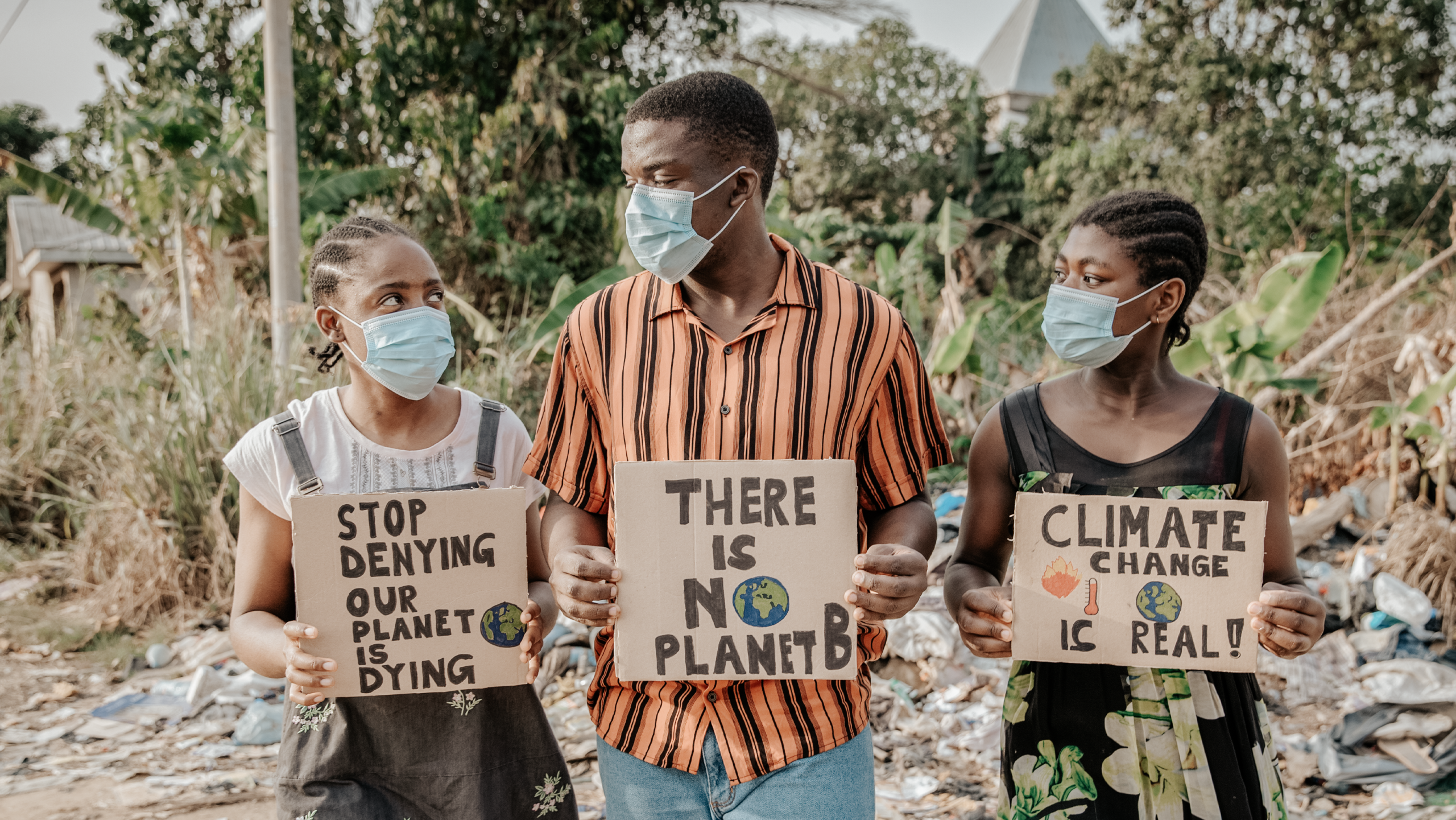
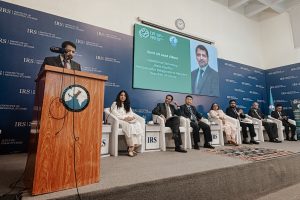
When the Second Africa Climate Summit (ACS II) ended in Addis Ababa, one thing was obvious: Africa’s youth are done waiting. The conversation wasn’t about who should be invited into climate spaces; it was about how young Africans are already leading the work that others are still debating.
The Addis Ababa Declaration, adopted at the summit, captured that shift. It commits Africa to mobilize USD 50 billion a year for African-led climate solutions, deliver 1,000 home-grown innovations by 2030, and treat adaptation finance as grants, not loans.
But the real work isn’t happening in boardrooms or conference halls. It’s being done by youth leaders in workshops, start-ups, and farms, solving energy, water, and waste problems with tools they built themselves.
What Youths Are Doing
Across Africa, young people are building the foundation of a green transition from the ground up. In Kenya, they are running electric bus fleets through the streets of Nairobi. In Nigeria, they’re delivering solar kits on motorcycles to off-grid towns. In Ghana, young engineers are turning waste into affordable construction materials. In Ethiopia, youth cooperatives are reforesting coffee zones and protecting watersheds.
More than 60% of Africans are under 25, according to the African Development Bank (2024). That’s not just a demographic fact; it’s the continent’s greatest resource. Studies by Brookings (2024) and Dalberg (2025) show that if properly supported, African youth could create over 3 million green jobs by 2030. The Addis Declaration acknowledges this potential and calls for direct financing for local communities and youth-led initiatives, bypassing the layers of bureaucracy that often kill innovation before it begins.
The Bigger Picture
Africa is often described as the frontline of climate impacts. True, but it’s also becoming the frontline of climate solutions. The continent holds 60% of global solar potential and about a third of the world’s critical minerals for clean energy. Combine that with the youngest population on Earth, and you get a region capable of powering its own transformation.
The Addis Declaration sets a goal for Africa to generate 20 percent of global renewable energy by 2030That’s not wishful thinking. It’s already happening through solar cooperatives in Burkina Faso, hydropower mini-grids in Rwanda, GERD in Ethiopia, and green manufacturing pilots across Southern Africa.
The Africa Climate Innovation Compact (ACIC) and the African Climate Facility (ACF) created under the Declaration, were designed to scale such efforts. If implemented properly, they can flip Africa’s climate narrative from dependency to self-determination.
Moving Past Tokenism
For years, “youth inclusion” meant panels and photos. But the Declaration marks a change. It calls for youth and women to be part of governance and accountability systems. That change is already visible. Young negotiators are joining national climate teams. University researchers under 30 are designing adaptation models for ministries. Community groups are tracking local emissions and demanding public reporting. They aren’t waiting for permission; they’re setting the pace.
And they support the ICJ Advisory Opinion on Climate Justice, endorsed in the Declaration, because they understand that climate fairness isn’t charity, it’s accountability.
From Addis to Belem: Proving the Point
The road from Baku → Addis → Belem isn’t a timeline of events; it’s a test of delivery. Africa’s youth are done with promises; they want proof.
They’re calling for:
Launching and funding real projects through the African Climate Facility.
Financing youth-led initiatives directly, not through filtered grants.
Creating climate programs that generate real jobs, not just “capacity building.”
Building public dashboards to track where climate money goes.
Moving from declarations to delivery — this one must deliver.
A Simple Truth
Africa’s youth don’t need saving. They need space, trust, and investment that matches their pace. They’re already powering homes, restoring forests, building apps, and running circular businesses that keep waste out of the environment. Every solar panel, reforested hill, and electric motor is a quiet rejection of the idea that Africa must wait to be helped.
To governments: less ceremony, more action.
To investors: bet on those who’ve built something from nothing.
To global partners: move from sympathy to real partnership.
Africa’s youth have already started building the table. If the world wants a seat, it should bring more than applause.