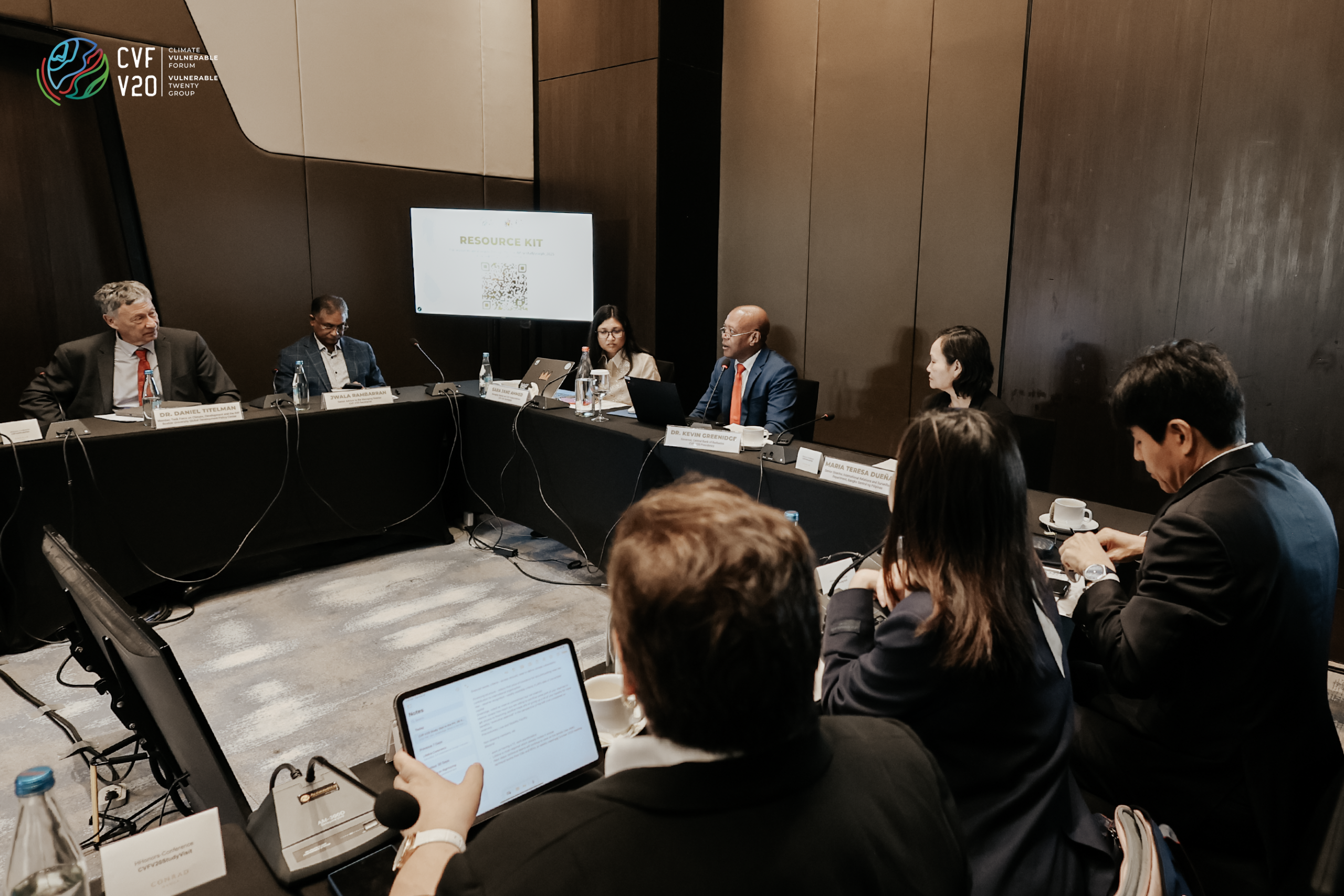
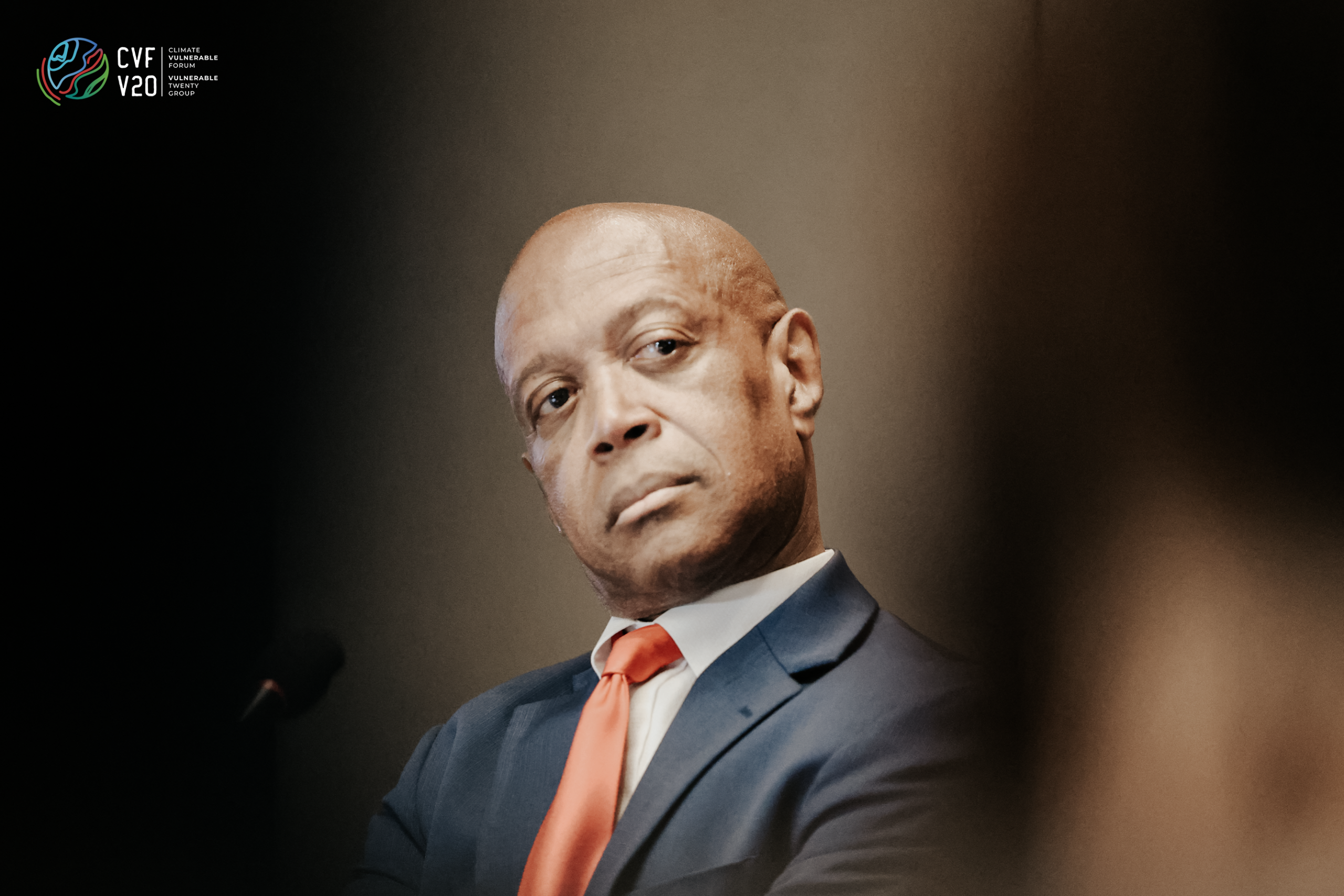
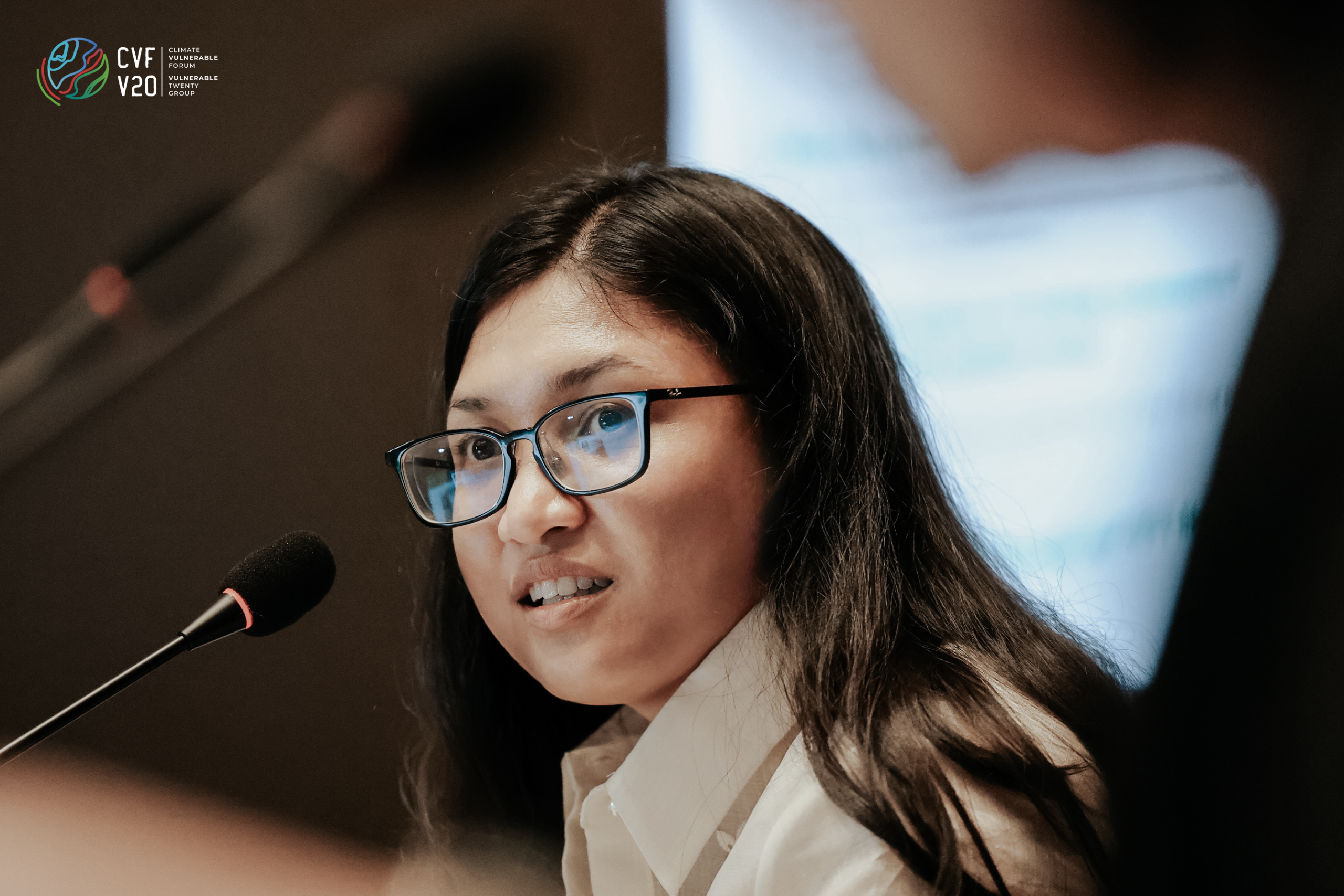
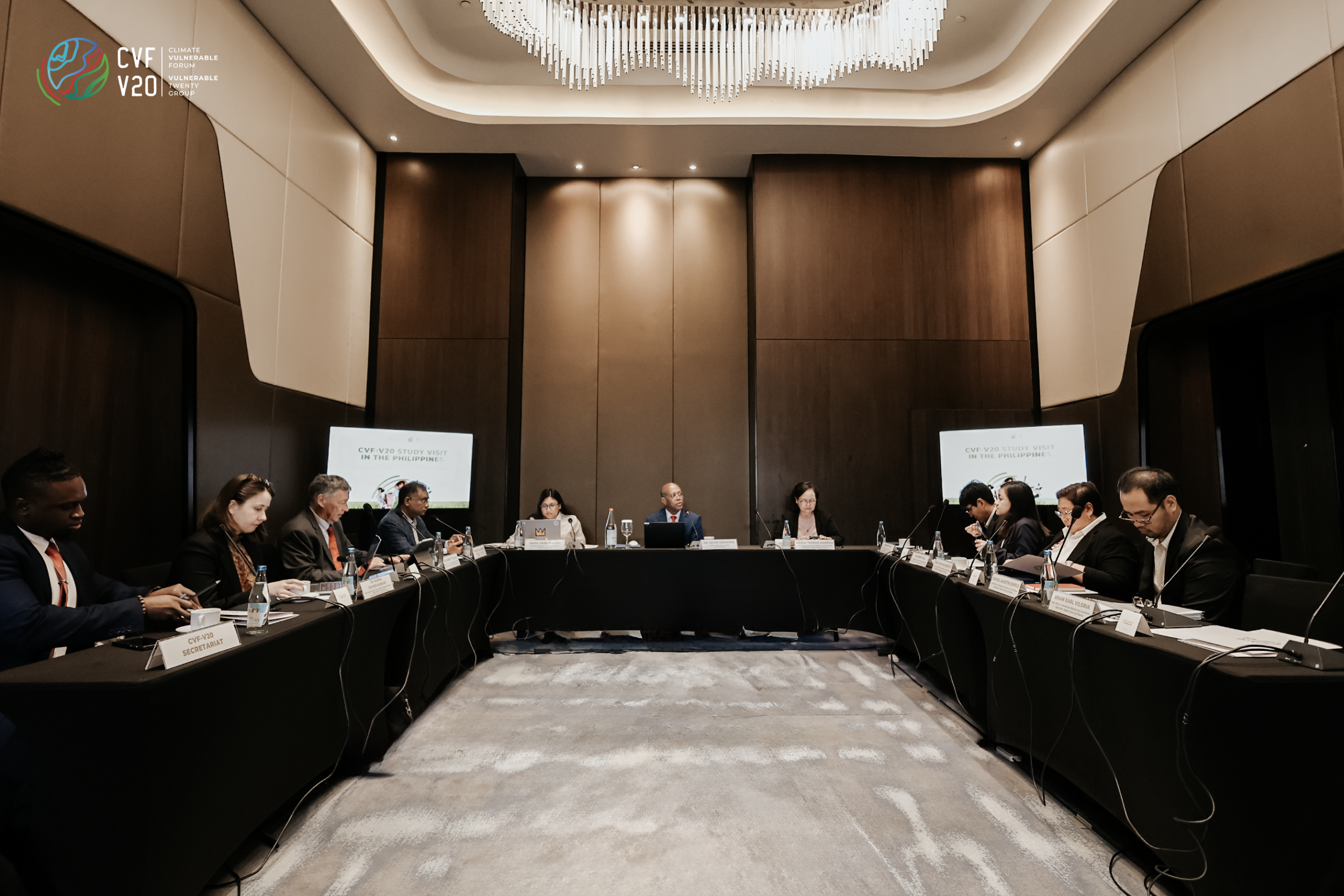
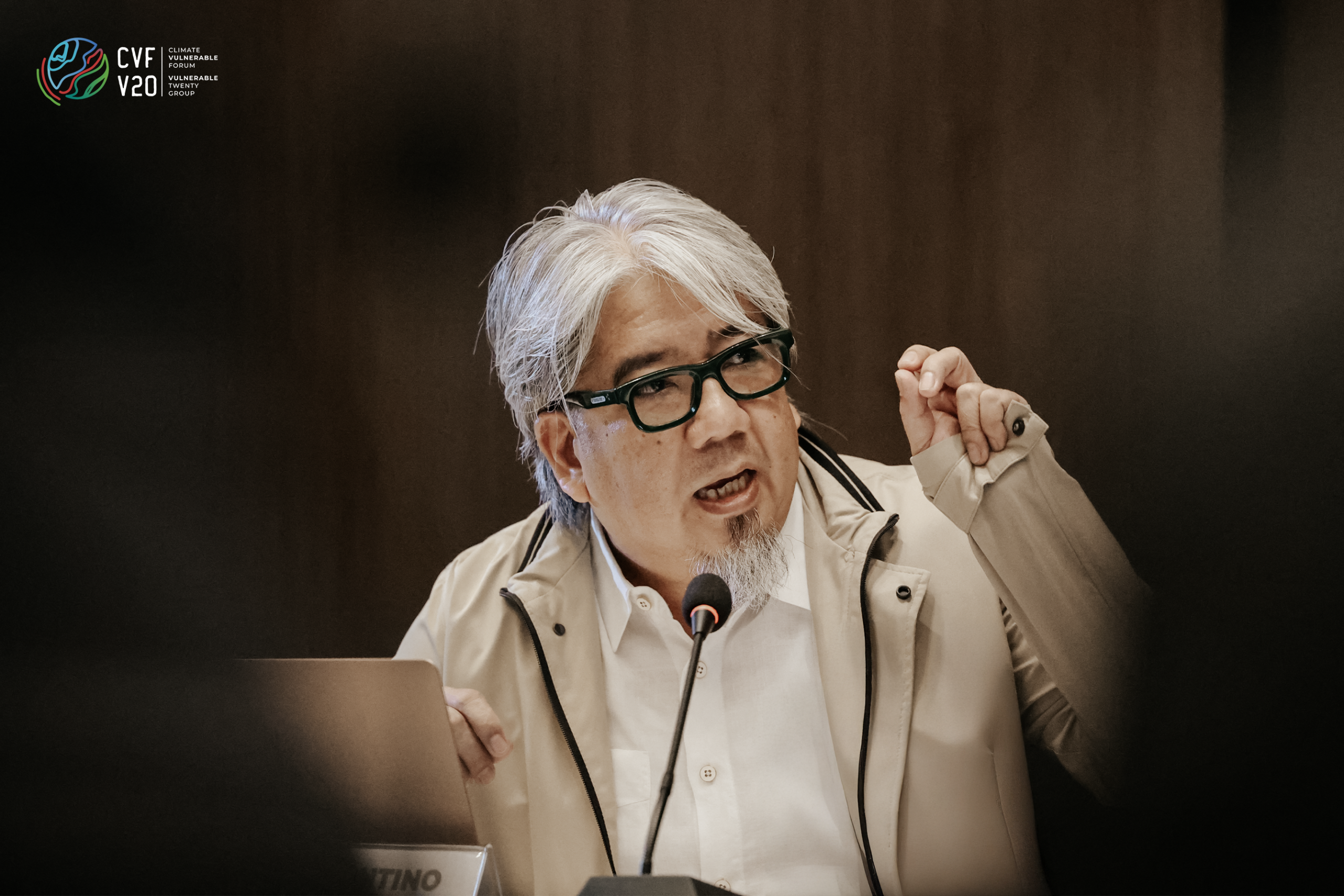
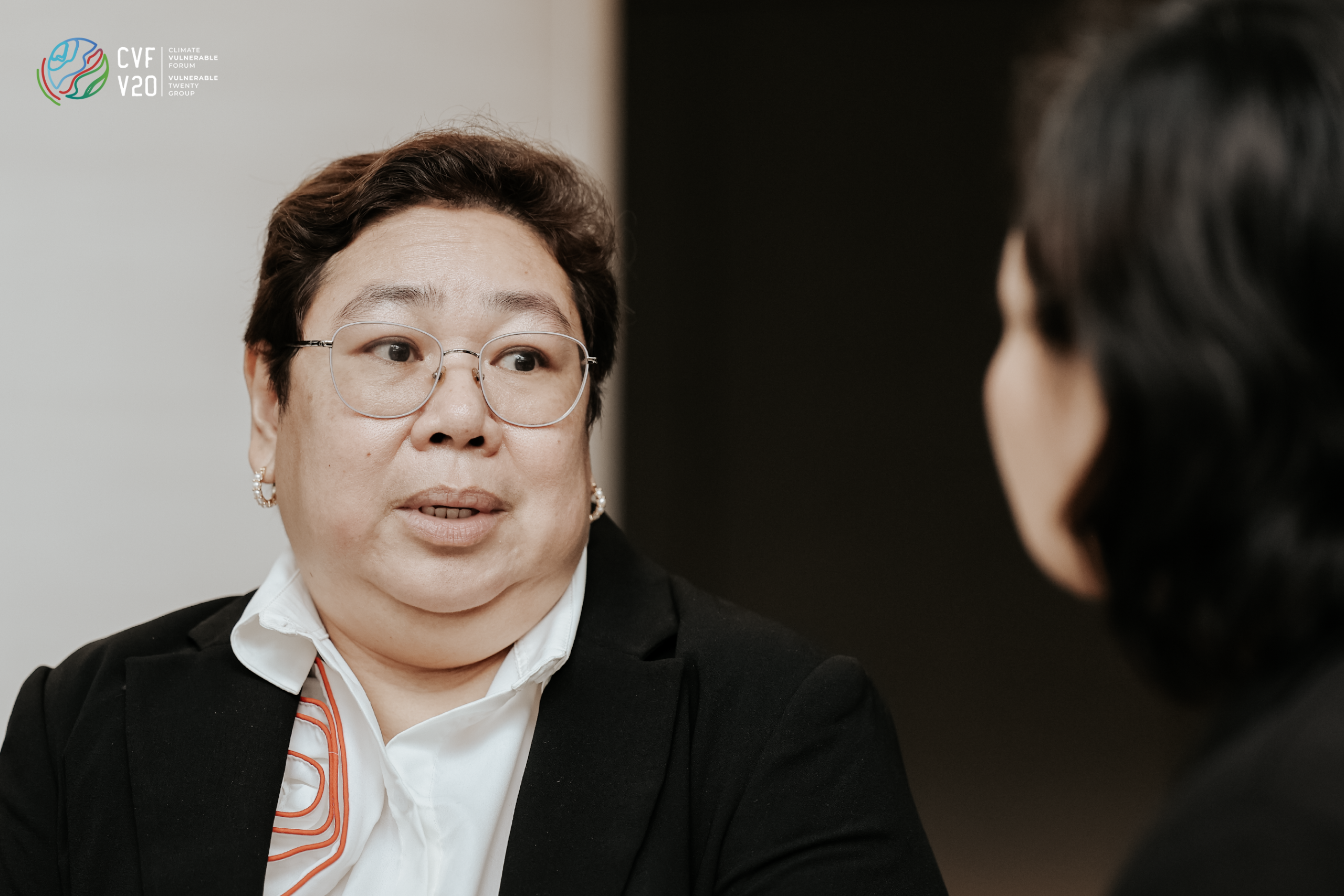
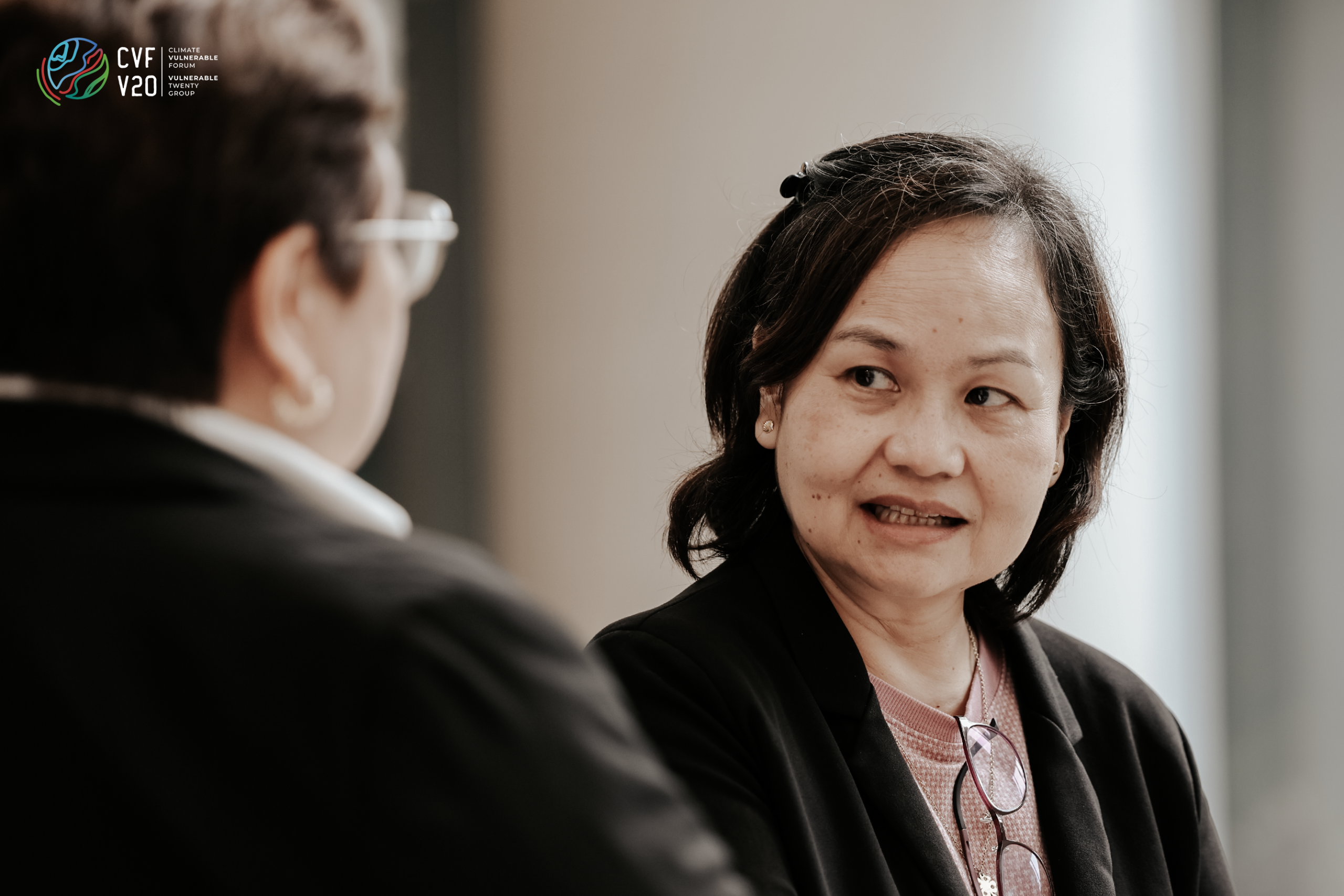
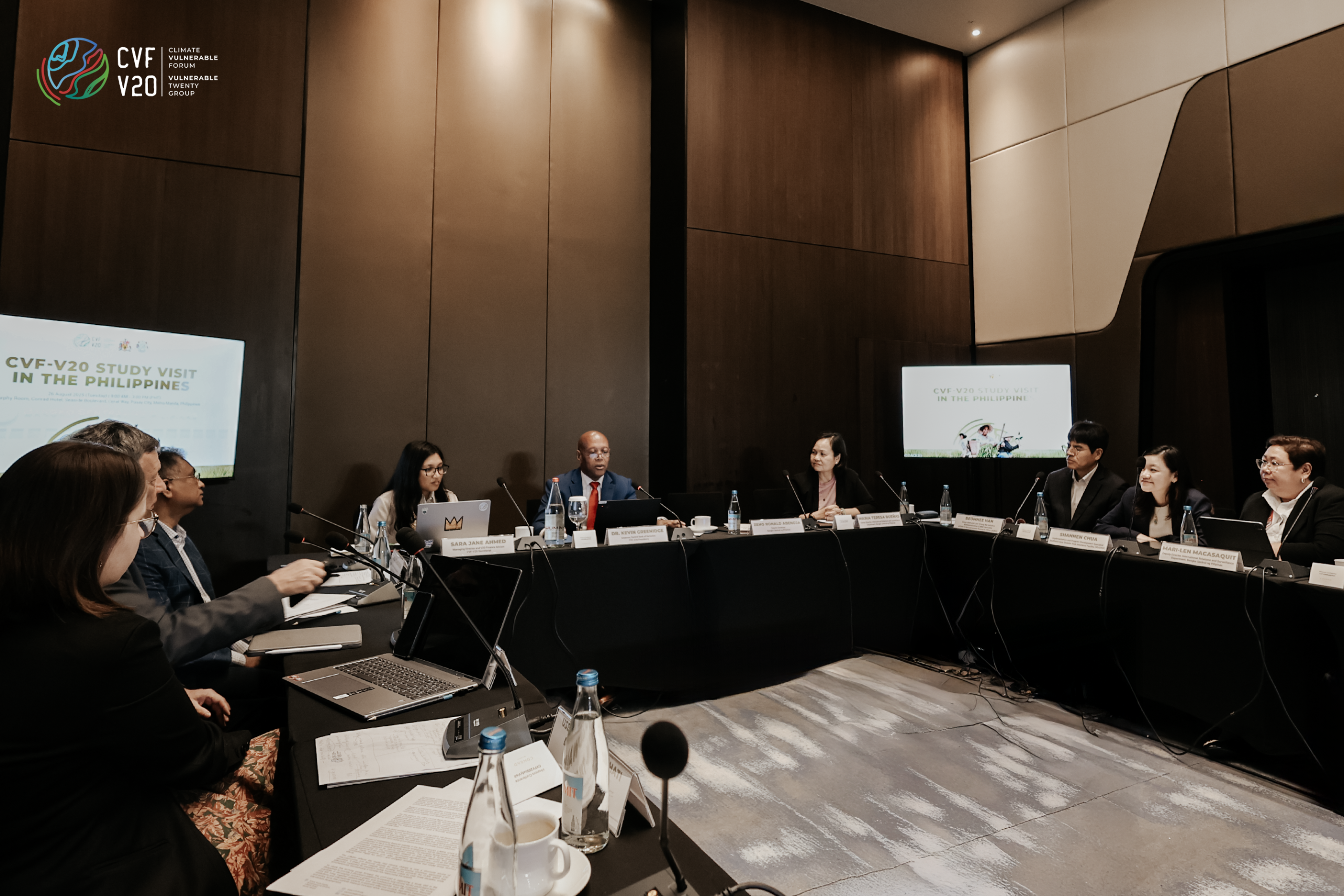
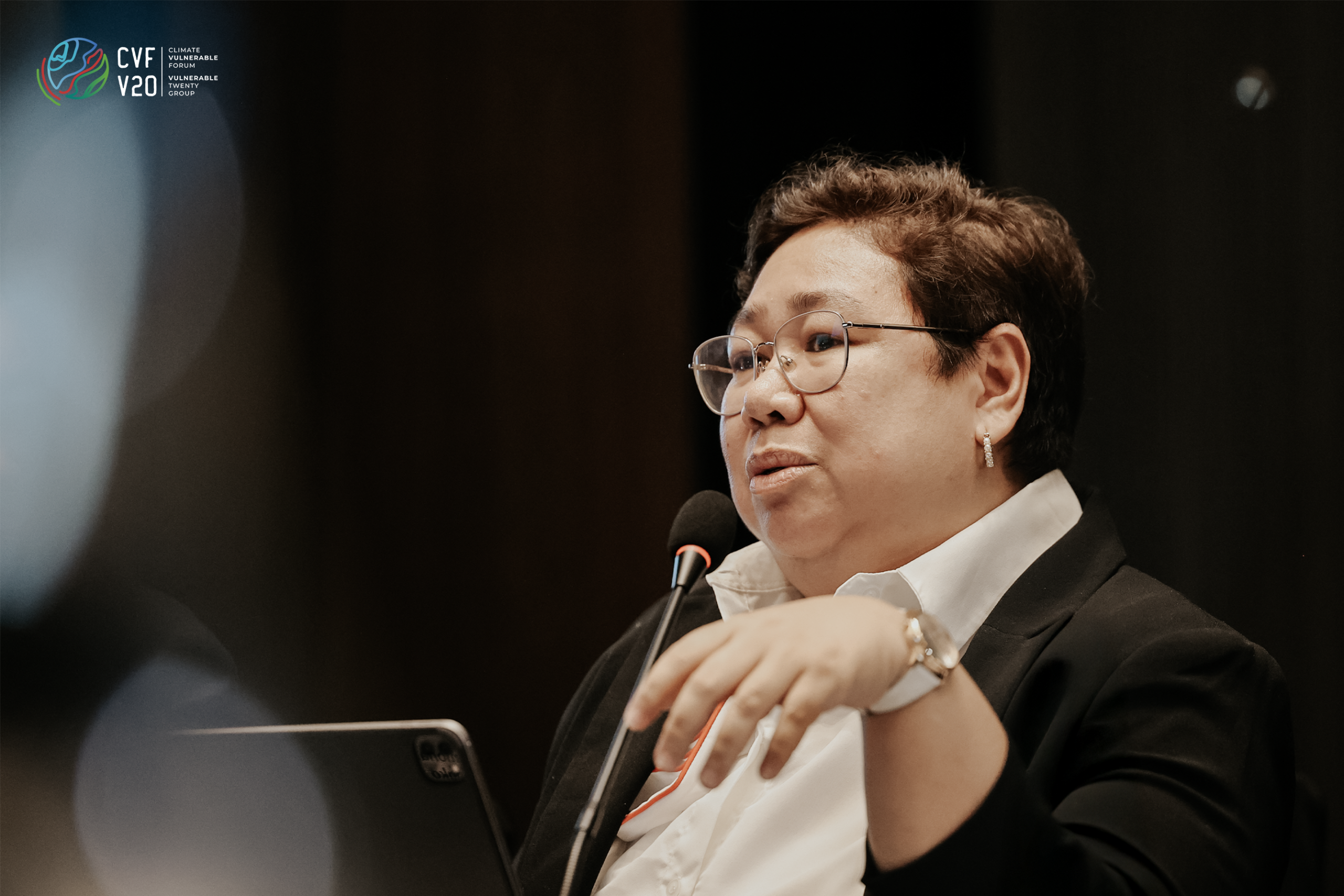
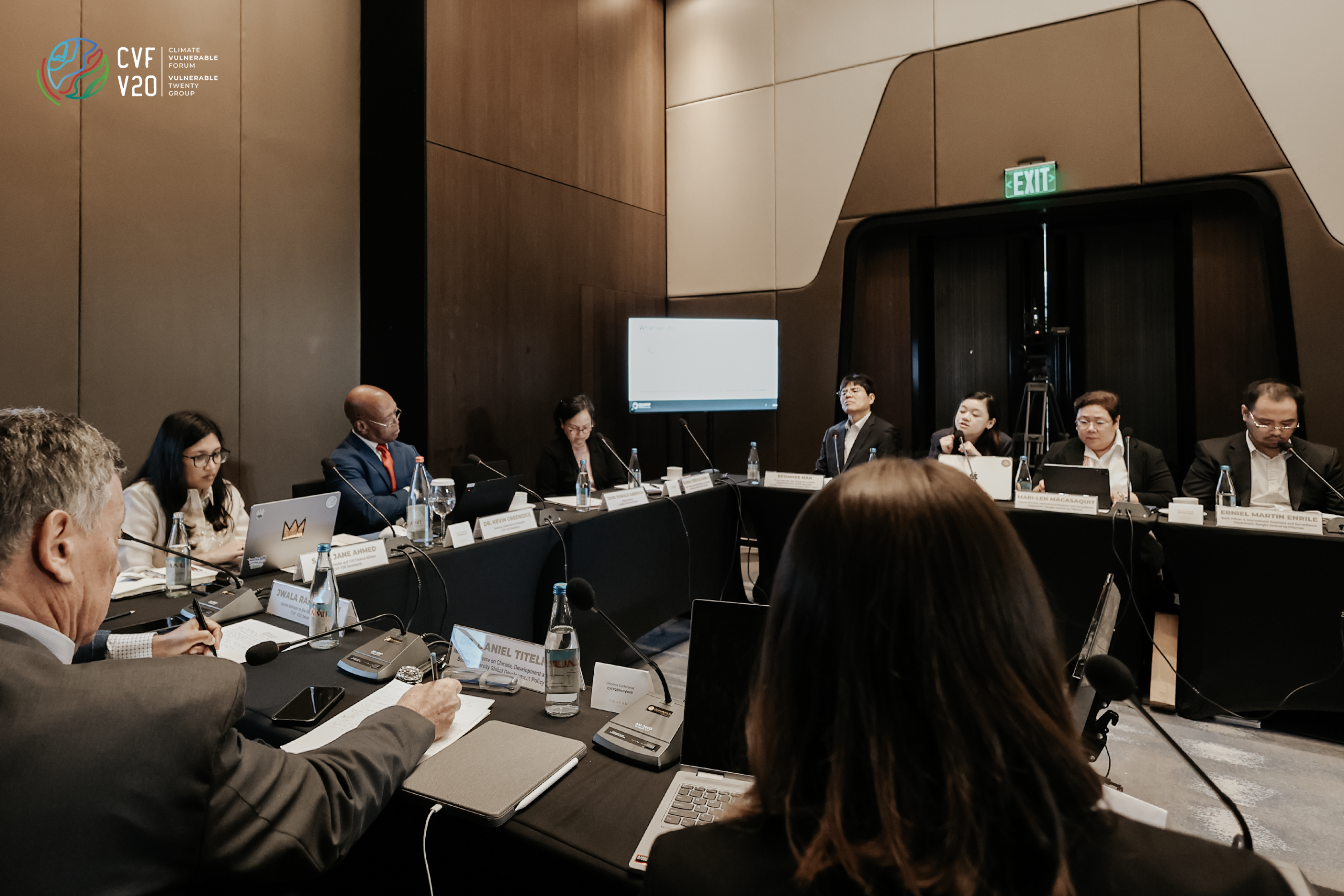
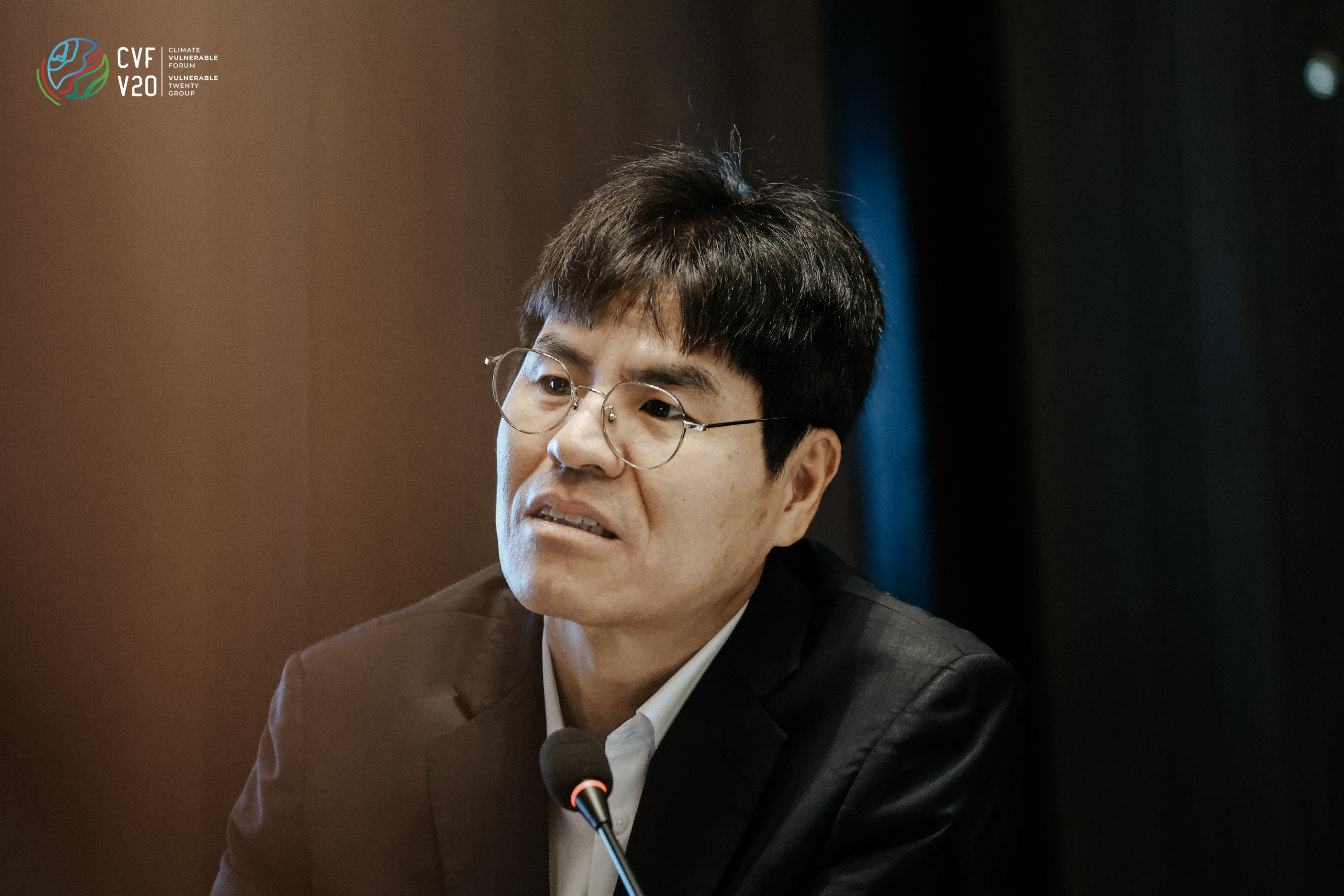
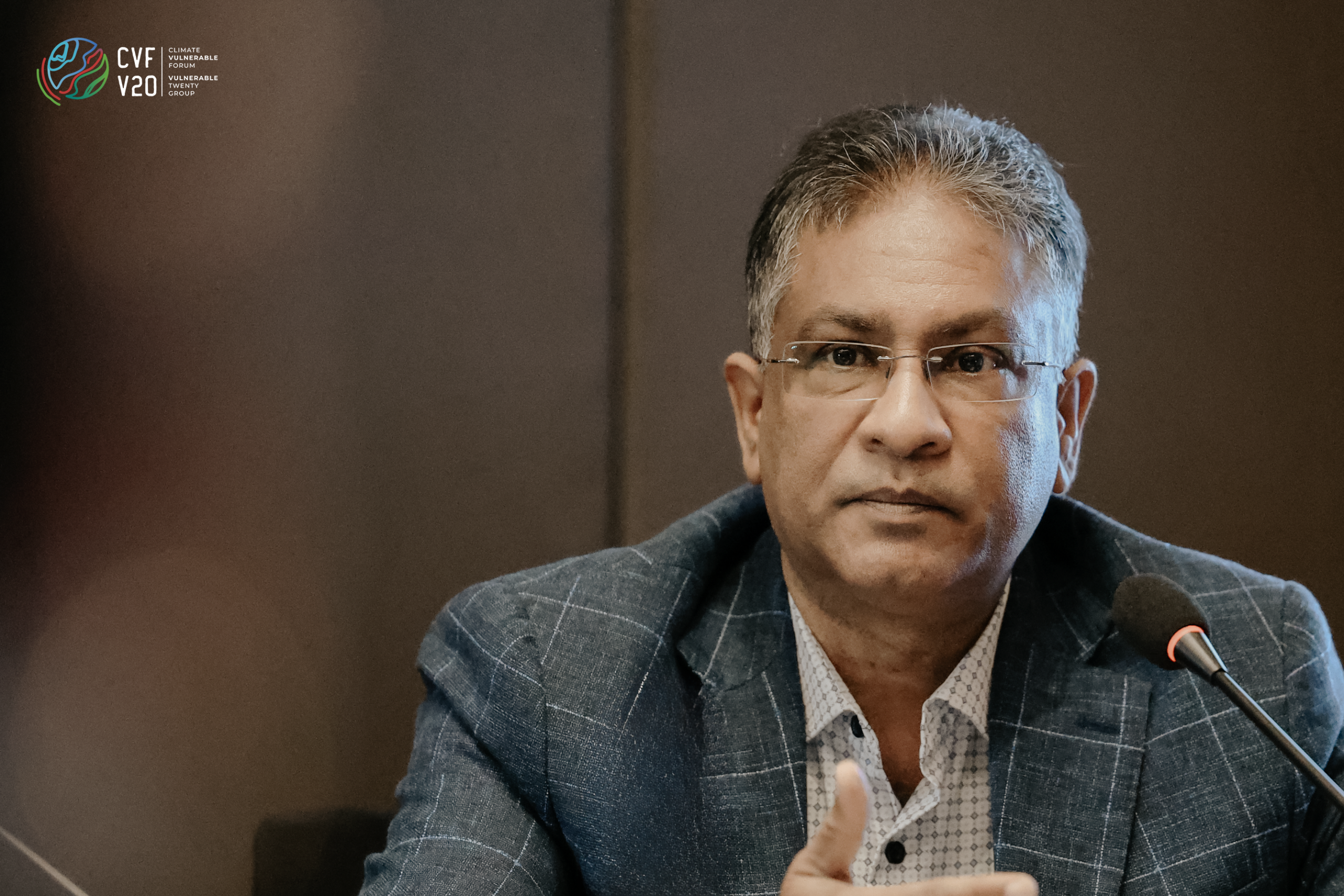
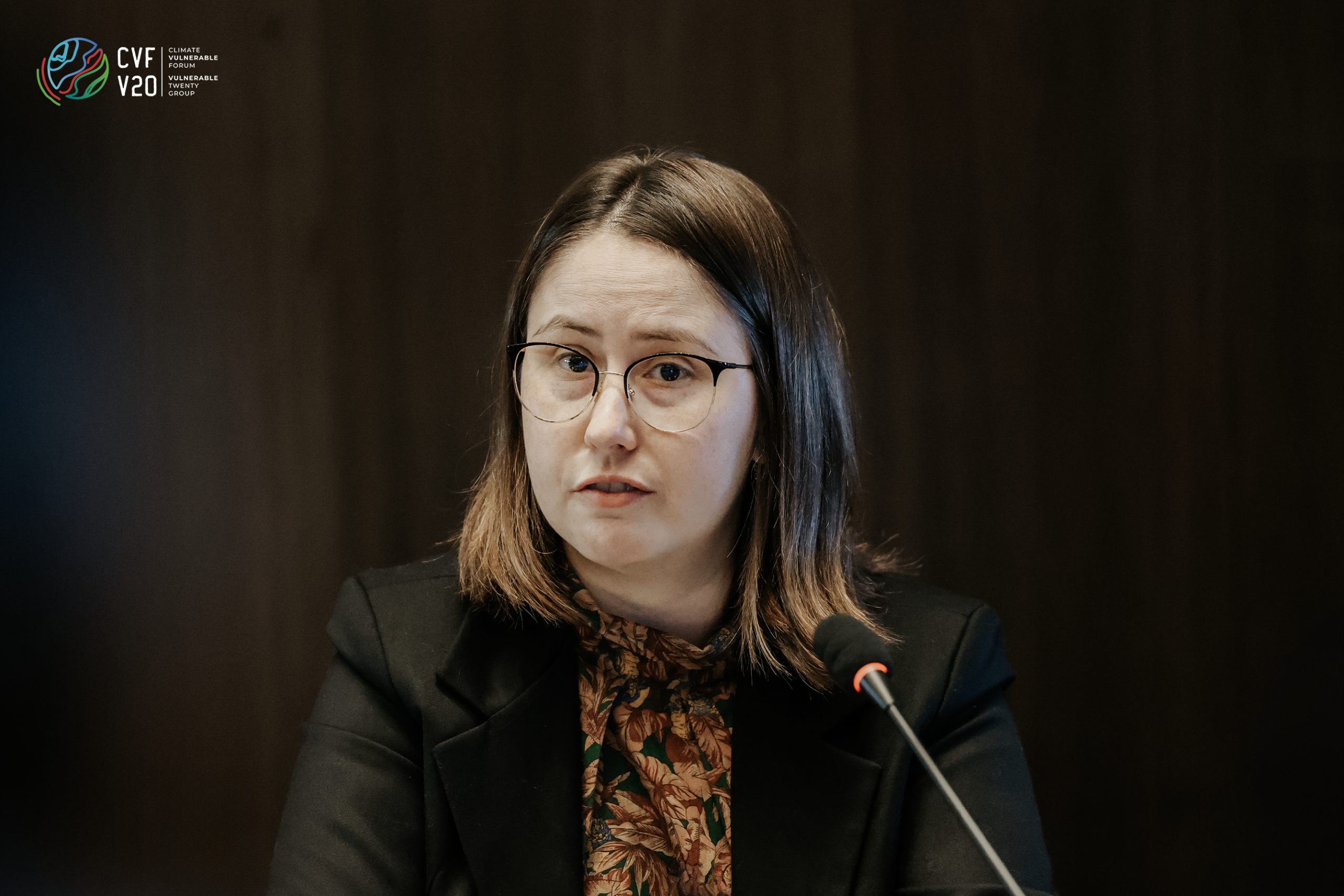
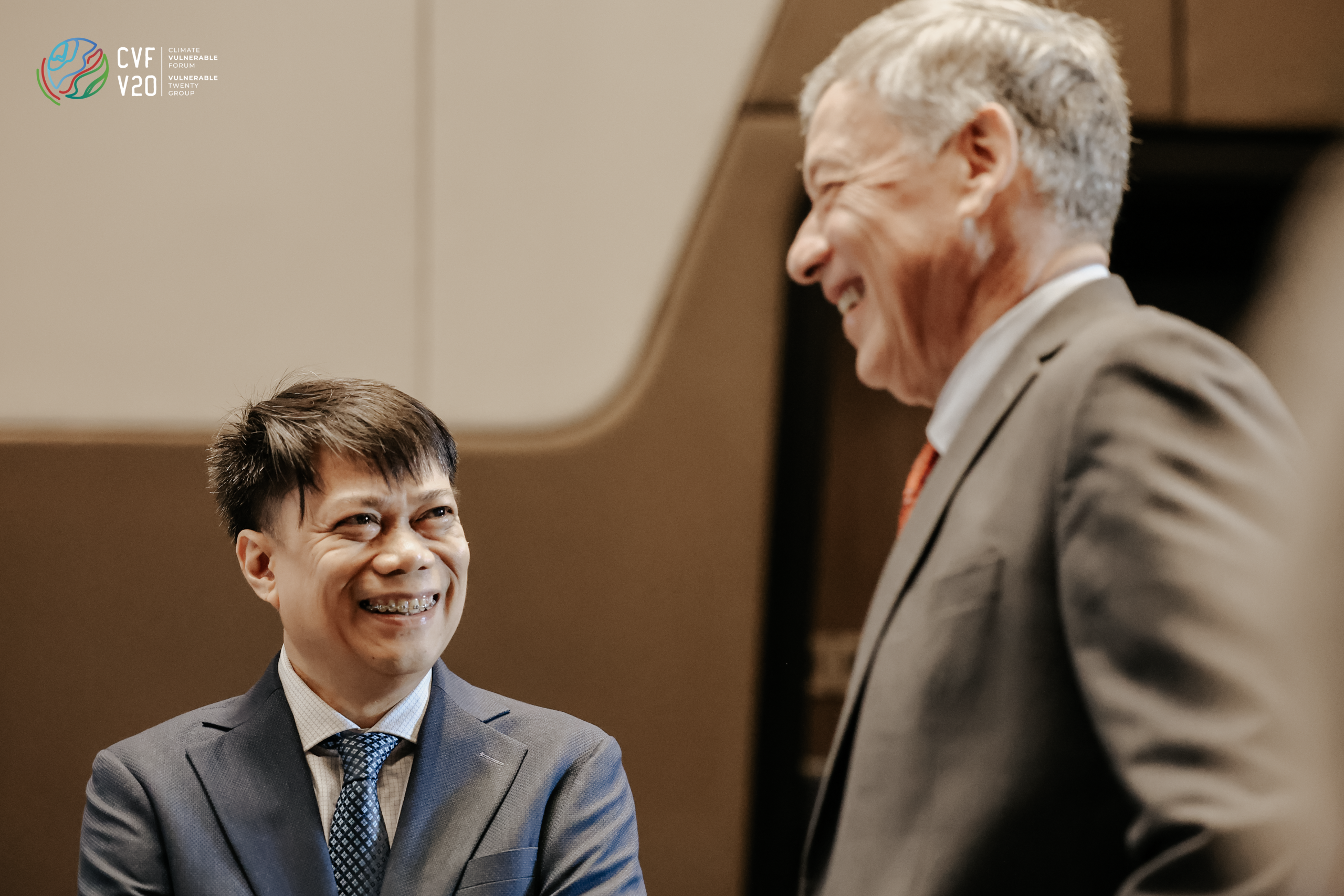
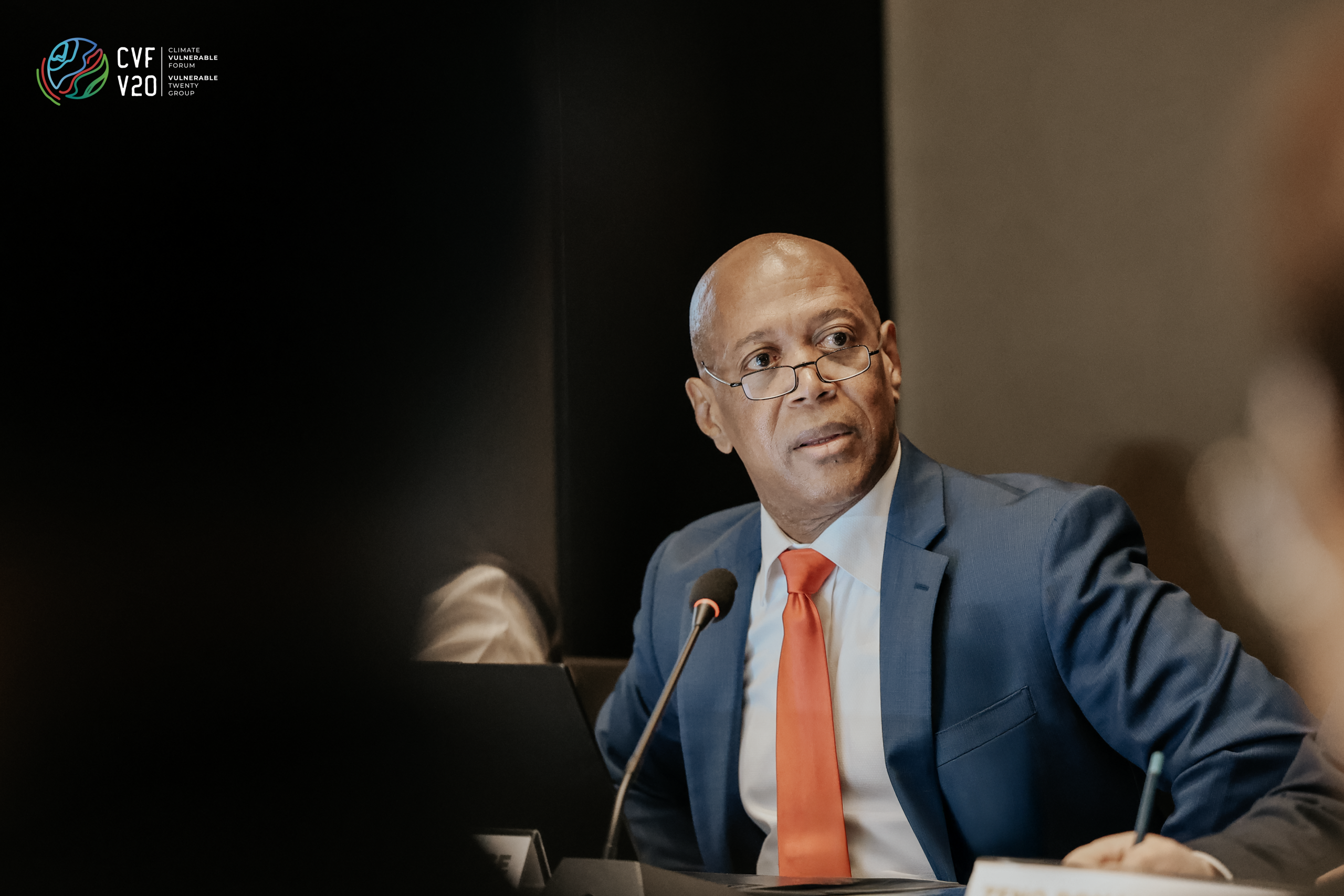
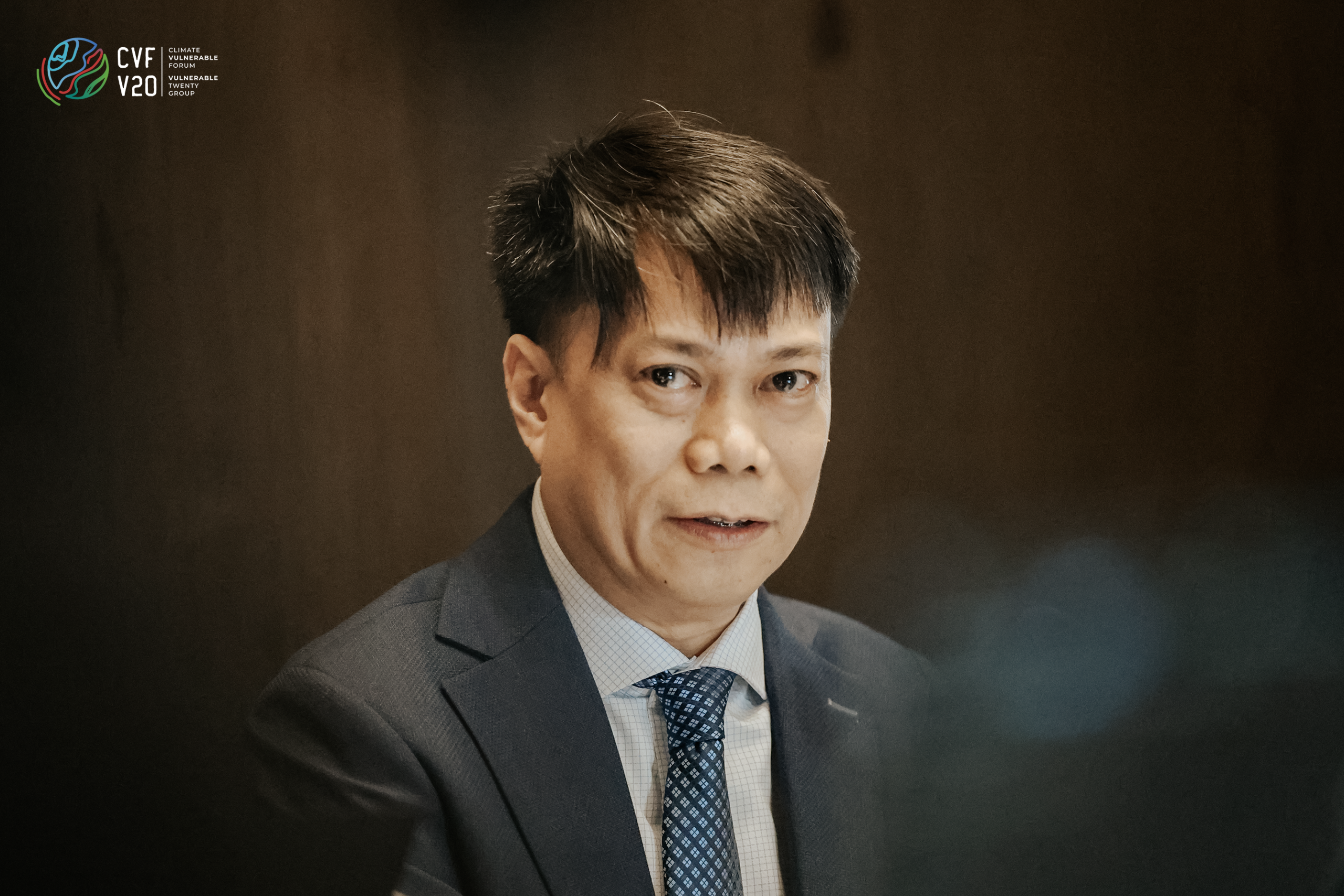
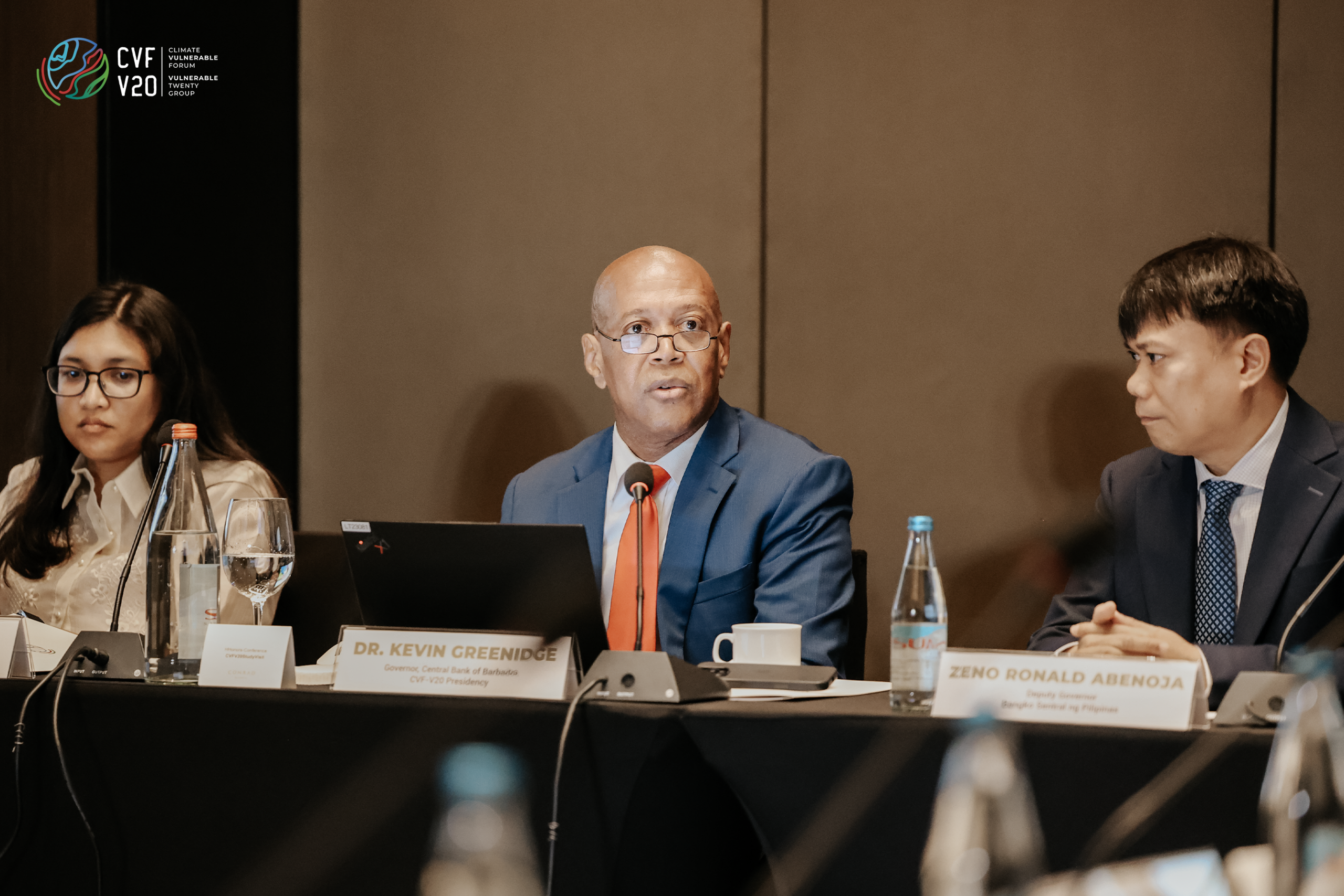
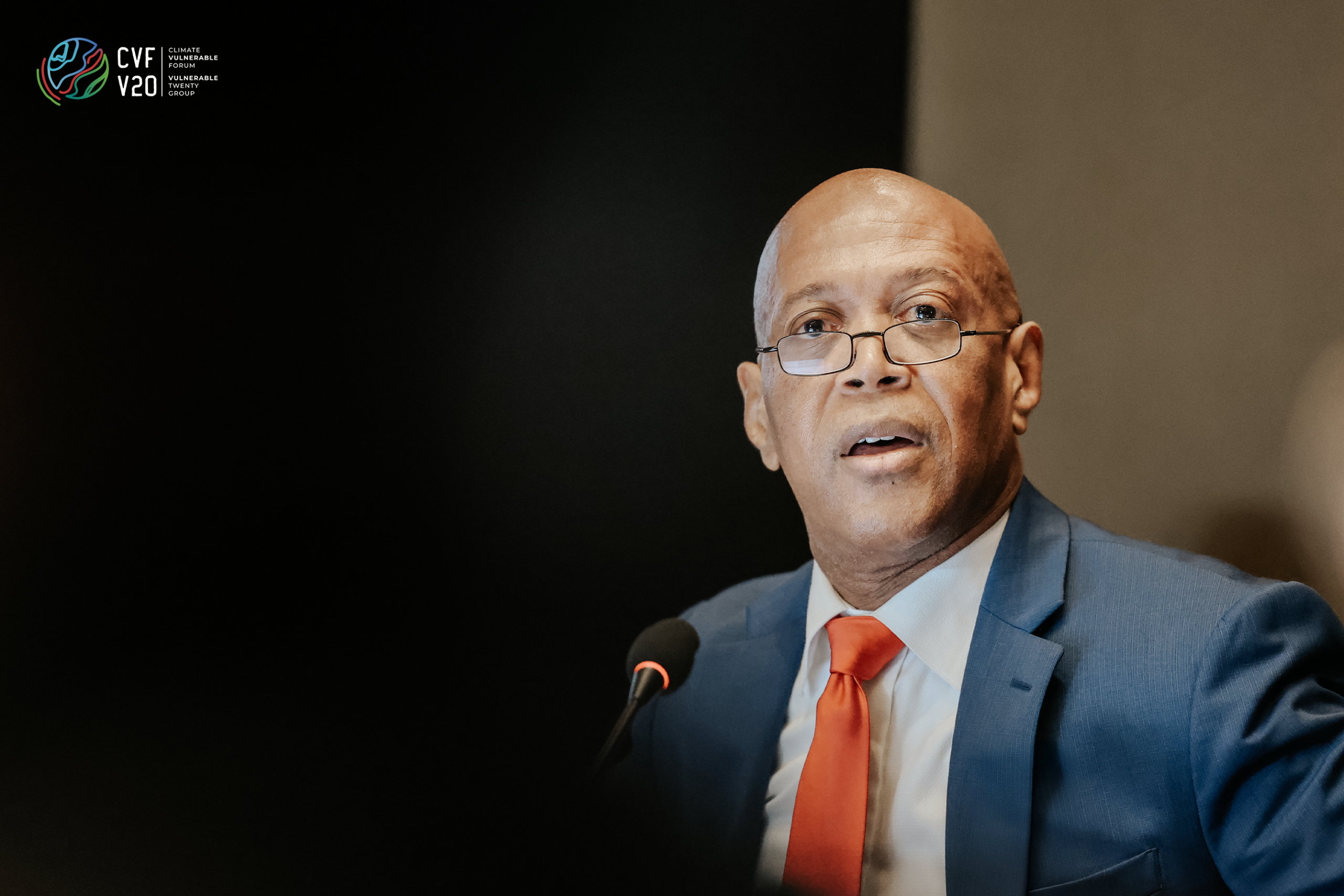

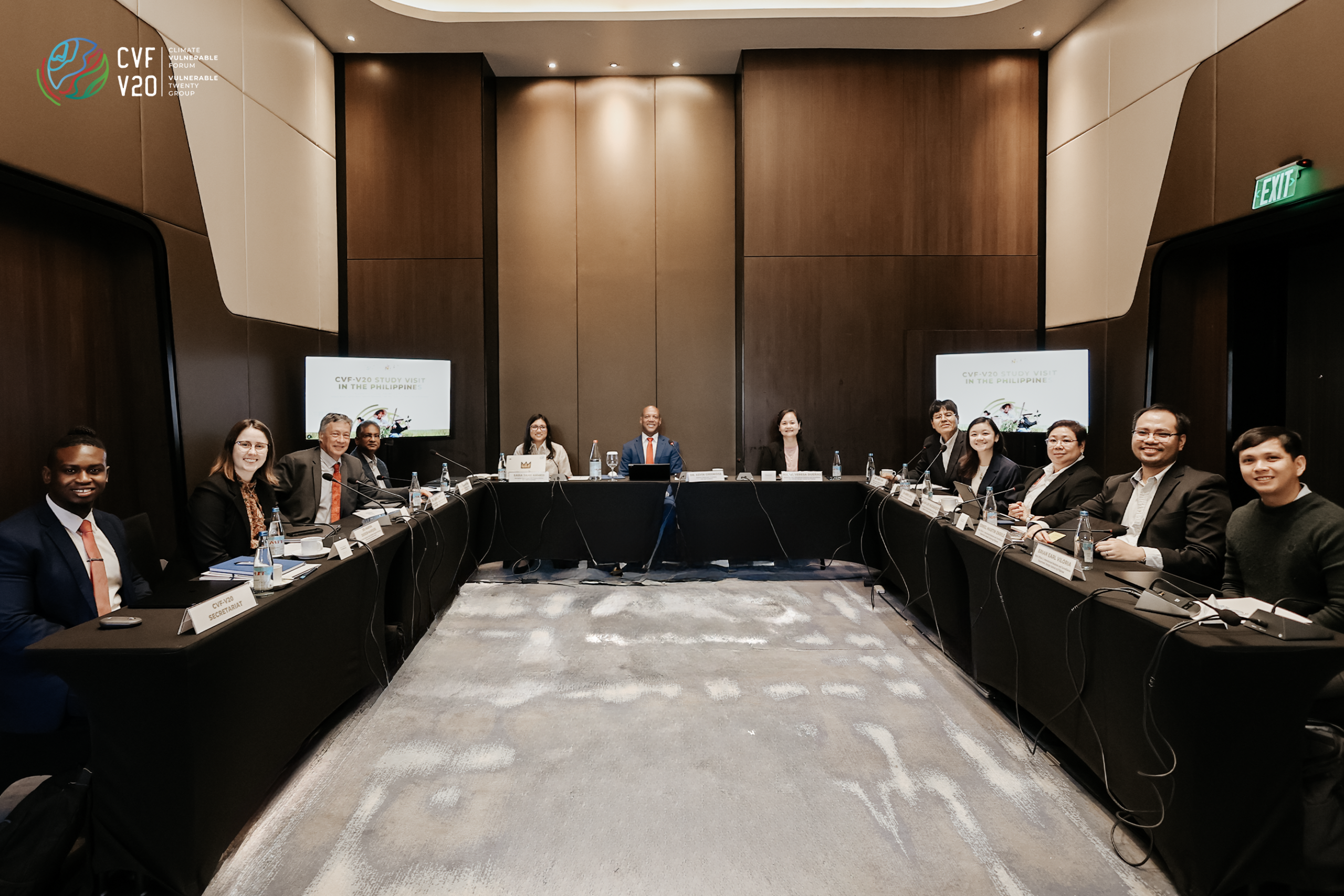
Manila, Philippines—The Study Visit in Manila on August 26 bore much fruit as members of the V20 Central Bank Governors Working Group agreed to create a Technical Committee on Climate Shocks and Balance of Payments. The Study Visit aimed to strengthen technical collaboration and innovation among CVF-V20 central banks, focused on integrating climate risks into macroeconomic analysis and modeling tools in support of climate prosperity.
The Global Financial Safety Net (GFSN) serves a triple objective in the international monetary system by providing precautionary insurance against economic and financial crises; offering balance of payments and countercyclical financing when shocks occur to ensure an appropriate mix between financing and adjustment; and incentivizing sound macroeconomic and structural policies that help prevent external imbalances.
Traditionally, the GFSN has consisted of countries’ international reserves held by national central banks and the International Monetary Fund (IMF), which acts as the global lender of last resort. Over time, it has expanded to include bilateral swap arrangements (BSAs) between central banks and Regional Financial Arrangements (RFAs) that pool resources to support members facing liquidity pressures.
Despite this diversification, V20 member countries—the most climate-vulnerable economies—face uneven access to the GFSN. Many low- and middle-income members rely solely on the IMF, where credit lines are limited in volume and often delayed in disbursement.
Moreover, the GFSN has few tools to address climate shocks. Frequent and severe natural hazards such as cyclones, floods, and droughts rapidly erode reserves and destabilize currencies, deepening balance of payments challenges. These growing vulnerabilities underscore the urgent need for climate-responsive liquidity mechanisms to strengthen resilience and accelerate recovery in vulnerable economies.
Against this backdrop, the V20’s Central Bank Governors Working Group was established in 2023, with a critical purpose of mobilizing the financial capacity of member states to foster sustainable economic growth amid climate-related risks. It was a pioneering move, one best described by its primary focus: (a) maintaining financial stability in the face of climate shocks, including through the development of Lifeline, which will be a multi-regional financial arrangement for liquidity support; (b) protecting climate-vulnerable groups through inclusive green finance; and (c) greening the financial system to build a financial ecosystem that is more resilient to climate risks. The Group intends to draw on the considerable collective experience of its members in support of common goals across the membership.
The Technical Committee aims to strengthen global financial resilience by developing a comprehensive framework to assess and address the balance of payments challenges arising from climate shocks. It will design a methodology and analytics to systematically map climate shocks and their macro-financial impacts, thereby informing the creation of responsive and scalable financial instruments. The work will assess the size and optimal modalities for delivering fast-disbursing liquidity to countries affected by climate shocks, ensuring that new instruments complement and reinforce the existing GFSN. It will also evaluate policy conditionality frameworks to ensure they remain country-owned, climate-smart, and growth-enhancing, potentially linking financing to resilience reform compacts with clear milestones and measurable targets.
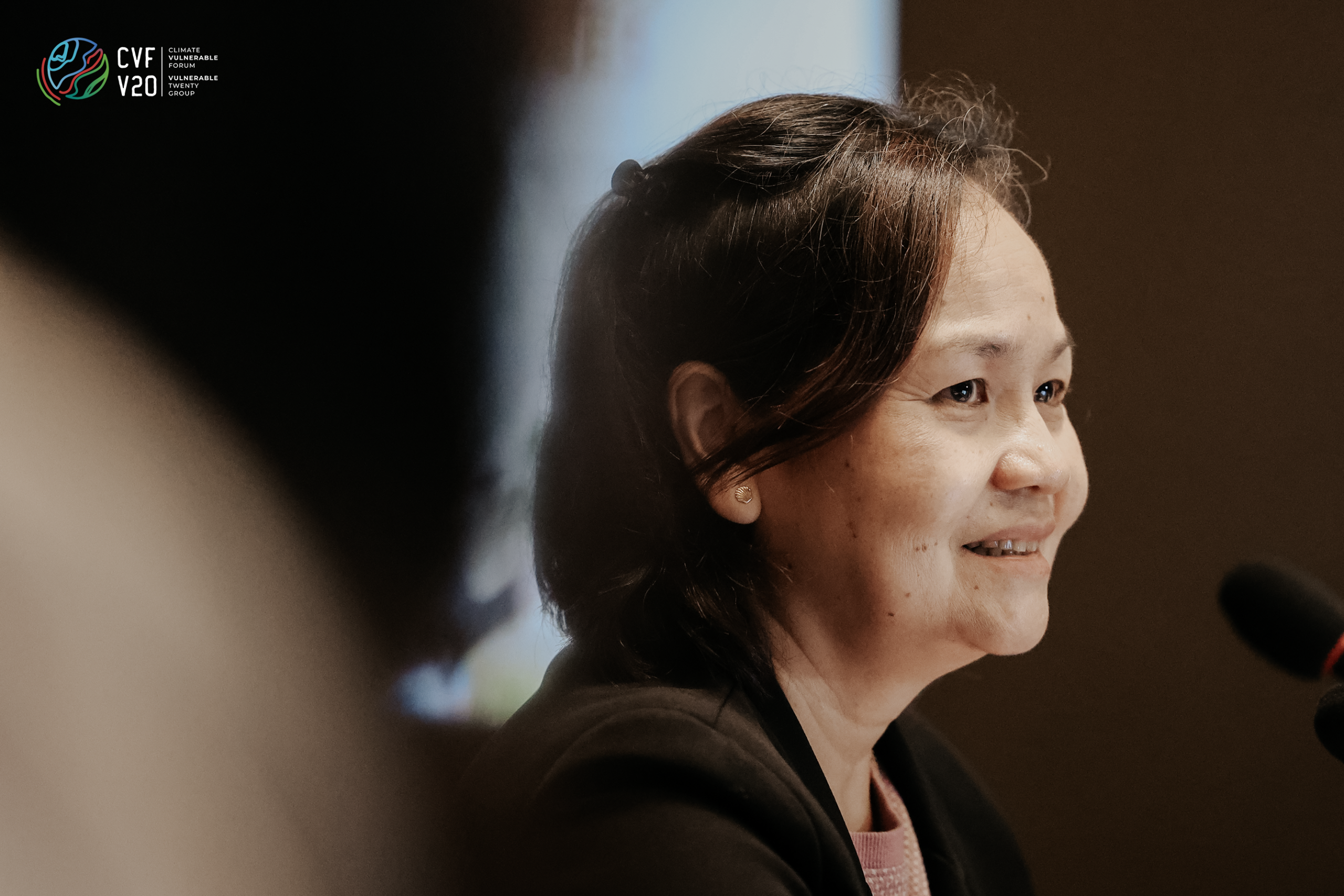
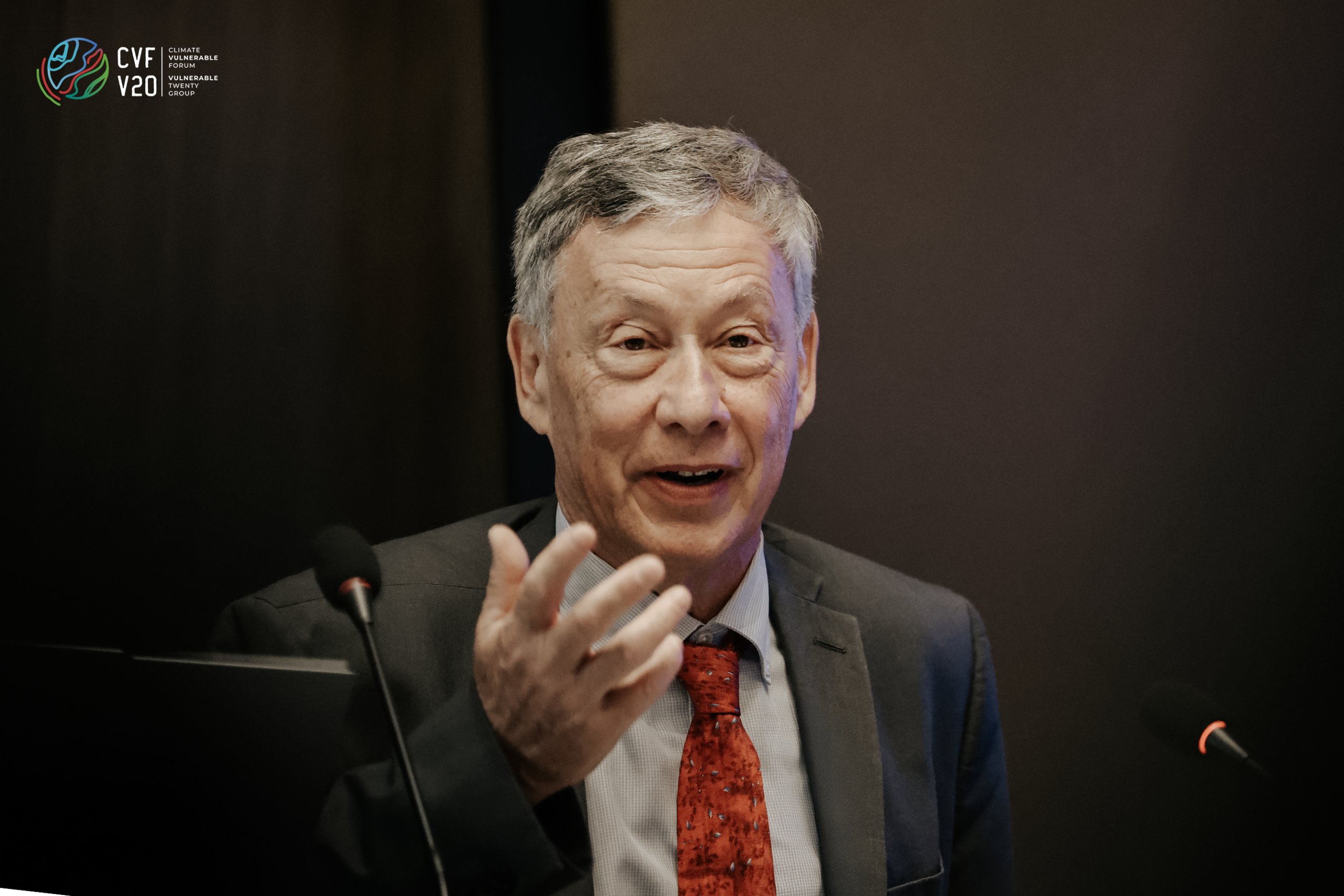
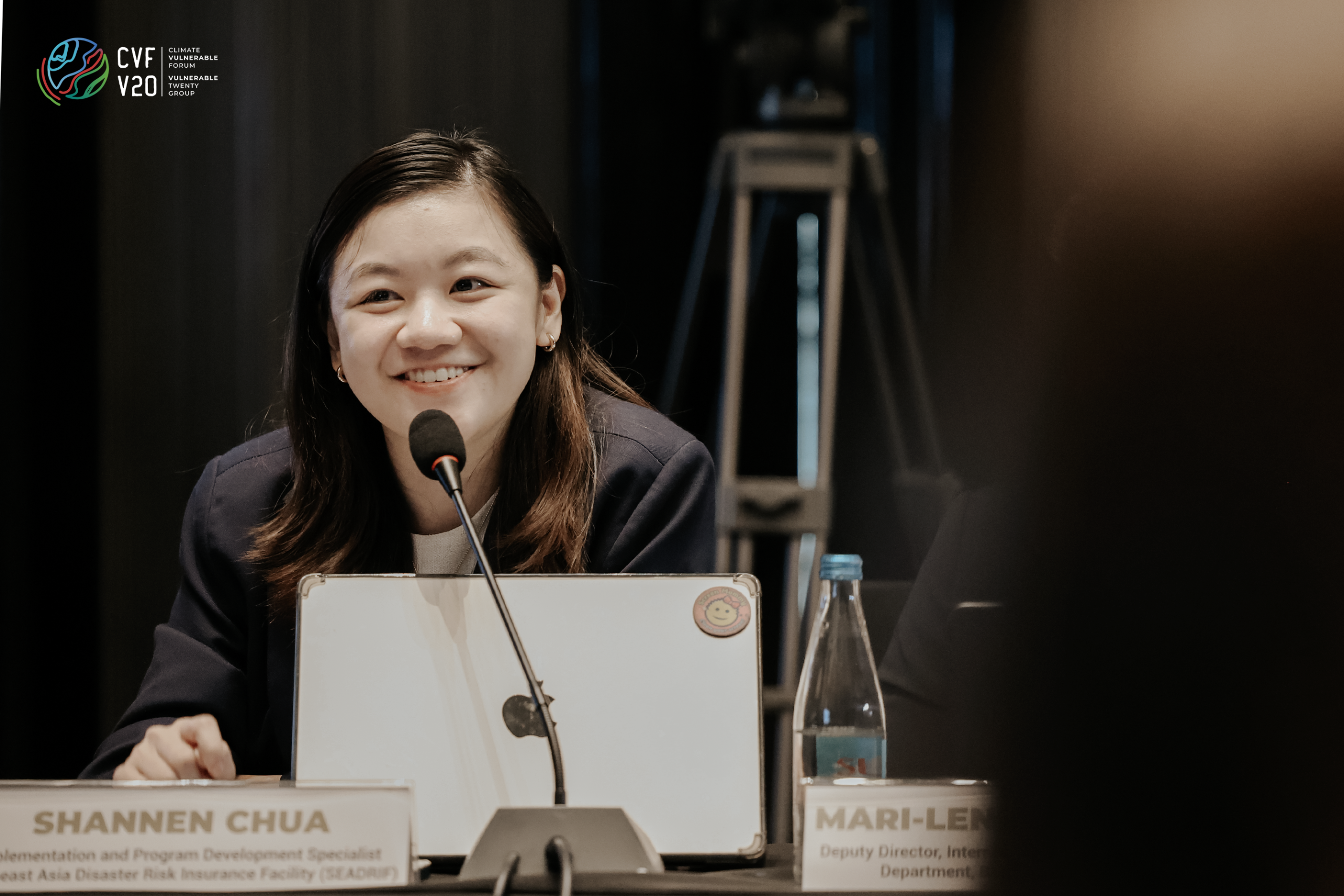
Discussions during the CVF-V20 Study Visit brought together central bank representatives, international experts from Boston University’s Global Development Policy Center, ASEAN+3 Macroeconomic Research Office (AMRO), Southeast Asia Disaster Risk Insurance Facility (SEADRIF), and development partners, to explore innovative, climate-responsive financial strategies. With the Philippines stepping forward through Bangko Sentral ng Pilipinas’ leadership, the Barbados Presidency of CVF-V20 aims to accelerate work on innovative responses to the climate crisis.
The Study Visit also highlighted the surveillance work of AMRO and SEADRIF in supporting pre-arranged financing options, and V20’s 100 Banks Initiative to enable investment and affordable capital for micro, small, and medium enterprises (MSMEs) to build resilience early. The 100 Banks initiative targets three (3) critical layers to advance this objective: (1) addressing the base layer of risk through climate-smart lending to Nepalese MSMEs; (2) strengthening local infrastructure and capacity within banks to adapt existing products rather than build from scratch; and (3) developing the data and business case needed to scale with private capital, creating a path from public-good demonstration to private-sector adoption. The aim is to equip 100 domestic banks with climate-smart lending models, technical support, and data-driven risk tools.
The Manila meeting concluded with commitments to develop more innovative solutions and to strengthen South-South cooperation aimed at building a more climate-resilient financial framework and climate-inclusive GFSN.
***
The CVF-V20 represents 74 member-countries from small island developing states (SIDS), least developed countries (LDCs), low-to-middle income countries (LMICs), landlocked developing countries (LLDCs), and fragile and conflict-affected states (FCS). Working together, the CVF-V20 aims to achieve climate justice through the realization of Climate Prosperity Plans, which contain ambitious economic and financial resilience strategies designed to attract investment and resources that advance the attainment of the Sustainable Development Goals (SDGs), 30×30 Global Biodiversity, and help keep the average global temperatures to the Paris Agreement’s 1.5°C safety threshold.
For media enquiries, please contact [email protected].
For the latest updates, please follow us on:
Africa: Benin, Burkina Faso, Cabo Verde, Chad, Comoros, Côte d’Ivoire, Democratic Republic of the Congo, Eswatini, Ethiopia, Gabon, The Gambia, Ghana (Troika), Guinea, Kenya, Liberia, Madagascar, Malawi, Morocco, Mozambique, Namibia, Niger, Rwanda, Senegal, Sierra Leone, Somalia, South Sudan, Sudan, Tanzania, Togo, Tunisia, Uganda
Asia: Afghanistan, Bangladesh (Troika), Bhutan, Cambodia, Kyrgyzstan, Maldives, Mongolia, Nepal, Pakistan, Philippines, Sri Lanka, Timor-Leste, Vietnam
Caribbean: Barbados (Chair/Troika), Dominica, Dominican Republic, Grenada, Guyana, Haiti, Saint Lucia, Suriname, Trinidad and Tobago
Latin America: Colombia, Costa Rica, Guatemala, Honduras, Nicaragua, Paraguay
Middle East: Jordan, Lebanon, Palestine, Yemen
Pacific: Fiji, Kiribati, Marshall Islands, Nauru, Palau, Papua New Guinea, Samoa, Solomon Islands, Tonga, Tuvalu, Vanuatu