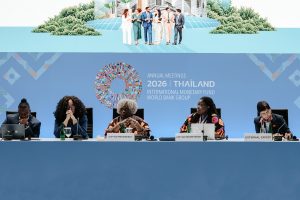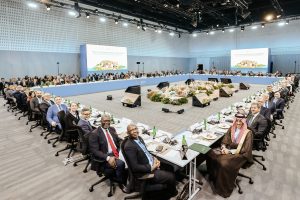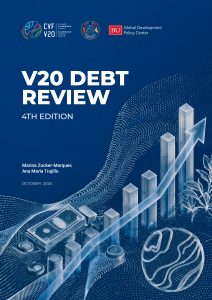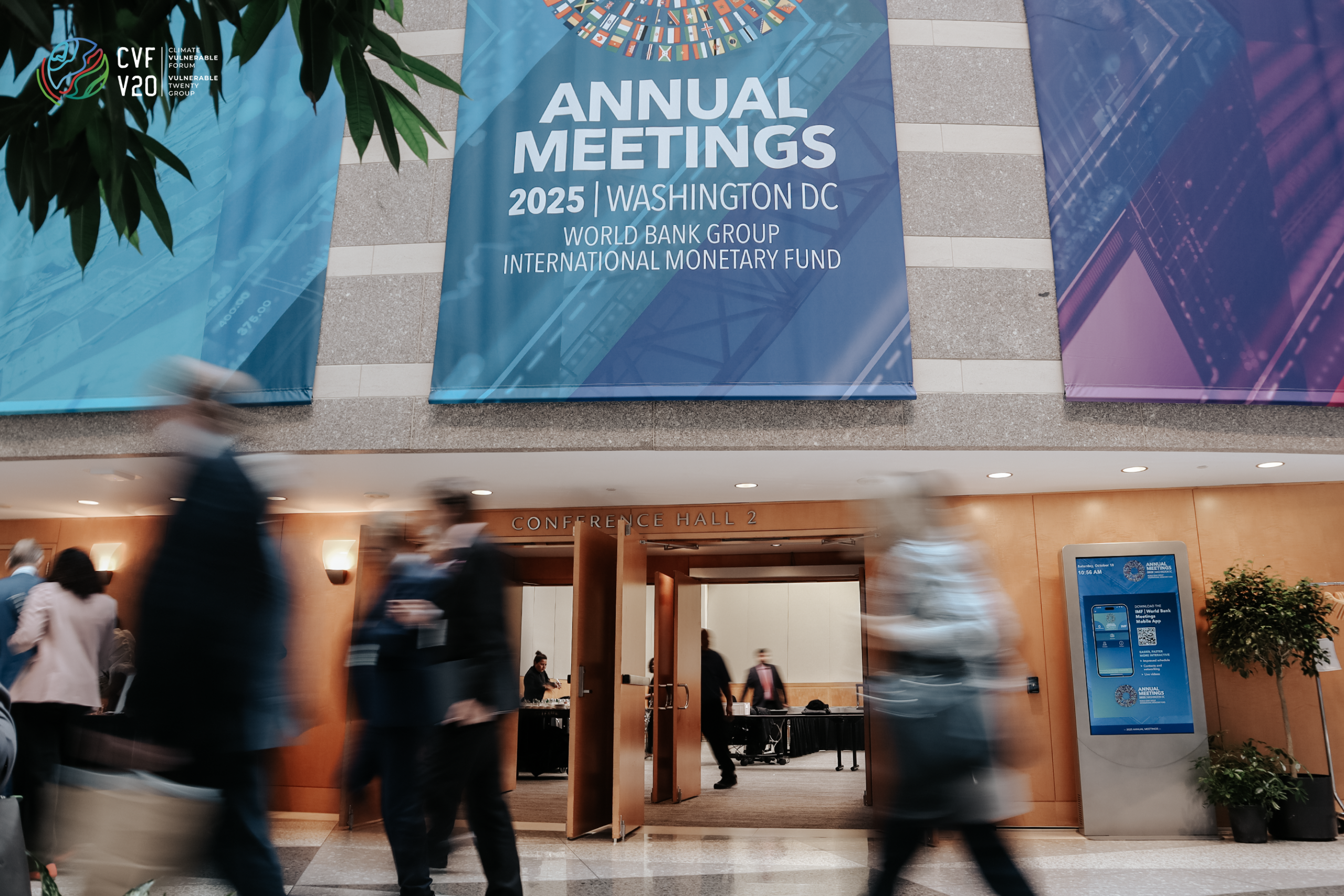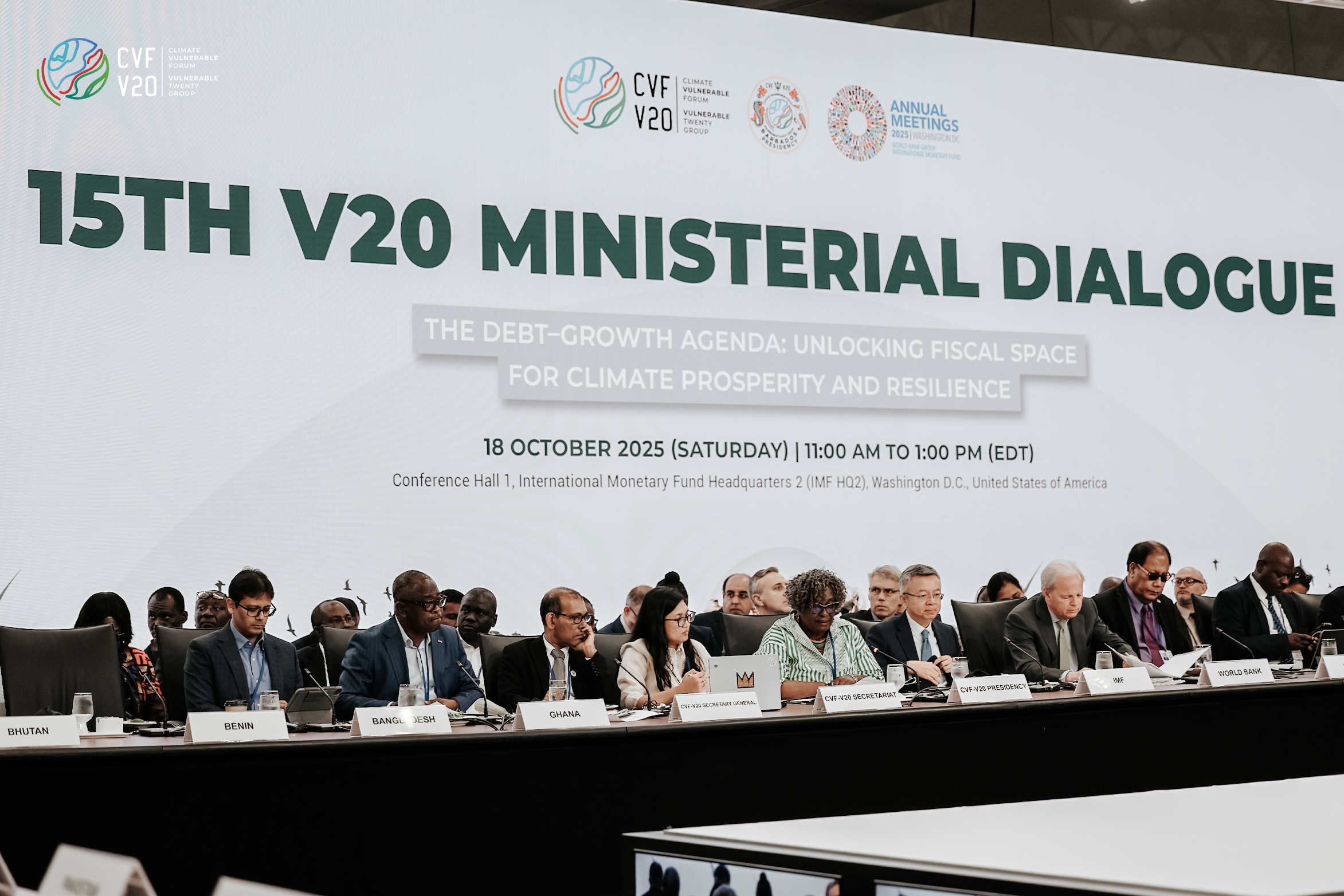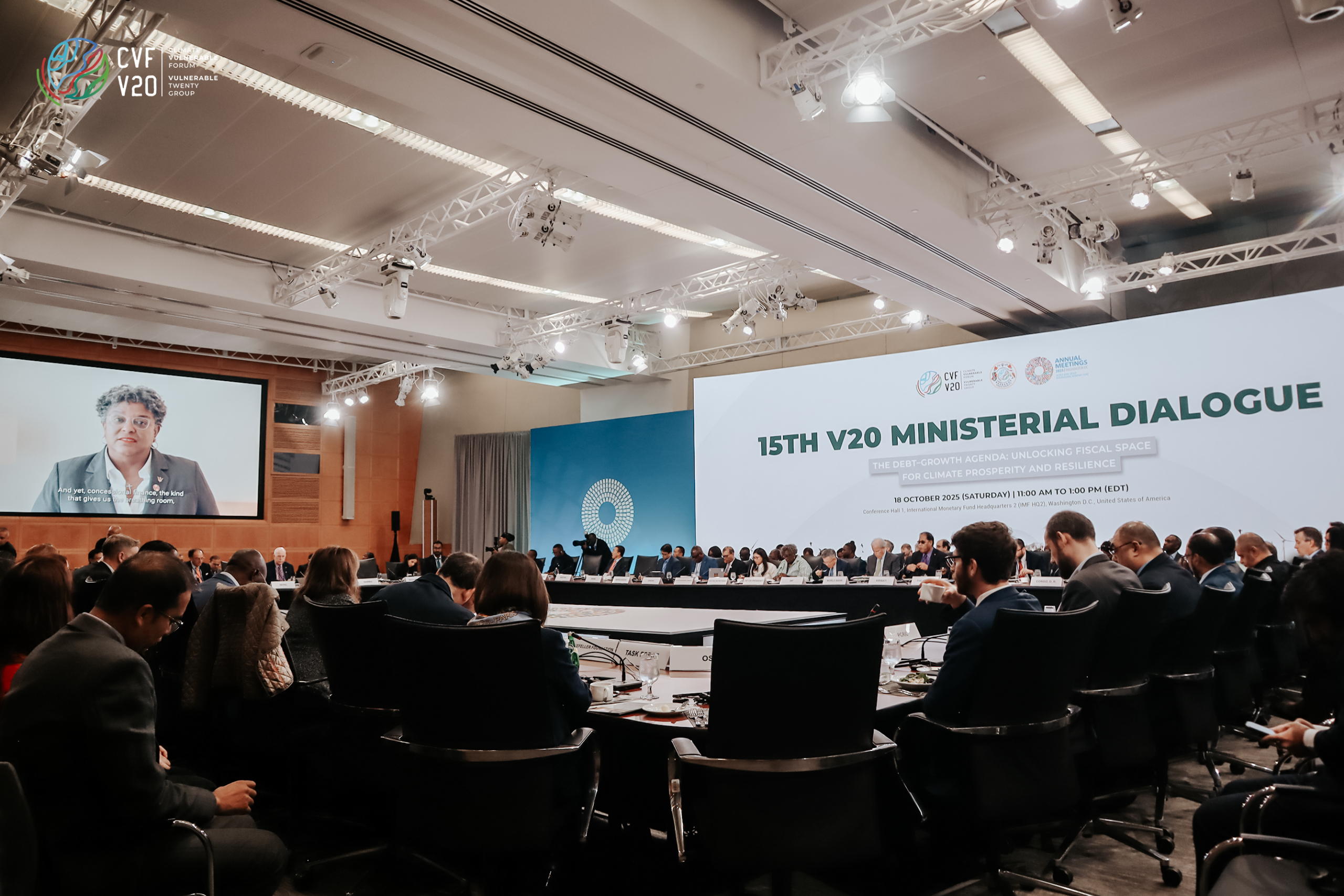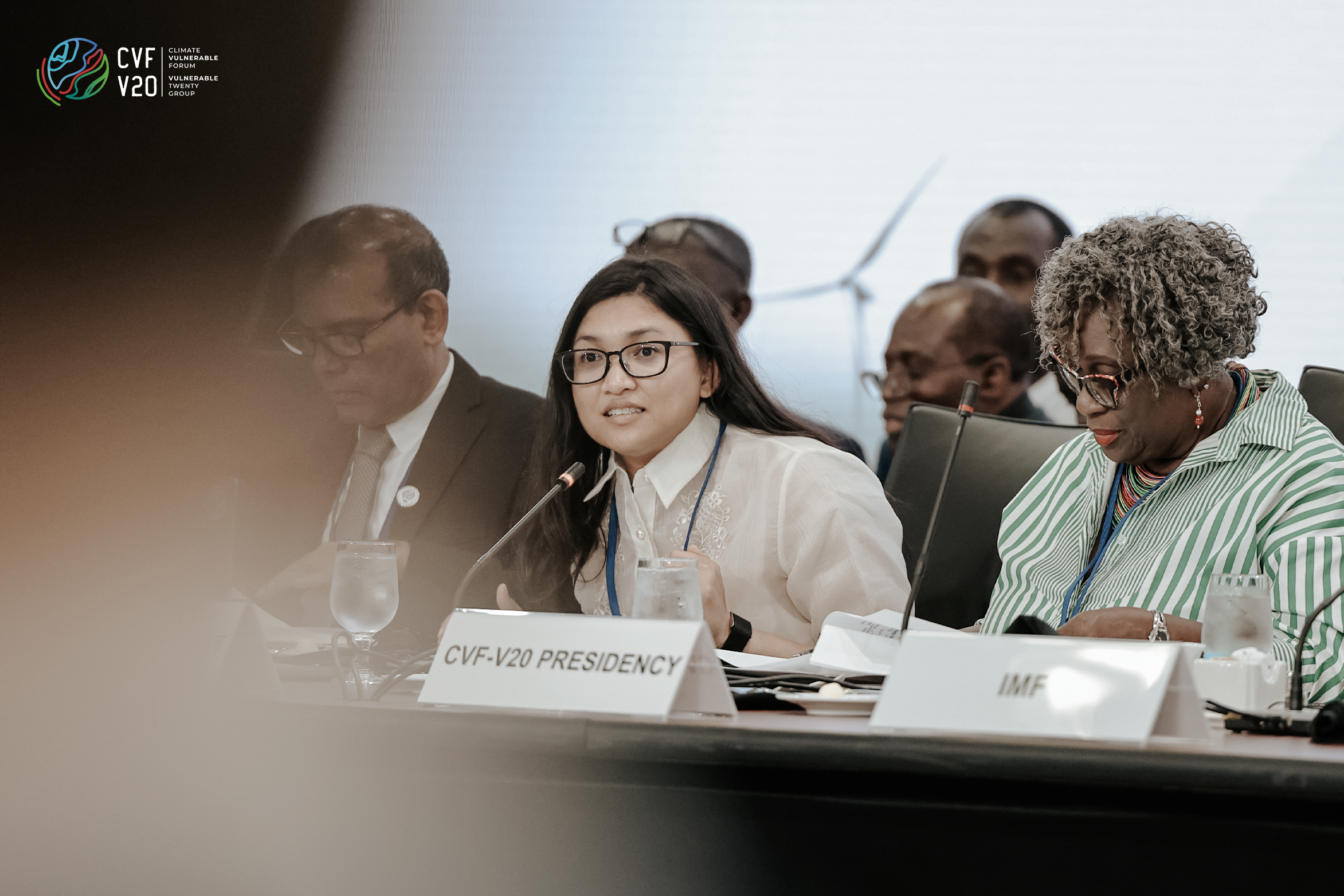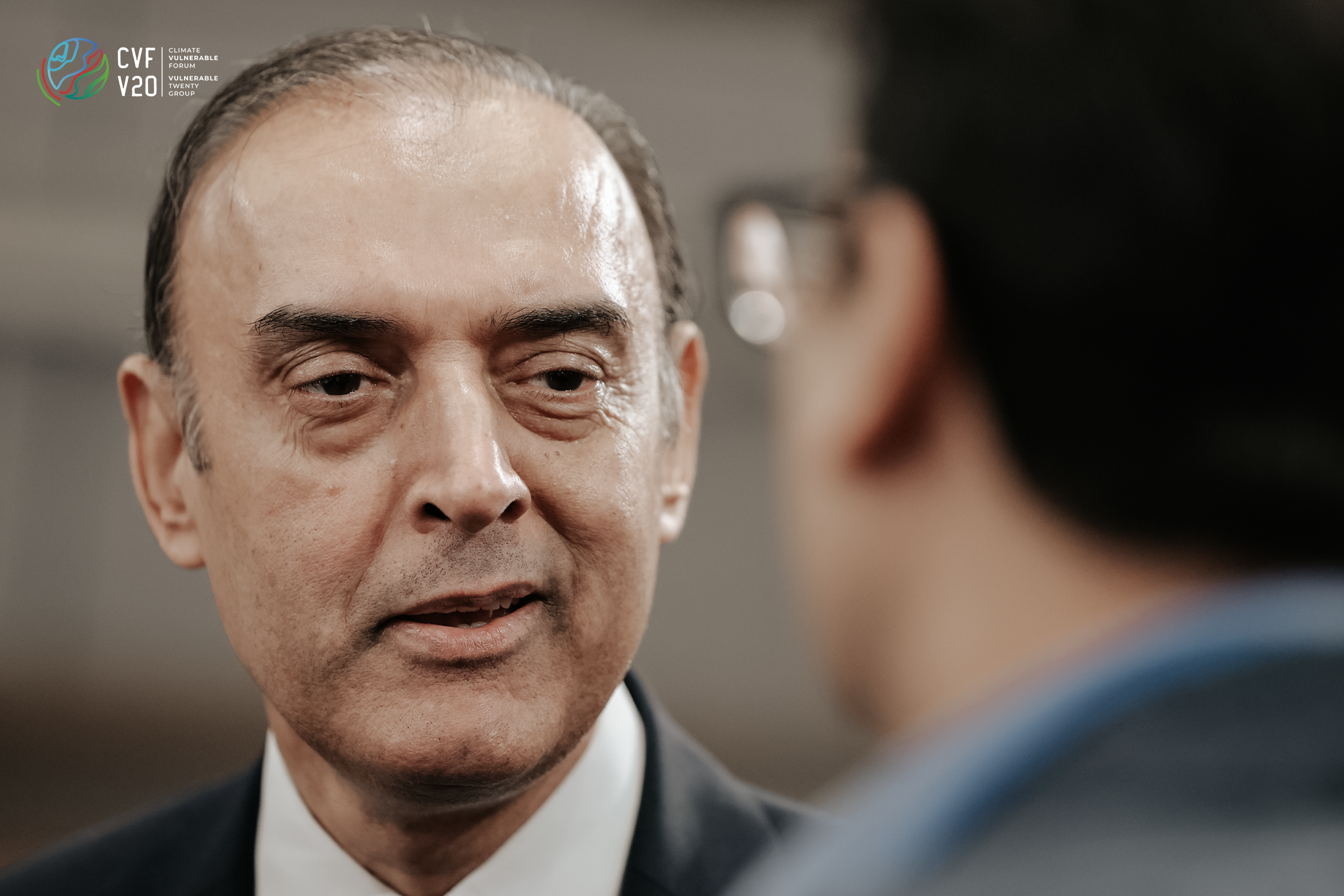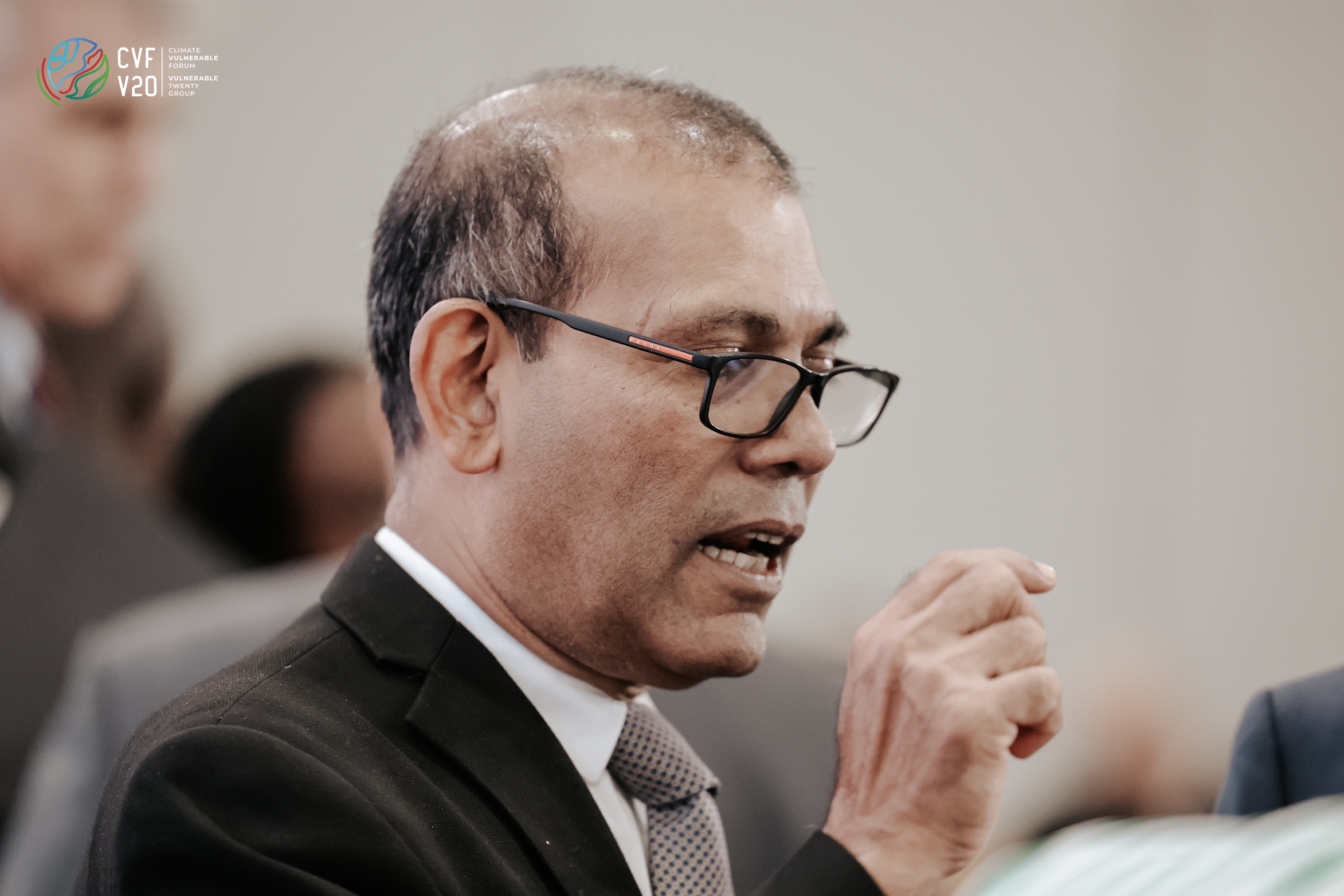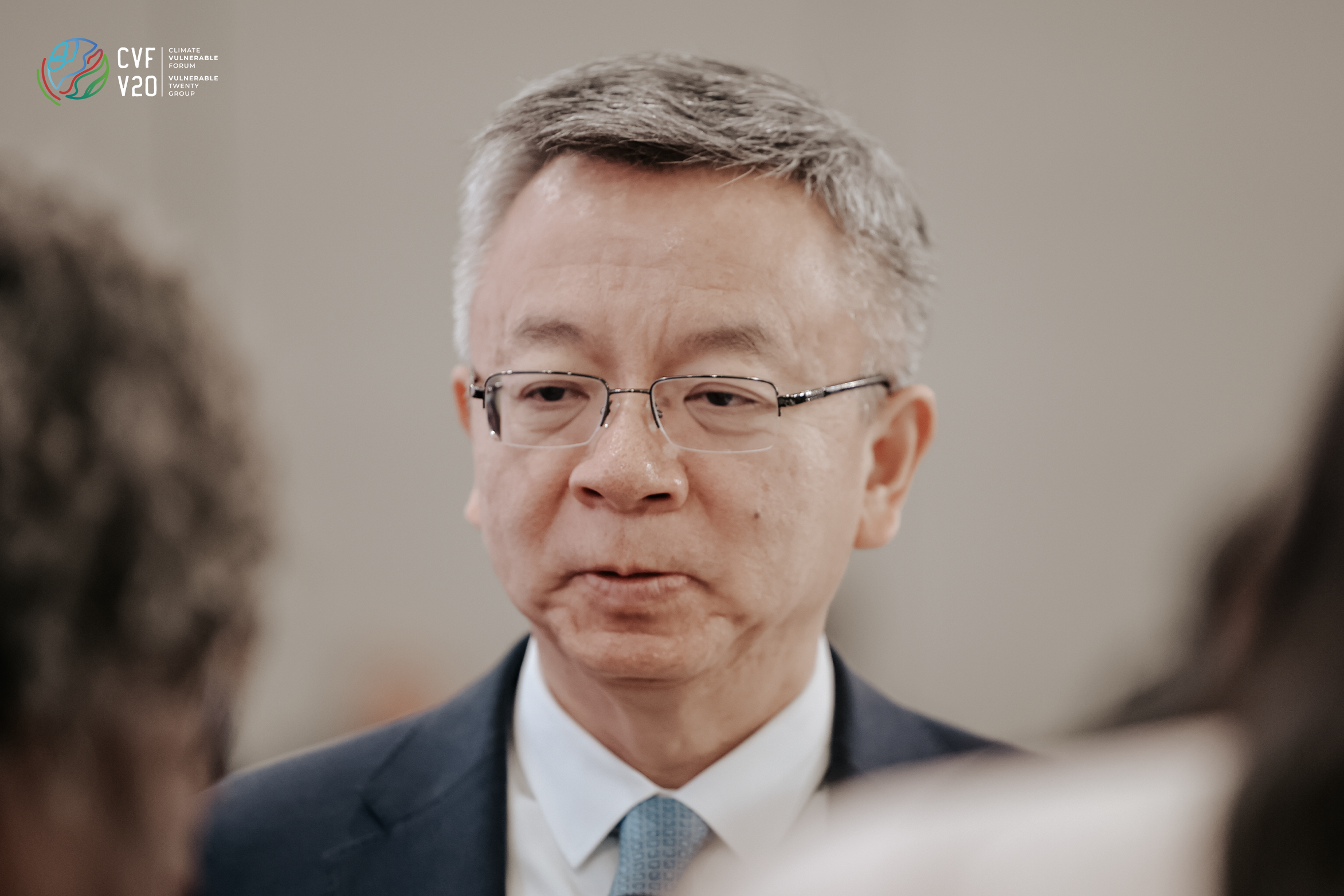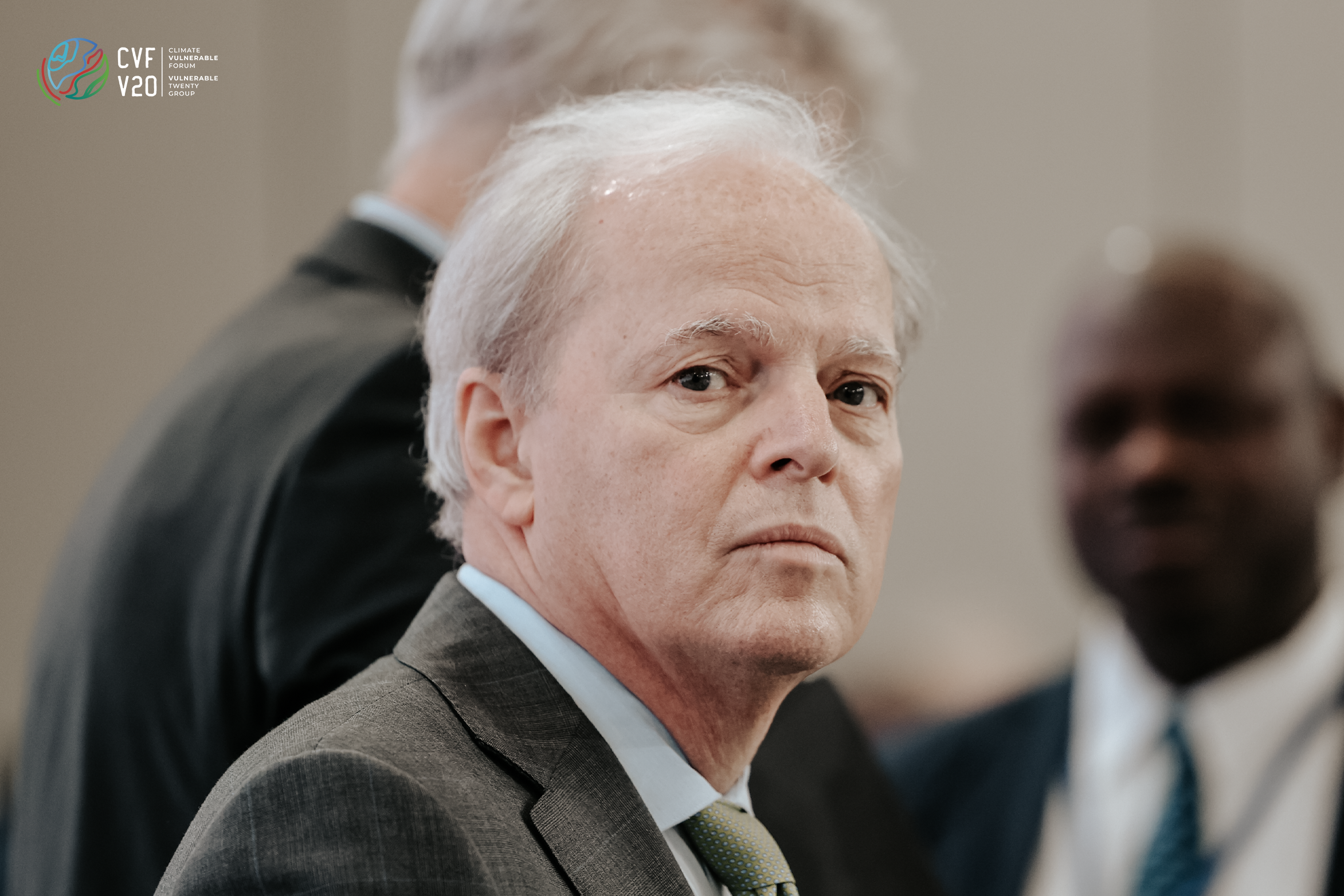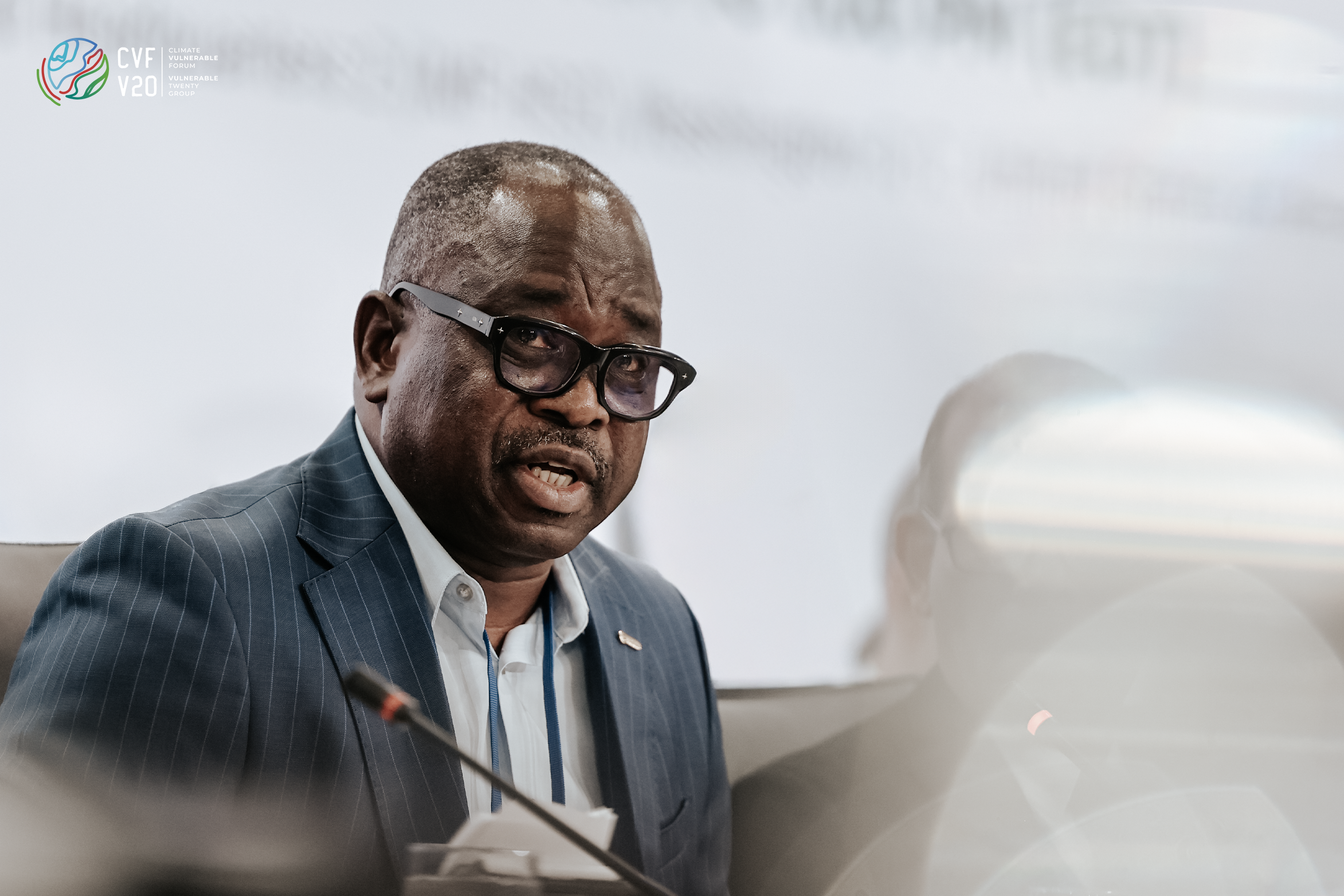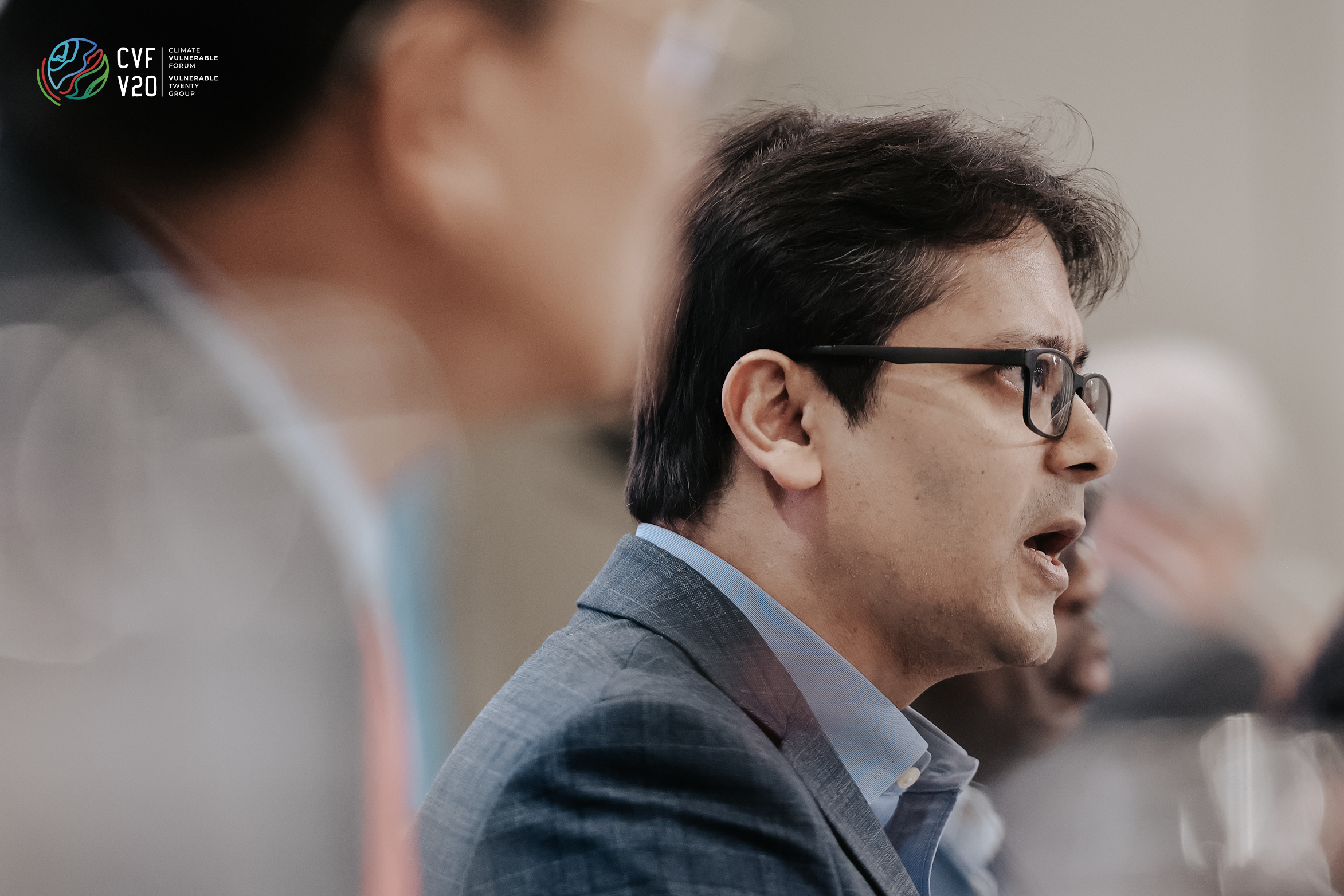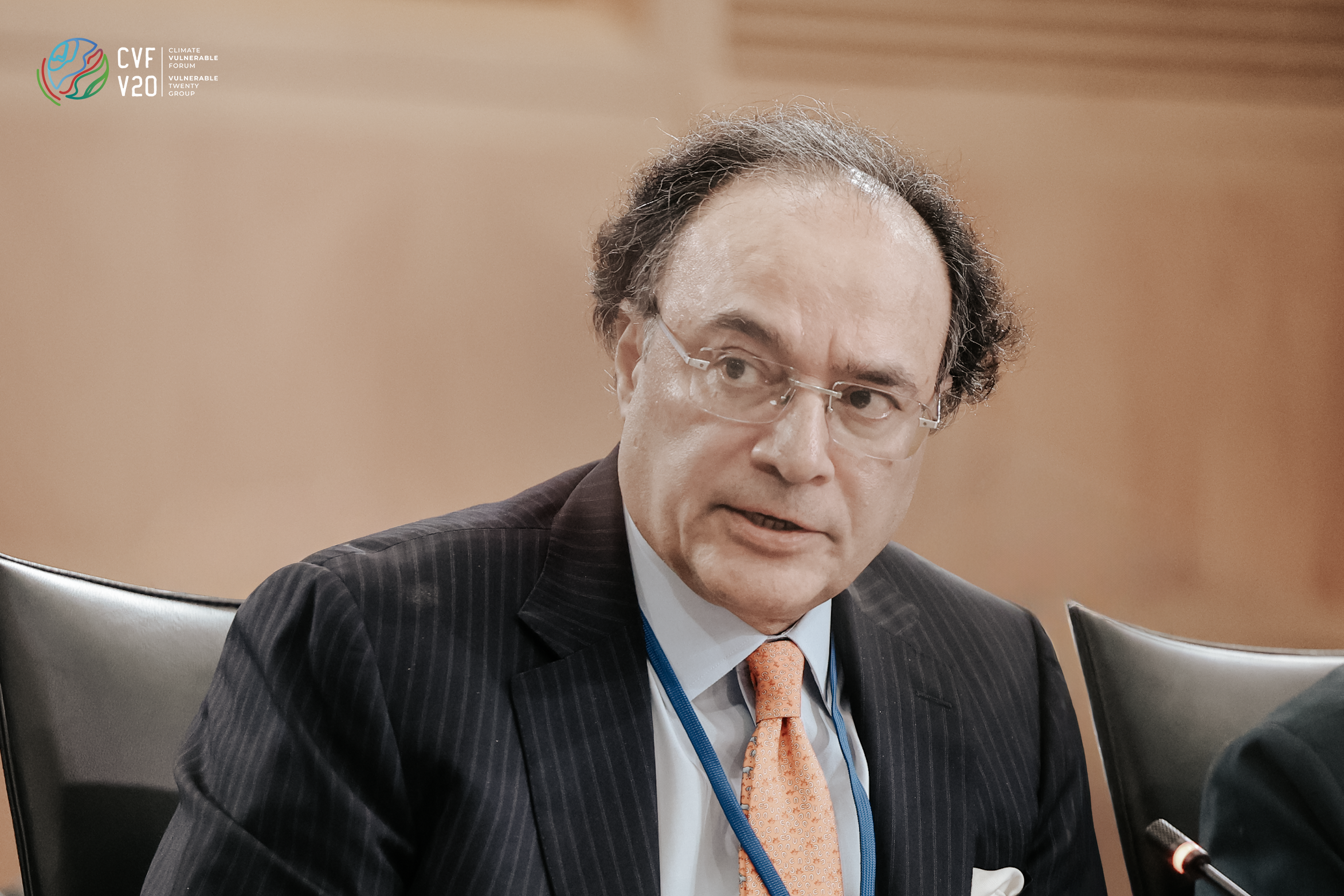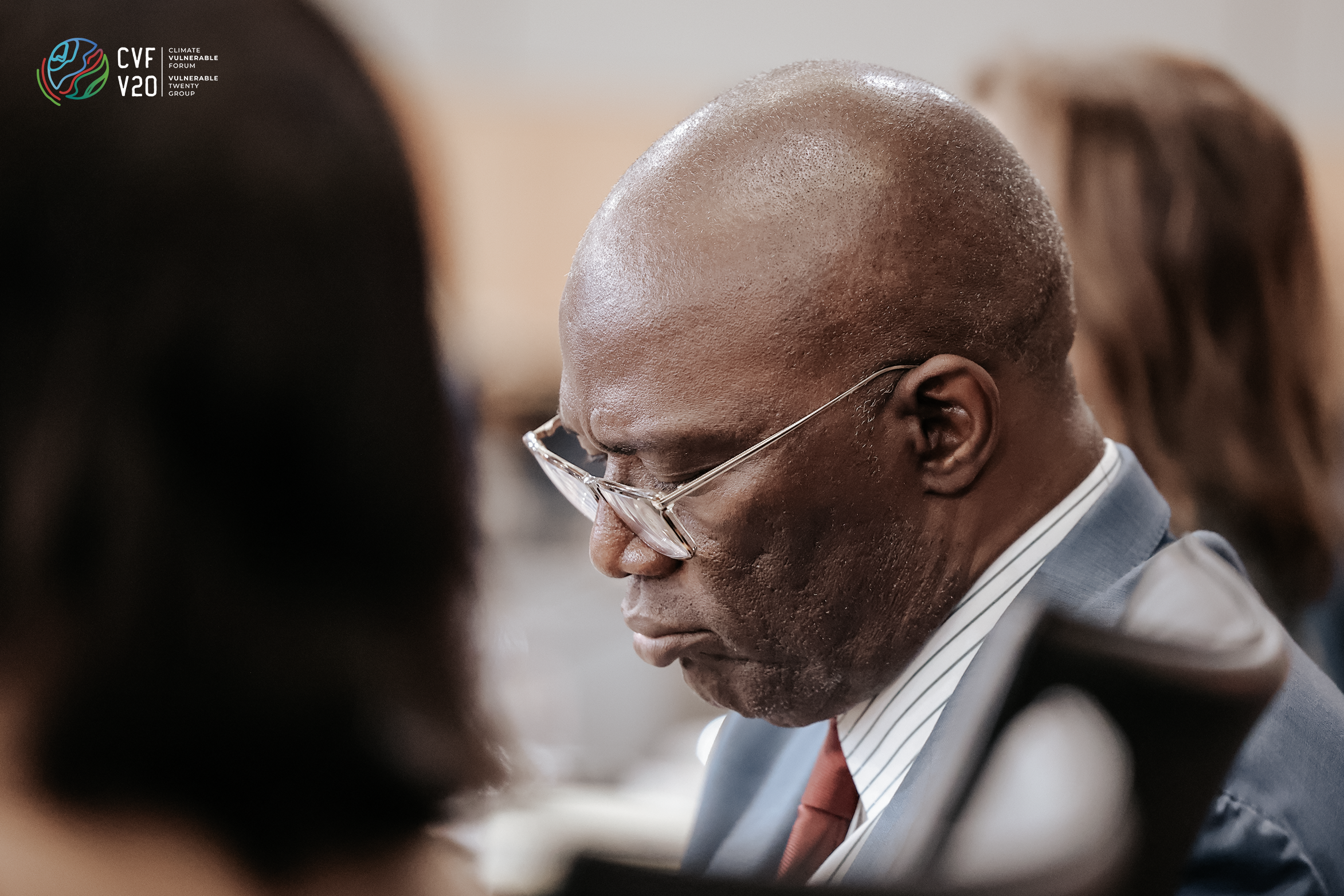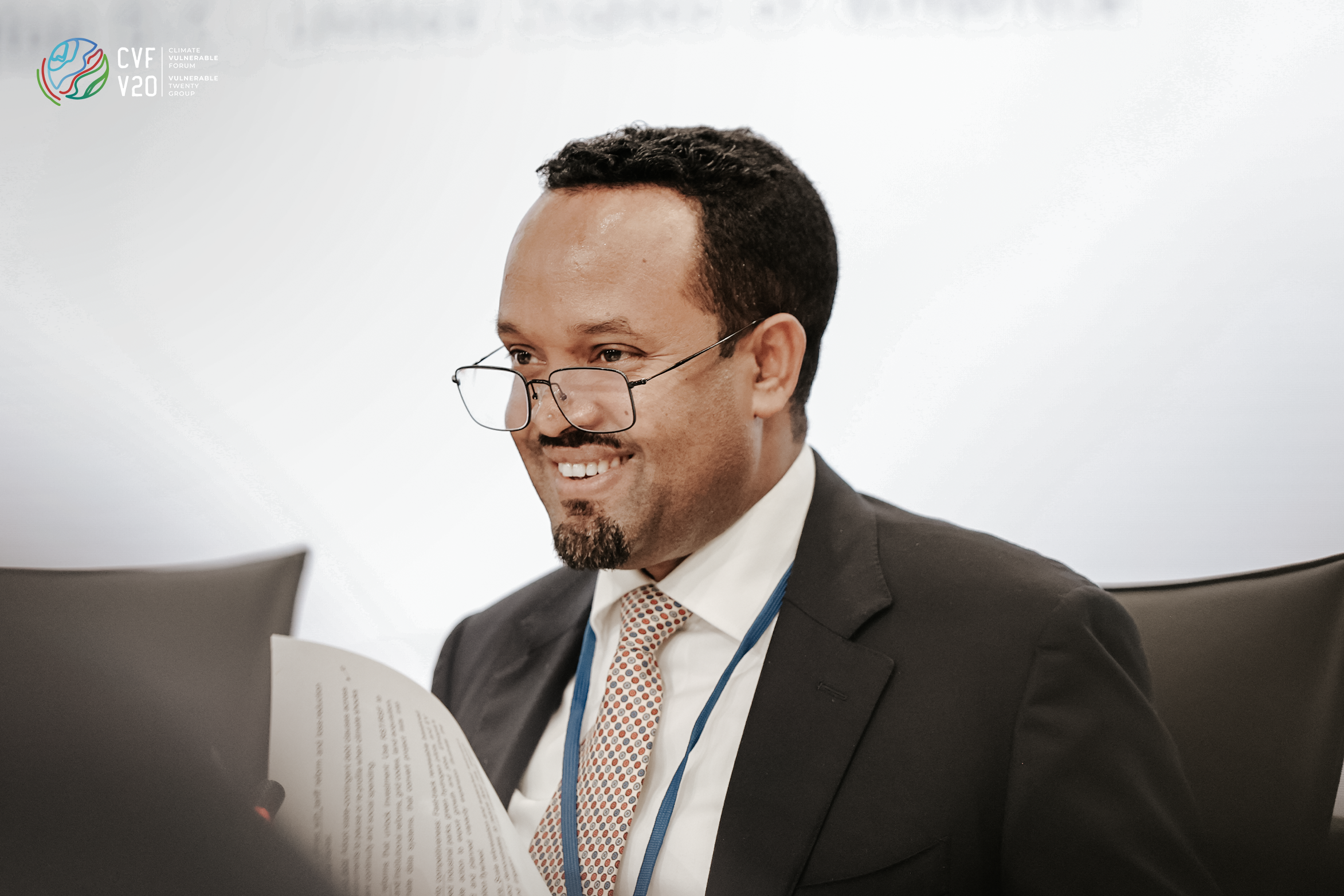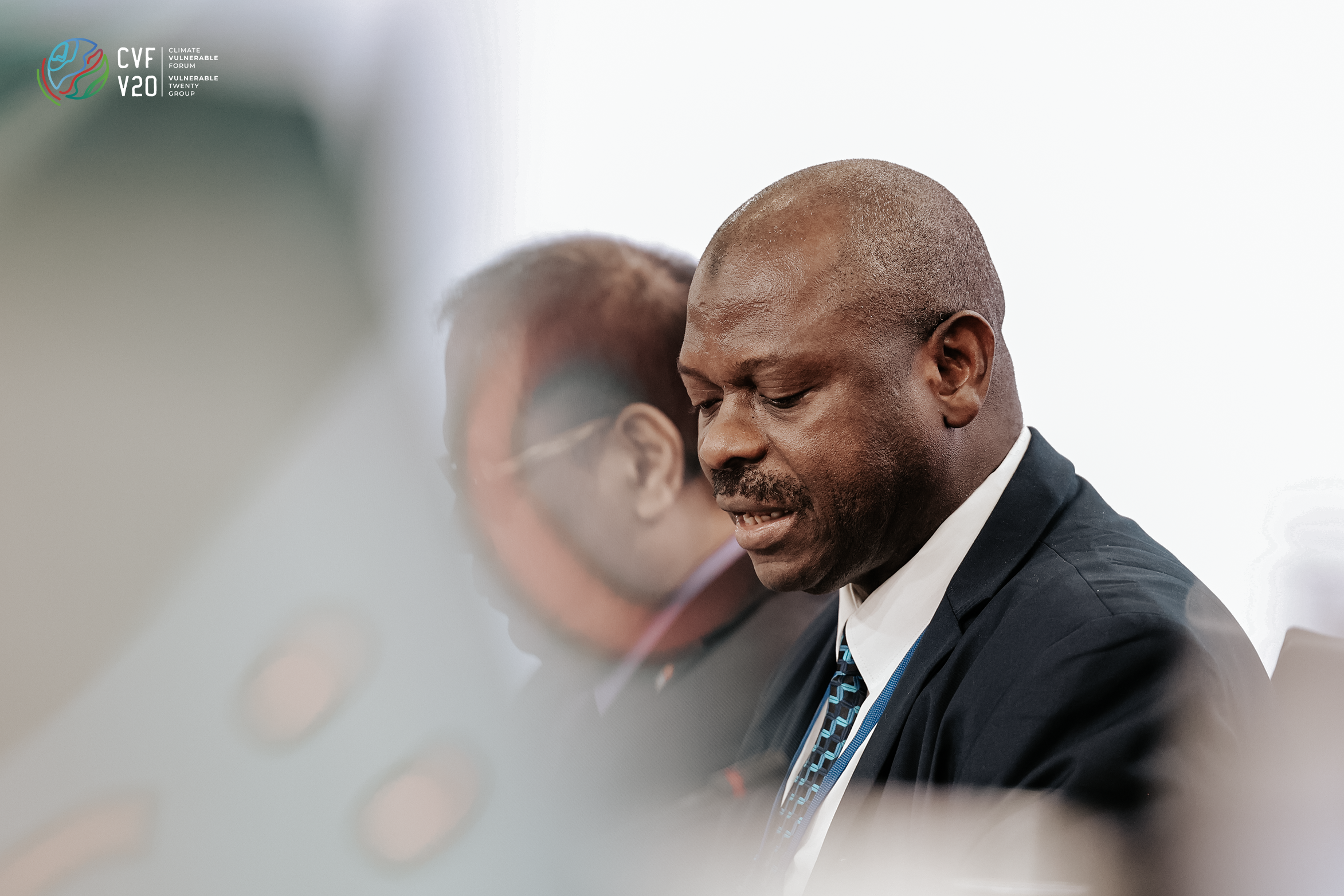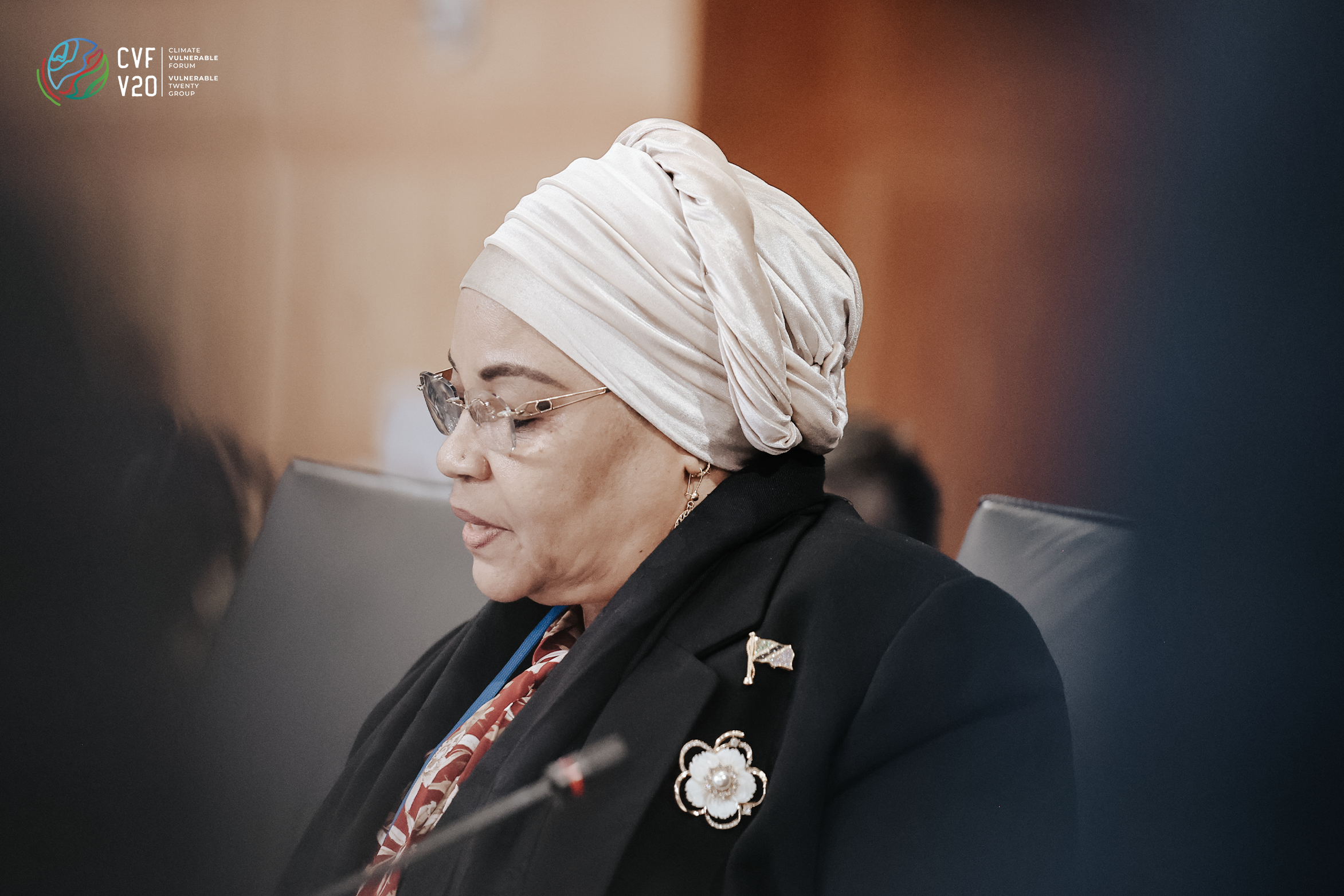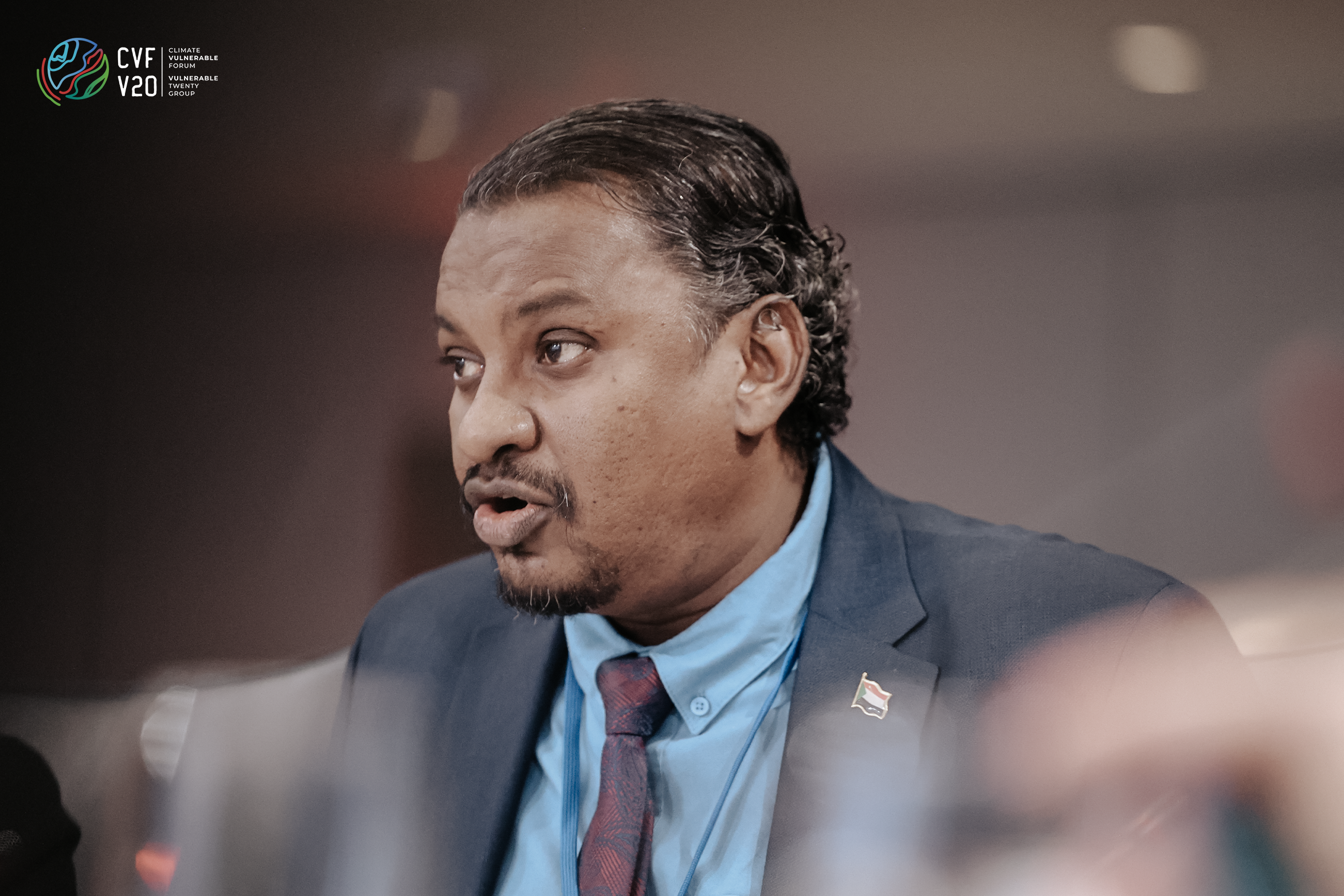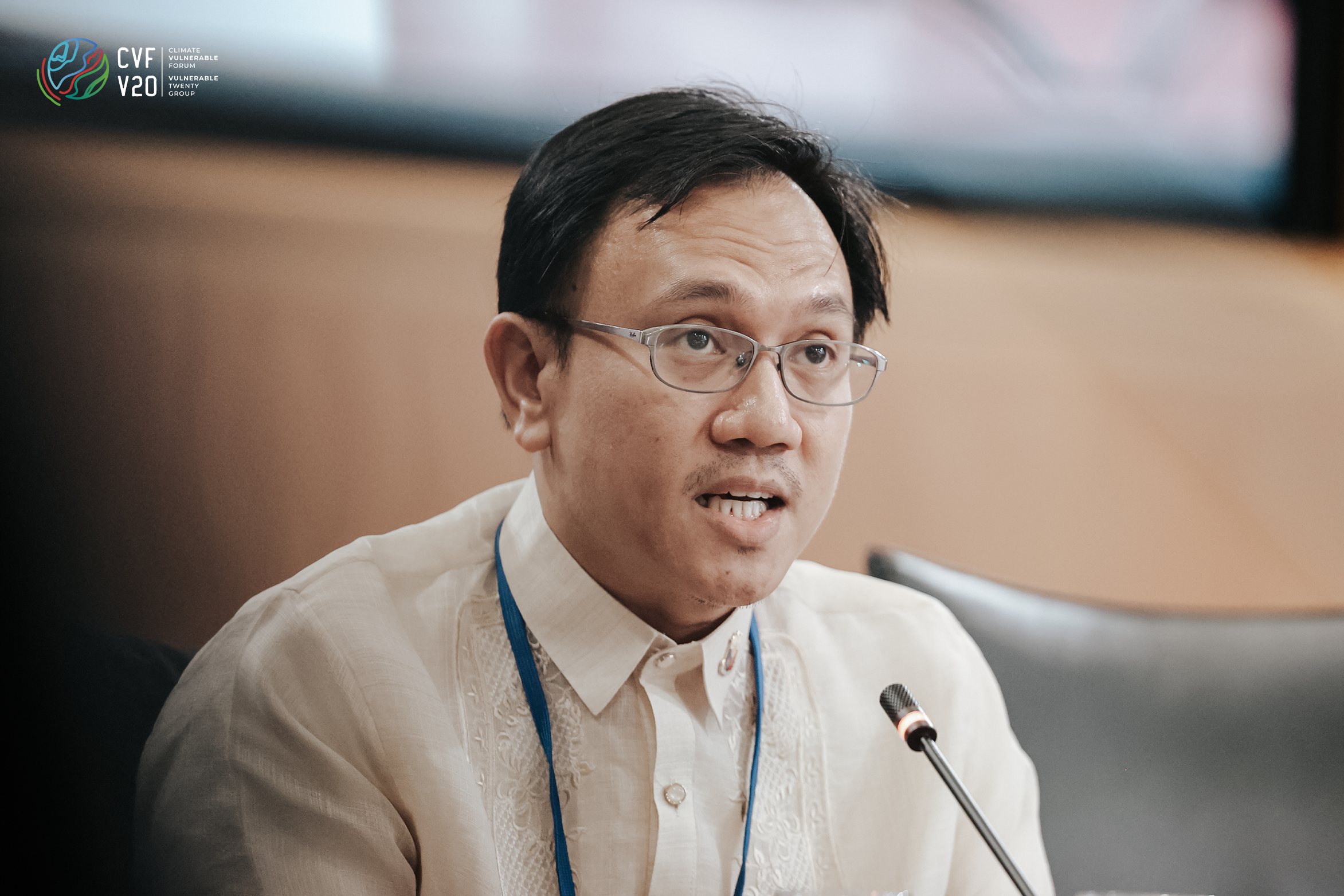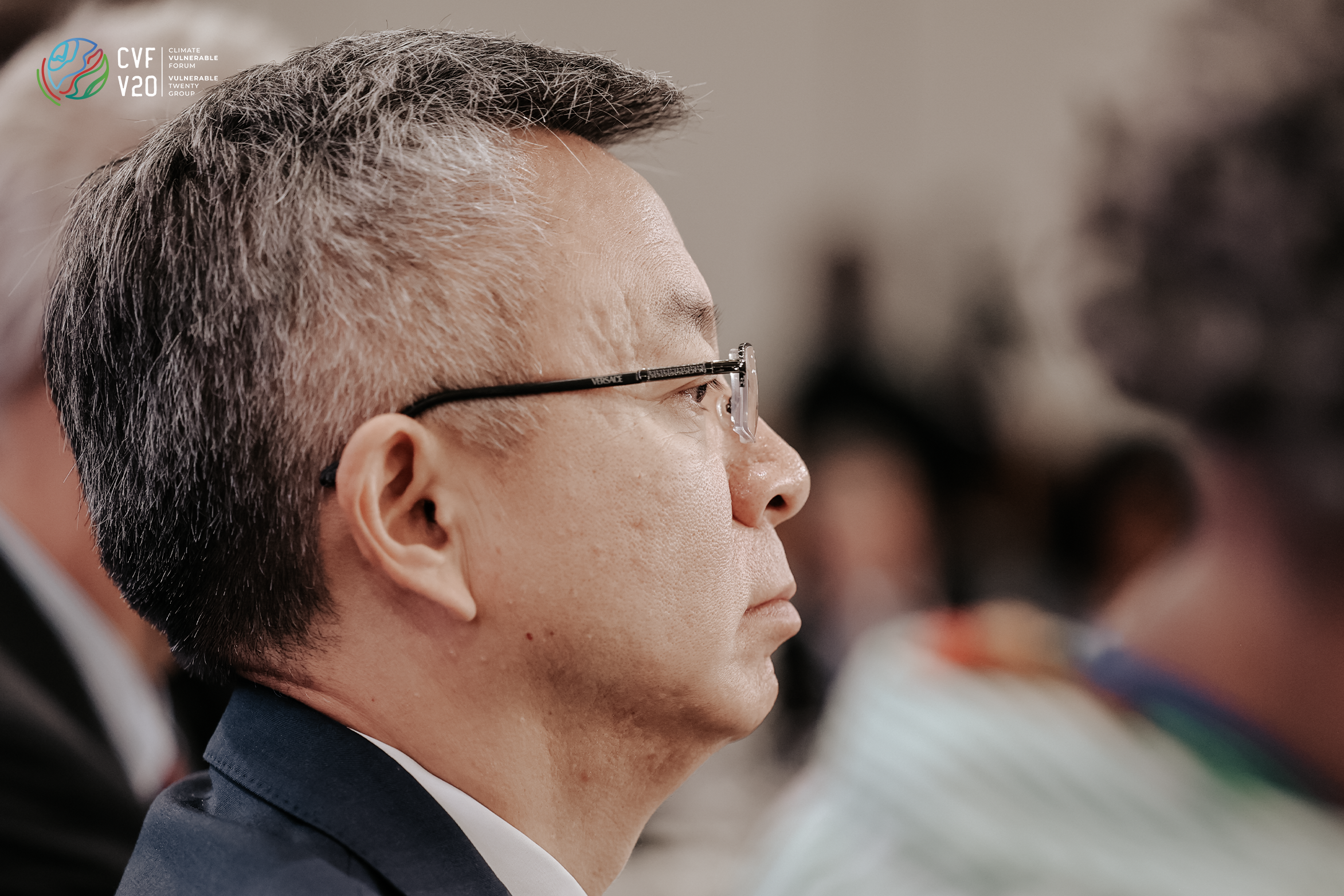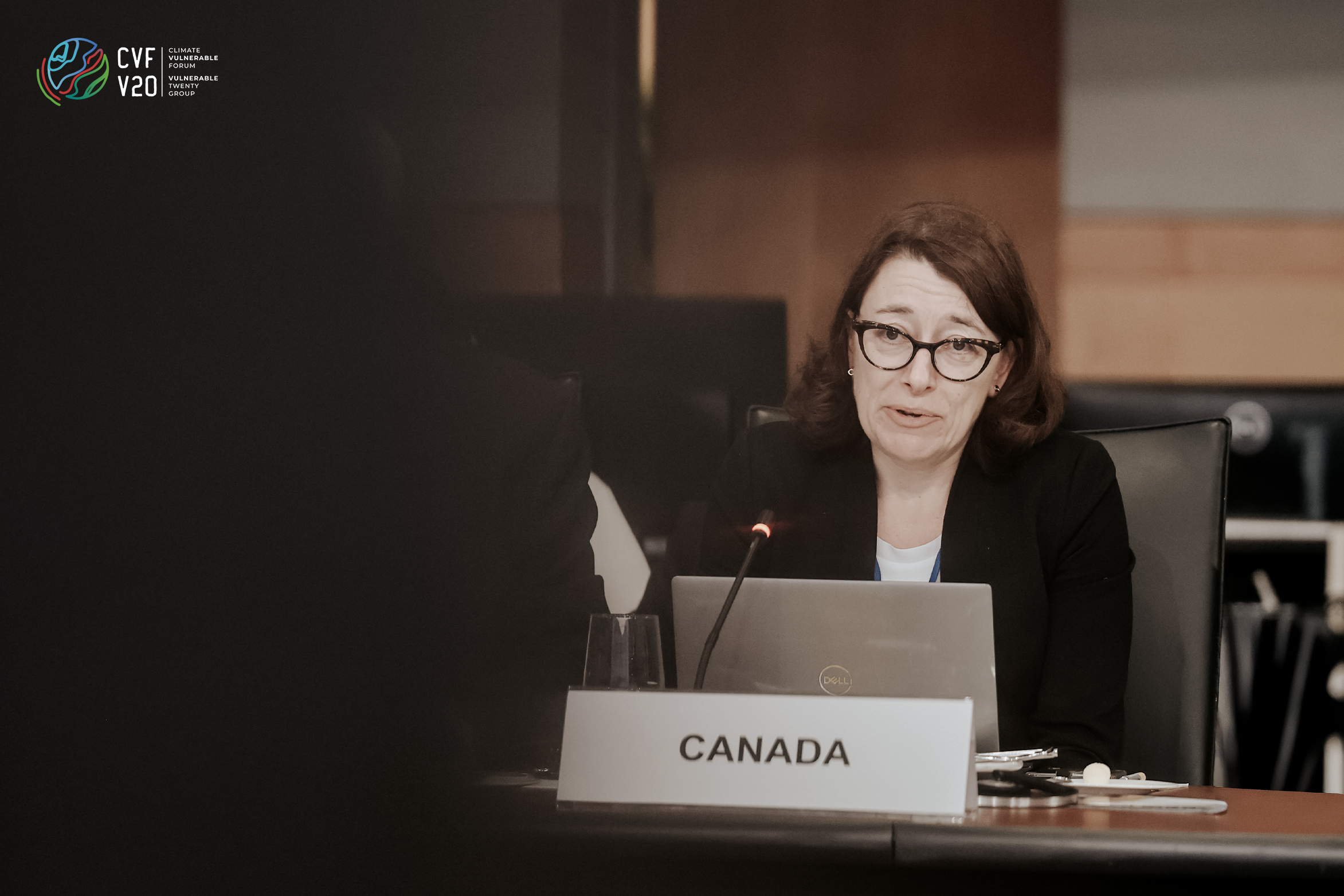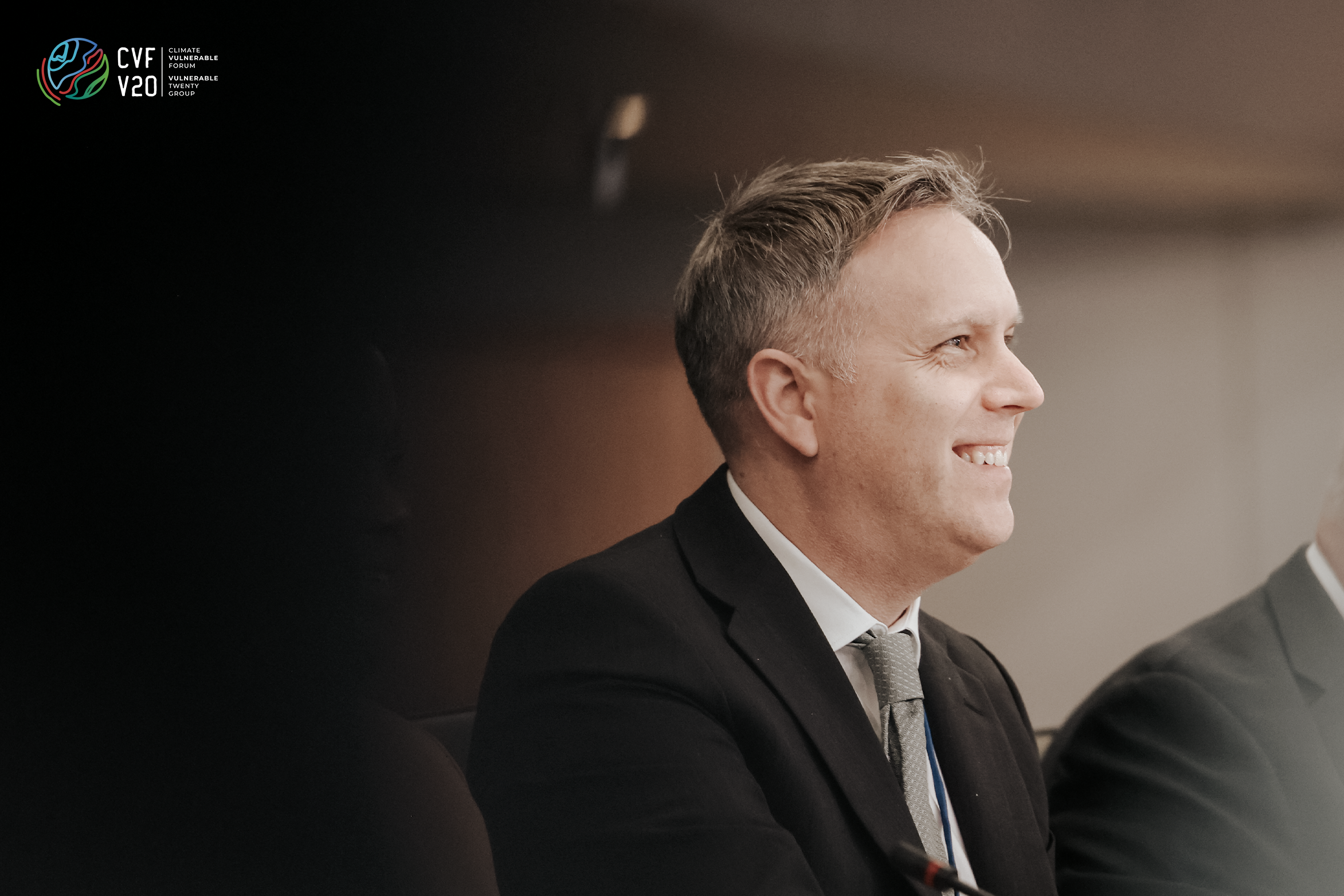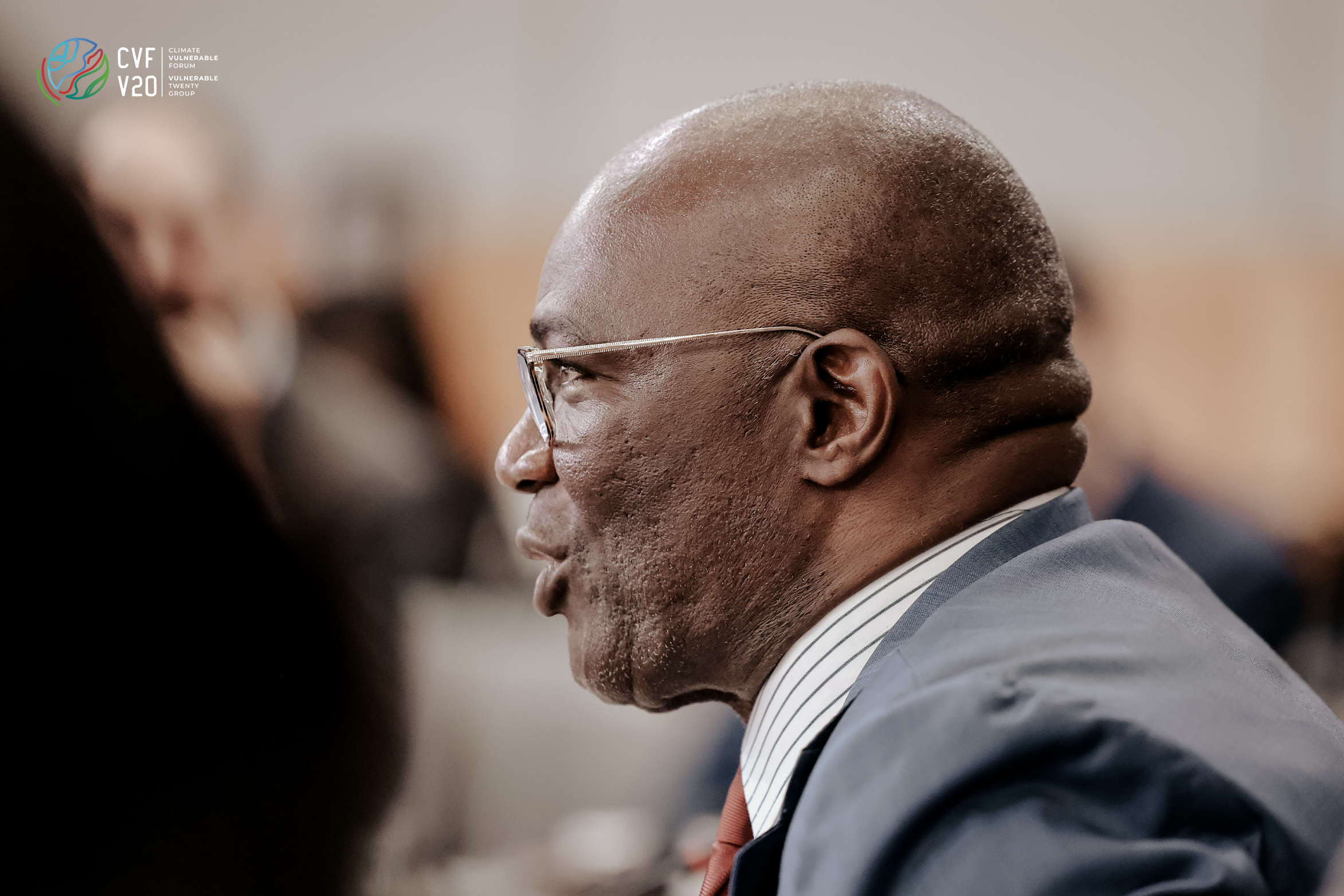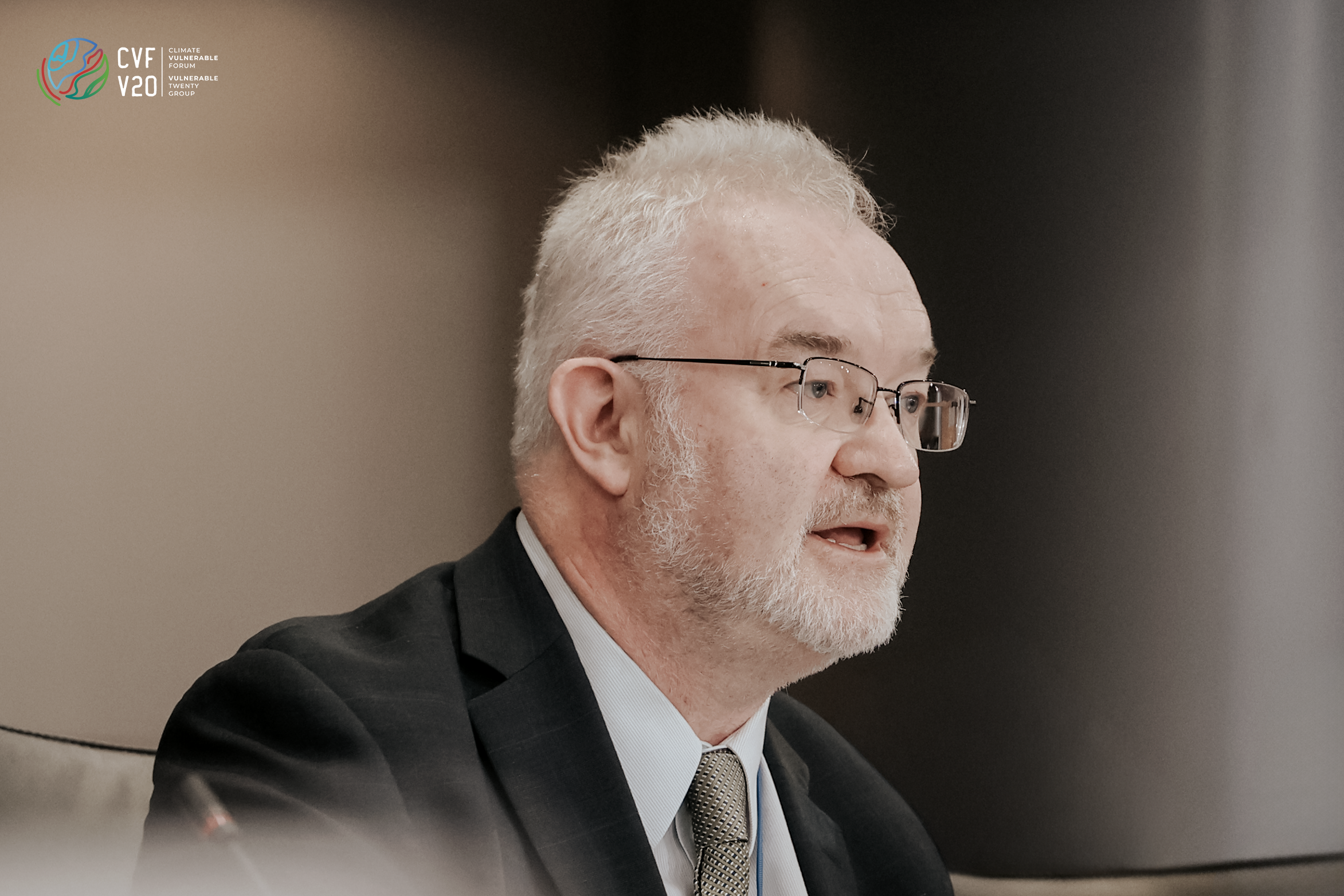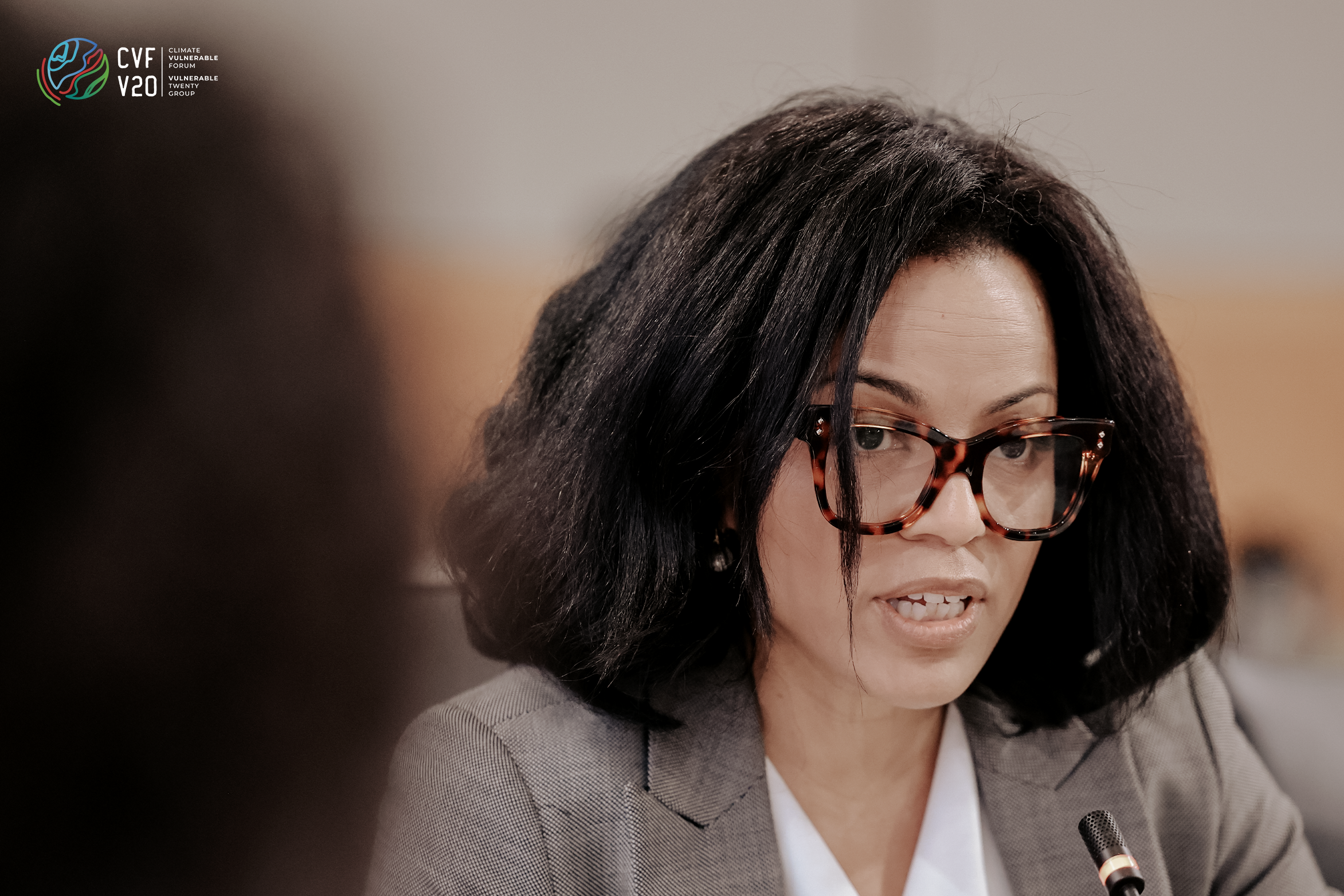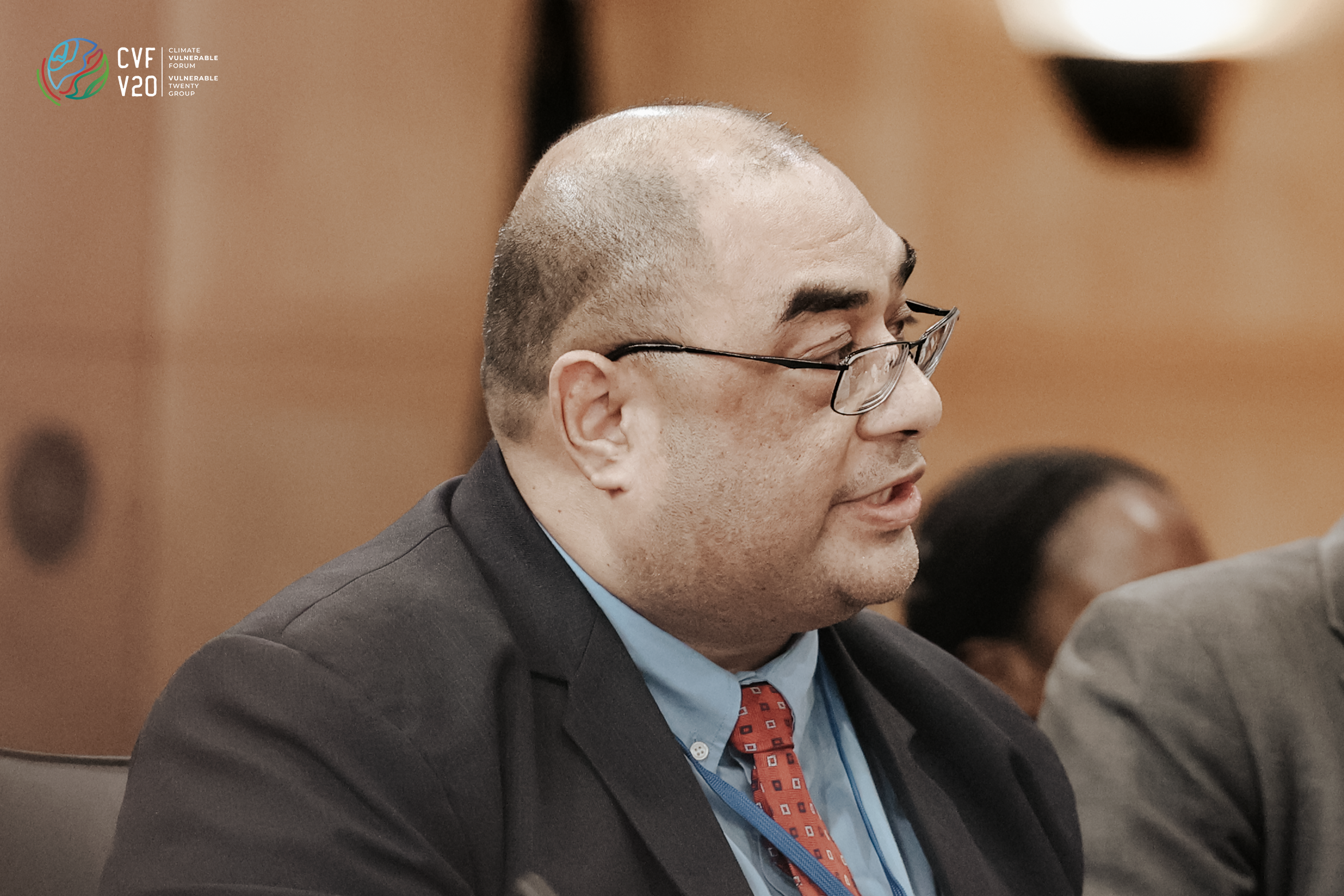

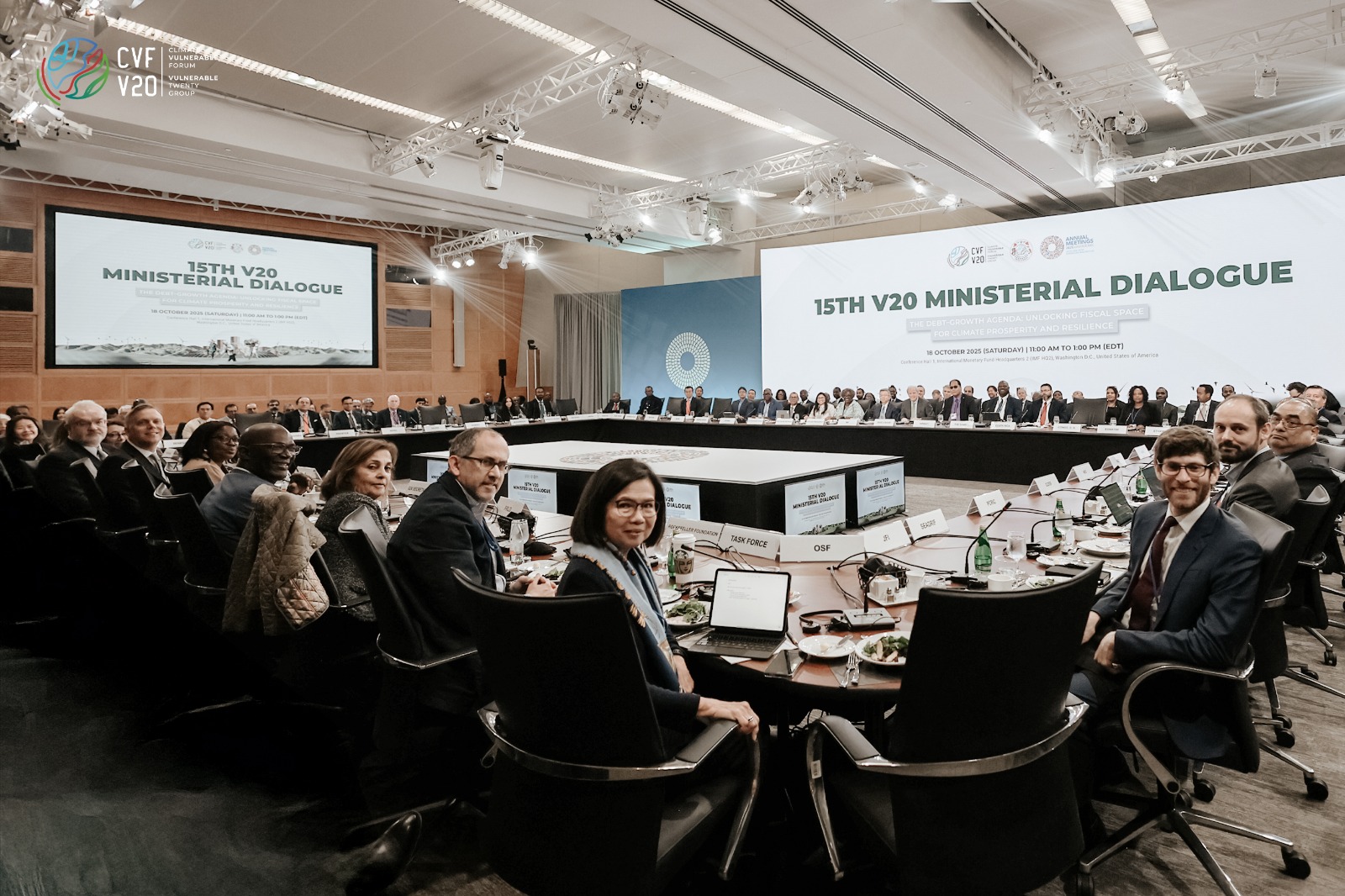
Washington, D.C.—The V20 Finance Ministers, representing the world’s most climate-vulnerable economies, convened on October 18 at the 15th V20 Ministerial Dialogue at the International Monetary Fund (IMF) Headquarters in Washington, D.C., to advance the Debt–Growth Agenda—a bold call to replace austerity-driven policies with investment-led growth and climate resilience.
The dialogue brought together finance ministers alongside leaders of international financial institutions and development partners to discuss strategies for turning debt into a tool for sustainable growth.
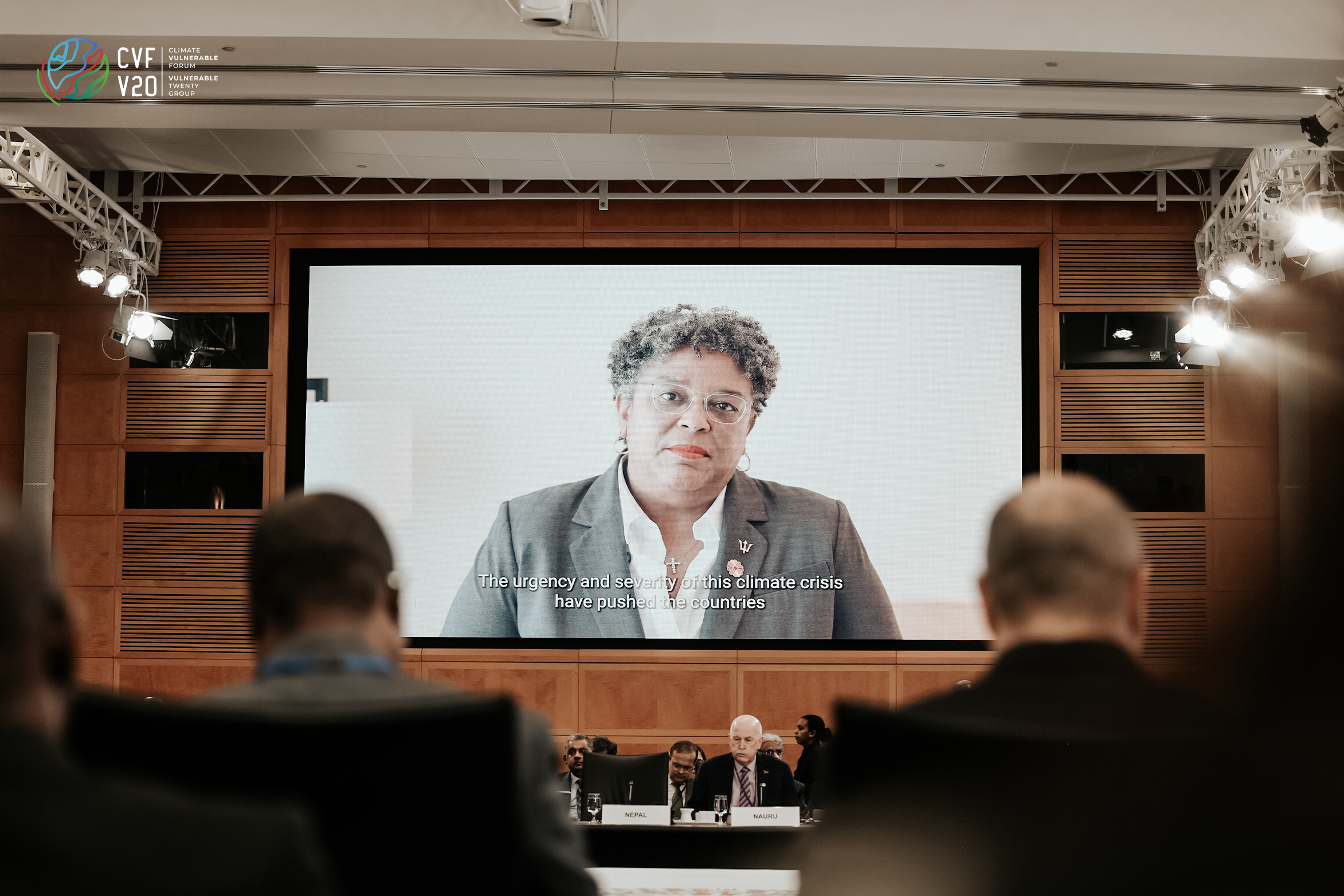
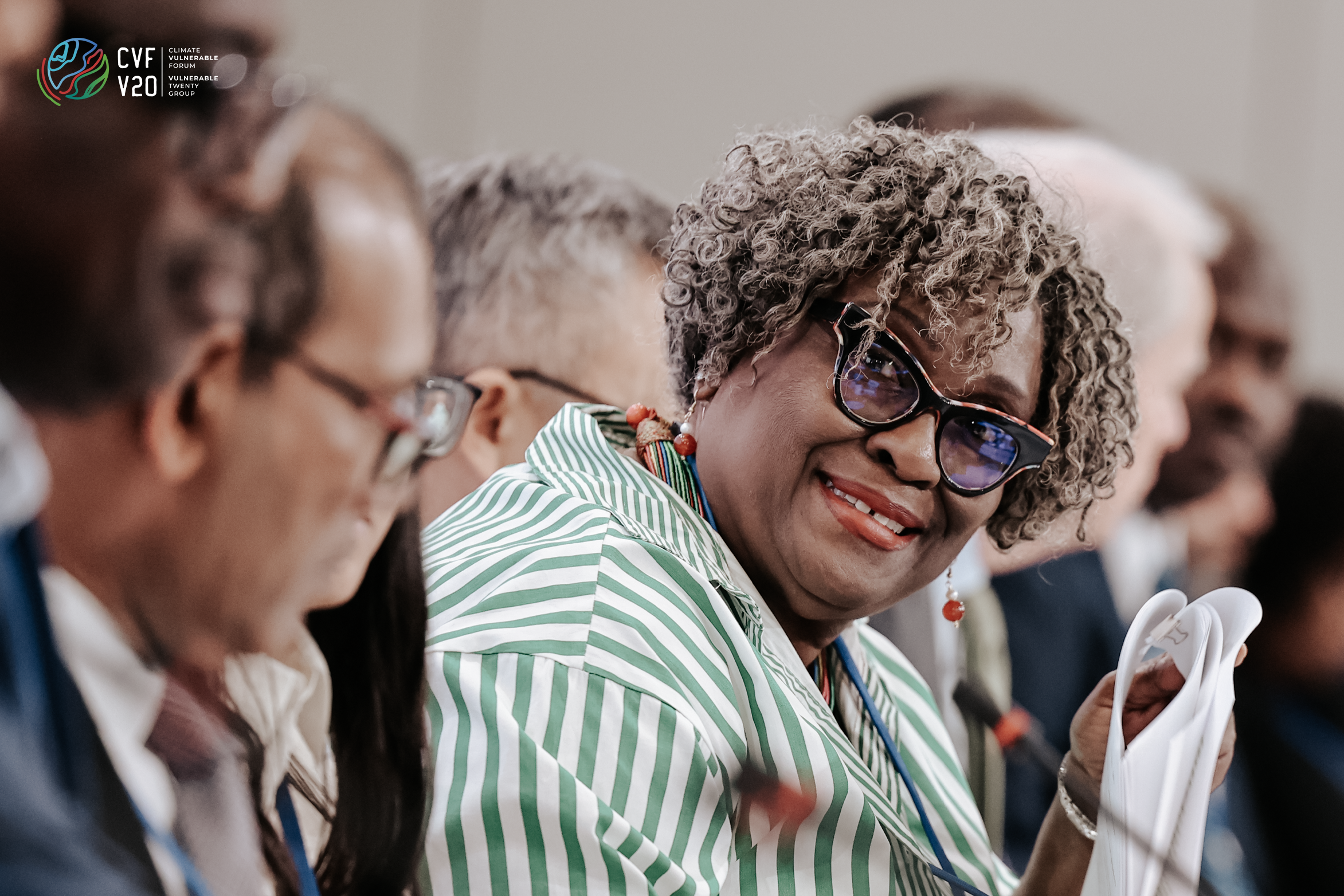
H.E. Mia Amor Mottley, Prime Minister of Barbados, stressed, “Austerity does not deliver resilience. Investment does. Investment in adaptation, renewable energy, and resilient infrastructure is not reckless—it is responsible, rational, and right.” This approach seeks to make debt work for climate and development. Debt needs to be at the right volume, at the right time, and at the right cost, in order to match the already climate-insecure positions and the need to transform growth models to deliver climate prosperous futures.
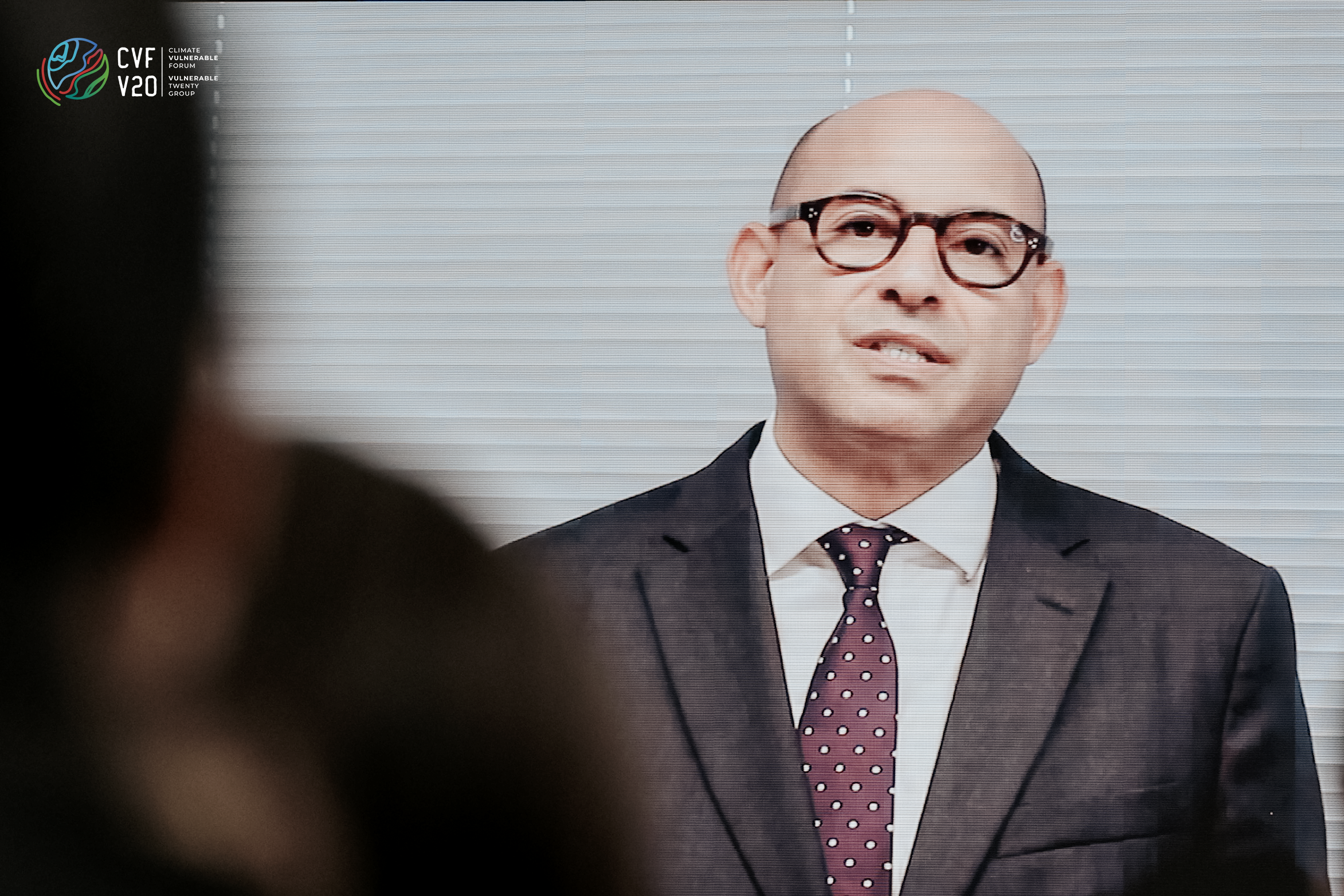
Simon Stiell, Executive Secretary of the UNFCCC, commended the CVF-V20’s Debt–Growth Agenda and Climate Prosperity Plans (CPPs) for reframing climate borrowing to create opportunity and make progress from survival to growth. “Borrowing for renewable energy and resilience infrastructure is not government consumption; it is sound economic policy, good risk management against climate and fiscal threats,” said Stiell.
H.E. Seedy K.M. Keita, Minister of Finance and Economic Affairs of The Gambia and Chair of the African Caucus of the International Monetary Fund and World Bank, called on major shareholders to equip Multilateral Development Banks (MDBs) with the flexibility to participate fully in debt restructuring and emphasized the importance of innovation in global finance.
He noted, “We need partners who believe in our capacity to recover and to grow. This means finding innovative ways, for example, through special purpose vehicles and other models, to bring in new, flexible sources of finance that allow us to invest in the future rather than just service the past.”
A Call for Action: The Debt–Growth Pathway
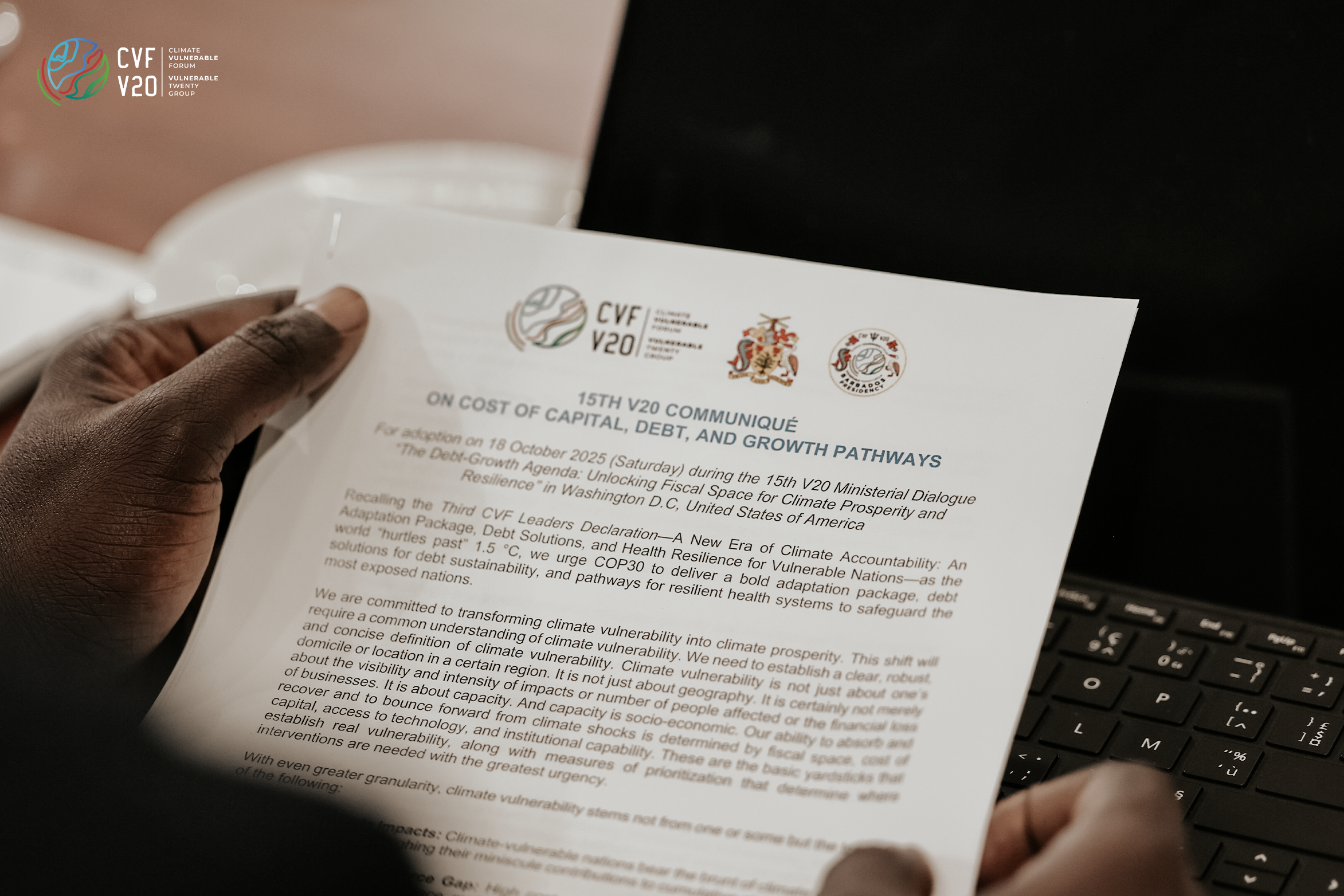
The 15th V20 Ministerial Communiqué, adopted at the close of the meeting, calls for:
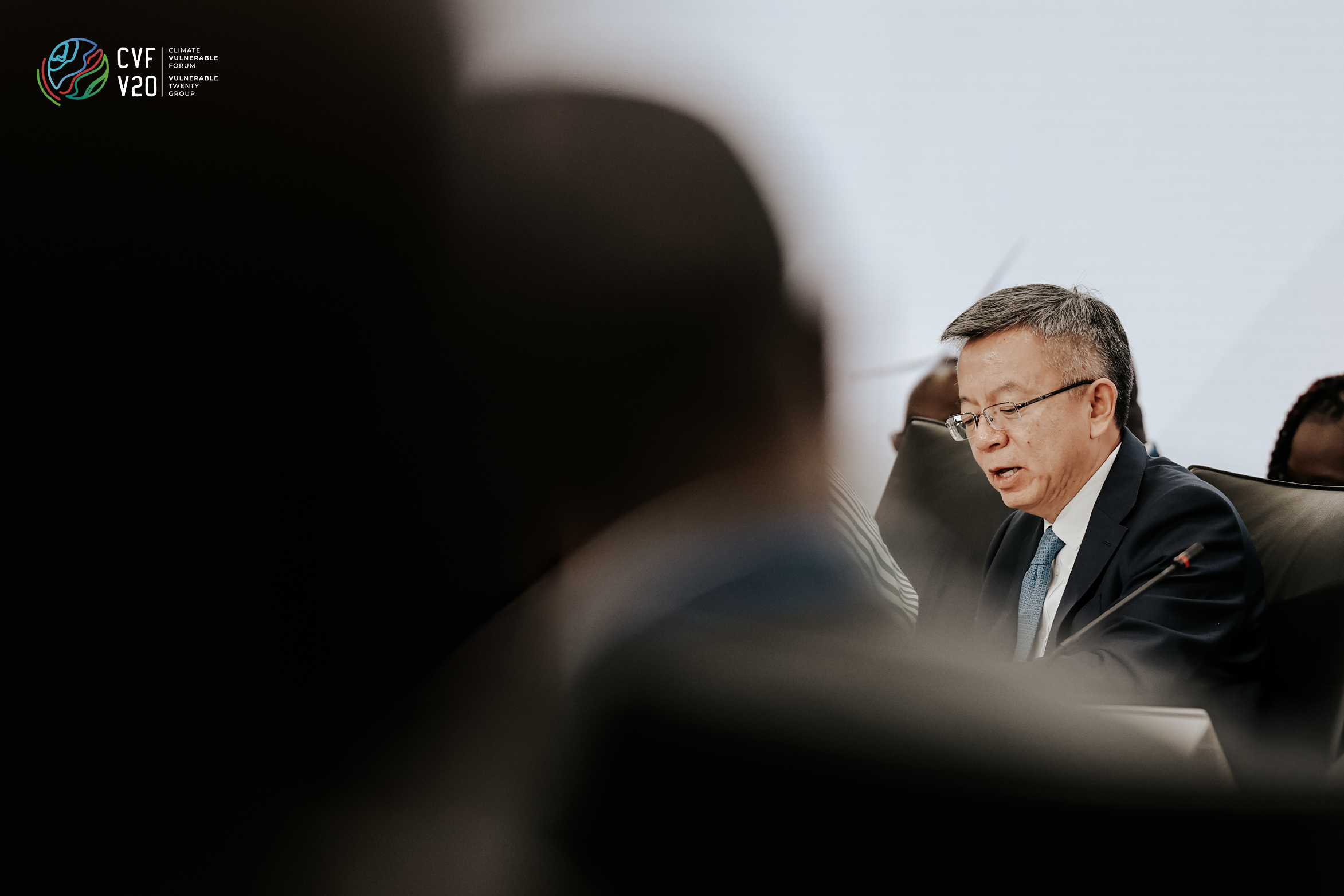
Mr. Bo Li, Deputy Managing Director of the IMF, acknowledged the growing fiscal pressures faced by vulnerable economies, noting that “for the median low-income country, interest payments on total debt have doubled in the past ten years—from 4 percent of total government revenues to 8 percent. Cuts to development assistance will only compound these challenges.” Given this context, there is a greater need for international financial institutions to demonstrate leadership in making finance available for an investment push towards climate prosperity.
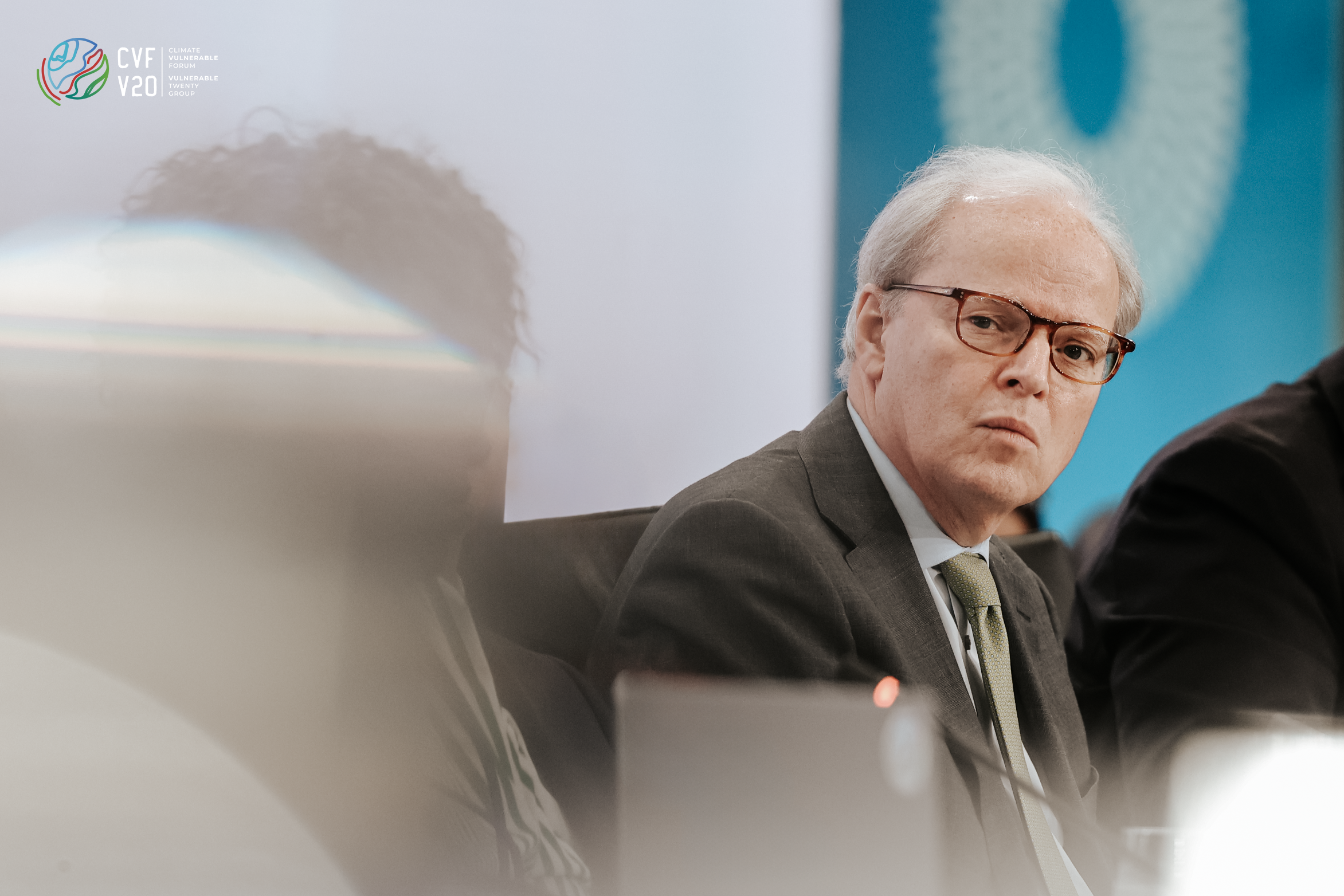
Mr. Axel van Trotsenburg, Senior Managing Director of the World Bank, emphasized that effective DSA requires greater transparency and a thorough understanding of both external and domestic public debt. “We are working on debt sustainability analysis to have a better picture of this,” he said. From the perspective of the V20, DSAs should clearly reflect the financing terms that permit these investments to be macro-feasible, setting out the full financing mix required — including both private and public capital, strategic debt relief, credit enhancements, and the volume of concessional capital needed for countries to meet the Paris Agreement and 2030 Agenda.
Looking Ahead: COP30 and UN Permanent Observer Status
The Ministerial Dialogue established clear mandates for international cooperation leading up to and during the 30th Conference of the Parties (COP30) in Belém, Brazil, in November 2025.
The V20 Communiqué underscored its support for the CVF Leaders’ call for an Adaptation Package as an outcome of COP30, demanding that adaptation finance commitments be significantly enhanced and delivered at a speed and cost vulnerable nations can actually afford. As a starting point, the Finance Ministers reiterated the demand for the rapid delivery of at least US$4 million for every country completing a National Adaptation Plan, with resources disbursed directly to governments to accelerate implementation.
Furthermore, Prime Minister Mottley stressed the urgent need to fully capitalize the Fund for Responding to Loss and Damage (FRLD), noting that its US$738 million capital base falls far short of the trillions required. “We must push together, all of us, in Belem for the Fund to be properly capitalized. If not, this whole thing would be regarded as a farce.”
Finally, the CVF-V20 reaffirmed its bid for Permanent Observer Status at the United Nations. This institutional step is considered necessary to secure a formal and stronger voice for climate-vulnerable economies in global economic decision-making, thus aligning financial reform with climate action priorities. The CVF-V20 calls for the support of all partners and Member States in advancing this effort.
In closing, H.E. The Most Honorable Elizabeth Thompson, Barbados Ambassador for Climate Change, Small Island States (SIDS) & Law of the Sea, and CVF-V20 Sherpa to Prime Minister Mottley, noted that there is widespread distrust among global populations toward politicians, international institutions, and formal processes. “Yet we have to overcome all of that to deliver what is most needed—socially and economically—at this time, to move from vulnerability to prosperity,” she said.
***
The CVF-V20 represents 74 member-countries from small island developing states (SIDS), least developed countries (LDCs), low-to-middle income countries (LMICs), landlocked developing countries (LLDCs), and fragile and conflict-affected states (FCS). Working together, the CVF-V20 aims to achieve climate justice through the realization of Climate Prosperity Plans, which contain ambitious economic and financial resilience strategies designed to attract investment and resources that advance the attainment of the Sustainable Development Goals (SDGs), 30×30 Global Biodiversity, and help keep the average global temperatures to the Paris Agreement’s 1.5°C safety threshold.
For media enquiries, please contact [email protected].
For the latest updates, please follow us on:
Africa: Benin, Burkina Faso, Cabo Verde, Chad, Comoros, Côte d’Ivoire, Democratic Republic of the Congo, Eswatini, Ethiopia, Gabon, The Gambia, Ghana (Troika), Guinea, Kenya, Liberia, Madagascar, Malawi, Morocco, Mozambique, Namibia, Niger, Rwanda, Senegal, Sierra Leone, Somalia, South Sudan, Sudan, Tanzania, Togo, Tunisia, Uganda
Asia: Afghanistan, Bangladesh (Troika), Bhutan, Cambodia, Kyrgyzstan, Maldives, Mongolia, Nepal, Pakistan, Philippines, Sri Lanka, Timor-Leste, Vietnam
Caribbean: Barbados (Chair/Troika), Dominica, Dominican Republic, Grenada, Guyana, Haiti, Saint Lucia, Suriname, Trinidad and Tobago
Latin America: Colombia, Costa Rica, Guatemala, Honduras, Nicaragua, Paraguay
Middle East: Jordan, Lebanon, Palestine, Yemen
Pacific: Fiji, Kiribati, Marshall Islands, Nauru, Palau, Papua New Guinea, Samoa, Solomon Islands, Tonga, Tuvalu, Vanuatu