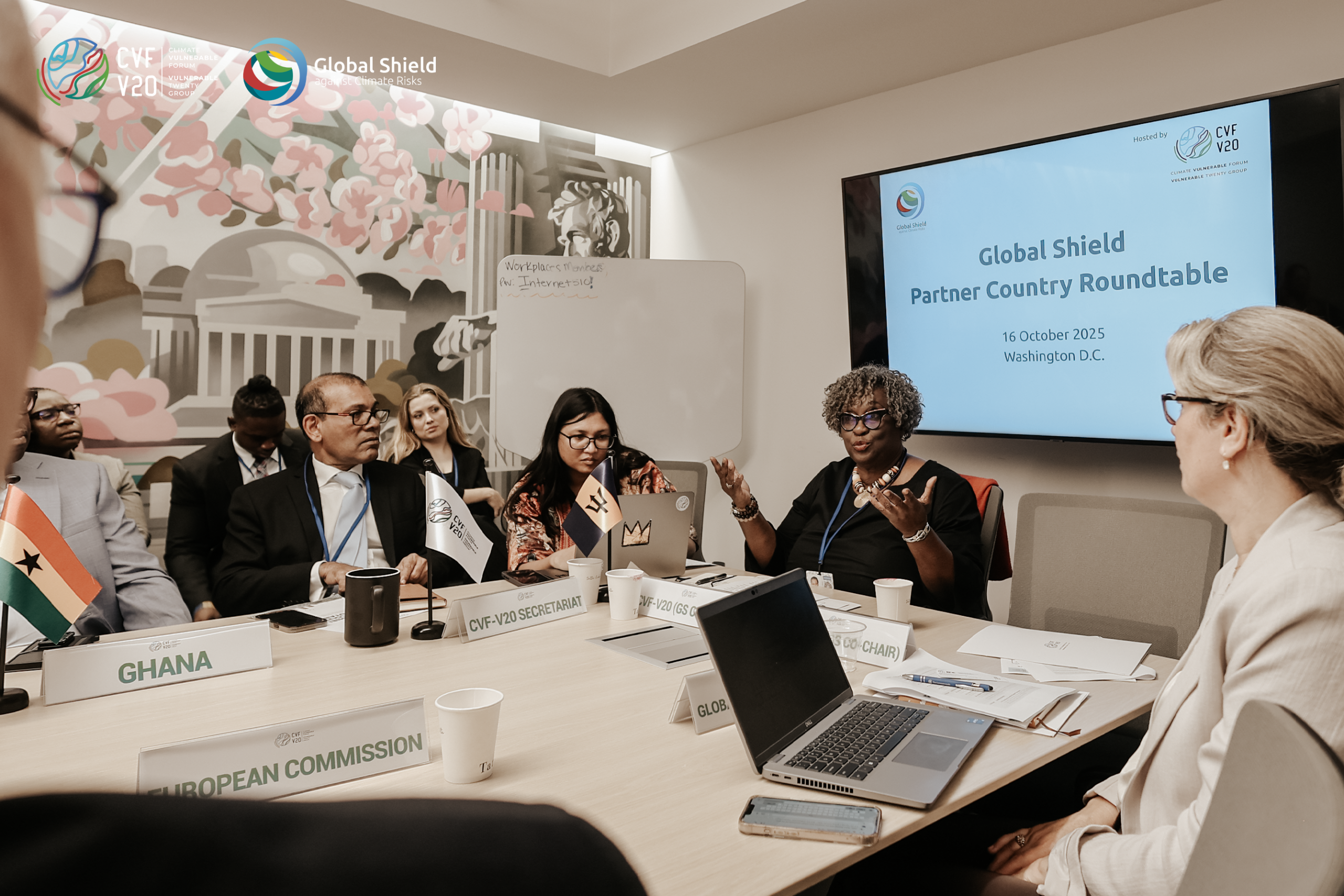
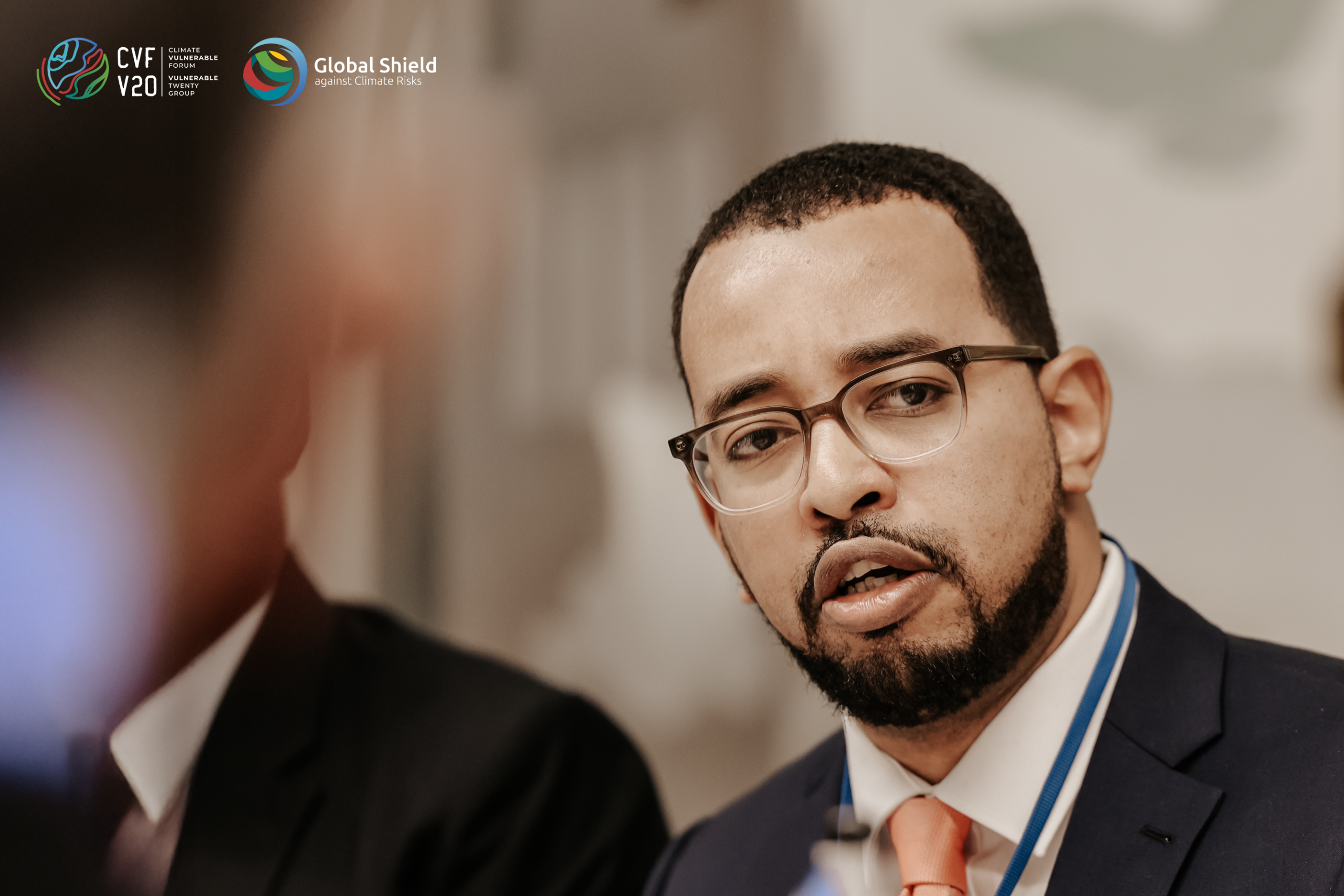
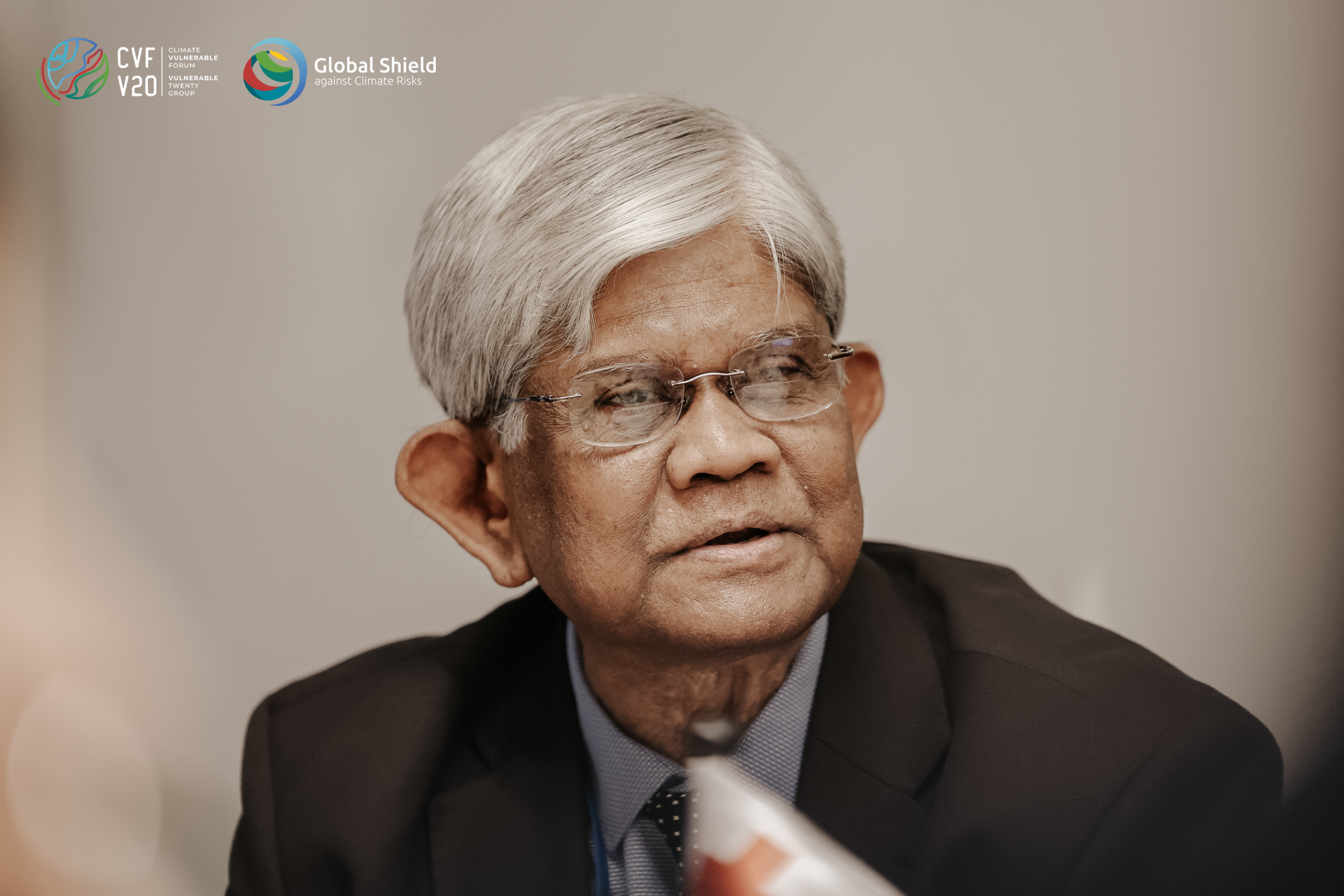
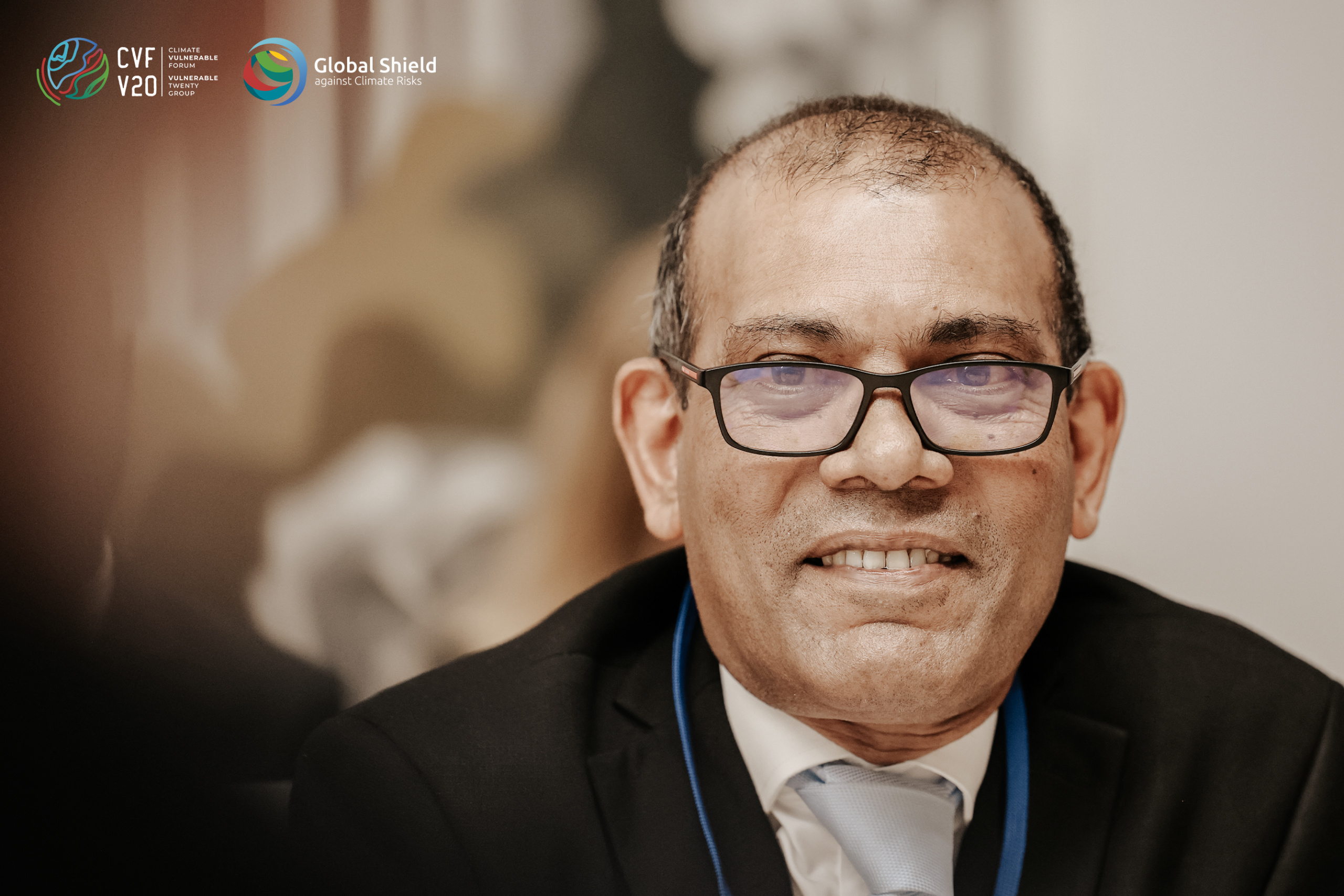
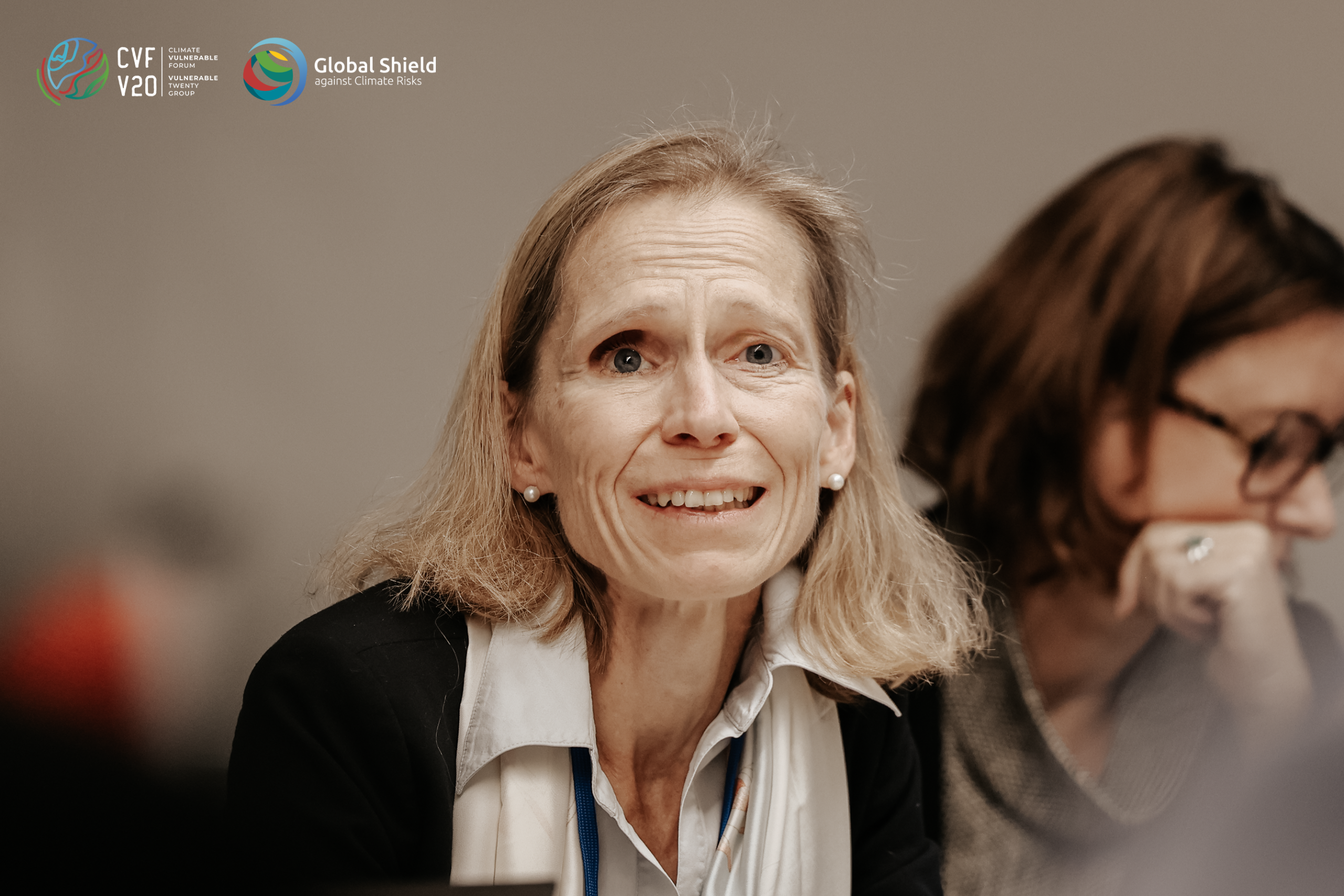
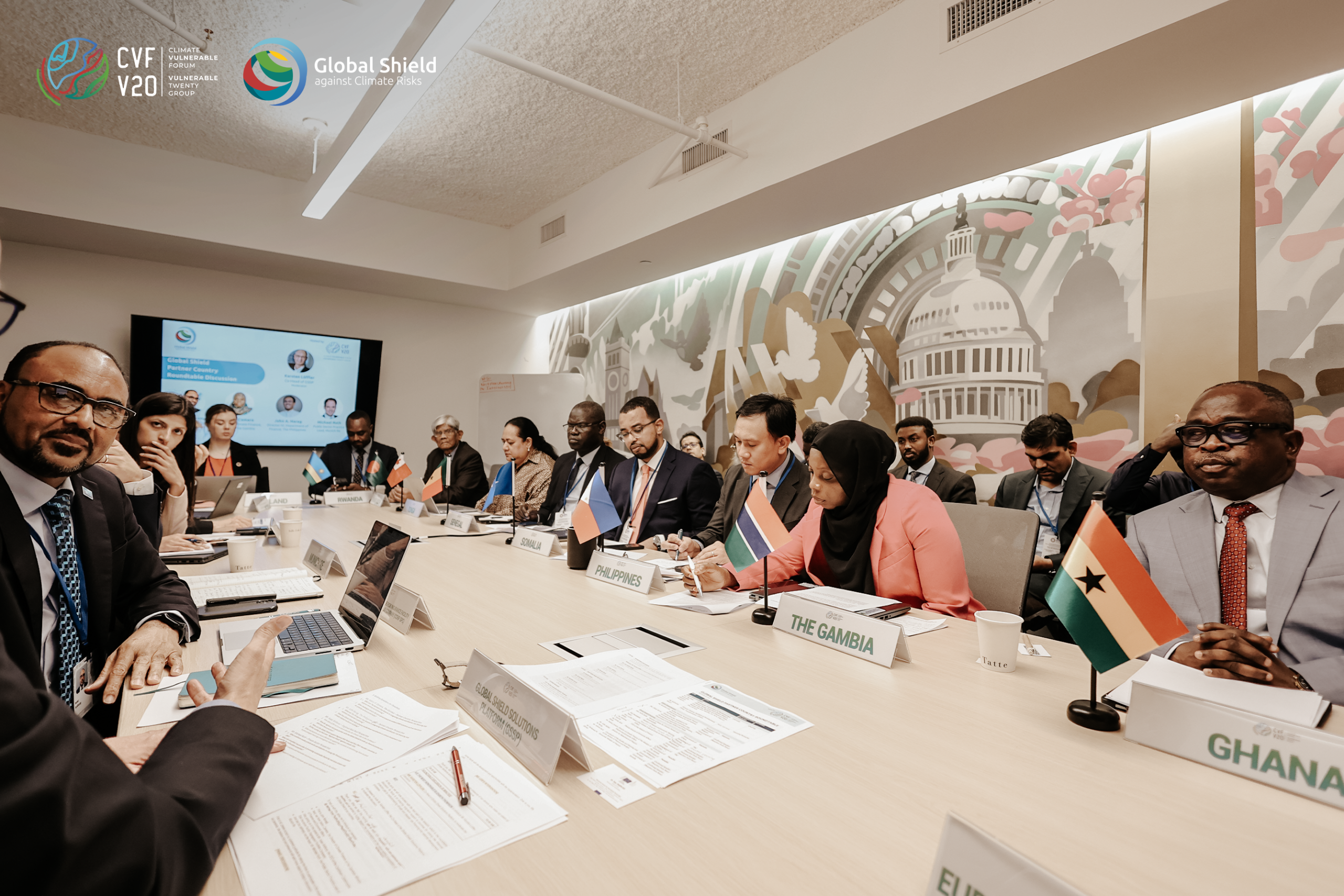

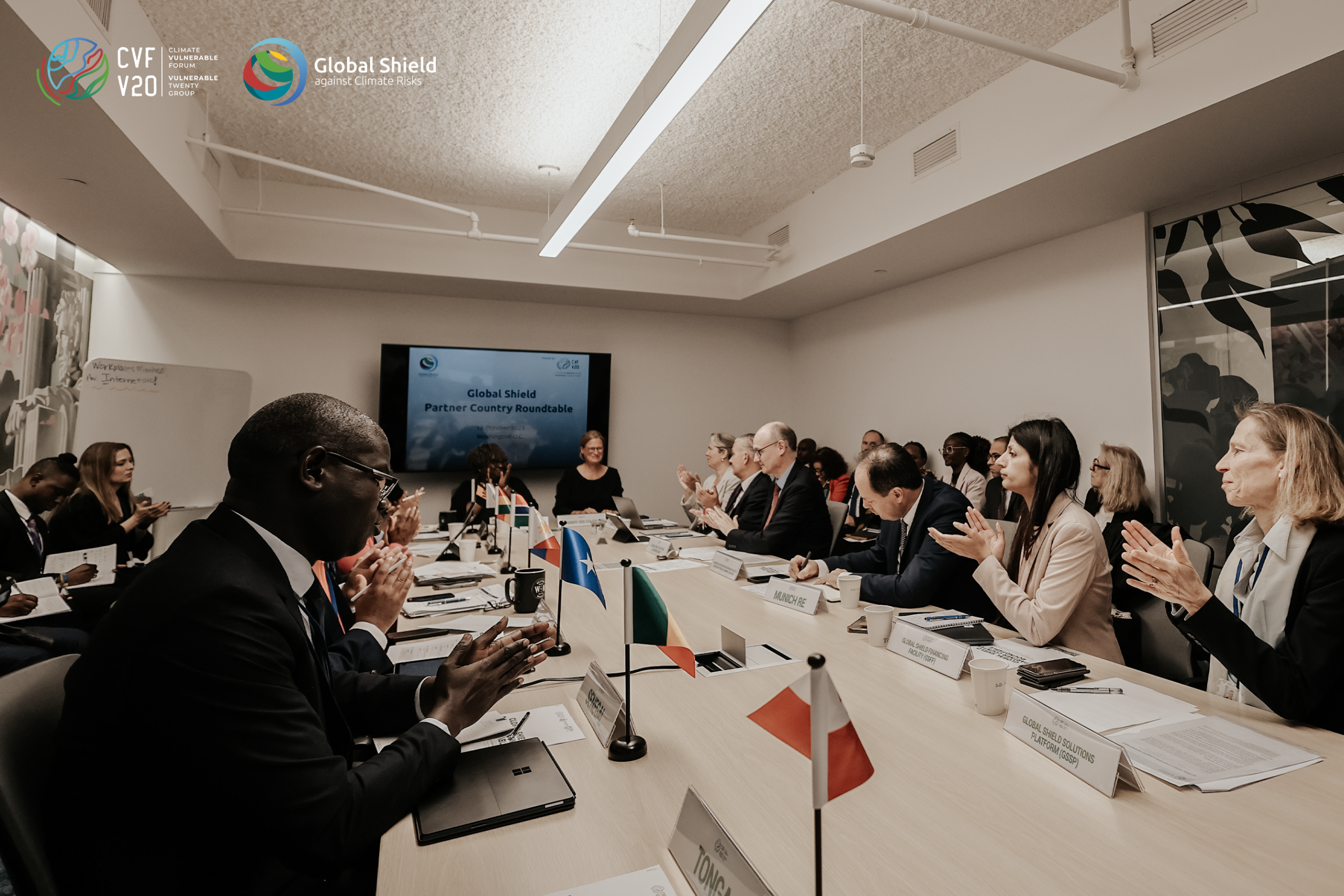
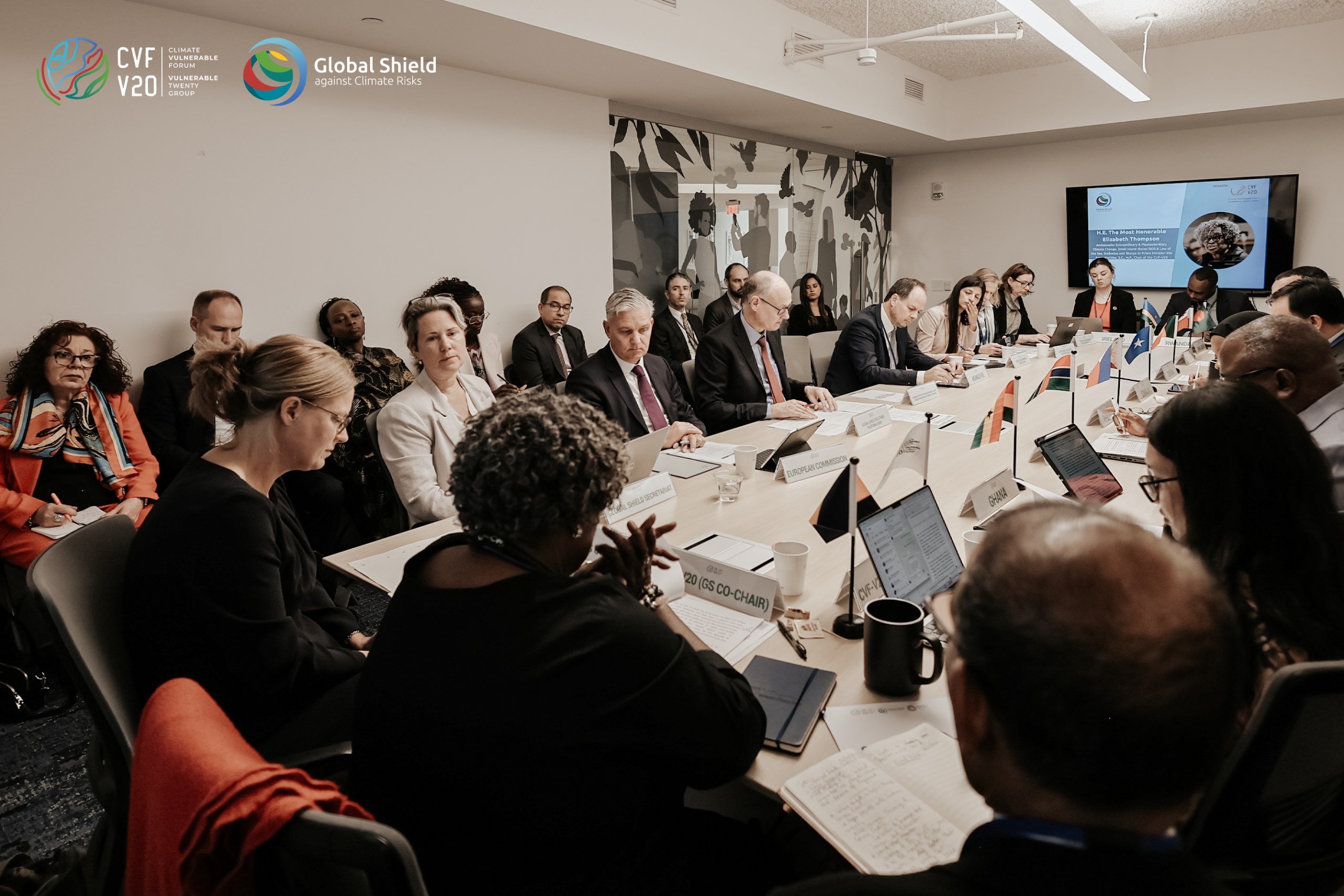
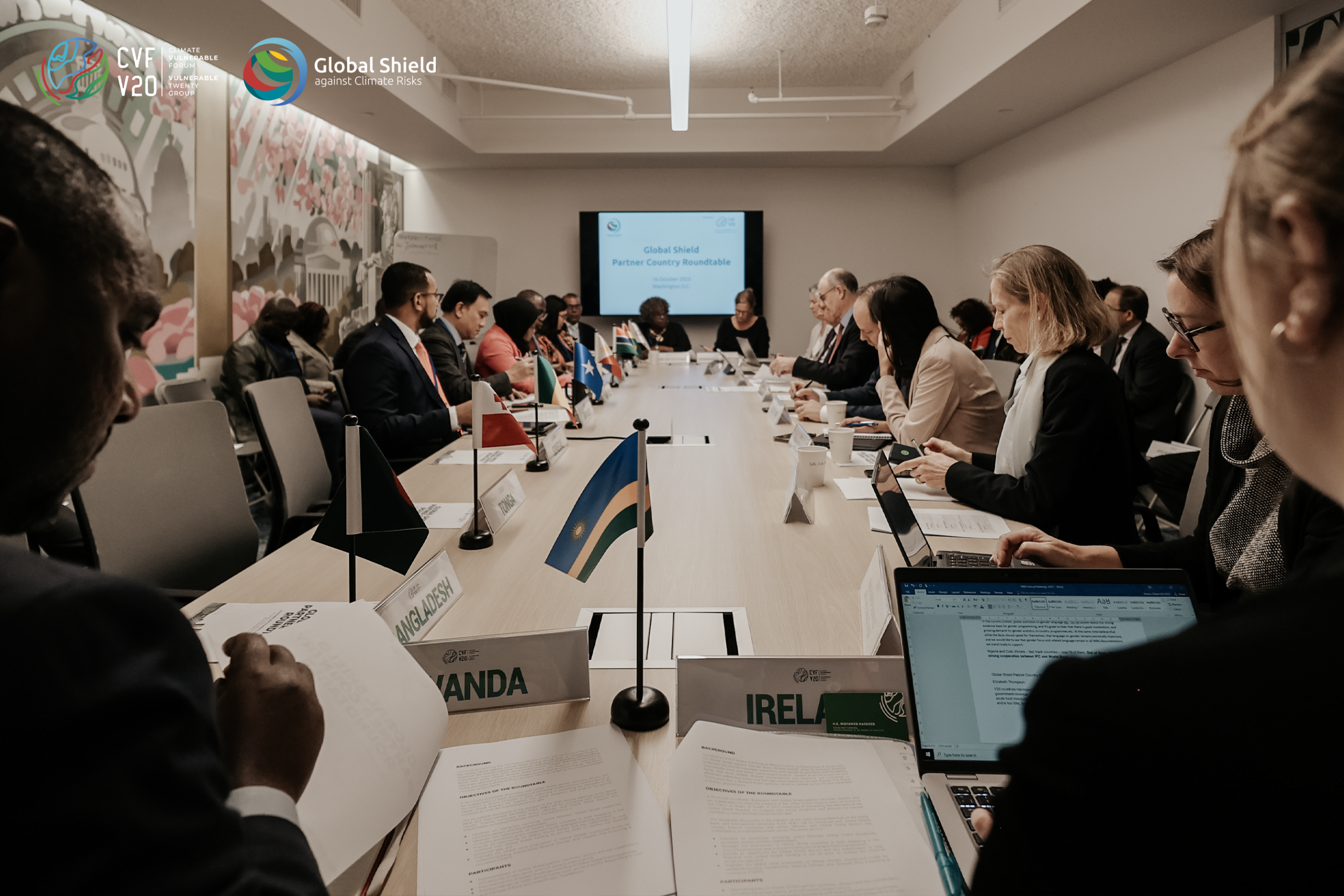

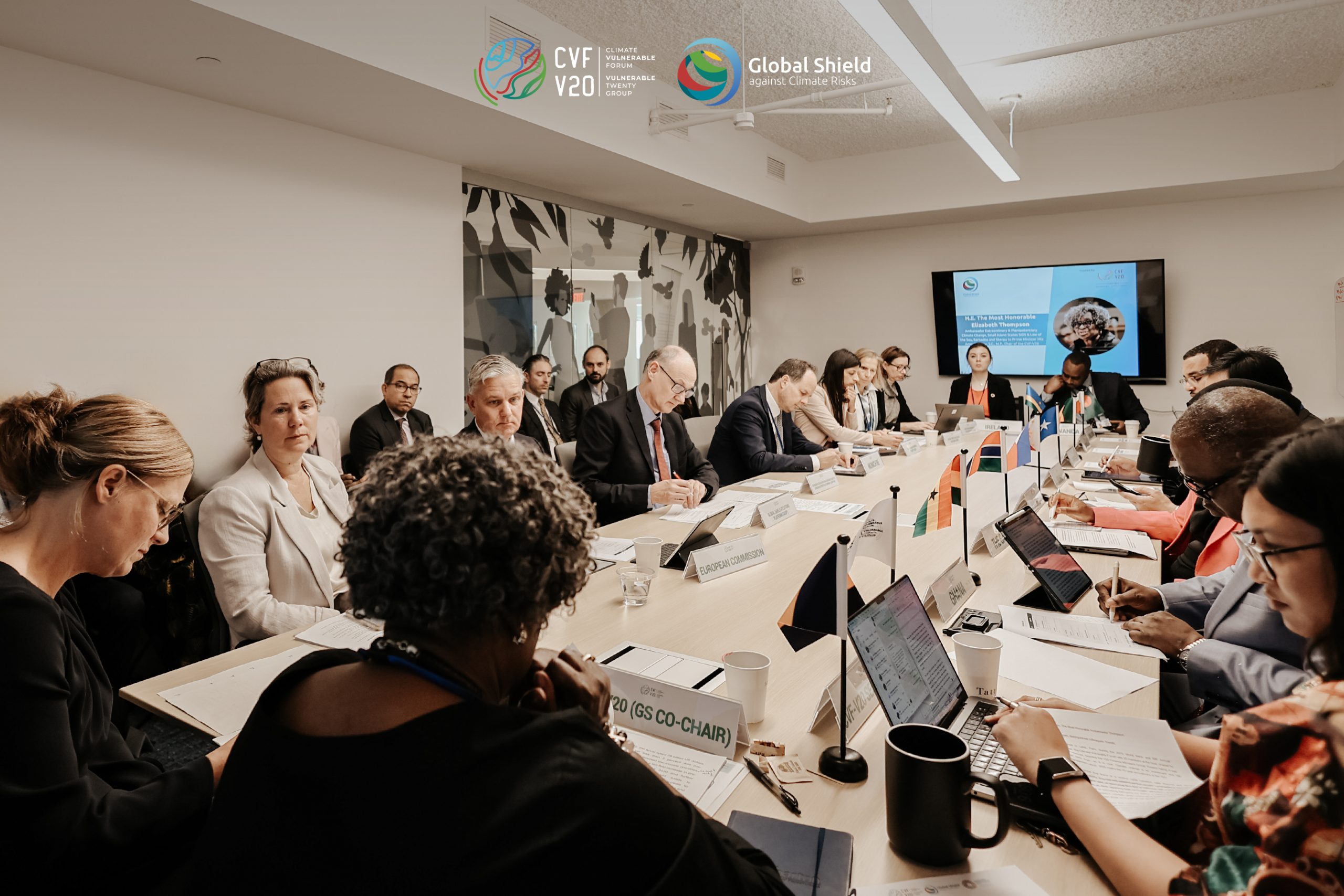
Washington D.C.–Beneficiary countries and partners of the Global Shield against Climate Risks, gathered today at the premises of the Climate Vulnerable Forum and V20 Finance Ministers (CVF-V20) in Washington D.C. to take stock of progress made in the implementation of the Global Shield initiative, exchange lessons learned, and explore ways to scale up climate and disaster risk financing and insurance (CDRFI).
Germany pledges EUR 40 million in new support to Global Shield
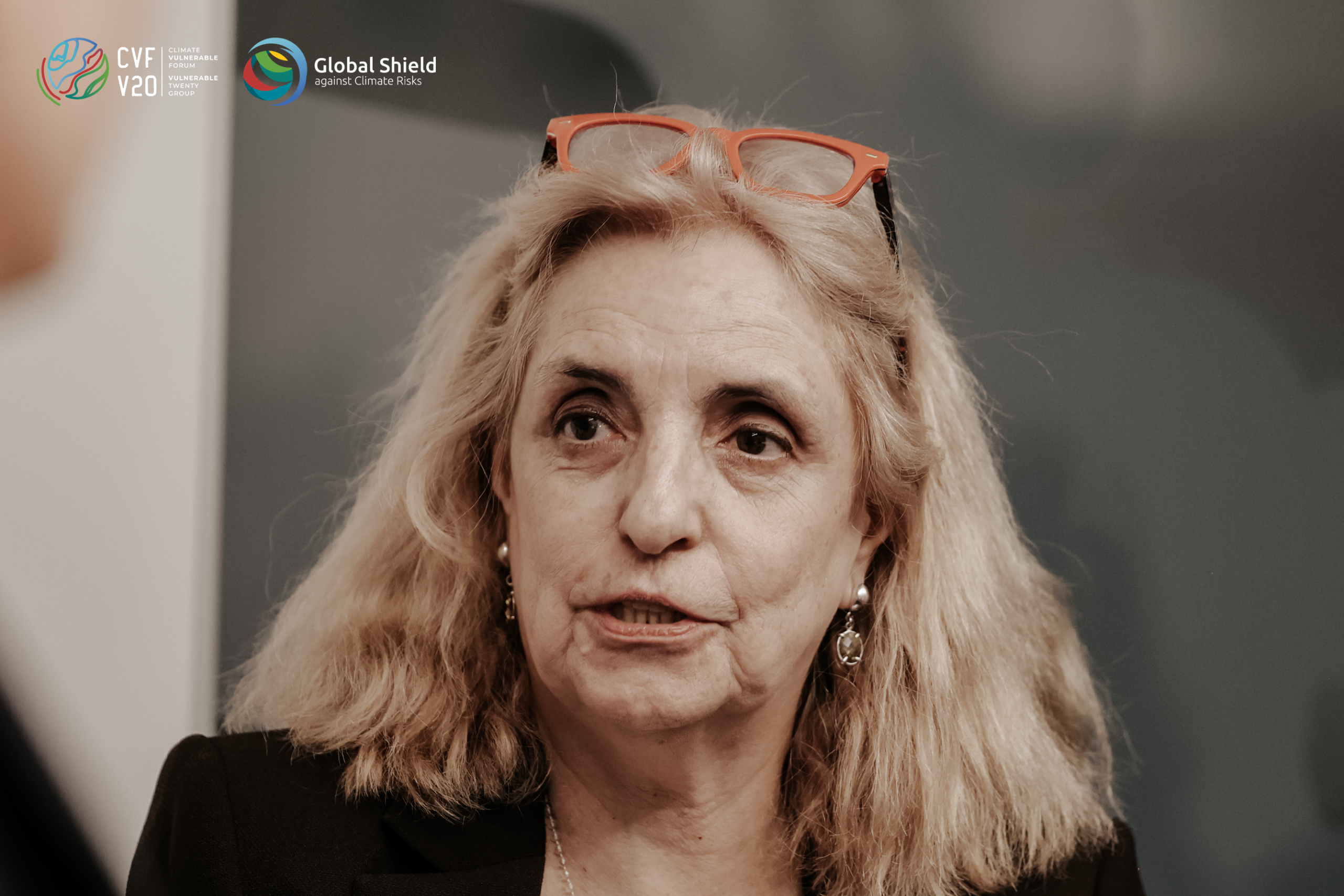
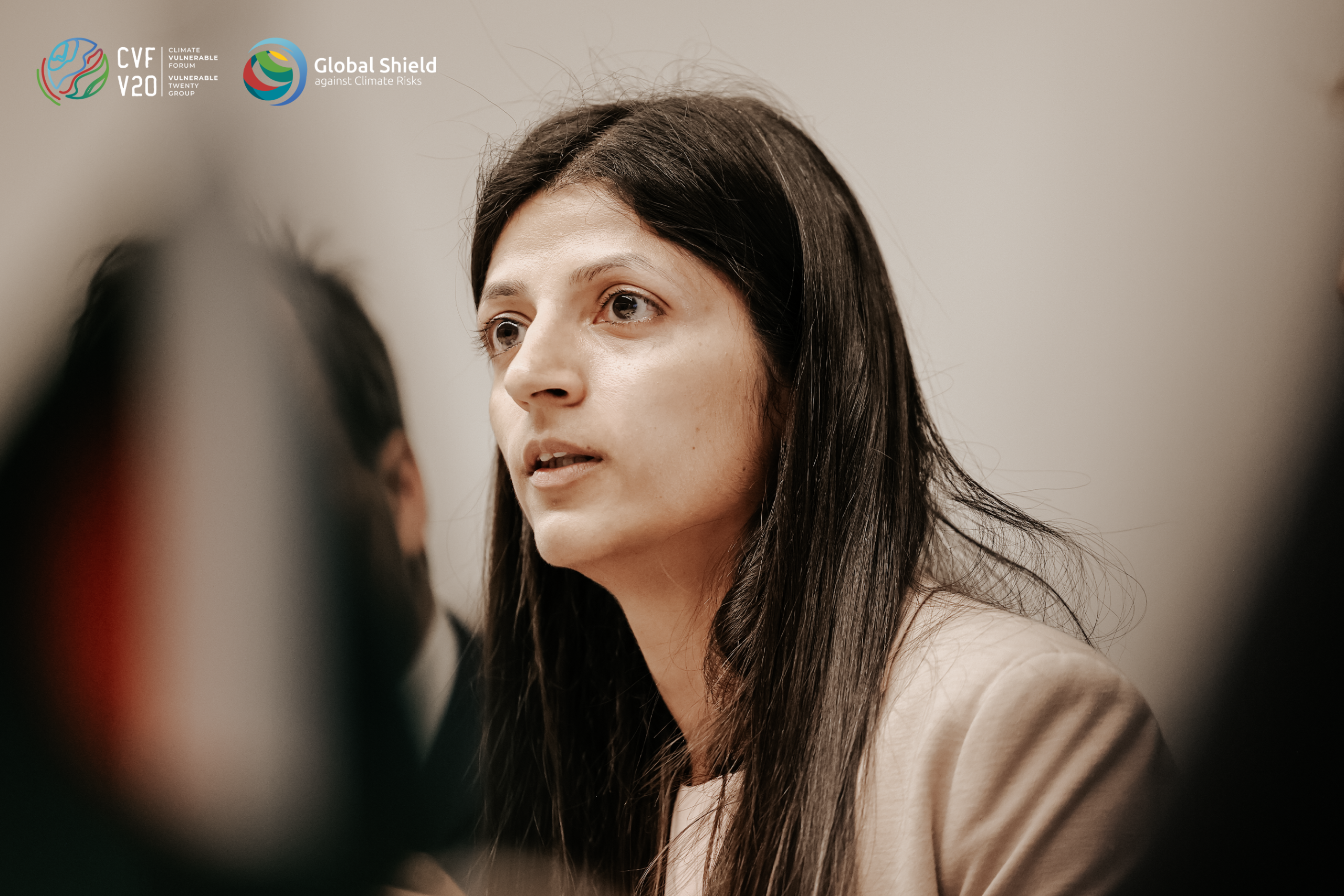
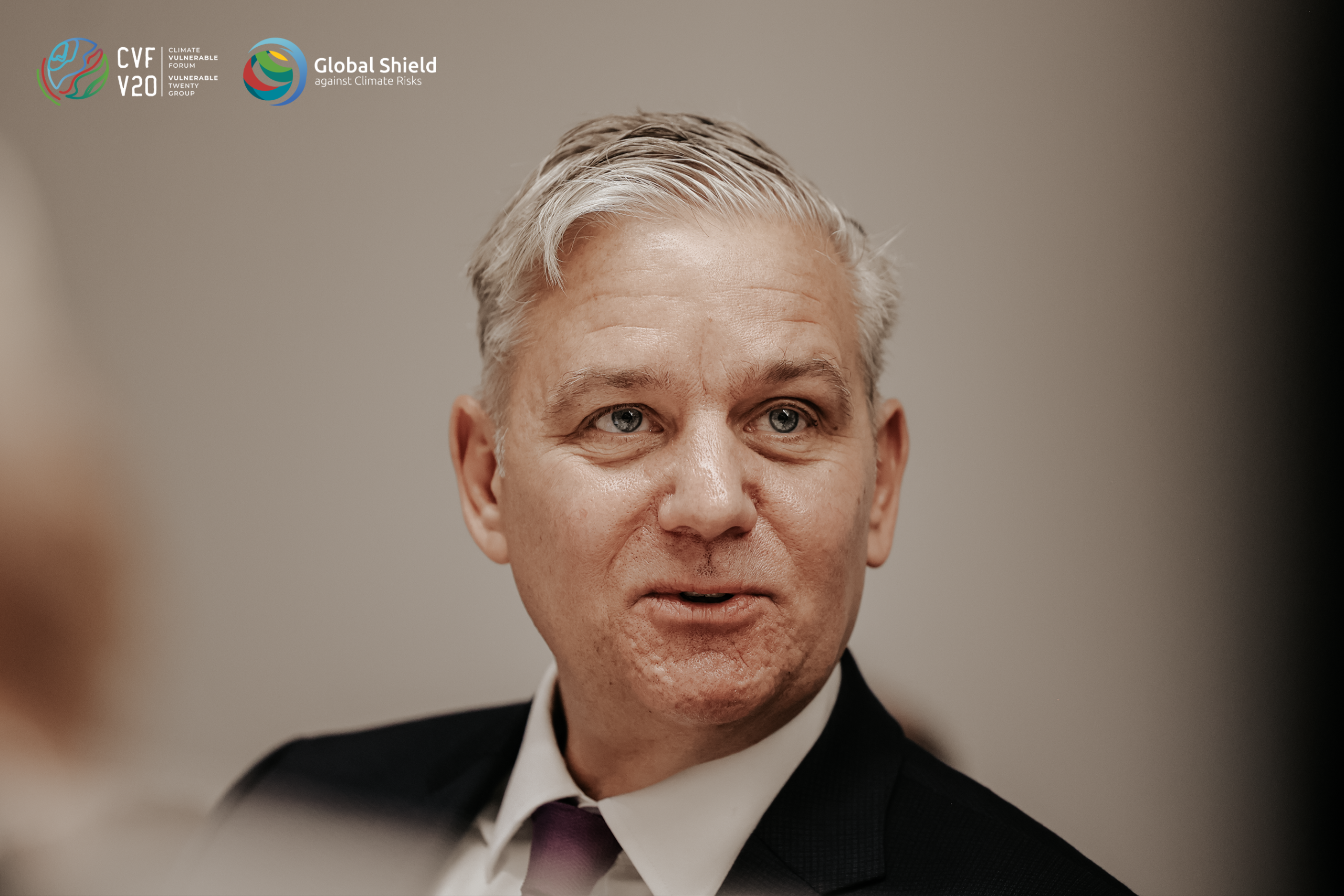
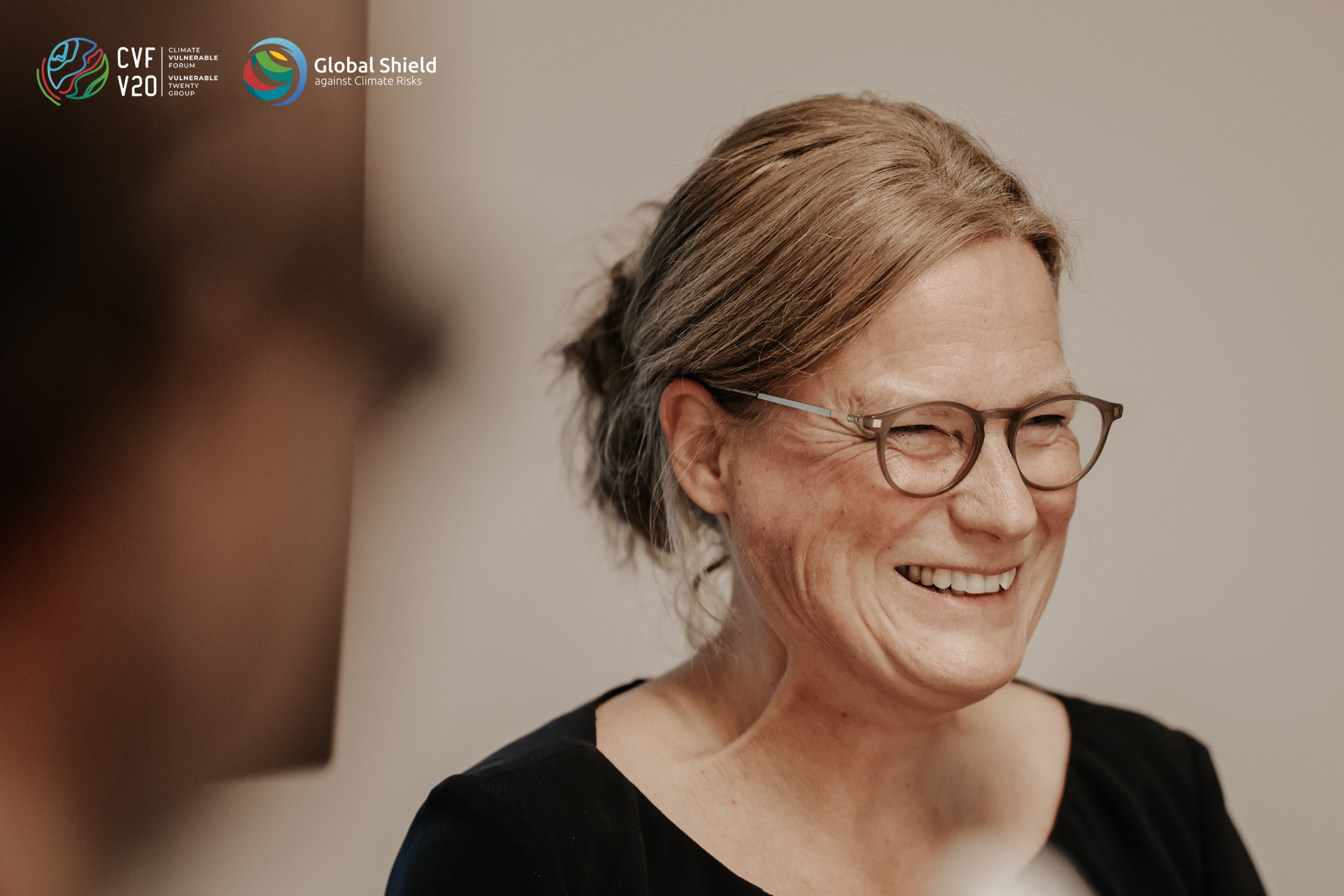
Germany expressed “full confidence in the Global Shield’s country-led processes and its proven instruments to build lasting resilience. With our new contribution of EUR 40 million, we reaffirm our commitment to scaling this vital initiative by working in partnership with countries and stakeholders to deliver protection before the next climate shock strikes,” said Ms. Katharina Stasch, Director General, Multilateral Development Policy, Transformation, Climate, from BMZ, Germany.
The roundtable, convened by the Global Shield against Climate Risks, including its financing vehicles, and hosted by the CVF-V20 Secretariat, on the margins of the 2025 Annual Meetings of the World Bank Group and the International Monetary Fund, brought together beneficiary and donor governments, regional risk pools, private sector leaders, civil society, and philanthropic organisations.
Country leadership at the centre of climate protection
At the heart of the discussions was the leadership of climate-vulnerable nations in driving their own financial protection agendas.
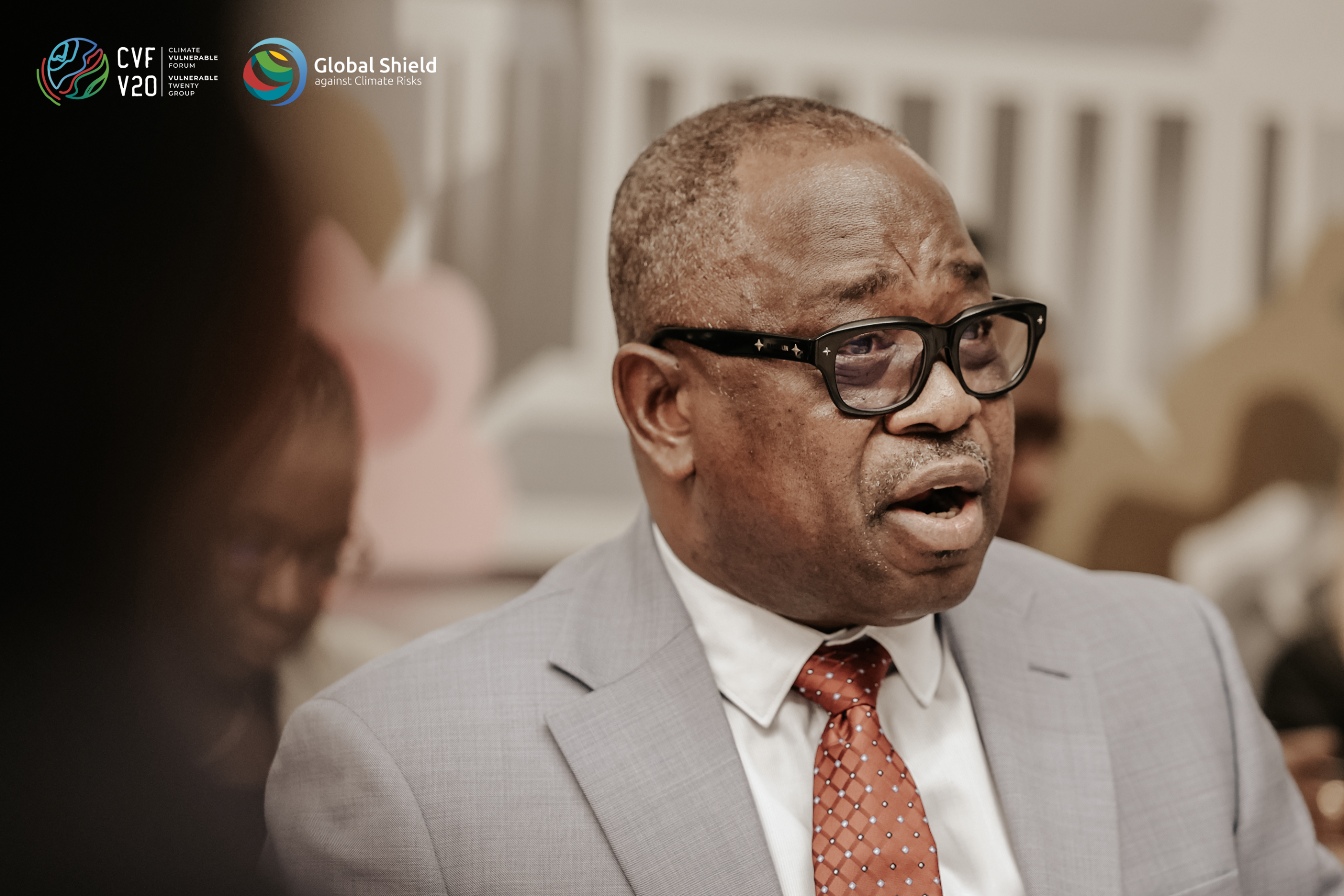
Hon. Seidu Issifu, the Minister of State for Climate Change and Sustainability of Ghana, shared their journey through the in-country process, including how priorities were set and interventions were tailored to national needs. With support from the Global Shield and its partners, Ghana secured its first parametric drought insurance through the African Risk Capacity (ARC) Ltd. A USD 960,202 payout was triggered in the fall of 2024 and a second payout of about USD 1.9 million in 2025. These funds will further support rapid response efforts in drought-affected regions.
“Beyond drought insurance, we are now working with the Global Shield Solutions Platform and partners to design additional programmes. This initiative demonstrates how pre-arranged finance can safeguard fiscal stability, reduce reliance on emergency borrowing, and deliver rapid response when it is most needed,” Minister Issifu said.
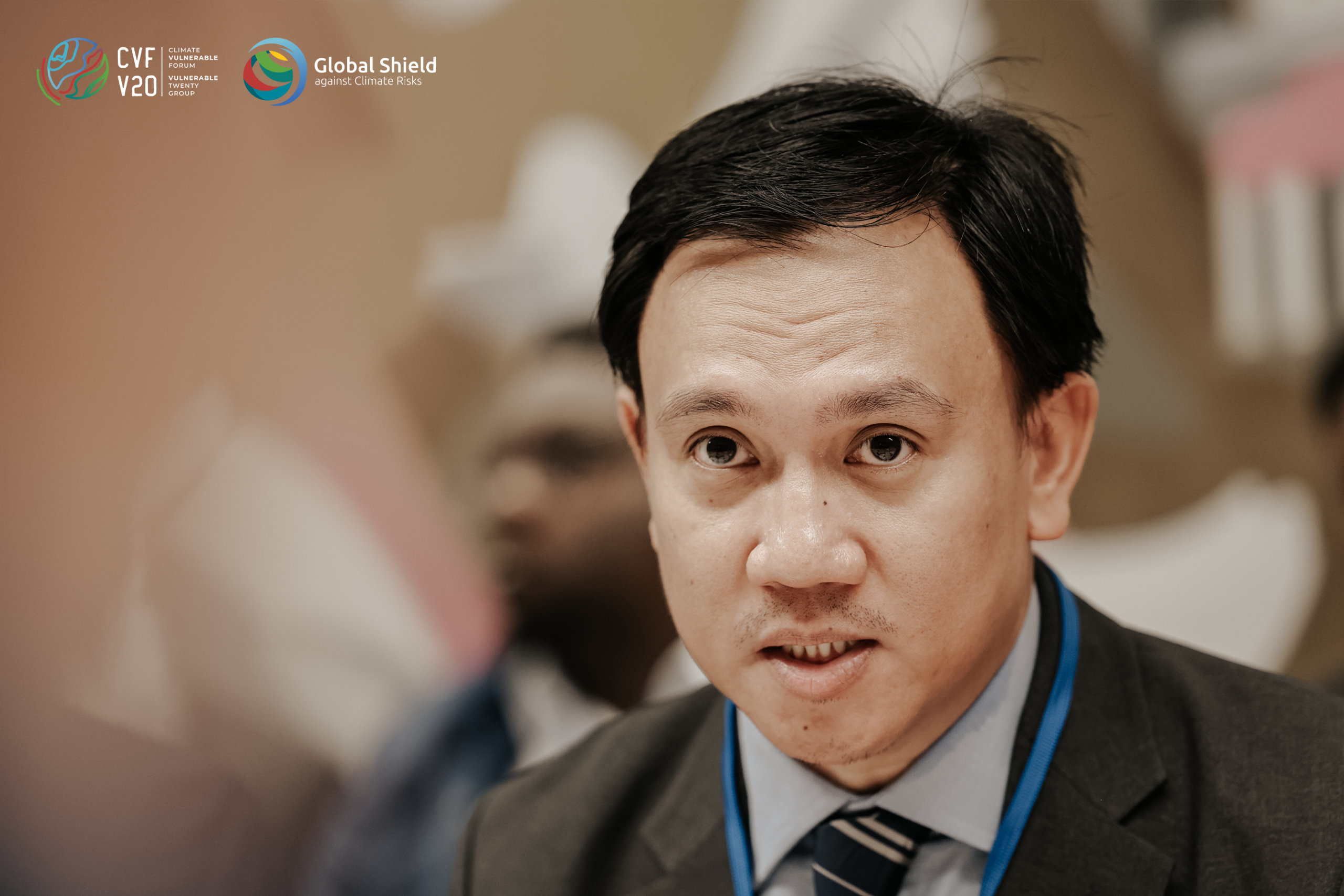
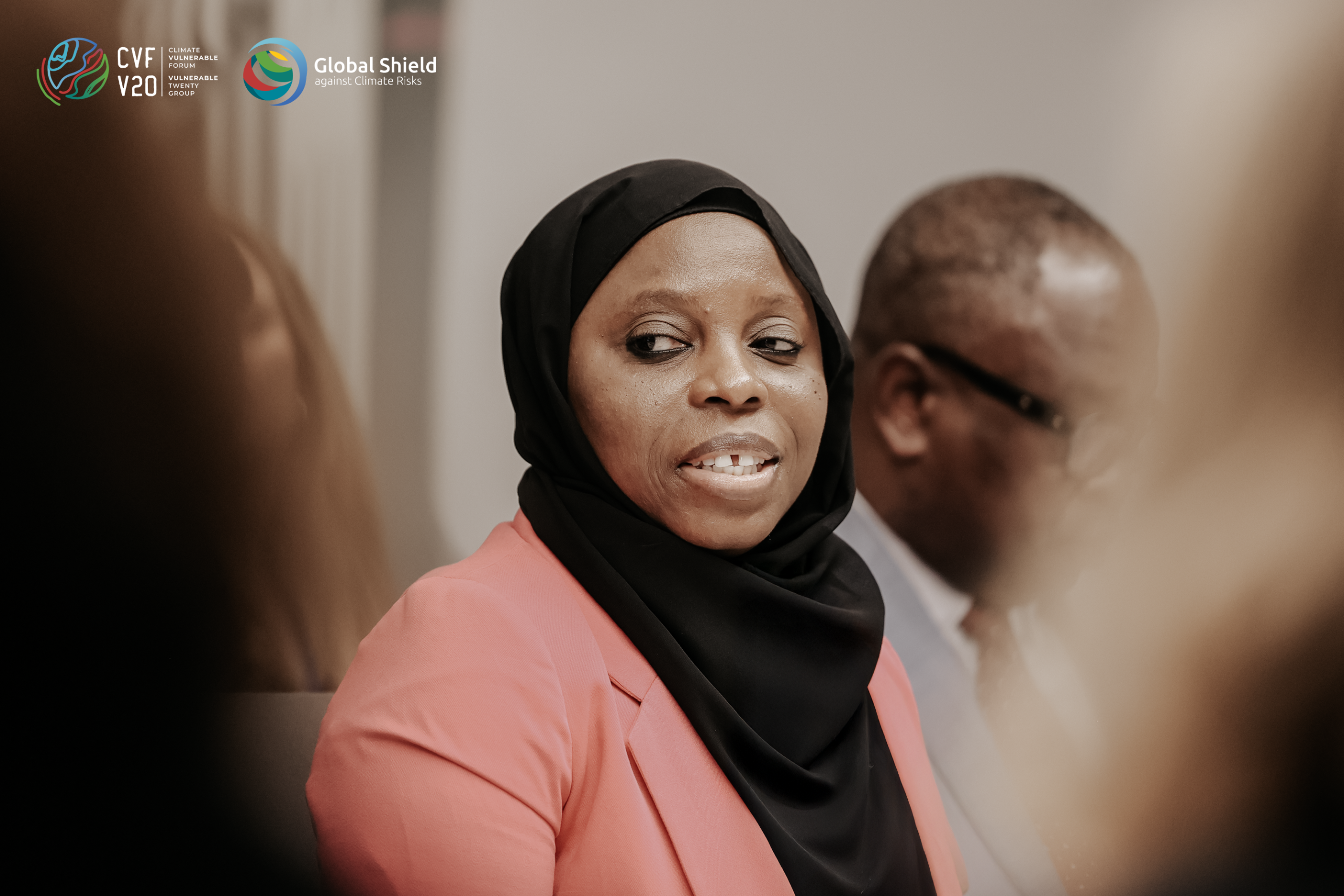
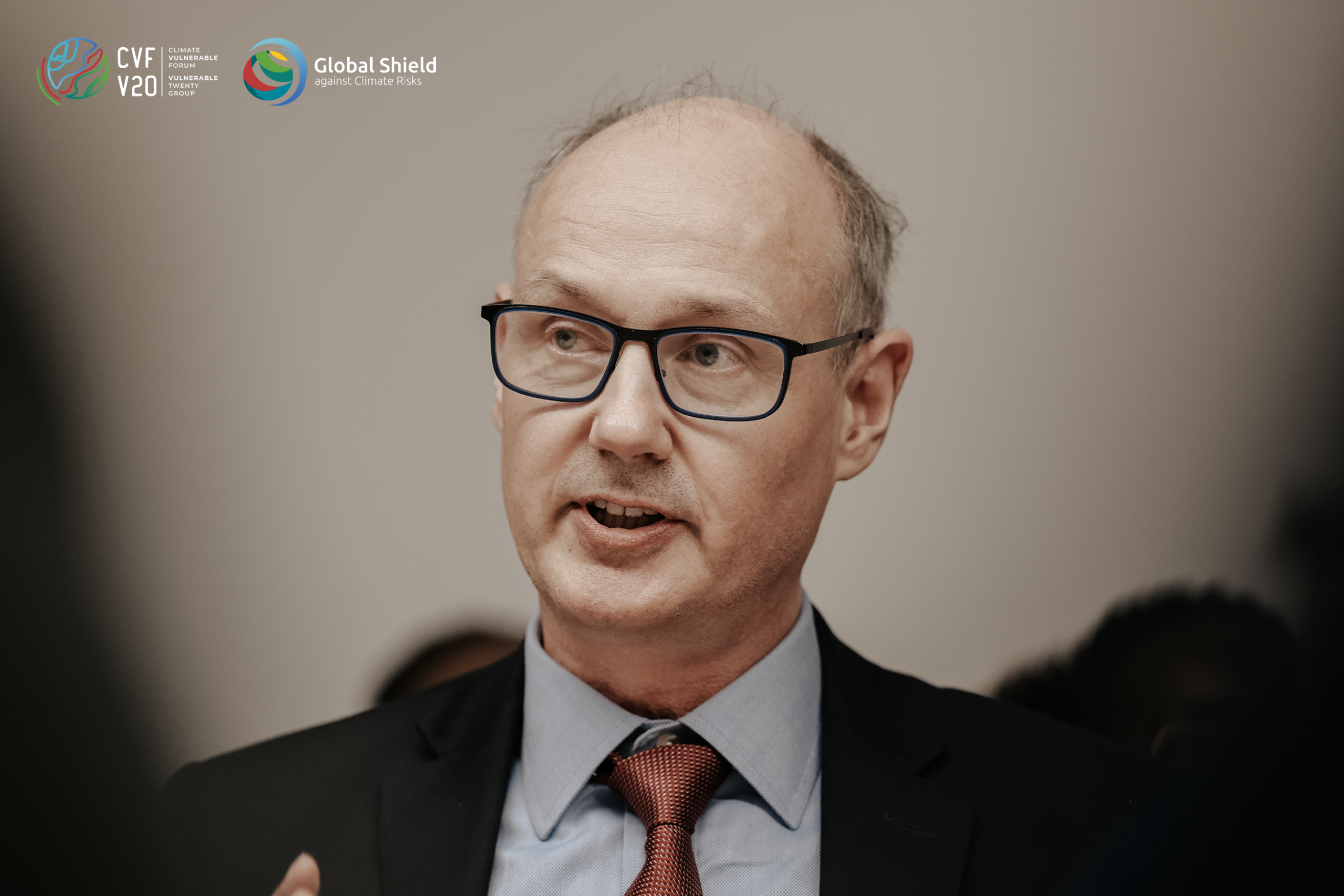
The high-level panel explored how countries are integrating Climate and Disaster Risk Finance and Insurance (CDRFI) solutions into national financial and planning systems. The discussion examined the Global Shield’s role in catalysing pre-arranged finance, shared lessons from early implementation, highlighted the value of regional risk pools, and outlined strategies to expand private sector participation to close the protection gap. The panel featured:
● Ms. Isatou F. Camara, Director of Climate Finance, Ministry of Finance and Economic Affairs, The Gambia;
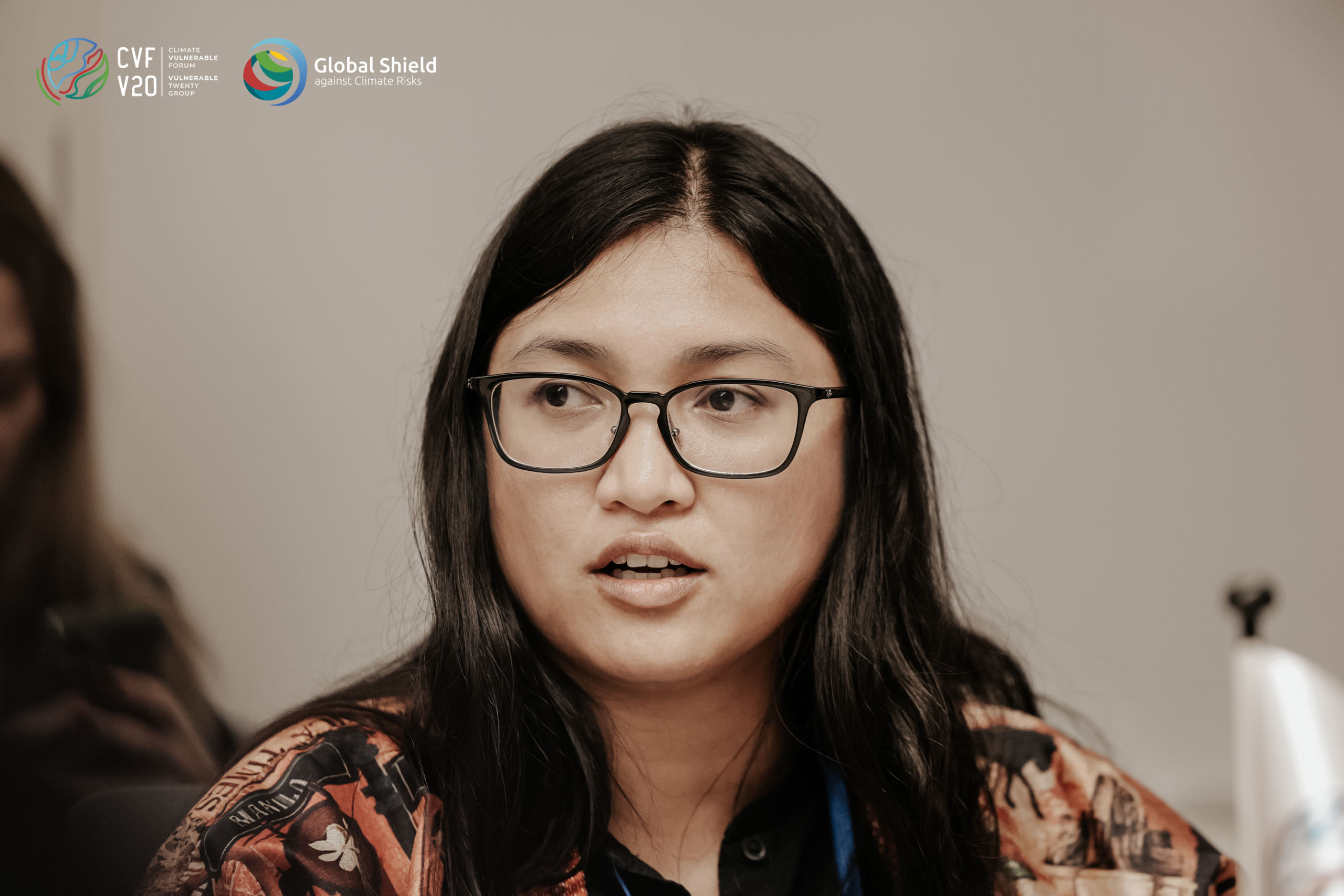
● Mr. John Adrian Narag, Director, Climate Finance Policy Group, Department of Finance, The Philippines;
● Mr. Isaac Anthony, Chief Executive Officer, Caribbean Catastrophe Risk Insurance Facility Segregated Portfolio Company (CCRIF SPC); and
● Mr. Michael Roth, Public Sector Practice Lead, Munich Re.
Reactions and interventions were provided by H.E. Salehuddin Ahmed, Honorable Finance Adviser, Ministry of Finance of Bangladesh; Ms. Kilisitina Tuaimei, Chief Executive Officer, Ministry of Finance, Tonga; Mr. Gerald Mugabe, Head of Development Finance Department, Ministry of Finance and Economic Planning of Rwanda, and Mr. Mohamed M. Qamar, Economist, Ministry of Finance, Somalia.
Building complementarity with the FRLD
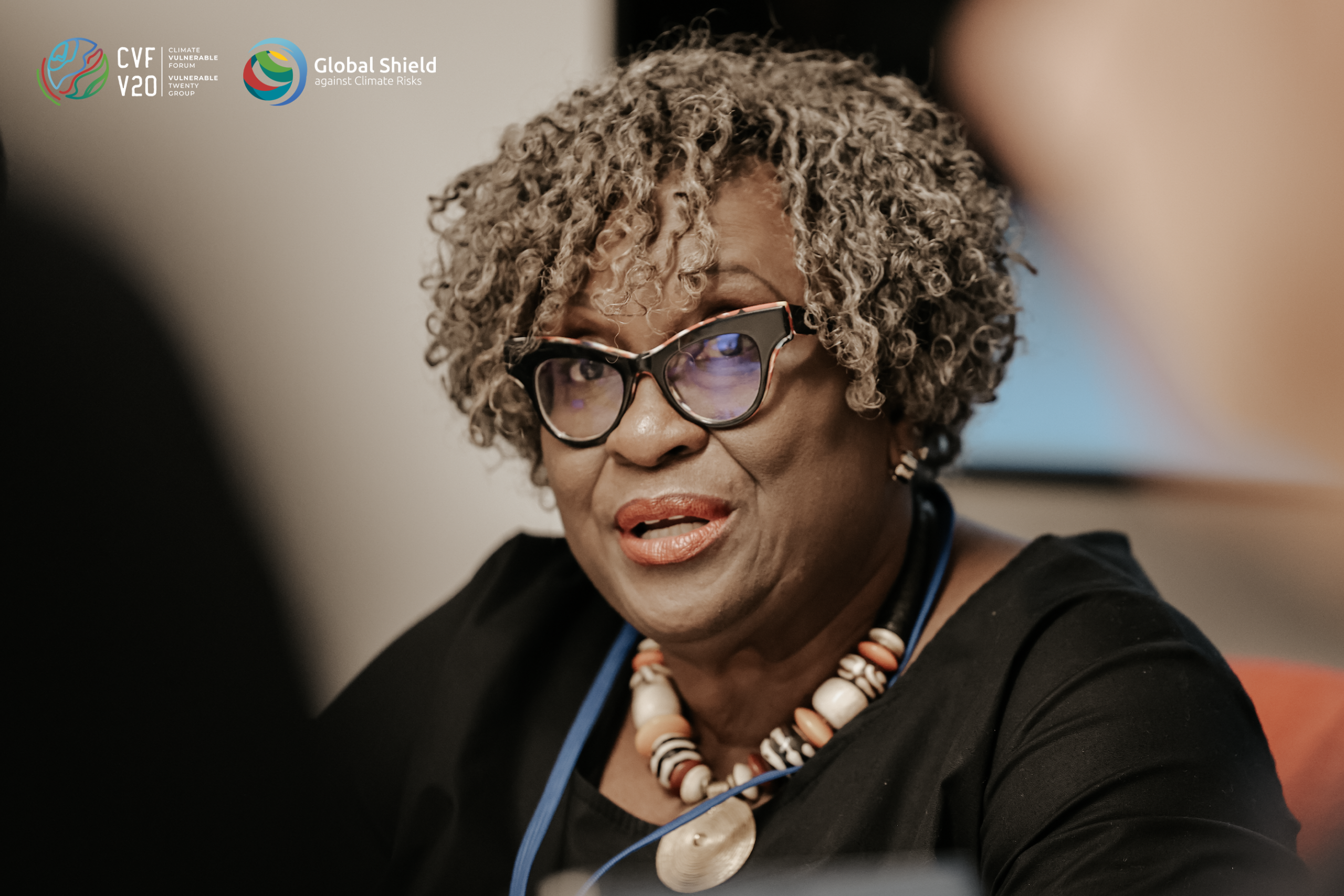
“The Global Shield is a bridge from risk to resilience. We see strong convergence and valuable lessons from the Global Shield programme that could significantly complement the development of the Fund for responding to Loss and Damage (FRLD),” said H.E. The Most Honorable Elizabeth Thompson, Ambassador Extraordinary & Plenipotentiary Climate Change, Small Island States (SIDS) & Law of the Sea, Barbados; and Sherpa to Prime Minister Mia Amor Mottley, S.C. M.P., Chair of the CVF-V20
“The Global Shield in-country process is something the FRLD can leverage. [We need to] finance across the layers of the risk, so it is reduced up front, and loss and damage is addressed,” Ambassador Thompson added.
Scaling up global cooperation and financing for protection
Ms. Marike Brady, Team Lead of the Global Shield Secretariat, stressed that “Closing the climate protection gap requires coordinated, decisive action to expand pre-arranged financing where it is needed most. The Global Shield’s inclusive, country-led approach is proving that when countries take the lead – supported by strong partnerships – solutions that truly reflect local priorities can be implemented. From Global Shield beneficiary countries, we have seen how the in-country process empowers governments to design and implement financial protection solutions tailored to their risk profiles.”
The event reaffirmed the Global Shield’s role as a collaborative instrument, enabling climate vulnerable countries to take the lead in shaping the solutions they need through stronger partnerships with donors, regional mechanisms, the private sector, and other key stakeholders.
***
Launched at COP27 by the V20 Group of Finance Ministers and the G7, the Global Shield against Climate Risks aims to increase protection for climate-vulnerable economies and communities by providing and facilitating substantially more and better pre-arranged and trigger-based finance against disasters and climate risks. Greater financial protection and faster and more reliable disaster preparedness and response will contribute to effectively responding to losses and damages from climate change.
For media enquiries, please contact [email protected].
The CVF-V20 represents 74 member-countries from small island developing states (SIDS), least developed countries (LDCs), low-to-middle income countries (LMICs), landlocked developing countries (LLDCs), and fragile and conflict-affected states (FCS). Working together, the CVF-V20 aims to achieve climate justice through the realization of Climate Prosperity Plans, which contain ambitious economic and financial resilience strategies designed to attract investment and resources that advance the attainment of the Sustainable Development Goals (SDGs), 30×30 Global Biodiversity, and help keep the average global temperatures to the Paris Agreement’s 1.5°C safety threshold.
For media enquiries, please contact [email protected].
For the latest updates, please follow us on:
Africa: Benin, Burkina Faso, Cabo Verde, Chad, Comoros, Côte d’Ivoire, Democratic Republic of the Congo, Eswatini, Ethiopia, Gabon, The Gambia, Ghana (Troika), Guinea, Kenya, Liberia, Madagascar, Malawi, Morocco, Mozambique, Namibia, Niger, Rwanda, Senegal, Sierra Leone, Somalia, South Sudan, Sudan, Tanzania, Togo, Tunisia, Uganda
Asia: Afghanistan, Bangladesh (Troika), Bhutan, Cambodia, Kyrgyzstan, Maldives, Mongolia, Nepal, Pakistan, Philippines, Sri Lanka, Timor-Leste, Vietnam
Caribbean: Barbados (Chair/Troika), Dominica, Dominican Republic, Grenada, Guyana, Haiti, Saint Lucia, Suriname, Trinidad and Tobago
Latin America: Colombia, Costa Rica, Guatemala, Honduras, Nicaragua, Paraguay
Middle East: Jordan, Lebanon, Palestine, Yemen
Pacific: Fiji, Kiribati, Marshall Islands, Nauru, Palau, Papua New Guinea, Samoa, Solomon Islands, Tonga, Tuvalu, Vanuatu