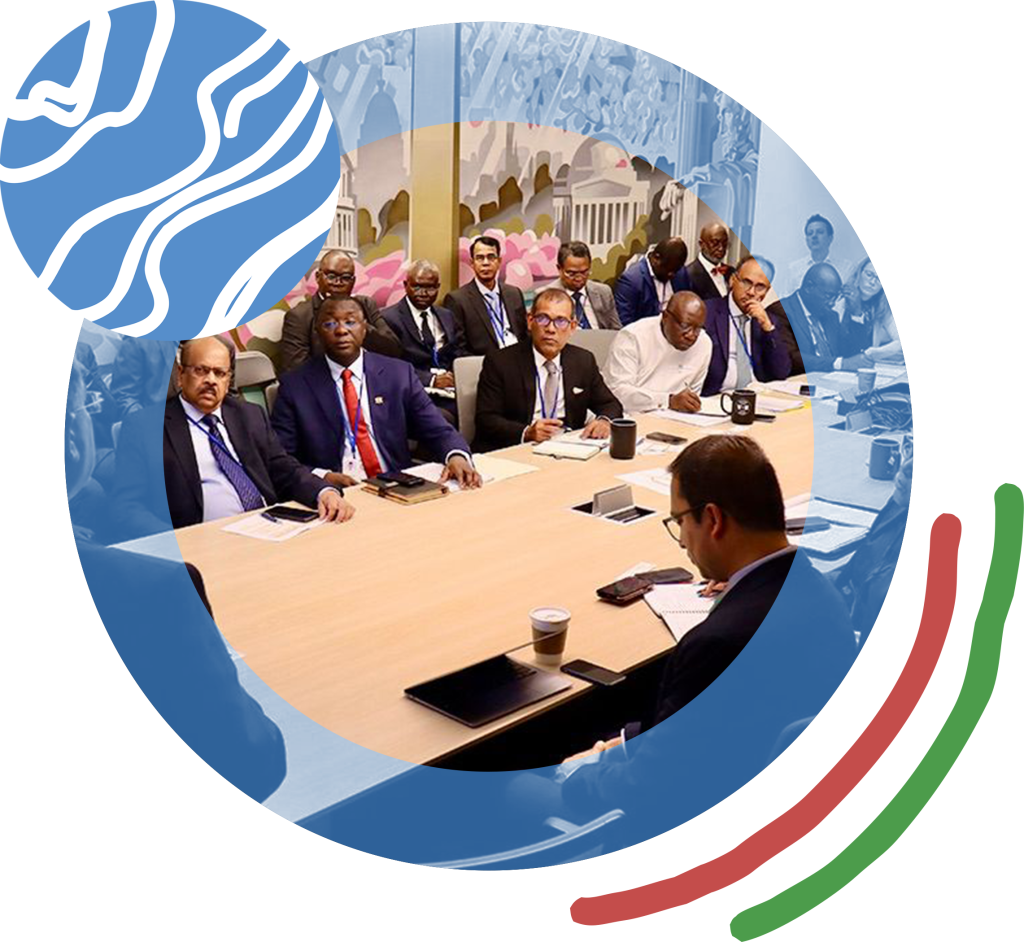
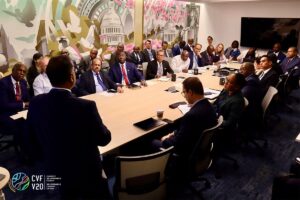
At the 11th V20 Ministerial Dialogue held on the sidelines of the 2023 Annual Meetings of the World Bank and the International Monetary Fund (IMF) in Morocco, the V20 Finance Ministers of the Climate Vulnerable Forum (CVF-V20) launched a new group of Central Bank Governors to better understand the impacts of the climate crisis on macroeconomics and monetary policy.
The Central Bank Governors Working Group aims to strengthen technical collaboration among CVF-V20 central banks, focused on integrating climate risks into macroeconomic analysis and modeling tools to support the climate prosperity agenda. Additionally, it aims to collaboratively explore liquidity options, including mobilizing resources from the IMF and partnering with G21 central banks to advance climate action across the member states.
As central banks confront the economic instability and liquidity pressures arising from climate shocks, their responsibilities are evolving to promote green financing and integrate climate-related risks into monetary policy as well as investment portfolios.
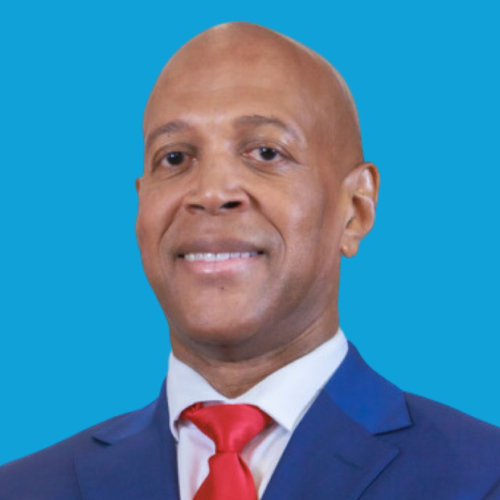
With Barbados assuming the role of CVF-V20 Presidency, the country’s Central Bank Governor, Hon. Dr. Kevin Greenidge, chairs the working group.
HON. DR. KEVIN GREENIDGE
Governor, Central Bank of Barbados
“We have an opportunity to diversify partnerships by design—not only to hedge volatility, but to build a system we can trust. That means shifting from opportunistic alliances to institutional cooperation, starting with ourselves. Also, this reality heavily emphasizes the crucial role of central banks in maintaining financial and economic stability. But our responsibilities are evolving to address emerging global challenges, including climate change and sustainable development, or the lack thereof.”
Their influence extends across three key areas:
Lifeline
Creating a V20 Central Banks’ multiregional liquidity support facility.
Inclusive Green Finance
Helping climate vulnerable communities cope with climate shocks through access to green financial services.
Sustainable Finance
Positioning V20 Central Banks as leaders in building a green and resilient financial ecosystem.
LIFELINE
A major focus of the Working Group is Lifeline.
Climate change has erased one-fifth of the wealth of the CVF-V20 economies over the past two decades. Preliminary data indicate that these nations would be 20% wealthier today if not for the impact of climate change and the significant losses that they have faced. Many CVF-V20 countries also grapple with high levels of indebtedness, underscoring the critical need to unlock additional financing sources that can supplement existing foreign currency reserves and enhance their capacity to respond effectively to major climate shocks.
A dedicated liquidity mechanism is essential to help countries manage balance-of-payments pressures caused by climate shocks. The Central Bank Governors Working Group is laying the groundwork for creating a Regional Financial Arrangement (RFA), called the Lifeline, to provide balance-of-payments finance to cushion the immediate impacts of climate shocks, such as tropical cyclones, floods, and droughts, while also mobilizing medium-term investments similar to Resilience and Sustainability Trust (RST) of the International Monetary (Fund).
The Lifeline is being designed as a complementary alternative to the conventional network of financial resources and institutional arrangements in the Global Financial Safety Net, which often involve significant delays and stringent conditionalities that hinder timely recovery efforts.
The Lifeline reflects the reality that climate change is now a structural source of macroeconomic and financial stability for many developing countries, especially CVF-V20 members. The concept draws upon insights from existing RFAs, primarily the Latin American Reserve Fund (FLAR), which has effectively supported its members during economic crises for over three decades, while simultaneously incorporating a climate-risk-responsive framework.
The concept was initially presented during the group’s second working group meeting at the 2024 Annual Meetings of the World Bank and IMF, with continuous refinements in the design and parameters to appropriately reflect the economic landscape and climate needs of the V20 member states.